Your cart is currently empty!
You may check out all the available trips and book one that suits you.
Continue Browsing Trips
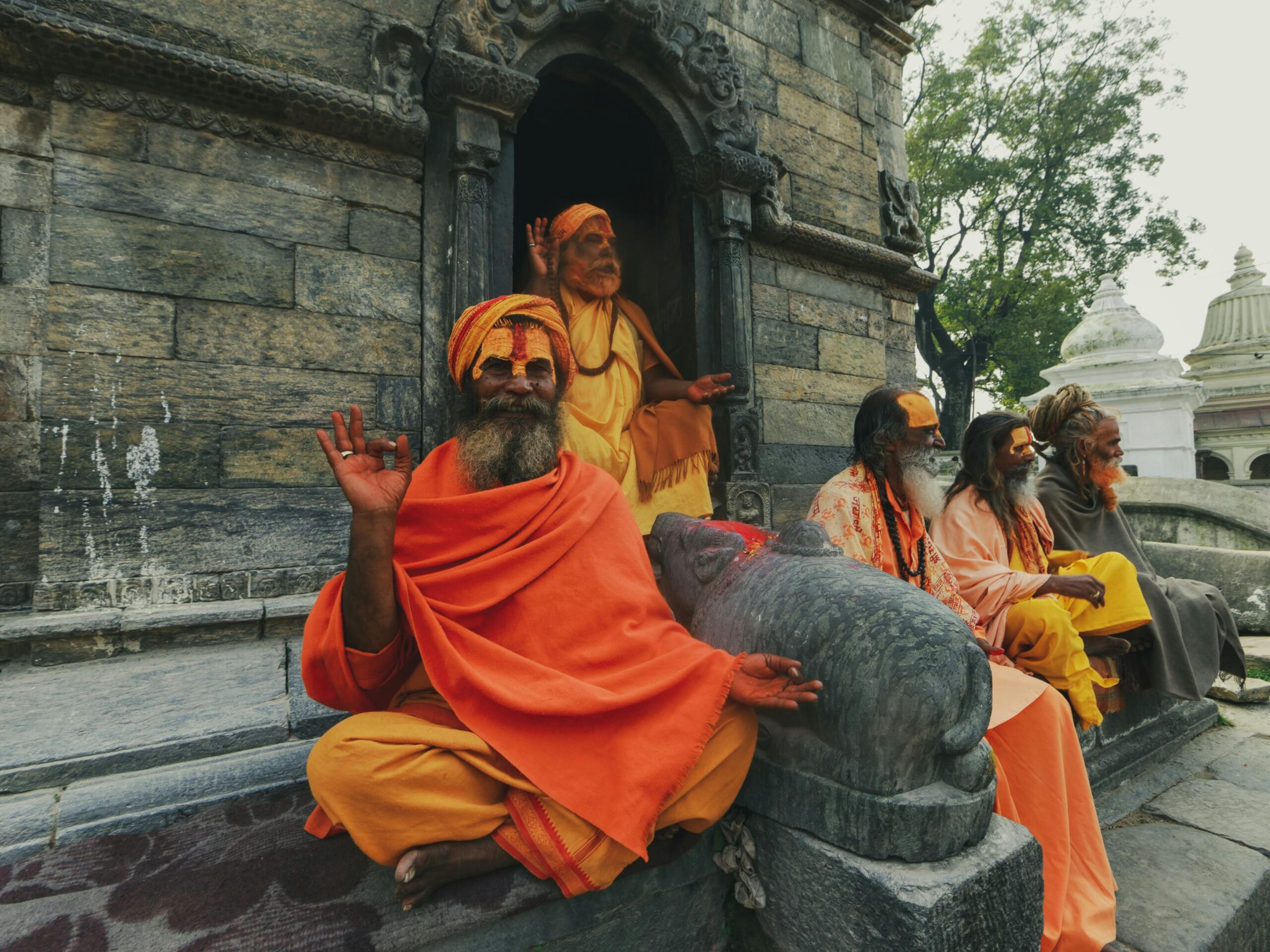
Best Pandit for Puja in Varanasi , Standing at the ghats of Varanasi for the first time, surrounded by temple bells and incense smoke, you might feel both spiritually moved and practically overwhelmed. You’ve traveled perhaps thousands of miles to perform sacred rituals in this ancient city, and now comes a crucial decision: which pandit should you trust with your family’s spiritual ceremonies?
Choosing the right pandit isn’t just about finding someone who knows the mantras—it’s about finding a genuine spiritual guide who’ll conduct your rituals with authenticity, respect, and integrity. The right pandit transforms your puja from a mechanical transaction into a profound spiritual experience. The wrong one? Well, they can leave you feeling cheated, spiritually unfulfilled, and wondering if you wasted your pilgrimage.
Here’s the thing: Varanasi hosts thousands of pandits, ranging from deeply knowledgeable spiritual scholars to opportunistic scammers targeting vulnerable pilgrims. The challenge isn’t finding a pandit—you’ll be approached by dozens within minutes of arriving at any major ghat. The challenge is identifying authentic, ethical priests who’ll honor both your spiritual needs and your wallet.
This guide walks you through everything you need to know about choosing a pandit safely in Varanasi, avoiding common scams, recognizing genuine expertise, and ensuring your sacred rituals are performed with the authenticity they deserve.
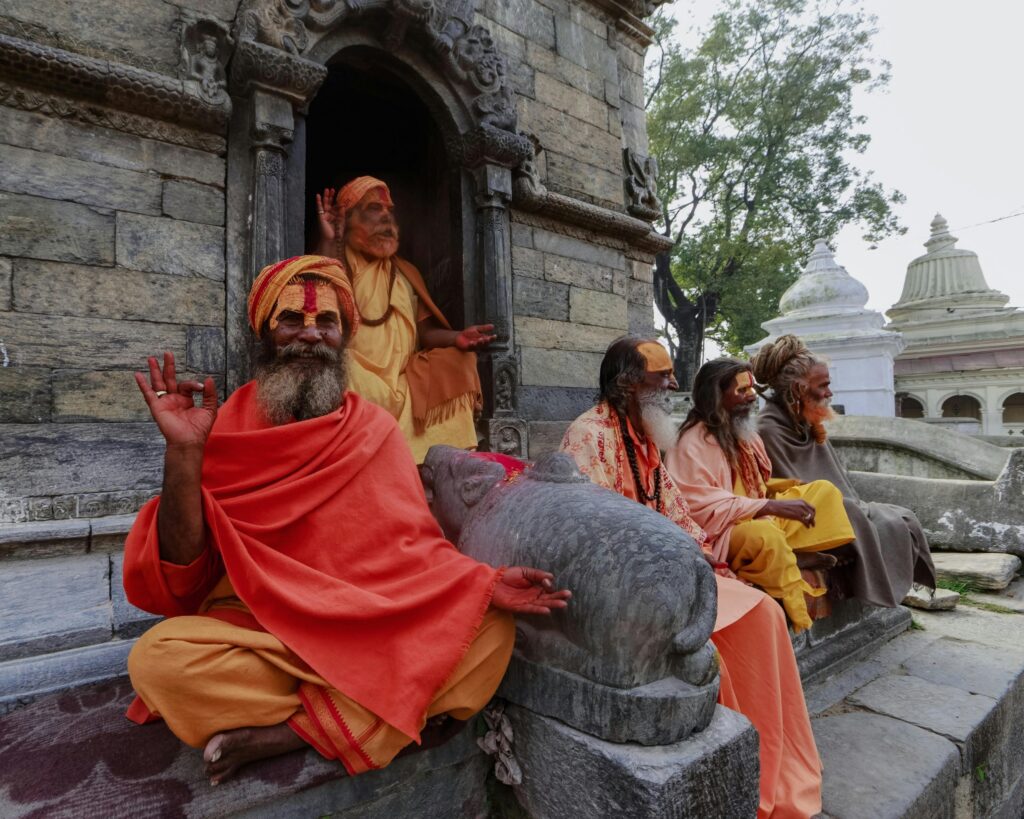
Before we dive into selection strategies, let’s clarify what pandits actually do and why their role matters so much.
A pandit (also called purohit, pujari, or priest) is a learned person trained in Vedic scriptures, rituals, and Sanskrit mantras. They serve as intermediaries between devotees and the divine, conducting ceremonies according to ancient traditions passed down through generations. Think of them as spiritual engineers who know precisely how to construct bridges between the material and spiritual worlds.
But not all pandits are created equal. Some specialize in specific rituals—Pind Daan pandits focus on ancestral ceremonies, while Kaal Sarp Dosh specialists excel in astrological remedy pujas. Others are generalists capable of performing various ceremonies competently. Some pandits are also astrologers, offering horoscope readings and spiritual counseling beyond ritual performance.
The best pandits combine several qualities: deep Vedic knowledge, proper pronunciation of Sanskrit mantras (this matters more than you might think—mispronounced mantras can alter meanings entirely), understanding of ritual symbolism so they can explain what you’re doing and why, and genuine devotion rather than just going through motions for payment.
In Varanasi specifically, pandits often belong to families who’ve served pilgrims for generations. Their knowledge comes not just from textbooks but from lifelong immersion in spiritual practice and ritual performance. These hereditary pandits understand the subtle nuances that make rituals truly effective.
You might wonder—does it really make that much difference? Can’t any pandit perform the rituals adequately? Well, yes and no.
On one level, the spiritual sincerity you bring to the ceremony matters most. Your devotion and intention carry tremendous weight. But on another level, ritual precision absolutely matters in Vedic tradition. Specific mantras must be chanted at specific times with proper pronunciation. Offerings must be made in prescribed sequences. Symbolic gestures carry meaning that can’t be randomly altered without affecting the ritual’s purpose.
A knowledgeable pandit ensures your ceremony follows authentic Vedic protocols rather than shortcuts or invented variations. They understand why each step exists and can adapt appropriately when circumstances require flexibility without compromising ritual integrity.
Beyond technical accuracy, the right pandit creates the proper spiritual atmosphere. Their own devotion and focused energy elevate the ceremony from mere performance to genuine sacred experience. You’ll feel the difference—there’s something palpable about rituals conducted with true spiritual power versus those rushed through mechanically.
Practically speaking, an ethical pandit protects you from exploitation. They charge fair prices, clearly explain what’s included, perform complete rituals without demanding surprise additional payments, and treat you with respect rather than viewing you as a resource to be extracted.
The wrong pandit can sour your entire Varanasi experience. Imagine traveling thousands of miles, investing significant money, and ending up with incomplete rituals, hidden charges, and the sinking feeling that you’ve been scammed. It happens far too often, which is precisely why this guide exists.
Let’s get real about the darker side of Varanasi’s spiritual economy. Most pandits are honest, but enough scammers exist that you need awareness and strategies to protect yourself.
This is perhaps the most common issue. You agree to a puja for ₹5,000, but afterward the pandit demands additional payments for “special mantras” (₹2,000), “premium flowers” (₹1,500), “Ganga water purification” (₹1,000), and suddenly your ₹5,000 puja costs ₹15,000.
The scam works because you’re emotionally invested mid-ceremony, surrounded by your family, and feel pressured to complete what you’ve started. Refusing feels awkward or even spiritually dangerous—what if incomplete rituals bring bad luck?
Honest pandits provide complete cost breakdowns upfront, including all materials and services. If they later mention additional optional offerings, they frame them as choices, not demands, and the ceremony remains complete without them.
Some individuals pose as pandits with false credentials. They might claim decades of experience they don’t have, prestigious lineages they’re not part of, or specialized knowledge they don’t possess. This becomes problematic when you’re paying for expertise you’re not actually receiving.
Verification helps, but it’s not always straightforward. In Varanasi’s informal spiritual economy, many legitimate pandits lack official certifications—their credentials are reputation and word-of-mouth trust built over years.
Time-efficient pandits are one thing; those who rush through sacred ceremonies just to move on to the next paying customer are another. Proper pujas require specific durations. A comprehensive Rudrabhishek shouldn’t be finished in 30 minutes, nor should Narayan Bali be rushed through in two hours.
Rushed rituals skip important components, abbreviate mantras, or use superficial substitutes for proper procedures. You get the appearance of ceremony without its spiritual substance—like buying a designer handbag knockoff that looks similar but lacks quality and authenticity.
The moment you arrive at major ghats, you might be swarmed by people offering puja services, sometimes following you persistently, making grandiose spiritual promises, or using fear tactics: “You have serious pitru dosha—terrible things will happen without immediate puja!”
Legitimate pandits don’t need aggressive marketing. Their reputations bring clients naturally. This doesn’t mean they won’t approach pilgrims—that’s sometimes necessary—but their approach is respectful, informative, and allows you space to decide rather than pressuring immediate commitment.
What separates excellent pandits from mediocre or dishonest ones? Several key qualities distinguish the best spiritual guides.
Vedic knowledge and expertise forms the foundation. The best pandits demonstrate deep understanding of scriptures, can recite mantras fluently with proper pronunciation, know the philosophical meaning behind rituals (not just rote procedures), and can answer questions about why specific elements are included.
When interviewing potential pandits, ask them to explain the significance of the ritual you’re planning. A knowledgeable pandit will enthusiastically share insights about symbolism, mythology, and spiritual purposes. Someone faking expertise will provide vague, superficial answers or become defensive about questions.
Communication skills matter tremendously. Your pandit should explain procedures in language you understand, patiently answer questions without condescension, translate key Sanskrit mantras so you know what you’re saying, and make you feel included rather than like a passive observer.
Some of Varanasi’s most learned pandits speak limited English, which isn’t inherently problematic if someone can translate. But communication gaps can lead to misunderstandings about costs, timing, or ritual expectations. Assess whether adequate communication is possible through the pandit’s available languages or whether you need someone more multilingual.
Ethical conduct reveals itself in multiple ways: transparent upfront pricing with written agreements when possible, respectful treatment regardless of your donation size, appropriate boundaries (maintaining professional priest-devotee relationships), and honesty about what rituals can and cannot accomplish spiritually.
The best pandits acknowledge that rituals support your spiritual journey but don’t make exaggerated promises about guaranteed worldly outcomes. They emphasize devotion and right living alongside ritual practice rather than presenting pujas as magical solutions requiring no personal effort.
Patience and compassion especially matter when working with families, elderly pilgrims, or those new to Hindu rituals. Good pandits take time to ensure everyone understands their roles, accommodate physical limitations (shorter ceremonies or seating arrangements for those who can’t sit long on the ground), and show genuine care for your spiritual experience rather than just completing transactions.
Smart planning begins before you even arrive in Varanasi. Several research strategies help identify reputable pandits and avoid problematic ones.
The internet has transformed spiritual travel safety. Google reviews, Facebook pages, TripAdvisor mentions, and specialized platforms like Justdial provide insights from previous clients.
Look for patterns in reviews rather than individual comments. One negative review might reflect personality clashes or unrealistic expectations, but multiple complaints about overcharging, incomplete rituals, or aggressive behavior indicate genuine problems.
Positive patterns matter too—consistent praise for patience, knowledge, fair pricing, and spiritual authenticity suggests reliable service. Pay special attention to reviews from people whose cultural background or language matches yours, as they faced similar communication situations.
Video testimonials on YouTube carry particular weight since they’re harder to fake than written reviews. Seeing satisfied families describe their experiences adds credibility.
Be aware that some pandits or services purchase fake positive reviews. Suspicious signs include reviews all posted within short periods, overly generic praise lacking specific details, or perfect five-star ratings without any constructive criticism (even excellent services occasionally have minor issues mentioned).
Major Varanasi temples often maintain lists of approved pandits authorized to perform rituals on their premises. These priests have typically demonstrated competence and ethical conduct over time, as temples protect their reputations by vetting associated pandits.
Contact temple administrative offices before visiting—many have email addresses or phone numbers listed online. Explain which ritual you need and ask for pandit recommendations. Temple-recommended priests aren’t guaranteed perfect, but they’re generally safer bets than random ghat encounters.
Personal recommendations from trusted community members remain gold-standard endorsements. If you know anyone who’s performed pujas in Varanasi—family, friends, community members—ask about their experiences and whether they’d recommend their pandit.
Online Hindu community forums, WhatsApp groups, and social media communities often share pandit recommendations. Members who’ve recently visited Varanasi can provide current information about pricing, contact details, and what to expect.
Some regional and caste-based associations maintain guesthouses or offices in Varanasi with preferred pandits serving their community members. If you belong to such associations, leverage these resources.
Many younger, tech-savvy pandits maintain Facebook pages, Instagram accounts, or YouTube channels showcasing their work, explaining rituals, and sharing testimonials. A well-maintained social media presence suggests professionalism and transparency.
You can assess their knowledge through educational content they share, see actual ceremony photos or videos to gauge their style, read comments from previous clients, and contact them directly with questions before committing.
Social media presence isn’t mandatory for good pandits—many excellent traditional priests avoid technology—but its presence often indicates someone adapting to modern expectations around transparency and communication.
When you’ve identified potential pandits, thorough questioning helps assess suitability and avoid misunderstandings. Don’t feel awkward about asking—legitimate pandits expect and appreciate informed clients.
About experience and specialization: How long have you been performing pujas? Do you specialize in the specific ritual I need? Have you performed this ceremony for families like mine before? Can you provide references from previous clients?
These questions reveal whether the pandit has relevant expertise rather than general knowledge. Someone who’s performed hundreds of Pind Daan ceremonies brings different value than a generalist priest who does occasional ancestral rituals.
About pricing and inclusions: What’s the total cost? Exactly what does this include—your services, all materials, offerings, additional pandits if needed? Are there any circumstances where additional payments might be requested? Can we agree on this pricing in writing?
Clear financial conversations prevent 90% of problems. Honest pandits welcome explicit agreements because they protect both parties. Those who become defensive, vague, or resistant to written agreements raise red flags.
About ceremony details: How long will the ritual take? What’s the basic structure and sequence? What will my role be? What should I prepare beforehand—fasting, specific clothes, mental preparation? Will you explain what’s happening during the ceremony?
Understanding what you’re committing to helps you assess whether proposals are realistic. A pandit claiming they’ll complete Narayan Bali Puja in 90 minutes is either lying or planning to skip essential components.
About language: What languages do you speak? Will you explain the ceremony in [your language]? Can you translate key mantras so I understand what I’m saying? If there’s a language barrier, how will we manage communication?
Language gaps cause unnecessary stress and confusion. Better to identify this upfront and either find pandits who speak your language or arrange translation assistance.
About location and logistics: Where will the puja take place? Do you provide transportation to that location? What should we bring? When should we arrive? Are there any restrictions—age, gender, health conditions—we should know about?
Practical details matter for smooth experiences, especially when traveling with children, elderly family members, or those with mobility issues.
Certain warning signs should make you pause and reconsider. Trust your instincts—if something feels wrong, it probably is.
Immediate pressure to commit without time to think, research, or compare options suggests someone prioritizing their interests over yours. Legitimate pandits understand pilgrims need time to make informed decisions.
Vague or evasive answers to direct questions about pricing, duration, or ritual details indicate someone hiding information. Honest pandits provide clear, specific answers and welcome detailed questions.
Promises that sound too good to be true—guaranteed specific outcomes, claims that this puja will definitely solve particular problems, or assertions that they possess unique spiritual powers others lack—should trigger skepticism. Spirituality involves mystery and faith, but legitimate pandits avoid making grandiose promises they can’t fulfill.
Requests for very large advance payments without receipts or documentation are risky. Reasonable booking advances are normal, but demands for full payment upfront leave you vulnerable if services aren’t delivered as promised.
Aggressive criticism of other pandits or temples suggests someone more focused on defeating competition than serving your needs. Confident, ethical pandits don’t need to tear down others to build themselves up.
Unwillingness to provide references or contact information for previous clients (with their permission, of course) raises questions about whether satisfied customers actually exist.
Inconsistencies in information—if details about pricing, timing, or procedures keep changing between conversations, someone’s either disorganized or deliberately confusing you.
Location matters when searching for reliable spiritual guides. Some sources are inherently more trustworthy than others.
Temples remain the safest starting point. Kashi Vishwanath Temple, Sankat Mochan Hanuman Temple, Durga Temple, and other major spiritual institutions have administrative offices that can recommend authorized pandits.
These priests typically follow temple standards, have established reputations to protect, and understand they represent the temple when serving visitors. While not perfect, temple-connected pandits are generally more accountable than independent ghat operators.
Websites like VaranasiBlessings.com, PujaNPujari.com, IndianTemples.com, and others maintain databases of verified pandits with standardized pricing, customer reviews, and booking systems. These platforms vet their listed pandits, provide grievance mechanisms if problems arise, and often guarantee certain service standards.
The intermediary platform model adds accountability layers that direct ghat negotiations lack. If something goes wrong, you have recourse through the platform rather than being on your own.
Reputable hotels, especially those frequently hosting spiritual tourists, maintain relationships with trustworthy pandits. Concierge desks can arrange puja services or recommend reliable priests they’ve worked with successfully.
Hotels stake their reputations on these recommendations, so they’re motivated to suggest honest, competent pandits. This doesn’t guarantee perfection, but it adds a filtering layer.
Be aware that some hotels receive commissions from recommended pandits, potentially inflating costs. Ask whether the hotel receives referral fees and factor this into your assessment.
The Uttar Pradesh Tourism office and Government of India tourist information centers in Varanasi provide unbiased information about legitimate service providers, including pandits for various ceremonies.
These government resources don’t earn commissions, making their recommendations more neutral. They can also help with complaints if you encounter problems with recommended services.
Money conversations make everyone uncomfortable, especially in spiritual contexts. But clarity about fair pricing protects you from exploitation while ensuring pandits receive appropriate compensation for their knowledge and time.
Simple pujas like basic Ganga aarti participation, morning Surya puja, or straightforward temple offerings typically cost ₹500-₹3,000. These are brief ceremonies requiring minimal materials and preparation.
Medium complexity rituals such as Rudrabhishek, Hanuman puja, Durga puja, or birthday/anniversary ceremonies range ₹5,000-₹15,000. These involve more elaborate preparations, longer duration (2-4 hours), multiple components, and more extensive materials.
Complex ancestral rituals like Pind Daan, comprehensive Shraddh ceremonies, or Pitru Dosh remedies cost ₹11,000-₹35,000. The wide range reflects variations in family size, number of ancestors being honored, elaborateness of offerings, and location prestige.
Highly elaborate ceremonies such as Narayan Bali, Kaal Sarp Dosh Nivaran with all components, or multi-day rituals range ₹31,000-₹75,000 or more. These involve multiple pandits, extensive materials, long durations (5+ hours or multiple days), and significant preparation.
What affects costs: Pandit’s reputation and experience (renowned priests command premium fees), ceremony complexity and duration, number of family members participating (affecting material quantities), location (main ghats and premium temples cost more), timing (auspicious dates during peak seasons increase demand), and included services beyond basic ritual performance.
Negotiation is culturally acceptable in India, but approach it respectfully. Understand that pandits deserve fair compensation for their expertise. Aggressive bargaining over spiritual services feels inappropriate and may start your relationship negatively. That said, paying double or triple fair market rates because you’re foreign or uninformed isn’t necessary either.
When prices seem high, ask for itemized breakdowns. Understanding exactly what you’re paying for helps assess fairness and often reveals hidden markup opportunities to discuss.
How do you actually verify that someone is who they claim to be? While perfect verification isn’t always possible, several approaches help.
Family lineage matters in traditional Brahmin communities. Many Varanasi pandits come from hereditary priestly families (their fathers, grandfathers, and great-grandfathers served pilgrims). Ask about their family background—legitimate hereditary priests will happily discuss their lineage.
Educational credentials from recognized Sanskrit universities or traditional gurukuls (spiritual schools) indicate formal training. Banaras Hindu University’s Sanskrit Vidya Dharm Vigyan Sankaya produces many qualified pandits. While not all excellent pandits have formal degrees, it’s one verification method.
Temple affiliations provide institutional accountability. Ask which temples they’re authorized to perform ceremonies at and verify this with temple offices if the ritual will occur there.
References from previous clients remain highly valuable. Request contact information for 2-3 families they’ve recently served (with their permission). Speaking with these references provides insights about communication, ethical conduct, and ritual quality.
Online presence verification: If they claim specific credentials or affiliations, see whether these are mentioned on official websites, social media profiles, or directories. Legitimate pandits typically have some verifiable online footprint.
Association memberships: Some pandits belong to professional organizations or registered trusts. While this alone doesn’t guarantee quality, it suggests someone embedded in legitimate spiritual service networks rather than operating entirely independently.
Communication challenges cause unnecessary stress and sometimes financial misunderstandings. Addressing language needs upfront creates smoother experiences.
Varanasi’s pandits speak Hindi as their primary language, with varying English proficiency. Older, traditional pandits often speak little English, while younger ones may be quite fluent. Some also speak regional languages like Bhojpuri or Sanskrit (though Sanskrit is ritual language, not typically conversational).
If you don’t speak Hindi, finding pandits with adequate English becomes important. Alternatively, bring someone who can translate—a local guide, hotel staff member, or English-speaking friend.
Many online booking platforms now provide pandits fluent in multiple languages including English, Tamil, Telugu, Malayalam, Kannada, Gujarati, Marathi, and others. If you’re more comfortable in regional Indian languages, specify this when booking.
For ritual understanding rather than just execution, communication matters enormously. You want to understand the symbolism, know what mantras mean, and feel connected to the ceremony rather than just mechanically following instructions you don’t comprehend.
Some pandits prepare written explanations in English or your preferred language for complex rituals. Others use simple diagrams or gestures to bridge language gaps. Assess whether you’re comfortable with available communication methods before committing.
Physical safety deserves attention alongside financial protection, especially for solo travelers or families with children.
Meet in public spaces initially. First meetings with pandits should occur in visible, populated areas—hotel lobbies, temple courtyards, or busy ghats rather than isolated locations. Legitimate pandits understand and respect this concern.
Keep valuables secure. Don’t carry unnecessary jewelry, large cash amounts, or important documents to ceremonies. Use hotel safes for passports and extra money. Bring only what’s needed for the puja itself.
Travel with companions when possible, especially to less-frequented locations. There’s safety in numbers, and family members can support each other if uncomfortable situations arise.
Share itinerary details with hotel staff or trusted contacts. Let someone know where you’re going, which pandit you’re meeting, and when you expect to return. WhatsApp location sharing provides additional security.
Trust your instincts. If something feels wrong—the location seems sketchy, the pandit’s behavior is inappropriate, or you feel pressured or uncomfortable—politely excuse yourself and leave. Your safety matters more than social awkwardness.
Avoid isolated locations unless they’re well-known, legitimate ritual sites you’ve verified independently. Some scammers suggest “special secret locations” for more powerful rituals—these are red flags.
Keep phones charged and accessible for navigation, communication, and emergency contacts. Carry power banks for long ceremony days.
Women travelers should exercise standard safety precautions—modest dress, avoiding isolated one-on-one situations with unknown men, and traveling with companions when possible. Most pandits are respectful professionals, but basic safety awareness never hurts.
Understanding typical ceremony structures helps you recognize when things are proceeding normally versus when something seems off.
Most Hindu pujas follow similar broad structures: Sankalp (stating your intention and taking a vow), Kalash Sthapana (establishing sacred water pot), Ganesh Puja (invoking the obstacle-remover), Main Deity Worship (specific to your chosen ritual), Offerings (flowers, food, prayers), Aarti (light offering), and Prasad Distribution (blessed food sharing).
Within this framework, specific rituals add unique elements. Pind Daan involves creating rice balls and offering them at the ghats. Rudrabhishek includes bathing the Shiva Lingam with multiple sacred substances. Narayan Bali creates symbolic forms representing departed souls.
Your role typically involves following the pandit’s instructions—repeating mantras after them, offering items into the sacred fire, performing specific gestures (like circumambulating the altar), and maintaining appropriate reverence throughout.
You don’t need to understand every word or gesture perfectly—sincere participation matters more than technical perfection. Good pandits guide you patiently through each step, explaining significance when possible and gently correcting if you make mistakes.
Duration varies significantly. Simple pujas take 30-60 minutes. Standard complexity rituals require 2-4 hours. Major ceremonies like Narayan Bali span 5-8 hours or multiple days. Ask about expected duration when booking so you can plan appropriately.
Etiquette expectations: Arrive clean and appropriately dressed (traditional Indian clothes are ideal but not mandatory—modest Western clothes are acceptable). Many rituals require bathing beforehand. Remove shoes when entering sacred spaces. Sit in prescribed positions (often cross-legged on the ground—cushions help). Avoid crossing legs in ways that point feet toward deities or sacred objects. Silence phones. Maintain respectful attention even if you don’t understand everything happening.
The best pandit-client relationships extend beyond single transactions into ongoing spiritual guidance.
If you find an exceptional pandit who truly understands your family’s spiritual needs, maintains contact. Exchange phone numbers or WhatsApp details. Some pandits offer remote consultations for astrological questions, ritual timing advice, or spiritual concerns that arise after you’ve returned home.
For families performing regular annual rituals (like Shraddh ceremonies), returning to the same trusted pandit each time builds continuity. They learn your family history, remember previous rituals, and provide personalized guidance reflecting deeper understanding of your situation.
Some pandits send greetings on important festivals or family occasions you’ve mentioned. Others offer follow-up advice about post-puja practices, dietary observances, or complementary spiritual disciplines to maximize ritual benefits.
This relationship should feel natural and comfortable, not obligatory or pressured. Legitimate spiritual guides serve your welfare without creating unhealthy dependency. They’re available when needed but don’t constantly solicit additional business.
If you’ve had a meaningful experience with a particular pandit, leaving reviews on relevant platforms, referring friends and family, and maintaining respectful contact all contribute to sustaining authentic spiritual service in Varanasi while building your own ongoing spiritual support network.
Direct pandit hiring isn’t your only option. Several alternatives provide different advantages depending on your needs and preferences.
Temple-organized services bundle everything—the priests, materials, location, and ritual structure according to established temple protocols. You simply book through temple administration, pay standardized fees, and participate in scheduled ceremonies. This provides maximum authenticity and accountability but less personalization and flexibility.
Package providers (discussed in the previous article) offer comprehensive bundles including pandit services, materials, logistics, and sometimes accommodation and transportation. They’re convenient, relatively safe due to platform accountability, and transparent about pricing. You sacrifice some personal connection but gain significant convenience and protection.
Ashram programs at establishments like Parmarth Niketan, Sivananda Ashram, or various other spiritual centers offer structured ritual participation as part of broader spiritual programs. These work beautifully for those seeking extended spiritual immersion beyond single ceremonies, though they’re less suitable for specific family rituals like ancestral rites.
Community organizations serving specific regional, linguistic, or caste groups often arrange collective ceremonies for their members. If you belong to such organizations, these options provide cultural comfort, community support, and typically trustworthy arrangements.
Each alternative has trade-offs between personalization, flexibility, convenience, cost, and authenticity. Assess which factors matter most for your specific situation.
Choosing the right pandit for your Varanasi puja might seem daunting, but with proper research, clear communication, and awareness of common pitfalls, you can find genuine spiritual guides who’ll make your rituals meaningful, authentic, and memorable.
Remember that most pandits in Varanasi are honest, knowledgeable professionals dedicated to serving pilgrims’ spiritual needs. The scammers exist, yes, but they’re not the majority. Approaching your search with informed caution rather than cynical suspicion creates space for the beautiful spiritual connections that make Varanasi special.
The investment you make in finding the right pandit pays dividends in spiritual satisfaction, family memories, and peace of mind that your sacred rituals were performed with proper respect and authenticity. Whether you’re performing ancestral rites that have waited generations, seeking blessings for new beginnings, or conducting remedial pujas to overcome obstacles, the right spiritual guide transforms these ceremonies from religious obligations into profound moments of connection with the divine and your own heritage.
Varanasi’s ghats have witnessed countless souls finding liberation and countless families receiving blessings for thousands of years. The rituals work—when performed with sincerity, proper knowledge, and genuine devotion. Your job is finding the pandit who can facilitate that experience authentically. Armed with the insights from this guide, you’re well-equipped to do exactly that.
May your search lead you to the perfect spiritual guide, may your rituals bring profound blessings, and may your Varanasi pilgrimage fulfill your deepest spiritual aspirations.
Pre-booking offers significant advantages: better selection of reputable pandits, guaranteed availability especially during peak seasons, time to research and verify credentials, clear pricing agreements before arrival, and reduced stress upon landing in an unfamiliar city. However, booking after arrival allows you to meet pandits personally before committing and potentially find last-minute deals during off-seasons. For first-time visitors, important ceremonies, or travel during popular periods like Pitru Paksha, pre-booking is strongly recommended. Experienced travelers comfortable with spontaneity might successfully find good pandits after arrival.
Stay calm and politely but firmly reference your prior agreement: “We discussed complete costs beforehand and agreed on [amount]. That’s what I’m prepared to pay.” If they insist additional payments are mandatory for ritual completion, explain you’ll need to consult with someone (hotel manager, platform where you booked, or local authorities) before paying more. Often, this indication that you’re not an easy target for exploitation ends the pressure. For genuinely optional additions they’re suggesting, you can decline without affecting the core ritual. Document everything and report exploitative behavior to relevant platforms or authorities afterward to protect future pilgrims.