Your cart is currently empty!
You may check out all the available trips and book one that suits you.
Continue Browsing Trips
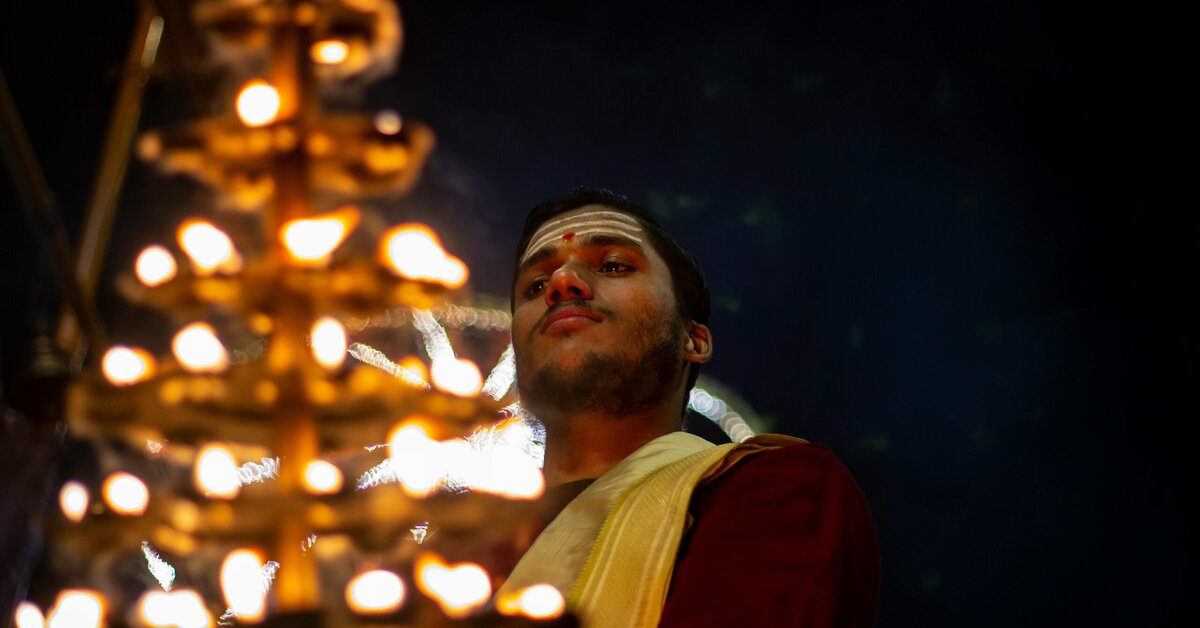
Best Time to Visit Varanasi for Elderly People , Planning a trip to Varanasi as an elderly traveler or with elderly family members? You’re making a wonderful choice! Varanasi, with its profound spiritual energy and timeless traditions, offers experiences that resonate deeply with people of all ages. However, here’s something crucial to understand: when you visit can make all the difference between a comfortable, enriching journey and a challenging ordeal.
Why does timing matter so much for elderly visitors? Think about it—Varanasi is an ancient city with extreme weather variations, massive crowds during certain periods, and physical demands that can test even younger travelers. For seniors, choosing the right season isn’t just about comfort; it’s about safety, enjoyment, and being able to fully participate in the spiritual and cultural experiences that make Varanasi special.
The good news? With proper planning and timing, elderly travelers can have absolutely wonderful experiences in Varanasi. The city’s spiritual atmosphere, the mesmerizing Ganga Aarti, the boat rides on the sacred Ganges—all of these can be enjoyed comfortably when you visit during the optimal season.
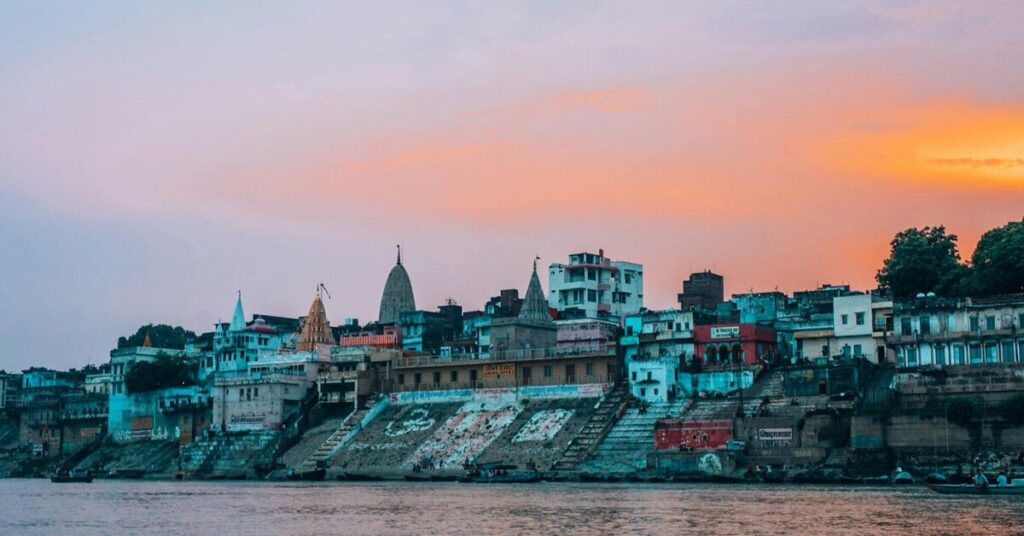
Before we dive into the best times to visit, let’s understand what Varanasi’s weather looks like across the calendar. This ancient city experiences three distinct seasons, each with its own characteristics that affect elderly travelers differently.
Varanasi has a subtropical climate, which means it experiences significant temperature variations throughout the year. The city sees scorching summers, a humid monsoon season, and pleasantly cool winters. Understanding these patterns is your first step toward planning a comfortable visit.
The temperature in Varanasi can range from a comfortable 10°C (50°F) in winter to a sweltering 45°C (113°F) in summer. Humidity levels vary dramatically too, reaching uncomfortable highs during the monsoon. For elderly travelers, these variations aren’t just inconveniences—they can impact health, energy levels, and overall enjoyment of the trip.
Here’s the straightforward answer: the absolute best time for elderly people to visit Varanasi is from October to March, with November to February being the sweet spot. During these months, the weather is pleasant, manageable, and conducive to outdoor activities and ghat exploration.
What makes winter so ideal? The temperatures during this period range from 5°C to 15°C (41°F to 59°F) at night and 15°C to 25°C (59°F to 77°F) during the day. This comfortable range means you won’t face the exhaustion that comes with extreme heat or the health risks associated with high temperatures.
For elderly travelers, moderate temperatures mean you can comfortably participate in early morning boat rides on the Ganges without the chill being unbearable or the heat being oppressive. You can explore the ghats at a leisurely pace without worrying about heat exhaustion or dehydration. Evening Ganga Aartis become pleasant experiences rather than endurance tests.
The winter months also bring clearer skies and better visibility, making sunrise and sunset views over the Ganges absolutely spectacular. The air quality, while never perfect in Varanasi, tends to be better during these months compared to the post-monsoon and pre-summer periods.
Let me walk you through what each month offers:
October: This marks the beginning of the tourist season. The weather is transitioning from monsoon to winter, with daytime temperatures around 30°C (86°F) and nights cooling to about 20°C (68°F). It’s comfortable but still somewhat warm. The Dussehra festival often falls in October, bringing cultural richness but also larger crowds.
November: This is when conditions become truly ideal. Temperatures are pleasant throughout the day and night. The festive season of Diwali usually occurs in November, filling the ghats with spectacular lighting and ceremonies. However, crowds increase significantly during Diwali week.
December: Perfect weather continues with cool mornings and comfortable afternoons. This is arguably the best month for elderly travelers who want to avoid festival crowds while enjoying optimal weather. The city is busy but not overwhelmed, and you can explore at your own pace.
January: The coldest month in Varanasi, with morning temperatures sometimes dropping to 5-8°C (41-46°F). While chilly, it’s still manageable with appropriate clothing. The advantage? Fewer tourists compared to November-December, and the spiritual atmosphere feels more authentic and less commercialized.
February: Temperatures start warming slightly, making it extremely comfortable. The Maha Shivaratri festival often falls in February or early March, bringing special significance to the temples and ghats. If you’re interested in experiencing major Hindu festivals, this is an excellent choice.
March: The tail end of the ideal visiting period. Early March is still pleasant, but by late March, temperatures begin climbing toward summer levels. If visiting in March, plan your trip for the first half of the month.
Let’s be completely honest here—elderly travelers should avoid visiting Varanasi during summer unless there are compelling reasons. The summer months from April to June bring punishing heat that can be not just uncomfortable but genuinely dangerous for seniors.
What makes summer so challenging? Temperatures regularly exceed 40°C (104°F) and can touch 45°C (113°F) during heat waves. The humidity adds to the discomfort, making the heat feel even more oppressive.
For elderly people, this extreme heat poses several serious health risks. Heat exhaustion and heat stroke become real dangers, especially when moving between air-conditioned spaces and the outdoor heat. Dehydration occurs much faster in older adults, and the constant sweating can lead to electrolyte imbalances.
The physical strain of navigating ghats, climbing steps, and walking through crowded lanes becomes exponentially more difficult in extreme heat. What might be a pleasant 30-minute walk in winter becomes an exhausting ordeal in summer. The energy drain means elderly travelers often end up spending most of their time indoors, missing the very experiences they traveled to enjoy.
Summer heat essentially restricts your ability to enjoy Varanasi’s primary attractions. Early morning boat rides become necessary rather than optional—this is the only bearable time to be on the water. By 10 AM, the heat becomes intense. The afternoon hours from 12 PM to 5 PM are virtually impossible for comfortable outdoor activity.
The famous Ganga Aarti, usually a highlight of any Varanasi visit, becomes a test of endurance during summer evenings. Despite the sun setting, the residual heat combined with crowds and the heat from the ceremonial lamps can be overwhelming for elderly visitors.
The monsoon season in Varanasi runs from July to September, bringing relief from the summer heat but introducing different challenges that elderly travelers need to consider carefully.
There are some positives to monsoon visits. The temperature drops to a more manageable 25-35°C (77-95°F), providing relief after the brutal summer. The Ganges swells with rain water, and the ghats take on a different character with the rising river levels. The city looks greener and fresher, washed clean by regular rains.
For elderly travelers who love rain and don’t mind getting a bit wet, there’s something romantic about experiencing Varanasi during monsoon. The crowds thin considerably, meaning you can enjoy more peaceful experiences at the ghats and temples. Hotels offer significant discounts during this off-season period.
However, the challenges are significant. The ghats become slippery and potentially dangerous, particularly for elderly people who may have balance issues or reduced mobility. The steps, already steep, become treacherous when wet. Even areas with ramps can be hazardous during heavy rains.
The humidity during monsoon is extremely high, often reaching 80-90%. This can be particularly uncomfortable for seniors, especially those with respiratory conditions. The combination of heat and humidity can make even simple activities feel exhausting.
Flooding is another concern. During heavy monsoon years, the lower ghats can be submerged, limiting access to many areas along the river. Transportation becomes more difficult as roads can flood, and navigating through waterlogged streets poses additional challenges for elderly travelers.
Health concerns also increase during monsoon. Waterborne diseases become more common, and the humidity can aggravate arthritis and joint pain in many elderly people. Mosquitoes thrive during this season, increasing the risk of vector-borne diseases.
Varanasi’s numerous festivals add incredible cultural richness to any visit, but they also bring massive crowds and changed dynamics that elderly travelers should consider.
Diwali in Varanasi is magical. The entire city lights up with oil lamps, the Ganga Aarti becomes even more spectacular, and the spiritual energy reaches extraordinary levels. For many, witnessing Diwali in Varanasi is a bucket-list experience.
However, elderly travelers should understand what they’re signing up for. The crowds during Diwali are immense. The ghats become packed with people, making navigation difficult and sometimes uncomfortable. Hotel prices skyrocket, and bookings fill up months in advance. The noise levels—from firecrackers and celebrations—can be overwhelming.
If you want to experience Diwali in Varanasi as an elderly traveler, plan meticulously. Book accommodations near accessible ghats well in advance. Consider hiring a personal guide who can help navigate crowds and ensure your comfort. Arrive at the Ganga Aarti very early to secure a good viewing position before the massive crowds arrive.
Maha Shivaratri holds special significance in Varanasi, home to the Kashi Vishwanath Temple, one of Hinduism’s most sacred Shiva temples. The festival brings devotees from across India, making it another crowded but culturally rich time to visit.
For elderly travelers interested in Hindu spirituality, Maha Shivaratri offers profound experiences. The overnight prayers, the special temple ceremonies, and the heightened devotional atmosphere are truly special. However, the same crowd considerations apply. Temple queues become extremely long, and the physical demands of participation increase.
Dev Deepawali, celebrated fifteen days after Diwali, is when the gods are believed to descend to earth to bathe in the Ganges. The entire stretch of ghats is illuminated with millions of earthen lamps—it’s one of the most photogenic and spiritually significant events in Varanasi.
For elderly travelers, Dev Deepawali might actually be preferable to Diwali itself. While still crowded, it’s somewhat less intense than Diwali. The lighting ceremony is spectacular, and the atmosphere is more contemplative than celebratory.
Let’s create a practical comfort rating system for elderly travelers planning their Varanasi visit:
Excellent (9-10/10): November, December, January, early February
Good (7-8/10): October, late February, early March
Fair (4-6/10): Late March, September
Poor (2-3/10): July, August (Monsoon)
Not Recommended (0-1/10): April, May, June (Summer)
Beyond weather, elderly travelers need to consider various health factors when planning their Varanasi visit.
Varanasi’s air quality is a legitimate concern, particularly for elderly people with respiratory conditions. The city often experiences poor air quality, especially from October to January when crop burning in neighboring states affects the region.
If you have asthma, COPD, or other respiratory conditions, consult your doctor before traveling. Carry all necessary medications, including inhalers and nebulizers. Consider bringing or purchasing N95 masks for days with particularly poor air quality. Monitor air quality indexes during your stay and adjust outdoor activities accordingly.
The winter months offer better conditions for mobility-challenged seniors. The ghats are less slippery, and the comfortable temperatures mean you won’t tire as quickly when navigating the city’s challenging terrain. However, remember that Varanasi’s ancient infrastructure remains demanding regardless of season.
Consider hiring wheelchair-accessible transportation if needed. Several tour operators now offer specialized services for elderly and mobility-challenged travelers. Don’t hesitate to use assistance—it’s better to ask for help than risk falls or exhaustion.
Even during winter, staying hydrated is crucial. The dry winter air and walking around the ghats can lead to dehydration. Carry water bottles always. Stick to bottled water and avoid ice in drinks unless you’re certain of its source.
Eating carefully is equally important. Varanasi’s street food is legendary, but elderly travelers should be cautious. Stick to clean, well-established restaurants for your main meals. If you want to try street food, choose vendors who clearly maintain hygiene standards and avoid raw or undercooked items.
Let me share some practical wisdom for making the most of your Varanasi visit during the recommended months.
For winter visits (November-February), layering is key. Mornings and evenings can be surprisingly cool, especially on the river. Pack light sweaters, shawls, and a light jacket. Comfortable walking shoes with good grip are essential—the ghats are uneven whether wet or dry.
Bring sunscreen and sunglasses—even winter sun can be strong during midday hours. A wide-brimmed hat provides additional protection. Pack any prescription medications with extras in case of delays.
Structure your days around the weather patterns. Plan strenuous activities like ghat exploration and boat rides for the morning when temperatures are most comfortable. Reserve afternoons for rest, indoor activities like visiting museums, or activities requiring less physical exertion.
The early morning hours in Varanasi are magical. Sunrise over the Ganges is spectacular, and the morning light is perfect for photography. The ghats are less crowded, and the atmosphere is more peaceful. For elderly travelers, this means you can move at your own pace without fighting crowds.
Location matters enormously for elderly travelers. Staying near accessible ghats like Assi Ghat means you can return to your hotel easily if you feel tired. Look for hotels with elevators if you have mobility issues. Confirm that rooms have adequate heating for winter visits—not all Varanasi hotels have heating, and nights can be quite cold.
Consider hotels that offer in-house dining. This gives you flexibility to eat comfortably without having to venture out for every meal, which is particularly valuable after tiring days of sightseeing.
If you’re flexible with timing and want to avoid the peak tourist season while still enjoying good weather, consider the shoulder seasons—late October or early March.
Late October offers a sweet spot for some travelers. The weather has cooled from the monsoon and summer heat but hasn’t yet reached peak tourist season intensity. Hotel prices are more reasonable, crowds are manageable, and you still get comfortable weather for exploring.
The ghats are less crowded, allowing for more intimate spiritual experiences. You can take your time photographing, meditating, or simply absorbing the atmosphere without feeling rushed by crowds behind you.
Early March is another shoulder season option. The winter chill has passed, but summer heat hasn’t yet arrived in full force. You get comfortable temperatures with fewer tourists than the peak November-February period.
The advantage here is cost—both hotels and tour operators offer better rates in March. You also get more flexibility in bookings and can often make last-minute arrangements that would be impossible during peak season.
Elderly women traveling to Varanasi, whether solo or in groups, should consider some additional factors when choosing their travel dates.
During festival seasons, while spectacular, crowds can become uncomfortably dense, and personal space becomes limited. For women traveling alone or in small groups, visiting during the quieter periods of December or January might offer more comfortable experiences.
Conservative dress is recommended year-round in Varanasi, but during winter months, this is easier to manage comfortably. Light cotton scarves and shawls serve both cultural and practical purposes—covering shoulders and heads when entering temples while providing warmth during cool mornings.
Your travel costs will vary significantly depending on when you visit Varanasi. Understanding these variations helps elderly travelers on fixed incomes plan more effectively.
Peak Season (November-January): Hotel rates are at their highest, sometimes 2-3 times higher than off-season rates. Flight and train tickets also command premium prices. However, the comfort and experience quality justify the expense for most elderly travelers.
Shoulder Season (October, February-early March): Moderate pricing with better availability. You get good weather at lower costs—often the best value proposition for budget-conscious senior travelers.
Off-Season (March-September): Dramatic price drops, with hotels offering 30-50% discounts. However, for elderly travelers, the cost savings typically aren’t worth the weather-related discomfort and health risks.
So, when should elderly people visit Varanasi? The answer is clear: plan your visit between November and February for the optimal combination of comfortable weather, manageable crowds, and rich spiritual experiences. If you want the absolute best conditions and don’t mind spending a bit more, December and January offer perfect weather with fewer festival crowds.
Remember, visiting Varanasi is about more than just seeing a destination—it’s about experiencing something profound and timeless. The right timing allows elderly travelers to fully immerse themselves in the spiritual atmosphere without battling extreme weather, overwhelming crowds, or health concerns.
Don’t let age be a barrier to experiencing one of the world’s most extraordinary places. With proper planning and smart timing, seniors can have transformative experiences in Varanasi, creating memories that last a lifetime. The ghats, the Ganges, the ancient rituals—they’re all waiting to welcome you during the season when you can enjoy them most comfortably.
Your journey to Varanasi should be joyful, comfortable, and meaningful. Choose your timing wisely, and the eternal city will reward you with experiences that touch your soul.
December in Varanasi is cool but not excessively cold, with temperatures ranging from 10-25°C (50-77°F). With appropriate layered clothing, most elderly travelers find December perfectly comfortable and actually prefer it to warmer months. The cool weather makes activities like boat rides and ghat walks much more enjoyable than during hot seasons.
Yes, winter is actually the safest season for elderly travelers with health conditions. The moderate temperatures reduce risks of heat-related illnesses, and the comfortable weather makes it easier to maintain activity levels. However, those with respiratory conditions should monitor air quality and take appropriate precautions. Always consult your doctor before traveling.
Crowd levels vary within this period. December and January tend to be busy but manageable. November can be very crowded during Diwali week but is more moderate otherwise. February sees increased visitors during Maha Shivaratri. For the least crowded experience with good weather, visit in early December or January.
The main consideration is booking accommodation with adequate heating, as Varanasi can get quite cold at night during December-January. Also consider staying near accessible ghats to minimize walking distances. Otherwise, the comfortable winter weather actually requires fewer special arrangements than summer or monsoon seasons would demand.
If summer is your only option, visit during early April before extreme heat sets in, or wait until late September when monsoon ends. If visiting during peak summer (May-June), plan all outdoor activities for very early morning (5-9 AM), stay in air-conditioned spaces during afternoon heat, and prioritize your health over sightseeing. However, if possible, it’s genuinely better to reschedule to the recommended season for your comfort and safety.


Comments are closed.