Your cart is currently empty!
You may check out all the available trips and book one that suits you.
Continue Browsing Trips
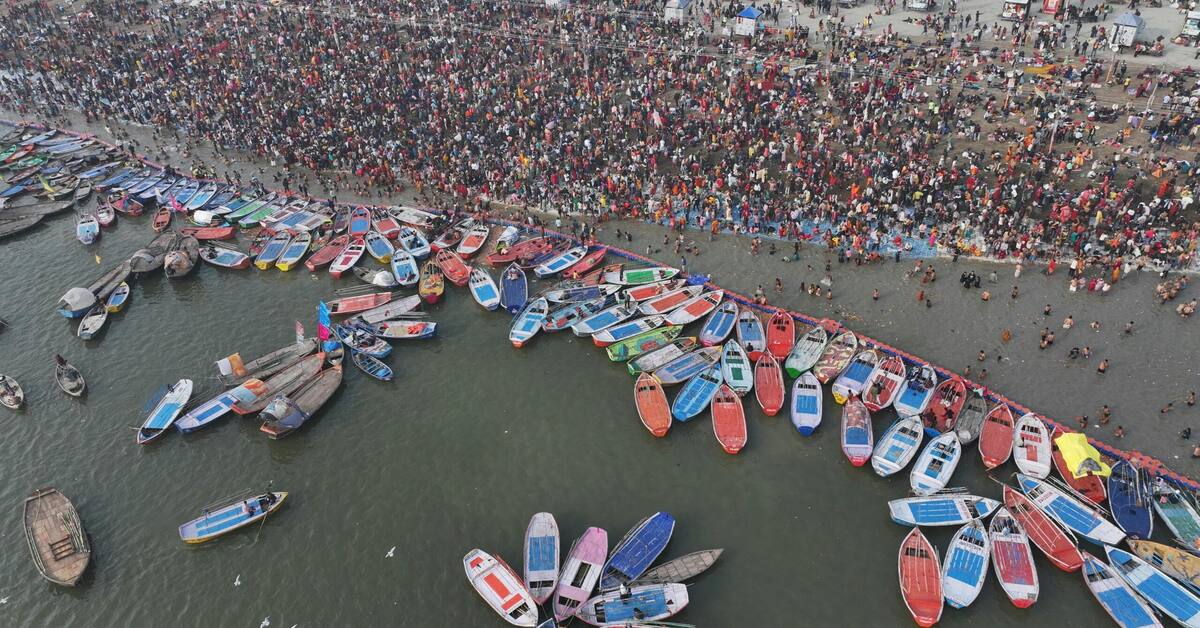
Magh Mela Prayagraj Travel Guide Stay Snan Boat , Have you heard of the Kumbh Mela? Most people have—it’s famous as the world’s largest religious gathering. But have you heard of the Magh Mela? This extraordinary month-long festival happens every year in Prayagraj (formerly Allahabad) and attracts millions of pilgrims, yet it remains relatively unknown to international travelers.
Here’s what makes Magh Mela special: while Kumbh Mela occurs only once every twelve years at each of four locations, Magh Mela happens annually throughout the Hindu month of Magh (January-February). It’s essentially a smaller, more accessible version of the Kumbh Mela, offering the same spiritual experiences, sacred bathing rituals, and cultural richness without the overwhelming crowds of 100+ million people that characterize the Kumbh.
Why should this matter to you? If you’re seeking an authentic Indian spiritual experience, want to witness one of Hinduism’s most important pilgrimage traditions, or simply crave an adventure unlike anything you’ve experienced before, Magh Mela offers something truly extraordinary. Imagine a temporary city of tents housing millions of pilgrims, spiritual seekers taking holy dips at the confluence of sacred rivers, sadhus (holy men) from across India gathering to share wisdom, and an atmosphere charged with devotion that’s remained unchanged for thousands of years.
This comprehensive guide will walk you through everything you need to know: when to visit, where to stay, how to participate in the sacred bathing (snan), what to expect from boat rides on the holy Sangam, practical logistics, safety considerations, and how to make your Magh Mela experience meaningful and memorable.
Whether you’re a spiritual seeker, a cultural enthusiast, a photographer hunting for extraordinary images, or simply an adventurous traveler, Magh Mela offers experiences you’ll carry with you forever.
Before diving into practical details, let’s understand what Magh Mela actually is and why millions of people consider it so important.
Magh Mela is a Hindu pilgrimage festival that takes place at the Triveni Sangam in Prayagraj—the sacred confluence where three rivers meet: the Ganges (Ganga), the Yamuna, and the mythical underground Saraswati. In Hindu belief, bathing at this confluence during the auspicious month of Magh washes away sins and brings spiritual merit.
The word “Mela” means “gathering” or “fair,” but this barely captures the scale and significance. We’re talking about a temporary city that springs up along the riverbanks, complete with infrastructure for millions of pilgrims who come to perform religious rituals, take holy baths, and live in spiritual community for days or weeks.
The tradition of bathing at the Sangam during Magh has been documented for over 2,000 years. Ancient texts describe pilgrims gathering here even in historical antiquity. The famous Chinese traveler Xuanzang (Hiuen Tsang) mentioned massive religious gatherings at Prayag during his 7th-century travels through India.
This isn’t some recently invented tourist attraction or commercialized festival—it’s a living tradition that has continued unbroken for millennia, making it one of humanity’s oldest continuous cultural practices.
Many people confuse these two festivals. Here’s the distinction:
Magh Mela:
Kumbh Mela:
Ardh Kumbh Mela (Half Kumbh):
Think of it this way: if Kumbh Mela is like the Olympics of Hindu pilgrimage, Magh Mela is like the World Championships—still world-class, still significant, but slightly more accessible and manageable.
Magh Mela follows the Hindu lunar calendar, so dates vary each year. Generally, it runs from mid-January to mid-February, corresponding to the Hindu month of Magh.
Key dates within Magh Mela:
Makar Sankranti (usually January 14-15): The festival’s opening day and first major bathing date. Millions take their first sacred dip on this astronomically significant day marking the sun’s transition into Capricorn (Makar).
Mauni Amavasya: The most auspicious bathing day, falling on the new moon during Magh. This typically draws the largest crowds—sometimes 3-4 million bathers in a single day!
Basant Panchami: Another important bathing date marking the arrival of spring. The festival’s energy peaks again on this day.
Maghi Purnima (full moon day): The final major bathing date, marking the official end of Magh Mela.
Important note: While the festival officially runs the entire month, most pilgrims come for specific bathing dates, especially Mauni Amavasya. If you want the fullest experience with maximum energy (and crowds), plan around these key dates. If you prefer a more peaceful experience, visit during the “regular” days between these peaks.
The diversity of attendees is fascinating:
Kalpavasis: The most dedicated pilgrims who live at the Mela grounds for the entire month (or 40+ days for some). They follow strict spiritual practices, bathe daily at the Sangam, live in simple tents, and dedicate themselves entirely to spiritual pursuits during this period.
Regular pilgrims: Families and individuals who come for a few days or just for major bathing dates to perform rituals and gain spiritual merit.
Sadhus and saints: Holy men and women from various Hindu sects and orders (akharas) establish camps. Some are from the Naga sect—ascetics who renounce all worldly attachments, including clothing, and whose appearance and practices fascinate visitors.
Spiritual seekers: People interested in yoga, meditation, and Hindu philosophy who come to learn from teachers and participate in spiritual discourses (satsangs).
Domestic tourists: Indians who come for cultural experience as much as religious reasons.
International travelers: Increasingly, foreign visitors interested in Indian spirituality, culture, and photography discover Magh Mela.
Researchers and photographers: Anthropologists, sociologists, and photographers documenting this extraordinary cultural phenomenon.
The first decision is when to visit within the month-long festival. Your choice depends on what kind of experience you want.
For maximum spiritual energy and crowds (Mauni Amavasya):
This is Magh Mela at its most intense. The new moon day (Mauni Amavasya) typically attracts 3-4 million pilgrims in a single day. The energy is extraordinary—the devotion palpable, the rituals most elaborate, and the atmosphere electric with spiritual fervor.
Pros:
Cons:
For a balanced experience (early days after Makar Sankranti or around Basant Panchami):
These dates still have significant crowds and spiritual energy but are more manageable than Mauni Amavasya.
Pros:
Cons:
For a peaceful, contemplative experience (mid-Magh regular days):
The days between major bathing dates offer a completely different experience. Fewer crowds, lower prices, and a more intimate connection with the pilgrims and Kalpavasis who are there for the entire month.
Pros:
Cons:
1-2 days: Sufficient for a glimpse—take a holy bath, explore the Mela grounds, witness morning rituals, and experience the basic atmosphere. Good for travelers with limited time.
3-4 days: Ideal for most visitors. Enough time to take multiple holy baths, explore different sectors, attend satsangs and discourses, interact with pilgrims and sadhus, and absorb the atmosphere without rushing.
One week: Excellent for deeper immersion. You can establish relationships with camps and spiritual teachers, participate more fully in rituals, experience both peak and quiet days, and truly understand the rhythms of Mela life.
Entire month (Kalpavasi experience): For serious spiritual seekers. Living as a Kalpavasi involves staying the entire month, following strict spiritual practices, bathing daily at sunrise, living simply, and dedicating yourself to spiritual pursuits. This is transformative but demands serious commitment.
My recommendation for first-timers: 3-4 days with at least one major bathing date included. This provides sufficient time for meaningful experiences without overwhelming you.
Prayagraj is well-connected to major Indian cities, and during Magh Mela, additional transportation is arranged to handle the pilgrim influx.
Prayagraj Airport (Bamrauli): Located about 12 kilometers from the city center, this airport has regular flights connecting to Delhi, Mumbai, Bangalore, and other major cities. During Magh Mela, airlines often add extra flights.
From the airport to Magh Mela grounds: Taxis and pre-paid auto-rickshaws available (₹300-500 depending on destination sector). During Magh Mela, allow extra time as traffic increases significantly.
Varanasi Airport (alternative): About 120 kilometers from Prayagraj, Varanasi has more international connections. You can fly to Varanasi and take a train or hired car to Prayagraj (2-3 hours).
Prayagraj has excellent railway connections. Multiple trains daily from Delhi, Mumbai, Kolkata, Varanasi, and other major cities.
Main railway stations:
During Magh Mela, Indian Railways operates special Mela trains from major cities. These are additional services specifically for pilgrims, often with reduced fares.
Pro tip: Book train tickets well in advance, especially if traveling around major bathing dates. Tatkal (emergency quota) tickets open 24 hours before departure if regular tickets are sold out.
Prayagraj is connected by national highways to major cities:
Options:
During Magh Mela, expect traffic congestion near the Mela grounds. Roads are often one-way or have restricted access. Follow signage and police directions.
Accommodation is one of the biggest considerations for Magh Mela. You have several options, each with distinct advantages and challenges.
The Uttar Pradesh government and private operators establish elaborate tent cities within the Mela grounds specifically for visitors.
What to expect:
These aren’t basic camping tents! The tent accommodations range from simple but comfortable to surprisingly luxurious. They typically include:
Categories:
Budget tent camps (₹1,500-3,000 per night):
Mid-range tent camps (₹3,000-6,000 per night):
Luxury tent camps (₹8,000-25,000+ per night):
Advantages of staying at Mela grounds:
Disadvantages:
Booking tent accommodation:
Book well in advance, especially for major bathing dates. Many camps fill up months ahead.
Reputable operators:
What’s typically included:
What to bring:
Prayagraj has hotels ranging from budget to upscale, located in the main city areas.
Popular hotel areas:
Civil Lines: The main commercial and residential area with good hotels MG Marg (Mahatma Gandhi Marg): Central location with various accommodation options Near Railway Station: Convenient for train travelers, budget-friendly options
Hotel categories:
Budget hotels (₹800-2,000 per night):
Mid-range hotels (₹2,000-5,000 per night):
Upscale hotels (₹5,000-12,000+ per night):
Advantages of city hotels:
Disadvantages:
Pro tip: If staying in city hotels, choose ones closer to the Mela grounds or on routes with good transportation access. During major bathing dates, traffic can add significant travel time.
Various religious organizations and charitable trusts operate ashrams and dharamshalas (pilgrim rest houses) that offer accommodation, often free or for minimal donation.
What to expect:
These are basic accommodations aimed at pilgrims. Facilities are simple—shared rooms, common bathrooms, vegetarian meals. The atmosphere is spiritual and community-oriented.
Advantages:
Disadvantages:
Who should consider this option:
Serious spiritual seekers comfortable with very simple living conditions and interested in authentic pilgrim experience rather than tourist comfort.
Some Prayagraj residents rent out rooms or entire homes during Magh Mela through platforms like Airbnb or local arrangements.
Advantages:
Disadvantages:
If choosing this option:
For first-time visitors seeking authentic experience: Mid-range tent camp at Mela grounds. Balance of comfort and immersion.
For photographers and cultural enthusiasts: Tent camp at Mela grounds, definitely. The early morning and evening light, immediate access to activities, and full immersion are invaluable.
For families with children or elderly: Good city hotel with arranged daily transportation to Mela grounds. More comfortable for those who need reliable facilities.
For budget backpackers: Budget tent camp or dharamshala if comfortable with basic facilities. Authentic experience at minimal cost.
For luxury seekers: Luxury tent camp. Unique experience with maximum comfort, or upscale city hotel if you prefer conventional luxury.
For serious spiritual seekers: Ashram or dharamshala for full pilgrim experience, or extended stay tent camp to live as Kalpavasi.
The holy bath at the Sangam is the heart of the Magh Mela experience. Whether you’re Hindu or not, whether spiritually inclined or simply culturally curious, participating in this ancient ritual is profound and memorable.
In Hindu belief, the Sangam—where Ganga, Yamuna, and Saraswati meet—is especially sacred. Bathing here during Magh is believed to:
For many pilgrims, bathing at the Sangam during Magh Mela represents the culmination of years of spiritual aspiration. You’ll see elderly people who’ve saved their entire lives for this journey, families who’ve traveled thousands of kilometers, and devoted Kalpavasis who’ve committed an entire month to this practice.
Even if you don’t share these specific beliefs, understanding their importance to millions of people adds depth and respect to your participation.
Brahma Muhurta (pre-dawn, approximately 4:00-6:00 AM):
This is considered the most auspicious time. Spiritually, it’s believed the divine energies are strongest during these early morning hours. Practically, it’s also less crowded (relatively speaking!), cooler, and you’ll witness the beautiful sunrise over the Sangam.
For the full traditional experience, this is when serious pilgrims bathe. You’ll see Kalpavasis taking their daily ritual bath, families performing ceremonies, and sadhus conducting morning practices.
Morning (6:00-10:00 AM):
Still very good for bathing. Crowds build gradually. The atmosphere is devotional and energetic. Good lighting for photography.
Midday and afternoon:
Fewer bathers (heat, sun exposure). Less of the traditional atmosphere. However, if morning is impractical for you, bathing at any time is meaningful.
Evening:
Some pilgrims bathe again in the evening, though it’s less traditional than morning bathing. The evening atmosphere has its own beauty, especially if there’s an aarti ceremony.
On major bathing dates (especially Mauni Amavasya):
Millions bathe throughout the day. The most auspicious time is still pre-dawn, but the sheer volume of people means continuous bathing from pre-dawn until evening. Arrive very early on these dates—by 4:00 AM or even earlier if possible.
For men:
For women:
For both:
Cultural sensitivity note: This is a deeply sacred ritual for millions. Dress modestly and respectfully. Revealing clothing or swimwear is not just inappropriate—it’s offensive in this context.
1. Preparation (at your accommodation):
2. Reaching the Sangam:
From tent camps within Mela grounds: 10-30 minute walk depending on your sector
From city hotels: Hire transportation to designated drop points, then walk to bathing areas
Follow the crowds—millions of pilgrims create clear paths to the Sangam
On major bathing dates, follow police directions and designated routes
3. At the bathing area:
Designated bathing ghats have been constructed along the Sangam. Different sectors accommodate different groups:
Finding your spot:
4. The bathing ritual:
Traditional practice:
For non-Hindus or non-religious visitors:
You can participate respectfully without performing specific Hindu rituals:
5. Practical considerations:
Water quality: The Sangam water is not pristine by Western standards. It’s river water carrying sediment, and with millions bathing, cleanliness varies. However, for most people, brief ritual immersion doesn’t cause health issues.
Safety precautions:
Current and depth: The water depth varies by location and season. Near the actual Sangam point, currents can be stronger. Stay in designated bathing areas where depth is manageable and crowds provide safety.
If you can’t swim: Stay in shallower areas, hold onto railings or ropes if provided, go with companions who can assist. Don’t venture into deep water.
Physical challenges: The riverbed can be muddy and uneven. Watch your step. The steps can be slippery. Currents vary. Stay alert.
6. After bathing:
Changing clothes:
Consider: Bring a large towel or light robe for modest changing, or wear quick-dry clothes that don’t require full changing.
Returning to accommodation:
7. Post-bath rituals:
Many pilgrims visit temples within the Mela grounds after bathing:
You might also:
On days like Mauni Amavasya when 3-4 million people bathe:
Arrive extremely early: By 3:00-4:00 AM or even earlier. Crowds build rapidly, and by dawn, the bathing ghats are packed.
Expect massive crowds: We’re talking shoulder-to-shoulder humanity stretching for kilometers. If you’re uncomfortable with extreme crowding, avoid the peak hours.
Follow designated routes: On major dates, police establish one-way routes to manage crowd flow. Follow these strictly—going against the crowd is dangerous and disruptive.
Stay with your group: Very easy to get separated. Establish a meeting point beforehand. Consider giving children/elderly ones your phone number written on a card.
Be patient: Everything takes longer—reaching the water, bathing, returning. Plan accordingly.
Consider alternatives: You can still have a meaningful bath a day before or after the peak date with significantly smaller crowds.
Safety: India’s record on women’s safety isn’t perfect, and massive crowds create particular challenges. However, Magh Mela’s spiritual context means most people are focused on devotion, not harassment.
Tips for women:
Menstruation: Traditional Hindu practice restricts temple entry and ritual participation during menstruation. However, many modern Hindu women don’t follow this restriction, and as a visitor, you should follow your personal comfort level. If you do choose to bathe while menstruating, use appropriate menstrual products and be discreet.
Never photograph people bathing without explicit permission. This is deeply personal and sacred for participants.
What you can photograph:
What not to photograph:
When in doubt, ask permission or don’t photograph. Respecting people’s privacy and sacred moments is more important than getting a photo.
Taking a boat ride on the Sangam offers a completely different perspective on Magh Mela—viewing the massive gathering from the water, reaching the actual confluence point, and experiencing the sacred rivers themselves.
1. Tourist/sightseeing boats (₹500-1,500 per hour per boat):
These are the most common. Boatmen offer rides that typically:
Boats typically accommodate 4-8 people depending on size. You’re hiring the boat, not paying per person (negotiate clearly).
2. Ritual boats for Sangam bath:
Some pilgrims specifically hire boats to reach the exact Sangam point for bathing, believing bathing at the precise confluence is especially auspicious.
These follow similar pricing but are focused on reaching the Sangam for ritual purposes rather than sightseeing.
3. Motor boats (₹2,000-4,000+ per boat):
Faster, cover more distance, can reach specific areas more quickly. More expensive but useful if you want to see larger stretches of the riverfront.
4. Large party boats:
For bigger groups, some operators offer larger boats with amenities like seating, shade, even refreshments. These are significantly more expensive (₹5,000-15,000+) but practical for families or groups.
Early morning (5:00-8:00 AM):
Late afternoon/evening (4:00-6:00 PM):
Major bathing dates:
Avoid midday (unless you love heat)—the sun is intense, and boats offer little shade.
The journey to Sangam:
Boats launch from various ghats along the Mela grounds. The boatman rows (traditional) or uses a motor toward the Sangam point, which is a few kilometers frommost launch points.
As you travel, you’ll pass:
The Sangam itself:
The Sangam is visually distinctive—you can literally see where the rivers meet because their waters are different colors!
This visual confirmation of the sacred confluence is powerful—it makes the abstract concept of “Sangam” tangibly real.
Many boatmen will stop here, allowing you to:
Viewing the Mela from the river:
The boat ride offers perspective on the Mela’s scale that’s impossible to grasp from within the crowds. From the water, you see:
For photographers, this perspective is invaluable—the scale shots, the patterns of humanity, the interplay of the temporary and eternal.
Booking:
What to bring:
What to wear:
Safety:
Photography from boats:
Bathing from the boat:
If you choose to bathe from the boat at the Sangam:
Negotiating with boatmen:
Boatmen are businessmen, but most are honest and hardworking. Still, some tips:
Best launch points for boats:
Beyond bathing and boat rides, the Magh Mela grounds offer countless experiences that make this cultural phenomenon so extraordinary.
The Mela grounds are divided into sectors (numbered for administrative purposes). The layout changes slightly each year based on river levels and infrastructure planning, but generally includes:
Bathing ghats: Constructed wooden platforms and steps providing access to the Sangam
Akhara camps: Separate camps for different orders of sadhus and ascetics. These are often the most visually interesting areas with distinctive flags, symbols, and practices.
Kalpavasi residential areas: Sectors where long-term pilgrims live in simple tents for the month
Tourist/visitor camps: Where tent accommodation for paying guests is located
Lost and found centers: Yes, with millions of people, these are necessary!
Medical camps: Free medical assistance provided by government and charitable organizations
Administrative offices: Police, fire services, sanitation services
Shopping and food areas: Temporary markets selling religious items, food stalls
Main roads and pathways: Wide enough for crowds but can still become congested
Pontoon bridges: Temporary bridges constructed across the rivers for the Mela
One of Magh Mela’s most fascinating aspects is the presence of sadhus from across India representing different Hindu traditions and orders.
Major akharas present:
Niranjani Akhara, Juna Akhara, Mahanirvani Akhara, and others—each with distinctive practices, philosophies, and appearances.
What to expect:
Sadhus live in their akhara camps, which often feature:
Naga Sadhus: Perhaps the most visually striking are the Naga Sadhus—ascetics who renounce all possessions including clothing and cover their bodies with ash. Their presence attracts significant attention, especially during ritual processions.
Interacting with sadhus:
Many sadhus welcome respectful interaction with visitors:
What you can learn:
Conversations with sadhus can be profound—discussions of Hindu philosophy, meditation practices, renunciation, and spiritual paths. Some are scholars, some are simple devotees, all have chosen extraordinary paths.
For many visitors, these interactions become highlights of the Magh Mela experience—glimpses into worldviews radically different from modern materialism.
Caution:
While most sadhus are genuine spiritual seekers, a few are opportunistic. Use common sense:
Throughout the Mela, various camps and organizations hold satsangs—spiritual gatherings featuring talks, bhajans (devotional songs), and discussions.
Finding satsangs:
What to expect:
Duration varies—30 minutes to several hours. Programs typically include:
Participating:
These can be beautiful experiences—the collective devotion, the music, the teachings offered freely to all seekers.
The Mela grounds feature temporary markets selling everything related to pilgrimage and devotion:
Religious items:
Clothing:
Food items:
Souvenirs:
Ayurvedic and herbal products:
Shopping tips:
Included meals:
If staying at tent camps, meals are typically included—simple, vegetarian food served communally. Expect:
The food might be basic, but it’s usually fresh, filling, and appropriate to the spiritual atmosphere.
Food stalls and langars:
Throughout the Mela grounds:
Langars (community kitchens): Many religious organizations and charitable groups operate free community kitchens feeding thousands daily. As a visitor, you’re welcome to partake, though consider making donations to support these services.
Food stalls: Selling snacks, sweets, tea, and simple meals at affordable prices.
What to eat:
Food safety:
Dietary considerations:
The Mela is predominantly vegetarian—finding meat would be difficult and inappropriate in this spiritual context. If you’re vegetarian or vegan, you’ll find plenty of options. If you’re a strict meat-eater, prepare mentally for a vegetarian few days!
Ganga Aarti:
Each evening, elaborate aarti ceremonies occur at various points along the Sangam. These are similar to Varanasi’s famous Ganga Aarti—priests performing synchronized rituals with lamps, bells, and chants.
Timing: Usually around sunset (approximately 6:00-7:00 PM depending on season)
Worth attending—the atmosphere as thousands gather for evening prayers is powerful.
Cultural programs:
Various organizations organize:
Check with your camp or notice boards for schedules.
Night atmosphere:
The Mela at night has its own character:
Walking through the Mela grounds at night is safe (heavy security presence) and offers completely different perspectives.
Before traveling:
At the Mela:
Water and hygiene:
Food safety:
Temperature:
January in Prayagraj is cold, especially at night:
Bring warm layers—you’ll need them!
Medical facilities:
Numerous medical camps throughout the Mela grounds offer free basic medical care. For serious issues:
Magh Mela is generally safe, but with millions of people, common sense applies:
Crowd safety:
The biggest risk is actually crowd crush on peak bathing dates:
Personal security:
Women’s safety:
The spiritual context generally creates respectful atmosphere, but:
Millions of women attend Magh Mela safely, including solo female travelers, but awareness and precautions matter.
For children:
Fire safety:
With thousands of fires for cooking, heating, and rituals:
Traffic and pedestrian safety:
Within Mela grounds, some vehicle access exists:
Clothing:
Toiletries and hygiene:
Health:
Practical items:
Documents:
Optional but useful:
Currency:
Only Indian rupees accepted. Exchange currency before arriving or use Prayagraj ATMs.
How much to bring:
Depends on accommodation choice and duration:
ATMs:
Available in Prayagraj city, but on peak dates, lines can be long and machines run out. Withdraw sufficient cash before arriving at Mela grounds.
Where cash is needed:
Credit cards:
Accepted at hotels and some established shops in the city, but not useful within Mela grounds.
Mobile networks:
Major carriers (Jio, Airtel, Vodafone-Idea) generally have coverage, but with millions of users, networks can be congested. SMS often works when calls don’t.
Internet:
Availability varies. Some camps offer Wi-Fi; many don’t. Mobile data works but can be slow due to congestion.
Staying connected:
Primary language is Hindi. English is understood in tourist camps and by some educated sadhus and pilgrims, but many people speak only Hindi.
Useful Hindi phrases:
Learning even a few phrases shows respect and helps with interactions.
Respect the sacred:
Religious sensitivity:
Social etiquette:
Environmental responsibility:
Magh Mela offers extraordinary photographic opportunities—millions of people, vibrant colors, ancient rituals, dramatic light, and a temporary city unlike anywhere else.
The scale:
Capturing the sheer magnitude—millions of people, the vast tent city, the crowds bathing—is challenging but powerful. Look for elevated vantage points, boat perspectives, or wide-angle compositions.
Rituals and ceremonies:
The morning bathing rituals, evening aartis, sadhu processions, and individual acts of devotion provide intimate, meaningful images.
Faces and individuals:
The weathered faces of elderly pilgrims, the painted ash-covered bodies of Naga Sadhus, the devotion in people’s eyes—these individual portraits tell human stories.
The Sangam itself:
The visible meeting of rivers with different colors, boats on the water, sunrise/sunset over the confluence.
Night photography:
Thousands of fires and lamps create magical scenes after dark.
Critical rules:
Never photograph bathing women without explicit permission (generally don’t photograph them at all in bathing areas)
Never photograph cremation areas or funeral processions (if any occur)
Ask permission before close-up photos of individuals, especially:
Wide shots showing crowds and scale generally don’t require individual permissions, but be respectful.
When someone declines, respect it graciously—their comfort matters more than your photo.
Sunrise (5:00-7:00 AM): Golden light, morning bathing rituals, beautiful atmosphere. The best time for photography.
Sunset (5:00-7:00 PM): Warm light, evening aarti, transition to night lighting.
Blue hour (just after sunset): The transition time when artificial lights begin glowing creates magical atmosphere.
Major bathing dates: Capturing millions performing synchronized rituals is extraordinary, though crowds make maneuvering difficult.
Locations:
Water and moisture: The riverside environment, bathing areas, and early morning dew threaten equipment.
Sand and dust: Change lenses carefully in protected locations. Blow dust off equipment regularly.
Theft and loss: With dense crowds:
Battery management:
If sharing on social media or publishing:
If your schedule allows, the Prayagraj region offers additional sites worth exploring.
Allahabad Fort: Mughal-era fort built by Emperor Akbar (1583). Contains the Akshayavat (immortal banyan tree mentioned in ancient texts) and Patalpuri Temple. Beautiful architecture and historical significance.
Anand Bhavan: The ancestral home of the Nehru family (India’s first Prime Minister). Now a museum showcasing India’s independence movement. Well-maintained, historically significant.
Allahabad Museum: Excellent collection of sculptures, paintings, and artifacts from the region’s history.
Khusro Bagh: Beautiful Mughal garden complex containing tombs of Prince Khusro and other royal family members. Peaceful escape from the city’s intensity.
Chandrashekhar Azad Park (Company Bagh): Historic park where freedom fighter Chandrashekhar Azad sacrificed his life. Pleasant green space in the city center.
Chitrakoot (130 km): Sacred pilgrimage site mentioned in the Ramayana. Where Lord Rama spent time during exile. Temples, ghats, beautiful natural setting. Full-day trip.
Kalinjar Fort (225 km): Ancient hilltop fort with spectacular views. Historical and architectural significance. Requires full day and early start.
Varanasi (120 km): India’s holiest city, another incredible spiritual destination. The ultimate combination: Magh Mela in Prayagraj followed by days in Varanasi creates a comprehensive spiritual journey through India’s sacred geography.
Magh Mela isn’t for everyone. It demands flexibility, cultural sensitivity, tolerance for basic conditions, and openness to the unfamiliar. The crowds can be overwhelming. The facilities are basic. The intensity never stops.
But for those who embrace it, Magh Mela offers something increasingly rare in our modern world: genuine connection with ancient tradition, participation in collective spiritual practice, and immersion in an utterly unique cultural phenomenon.
You’ll witness millions of people united by faith, performing rituals unchanged for thousands of years. You’ll see levels of devotion and renunciation that challenge modern assumptions about what matters in life. You’ll experience the Sangam—the sacred confluence that has drawn pilgrims for millennia.
Whether you’re Hindu or not, religious or secular, Indian or international, Magh Mela has the power to move you, challenge you, and expand your understanding of human spiritual experience.
The practical details in this guide—where to stay, how to bathe, when to visit—are just logistics. The real journey is internal: how you respond to witnessing such profound collective devotion, how you navigate radical cultural differences, how you find meaning in experiences far outside your normal framework.
Magh Mela reminds us that for billions of people, the sacred isn’t abstract—it’s visceral, embodied, enacted through ritual and pilgrimage. It shows us that even in our modern, technological age, ancient traditions continue with unbroken vitality.
Go with respect. Go with openness. Go with realistic expectations about comfort and convenience. But definitely go—because Magh Mela offers windows into aspects of human experience that few other places can provide.
The Sangam is waiting. Millions of pilgrims will gather again next year, as they have for thousands of years. Will you join them?
No! Magh Mela welcomes everyone regardless of religion. Non-Hindus can respectfully participate in the sacred bath and observe rituals. The key is approaching with genuine respect rather than as mere tourism. Many non-Hindu visitors—including those of other faiths and secular backgrounds—report profound experiences at Magh Mela. You don’t need to believe in Hindu theology to appreciate the cultural significance and participate respectfully in this ancient tradition.
Magh Mela’s spiritual context generally creates a more respectful atmosphere than typical Indian tourism sites, and millions of Indian women attend (including many traveling solo or in female groups). That said, standard precautions apply: dress very modestly, avoid isolated areas, be assertive about personal space in crowds, and consider staying in organized camps rather than venturing entirely alone. Many solo female travelers navigate Magh Mela successfully by connecting with other travelers or joining organized groups for certain activities like bathing. The overwhelming majority of people are focused on devotion, not harassment, but awareness and common sense remain important.
This is a legitimate concern. The Sangam water isn’t pristine by Western standards. However, for most people, brief ritual immersion doesn’t cause health issues. You have several options: (1) Do take the bath but shower with clean water immediately afterward, (2) Perform a symbolic bath by sprinkling Sangam water on yourself rather than full immersion, (3) Simply observe others bathing without participating yourself—respectful observation is completely acceptable. Many visitors who initially felt hesitant report that the spiritual atmosphere and collective energy made the experience meaningful despite practical concerns.
Budget varies dramatically based on accommodation choice: Budget option (basic tent/dharamshala): ₹5,000-10,000 total ($60-120 USD) including accommodation, food, transportation, and incidentals. Mid-range (comfortable tent camp): ₹15,000-25,000 total ($180-300 USD). Luxury (premium tent camp): ₹35,000-70,000+ total ($420-840+ USD). These estimates include everything except shopping and major transportation to/from Prayagraj. Magh Mela itself isn’t expensive—the basic experience (bathing, observing) is essentially free. Costs come from accommodation and how comfortably you want to live during your stay.
Families with children do attend Magh Mela, and Indian families often bring multiple generations. However, it’s challenging: massive crowds, basic facilities, intense sensory stimulation, long walking distances, and exposure to unfamiliar religious practices. Success depends on: (1) Children’s ages and temperaments—older children (8+) generally handle it better than toddlers, (2) Your accommodation choice—better camps with proper facilities help enormously, (3) Your timing—avoiding absolute peak dates reduces crowd stress, (4) Your expectations—accepting that you’ll see less and move slower with children. If considering bringing children, ensure they’re prepared for what they’ll experience, and have contingency plans if someone becomes overwhelmed. Many families report meaningful experiences, but it requires realistic planning and flexibility.

Comments are closed.