
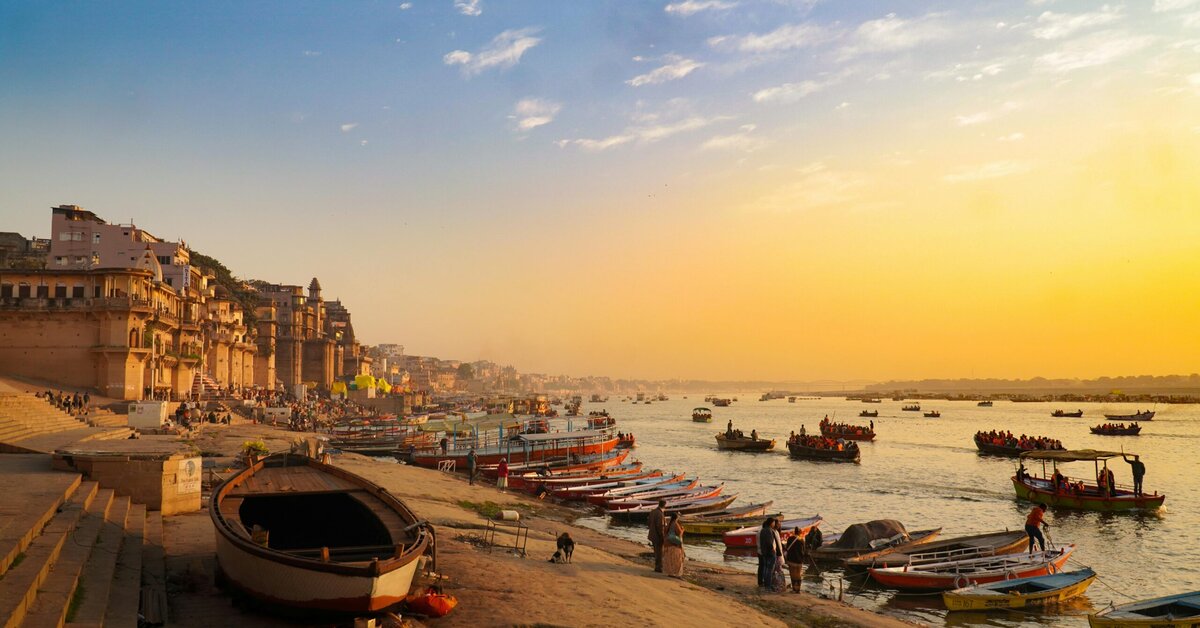
Cruise Wedding in Varanasi Complete Ritual & Budget , Imagine exchanging wedding vows as the sun sets over the sacred Ganges, with the ancient ghats of Varanasi as your backdrop and the gentle flow of India’s holiest river beneath you. A cruise wedding in Varanasi offers something truly extraordinary—the perfect fusion of timeless tradition and contemporary elegance, spiritual significance and romantic beauty.
Why is Varanasi becoming an increasingly popular destination for unique weddings? This 3,000-year-old city, considered the spiritual heart of India, provides an atmosphere unlike anywhere else on earth. The ghats lined with ancient temples, the evening Ganga Aarti ceremonies with their mesmerizing rituals, the profound spiritual energy—all create a setting that transforms a wedding from merely a celebration into a truly sacred occasion.
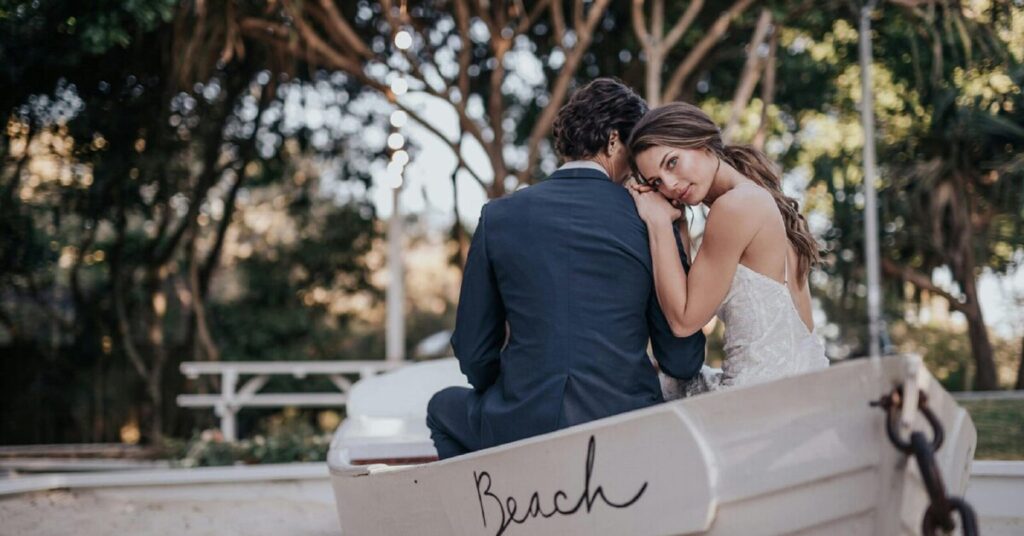
But here’s what makes a cruise wedding particularly special: you get the best of both worlds. You experience Varanasi’s spiritual essence and cultural richness while enjoying the comfort, privacy, and modern amenities of a well-appointed cruise vessel. Your guests aren’t battling crowds on the ghats or navigating narrow lanes—they’re relaxing on deck with unobstructed views of one of the world’s most photogenic cities.
Whether you’re planning a traditional Hindu wedding, a fusion ceremony, or even a destination wedding for international guests, a Varanasi cruise wedding offers flexibility, uniqueness, and memories that will last a lifetime. The photographs alone—with the Ganges, the ghats, the temples, and the golden light of sunrise or sunset—will be absolutely breathtaking.
This comprehensive guide covers everything you need to know: the types of ceremonies possible, detailed budget breakdowns, ritual planning, vendor selection, legal requirements, guest logistics, and insider tips for creating your perfect floating wedding celebration.
Why Choose a Cruise Wedding in Varanasi?
Before diving into logistics and budgets, let’s explore what makes this such a compelling choice for your special day.
The Spiritual Significance
In Hindu tradition, the Ganges (Ganga) is considered the most sacred river—the physical manifestation of the goddess Ganga who descended from heaven to earth. Getting married on or near the Ganges adds profound spiritual blessing to your union.
Varanasi itself is known as Kashi—the city of Lord Shiva. According to Hindu belief, those who visit Varanasi, bathe in the Ganges, and worship here receive special blessings. Starting your married life in such a sacred location infuses your wedding with spiritual significance that extends beyond the ceremony itself.
Even for non-Hindu couples or those from different faiths, the spiritual atmosphere of Varanasi creates a sense of sacredness and gravity that makes the wedding feel more meaningful.
The Visual Spectacle
Let’s be honest—a huge part of wedding planning is creating that “wow” factor. Varanasi delivers this effortlessly:
The ghats: 84 ghats stretch along the riverbank, each with distinctive architecture, temples, and character. These create a stunning backdrop that changes constantly as your cruise moves along the river.
The evening Ganga Aarti: The famous ceremony at Dashashwamedh Ghat features priests performing synchronized rituals with massive oil lamps. If your wedding cruise coincides with the aarti timing, you and your guests witness this spectacular ceremony from the best seats possible—your private boat!
Sunrise and sunset: The light during these golden hours transforms Varanasi into a photographer’s paradise. The play of light on the ancient stone, the river’s reflection, the silhouettes of temples—every moment is frame-worthy.
The architectural heritage: Centuries-old buildings, ornate temples, historic palaces—the riverfront showcases architectural styles spanning multiple eras, creating visual richness impossible to replicate elsewhere.
The Uniqueness Factor
In an age where wedding venues can feel repetitive (another ballroom, another garden, another beach), a Varanasi cruise wedding is genuinely distinctive. How many of your friends have gotten married floating on India’s holiest river in one of the world’s oldest continuously inhabited cities?
This uniqueness extends to your guests’ experience. For many—especially international visitors or Indians from other regions—attending a wedding in Varanasi becomes a pilgrimage and cultural immersion, not just a social obligation. They’re experiencing something extraordinary alongside your celebration.
Practical Advantages
Beyond aesthetics and spiritual significance, cruise weddings offer practical benefits:
Controlled environment: Unlike land-based venues in crowded Varanasi, your cruise is a private, controlled space. No unexpected crowds, no noise pollution (beyond the city’s ambient soundscape), no uninvited observers.
Built-in catering facilities: Most cruise vessels have kitchens and serving capabilities, simplifying food logistics.
Natural air conditioning: The river breeze provides cooling, important given that North India can be warm during wedding season.
All-in-one venue: Ceremony, cocktail hour, reception, and dinner all happen in one location—no transporting guests between venues through Varanasi’s traffic.
Flexibility: You can cruise during the ceremony, remain stationary, or combine both depending on your preference.
Photo opportunities: Every angle offers stunning backdrops. Your wedding photographer will have endless options.
Guest Experience
Your guests aren’t just attending a wedding—they’re experiencing Varanasi from the most comfortable and photogenic vantage point possible. Many will arrive early or stay late to explore this fascinating city, making your wedding part of a larger travel adventure for them.
Types of Cruise Weddings in Varanasi
Not all cruise weddings are identical. You have several options based on your vision, budget, and guest count.
Full Traditional Hindu Wedding on Cruise
This involves conducting complete Hindu wedding rituals (vivaha sanskar) aboard a decorated cruise vessel.
What’s included:
- Mandap setup: Traditional wedding canopy constructed on the boat deck with flowers, fabrics, and sacred elements
- Sacred fire (havan kund): Central to Hindu ceremonies (special arrangements needed for fire safety on boats)
- Priest: Qualified pandit conducting rituals in Sanskrit with explanations
- All ritual elements: Flowers, coconuts, rice, turmeric, sacred threads, and other traditional items
- Witnesses: Space for family and guests to participate in rituals
- Duration: Traditional ceremonies run 2-4 hours
Best for: Hindu couples wanting traditional religious ceremonies with the unique setting of the Ganges, families who value traditional rituals but want a distinctive venue.
Considerations: Full traditional ceremonies require significant deck space, fire safety compliance, and timing that works with river conditions and daylight (many rituals are performed during specific times).
Fusion or Modified Hindu Ceremony
A streamlined version incorporating essential Hindu rituals but adapted for shorter duration and mixed audiences.
What’s included:
- Key rituals like saat phere (seven circumambulations), kanyadaan (giving away of the bride), and mangalsutra tying
- Abbreviated Sanskrit mantras with English or Hindi explanations
- Simplified mandap decoration
- Reduced ceremony duration (1-2 hours)
- More guest-friendly pacing with explanatory narration
Best for: Couples wanting Hindu elements without hours of rituals guests might not understand, mixed-religion or intercultural weddings, time-constrained celebrations.
Western-Style Ceremony with Indian Elements
A Western-format wedding (vows, rings, officiant) incorporating Indian cultural touches.
What’s included:
- Officiant conducting ceremony in English (or bilingual)
- Personalized vows exchanged by couple
- Western ceremony elements (ring exchange, readings, pronouncement)
- Indian cultural additions: arrival by decorated boat, flower petals instead of rice, Ganga Aarti blessing, Indian music and decorations
- Flexibility in format and duration (30-60 minutes typical)
Best for: International couples, non-Hindu couples wanting Indian cultural experience, interfaith marriages, couples preferring personalized ceremonies.
Civil Ceremony with Celebration Cruise
Legal civil ceremony performed on land followed by a celebration cruise with reception.
What’s included:
- Legal marriage registration at appropriate office
- Simple signing ceremony (can be done at hotel or government office)
- Elaborate celebration cruise with dinner, dancing, and festivities
- No religious rituals required
Best for: Couples focused on the celebration rather than religious ceremony, those with complex interfaith or legal situations, destination weddings where legal requirements are challenging.
Pre-Wedding or Post-Wedding Celebration Cruise
The cruise isn’t the wedding itself but a related celebration event.
Options:
Sangeet cruise: Pre-wedding music and dance celebration on the river Mehendi cruise: Henna ceremony for bride and female guests while cruising Reception cruise: After a separate wedding ceremony, host the reception on board Renewal of vows: Already-married couples renewing vows in Varanasi setting
Best for: Multi-day wedding celebrations, couples wanting Varanasi experience without conducting the actual wedding there, vow renewals or anniversary celebrations.
Sunrise vs. Sunset Cruises
Timing dramatically affects your cruise wedding experience:
Sunrise cruises (5:00-9:00 AM):
Pros:
- Magical golden light perfect for photography
- Witness morning bathing rituals and prayers along ghats
- Cooler temperatures (important in warmer months)
- Quieter, more peaceful atmosphere
- Fewer boats on the river
- Extremely photogenic with the rising sun
Cons:
- Very early start time challenging for guests (especially if there was a pre-wedding party the night before!)
- May conflict with traditional Hindu wedding timing requirements
- Breakfast rather than dinner menu
Best for: Intimate ceremonies, photography-focused couples, summer weddings (avoiding afternoon heat), couples and guests who are early risers.
Sunset cruises (4:00-8:00 PM):
Pros:
- Stunning sunset views and evening light
- Coincides with famous Ganga Aarti at Dashashwamedh Ghat
- More traditional reception timing (cocktails and dinner)
- Easier schedule for guests
- Romantic ambiance with city lights reflecting on water
- Aligns better with traditional Hindu wedding timing
Cons:
- More boat traffic on river during this popular time
- Can be hot during summer months before sunset
- May have more riverside activity/crowds visible
Best for: Full traditional ceremonies, couples wanting to witness Ganga Aarti, dinner receptions, most guest convenience.
My recommendation: Sunset cruises work better for most wedding scenarios due to guest convenience and traditional timing. Reserve sunrise cruises for intimate ceremonies or as a special pre-wedding event.
Detailed Budget Breakdown
Let’s discuss what a cruise wedding in Varanasi actually costs. Prices vary enormously based on guest count, luxury level, season, and vendor choices.
Budget Tiers Overview
Budget/Intimate Wedding: ₹3-5 lakhs ($3,600-6,000 USD) for 30-50 guests
Mid-Range Wedding: ₹8-15 lakhs ($9,600-18,000 USD) for 75-125 guests
Luxury Wedding: ₹20-40+ lakhs ($24,000-48,000+ USD) for 150-250+ guests
Ultra-Luxury/Destination Wedding: ₹50 lakhs-2 crores+ ($60,000-240,000+ USD) for elaborate multi-day celebrations with 200+ guests
Let’s break down what goes into these numbers:
Cruise Vessel Rental
The boat itself is your primary expense.
Small boats (25-50 guests):
- Basic wooden boats: ₹30,000-60,000 ($360-720) for 3-4 hours
- Modern fiberglass cruisers: ₹50,000-1,00,000 ($600-1,200)
- Premium small yachts: ₹1,00,000-2,00,000 ($1,200-2,400)
Medium boats (50-100 guests):
- Standard cruise boats: ₹1,50,000-3,00,000 ($1,800-3,600)
- Well-equipped vessels with facilities: ₹3,00,000-5,00,000 ($3,600-6,000)
- Luxury boats with AC, modern amenities: ₹5,00,000-8,00,000 ($6,000-9,600)
Large boats (100-250+ guests):
- Basic large capacity vessels: ₹4,00,000-7,00,000 ($4,800-8,400)
- Premium cruise vessels: ₹8,00,000-12,00,000 ($9,600-14,400)
- Luxury floating venues: ₹15,00,000-25,00,000+ ($18,000-30,000+)
What’s typically included:
- Vessel rental for specified hours (3-5 hours common)
- Basic crew (captain, deckhands, engineers)
- Life jackets and safety equipment
- Basic sound system
- Tables and chairs (standard arrangements)
What’s typically NOT included:
- Decorations beyond basic setup
- Food and beverages
- Premium sound/lighting systems
- Extended hours (charged additionally)
- Special customizations
Peak season surcharges: October-March (wedding season) commands 20-40% premium over monsoon/summer rates.
Decoration and Setup
Transforming a functional cruise boat into a wedding venue requires significant decoration.
Basic decoration package (₹50,000-1,50,000 / $600-1,800):
- Mandap setup with fabric and flowers (if Hindu ceremony)
- Chair covers and basic aisle decoration
- Simple floral arrangements on tables
- Entrance decoration
- Basic lighting
Mid-range decoration (₹2,00,000-4,00,000 / $2,400-4,800):
- Elaborate mandap with quality flowers and fabrics
- Themed decoration throughout the boat
- Better quality floral arrangements (roses, orchids, seasonal blooms)
- Enhanced lighting (fairy lights, uplighting, lanterns)
- Photo booth or decorated selfie area
- Ceiling treatments (draping, hanging flowers)
- Welcome board and signage
Luxury decoration (₹5,00,000-12,00,000+ / $6,000-14,400+):
- Designer mandap with premium flowers (imported blooms if desired)
- Complete boat transformation with cohesive theme
- Elaborate floral installations (hanging gardens, flower walls, centerpieces)
- Professional lighting design (programmable, color-changing, spotlights)
- Premium fabrics and materials
- Custom-built elements specific to your vision
- Decorated pathway from boarding point to boat
- Floating decorations around the boat
Decoration considerations specific to cruise weddings:
Weather protection: Elements must withstand wind and potential river spray Weight: Heavy decorations affect boat stability Fire safety: Open flames (candles, diyas) require special precautions Setup time: Decorators need access hours before the event Takedown: Who removes decorations and when Weather backup: What happens if wind damages decorations
Catering and Beverages
Food is typically your second or third largest expense.
Budget catering (₹800-1,500 per plate):
- Standard vegetarian menu
- Limited variety (1-2 starters, 2-3 mains, 1-2 desserts)
- Basic presentation
- Self-serve or simple serving style
- Standard Indian cuisine
Mid-range catering (₹2,000-3,500 per plate):
- Vegetarian and non-vegetarian options
- Good variety (3-4 starters, 4-5 mains, multiple breads, 2-3 desserts)
- Mix of Indian and continental dishes
- Better presentation and plating
- Live counters (chaat, dosa, pasta, etc.)
- Welcome drinks and appetizers
Luxury catering (₹4,000-8,000+ per plate):
- Extensive menu with premium ingredients
- Multiple cuisines (Indian regional, continental, Asian fusion)
- Gourmet presentations
- Live cooking stations with chef interactions
- Premium dessert spread
- Elaborate welcome reception with canapés
- High-quality service staff
- Customized menu items
- Specialty dietary accommodations (vegan, gluten-free, etc.)
Beverage packages:
Non-alcoholic only (₹300-600 per person):
- Soft drinks, juices, tea, coffee
- Welcome drinks (mocktails, jaljeera, fresh coconut water)
- Unlimited throughout event
Basic bar (₹800-1,500 per person):
- Indian-made liquor (IMFL)
- Beer
- Basic cocktails
- Limited wine selection
Premium bar (₹2,000-4,000+ per person):
- Imported spirits
- Premium Indian spirits
- Craft beers
- Good wine selection
- Signature cocktails customized for your wedding
- Champagne for toasts
- Professional bartenders and bar setup
Important catering considerations for cruise weddings:
Kitchen facilities: Does the boat have adequate kitchen space, or does food need to be prepared off-boat and transported?
Storage: Refrigeration for perishables, especially crucial in India’s climate
Serving logistics: How do servers move around safely while the boat is cruising?
Waste management: Where does food waste go during and after the event?
Timing: Serve dinner while stationary or cruising? (Stationary is typically easier)
Photography and Videography
Documenting your unique wedding setting is crucial.
Basic package (₹40,000-80,000 / $480-960):
- One photographer for 4-6 hours
- Basic photo editing
- Digital images delivered (300-500 photos)
- No video or album
Mid-range package (₹1,20,000-2,50,000 / $1,440-3,000):
- Professional photographer + assistant
- Videographer with basic equipment
- Pre-wedding shoot possibility
- Professional editing
- Edited video (15-30 minutes)
- Digital delivery plus printed album
- 600-1,000 edited photos
Luxury package (₹3,00,000-8,00,000+ / $3,600-9,600+):
- Lead photographer + 2-3 assistants
- Professional video team (2-3 videographers)
- Drone footage (spectacular for river and cityscape shots!)
- Cinematic editing with music and effects
- Multiple albums (bride, groom, family)
- Same-day edit or highlight reel
- Pre-wedding shoot in Varanasi locations
- Extended coverage (multiple events)
- 1,000-2,000+ edited photos
- Documentary-style coverage
Why Varanasi cruise weddings need good photographers:
The setting is extraordinary, but capturing it requires skill:
- Low light conditions (sunrise/sunset, evening)
- Moving boat creates technical challenges
- Balancing exposure between bright sky and darker boat deck
- River spray can damage equipment
- The backdrop changes constantly as you cruise
- Incorporating the famous ghats and temples
- Drone shots require permissions and skilled pilots
Investment recommendation: Don’t skimp on photography for such a unique venue. The memories are priceless, and the setting is once-in-a-lifetime. Budget 10-15% of your total wedding budget for photography/videography.
Entertainment and Music
Setting the mood requires good entertainment.
Basic setup (₹30,000-60,000 / $360-720):
- DJ with standard sound system
- Pre-selected playlist
- Basic lighting
- 3-4 hours
Mid-range entertainment (₹1,00,000-2,50,000 / $1,200-3,000):
- Professional DJ with quality equipment
- Customized playlist based on your preferences
- Better sound system suitable for outdoor river environment
- Enhanced lighting effects
- Possible live singer for ceremony
- MC/host services
Luxury entertainment (₹3,00,000-10,00,000+ / $3,600-12,000+):
- Live band or orchestra
- Professional singers (Bollywood playback singers for high-end weddings)
- Multiple performance acts (classical dancers, fire performers, etc.)
- Premium sound and lighting design
- Synchronized lighting with music
- Stage setup for performances
- Celebrity performers (for ultra-luxury weddings)
Traditional Indian wedding music:
- Shehnai player for ceremony (₹15,000-40,000)
- Dhol players for baraat or celebrations (₹10,000-25,000)
- Classical musicians for specific rituals (₹20,000-60,000)
Sound system considerations for river settings:
- Wind affects sound quality
- Need weatherproof equipment
- Volume restrictions (respectful of nearby religious sites)
- Acoustic challenges on open water
- Power supply (boat generators vs. external)
Priest and Religious Services
For Hindu ceremonies, a qualified priest is essential.
Basic pandits (₹10,000-25,000):
- Conduct standard wedding rituals
- Hindi and Sanskrit
- Basic explanations
- Bring standard ritual materials
Experienced priests (₹30,000-60,000):
- Well-versed in complex rituals
- Can explain in English for mixed audiences
- Adapt rituals for time/space constraints
- Bring all necessary materials
- Better at engaging guests
Premium pundits (₹75,000-2,00,000+):
- Renowned scholars
- Multilingual (Hindi, English, Sanskrit, sometimes other languages)
- Excellent at making rituals meaningful for diverse audiences
- Can customize ceremonies
- Impressive presence and voice
- Sometimes include additional services (pre-wedding blessings, post-wedding rituals)
Ritual materials:
Usually provided by priest but verify:
- Havan samagri (items for sacred fire)
- Flowers, garlands
- Sacred thread, turmeric, kumkum
- Coconuts, betel leaves, fruits
- Ritual vessels and accessories
Cost: ₹5,000-25,000 depending on scale
Wedding Planner/Coordinator
Given the complexity of coordinating a cruise wedding in a unique location like Varanasi, professional help is invaluable.
Basic coordination (₹50,000-1,20,000 / $600-1,440):
- Vendor recommendations
- Timeline creation
- Day-of coordination
- Limited planning assistance
Full planning services (₹1,50,000-4,00,000 / $1,800-4,800):
- Complete vendor management
- Design and theme development
- Budget management
- Multiple pre-wedding meetings
- Site visits and planning
- Day-of coordination with full team
- Problem-solving and backup plans
Luxury destination wedding planning (₹5,00,000-15,00,000+ / $6,000-18,000+):
- Comprehensive planning from start to finish
- Guest management and accommodations
- Multi-day event coordination
- Vendor relationships for best pricing
- Creative design services
- On-site team throughout wedding
- Post-wedding services
- Often 10-15% of total wedding budget
Why planners are especially valuable for Varanasi cruise weddings:
- Local knowledge of boat operators and their reliability
- Experience with river-specific logistics
- Vendor networks in Varanasi
- Understanding of permits and regulations
- Backup plans for weather or river conditions
- Cultural sensitivity and local customs
- Language bridging (if you don’t speak Hindi)
Permits, Licenses, and Legal Requirements
Often overlooked but essential costs.
Boat operating permits: Usually handled by boat operator (verify this)
Amplified sound permits: May be required depending on volume and timing (₹5,000-20,000)
Fire permits: If using havan (sacred fire) or significant open flames (₹5,000-15,000)
Special permissions: Some areas or timings may require additional clearances (₹10,000-40,000)
Marriage registration fees: Standard government fees (₹1,000-5,000) plus possible agent fees if using service (₹5,000-15,000)
Total legal/permit costs: Budget ₹30,000-1,00,000 for safety
Guest Transportation and Accommodation
Your responsibility varies depending on whether this is a destination wedding.
Transportation to boarding point:
- Chartered buses: ₹15,000-30,000 per bus (50-seater) per day
- Car fleet: ₹3,000-6,000 per sedan for day
- Auto-rickshaws: ₹200-400 per person one-way
Accommodation for out-of-town guests:
You might cover lodging for close family and VIPs:
- Budget hotels: ₹1,500-3,000 per room per night
- Mid-range hotels: ₹4,000-8,000 per room per night
- Luxury hotels: ₹10,000-30,000+ per room per night
Room blocks: Negotiate group rates (typically 10-20% discount for 10+ rooms)
Welcome amenities for guest rooms: ₹500-2,000 per room (snacks, local treats, itinerary, welcome note)
Miscellaneous Costs
Don’t forget these smaller but necessary expenses:
Invitations: ₹50-500 per invitation depending on quality (₹15,000-50,000 total for 100-200 invitations)
Wedding favors/return gifts: ₹200-2,000 per guest (₹20,000-2,00,000 for 100 guests)
Bride and groom attire: ₹50,000-10,00,000+ depending on designer choices
Hair and makeup: ₹15,000-1,00,000+ depending on artist
Accommodation for bride/groom: ₹5,000-30,000+ per night
Pre-wedding events (mehendi, sangeet, etc.): ₹1,00,000-10,00,000+ each
Insurance: Event insurance highly recommended (₹25,000-1,00,000)
Contingency fund: Always budget 10-15% extra for unexpected costs
Sample Budget Scenarios
Intimate Budget Wedding (50 guests): ₹4,00,000 ($4,800)
- Small boat rental: ₹75,000
- Basic decoration: ₹60,000
- Catering (budget, veg only): ₹75,000 (₹1,500 x 50)
- Photography (basic): ₹50,000
- Music (DJ): ₹35,000
- Priest: ₹15,000
- Permits and misc: ₹30,000
- Planner (day-of coordination): ₹60,000
Mid-Range Wedding (100 guests): ₹12,00,000 ($14,400)
- Medium boat rental: ₹3,50,000
- Mid-range decoration: ₹2,50,000
- Catering (mid-range, veg+non-veg): ₹2,50,000 (₹2,500 x 100)
- Beverages (basic bar): ₹1,00,000
- Photography + video: ₹1,80,000
- Entertainment (DJ + live singer): ₹1,20,000
- Priest (experienced): ₹40,000
- Planner (full service): ₹2,50,000
- Permits, transport, misc: ₹60,000
Luxury Wedding (150 guests): ₹30,00,000 ($36,000)
- Large luxury boat: ₹10,00,000
- Luxury decoration: ₹6,00,000
- Gourmet catering: ₹9,00,000 (₹6,000 x 150)
- Premium bar: ₹3,00,000
- Professional photo/video with drone: ₹4,50,000
- Live band + entertainment: ₹4,50,000
- Renowned pandit: ₹1,00,000
- Luxury planner: ₹8,00,000
- Permits, guest services, misc: ₹3,00,000
Planning Your Cruise Wedding: Step-by-Step Timeline
12-18 Months Before
Month 1-2: Initial Planning
- Decide on approximate date and guest count
- Determine budget
- Research Varanasi and cruise wedding options
- Consider hiring a wedding planner (especially if not local to Varanasi)
- Visit Varanasi if possible for initial site inspection
Month 3-4: Major Bookings
- Book cruise vessel (popular dates fill up fast!)
- Reserve accommodation for yourselves and key family
- Book photographer/videographer
- If using a planner, sign contract and begin detailed planning
Month 5-6: Vendor Selection
- Research and meet caterers
- Select decoration company
- Book entertainment (DJ, musicians, performers)
- Book priest if Hindu ceremony
- Begin invitation design process
6-12 Months Before
Month 7-8: Details and Design
- Finalize wedding theme and color scheme
- Select menus with caterer
- Discuss decoration concepts with decorator
- Finalize photography package and shot list
- Book hair and makeup artist
Month 9-10: Guest Management
- Finalize guest list
- Send save-the-dates
- Arrange accommodation blocks
- Plan guest transportation logistics
- Consider welcome bags or information packets
Month 11-12: Final Vendor Confirmation
- Confirm all bookings
- Make necessary deposits
- Finalize timelines with all vendors
- Apply for necessary permits
- Book any pre-wedding event venues
3-6 Months Before
Month 13-14: Legal and Documentation
- Complete marriage registration paperwork
- Ensure passports/IDs are current
- Finalize legal requirements
- Confirm permit status
Month 15-16: Detailed Planning
- Create detailed timeline/run-of-show
- Finalize menu and catering details
- Confirm decoration elements and mock-ups
- Select music playlist with DJ/band
- Plan ceremony details with priest
Month 17-18: Final Push
- Send formal invitations
- Collect RSVPs and dietary requirements
- Create seating plan
- Finalize all vendor contracts
- Plan rehearsal if needed
- Finalize wedding attire
1-3 Months Before
Month 19: Coordination
- Confirm final guest count with vendors
- Final catering numbers and menu confirmation
- Review timeline with all vendors
- Conduct final boat inspection
- Confirm weather backup plans
Month 20: Last Details
- Break in wedding shoes!
- Final dress/outfit fittings
- Prepare welcome bags for guests
- Confirm all transportation arrangements
- Create vendor payment schedule
- Pack for Varanasi
Month 21 (Wedding Month): Final Week
- Arrive in Varanasi (recommend 3-4 days early minimum)
- Final meetings with all vendors
- Boat walk-through with planner and key vendors
- Setup decoration mock-up if possible
- Welcome early-arriving guests
- Pre-wedding events (mehendi, sangeet, etc.)
- Marriage registration if not already completed
- Rehearsal (at least ceremony portion)
- Rest and prepare!
Wedding Day Timeline Sample
This assumes an evening ceremony with sunset timing:
Morning:
- 8:00 AM: Bride and groom wake, light breakfast
- 9:00 AM: Hair and makeup begin for bride
- 10:00 AM: Groom’s preparation begins
- 11:00 AM: Vendors arrive at boat for setup
- 12:00 PM: Decoration team working, caterers setting up kitchen
Afternoon:
- 2:00 PM: Final decoration touches
- 3:00 PM: Bride and groom ready, first look photos (optional)
- 3:30 PM: Family photos at hotel/getting ready location
- 4:00 PM: Guests begin boarding boat
- 4:15 PM: Welcome drinks and appetizers served
- 4:30 PM: Boat departs for short cruise
Evening:
- 5:00 PM: Boat anchors at ceremony location
- 5:15 PM: Ceremony begins (Hindu rituals or chosen format)
- 6:30 PM: Ceremony concludes, sunset photos
- 6:45 PM: Cocktail hour, boat cruises past evening Ganga Aarti
- 7:30 PM: Boat anchors for dinner service
- 7:45 PM: Dinner service begins
- 8:45 PM: Cake cutting and speeches
- 9:00 PM: Dance floor opens
- 10:00 PM: Boat returns to dock
- 10:30 PM: Event concludes, guests disembark
Note: Timing flexes based on your specific rituals, sunset time, and preferences.
Hindu Wedding Rituals Adapted for Cruise Setting
If you’re planning a traditional Hindu wedding on the boat, here’s how key rituals adapt:
Pre-Ceremony Rituals
Ganesh Puja: Opening prayers to Lord Ganesha (remover of obstacles) can be performed on the boat before the main ceremony. This requires a small altar setup, fruits, flowers, and sweets.
Kanya Aagaman (Bride’s Arrival): Traditionally the bride enters escorted by maternal uncles. On a boat, this might mean boarding separately and making an entrance across the deck to the mandap.
Jaimala/Varmala (Garland Exchange): The couple exchanges floral garlands. This translates perfectly to a boat setting—can be done before they enter the mandap or as the first ritual.
Main Ceremony Rituals
Kanyadaan: The bride’s parents give her away. This emotional moment works beautifully on a boat with family gathered close.
**Vivaha Homa(Sacred Fire)**: The most challenging ritual for boat settings! The sacred fire (havan) is central to Hindu weddings, but open flames on boats require special safety precautions:
- Use a proper havan kund (fire pit) with stable base
- Position away from flammable decorations
- Have fire safety equipment nearby
- Some couples use covered or controlled fire setups
- Verify boat operator approves (some boats don’t allow open flames)
- Alternative: Use electric “flame” if absolutely necessary (not traditional but pragmatic)
Hasta Melap (Joining Hands): Parents place bride’s hand in groom’s hand, symbolizing unity. Simple and adaptable to any setting.
Mangal Pheras/Saat Phere (Seven Circumambulations): The couple walks seven times around the sacred fire, each circle representing a vow.
Space considerations: Ensure sufficient space around the havan for walking. Some narrow boat decks might be tight—plan accordingly.
Mangalsutra Dharana: Groom ties sacred necklace around bride’s neck. This tender moment photographs beautifully with the river backdrop.
Sindoor Daan: Groom applies vermillion (sindoor) to bride’s hair parting. Another photogenic moment.
Ashirvad (Blessings): Elders bless the couple. Can happen on boat or after disembarking, depending on timing.
Post-Ceremony Rituals
Vidaai (Bride’s Farewell): Traditionally the bride leaves her parents’ home. In cruise settings, this emotional ritual might happen at the dock as the couple disembarks, or be saved for a separate family event.
Grih Pravesh (Home Entrance): When bride enters groom’s home. This obviously doesn’t happen on the boat but at your actual residence later.
Ritual Adaptations and Considerations
Timing: Full traditional ceremonies run 2-4 hours. For cruise weddings, many couples opt for streamlined versions (1.5-2.5 hours) to respect guests’ comfort and boat rental time.
Explanations: Have the priest or an MC explain rituals in English/Hindi for mixed audiences. This makes non-Hindu guests feel included.
Participation: Involve family in rituals. Hindu ceremonies aren’t just about the couple—family participation is integral.
Flexibility: Work with your priest to adapt rituals for the boat setting while maintaining spiritual integrity.
Safety: Any ritual involving fire, water offerings to the river, or movement requires safety consciousness on a boat.
Vendor Selection and Management
Choosing the right vendors makes or breaks your cruise wedding experience.
Selecting Your Cruise Vessel
Key questions to ask boat operators:
- Capacity: What’s the realistic comfortable capacity (not maximum legal capacity)?
- Amenities: Bathrooms? AC? Kitchen facilities? Seating? Tables?
- Safety: Licensed? Safety equipment? Insurance? Safety record?
- Crew: How many crew members? Their experience level?
- Power supply: Generator capacity? Can it handle sound/lighting requirements?
- Restrictions: Open flames allowed? Volume limits? Timing restrictions?
- Decoration: Can we attach decorations? Weight limits? Restrictions?
- Backup: What’s the contingency if this boat has issues?
- Route: Where will we cruise? Can we choose or request specific routes?
- Timing: Exactly what’s included in the rental hours? Setup/breakdown time?
- Weather: What happens in case of extreme weather? Cancellation policy?
- Previous weddings: Can we see photos/videos of previous events on this boat?
Red flags to watch for:
- Operator unwilling to show the actual boat before booking
- No proper licensing or insurance
- Vague answers about safety
- Unrealistic pricing (if it seems too good to be true…)
- Poor maintenance visible on boat
- No references or reviews
- Unwilling to put agreements in writing
Choosing a Wedding Planner
Look for planners with:
- Experience specifically with Varanasi weddings
- Knowledge of cruise/boat events
- Strong local vendor relationships
- Portfolio of previous work
- Clear pricing structure
- Good communication
- Backup plans and problem-solving skills
- References from previous clients
Questions to ask:
- How many Varanasi weddings have you planned?
- Have you done cruise weddings specifically?
- What’s included in your fee?
- How do you charge (flat fee, percentage, hourly)?
- Will you be present on the wedding day or will you send a team?
- What’s your vendor network in Varanasi?
- How do you handle emergencies or changes?
- Can we see contracts/portfolios from previous weddings?
- What’s your backup plan for weather or vendor no-shows?
- How do you manage budget tracking?
Other Key Vendors
Caterer checklist:
- Experience with boat/cruise events
- Food safety certifications
- Menu tasting opportunity
- Dietary accommodation capabilities
- Service staff included?
- Rental equipment (plates, glasses, linens)?
- Setup and cleanup included?
Decorator checklist:
- Portfolio of boat decorations
- Understanding of wind/weather challenges
- Safety consciousness (weight, fire, securing elements)
- Setup timeline
- Breakdown responsibility
- Backup elements if weather damages
- Mock-up or detailed renderings before event
Photographer checklist:
- Experience shooting on boats
- Low-light capabilities (crucial for evening ceremonies)
- Understanding of Varanasi’s unique backdrop
- Drone capabilities and permissions
- Second shooter included?
- Raw files policy
- Editing timeline
- Album options and pricing
Legal Requirements for Marriage
If you’re legally marrying in Varanasi (not just having a ceremony), understand the legal requirements.
For Indian Citizens
Hindu Marriage: Governed by the Hindu Marriage Act, 1955
Requirements:
- Both parties must be Hindu, Buddhist, Jain, or Sikh
- Groom must be 21+ years, bride 18+ years
- Neither party already married
- Not within degrees of prohibited relationship
Registration:
- Marriage registration recommended (legally required in some states)
- Register at local marriage registration office
- Requires witnesses, ID proofs, photographs
- Fees: Nominal (₹100-1,000)
Documents needed:
- Age proof (birth certificate, school certificate, passport)
- Address proof
- Photographs
- Affidavit stating marital status
- Witnesses with ID
Special Marriage Act (for inter-faith marriages):
- Notice period: 30 days
- Anyone can object during notice period
- More documentation required
- Can marry at district marriage officer’s office
For Foreign Nationals/NRIs
Requirements:
- Valid passport and visa
- Birth certificate
- Affidavit stating marital status (from your country’s embassy)
- Divorce decree or death certificate if previously married
- Certificate of No Objection (from embassy)
- Passport-size photographs
Process:
- Give 30-day notice at marriage registration office
- Notice published publicly
- If no objections, marriage can proceed
- Ceremony performed
- Marriage certificate issued
Timeline: Due to 30-day notice requirement, arrive in India well before your wedding!
Note: Legal marriage in India doesn’t automatically make it recognized in your home country. Check with your embassy about what’s needed for recognition.
Recommendations
For destination weddings with international guests:
Many couples do a legal civil ceremony in their home country (simple, quick, handles all legal aspects) and then have the elaborate traditional ceremony in Varanasi as a spiritual/cultural celebration without legal complications.
This approach:
- Eliminates legal paperwork stress in India
- Avoids 30-day notice period requirements
- Allows flexibility in ceremony format
- Simplifies documentation for guests
- Still provides the meaningful cultural experience
The Varanasi cruise ceremony becomes a beautiful blessing and celebration of an already-legal marriage, which many couples find ideal.
Guest Experience and Logistics
Your guests’ comfort and enjoyment matter—they’re traveling to celebrate with you!
Information Packets
Provide guests (especially outstation/international) with comprehensive information:
Include:
- Detailed itinerary for all wedding events
- Accommodation options with booking links
- Transportation details
- What to wear (dress codes, footwear suggestions)
- Weather expectations
- Packing suggestions
- Varanasi travel tips
- Emergency contacts
- Cultural sensitivity guidelines
- Dietary requirement submission form
- Map of key locations
Delivery: Email 2-3 months before, physical welcome bags in hotel rooms for early arrivals
Accommodation Recommendations
Near the Mela/River:
- Brij Rama Palace (luxury heritage property)
- Suryauday Haveli (boutique heritage hotel)
- Ganges View Hotel (mid-range, good location)
In Civil Lines/Modern Area:
- Radisson Hotel Varanasi (reliable chain hotel)
- Hotel Meraden Grand (comfortable mid-range)
- Hotel Surya (budget-friendly)
Pro tip: Book room blocks at 2-3 hotels in different price ranges to accommodate varied budgets.
Transportation Management
For the wedding day:
- Arrange group transportation from hotels to boarding point
- Provide clear boarding instructions (exact ghat, timing, contact person)
- Have staff at boarding point to assist guests
- Clearly mark the boarding area
- Consider having a few staff members at hotels to shepherd guests
- Provide return transportation (pre-arranged or on-demand system)
During their stay:
- Consider arranging optional city tours for early arrivals
- Provide information about safe, reliable transportation (recommended drivers, car services)
- Share maps with key locations marked
Guest Comfort on the Boat
Seating arrangements:
- Create a thoughtful seating chart
- Mix groups for conversation
- Consider elderly guests’ proximity to bathrooms and shade
- Reserve prime viewing areas for close family
Weather considerations:
- Provide shawls/blankets if evening will be cool
- Have covered areas if sun is strong
- Emergency ponchos if rain threatens
- Fans or misters if extremely hot (though river breeze usually helps)
Facilities:
- Ensure adequate bathroom facilities relative to guest count
- Have hygiene supplies (hand soap, tissue, hand sanitizer)
- Trash bins placed conveniently
- Water stations throughout boat
Safety briefings:
- Brief guests on basic safety (staying seated while moving, watching step, life jacket locations)
- Can be done humorously/lightly to avoid alarm
- Especially important for elderly guests and children
Cultural Sensitivity Guidance
Many guests (especially international ones) might not understand Hindu traditions or Indian cultural norms. Help them participate respectfully:
In information packets, include:
- Explanation of ceremony rituals (so they understand what they’re witnessing)
- Photography etiquette (when it’s okay, when to refrain)
- Appropriate attire (modesty expectations, removing shoes when indicated)
- Cultural practices (right hand for eating, not pointing feet at people/sacred items)
- Behavior during rituals (when to be silent, when participation is welcome)
Consider:
- Having bilingual MC or announcer explaining rituals in real-time
- Printed ceremony program with explanations
- Brief pre-ceremony gathering where key rituals are explained
Making It Memorable for Guests
Beyond the ceremony itself, make the experience special:
Welcome gifts:
- Traditional Indian sweets or snacks
- Local Varanasi specialties (Banarasi paan in boxes, silk items)
- Information about Varanasi
- Personalized note thanking them for traveling
Optional activities:
- Organized sunrise boat ride for interested guests (day before or after wedding)
- Walking tour of Varanasi lanes
- Evening Ganga Aarti viewing from ghats
- Visit to Sarnath
- Silk weaving workshop tour
- Classical music or dance performance
- Group dinner at heritage restaurant
Favors/return gifts:
- High-quality Banarasi silk scarves
- Handcrafted brass items
- Beautiful photo frames with wedding photo (send later)
- Charitable donations in guests’ names
- Curated spice boxes
- Personalized items from Varanasi artisans
Weather and Seasonal Considerations
Varanasi’s weather dramatically affects your cruise wedding experience.
Best Months for Cruise Weddings
October-November:
- Excellent weather: Pleasant temperatures (20-30°C/68-86°F)
- Post-monsoon, clear skies
- Festive season energy (Diwali period)
- Great river levels
- Downside: Peak wedding season = higher prices, more bookings
December-January:
- Cool to cold (10-25°C/50-77°F)
- Crisp air, beautiful light
- Comfortable for outdoor events
- Fog can occasionally be an issue
- Downside: Can be genuinely cold in evenings, requiring heaters or warm arrangements
February:
- Mild temperatures (15-28°C/59-82°F)
- Spring approaching
- Comfortable weather
- Good river conditions
- Downside: Still peak season pricing
March:
- Warmer (20-35°C/68-95°F)
- Holi festival period (colorful but can be chaotic)
- Still manageable weather
- Starting to heat up by late March
- Downside: Transitioning toward summer heat
Months to Avoid
April-June (Summer):
- Extreme heat (35-45°C/95-113°F)
- Uncomfortable for outdoor events
- Even river breeze doesn’t fully mitigate heat
- Guests will be miserable
- Photography affected by harsh light
- Only consider if: You have significant budget for cooling solutions and guests are prepared
July-September (Monsoon):
- Heavy rains possible
- High humidity
- Unpredictable weather
- River levels can be very high or flooding
- Decorations challenged by wind/rain
- Only consider if: You love monsoon romance, have indoor backup plans, and guests understand risks
Weather Backup Plans
Even during good seasons, weather can surprise you. Have contingency plans:
For rain:
- Covered areas on boat or canopy setups
- Emergency ponchos or umbrellas for guests
- Waterproof decoration elements
- Backup timeline if heavy rain delays boarding
For extreme heat:
- Shaded areas maximized
- Cooling stations (misters, fans)
- Plenty of cold beverages
- Earlier timing to avoid peak heat hours
- AC areas accessible
For cold:
- Heaters in covered areas (if boat power supports)
- Blankets or shawls for guests
- Hot beverage service
- Adjusted timing (later start when slightly warmer)
For fog (December-January mornings):
- Visibility issues for sunrise cruises
- Photography affected
- Can be atmospheric but makes navigation slower
- Adjust expectations and timing
Unique Additions and Special Touches
Make your cruise wedding distinctly yours with creative elements.
Ceremony Enhancements
Water blessing ritual: Incorporate the Ganges into your ceremony—couple taking sacred water, blessing each other, or offering flowers to the river
Floating lights (diyas): Release floating oil lamps onto the Ganges (environmentally conscious versions available). Beautiful symbolism and stunning visually, especially during evening ceremonies
Personalized vows: Mix traditional rituals with personal vow exchanges in your own words
Unity ceremony: Sand ceremony using Ganges sand, water mixing from both rivers, or lighting a shared lamp
Haldi ceremony on boat: Some couples do the pre-wedding turmeric ceremony on a morning boat ride
Entertainment Additions
Traditional performers:
- Kathak dancers
- Classical musicians (sitar, tabla, flute)
- Folk dancers from the region
- Fire performers for evening events
Interactive elements:
- Mehendi artist for guests
- Turbans tied for male guests
- Bindi/temporary tattoo station
- Live sketch artist creating portraits
- Caricature artist
Surprise elements:
- Fireworks over the river (requires permits, expensive but spectacular)
- Drone light show (cutting-edge option)
- Flash mob by professional dancers
- Surprise performance by bride/groom or family members
Photographic Enhancements
Drone photography: Aerial shots of your ceremony with Varanasi’s ghats as backdrop are breathtaking. Ensure photographer has permits and skill.
Pre-wedding shoots: Use Varanasi’s incredible locations:
- Sunrise boat ride
- Ancient lanes and temples
- Assi Ghat at dawn
- Heritage buildings
- Sarnath ruins
360-degree photo booth: Trending technology where guests stand on a platform and camera rotates around them
Underwater housing: For creative shots at water level
Culinary Experiences
Regional specialties:
- Banarasi paan service (traditional betel leaf)
- Kachori-jalebi breakfast (famous Varanasi combination)
- Malaiyo (winter delicacy—seasonal milk dessert)
- Banarasi thandai (traditional drink)
- Tomato chaat (local street food in elegant presentation)
Interactive food stations:
- Live chaat counter
- Dosa or uttapam station
- Fresh juice/mocktail bar
- Tandoor station with naan being made fresh
- Kulfi (Indian ice cream) cart
Cultural beverage service:
- Masala chai service with traditional kulhads (clay cups)
- Lassi varieties (sweet, salty, fruit-flavored)
- Traditional drinks in silver vessels
Sustainability Considerations
Make your wedding eco-conscious:
Decoration:
- Use local, seasonal flowers instead of imported
- Biodegradable materials
- Potted plants that can be replanted after
- Minimal plastics
Dining:
- Avoid single-use plastics
- Compostable plates and cutlery if disposable needed
- Food waste donation plans
- Locally sourced ingredients
Favors:
- Plantable seed paper favors
- Donations to Ganga conservation projects in guests’ names
- Sustainable local crafts
- Tree planting
Awareness:
- Educate guests about not littering in Ganges
- Provide recycling/composting bins
- Work with vendors committed to sustainability
Troubleshooting Common Challenges
Challenge: Weather Unpredictability
Solution:
- Book during most stable weather season
- Have comprehensive backup plans
- Include weather contingencies in vendor contracts
- Consider insurance that covers weather-related changes
- Communicate backup plans clearly to guests
- Stay flexible and positive—sometimes unexpected weather creates unique memories!
Challenge: River Water Level Fluctuations
Solution:
- Work with experienced boat operators who understand seasonal variations
- Have backup boarding locations
- Flexible departure/return points
- Adjust route based on conditions
- During monsoon high water, some ghats may be submerged—plan accordingly
Challenge: Coordination Timing
Multiple moving parts (literally—you’re on a moving boat!) require precise timing.
Solution:
- Build buffer time into schedule
- Have dedicated coordinator with communication to all vendors
- Rehearse timing with key participants
- Use walkie-talkies or WhatsApp groups for real-time coordination
- Expect some delays and plan accordingly
- Start earlier than you think necessary
Challenge: Sound Quality Issues
Wind and open water affect audio.
Solution:
- Hire professionals experienced with outdoor/river sound
- Use directional microphones
- Multiple speaker placement
- Sound check well before guests arrive
- Have backup microphones
- Consider sound system specifically designed for marine environments
Challenge: Limited Bathroom Facilities
Boats have limited restrooms compared to land venues.
Solution:
- Choose boat with adequate facilities for guest count
- Consider pre-boarding bathroom stops for guests
- Keep event duration reasonable
- Have supplies well-stocked
- Position portable facilities at boarding dock if possible
- Clearly communicate location of facilities
Challenge: Motion Sensitivity
Some guests may experience seasickness, even on relatively calm river.
Solution:
- Inform guests in advance (so they can take preventive measures)
- Have anti-nausea medication available
- Keep boat at slower speeds or stationary during key moments
- Provide seats in more stable areas of boat for sensitive individuals
- Have ginger candies or drinks available (natural remedy)
- Station boat rather than continuously cruising if many guests are affected
Challenge: Logistics of Sacred Fire
The havan (sacred fire) is essential to Hindu ceremonies but challenging on boats.
Solution:
- Use proper, stable havan kund designed for stability
- Position carefully away from flammable materials
- Have fire safety equipment immediately accessible
- Consider smaller fire than traditional
- Some couples use covered fire pits that contain sparks
- Verify boat operator approval and insurance coverage
- As absolute last resort, use electric “flame” alternative (not traditional but pragmatic)
Challenge: Cultural Misunderstandings
Mixed audiences might not understand Hindu traditions.
Solution:
- Provide ceremony programs with explanations
- Have bilingual MC or announcer
- Brief key participants on their roles beforehand
- Priest who can explain in accessible language
- Welcome packets with cultural context
- Encourage questions and curiosity
- Frame traditions as invitations to witness, not obligations to understand perfectly
Challenge: Photography Restrictions
Some locations or rituals have photography sensitivities.
Solution:
- Discuss with priest which moments are okay to photograph
- Inform photographer of any restrictions
- Brief guests about when photography is inappropriate
- Consider “unplugged ceremony” where guests don’t use phones
- Have professional photographers capture everything so guests can be present
- Respect sacred moments by occasionally just experiencing without documenting
Conclusion: Creating Your Unforgettable Ganges Wedding
A cruise wedding in Varanasi is more than just a venue choice—it’s a statement about what marriage means to you. You’re choosing to begin your married life in one of the world’s most sacred places, floating on waters that have blessed billions of people over thousands of years. You’re blending ancient tradition with modern celebration, creating an experience that honors the past while embracing the present.
Yes, it’s complex. Coordinating a wedding on a boat in a city like Varanasi presents unique challenges. But isn’t that the point? Marriage itself is complex, beautiful, and worth every bit of effort. The planning process—navigating vendors, managing budgets, solving logistical puzzles, bringing together families from different backgrounds—mirrors the compromises, creativity, and teamwork that successful marriages require.
The investment is significant, whether measured in rupees or effort. But consider what you’re creating: memories that will sustain you through decades of marriage, photographs you’ll treasure forever, a story you’ll tell your children and grandchildren. You’re giving your guests an experience they’ll never forget—most will never attend another wedding quite like yours.
When you stand on that decorated boat deck, surrounded by loved ones, with the Ganges flowing beneath you and the ancient ghats of Varanasi rising behind you, as the priest chants mantras that have blessed countless couples over millennia, as the sun sets painting the sky in impossible colors—in that moment, every challenge will be worth it.
Varanasi has witnessed love stories for over 3,000 years. The Ganges has blessed millions of unions. Now it’s your turn. Your love story becomes part of this eternal river’s flow, part of this ancient city’s ongoing narrative.
So take a deep breath. Start planning. Hire good help. Trust the process. Stay flexible when challenges arise. Focus on what matters—the commitment you’re making, the love you’re celebrating, the community you’re building.
And when your wedding day arrives, when you’re floating on the Ganges with the city’s spiritual energy surrounding you, when you see the joy on your loved ones’ faces—you’ll know you made the right choice.
The river is waiting. The ghats stand ready. Varanasi, eternal and welcoming, is prepared to bless your union. Are you ready to create your unforgettable cruise wedding story?
FAQs
u003cstrongu003e1. What’s the minimum and maximum number of guests suitable for a cruise wedding in Varanasi?u003c/strongu003e
Minimum: Technically, you could have an intimate cruise wedding with just 10-15 guests, though this might feel sparse on a larger boat. Many couples find 25-40 guests ideal for intimate celebrations. Maximum: Depends on the vessel. Large cruise boats can accommodate 150-250 guests, though comfort levels vary. For guest counts above 150, carefully inspect the boat to ensure adequate space, facilities, and comfort. Beyond 250 guests, consider multiple boats or a land venue. The u0022idealu0022 number for most cruise weddings is 75-125 guests—large enough to feel celebratory but small enough to maintain intimacy and manageable logistics.
u003cstrongu003e2. Can we have our wedding during the famous Ganga Aarti ceremony at Dashashwamedh Ghat?u003c/strongu003e
Yes, timing your cruise to witness the evening Ganga Aarti (usually around 7:00 PM) is one of the most popular and spectacular options! Your cruise can be positioned near Dashashwamedh Ghat during the aarti, giving your guests front-row seats from the water. However, note: (1) This timing is during peak river traffic, so your boat will be one of many, (2) You can watch but aren’t part of the ceremony itself, (3) The aarti’s timing varies by season, so coordinate carefully, (4) This adds spectacular visuals to your wedding but requires precise timing coordination. Many couples structure their ceremony to conclude just as the aarti begins, or hold cocktail hour during the aarti viewing.
u003cstrongu003e3. What happens if there’s unexpected bad weather on our wedding day?u003c/strongu003e
This is why backup plans are crucial. Options include: (1) Covered areas on the boat—many vessels have partially covered decks, (2) Rescheduling if weather is truly dangerous (include weather clauses in vendor contracts), (3) Shortened cruise time with more stationary positioning, (4) Emergency ponchos/umbrellas for guests, (5) Adjusting timeline to avoid worst weather if it’s passing. Most importantly: Purchase event insurance that covers weather-related changes, discuss contingencies with all vendors upfront, and mentally prepare for flexibility. Interestingly, some couples report that unexpected weather (a dramatic monsoon backdrop, unexpected fog creating mystical atmosphere) created uniquely beautiful moments. Stay positive—your attitude sets the tone for guests.
u003cstrongu003e4. Is a cruise wedding more expensive than a traditional land-based venue in Varanasi?u003c/strongu003e
It depends on comparison points, but generally: Budget cruise wedding vs. budget hotel wedding: Roughly comparable (₹3-6 lakhs). Mid-range cruise vs. mid-range banquet hall: Cruise might be 20-30% more expensive due to specialized logistics and limited venue options (₹8-15 lakhs vs. ₹6-12 lakhs). Luxury cruise vs. luxury heritage property: Cruise is often more affordable than top heritage hotels because accommodation isn’t included (₹20-40 lakhs vs. ₹30-60 lakhs+). The unique experience and built-in scenery might actually save money on decoration since the natural backdrop is spectacular. However, specialized logistics (boat rental, safety requirements, weather contingencies) add costs not present in traditional venues.
u003cstrongu003e5. Can non-Hindu couples or interfaith couples have a wedding ceremony on a Ganges cruise?u003c/strongu003e
Absolutely! While Hindu ceremonies are most common, the Ganges and Varanasi welcome all forms of sacred union. Options for non-Hindu/interfaith couples include: (1) Civil ceremony with Indian cultural elements, (2) Western-style wedding with Indian aesthetics, (3) Fusion ceremony incorporating multiple traditions, (4) Blessing ceremony or vow renewal (no religious ritual required), (5) Customized spiritual ceremony drawing from multiple traditions. The key is approaching with respect—Varanasi is deeply sacred to millions, so whatever ceremony format you choose, approach the location with reverence. Work with vendors who understand interfaith celebrations. Many couples create beautiful hybrid ceremonies that honor multiple traditions while celebrating their unique love story. The Ganges, flowing eternally, has blessed countless forms of love and commitment throughout history.



Comments are closed.