Your cart is currently empty!
You may check out all the available trips and book one that suits you.
Continue Browsing Trips
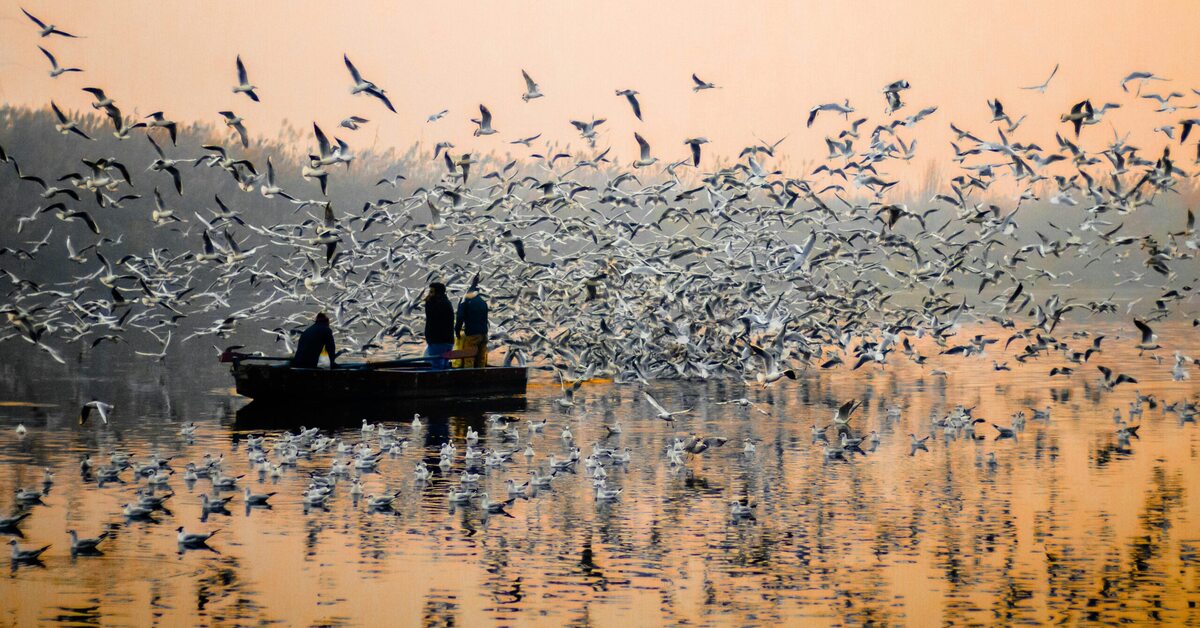
Magh Mela Kashi Ayodhya Tour Package Complete 7 Day Plan , Imagine embarking on a spiritual journey that takes you through three of Hinduism’s most revered destinations in a single, seamlessly planned experience. The Magh Mela Kashi Ayodhya tour package represents the ultimate pilgrimage circuit, combining the sacred confluence at Prayagraj, the eternal city of Lord Shiva in Varanasi, and the birthplace of Lord Ram in Ayodhya. It’s not just a tour—it’s a transformative spiritual odyssey that millions of devotees dream of undertaking.
Why has this particular combination become so popular? Each destination holds unique spiritual significance. Prayagraj’s Sangam offers purification through its holy waters during the auspicious Magh month. Varanasi promises moksha (liberation) to those who breathe their last in this ancient city blessed by Lord Shiva. Ayodhya, recently revitalized with the magnificent Ram Mandir, connects devotees with the divine heritage of Lord Ram. Together, these three form a spiritual triangle that encompasses key aspects of Hindu faith and tradition.
The beauty of a structured 7-day package is that it removes all the logistical headaches while ensuring you don’t miss any important spiritual experiences. Everything from accommodations to transportation, from guided temple visits to participation in sacred rituals—it’s all planned and coordinated for you. This allows you to focus entirely on your spiritual journey rather than worrying about bookings, routes, and schedules.
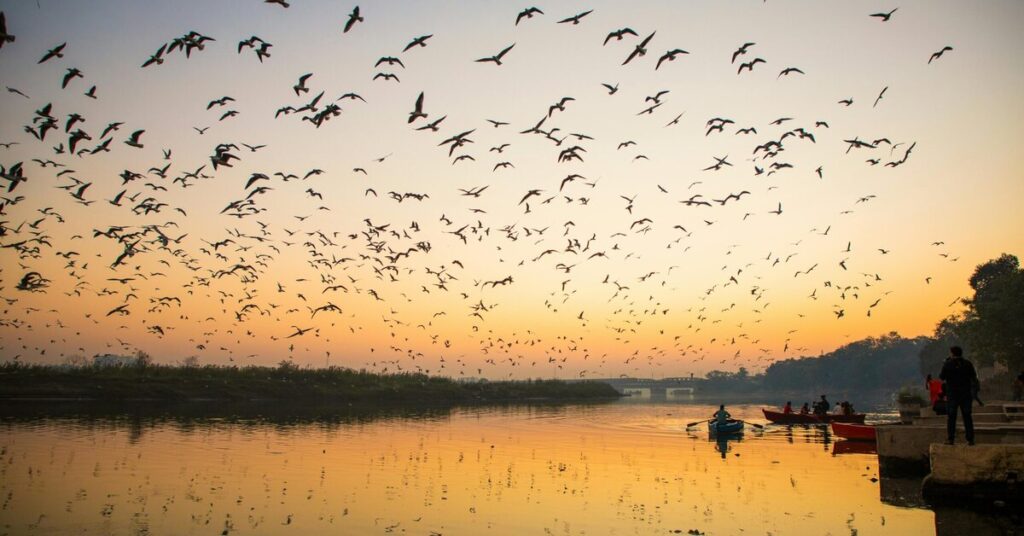
Magh Mela Kashi Ayodhya Tour Package Complete 7 Day Plan Spirituality cannot be rushed. A 7-day package provides the perfect balance—enough time to deeply experience each destination without feeling hurried, yet compact enough to fit within most people’s vacation schedules. You’re not just ticking off temples on a checklist; you’re actually immersing yourself in the spiritual atmosphere of each sacred place.
At Magh Mela, you need time to take your sacred bath, explore the vast mela grounds, attend religious discourses, and perhaps participate in multiple bathing rituals if you’re staying during auspicious dates. In Varanasi, experiencing the morning boat ride, witnessing the evening aarti, visiting multiple temples, and exploring the spiritual essence of the ghats requires more than a rushed day trip. Ayodhya’s temple circuit and the emotional experience of visiting Ram Janmabhoomi deserves dedicated time and attention.
Picture this alternative: a whirlwind 3-4 day tour where you’re constantly packing, traveling, and rushing from one place to another with barely enough time to catch your breath, let alone meditate or pray. That’s exhausting and defeats the very purpose of a spiritual journey. The 7-day package incorporates rest periods, allows for leisurely meals, and doesn’t force you into marathon temple-hopping sessions that leave you physically drained.
Travel days are planned with comfortable timing, not overnight journeys that leave you exhausted. You have evenings to rest, reflect, and absorb the spiritual experiences of the day. For families traveling with elderly members or children, this relaxed pace makes the journey feasible and enjoyable rather than an endurance test.
Seven days allows you to visit not just the main temples but also numerous important secondary sites that casual tourists miss. In Varanasi, beyond Kashi Vishwanath, you can visit Sankat Mochan Hanuman Temple, Durga Temple, Tulsi Manas Mandir, and even make the excursion to Sarnath. In Ayodhya, besides Ram Janmabhoomi, you can pay respects at Hanuman Garhi, Kanak Bhawan, and various other sacred sites associated with the Ramayana.
This comprehensive approach ensures you’re not left thinking “I wish we had time to visit…” after returning home. The tour covers the major spiritual highlights while also allowing for spontaneous discoveries and personal devotional practices.
Prayagraj, formerly Allahabad, sits at the confluence of three rivers—the Ganga, Yamuna, and the mythical Saraswati. This Triveni Sangam is considered one of the holiest spots in Hinduism. During Magh month (January-February), the city transforms into a temporary spiritual metropolis hosting the Magh Mela, where millions gather for sacred baths believed to wash away sins and grant spiritual merit.
The mela grounds sprawl across several kilometers, featuring countless temporary camps, ashrams of various spiritual orders, marketplaces, and designated bathing areas. The atmosphere buzzes with devotional energy—chanting, temple bells, spiritual discourses, and the collective faith of millions create an indescribable ambiance. Participation in Magh Mela isn’t just about ritual bathing; it’s about being part of this ancient living tradition that connects you to countless generations of devotees who’ve made this same pilgrimage.
Varanasi, known as Kashi in ancient texts, is believed to be one of the world’s oldest continuously inhabited cities. Lord Shiva himself is said to preside over this city, making it eternally sacred. The city’s 88 ghats (riverfront steps) along the Ganges create a unique spiritual landscape where life, death, devotion, and liberation intertwine daily.
Walking through Varanasi’s narrow lanes feels like stepping back in time. Ancient temples appear at every turn, incense smoke mingles with the air, priests perform age-old rituals, and the Ganga flows eternally, witnessing it all. The evening Ganga Aarti at Dashashwamedh Ghat represents one of Hinduism’s most visually stunning ceremonies, with synchronized offerings of fire, flowers, and prayers to the sacred river. Varanasi offers spiritual seekers an unmatched atmosphere of devotion, philosophy, and the profound acceptance of life’s eternal cycle.
Ayodhya holds special significance as the birthplace of Lord Ram, the seventh avatar of Lord Vishnu and the protagonist of the epic Ramayana. For centuries, this ancient city has drawn devotees seeking to connect with Ram’s divine presence. The recently constructed Ram Mandir at Ram Janmabhoomi (Ram’s birthplace) has brought renewed attention and infrastructure to Ayodhya, making it more accessible and comfortable for pilgrims than ever before.
Beyond the main temple, Ayodhya is dotted with sites connected to Ramayana—from Hanuman Garhi, the temple dedicated to Lord Hanuman, to Kanak Bhawan, associated with Sita and Ram’s married life. The evening aarti on the banks of the Saryu River creates a magical atmosphere where devotion to Ram becomes almost tangible. For devotees of Lord Ram, visiting Ayodhya represents a deeply emotional homecoming to the place where their beloved deity incarnated in human form.
Your spiritual journey begins the moment you arrive in Prayagraj. Whether you’re landing at Prayagraj Airport (Bamrauli) or arriving at Prayagraj Junction railway station, your tour package includes pickup services. A representative holding a placard with your name will greet you at the designated meeting point. This eliminates the stress of navigating an unfamiliar city or haggling with taxi drivers when you’re already tired from travel.
The drive from the airport or railway station to your Magh Mela camp typically takes 30-60 minutes depending on traffic and your camp’s location. During this journey, your driver or guide often provides initial orientation about the city and what to expect during your stay. It’s a good time to ask any immediate questions about the itinerary or facilities.
Arriving at your Magh Mela camp marks your entry into the unique temporary city that springs up during this festival. Depending on your package type, you might be checking into a basic but comfortable tent, a premium camp with attached facilities, or even a luxury camp with all modern amenities. The camp staff will help you with luggage, show you to your accommodation, and explain available facilities like dining areas, washrooms, and common spaces.
Take this time to settle in, unpack essentials, and refresh yourself after your journey. Most packages arrange lunch or snacks upon arrival, depending on your arrival time. The camp environment might feel different from regular hotels, but that’s part of the authentic Magh Mela experience—you’re living amidst the spiritual energy of millions gathered for the same sacred purpose.
Your first evening is intentionally kept light. Many tour packages organize an orientation session where guides brief you about the next day’s early morning Sangam bath, important do’s and don’ts, safety guidelines, and what to expect. This is the perfect opportunity to clarify any doubts, understand the schedule for your Prayagraj stay, and learn about the spiritual significance of the rituals you’ll be performing.
Some packages might include a short evening walk around the nearby camp area to help you get oriented to the layout and facilities. However, the primary focus is rest. The next morning involves a very early start for the sacred bath at Sangam, so going to bed early ensures you’re refreshed and ready for this important spiritual experience. Dinner is typically served early, allowing you adequate rest before the predawn wake-up call.
Day 2 begins before sunrise—typically around 4:00 or 4:30 AM. This timing isn’t just tradition; it’s considered spiritually auspicious (Brahma Muhurta), and practically, the early hours have fewer crowds and more peaceful conditions. After a light breakfast or tea, you’ll travel to the bathing ghat, usually by vehicle arranged by your tour package, though the final approach might be on foot through the mela grounds.
If your package includes a private boat service (highly recommended for families and seniors), you’ll board from a designated point and sail directly to the Sangam confluence. Otherwise, you’ll make your way to the designated bathing area on the ghats. The sight of the Sangam—where you can actually see the different colored waters of the Ganga and Yamuna meeting—is breathtaking. As dawn breaks, with thousands of lamps floating on the water and the sound of prayers filling the air, the spiritual energy becomes almost palpable.
Taking your holy dip at the Sangam represents the spiritual centerpiece of your Magh Mela experience. Many pilgrims perform three dips, reciting prayers with each immersion. Your guide can help arrange for a priest if you wish to perform specific rituals or pujas. After bathing, there are facilities to change into dry clothes. This entire experience typically lasts 2-3 hours, leaving you with a profound sense of spiritual fulfillment and purification.
After returning to your camp to rest and have proper breakfast, the day continues with visits to important religious sites within the mela grounds. The Magh Mela hosts various akharas (camps of different ascetic orders), each with its own unique spiritual tradition. Some akharas welcome visitors and offer fascinating insights into different paths of Hindu spirituality and renunciation.
Your tour might include visits to prominent temples set up temporarily during the mela, as well as permanent temples in the vicinity. The Bade Hanuman Ji temple (the reclining Hanuman temple) is often included—this unique temple features a massive idol of Hanuman in a reclining posture, and it’s believed that the idol grows taller each year. Such visits enrich your understanding of the diverse spiritual traditions present at Magh Mela.
The Magh Mela grounds are like a temporary city with their own fascinating culture and atmosphere. Guided walks or vehicle tours take you through different sections—the vast marketplace selling religious books, rudraksha beads, religious artifacts, and traditional items; the area where sadhus and saints give spiritual discourses (satsangs) on various aspects of Hindu philosophy; and perhaps exhibitions or cultural programs organized by different organizations.
This exploration isn’t just sightseeing; it’s cultural and spiritual immersion. You’ll encounter diverse traditions, from Vaishnava devotees singing bhajans to Shaiva ascetics engaged in intense meditation, from learned scholars discussing scriptures to simple villagers making their once-in-a-lifetime pilgrimage. The visual, auditory, and spiritual richness of the mela grounds leaves lasting impressions.
As the day winds down, evening Ganga Aarti at the Sangam provides a beautiful conclusion to your main Magh Mela day. As dusk settles, priests perform the traditional aarti ceremony—offering fire, flowers, and prayers to Mother Ganga. The sight of hundreds of diyas (oil lamps) floating on the water, the sound of bells and devotional songs, and the collective participation of thousands creates an atmosphere of profound devotion.
After the aarti, you return to your camp for dinner and rest. This full day of spiritual activities—from predawn bathing to evening prayers—leaves you physically tired but spiritually energized. It’s the kind of meaningful exhaustion that comes from participating in something ancient and deeply significant.
Day 3 explores important temples and spiritual sites in Prayagraj city beyond the mela grounds. After a leisurely breakfast, the day typically starts with a visit to the famous Bade Hanuman Mandir if not covered the previous day. This unique temple features a reclining Hanuman idol, unlike the typically standing depictions found elsewhere.
Alopi Devi Temple holds special significance as one of the 51 Shakti Peethas—sacred sites where parts of Goddess Sati’s body fell. Interestingly, this temple doesn’t have a traditional idol; instead, worship is offered to a wooden doli (palanquin). The temple’s spiritual atmosphere and its connection to the divine feminine makes it an essential stop for devotees seeking blessings from the Mother Goddess.
While primarily a spiritual tour, many packages include a brief visit to Anand Bhawan, the ancestral home of the Nehru family and an important site in India’s independence movement. This provides a fascinating glimpse into India’s modern history and offers a change of pace from the intensely religious focus of other days.
Some tours might also include the Allahabad Fort (though parts are restricted as it’s an active military installation) with its impressive Ashoka Pillar, and the undying Akshayavat tree within the fort premises, which holds mythological significance. These historical sites add educational value and cultural richness to your spiritual journey.
Located on the banks of the Ganga, Bharadwaj Ashram is associated with Sage Bharadwaj, one of the revered sages of ancient India. According to tradition, Lord Ram, along with Sita and Lakshmana, rested here during their exile. The ashram’s peaceful atmosphere, away from the mela crowds, offers a chance for quiet reflection and meditation.
The current ashram complex includes temples and a serene environment conducive to spiritual contemplation. Many pilgrims find this quieter setting allows for deeper personal connection and prayer after the bustling energy of the mela grounds.
Your last afternoon in Prayagraj might include final visits to any mela areas or temples you wish to revisit, shopping for religious items or souvenirs, or simply spending contemplative time by the Sangam. Some pilgrims choose to take another dip at the Sangam, especially if their first visit fell on a particularly auspicious date or if they feel drawn to the sacred waters once more.
The evening is kept free for packing and preparing for the next day’s journey to Varanasi. Dinner might be a special farewell meal at your camp, often with other pilgrims sharing experiences and reflections on their Magh Mela experience. It’s a time of gratitude and anticipation for the next leg of your spiritual journey.
After breakfast and camp check-out, your journey to Varanasi begins. The distance between Prayagraj and Varanasi is approximately 120-130 kilometers, typically taking 3-4 hours by road depending on traffic conditions. Most tour packages provide comfortable air-conditioned vehicles for this journey, allowing you to rest after the intense two days at Magh Mela.
The road journey itself can be interesting, passing through the heart of Uttar Pradesh with glimpses of rural life, small towns, and the changing landscape. Some tours plan a rest stop midway for refreshments and bathroom breaks. This travel day serves as a natural transition, giving your body and mind time to shift from the Magh Mela experience to anticipation for Varanasi’s unique spiritual atmosphere.
Arriving in Varanasi typically happens by early afternoon, allowing time for hotel check-in and lunch. Unlike the Magh Mela camps, in Varanasi you’ll stay in proper hotels or heritage properties, depending on your package level. Budget packages might offer comfortable budget hotels, while premium packages often include boutique heritage hotels or properties near the ghats with beautiful Ganga views.
After check-in, you’re encouraged to rest for a few hours. Varanasi’s evening activities are intense and memorable, so being well-rested enhances the experience. Some travelers use this afternoon break to explore the immediate neighborhood around their hotel, getting a first taste of Varanasi’s ancient lanes and vibrant culture.
The evening Ganga Aarti at Dashashwamedh Ghat represents one of India’s most spectacular religious ceremonies and serves as your introduction to Varanasi’s spiritual grandeur. Your tour guide will take you to the ghat well before the aarti begins (typically around 6:30 or 7:00 PM) to secure good viewing spots, as this ceremony attracts thousands of spectators daily.
As darkness falls, young priests dressed in traditional attire emerge and perform synchronized rituals with large fire lamps, bells, flowers, and incense. The choreographed movements, the chanting of mantras, the sound of bells, and the sight of flames moving in patterns against the backdrop of the holy Ganga creates an almost hypnotic spiritual experience. The devotion of the crowd, many with folded hands and tears in their eyes, adds to the powerful atmosphere.
After the aarti, most tours include a walking exploration of the ghats in the evening atmosphere. Varanasi has approximately 88 ghats, each with its own character and history. Some are burning ghats where cremations occur continuously, reminding visitors of life’s impermanence and the Hindu approach to death as a transition rather than an end. Other ghats buzz with evening activities—pilgrims bathing, vendors selling offerings, sadhus in meditation, and boats ferrying people up and down the river.
Walking these ghats in the evening, with lamps twinkling along the banks and the ancient city rising behind the waterfront, gives you a sense of Varanasi’s timelessness. This isn’t a museum or historical site—it’s a living, breathing spiritual ecosystem that has functioned continuously for thousands of years. After this evening immersion in Varanasi’s atmosphere, you return to your hotel for dinner and rest, knowing that tomorrow brings even deeper exploration of Kashi’s spiritual treasures.
Day 5 begins with one of the most magical experiences Varanasi offers—a sunrise boat ride on the Ganga. You’ll wake early (around 5:00 AM) to reach the ghat before sunrise. As your boat glides silently over the dark waters and the eastern sky begins to lighten, Varanasi awakens along the ghats.
From your boat, you witness morning activities—devout pilgrims taking their holy baths, priests performing private rituals, yogis practicing on the ghat steps, and the sacred city emerging from the night. When the sun finally rises, painting the sky in shades of gold and pink while illuminating the ancient temples and buildings lining the riverbank, the beauty is simply breathtaking. Photographers treasure this golden hour, but even without a camera, the visual and spiritual experience etches permanently in memory.
The boat ride also provides views of various ghats including Manikarnika Ghat, the main cremation ghat, where the eternal flame has burned for thousands of years. Your guide explains the significance of different ghats and the philosophy behind Varanasi being considered the most auspicious place for cremation—believed to grant instant moksha (liberation) to the departed soul.
After returning from the boat ride and having breakfast, the morning continues with darshan at the Kashi Vishwanath Temple, one of the twelve Jyotirlingas (most sacred Shiva temples) in India. Lord Shiva in the form of Vishwanath (Lord of the Universe) is believed to reside here, making this temple supremely holy for Shaivites and all Hindus.
The temple complex has been recently renovated and expanded with the Kashi Vishwanath Corridor project, making access much easier for devotees while preserving the temple’s ancient sanctity. Your tour package typically includes assistance with the darshan process, which can involve queues during peak times. The spiritual energy within the sanctum, the sound of bells and chanting, and the opportunity to offer prayers to Mahadev in this ancient abode creates a profoundly moving experience.
The area around Kashi Vishwanath is a maze of narrow lanes filled with shops selling religious items, prasad (blessed food offerings), Benarasi sarees, and other traditional goods. Your guide helps you navigate this labyrinth while sharing stories and legends associated with various spots in this ancient sacred geography.
The afternoon might include visits to other important Varanasi temples. Sankat Mochan Hanuman Temple, established by the saint-poet Tulsidas, is one of the most important Hanuman temples in North India. “Sankat Mochan” means “reliever of troubles,” and devotees believe that prayers offered here help overcome difficulties. The temple atmosphere, always filled with devotional songs and the scent of flowers and incense, provides a peaceful spiritual experience.
The Durga Temple, also known as Durga Kund Temple, is dedicated to Goddess Durga. Its distinctive red color gives it the nickname “Monkey Temple” (due to the resident monkeys, though they’re generally harmless). The temple is particularly crowded during Navratri but offers powerful darshan year-round. The adjacent Durga Kund (tank) adds to the temple’s sacred atmosphere.
A visit to Sarnath, located about 10 kilometers from Varanasi, provides a fascinating addition to your spiritual tour. This is where Lord Buddha gave his first sermon after attaining enlightenment, effectively launching Buddhism as a distinct spiritual path. The site includes the Dhamek Stupa (marking the spot of Buddha’s first sermon), ruins of ancient monasteries, the Ashoka Pillar, and an excellent archaeological museum.
Even for Hindu pilgrims, Sarnath offers meaningful insights into the diverse spiritual traditions that flourished in ancient India. The peaceful atmosphere, the massive stupa, and the palpable sense of historical and spiritual significance make this excursion worthwhile. Many visitors find the quiet contemplation possible at Sarnath provides a nice balance to Varanasi’s intense devotional energy.
Your final evening in Varanasi might be spent at Assi Ghat, located at the confluence of the Ganga and Assi rivers. This ghat has a different character from Dashashwamedh—slightly less crowded and more relaxed, yet still deeply spiritual. The evening aarti here follows traditional patterns but in a more intimate setting.
Assi Ghat is also known for its cultural activities, with classical music performances and spiritual discourses often taking place in the evenings. Many young sadhus, students, and spiritual seekers gather here, creating a vibrant yet contemplative atmosphere. It’s a perfect place to spend your final hours in Varanasi, reflecting on your experiences in this eternal city before tomorrow’s journey to Ayodhya. Dinner back at your hotel concludes another spiritually rich day.
After breakfast and hotel check-out, you begin your journey to Ayodhya. The distance from Varanasi to Ayodhya is approximately 200-220 kilometers, typically taking 4-5 hours by road. The journey takes you deeper into the heartland of Uttar Pradesh, through areas rich with historical and mythological associations.
Some tour packages arrange the journey with a lunch stop at a good restaurant along the way. Others might pack lunch boxes from the hotel. The travel time serves as rest and transition, allowing you to process the intense experiences of Prayagraj and Varanasi while preparing mentally for the emotional experience of visiting Lord Ram’s birthplace.
Arrival in Ayodhya typically happens by early afternoon, allowing time for hotel check-in and refreshment before beginning your temple visits. The centerpiece of any Ayodhya pilgrimage is Ram Janmabhoomi—the exact spot believed to be Lord Ram’s birthplace. The magnificent Ram Mandir, recently constructed at this site, stands as a testament to devotion and faith.
The temple complex is vast and beautifully designed, incorporating traditional temple architecture with modern facilities for pilgrims. The darshan involves security checks (similar to airport security) and often substantial queues, especially during peak pilgrimage seasons. However, the moment you enter the sanctum and offer prayers at the very spot where Lord Ram incarnated, the wait becomes insignificant. For devotees of Lord Ram, this experience is overwhelmingly emotional—many find themselves moved to tears by the profound spiritual energy of this sacred birthplace.
After Ram Janmabhoomi, visits continue to other important Ayodhya temples. Hanuman Garhi is a prominent temple dedicated to Lord Hanuman, Ram’s greatest devotee. Situated on a small hill and reached by climbing a flight of 76 steps, the temple’s elevated position offers beautiful views of Ayodhya. Legend says that Hanuman lived here in a cave, guarding Ram Janmabhoomi. The temple’s atmosphere is intensely devotional, with continuous chanting and prayers dedicated to Bajrang Bali.
Other sites often included in the tour are Kanak Bhawan (a beautiful temple associated with Sita and Ram, gifted to Sita by Rama’s stepmother Kaikeyi), Nageshwarnath Temple (one of the ancient Shiva temples in Ayodhya, said to have been established by Kush, son of Ram), and various other temples and sites connected to the Ramayana narrative.
As evening approaches, you’ll head to the banks of the Saryu River for the evening aarti ceremony. The Saryu, mentioned throughout the Ramayana, flows through Ayodhya and is considered sacred. The evening aarti here, though perhaps smaller in scale than Varanasi’s Ganga Aarti, carries its own emotional resonance.
The ceremony takes place against the backdrop of a city completely associated with Lord Ram. Every lane, every ancient structure, every ritual in Ayodhya connects to the Ramayana. The aarti songs often include verses from Tulsi’s Ramcharitmanas, the beloved Hindi retelling of Ram’s story. As lamps are offered to the Saryu and prayers rise into the evening air, the feeling of being in Ram’s own city becomes overwhelming. This spiritual culmination of your Ayodhya day provides a perfect blend of devotion and tranquility.
After the aarti, you return to your hotel for dinner and rest. Many pilgrims find this evening deeply reflective—having now visited three of Hinduism’s most significant sites in six days, the accumulated spiritual experiences invite contemplation. Ayodhya hotels range from budget to premium, with the city’s infrastructure having improved significantly in recent years to accommodate growing pilgrim numbers. Tomorrow brings your final morning in Ayodhya before your departure, making this night both restful and anticipatory.
Your final day begins with early morning visitsto any temples or sites you might have missed the previous day, or revisiting Ram Janmabhoomi if you wish for a second, more contemplative darshan. Morning light gives Ayodhya a special quality—the city awakens with temple bells, morning prayers, and pilgrims beginning their day of devotion.
Some tours include visits to lesser-known but spiritually significant sites like Dashrath Mahal (associated with Ram’s father King Dashrath), Moti Mahal, or Treta Ke Thakur (where Lord Ram is believed to have performed the Ashwamedha Yajna). These quieter sites offer a chance for personal prayer and reflection away from the larger crowds at main temples.
After temple visits, you return to your hotel for breakfast and check-out, marking the conclusion of your accommodation needs for this tour.
Before departure, most tours allocate time for shopping in Ayodhya’s markets. The city offers numerous religious items that make meaningful souvenirs or gifts: small idols of Lord Ram, Sita, Hanuman and the Ram Parivar; Ramcharitmanas books in various languages; rudraksha malas; traditional photographs and paintings depicting scenes from the Ramayana; and local handicrafts.
Your tour guide can direct you to authentic shops with reasonable prices, helping you avoid tourist traps. These souvenirs become lasting reminders of your spiritual journey—many pilgrims establish small puja spaces at home featuring items brought back from this sacred circuit.
Based on your departure schedule, the tour concludes with transfer to either Ayodhya railway station or the nearest airport (typically Lucknow, about 130 kilometers away, or back to Prayagraj or Varanasi, depending on your onward journey). The timing is coordinated with your booked transportation, ensuring you reach with adequate time before your train or flight.
As you travel away from Ayodhya, there’s often a bittersweet feeling—gratitude for the completed spiritual journey mixed with reluctance to leave these sacred spaces. The seven days have taken you through an incredible spiritual arc, from purification at the Sangam, through the ancient wisdom of Kashi, to the devotional heart of Ayodhya. You’re returning home, but something fundamental has shifted—you carry with you the blessings, experiences, and spiritual energy of three of Hinduism’s holiest destinations.
Comprehensive tour packages typically include accommodation for all six nights: two nights in Magh Mela camps (ranging from basic tents to luxury camps with attached washrooms and heaters depending on package level), two nights in Varanasi hotels (from budget to heritage properties), and two nights in Ayodhya hotels. All accommodations are pre-booked, eliminating any stress about finding places to stay during your journey.
Budget packages offer clean, comfortable accommodations with basic amenities. Mid-range packages upgrade to better hotels with more comfort and services. Premium and luxury packages include heritage hotels, river-view properties in Varanasi, and the best available accommodations with excellent facilities and service.
Most packages include daily breakfast at all locations, with some also including dinners. Meals during travel days (lunches) are sometimes included, or alternatively, stops are planned at good restaurants. All food provided is vegetarian, respecting the religious nature of the tour and the dietary preferences of most pilgrims.
Reputable tour operators accommodate dietary restrictions and preferences with advance notice. Whether you require Jain food, diabetic-friendly meals, South Indian cuisine, or have specific allergies, informing the tour operator during booking ensures appropriate arrangements. The food quality and hygiene standards are generally maintained at good levels, as tour operators understand that health issues during the pilgrimage can ruin the entire experience.
Comprehensive transportation is a major inclusion. This covers:
Vehicles are typically spacious and comfortable—tempo travelers or mini-buses for larger groups, SUVs or sedans for smaller groups or premium packages. Drivers are experienced with these routes and professional in conduct.
Knowledgeable guides significantly enhance the tour experience. Guides explain the spiritual significance of each site, share stories and legends, help navigate temple procedures, assist with puja arrangements if needed, and handle any logistical issues that arise. Good guides become almost like spiritual companions for the journey, enriching understanding while ensuring smooth operations.
Some tours provide a single guide who travels with you throughout the 7 days. Others use local specialized guides at each destination—someone deeply knowledgeable about Magh Mela, a Varanasi expert for those days, and an Ayodhya specialist for the final portion. Both approaches work well depending on implementation.
Package inclusions typically cover entry fees where applicable, special darshan arrangements at temples (VIP darshan where available and appropriate), and monument entry fees (like at Sarnath or historical sites). Some premium packages arrange special access or priority darshan at major temples, significantly reducing waiting times.
What’s usually NOT included: personal expenses, offerings you wish to make at temples (beyond basic puja materials that might be included), additional meals or snacks beyond those specified, shopping purchases, tips for drivers/guides (though appreciated), and any activities beyond the specified itinerary.
Package pricing varies significantly based on several factors: accommodation standards, season/dates (premium pricing during peak Magh Mela dates), group size (solo travelers pay more per person than groups), inclusions, and operator reputation.
Budget Packages: Expect to pay approximately ₹15,000-25,000 per person for basic accommodation, shared transportation, and essential services. These packages cover all the important spiritual experiences but with simpler logistics.
Mid-Range Packages: Typically ₹30,000-50,000 per person, offering comfortable 3-star equivalent hotels, better vehicles, more comprehensive meal plans, and experienced guides. These represent good value for most pilgrims.
Premium/Luxury Packages: Can range from ₹60,000-1,50,000+ per person, featuring heritage hotels or luxury camps, private vehicles, customized itineraries, priority darshan arrangements, and premium services throughout. These appeal to travelers who want maximum comfort alongside spiritual experiences.
Family Packages: Often provide better per-person rates when multiple family members travel together. Children typically receive discounts.
When evaluating cost, consider what’s included. Sometimes a seemingly expensive package actually offers better value due to comprehensive inclusions, while cheaper packages might have many exclusions requiring additional expenditure.
Magh Mela runs through the entire Hindu month of Magh, typically spanning January and February. However, certain dates within this period are considered especially auspicious—Makar Sankranti (usually January 14-15), Mauni Amavasya, Basant Panchami, and Maghi Purnima. These dates attract maximum crowds and spiritual significance.
If your schedule is flexible, participating during major bathing dates enhances the spiritual experience despite larger crowds. However, if you prefer less crowded conditions while still experiencing Magh Mela’s essence, visiting during non-peak dates within Magh month works beautifully. The sacred status of the entire month means spiritual benefits aren’t restricted to specific days alone.
January and February in North India mean winter weather. Prayagraj, Varanasi, and Ayodhya all experience cold temperatures, especially mornings and evenings, with daytime temperatures being pleasant. Dense fog can occur occasionally, particularly in January, sometimes affecting travel schedules.
Pack appropriate warm clothing—layers work best, as midday can be quite pleasant even in winter. The cold morning bath at Sangam requires mental preparation, though devotion generally overcomes the initial shock! For seniors or those sensitive to cold, visiting in late February as Magh concludes might offer slightly warmer conditions.
If avoiding maximum crowds is important, book tours for:
However, remember that experiencing the grand scale and collective energy of Magh Mela during peak times has its own value—it’s unlike any other gathering in the world. The choice depends on your priorities and physical comfort levels.
As discussed earlier, Magh Mela accommodation ranges dramatically. Basic camps offer simple tents with cot beds, shared bathroom facilities, and basic amenities. These are functional and clean, providing essential shelter while keeping costs low.
Mid-range camps upgrade to larger tents with better furnishings, attached bathrooms with running water, and room heaters—crucial for winter nights. Common areas might include dining tents and seating areas.
Luxury camps compete with good hotels in comfort—spacious tents with premium bedding, attached bathrooms with hot water showers, effective heating, electricity supply, Wi-Fi in some cases, and even air conditioning for those rare warm days. These camps often include cultural programs, spa services, and gourmet dining options. They transform camping into glamping while maintaining proximity to the sacred activities.
Varanasi offers accommodation to suit every budget and preference. Budget options include clean guesthouses and budget hotels starting from ₹1,000-2,000 per night. These provide basic comfort and are usually located in the older parts of the city, offering authentic atmosphere if not luxury.
Mid-range hotels (₹3,000-7,000 per night) offer good comfort, better locations, and reliable services. Many are within reasonable distance of the ghats and major temples.
Premium and heritage properties (₹8,000-30,000+ per night) include beautifully restored havelis (traditional mansions) with rooms overlooking the Ganga, boutique hotels blending traditional architecture with modern luxury, and premium hotel chains. Waking up to sunrise views over the Ganga from your room represents the ultimate Varanasi experience. Properties like BrijRama Palace, Suryauday Haveli, or Taj Ganges offer this unmatched experience.
Ayodhya’s hotel infrastructure has expanded rapidly following renewed pilgrim interest. Options now range from budget lodges (₹1,000-2,500 per night) offering basic clean rooms, to mid-range hotels (₹3,000-6,000 per night) with good facilities, to emerging premium properties (₹7,000-15,000+ per night) offering luxury and excellent service.
The Saket Hotel, Ramayan Hotel, and various newly constructed properties cater to the growing demand. While Ayodhya’s hospitality infrastructure is still developing compared to Varanasi’s centuries-old tradition, current options adequately serve pilgrims’ needs, and quality continues improving.
By Air: Prayagraj Airport (Bamrauli) connects to major cities like Delhi, Mumbai, and Bangalore through daily flights. From the airport, it’s 10-12 kilometers to the city center.
By Train: Prayagraj Junction is a major railway hub with excellent connectivity to all major Indian cities. During Magh Mela, Indian Railways operates numerous special trains. Prayagraj also has other stations like Allahabad City and Subedarganj.
By Road: Prayagraj connects well by road. National highways link it to Delhi (635 km), Lucknow (200 km), Varanasi (125 km), and other cities. Express buses and private taxis are available.
Prayagraj to Varanasi: Approximately 125 km, taking 2.5-3 hours by road. Train options also exist, taking about 2-3 hours depending on the train type. Most tour packages use road transport for flexibility.
Varanasi to Ayodhya: Approximately 200 km, taking 4-5 hours by road. Train options connect the cities in 3-4 hours, but road transport offers more convenience for tours as it allows stops and flexible timing.
Tour packages typically use private vehicles, ensuring comfort and schedule control. Trains are economical alternatives for independent travelers but require coordinating with train timings and dealing with luggage.
Within each city, tour packages handle all local transportation. In Prayagraj during Magh Mela, this might include vehicles capable of navigating to designated parking areas near the mela grounds, plus walking or boat services to reach Sangam.
In Varanasi, temple visits, ghats, and Sarnath excursions are all covered. Given Varanasi’s narrow lanes, walking is sometimes necessary and inevitable, adding to the authentic experience.
In Ayodhya, vehicles take you to all major temples and sites. The compact nature of Ayodhya’s temple circuit makes it relatively easy to navigate compared to sprawling Varanasi.
Pace of the Tour: Seven days allows for reasonable pacing, but understand that this tour involves early mornings, significant walking, multiple temple visits, and travel days. Assess honestly whether elderly family members or young children can handle this intensity. Choosing packages that allow for optional activities and rest periods helps accommodate varying energy levels within a family group.
Accessibility Features: When booking, clearly communicate any mobility limitations. Better tour operators can arrange wheelchair accessibility where possible, provide assistance for those who struggle with stairs or long walks, and plan itineraries accommodating special needs. Venues like Kashi Vishwanath Corridor and Ram Janmabhoomi have improved accessibility in recent years.
Health and Safety: Carry adequate supplies of any prescription medications with extra buffer. Consider purchasing travel insurance covering medical emergencies. Be aware of the nearest medical facilities at each destination. Magh Mela and tour operators typically have basic medical facilities, but serious issues require proper hospital care. Prayagraj, Varanasi, and Ayodhya all have decent medical facilities available if needed.
Dietary Considerations: Inform tour operators about any dietary restrictions or requirements due to health conditions like diabetes, hypertension, or allergies. Most can accommodate these needs with advance notice. Carrying some familiar snacks helps bridge any gaps, especially for children.
Clothing Recommendations:
Religious Items:
Personal Necessities:
Practical Items:
What NOT to Pack:
Dress Codes: Conservative, modest clothing is expected and required at all temples. Shoulders and knees should be covered. Many temples don’t allow leather items. At some temples, men might need to remove shirts before entering sanctums. Women should carry scarves or shawls for head covering where required.
Photography Rules: Photography is prohibited inside most temple sanctums. Always ask permission before photographing priests, sadhus, or other pilgrims. Respect signs indicating no-photography zones. The ghats and external temple architecture generally allow photography, making for beautiful captures of your spiritual journey.
Behavioral Expectations: Maintain respectful silence or low voices within temples. Follow instructions of priests and temple staff. Remove footwear before entering temples (deposit counters are usually available). Avoid public displays of affection. Don’t refuse prasad (blessed food) if offered—accept respectfully even if you don’t plan to consume it.
Ritual Participation: You’re not required to participate in every ritual you observe. However, showing respect by standing quietly or participating respectfully in aartis and prayers creates positive interactions. Your tour guide can explain what’s happening and what level of participation is appropriate.
Interactions with Sadhus and Priests: Sadhus (ascetics) and priests deserve respect as spiritual figures. If photographing sadhus, ask permission first—some expect small donations for photographs. When engaging priests for pujas, agree on costs beforehand to avoid misunderstandings. Reputable tour operators help navigate these interactions fairly.
Adding Extra Days: If you have additional time, extend your tour with extra days at any destination. An additional day in Varanasi allows for deeper exploration of the city’s countless temples, philosophical traditions, and cultural aspects. An extra day in Ayodhya could include visits to nearby sites like Naimisharanya or other Ramayana-connected locations. Discussing customization with tour operators during booking allows for personalized itineraries.
Special Ritual Arrangements: If your family wants to perform specific pujas, homas, or other rituals at any destination, tour operators can usually arrange priests and materials for these ceremonies. This might include pitru tarpan (ancestral offerings) at Sangam, special pujas at Kashi Vishwanath, or elaborate Ram puja at Ayodhya.
Private Tour Modifications: Instead of joining group tours, some families prefer completely private tours where the itinerary, timing, and pace are entirely customized. While more expensive, private tours offer maximum flexibility—sleeping in if someone’s tired, spending extra time at particularly meaningful sites, or skipping activities that don’t interest your group.
Including Nearby Destinations: Some extended itineraries include Chitrakoot (deeply associated with Ram’s exile), Vindhyachal (important Shakti Peeth), or even Bodh Gaya (where Buddha attained enlightenment) for a more comprehensive spiritual circuit. Discuss these options with tour operators if you’re interested.
When to Book: For tours during major Magh Mela dates, book 3-4 months in advance. For regular dates and off-peak seasons, 4-6 weeks is usually sufficient. Early booking ensures better accommodation options, preferred time slots, and often better pricing.
What to Ask Tour Operators:
Payment and Cancellation Policies: Most operators require 25-50% advance payment to confirm bookings, with the balance due before travel or upon arrival. Understand cancellation policies clearly—what percentage is refundable if you cancel 30 days before, 15 days before, or just before the tour? Does the operator have cancellation penalties based on timing? Are there force majeure (unavoidable circumstances) exceptions?
Verification: Book with registered, established tour operators with verifiable physical offices and good reviews. Check their website, read testimonials, look for social media presence, and verify credentials where possible. Religious tourism in India sometimes attracts unscrupulous operators; doing due diligence protects you from fraud or poor service.
Documentation: Get everything in writing—confirmed itinerary, costs, inclusions, exclusions, and all agreed terms. Keep multiple copies (physical and digital) of your booking confirmations, vouchers, and tour operator contact information.
Smt. Kamala Devi (68) from Chennai shares: “I’d dreamed of this pilgrimage my whole life but thought age had made it impossible. My children gifted me this 7-day package, and I cannot express the joy! The private Magh Mela camp with heater meant I wasn’t cold even in January. The boat ride to Sangam made bathing possible for me with my knee problems. Seeing Kashi Vishwanath and finally visiting Ayodhya—I have no regrets left in life now.”
The Sharma family from Delhi writes: “We—two parents, two teenagers, and my 70-year-old father—took this tour during Makar Sankranti. The tour company managed everything perfectly. The kids actually enjoyed it despite initial reluctance! The boat ride in Varanasi at sunrise, the Ganga Aarti, and feeling the emotional power of Ram Janmabhoomi made believers of them. As parents, we’re grateful they had this spiritual grounding experience.”
Prakash Rao from Bangalore reflects: “As a first-time North India visitor, I was apprehensive about language, navigation, and managing such a complex itinerary alone. The guided tour removed all stress. Our guide was knowledgeable and respectful, explaining significance without being preachy. The spiritual experiences were profound, but honestly, the well-planned logistics made them possible. I could focus on devotion instead of maps and tickets.”
Reena Patel from Mumbai notes: “The seven days were intensive but wonderfully balanced. Each destination had its own character—the grand scale of Magh Mela, the timeless mystique of Varanasi, the devoted atmosphere of Ayodhya. Having good hotels in Varanasi and Ayodhya after camping at Magh Mela was perfect timing. My only regret? Not booking for longer! I’m already planning to return.”
The Magh Mela Kashi Ayodhya 7-day tour package represents more than just a vacation—it’s a transformative spiritual pilgrimage through the heart of Hindu sacred geography. From purification in the holy waters of the Sangam, through the ancient wisdom and eternal energy of Varanasi, to the devotional culmination at Lord Ram’s birthplace in Ayodhya, this journey touches the very essence of Hindu spiritual tradition.
A well-planned package removes the logistical complexities that often prevent people from undertaking such pilgrimages. You don’t need to be a seasoned traveler or navigation expert. You don’t need to worry about where to stay, how to reach temples, or what to do at each location. The package handles these practical matters, freeing you to focus entirely on the spiritual experiences—prayers, rituals, contemplation, and connection with the divine.
For families, this tour creates shared spiritual memories that strengthen bonds across generations. For individuals, it offers space for personal spiritual growth and fulfillment of long-held aspirations. For seniors, it might represent the culmination of a lifetime’s devotion—finally visiting places they’ve heard about and dreamed of since childhood.
The investment in such a tour—whether in time, money, or physical effort—yields returns that aren’t easily quantifiable. Spiritual peace, sense of completion, blessings from sacred sites, the merit of pilgrimage, and memories that last forever—these aren’t measured in rupees or days. They enrich life in ways that outlast any material acquisition.
As you consider embarking on this sacred circuit, remember that the journey itself is part of the spiritual practice. Every challenge overcome, every early morning awakening, every step taken in devotion adds to the pilgrimage’s value. The divine doesn’t reside only at the destination but accompanies you throughout the journey, in the preparations, in the travel, in the quiet moments between rituals, and in your return home carrying these sacred experiences in your heart.
May your Magh Mela Kashi Ayodhya pilgrimage be filled with divine blessings, profound spiritual experiences, and the joy of walking paths hallowed by millions of devotees across countless generations.
Absolutely yes. Reputable tour packages specifically cater to diverse pilgrims including those unfamiliar with the region or language. Guides typically speak English and often other Indian languages like Tamil, Telugu, or Bengali. All interactions with hotels, restaurants, and temple staff are handled by the tour team, eliminating language barriers. The spiritual experiences transcend language—devotion requires no translation. Many international and South Indian pilgrims successfully complete this circuit annually without speaking Hindi. Choose tour operators with good reviews from diverse customer bases for the smoothest experience.
Most tour operators offer flexibility, especially for private tours. If Ram worship is particularly important to your family, adding extra days in Ayodhya while reducing Varanasi time is usually possible. Similarly, if you’re particularly drawn to Varanasi’s philosophical and spiritual atmosphere, extended stays can be arranged. However, modifications might affect pricing and availability. Group tours have less flexibility as the itinerary serves multiple travelers, though individual extensions before or after the main tour are often possible. Discuss customization needs during the booking phase for best results.
Most reputable Magh Mela camps have basic medical facilities with first-aid trained staff and common medicines available. Serious medical issues require transfer to Prayagraj’s hospitals, usually 30-60 minutes away depending on camp location and traffic. Varanasi and Ayodhya both have decent hospitals and clinics. Tour operators maintain contact with medical facilities and can arrange emergency transportation if needed. However, prevention is better than cure—carry your regular medications, stay hydrated, dress appropriately for weather, and listen to your body’s signals. Those with serious health conditions should consult doctors before undertaking intensive pilgrimage tours and might consider comprehensive travel insurance covering medical emergencies.
From a purely religious perspective, the entire month of Magh is auspicious for bathing at the Sangam, and spiritual merit is believed to accrue throughout. However, certain dates are considered especially powerful: Makar Sankranti (start of Magh, usually January 14-15), Mauni Amavasya (new moon day), Basant Panchami, and Maghi Purnima (full moon, end of Magh). These days attract maximum crowds and the most intense spiritual atmosphere. If experiencing the grand scale and collective energy appeals to you, these dates are ideal despite larger crowds. If you prefer more peaceful conditions while still participating in Magh Mela, any other dates during the month work beautifully. The sacred status of the Sangam and the spiritual benefits of bathing there remain constant throughout Magh.
Keep small denominations of cash (₹10, ₹20, ₹50, ₹100 notes) for offerings, prasad purchases, and small donations. At major temples, fixed-price offerings and pujas are often available—these are legitimate and transparent. Be cautious of unsolicited priests or individuals demanding large donations. Your tour guide can help navigate these situations appropriately. For specific pujas you wish to perform, agree on pricing with priests beforehand; reputable tour operators often have established relationships with trustworthy priests. Donations should be voluntary expressions of devotion, not extracted through pressure. Give what feels appropriate to your means and devotion. Temples also have official donation counters for those wishing to make larger contributions for temple maintenance or charitable activities—these come with proper receipts.