Your cart is currently empty!
You may check out all the available trips and book one that suits you.
Continue Browsing Trips
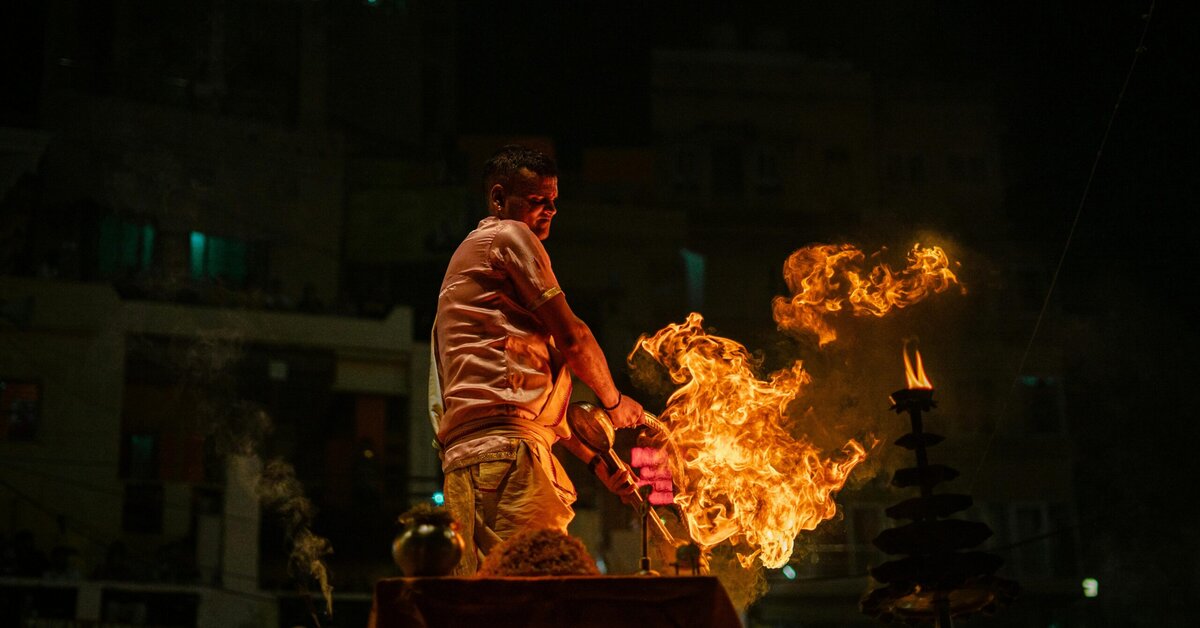
Magh Mela with Kashi Tour – 5 Days Spiritual Itinerary , There’s something profoundly transformative about combining two of India’s most sacred experiences into a single journey. Imagine starting your day watching the sun rise over the Ganges in Varanasi, the eternal city where spirituality pulses through every ancient stone, and then concluding your pilgrimage at the Sangam in Prayagraj, where three holy rivers merge in a confluence that has drawn seekers for millennia. This is precisely what a 5-day Magh Mela and Kashi tour offers—a compact yet deeply immersive spiritual journey that touches the very soul of Hindu civilization.
I’ve designed this itinerary for those who want maximum spiritual impact in minimum time. Whether you’re constrained by work schedules, traveling from abroad with limited vacation days, or simply prefer focused, intensive experiences over extended trips, these five days will leave you spiritually fulfilled without feeling rushed. Let me walk you through every detail of this sacred journey.
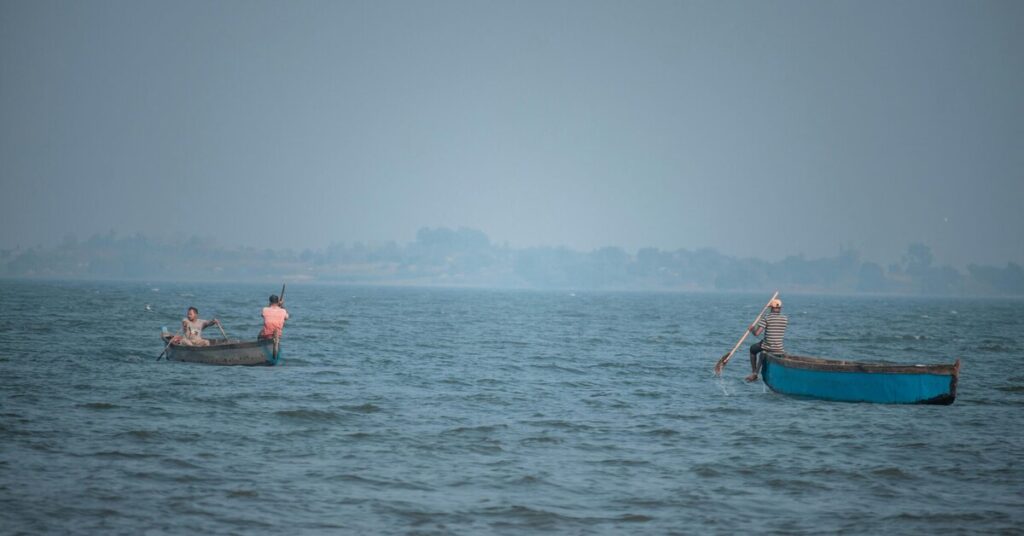
Magh Mela with Kashi Tour – 5 Days Spiritual Itinerary ,Before diving into the day-by-day breakdown, let’s understand why pairing Magh Mela with Kashi in a 5-day window makes perfect sense.
Geographic Proximity: Varanasi and Prayagraj are just 130 kilometers apart—a comfortable 2.5 to 3-hour drive. This means you’re not wasting precious pilgrimage time on exhausting travel. You can experience both destinations without the fatigue that comes with longer circuits.
Complementary Spiritual Themes: Kashi represents moksha (liberation), the end of the cycle of birth and death. Prayagraj’s Sangam represents purification and renewal. Together, they offer a complete spiritual arc—cleansing your karma at the confluence and then experiencing the ultimate liberation energy in Shiva’s eternal city.
Practical Timing: Magh Mela occurs annually during mid-January to mid-February. This timing coincides with Varanasi’s winter spiritual peak, when the morning mist rises from the Ganges and the city’s devotional atmosphere intensifies. You’re catching both destinations at their spiritual zenith.
Manageable Intensity: Five days provides enough time to genuinely experience both places without the superficiality of a rushed 2-3 day trip, yet it’s short enough that you maintain focus and energy throughout. You won’t burn out or feel travel fatigue diminish your spiritual receptivity.
Magh Mela with Kashi Tour – 5 Days Spiritual Itinerary , This specific itinerary works during the Magh Mela period: mid-January through mid-February. For 2025, that means January 13 through February 26, with the most auspicious dates being:
Ideal booking window: If you want to time your Sangam bath for one of these auspicious dates, plan your 5-day trip to culminate on that specific day. For example, if targeting Mauni Amavasya (January 29), your trip would run January 25-29, starting in Varanasi and ending with the sacred bath on the 29th.
Weather expectations: Daytime temperatures range from 20-25°C (68-77°F), dropping to 8-12°C (46-54°F) at night. Mornings are crisp and often foggy. Pack layers—you’ll need warm clothing for early morning activities and lighter clothes for afternoons.
2-3 months before travel:
1 month before:
1 week before:
Clothing:
Essentials:
Spiritual Items:
9:00 AM – 12:00 PM
Whether you’re arriving by flight (Lal Bahadur Shastri Airport) or train (Varanasi Junction or Manduadih), your first task is reaching your hotel and settling in. I recommend choosing accommodation in one of two areas:
Assi Ghat Area: Quieter, more relaxed, popular with long-term spiritual seekers. Hotels here offer peaceful environments while being just 15-20 minutes from main ghats.
Dashashwamedh Ghat Area: Heart of the action, walking distance to Kashi Vishwanath Temple, but noisier and more chaotic. Choose this if you want to be in the spiritual epicenter.
After checking in, take a shower, rest briefly, and have a light lunch at your hotel. Don’t eat heavily—you’ll be walking and experiencing intense environments.
Pro Tip: Most hotels in Varanasi don’t have check-in until 2 PM. If you’re arriving early morning, request early check-in when booking, or be prepared to leave luggage and explore while your room is prepared.
3:00 PM – 6:00 PM
Your introduction to Varanasi begins with a walk along the ghats during the golden afternoon light. Start from your hotel and make your way toward Dashashwamedh Ghat, the main ghat where the famous Ganga Aarti occurs.
What to Experience:
Walk slowly, absorbing everything. Watch pilgrims bathing in the Ganges, priests performing individual pujas under bamboo umbrellas, sadhus meditating, chai wallahs serving tea in clay cups, and the constant flow of humanity that defines Varanasi.
Stop at small temples along the way. Enter if you feel called, sit quietly, observe. There’s no rush, no checklist—just presence.
Important Cultural Note: When you see cremation activities at Manikarnika Ghat or Harishchandra Ghat, maintain respectful distance and absolutely no photography. These are sacred final rites for families saying goodbye to loved ones.
6:30 PM – 8:00 PM
The Ganga Aarti is Varanasi’s spiritual heartbeat made visible. Seven young priests perform synchronized rituals with fire lamps, bells, and conch shells, creating a spectacle that’s simultaneously ancient and alive.
Best Viewing Options:
From the Ghat: Arrive by 6 PM to secure a spot on the steps. It’s crowded but atmospheric. You’re surrounded by thousands of devotees, all facing the river, all absorbed in this moment of collective devotion.
From a Boat: Book a boat for 6-7 PM (₹200-500 per person for shared boat). You’ll watch from the river, which offers a unique perspective—seeing the entire ghat illuminated, hearing the bells across water, feeling the city’s energy from a contemplative distance.
From a Restaurant Balcony: Some restaurants near Dashashwamedh have balconies with aarti views. You’ll pay for a meal (₹500-1000) but get comfortable seating and a less crowded experience.
After the Aarti: Walk back slowly through the illuminated lanes. Stop for chai or lassi. Buy a small brass diya (lamp) if you’re drawn to it. Let Varanasi seep into your consciousness gradually.
Return to your hotel by 9 PM. Have a simple dinner (hotel restaurant is safest for your first night) and sleep early. Tomorrow begins before sunrise.
5:00 AM – 7:30 AM
Wake up at 4:30 AM (yes, it’s early, but this is why you came). Meet your pre-booked boat at your nearest ghat by 5:00 AM.
The Experience:
As your boat glides along the misty Ganges, Varanasi reveals its most intimate self. Watch the city wake up—pilgrims descending for their morning bath, priests performing solo pujas, yogis practicing on the steps, cremation pyres burning at Manikarnika (reminding you of life’s impermanence), and that incredible sunrise that turns the river golden.
Your boatman will row along the entire ghat length (about 90 minutes), narrating the significance of major ghats. Don’t just listen—feel. This is meditation in motion.
Boat Booking: Pre-book through your hotel (₹600-1000 for private boat for 2-4 people) or book the evening before directly at the ghat (₹400-600 if you negotiate well).
8:00 AM – 10:00 AM
After your boat returns, walk directly to Kashi Vishwanath Temple, one of the twelve Jyotirlingas and perhaps the most sacred Shiva temple in Hinduism.
What to Know:
The temple is now part of the Kashi Vishwanath Corridor—a massive, beautifully redeveloped complex inaugurated in 2021. Security is tight (no phones, cameras, bags—only small pouches allowed).
The Process:
Spiritual Tip: The energy inside is intense—millions of prayers have been offered here over centuries. Stay present. Touch the silver covering of the sanctum if possible. Feel the vibration. This is Shiva’s abode.
10:30 AM – 1:00 PM
After Kashi Vishwanath, visit nearby temples within walking distance:
Annapurna Temple: Goddess of nourishment, just behind Kashi Vishwanath
Kal Bhairav Temple: The fierce form of Shiva, guardian deity of Varanasi
Sankat Mochan Hanuman Temple: Beloved Hanuman temple (20 minutes by rickshaw)
Durga Temple: Known for its red color and resident monkeys
You won’t have time for all of them. Choose 2-3 based on your devotion. Don’t rush. Sit, pray, absorb.
1:00 PM – 4:00 PM
Return to your hotel. Have lunch, rest, possibly nap. Varanasi’s intensity requires processing time. Journal about your experiences. Shower. Prepare for the evening.
This rest period isn’t lazy—it’s essential for integrating the profound experiences of the morning.
4:00 PM – 7:00 PM
Hire a taxi or auto-rickshaw (₹400-600 round trip) to Sarnath, located 10 kilometers from Varanasi. This is where Buddha delivered his first sermon after enlightenment, making it one of Buddhism’s four holiest sites.
What to See:
Dhamek Stupa: Massive cylindrical stupa marking the spot of Buddha’s first sermon
Mulagandha Kuti Vihar: Beautiful modern temple with frescoes of Buddha’s life
Archaeological Museum: Closed Fridays; houses the famous Lion Capital of Ashoka
Meditation: Find a quiet spot under the Bodhi tree or near the stupa and sit for 15-20 minutes. The peace here contrasts beautifully with Varanasi’s intensity.
Return to Varanasi by 7 PM. Have dinner and rest—tomorrow you travel to Prayagraj.
6:00 AM – 9:00 AM
Wake early for a final morning at your favorite ghat. Perhaps return to the river for a personal prayer, buy some Banarasi paan (betel leaf preparation) as a souvenir, or simply sit on the steps watching the Ganges flow.
Have breakfast at your hotel and check out by 9:30 AM.
10:00 AM – 1:00 PM
Your pre-arranged car picks you up for the 130-kilometer journey to Prayagraj. The drive takes 2.5-3 hours via NH19, a well-maintained highway.
En Route: The landscape transitions from Varanasi’s intensity to the more open plains around Prayagraj. Use this time to rest, reflect on your Varanasi experiences, and mentally prepare for Magh Mela’s different energy.
1:00 PM – 5:00 PM
Arrive at your pre-booked Magh Mela camp. Depending on your budget, this could be:
Luxury Camp: Private tent with attached bathroom, comfortable bedding, dining area (₹8,000-25,000 per night)
Standard Camp: Semi-private tent with attached bathroom, basic amenities (₹3,000-7,000 per night)
Budget Camp: Shared tent or basic private tent, common facilities (₹800-2,500 per night)
Check-In Process:
Afternoon Exploration (4:00-6:00 PM):
Walk around your camp sector, getting familiar with the layout. Magh Mela is a temporary city—understanding navigation now saves confusion later.
Notice the different sections: ashrams (spiritual camps), langar (free food areas), shopping lanes, and pathways toward Sangam. Don’t walk all the way to Sangam yet—save that for tomorrow’s sacred bath.
6:00 PM – 8:00 PM
While you won’t bathe tonight, attend the evening Ganga Aarti at Sangam area. It’s different from Varanasi’s—more expansive, performed by multiple priests across different ghats, with the open sky and three rivers creating a unique atmosphere.
Experience: The scale is overwhelming. Where Varanasi’s aarti feels concentrated and intense, Magh Mela’s feels vast and embracing. Thousands of diyas float on the water, prayers echo across the confluence, and you realize you’re part of something ancient and ongoing.
Return to camp by 8 PM. Have dinner (included in most camp packages). Chat with fellow pilgrims—you’ll hear incredible stories. Sleep early—tomorrow is your sacred bath day.
4:00 AM – 5:00 AM
Wake up at 4 AM. This is the most auspicious time for bathing—before sunrise, in the brahma muhurta (the period of spiritual potency).
Preparation:
Have a light snack—tea/biscuits at camp.
5:00 AM – 6:00 AM
Depending on your camp’s distance from Sangam:
If within 1 km: Walk in a group (safety and atmosphere)
If farther: Take camp-provided transport or hire cycle rickshaw (₹50-100)
Option: Book a sunrise boat ride to Sangam (₹500-1000 per person). This is incredibly beautiful—reaching the confluence by boat as the sky lightens, with thousands of other pilgrims in boats around you, all converging on this sacred point.
6:00 AM – 7:30 AM
The Moment You’ve Been Preparing For:
Stand at the Sangam—the exact confluence point where the Ganges (visible, brownish), Yamuna (visible, slightly clearer), and mythical Saraswati (invisible, believed to flow underground) meet. Priests can point out the exact tricolored water line.
The Ritual:
What You’ll Feel:
The water is cold in January—brace yourself. But beyond the physical sensation, there’s something indescribable. Surrounded by millions who have done this before you, standing in water believed to wash away lifetimes of karma, watching the sun illuminate the confluence—this is why you came.
Many pilgrims report profound emotional releases here—tears, laughter, deep peace. Whatever arises, let it. This is sacred space.
7:30 AM – 11:00 AM
After bathing, change into dry clothes at designated changing areas. Many camps provide changing facilities near Sangam for their guests.
Breakfast: Return to camp for a hearty breakfast. You’ll be hungry after the early morning and cold bath.
Exploration: Spend late morning exploring Magh Mela:
11:00 AM – 4:00 PM
Return to camp for lunch and rest. Magh Mela’s intensity requires downtime.
This afternoon is for integration—journaling, meditation, or simply lying in your tent processing the morning’s profound experience.
4:00 PM – 7:00 PM
Return to Sangam area for a final visit:
Evening Aarti: Attend one final Ganga Aarti at Sangam, knowing this is your last evening here.
Return to camp, pack your belongings, have dinner, and prepare for tomorrow’s departure.
5:00 AM – 10:00 AM
You have two options:
Option A: Take a second holy bath at Sangam (many pilgrims do this), then have breakfast and check out by 10 AM.
Option B: Sleep in slightly, have a leisurely breakfast, check out by 10 AM, and begin your return journey.
10:00 AM – 1:00 PM
Depending on your onward plans:
Returning to Varanasi: 3-hour drive, catch afternoon/evening flight or train home
Heading to other destinations: Prayagraj has good rail connections to Delhi, Kolkata, Lucknow, and other major cities
Flying out from Prayagraj: Bamrauli Airport has limited flights but connections to Delhi and other hubs
The journey doesn’t end when you leave. The real pilgrimage is what you do with what you’ve experienced.
Practices to Continue:
Budget Trip (₹15,000-20,000 per person):
Mid-Range Trip (₹35,000-45,000 per person):
Luxury Trip (₹80,000-1,20,000 per person):
Go with an Open Heart: Leave expectations at home. What you think you’ll experience and what actually happens are often beautifully different.
Stay Present: Resist the urge to constantly photograph or video. Experience first, document second.
Be Patient with Discomfort: Crowds, early mornings, cold baths—these temporary discomforts often precede profound moments.
Trust the Process: Ancient pilgrimage routes have their own wisdom. When something unexpected happens, ask what it’s teaching you.
Connect with Fellow Pilgrims: Some of your deepest insights will come from conversations with other seekers.
Honor Your Physical Limits: Spirituality doesn’t demand martyrdom. If you need rest, rest. If you need to skip something, skip it.
Bring Home the Essence, Not Just Souvenirs: The real treasure is the inner transformation, not the silk saree or brass statue.
This 5-day journey through Magh Mela and Kashi offers something rare in our modern world—time outside time, space outside space, where the spiritual dimension becomes tangible. Whether you’re seeking purification, liberation, connection, or simply a break from the mundane, these five days provide a portal into something timeless.


Comments are closed.