Your cart is currently empty!
You may check out all the available trips and book one that suits you.
Continue Browsing TripsNo destinations found
No destinations found
No destinations found
No destinations found
No destinations found
No destinations found
No destinations found
No destinations found
No destinations found

No destinations found
No destinations found
No destinations found
No destinations found
No destinations found
No destinations found
No destinations found
No destinations found
No destinations found
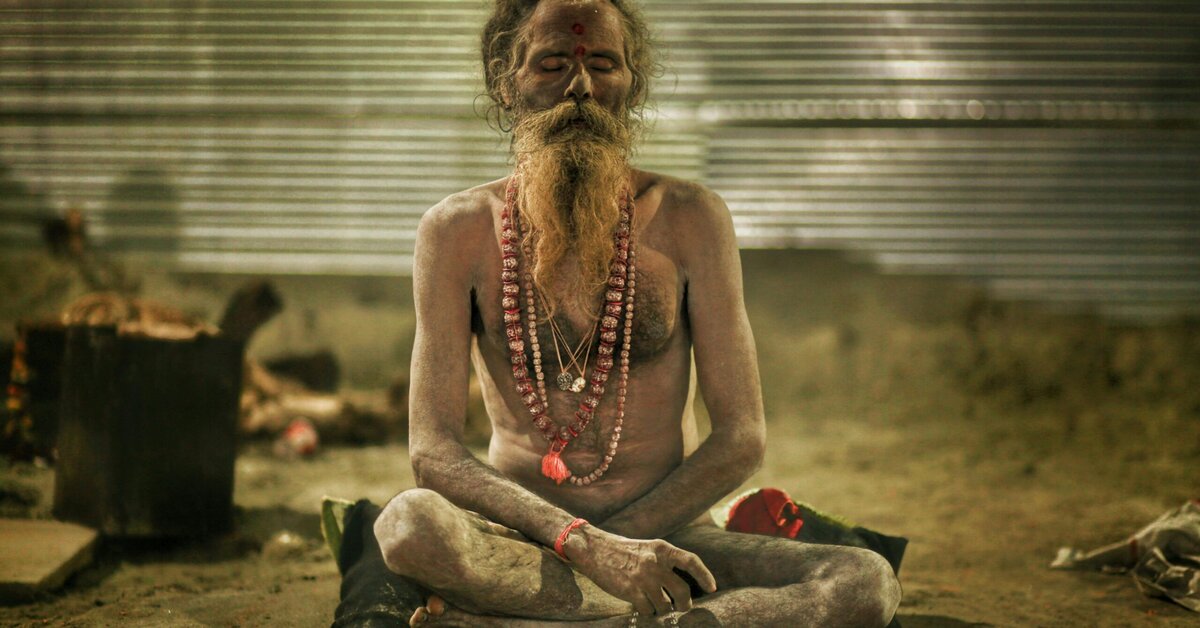
When Does Magh Mela Start and End? Complete Date Guide , If you’re planning to attend Magh Mela, the first question on your mind is probably “when exactly does it happen?” It’s a fair question, but the answer isn’t as straightforward as you might expect. Unlike fixed-date festivals, Magh Mela follows the Hindu lunar calendar, which means its dates shift every year according to the Gregorian calendar we use daily.
This can be confusing for first-time visitors trying to book accommodations or plan travel. Should you arrive in mid-January or late January? Will you catch the most important bathing days? How long does the entire event last? These are crucial questions when you’re coordinating leave from work, booking train tickets, or arranging family travel.
This comprehensive guide cuts through the confusion. We’ll explain not just when Magh Mela starts and ends, but why the dates change, which specific days matter most, and how to time your visit perfectly based on what you’re seeking—whether that’s maximum spiritual merit, manageable crowds, or the full cultural experience.
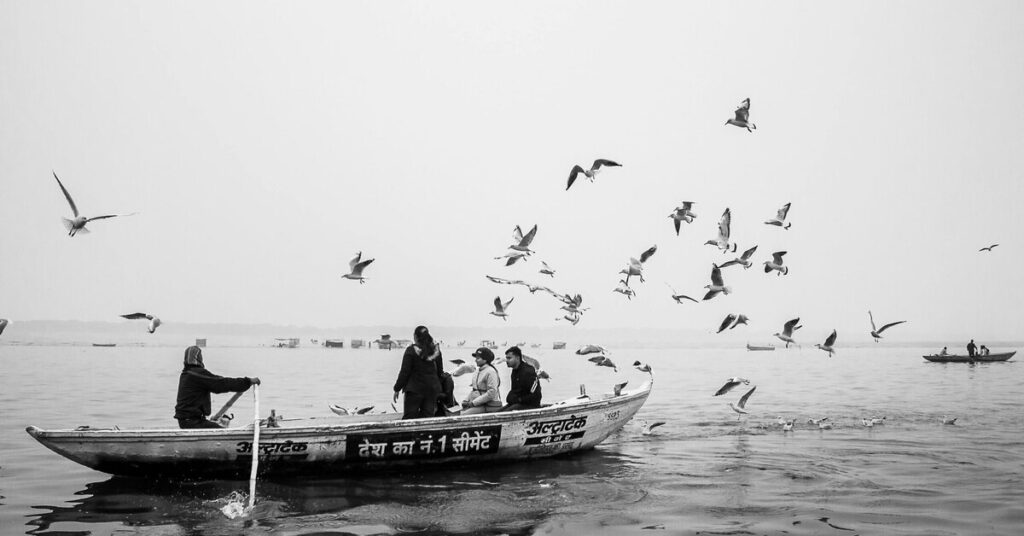
Magh Mela is an annual Hindu pilgrimage and festival held in Prayagraj (formerly Allahabad) during the Hindu month of Magh. The central ritual involves bathing at the Sangam—the confluence where the Ganga, Yamuna, and mythical Saraswati rivers meet. This sacred bath is believed to cleanse sins, bring spiritual merit, and purify the soul.
The tradition stretches back thousands of years, mentioned in ancient texts and practiced continuously across generations. What makes Magh Mela special is its month-long duration—unlike single-day festivals, it offers an extended window for pilgrims to participate in this purifying ritual.
Many people confuse Magh Mela with Kumbh Mela, but they’re distinct events. Kumbh Mela rotates between four cities (Prayagraj, Haridwar, Ujjain, and Nashik) on a 12-year cycle, with the massive Maha Kumbh happening every 12 years specifically in Prayagraj.
Magh Mela, on the other hand, occurs annually in Prayagraj during the month of Magh. It’s smaller than Kumbh Mela but still attracts millions of pilgrims. Think of it as the annual gathering, while Kumbh is the once-in-a-lifetime mega-event. However, when Kumbh Mela is scheduled during the Magh period, the two merge into an exceptionally massive congregation.
The confusion around Magh Mela dates stems from the difference between lunar and solar calendars. The Hindu calendar is lunisolar—it tracks both moon phases and solar positions. The month of Magh is defined by the lunar cycle, beginning with the full moon (Purnima) following the winter solstice.
Since lunar months are approximately 29.5 days while solar months average 30-31 days, Hindu calendar months don’t align neatly with Gregorian calendar dates. This means Magh month might start on January 10 one year and January 15 the next. The entire Magh Mela shifts accordingly.
Magh is typically the tenth or eleventh month in the Hindu calendar, falling roughly between mid-January and mid-February in the Gregorian calendar. The month begins with Paush Purnima (the full moon of the previous month Paush) and extends through the next lunar cycle.
Within this month, specific lunar phases and solar transitions mark the most auspicious bathing days. Makar Sankranti (when the sun enters Capricorn) typically falls early in this period. Mauni Amavasya (the new moon) occurs mid-month. Basant Panchami (fifth day of the waxing moon) marks another major bathing day. Understanding these celestial connections helps explain why certain dates carry special significance.
Magh Mela 2025 began with Paush Purnima on January 13, 2025 and concluded with Maha Shivratri on February 26, 2025. This extended period of approximately 45 days provided pilgrims with ample opportunity to participate in sacred bathing rituals and spiritual activities at the Sangam.
The main concentrated period ran from Makar Sankranti (January 14) through Maghi Purnima (February 12), representing the core month of Magh when most pilgrims visit and the temporary Mela infrastructure operates at full capacity.
The most significant bathing dates during Magh Mela 2025 were:
Makar Sankranti – January 14, 2025: The first major bathing day marking the sun’s transition into Capricorn, considered highly auspicious.
Mauni Amavasya – January 29, 2025: The new moon day, traditionally drawing the largest crowds as it’s considered the most spiritually potent bathing day of the entire Magh period.
Basant Panchami – February 3, 2025: Marking the arrival of spring, this fifth day of the waxing moon in Magh is another major bathing date.
Maghi Purnima – February 12, 2025: The full moon concluding the month of Magh, traditionally the final major bathing day of the Mela proper.
Beyond the main bathing days, several dates held special significance:
All Mondays in Magh: Mondays throughout the month are considered especially auspicious for Sangam bathing, drawing steady pilgrim flows.
Ekadashi dates: The eleventh lunar day (both waxing and waning phases) holds spiritual importance for bathing.
Sankranti days: Solar transitions during the Magh period are considered beneficial for sacred baths.
Pilgrims seeking maximum spiritual benefit often aimed for Mauni Amavasya, while those wanting meaningful participation without extreme crowds chose other Mondays or minor bathing days.
Looking at historical patterns, Magh Mela consistently falls within a predictable window:
This 4-6 day variation window helps with long-term planning even before official dates are announced. If you’re booking international travel months in advance, targeting mid-January through early February ensures you’ll hit at least part of the Magh Mela period.
The duration consistently spans approximately 30-45 days, with the core Magh month (about 30 days) being the primary focus and some flexibility on either end.
While official announcements come closer to the event, we can project Magh Mela 2026 dates based on the lunar calendar:
Projected start: Paush Purnima around January 2-3, 2026
Main bathing days likely include:
Projected end: Early to mid-February 2026
Note that these are projections based on astronomical calculations. Official dates are typically announced by the Uttar Pradesh government and Mela administration 3-6 months before the event. Always verify with official sources before making final travel arrangements.
Makar Sankranti marks the sun’s entry into Capricorn (Makar rashi) and traditionally signals the beginning of major Magh Mela activities. This date is consistent every year—January 14 or occasionally January 15—because it follows the solar rather than lunar calendar.
The day holds immense significance across India beyond just Magh Mela. In the context of the Mela, it represents the first major congregation when temporary infrastructure is fully operational and crowds begin arriving in large numbers. Many pilgrims consider this their target arrival date.
The atmosphere on Makar Sankranti combines festivity with devotion. Beyond sacred bathing, you’ll witness kite flying competitions, special food preparations, and cultural programs throughout the Mela ground.
Paush Purnima—the full moon of the month preceding Magh—technically marks Magh Mela’s official beginning. However, it’s more of a soft opening. The infrastructure is operational, and dedicated pilgrims begin arriving, but the massive crowds haven’t materialized yet.
For those seeking a less chaotic introduction to Magh Mela, arriving during Paush Purnima through the days just before Makar Sankranti offers a gentler experience. You can familiarize yourself with the layout, secure accommodation, and participate in meaningful rituals before the intense period begins.
Mauni Amavasya—the new moon in Magh when observers maintain silence (maun)—is universally regarded as the most spiritually powerful bathing day of the entire Magh Mela. Ancient texts ascribe extraordinary merit to bathing at the Sangam on this day.
Expect the largest crowds of the entire Magh period on Mauni Amavasya. Millions converge on the bathing ghats, creating an atmosphere that’s simultaneously overwhelming and profoundly devotional. The pre-dawn hours see the peak activity as tradition holds that bathing before sunrise multiplies the spiritual benefits.
If you can only attend Magh Mela for one day, many spiritual guides would recommend Mauni Amavasya. However, be prepared for the challenges massive crowds bring—long waits, tight spaces, and the need for patience and vigilance.
Basant Panchami, falling on the fifth day of the waxing moon in Magh, celebrates the arrival of spring and honors Goddess Saraswati. In the Magh Mela context, it represents the third major bathing day and often serves as the grand finale of peak activities.
The day brings a festive energy distinct from earlier bathing dates. Yellow dominates—in clothing, flowers, and food—symbolizing spring’s vibrancy. Cultural programs, music, and dance performances increase as the celebration extends beyond purely religious observance.
Many pilgrims who attended Makar Sankranti at the beginning return for Basant Panchami to bookend their Magh participation. The crowds are substantial but typically less overwhelming than Mauni Amavasya.
Maghi Purnima—the full moon concluding the month of Magh—traditionally marks Magh Mela’s official end. The full moon falling approximately 30 days after the Mela’s beginning creates a complete lunar cycle of sacred bathing opportunities.
By Maghi Purnima, the intensity has mellowed. Many temporary establishments begin closing, crowds thin significantly, and the atmosphere shifts from high-energy congregation to contemplative conclusion. For pilgrims who’ve stayed the entire duration, this final bath represents completion of their Magh vow.
Some infrastructure and activities continue for several days beyond Maghi Purnima, but the official Magh Mela is considered concluded. The dismantling of the temporary city begins, marking the end of another annual cycle.
While the major bathing days attract the most attention, the entire Magh month holds spiritual significance. Each day offers opportunities for sacred bathing, spiritual discourses, and religious merit. The continuous presence of saints, sadhus, and spiritual teachers throughout the month means meaningful experiences aren’t limited to the peak dates.
Certain astrological configurations (yogas), planetary positions, and nakshatra (lunar mansion) alignments create additional auspicious moments throughout the month. Devotees consulting with astrologers or priests often identify specific dates particularly beneficial for their personal circumstances.
Mondays throughout Magh hold special significance. Lord Shiva, deeply associated with the Ganga River, is traditionally worshipped on Mondays. Bathing at the Sangam on Magh Mondays combines the month’s inherent sanctity with Monday’s Shiva connection.
For practical pilgrims, Magh Mondays offer a compromise—more spiritually significant than random dates but far less crowded than the major bathing days. Many repeat visitors specifically target Mondays for this reason.
Ekadashi—the eleventh lunar day in both waxing and waning phases—occurs twice during Magh. Traditionally associated with fasting and Lord Vishnu worship, these days see increased spiritual activities and bathing participation.
Other tithis (lunar days) like Chaturthi (fourth day, associated with Ganesha) and Ashtami (eighth day) carry their own significance. Pilgrims following specific traditions may prioritize certain tithis based on their family customs or spiritual practices.
If this is your first Magh Mela and you want the full experience without being completely overwhelmed, target the week following Makar Sankranti. You’ll experience the Mela at full operation with substantial crowds (so it feels authentic) but before the crushing masses of Mauni Amavasya arrive.
Specifically, the period from January 16-25 (dates vary by year) typically offers this balance. The infrastructure is fully functional, cultural programs are running, saints and sadhus are settled in, but the crowd levels remain manageable enough for first-timers to navigate comfortably.
This timing also allows attendance at one major bathing day (Makar Sankranti) while avoiding the two most intense crowd situations (Mauni Amavasya and Basant Panchami).
Serious spiritual seekers prioritizing depth over convenience should consider either attending the full Magh duration or focusing on the days surrounding Mauni Amavasya. Despite the challenges, Mauni Amavasya’s spiritual potency is unmatched according to traditional teachings.
Alternatively, arriving during Paush Purnima and staying through Makar Sankranti provides quieter time for spiritual discourses, personal practices, and meaningful interactions with saints before the large crowds arrive. Some seekers deliberately avoid the peak days, believing the spiritual energy present throughout Magh is accessible without the main bathing dates’ chaos.
If crowds cause you significant stress or anxiety, completely avoid these dates:
These periods see crowds that can approach or exceed a million people on peak hours. Even experienced pilgrims find them challenging. If you have mobility issues, claustrophobia, or simply prefer peaceful environments, these dates will likely create distress rather than devotion.
Instead, visit during the first few days after Paush Purnima, random weekdays between major bathing dates, or the final week after Basant Panchami as activities wind down.
The official Magh Mela duration is approximately 45 days, from Paush Purnima through a few days after Maghi Purnima. However, the “active” period when most pilgrims visit and full services operate spans about 30 days—essentially the lunar month of Magh from Makar Sankranti through Maghi Purnima.
Within this timeframe, there’s an intensity arc. The period builds from Paush Purnima, peaks around Mauni Amavasya and Basant Panchami, then gradually decreases toward the end. Many vendors, services, and temporary establishments follow this arc—arriving just before Makar Sankranti and staying through shortly after Maghi Purnima.
For planning purposes, if someone says “Magh Mela,” they’re typically referring to this core 30-day period. The extension on either end involves setup/teardown phases and serve dedicated early-arrivers or late-stayers rather than general pilgrims.
The transformation of Prayagraj’s Sangam area into the massive temporary Magh Mela city begins approximately 2-3 months before the official start date. By November-December, you’ll see the infrastructure taking shape: roads being laid, pontoon bridges constructed, temporary structures erected, and utilities installed.
This pre-Mela phase is fascinating if you’re interested in logistics. A virtual city emerges from empty flood plains—complete with roads, electricity, water supply, sewage, police stations, medical facilities, and thousands of camps and tents. It’s one of the world’s most impressive examples of temporary urban planning.
For pilgrims, the practical implication is that accommodation bookings typically open 3-4 months before the Mela. The serious planning and infrastructure preparation signals that you should also begin your preparations well in advance.
While Maghi Purnima marks the official conclusion, the Mela doesn’t disappear overnight. Many camps and services continue operating for 3-7 days afterward, catering to late departures and pilgrims who couldn’t arrive during the official period.
The dismantling process is gradual. Smaller vendors leave first, followed by medium camps, with only the largest and most established operations staying the longest. By two weeks after Maghi Purnima, most temporary structures are gone, and the site returns toward normalcy.
If you arrive in the final days or just after the official end, you’ll still find some Mela atmosphere and can participate in Sangam bathing, though the full infrastructure and cultural programs will be reduced or concluded.
The relationship between booking timing and peak dates is crucial for successful Magh Mela participation:
For Mauni Amavasya or Basant Panchami: Book 4-6 months in advance. These dates see the highest accommodation demand, with prime locations booking out quickly and prices peaking.
For Makar Sankranti: Book 2-3 months in advance. While crowded, it’s less intense than Mauni Amavasya, offering slightly more flexibility.
For non-peak dates: Booking 1-2 months ahead generally suffices, with some last-minute availability possible, though choices become limited.
For Paush Purnima or final week: Booking 2-4 weeks ahead often works, as these periods see lower demand.
The government typically announces official dates and opens accommodation bookings 3-4 months before the Mela. As soon as dates are confirmed, serious planners should begin booking to secure preferred locations and dates.
Indian Railways adds special trains during Magh Mela, but these fill quickly for peak dates. Book train tickets the moment booking opens (typically 120 days in advance for regular trains, earlier for special Mela trains).
Flights to Prayagraj’s airport see increased demand and higher prices during Magh Mela, especially surrounding the three major bathing days. Book flights 2-3 months ahead for reasonable prices. Nearby Varanasi and Lucknow airports offer alternative entry points with onward road or rail connections.
On the three major bathing days—especially Mauni Amavasya—road access to and from the Mela ground becomes extremely congested. What’s normally a 30-minute drive can take 3-4 hours. Security checkpoints, crowd management, and sheer volume create massive slowdowns.
If you’re staying in Prayagraj city rather than the Mela ground and plan to visit on peak days, allow extraordinary travel time. Many pilgrims walk considerable distances because vehicles simply can’t move through the congestion.
For intercity travel on or immediately around peak dates, budget double or triple normal travel time. Consider traveling a day before or after major bathing days to avoid the worst congestion.
Magh Mela’s mid-January to mid-February timing brings winter weather to North India. Expect considerable temperature variation:
Early morning (4-7 AM): 5-10°C (41-50°F), quite cold especially for river bathing Daytime (10 AM – 4 PM): 18-25°C (64-77°F), pleasant to warm Evening (6-9 PM): 10-15°C (50-59°F), cool and comfortable
The early morning bathing—considered most auspicious—presents the greatest cold challenge. Pilgrims emerge from river water in near-freezing temperatures, requiring immediate warm clothing. The dramatic temperature swing from cold morning to warm afternoon demands layered clothing strategies.
Fog can be dense in early mornings, particularly in late January, occasionally affecting visibility and adding to the cold’s intensity.
For early morning bathing: Multiple layers you can easily remove and reapply, quick-dry inner layer, warm shawl or jacket for post-bath, waterproof bag for storing clothes during bath
For daytime activities: Light cotton clothing for warmth without overheating, sun hat for midday protection, comfortable walking shoes
For evening programs: Light jacket or sweater as temperatures drop, something that can get dusty without concern (the Mela ground is essentially a massive dusty field)
Bringing clothes for different times of day is essential. What feels perfect at 2 PM will leave you shivering at 6 AM.
Official Magh Mela dates are typically announced by the Uttar Pradesh government and the Prayagraj Mela Administration approximately 3-6 months before the event. For a Magh Mela starting in January, expect official confirmation by September-October of the previous year.
The announcement includes not just start and end dates but specifically identifies the main bathing days, infrastructure plans, expected pilgrim numbers, and accommodation arrangements. This official confirmation should be your trigger to finalize planning and bookings.
Official sources for Magh Mela dates and information include:
Prayagraj Mela Administration official website: The primary authoritative source Uttar Pradesh Tourism website: Provides detailed pilgrim information Government press releases: Announced through PIB (Press Information Bureau) Reputable news sources: Major Indian newspapers and news channels report official dates prominently
Avoid relying solely on unofficial tourism websites or blogs for dates, as errors are common. Always cross-reference with official government sources before booking expensive non-refundable travel.
Understanding how Magh Mela’s timeline compares to other major congregations provides helpful context:
Magh Mela: 30-45 days annually, centered on the month of Magh
Ardh Kumbh: Approximately 45 days, occurs every six years alternating between Haridwar and Prayagraj
Purna Kumbh: Approximately 45-55 days, occurs every 12 years rotating through four cities
Maha Kumbh: Approximately 45-55 days, occurs every 144 years specifically in Prayagraj
Kumbh Mela (when held during Magh): Essentially extends the typical Magh Mela duration slightly and amplifies scale dramatically
All these events share similar structure—extended duration with specific peak bathing days—but differ in scale and frequency. Magh Mela’s annual occurrence makes it the most accessible of these gatherings, while its 30-45 day duration allows flexible participation unlike single-day festivals.
Misconception 1: “Magh Mela and Kumbh Mela are the same thing with different names.”
Reality: They’re distinct events. Magh Mela happens annually in Prayagraj. Kumbh Mela rotates between four cities on a 12-year cycle. When Kumbh falls during Magh month in Prayagraj, they merge into one massive event.
Misconception 2: “The dates are the same every year.”
Reality: Because it follows the lunar calendar, Magh Mela dates shift by approximately 11 days earlier each year in the Gregorian calendar, with adjustments for leap months. The range stays within mid-January to mid-February, but specific dates vary annually.
Misconception 3: “You must attend on the main bathing days or it’s not worth going.”
Reality: While main bathing days hold special significance, the entire Magh month is considered auspicious for Sangam bathing. Non-peak dates often provide more meaningful experiences without overwhelming crowds.
Misconception 4: “The Mela is only one or two days.”
Reality: Magh Mela runs for approximately 30-45 days. The confusion may stem from people thinking of peak bathing days rather than the entire event duration.
Misconception 5: “Once official dates are announced, that’s when the Mela actually begins.”
Reality: Setup begins months earlier, and dedicated pilgrims often arrive before official start dates. Similarly, activities continue days beyond official end dates. The “official” period defines peak operations, not absolute beginning and end.
Understanding when Magh Mela starts and ends isn’t just about marking dates on a calendar—it’s about strategically planning an experience that aligns with your spiritual goals, comfort preferences, and practical constraints. The Mela’s month-long duration offers remarkable flexibility, allowing different visitors to craft very different experiences of the same event.
Whether you’re targeting Mauni Amavasya for its unparalleled spiritual significance despite massive crowds, choosing quieter periods for contemplative pilgrimage, or timing your visit to coincide with Makar Sankranti’s festive atmosphere, knowing the complete date structure empowers informed decisions.
The lunar calendar’s influence means you’ll need to check specific dates each year, but understanding the pattern—Paush Purnima beginning, Makar Sankranti opening major activities, Mauni Amavasya as peak, Basant Panchami as finale, and Maghi Purnima as conclusion—provides a reliable framework that applies across years.
Start planning early once official dates are announced, book accommodation and transportation well in advance for peak dates, and approach this ancient gathering with realistic expectations about both its challenges and its profound capacity to move those who participate.
Yes, the Sangam is accessible year-round for sacred bathing. However, visiting outside official Magh Mela dates means the temporary infrastructure—camps, organized facilities, cultural programs, presence of saints and spiritual teachers—won’t be there. You’ll experience the Sangam itself but miss the Mela atmosphere. The religious significance of bathing specifically during the Magh month is also considered greater according to Hindu tradition. If you can only visit outside Magh, Prayagraj still welcomes pilgrims and the Sangam remains sacred, but it’s not the same experience as visiting during the actual Mela when millions gather for this specific purpose.
Projected dates based on lunar calendar calculations are typically accurate within 1-2 days for the overall start and end dates, and usually exact for Makar Sankranti (which follows the solar calendar). However, official announcements are the only completely reliable source. Lunar months occasionally require adjustments for astronomical precision, and the government makes final determinations about exact beginning and ending dates considering practical factors beyond pure astronomy. Use projections for preliminary planning—booking leave from work, discussing with travel companions—but wait for official confirmation before making non-refundable bookings. Projections are especially reliable for Makar Sankranti and Mauni Amavasya dates, which follow clear astronomical patterns.
A single-day visit is absolutely possible and many pilgrims do exactly this, especially those living relatively near Prayagraj. A focused one-day visit would include arriving early morning for Sangam bathing, attending aarti, possibly hearing a spiritual discourse, and experiencing the Mela ground before departing evening. You’ll complete the core religious ritual and get a taste of the atmosphere. However, multiple days allow deeper experiences—attending various spiritual programs, interacting with different saints and traditions, understanding the Mela’s complexity, and performing the bathing ritual on multiple auspicious dates. The traditional practice involves bathing throughout the month of Magh, suggesting repeated visits hold greater merit. Your time constraints will determine your approach, but even a single day provides meaningful participation.
Attending after the major bathing days—particularly in the final week approaching or following Maghi Purnima—can actually offer advantages despite seeming like you’ve “missed” the main events. Crowds are significantly thinner, making accommodation easier to find and less expensive. The Sangam bathing itself remains equally possible and spiritually significant (the entire Magh month is considered auspicious, not just peak days). Many saints and spiritual programs continue through the full duration. You’ll experience a calmer, more contemplative Mela where personal interactions and quiet spiritual practice become easier. The trade-off is reduced energy and smaller crowds, which you might consider advantages rather than disadvantages depending on your preferences.
Official date changes after initial announcement are extremely rare but not impossible. Changes typically only occur due to exceptional circumstances like astronomical miscalculations being discovered or extraordinary situations affecting the Mela’s feasibility. More commonly, the government might adjust operational details—extending hours, adding services, modifying specific arrangements—without changing the fundamental start and end dates. Once dates are officially announced by the Prayagraj Mela Administration and Uttar Pradesh government, you can confidently proceed with bookings. The risk of date changes is minimal compared to the risk of missing out on accommodation by waiting too long. That said, purchasing refundable bookings or travel insurance provides protection if you’re particularly concerned about last-minute changes.