Your cart is currently empty!
You may check out all the available trips and book one that suits you.
Continue Browsing TripsNo destinations found
No destinations found
No destinations found
No destinations found
No destinations found
No destinations found
No destinations found
No destinations found
No destinations found

No destinations found
No destinations found
No destinations found
No destinations found
No destinations found
No destinations found
No destinations found
No destinations found
No destinations found
Where to Park Vehicles During Magh Mela Prayagraj ?,You’ve planned your sacred pilgrimage to Magh Mela meticulously—booked your accommodation, prepared your family, and mapped out the spiritual rituals you’ll perform at the Sangam. But there’s one crucial logistical question that often gets overlooked until you’re actually approaching Prayagraj with your vehicle: where exactly will you park? This seemingly simple question becomes remarkably complex when you’re dealing with one of the world’s largest temporary human gatherings. Millions of pilgrims converge on a relatively confined area, most arriving by personal vehicles, creating a parking challenge of unprecedented scale. Finding safe, convenient, and affordable parking can mean the difference between a smooth pilgrimage and hours wasted in frustration, not to mention concerns about vehicle security during your stay. Whether you’re driving from a neighboring state, arriving on a two-wheeler, or coordinating transportation for a large group, understanding your parking options is essential preparation. This comprehensive guide will navigate you through the official parking arrangements, alternative options, costs, security considerations, and practical strategies that ensure your vehicle concerns don’t distract from your spiritual focus during this sacred journey.
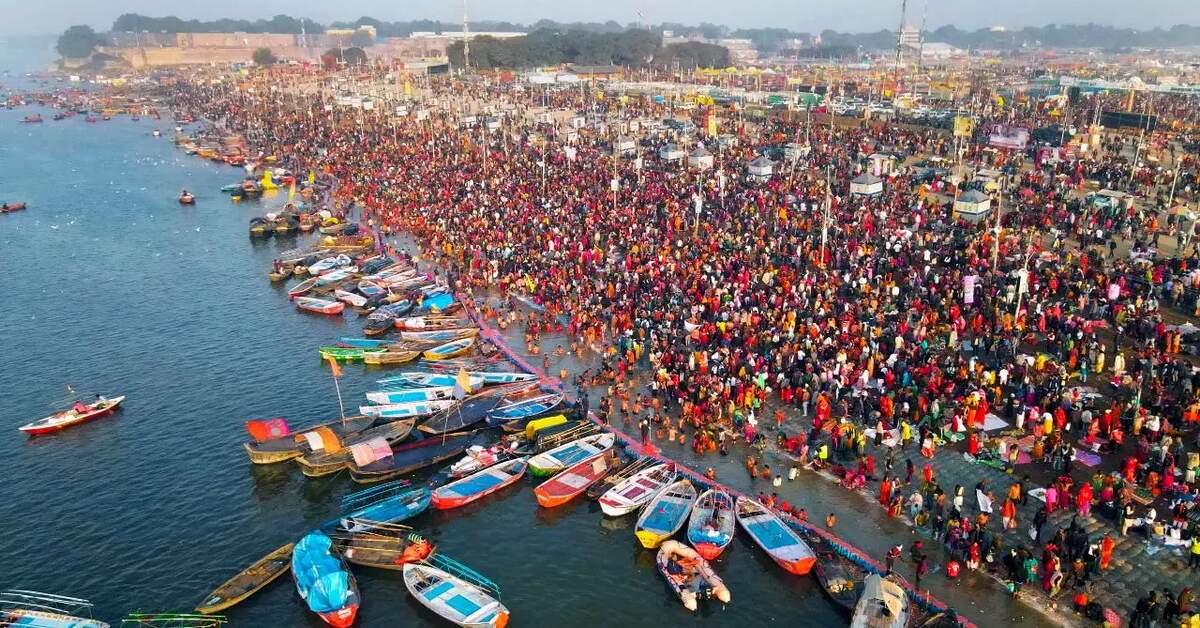
Where to Park Vehicles During Magh Mela? ,Before diving into specific parking locations, let’s appreciate the magnitude of the challenge. Magh Mela attracts an estimated 10-15 million visitors over the month-long period, with numbers swelling to several million on major bathing dates like Makar Sankranti and Mauni Amavasya. A significant portion of these pilgrims arrive in personal vehicles—cars, motorcycles, scooters, and even buses for organized groups. The Mela grounds themselves span several square kilometers of temporary tent cities, bathing ghats, religious sites, and administrative areas. This massive influx of vehicles into a concentrated area creates traffic congestion, parking scarcity, and logistical complexity that requires serious advance planning. The temporary nature of Magh Mela means parking infrastructure is set up specifically for the event and dismantled afterward, unlike permanent city parking that exists year-round. Add to this the narrow access roads, restricted vehicle zones near sacred areas, and security considerations, and you begin to understand why parking deserves thoughtful consideration in your pilgrimage planning. The good news? The Magh Mela administration, along with private operators, has developed increasingly sophisticated parking solutions over years of experience managing these challenges.
The Uttar Pradesh government and Magh Mela administration designate official parking zones as part of their comprehensive event management strategy.
The Mela grounds are divided into numbered sectors, and parking areas are strategically distributed across these sectors to manage traffic flow and provide reasonable access to different areas. These official parking zones are typically large open grounds temporarily converted into organized parking facilities with marked spaces, entry/exit points, and security personnel. The locations change slightly each year based on that year’s Mela layout and infrastructure planning, but they generally follow similar patterns in relation to major landmarks. Sector parking zones are categorized by proximity to key areas—some near major bathing ghats serving day visitors, others near residential camping areas for pilgrims staying within the Mela grounds, and additional zones near administrative and commercial areas. The administration publishes maps showing official parking locations, which you can obtain from their website, information kiosks, or traffic police posted at major entry points. These official zones offer the advantage of legitimate operation, reasonable oversight, and generally better security than completely unregulated parking.
In recent years, the administration has experimented with temporary multi-level parking structures at select high-demand locations. These multi-tiered facilities maximize limited space by stacking parking vertically, significantly increasing capacity in prime locations near major ghats. While not as extensive as permanent multi-level parking in cities, these temporary structures use modular systems that can be assembled for the Mela period and dismantled afterward. They’re typically reserved for cars and smaller vehicles rather than buses or large vehicles. The multi-level facilities often charge slightly premium rates compared to ground-level parking but offer the advantage of proximity to key areas and somewhat better vehicle protection from the elements. Availability varies by year depending on budget allocations and infrastructure priorities, so check current year’s arrangements rather than assuming based on previous years’ experiences.
Different parking needs require different solutions, and understanding available categories helps you choose appropriately.
If you’re visiting Magh Mela for a single day—arriving morning, taking your holy dip, participating in rituals, and departing evening—short-term parking serves your needs. These areas are located near major entry points and bathing ghats, designed for high turnover with pilgrims parking for a few hours. Fees are calculated hourly or for day-use, typically more affordable than multi-day rates but not practical for extended stays. Short-term parking tends to be more crowded and chaotic, especially during peak hours when thousands arrive and depart simultaneously. The advantage is proximity to main areas for quick access. The disadvantage is potentially leaving your vehicle in less secure, high-traffic areas where minor damage from crowding is more likely. If using short-term parking, arrive as early as possible—by sunrise if visiting on major bathing dates—to secure spots before capacity fills and traffic becomes gridlocked.
Pilgrims staying multiple days or weeks at Magh Mela need long-term parking solutions. Some official parking zones offer extended parking arrangements where you pay flat rate for duration of stay—perhaps weekly or for entire Mela period. These areas are typically farther from main bathing ghats but offer dedicated spaces where your vehicle remains for extended periods. Some camps include parking within or adjacent to their premises as part of accommodation packages. Long-term parking provides peace of mind that your vehicle has designated space for your entire stay rather than daily scrambling for parking. The trade-off is distance from main action and potentially walking or arranging local transportation for daily movement within Mela grounds. Verify security arrangements for long-term parking—ideally attended lots with some supervision rather than completely unmonitored open areas where vehicles sit unattended for days.
For pilgrims willing to pay premium rates, VIP parking zones offer enhanced services and convenience. These designated areas provide closer proximity to main ghats, better security with dedicated guards, covered parking protection from sun and weather, dedicated entry/exit lanes avoiding common congestion, and sometimes valet services. Government officials, VIP visitors, and media personnel often use these zones, but they’re sometimes available to general public at premium pricing. The cost differential can be substantial—perhaps three to five times regular parking rates—but for pilgrims prioritizing convenience and vehicle protection, the investment proves worthwhile. VIP parking typically requires advance booking or special passes, so inquire well before your visit if interested. Some private camp operators or hotels also arrange exclusive parking areas for their guests as premium service differentiator.
Proximity to sacred bathing areas is prime consideration for many pilgrims, making ghat parking highly sought after.
The Sangam Nose—the exact confluence point where Ganges, Yamuna, and mythical Saraswati meet—represents the most sacred bathing location and consequently the most congested parking area. Official parking zones near Sangam Nose are designated in sectors closest to this prime location. Due to massive demand, especially during major bathing dates, these areas fill extremely early—often before dawn on auspicious days. Vehicle restrictions prohibit driving directly to the ghat; parking areas are typically 500 meters to 2 kilometers away with final approach on foot or cycle-rickshaw. The administration implements strict traffic management with one-way systems, timed entry windows, and capacity controls during peak periods. If Sangam Nose bathing is your primary objective and you’re arriving by vehicle, plan for very early arrival—we’re talking 3-4 AM on major dates—and prepare for substantial walking distance. Consider whether driving close is truly necessary or if alternative transportation might be more practical.
Beyond Sangam Nose, numerous other ghats along the rivers offer sacred bathing with considerably less congestion. Ghats like Saraswati Ghat, Triveni Ghat, and others have dedicated parking areas that experience less pressure than Sangam Nose facilities. While these locations hold equal spiritual significance for bathing purposes, they attract smaller crowds, making parking more manageable. If your primary concern is taking holy dip rather than specifically bathing at the absolute confluence point, alternative ghat parking provides much better practical experience. You’ll find easier entry/exit, shorter walking distances, less time wasted in traffic, and generally less stressful logistics. The sacred merit of bathing during Magh Mela period extends to all ghats within the Sangam area, so exploring less crowded alternatives while benefiting from better parking availability represents smart practical planning that doesn’t compromise spiritual objectives.
Beyond official administration parking, private operators provide additional options serving different needs and budgets.
Hotels, guest houses, and lodges surrounding the Mela grounds typically offer parking facilities for their guests, either included in room rates or for modest additional fees. This represents excellent option if you’re staying in Prayagraj city accommodation rather than within Mela camps. Your vehicle remains in relatively secure hotel premises, you have easy access for daily trips to Mela grounds, and you’re not navigating parking challenges within the congested Mela area itself. Some hotels also offer parking-only services for non-guests, though at higher rates than guest parking. If staying in city accommodation, verify parking availability and capacity when booking—some smaller properties have limited parking that fills quickly during Magh Mela season. Hotels farther from immediate Mela area generally have better parking availability but require longer commutes to reach the ghats.
Enterprising locals and private operators around Mela periphery convert open land, yards, and unused spaces into temporary parking lots during Magh Mela. These informal parking arrangements vary enormously in quality, security, and pricing. Some are well-organized with marked spaces and attendants; others are simply open fields where you’re directed to park with minimal oversight. Prices are typically negotiable and vary based on proximity to Mela grounds, duration, and demand. The advantage is often better availability when official lots are full and sometimes more flexible arrangements. The disadvantage is variable reliability—security ranges from reasonable to virtually non-existent, documentation may be informal, and recourse if something goes wrong is limited. If using private parking, look for operators with established physical presence (not just temporary roadside signs), get written receipts showing vehicle details and agreed terms, and perhaps ask locals or other pilgrims about reputation if possible.
Many pilgrims booking accommodation within Magh Mela camps benefit from integrated parking solutions.
Quality camps often include parking facilities as part of their service package. Camp-based parking might be within the camp premises itself for smaller camps, or in designated adjacent areas for larger operations. The significant advantage is keeping your vehicle near your accommodation with camp security oversight. You avoid daily parking challenges and can easily access your vehicle if needed during your stay. When booking camps, specifically inquire about parking arrangements—is it included or additional cost? Where exactly is parking located relative to your tent? What security measures exist? Is it suitable for your vehicle type? Not all camps provide parking, especially smaller budget operations, so verify this important detail during booking process. Some camps charge parking separately from accommodation, so understand complete cost structure. Camp parking represents optimal convenience for pilgrims staying within Mela grounds and traveling by personal vehicle.
Alternative strategy involves parking at transportation hubs and using local transport to reach Mela grounds.
Prayagraj has multiple railway stations—Prayagraj Junction (formerly Allahabad Junction), Prayagraj Rambagh, and Subedarganj among others. These stations offer parking facilities with varying capacity and security levels. Railway parking provides option of driving to Prayagraj, parking securely at the station for duration of your stay, and using auto-rickshaws, cycle-rickshaws, or temporary Magh Mela shuttle services to reach your accommodation and the ghats. This approach removes your vehicle from congested Mela area entirely, potentially reducing security concerns and avoiding daily parking hassles. However, railway station parking has limited capacity that fills quickly during Magh Mela season, may require advance arrangement or arrive very early to secure space, and involves commuting between station and Mela grounds multiple times during your visit. Consider this option particularly if you’re arriving from nearby regions and your stay includes activities both in Prayagraj city and at Mela grounds.
Similarly, parking near bus terminals and using local transportation to Mela grounds represents viable strategy. Prayagraj’s bus stands offer parking facilities, though again with limited capacity during peak season. The same considerations as railway station parking apply—removal from Mela congestion balanced against commuting requirements. If your plan involves leaving your vehicle secured in one location and relying on local transport throughout your stay, bus terminal areas might offer better availability than railway stations or Mela-adjacent parking.
Prayagraj’s Bamrauli Airport has expanded parking facilities and represents another secure parking option for those arriving by air or for local residents willing to park there and transfer to Mela grounds. Airport parking offers high security standards but is farthest from Mela grounds, requiring longest commute. This option makes most sense for pilgrims flying in and renting vehicles for duration of stay, or for very extended stays where vehicle remains parked entire time while you stay in camps. Regular airport parking rates can accumulate substantially over extended periods, so calculate total cost compared to alternatives.
Understanding pricing helps budget appropriately and compare options effectively.
Parking costs vary dramatically based on location, duration, and vehicle type. Official Magh Mela administration parking typically charges ₹20-50 for two-wheelers and ₹50-150 for cars per day, with slightly higher rates for premium locations and peak dates. Multi-day passes might offer modest discounts. Multi-level or VIP parking can cost ₹200-500 or more per day. Private operators charge comparable or higher rates depending on proximity and convenience, with significant variation and negotiation possibility. Railway station parking ranges from ₹50-100 per day typically. Camp-based parking is sometimes included in accommodation packages or charged ₹50-200 per day separately. Hotel parking for guests ranges from complementary to ₹100-200 per day. For extended Magh Mela stays, parking costs can accumulate to ₹1,500-5,000 depending on choices made, representing non-trivial expense to factor into pilgrimage budget. During peak bathing dates, some operators charge premium rates—perhaps 50-100% surcharges above regular pricing due to extreme demand. Always confirm pricing upfront, get written receipts, and clarify exactly what’s included versus additional charges.
Vehicle security during multi-day religious events requires serious consideration and protective measures.
Different parking facilities offer varying security levels. Official administration lots typically have security personnel, fencing, and designated entry/exit control providing reasonable basic security. Premium and VIP parking offers enhanced security with dedicated guards, CCTV surveillance in some cases, and potentially covered parking protecting from weather and providing additional theft deterrence. Private informal parking varies enormously—some have attendants, others are essentially unmonitored open areas. When selecting parking, prioritize security features appropriate to your vehicle value and risk tolerance. Look for attended parking with someone responsible for oversight rather than completely unsupervised areas. Fenced or bounded parking with controlled access prevents easy entry/exit for potential thieves. Good lighting deters theft, though this varies in temporary Magh Mela infrastructure. If parking in less secure areas for extended periods, consider additional security measures discussed below.
Regardless of parking location, implement basic theft prevention practices. Remove all valuables from vehicle—never leave bags, electronics, cash, or other tempting items visible or hidden inside. Thieves specifically target vehicles at large events expecting pilgrims to leave belongings while attending rituals. Use steering wheel locks or other visible deterrent devices that suggest your vehicle has additional security. Park in well-lit, visible areas rather than isolated corners when possible. Take photographs of your vehicle before leaving it for extended periods, documenting condition and surroundings. Consider removing battery if parking for week or longer to prevent both theft and drainage—arrange with parking attendant if doing this. For two-wheelers, use quality disc locks and chain locks securing vehicle to fixed objects if available. Note exact parking location and nearby landmarks so you can easily locate your vehicle upon return—seemingly obvious but becomes challenging in massive parking areas.
Verify your vehicle insurance is current and covers theft or damage. Carry insurance documents with you rather than leaving them in the vehicle. Keep photos of your vehicle registration, insurance papers, and license on your phone as backup. If using formal parking facilities, get proper receipt showing your vehicle details, parking location, duration, and contact information. This documentation becomes crucial if disputes arise or claims need to be filed. For valuable vehicles, consider informing your insurance company you’ll be parking at a large public event for extended period—some policies have specific provisions or recommendations for such situations. While rare, having proper documentation protects you in worst-case scenarios and facilitates any necessary claims or police reports if unfortunate incidents occur.
Major bathing dates present extraordinary parking challenges requiring special strategies.
Days like Makar Sankranti, Mauni Amavasya, and Basant Panchami witness several million pilgrims attempting to bathe during auspicious hours, creating unprecedented parking demand. All available parking fills completely, often hours before dawn. Traffic approaches gridlock with vehicles backed up for kilometers on approach roads. The administration often implements special traffic management including timed entry restrictions, vehicle type limitations, and even complete vehicle bans in certain zones during peak hours. If you must bring your vehicle on major bathing dates, understand you face maximum difficulty. Consider whether your vehicle is truly necessary—would arriving by train or bus and using local transport prove less stressful? Many experienced pilgrims deliberately avoid bringing personal vehicles on major dates specifically due to parking and traffic nightmares.
If driving on major bathing dates, extraordinarily early arrival becomes essential—we’re talking arriving previous night or by 2-3 AM at absolute latest. Parking areas fill before first light, and you’ll compete with millions others for limited spaces. Plan on several hours additional travel time accounting for slow-moving traffic approaching the city and Mela grounds. Bring food, water, and patience as you might sit in slow-moving traffic for extended periods. Consider parking at more distant locations with better availability, accepting longer walking or local transport distance as acceptable trade-off for actually securing parking spot. Some pilgrims employ strategy of dropping family members closer to ghats and having one person take vehicle to more distant parking, then rejoining family—this requires coordination but can work if parking near ghats proves impossible. Fundamentally, adjust expectations on major dates—smooth convenient parking simply isn’t realistic outcome given the extraordinary demand and finite capacity.
Beyond conventional parking, creative approaches sometimes offer better experiences.
The Magh Mela administration and sometimes private operators establish park-and-ride facilities in peripheral locations with shuttle services transporting pilgrims from parking areas to main Mela sites. These services address the challenge of bringing millions of vehicles into concentrated area by encouraging parking farther away with convenient transport provided. Park-and-ride facilities typically have much better availability, easier entry/exit, lower congestion, and reasonable security. Shuttle services might be complementary or charge modest fees, running continuously during peak hours. This approach adds some complexity—coordinating shuttle timing, managing any possessions you’re carrying—but dramatically reduces traffic stress and parking frustration. Check whether park-and-ride services are operating during your visit dates and where facilities are located. This solution particularly suits day visitors who can easily use shuttle services for return journey rather than pilgrims staying multiple days who need repeated access to vehicles for various needs.
For some pilgrims, optimal solution involves not bringing vehicles into Prayagraj at all. If traveling from nearby cities or regions, consider leaving your vehicle with relatives, in secure parking in your home city, or at transportation hubs in neighboring cities, then traveling to Prayagraj by train or bus. This completely eliminates parking challenges, reduces travel stress, and potentially saves costs when parking fees, fuel for congested city driving, and time value are factored. Once in Prayagraj, local transportation—auto-rickshaws, cycle-rickshaws, temporary shuttle services—provide sufficient mobility for getting between accommodation and ghats. This approach doesn’t suit everyone, particularly families with elderly members or small children who need vehicle convenience, but for able-bodied pilgrims, eliminating the vehicle from your pilgrimage logistics often proves liberating rather than limiting.
Different vehicles face different parking challenges and have different options available.
Motorcycles and scooters enjoy significant advantages in Magh Mela parking scenarios. They require less space, allowing much higher density parking and consequently better availability. Designated two-wheeler parking areas exist separate from four-wheeler zones, often closer to main areas since they create less congestion. Two-wheelers navigate traffic more easily, reaching parking areas faster than cars stuck in gridlock. Parking fees are substantially lower—often one-third to one-half of car parking rates. The trade-offs are exposure to weather (no enclosed protection), higher theft risk requiring good locks and chains, and less accommodation for luggage or family members. For solo pilgrims or couples, two-wheelers represent highly practical Magh Mela transportation requiring less parking stress than cars while providing personal mobility around extensive Mela grounds.
Cars require more parking space and face correspondingly greater challenges. Compact cars fare better than large SUVs in tight parking areas. Some official parking zones segregate by vehicle size, with separate areas for standard cars and larger vehicles. Multi-level parking typically accommodates standard cars but may have height or size restrictions for very large vehicles. Costs for cars are standard baseline vehicle parking rates. The advantage of cars is enclosed secure storage for belongings, weather protection, and comfortable transportation for families. The disadvantage is greater difficulty finding parking, slower navigation through traffic, and higher costs. If bringing car, prefer smaller vehicles over large SUVs, arrive very early during peak periods, and be prepared for walking distances from parking to destinations since close-in parking is hardest to secure.
Tour operators bringing groups in buses face unique parking challenges. Buses require designated large vehicle parking areas separate from standard car parking. These areas are more limited and typically located in peripheral zones farther from main ghats. The administration designates specific bus parking sectors to manage these large vehicles effectively. Tour operators should coordinate with Magh Mela administration in advance regarding bus parking arrangements, confirm designated parking locations appropriate for their arrival dates, and potentially pay premium rates for large vehicle parking. Pilgrims arriving in organized bus groups typically disembark closer to destinations while drivers take buses to designated parking, similar to charter bus operations anywhere. This coordination is tour operator responsibility rather than individual pilgrim concern, but understanding these logistics helps if you’re choosing between joining group bus tour versus bringing personal vehicle.
In massive parking areas holding thousands of vehicles, relocating your specific vehicle becomes legitimate challenge.
When parking, document your exact location thoroughly. Take photos of your vehicle in context showing nearby landmarks, sector signs, or distinctive features. Many official parking areas have sector and row markings—note these carefully and save in phone notes or photograph them. Drop a GPS pin marking your parking location using smartphone maps application. Share this location with family members so anyone can navigate back to vehicle. Note nearby reference points—particular trees, structures, entrance gates—that help orientation. If parking for extended period, consider placing something distinctive but not valuable near your vehicle to help identify the spot—perhaps colorful ribbon tied to fence nearby. When returning to retrieve vehicle, budget extra time for locating it rather than assuming you’ll immediately remember exactly where among thousands of vehicles you parked. If completely lost, don’t hesitate to ask parking attendants or security personnel for assistance—they’re familiar with the layout and can help guide you. Some larger parking facilities have inquiry points specifically for helping locate parked vehicles.
Understanding what’s not allowed prevents violations and associated problems.
The Magh Mela administration implements traffic restrictions protecting sacred areas and managing congestion. Complete vehicle-free zones exist immediately adjacent to major bathing ghats—you cannot drive right up to water’s edge, and attempting to do so invites penalties or vehicle towing. One-way traffic systems throughout Mela grounds must be respected; violation creates dangerous congestion and invites police action. Parking in non-designated areas—roadside, open spaces not designated as parking—is prohibited and vehicles may be towed. Time restrictions on certain access roads limit vehicle entry during peak hours, typically early morning during major bathing times when pedestrian safety takes priority. Oversized vehicles may be completely prohibited from certain zones. Parking fees must be paid at designated counters or to authorized personnel—unofficial demands for parking payments might be solicitation rather than legitimate fees. Display parking receipts visibly in vehicles as proof of payment. Respect security cordons around administrative areas, medical facilities, and other restricted zones. Violating parking rules creates problems for you—potential fines, towing costs, or delayed vehicle recovery—while contributing to overall congestion affecting all pilgrims.
Drawing on experience and practical wisdom, here are key recommendations for optimal parking experience.
Plan ahead: Research parking options before arrival rather than figuring it out after reaching Prayagraj. Know where official parking zones are located relative to your accommodation and planned activities. Arrive early: This cannot be overstated—early arrival solves most parking challenges, particularly on busy days. Prioritize security: Choose parking based on vehicle value and contents you can’t remove. Don’t leave valuables in vehicles regardless of parking location. Document everything: Photos, GPS pins, receipts, and notes protect you and help locate vehicle later. Consider alternatives: Evaluate whether bringing your vehicle provides sufficient value over using public transportation and local mobility options. Be flexible: If your preferred parking is full, have backup plans rather than circling endlessly. Budget appropriately: Factor parking costs into your pilgrimage budget—not insignificant for extended stays. Communicate: If parking through camps or hotels, confirm arrangements clearly before arrival. Stay informed: Check current year’s specific parking arrangements rather than assuming based on past experience. Maintain perspective: Parking challenges are temporary inconveniences in service of sacred spiritual purpose—don’t let logistical frustrations overshadow deeper meaning of your pilgrimage.
Where to park during Magh Mela might seem like a mundane logistical detail, but as we’ve explored, it requires thoughtful planning that significantly impacts your entire pilgrimage experience. The convergence of millions of devotees with limited parking infrastructure creates challenges that unprepared pilgrims navigate with difficulty and frustration. However, understanding the range of options—official administration parking, private facilities, camp-based arrangements, transportation hub alternatives—empowers you to make informed choices matching your specific circumstances. Whether you prioritize proximity to bathing ghats, vehicle security, cost efficiency, or simple convenience, parking solutions exist serving different needs and budgets. The keys to success include researching options before arrival, understanding costs and security considerations, arriving early especially during peak dates, documenting your parking location, and maintaining realistic expectations about what’s achievable given extraordinary demand. For some pilgrims, the optimal decision involves not bringing personal vehicles at all, instead relying on public transportation and local mobility options that eliminate parking challenges entirely. For others, the convenience of personal vehicles justifies accepting parking difficulties as manageable trade-off. Whichever approach you choose, planning your parking strategy with the same care you devote to booking accommodation and planning spiritual activities ensures this practical consideration doesn’t create unnecessary stress or detract from the profound significance of your sacred journey to the Sangam. Your pilgrimage represents spiritual undertaking of deep personal importance—thoughtful preparation around practical matters like parking allows you to focus on what truly matters: the purification, devotion, and divine connection you seek at this most sacred confluence.
This depends entirely on your specific camp’s facilities and policies. Some camps, particularly larger or premium operations, include parking within or immediately adjacent to camp premises as part of their service package. Others have no parking facilities, requiring you to use nearby public parking areas. When booking your camp, explicitly ask about parking arrangements—whether it’s included, where exactly parking is located relative to your tent, what security exists, and whether it accommodates your vehicle type. Don’t assume parking is available; verify during booking process to avoid surprises upon arrival. If your camp doesn’t offer parking, ask for their recommendations about nearby secure parking options.
Safety depends significantly on where you park and what precautions you take. Official administration parking with security personnel and controlled access provides reasonable security for extended parking, though it’s not absolutely guaranteed. Premium or VIP parking with dedicated guards offers better security justifying higher costs for valuable vehicles. Before extended parking, remove all valuables from the vehicle without exception, use visible deterrent devices like steering wheel locks, document vehicle condition with photos, and consider disconnecting battery if parking for very long periods. Choose attended parking over completely unmonitored areas. Verify your insurance covers theft or damage. While thousands of pilgrims successfully park for extended periods without incidents, vehicle theft or damage does occasionally occur, so appropriate precautions and realistic awareness of risks are important.
This genuinely happens, particularly during major bathing dates or if you arrive late during busy periods. If official parking is full, look for private parking operators in surrounding areas—they often have additional capacity. Consider parking at more distant locations (railway station, peripheral areas) and using auto-rickshaws or other transport to reach your accommodation. Some camps or hotels might have emergency overflow parking arrangements. In worst-case scenarios on extremely crowded days, you might need to park quite far away—even several kilometers from Mela grounds—accepting this distance as necessary compromise. This reality underscores why extremely early arrival is so strongly recommended during peak dates. Having backup plans and flexibility prevents complete frustration if your primary parking preference is unavailable.
Most organized parking facilities have separate designated areas for two-wheelers distinct from four-wheeler parking. These dedicated motorcycle and scooter parking zones typically offer higher density, closer proximity to main areas (since they create less congestion), and lower parking fees. The segregation makes sense both for efficient space utilization and for preventing damage from larger vehicles maneuvering near smaller ones. When arriving, look for signage directing two-wheeler parking specifically, or ask parking attendants who can direct you to appropriate areas. Don’t assume you should park in car areas—dedicated two-wheeler zones serve you better with convenience and cost savings.
Parking policies vary by facility. Some parking areas operate on in-out system where your fee covers leaving and returning multiple times during the payment period. Others charge per entry, making multiple trips costly. Official administration parking typically allows reasonable access during paid period without additional charges per entry. Private informal parking varies—some expect vehicles to remain parked for duration, others accommodate coming and going. When paying parking fees, clarify this policy explicitly: “Does this fee allow me to take my vehicle and return later, or is it single-use only?” Understanding this prevents surprise charges and helps plan your activities—if multiple entries cost extra, you might consolidate trips or plan activities differently than if free multiple access is available.