Your cart is currently empty!
You may check out all the available trips and book one that suits you.
Continue Browsing TripsNo destinations found
No destinations found
No destinations found
No destinations found
No destinations found
No destinations found
No destinations found
No destinations found
No destinations found

No destinations found
No destinations found
No destinations found
No destinations found
No destinations found
No destinations found
No destinations found
No destinations found
No destinations found
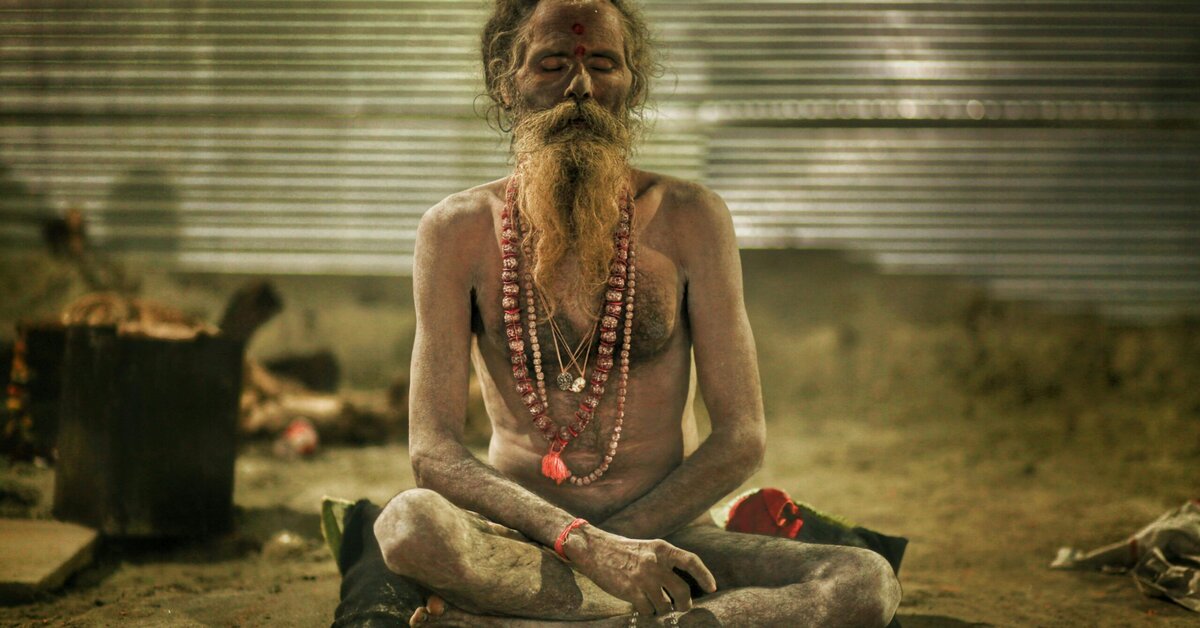
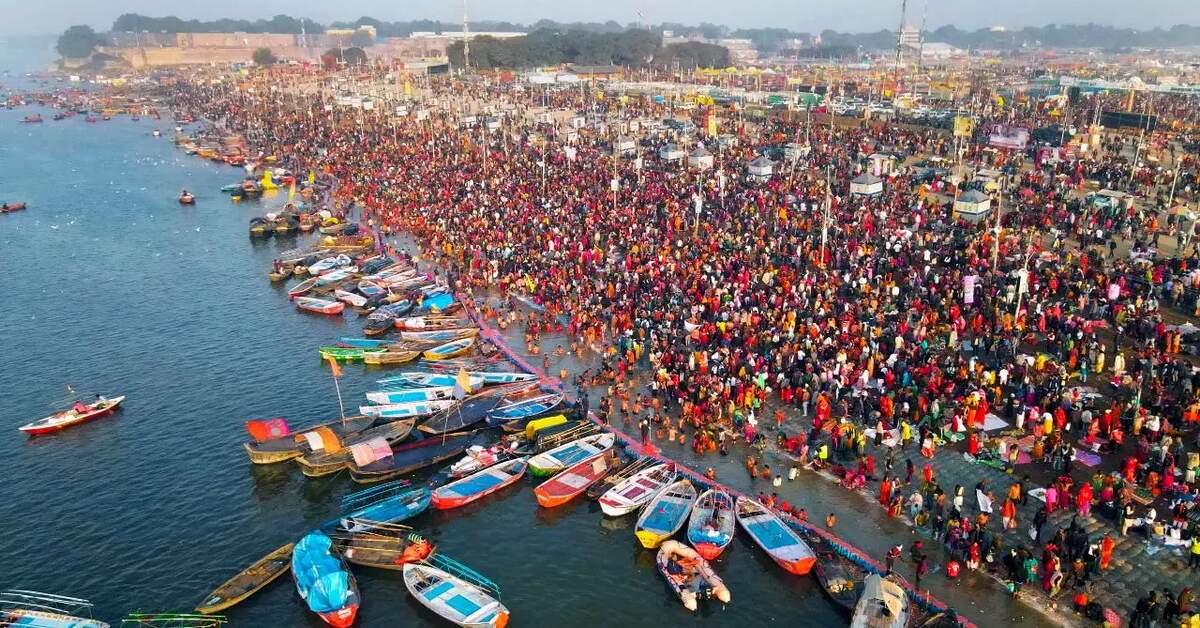
Magh Mela Your Essential Traffic Guide for Prayagraj, Every year, the sacred city of Prayagraj becomes a spiritual epicenter as millions of devotees gather for Magh Mela, one of the world’s largest religious congregations. The event, spanning several weeks during the Hindu month of Magh (January-February), transforms the city into a bustling hub of faith, culture, and devotion. However, with this massive influx of pilgrims comes significant traffic challenges that require smart planning and patience.
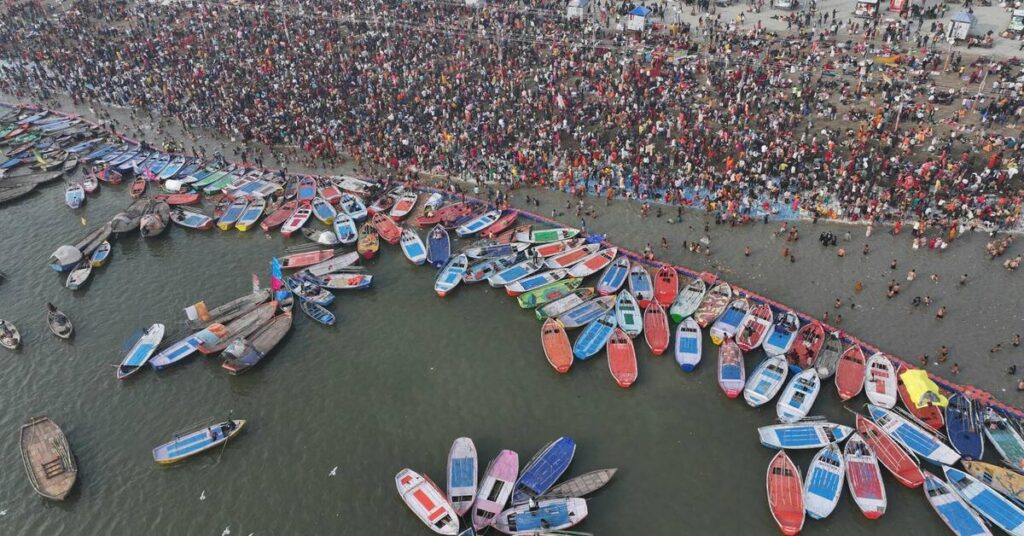
Magh Mela isn’t just another religious festival—it’s a logistical marvel. The sheer number of visitors can overwhelm the city’s infrastructure, turning ordinary roads into slow-moving rivers of vehicles. Roads that normally take 20 minutes to traverse can suddenly require two to three hours. Understanding this reality is the first step toward a smoother experience.
Magh Mela Your Essential Traffic Guide for Prayagraj , The key to navigating Magh Mela traffic lies in strategic planning. Early morning departures, before 6 AM, offer the best chance of avoiding major congestion. Similarly, late evening travel after 9 PM can help you bypass the peak hours when thousands of pilgrims are simultaneously moving toward or away from the bathing ghats.
Public transportation becomes invaluable during this period. The mela administration typically organizes dedicated shuttle services from major entry points to the mela grounds. These buses use designated lanes and follow pre-approved routes, often making them faster and more reliable than private vehicles. Additionally, local authorities implement extensive traffic management systems including one-way routes, barricading, and strategic diversions to facilitate crowd movement.
Modern technology has revolutionized the Magh Mela experience. Official mobile apps provide real-time updates on traffic conditions, parking availability, and route changes. Social media channels of the local police and administration offer minute-by-minute advisories. However, it’s crucial to remember that standard GPS applications may not reflect the temporary infrastructure changes implemented specifically for the mela. Ground signage and instructions from traffic personnel should take precedence over digital navigation.
Prayagraj residents face unique challenges during Magh Mela. Daily commutes require rethinking, and routine activities need rescheduling. The best approach is to stock up on essentials beforehand, minimizing the need for trips during peak days. Many locals find that exploring alternative routes—even if longer—saves time and frustration. Working from home during the most crowded days, particularly on major bathing dates, can help avoid unnecessary stress.
Navigating Magh Mela traffic ultimately becomes an exercise in patience and collective cooperation. The temporary inconvenience serves a greater purpose—enabling one of humanity’s largest peaceful gatherings. Maintaining calm, showing courtesy to fellow travelers, and following official guidance creates a better experience for everyone involved.
Traffic reaches its peak on main bathing days, especially Makar Sankranti, Mauni Amavasya, and Basant Panchami. These auspicious dates draw the largest crowds. Additionally, weekends see heavier traffic than weekdays. The worst congestion typically occurs between 8 AM and 6 PM. To avoid this, plan your visit on regular days rather than major bathing dates if possible. If you must travel during peak days, start your journey before dawn (around 4-5 AM) or wait until late evening after 9 PM. This timing allows you to move more freely and reduces travel time significantly.
Private vehicles are generally not permitted in the core mela area due to security and crowd management concerns. You must park at designated parking zones established by the authorities, which are organized by entry point and assigned based on where you’re coming from. These parking areas are well-marked with signage throughout the city. From the parking zones, you’ll need to either walk or use official shuttle services to reach the bathing ghats. Parking in unauthorized areas results in towing and substantial fines. Always follow the directions of traffic police and parking attendants, and arrive early as parking spaces fill quickly on busy days.
During Magh Mela, you should plan for journeys to take at least two to three times longer than normal. A trip that usually takes 30 minutes could easily extend to 90 minutes or more during regular mela days. On major bathing dates, the delays can be even more severe—potentially four to five times the normal duration. If you’re traveling from outside Prayagraj, factor in additional time as highways and approach roads also experience heavy traffic. It’s better to arrive early and wait than to be stuck in traffic and miss important rituals or events. Always check real-time traffic updates before departing and build in a generous buffer.
Public transportation offers several advantages during Magh Mela. Special bus services operate from major city points to the mela grounds, using dedicated lanes that bypass much of the congestion. The railway authorities also run additional trains to Prayagraj and special services within the city. Many pilgrims find that staying slightly outside the core mela zone and using these shuttle services saves considerable time and stress. Auto-rickshaws and cycle-rickshaws can navigate narrower lanes but negotiate fares beforehand. For those comfortable with it, bicycles offer surprising mobility in congested areas. Some visitors even prefer walking the final kilometer or two, which can be faster than sitting in stationary traffic and provides a more immersive experience of the mela atmosphere.
Preparation is crucial for a smooth Magh Mela experience. Keep your vehicle registration, driver’s license, and valid identification proof easily accessible, as security checkpoints are frequent and thorough document checks help move traffic along. Save emergency numbers in your phone, including local police (100), ambulance services (108), and the mela control room. Carry sufficient water, snacks, and any necessary medications, as you may spend extended periods in traffic. A portable phone charger is essential for staying connected and accessing real-time updates. Keep some cash handy as digital payment systems may face connectivity issues in crowded areas. If traveling with children or elderly family members, plan for comfort breaks and know the locations of rest stops along your route. Finally, download official mela apps before you travel and screenshot important maps and instructions in case of poor network connectivity.
Comments are closed.