Your cart is currently empty!
You may check out all the available trips and book one that suits you.
Continue Browsing TripsNo destinations found
No destinations found
No destinations found
No destinations found
No destinations found
No destinations found
No destinations found
No destinations found
No destinations found

No destinations found
No destinations found
No destinations found
No destinations found
No destinations found
No destinations found
No destinations found
No destinations found
No destinations found
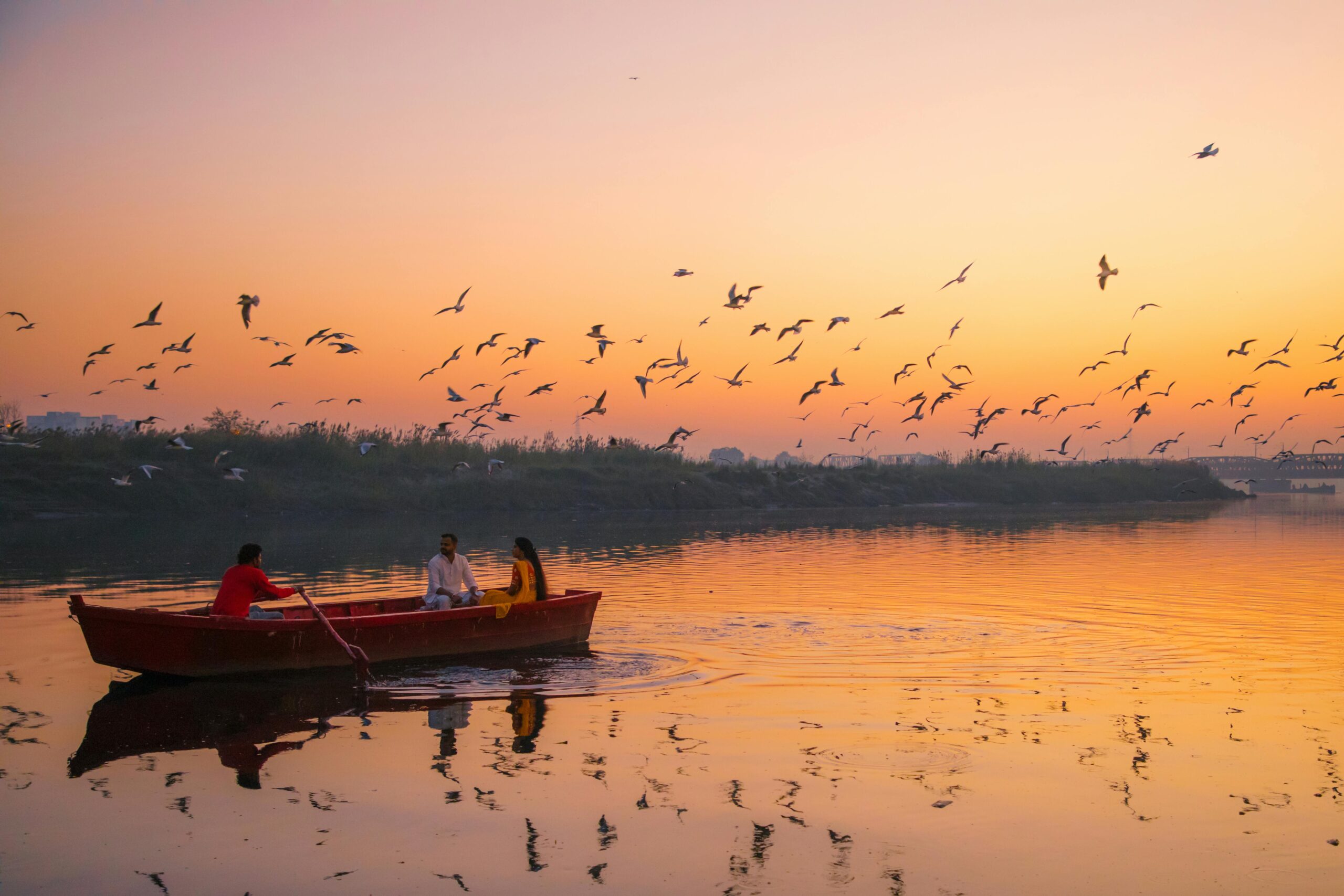
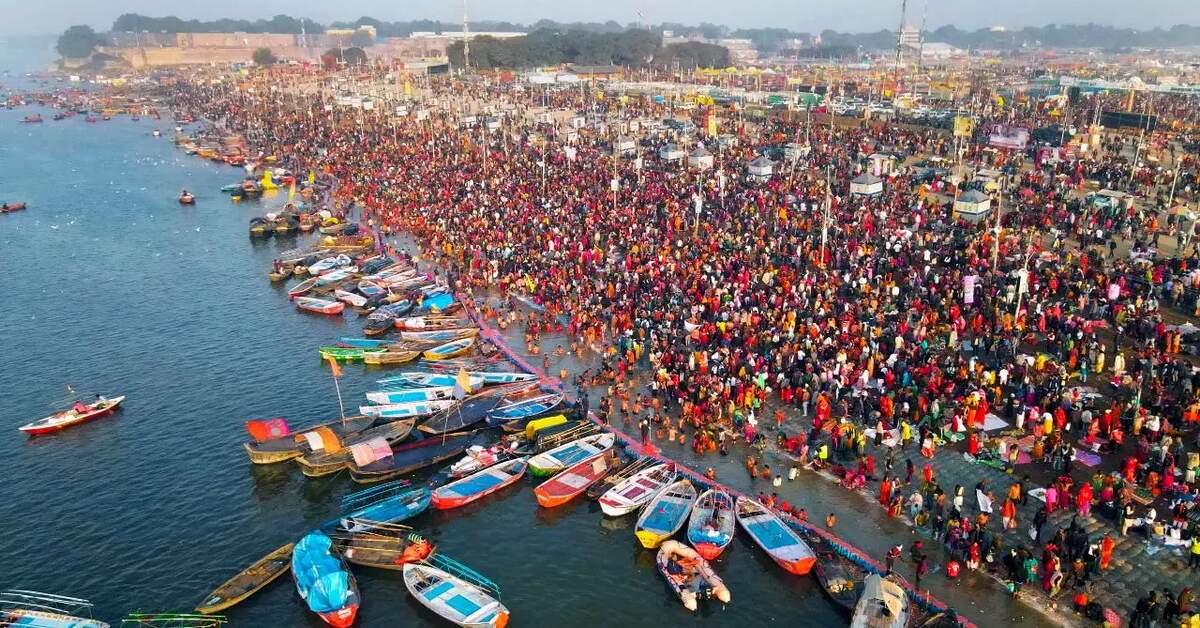
What Is Kalpvas? Complete Guide to Month-Long Stay at Prayagraj Magh Mela , In the heart of Prayagraj, where the holy rivers Ganga, Yamuna, and the mythical Saraswati converge, millions of devotees gather each year for Magh Mela. Among these pilgrims is a special group known as Kalpvasis—individuals who undertake a profound spiritual journey by living at the mela grounds for the entire month of Magh (mid-January to mid-February). This ancient tradition represents one of Hinduism’s most rigorous spiritual practices, combining austerity, devotion, and self-discipline.
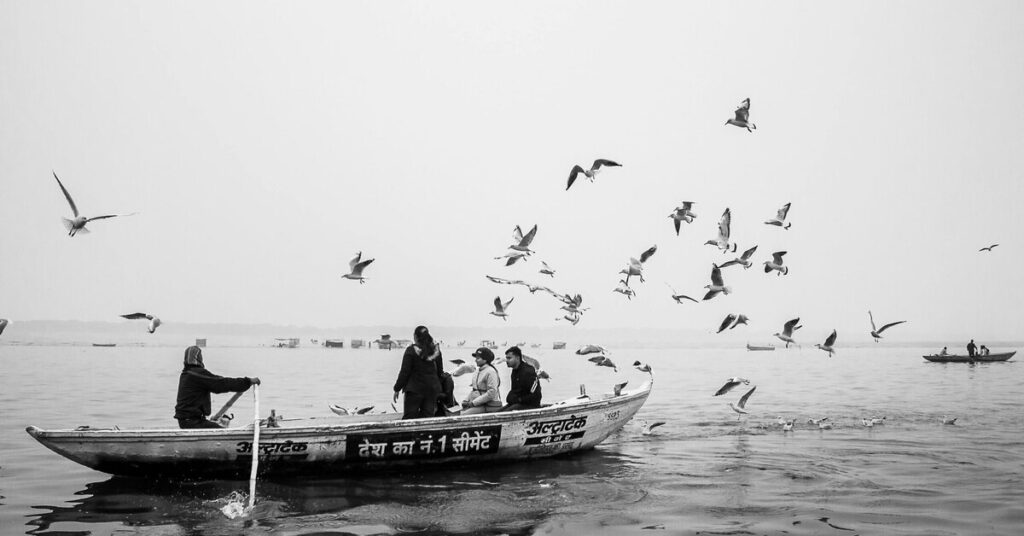
What Is Kalpvas? Complete Guide to Month-Long Stay at Magh Mela , Kalpvas literally means “living a kalpa” or living like the gods. In Hindu cosmology, a kalpa represents an enormous period of time in the celestial realm. Though the earthly practice lasts only one month, it symbolizes dedicating oneself completely to spiritual pursuits, as if living an entire cosmic age focused solely on devotion.
The practice involves residing at the Sangam area (the confluence of the rivers) for the full lunar month of Magh, observing strict religious disciplines, performing daily rituals, and taking holy dips in the sacred waters before sunrise. Kalpvasis renounce worldly comforts and embrace a simple, ascetic lifestyle aimed at spiritual purification and liberation.
According to Hindu scriptures, observing Kalpvas with sincerity and devotion can wash away sins accumulated over multiple lifetimes. The practice is believed to break the cycle of birth and rebirth, leading the devotee closer to moksha (liberation). The confluence at Prayagraj is considered especially potent during Magh, when celestial energies are believed to be at their peak.
Beyond religious merit, Kalpvas offers psychological and spiritual benefits. The complete break from routine life, the disciplined schedule, communal living with fellow seekers, and constant engagement with spiritual practices create a transformative experience. Many Kalpvasis report profound inner peace, clarity of mind, and a renewed sense of purpose.
What Is Kalpvas? Complete Guide to Month-Long Stay at Magh Mela , The life of a Kalpvasi follows a strict and disciplined routine that begins before dawn and continues throughout the day with various spiritual activities.
Pre-Dawn Rituals (3:00 – 6:00 AM) The day begins around 3:00 or 4:00 AM with morning prayers and preparations. Kalpvasis then proceed to the Sangam for the sacred bath, which must be completed before sunrise. This daily dip in the cold waters during winter is considered essential and is performed regardless of weather conditions. After bathing, devotees perform sandhya vandana (ritual prayers) and sun salutations on the riverbank.
Morning Activities (6:00 AM – 12:00 PM) After returning to their camps, Kalpvasis engage in meditation, chanting of mantras, and reading of sacred texts like the Bhagavad Gita, Ramayana, or Puranas. Many attend satsangs (spiritual discourses) conducted by saints and religious leaders. Simple meals are prepared and consumed, adhering to sattvic (pure vegetarian) dietary restrictions.
Afternoon Routine (12:00 – 4:00 PM) The afternoon is reserved for rest, personal spiritual practices, and sometimes another visit to the Sangam for prayers. Many Kalpvasis use this time for japa (repetition of mantras) or silent meditation. Community activities and discussions with fellow pilgrims also take place.
Evening Observances (4:00 PM – 9:00 PM) As evening approaches, Kalpvasis perform the evening aarti (worship with lamps) at the riverbank. More satsangs and bhajans (devotional songs) fill the atmosphere with spirituality. Dinner is simple and taken before sunset or shortly after. The day concludes with prayers and early sleep, preparing for the next pre-dawn awakening.
Accommodation Kalpvasis typically stay in temporary camps or tents set up by the mela administration, religious organizations, or private operators. These range from basic tarpaulin shelters to more organized camps with basic amenities. Some devotees arrange their own temporary structures. The accommodations are intentionally simple, reflecting the ascetic nature of the practice.
Facilities Basic facilities include communal toilets, bathing areas, and drinking water points distributed throughout the mela grounds. Medical camps and emergency services are available. Electricity supply may be limited or intermittent. The conditions are deliberately austere, testing the devotee’s commitment and detachment from material comforts.
Food Arrangements Most Kalpvasis prepare their own simple meals using portable stoves or community kitchens. The diet is strictly sattvic—vegetarian, fresh, and free from onions, garlic, and other tamasic (heavy) foods. Many religious organizations provide free or subsidized meals (langar) to Kalpvasis. Fasting is common, with some devotees eating only once a day.
What Is Kalpvas? Complete Guide to Month-Long Stay at Magh Mela , Kalpvas comes with specific rules and restrictions that devotees must follow throughout the month.
Dietary Restrictions Only sattvic vegetarian food is permitted. Onions, garlic, and non-vegetarian items are strictly prohibited. Many Kalpvasis avoid processed foods and eat only fresh preparations. Alcohol and tobacco are completely forbidden. Some devotees observe additional fasting practices.
Behavioral Code Kalpvasis must maintain celibacy throughout the period. Speech should be controlled, truthful, and minimized where possible—many observe periods of silence. Anger, gossip, and worldly discussions are discouraged. Simplicity in dress and conduct is emphasized.
Daily Obligations The pre-sunrise bath in the Sangam is mandatory every single day of the month, regardless of weather or health (except severe medical conditions). Daily prayers, meditation, and scripture reading are essential. Attending at least one satsang daily is recommended.
Restrictions on Movement Traditionally, Kalpvasis should not leave the mela grounds for the entire month. However, modern practitioners sometimes make exceptions for serious family emergencies. Leaving breaks the spiritual continuity of the practice.
Technically, any Hindu devotee can undertake Kalpvas, though it requires significant physical and mental preparation. While traditionally associated with elderly individuals in their retirement years (vanaprastha stage of life), people of various ages now participate. However, certain considerations apply.
Physical Readiness The practice demands good health and stamina due to harsh winter conditions, daily cold water baths, basic living facilities, and minimal comforts. Those with serious health conditions should consult doctors beforehand and may need to modify certain observances.
Mental Preparation Living away from family for a month, enduring physical discomfort, maintaining discipline, and staying focused on spiritual goals requires strong mental resolve. First-time participants often find the adjustment challenging.
Family Considerations Since Kalpvas requires month-long absence from home, family support and understanding are crucial. Many elderly devotees wait until their children are settled and independent. Some families accompany devotees and stay nearby, though not necessarily as Kalpvasis themselves.
Devotees who complete Kalpvas often speak of profound transformations in their lives.
Spiritual Growth The intensive spiritual practices, constant satsang with enlightened souls, and complete immersion in devotion accelerate spiritual progress. Many report enhanced meditation abilities, deeper scriptural understanding, and stronger faith.
Physical Discipline Despite the hardships, many Kalpvasis find their health improving through the disciplined routine, simple diet, early rising, and regular bathing. The practice builds resilience and willpower.
Mental Clarity Removal from daily life’s distractions allows for introspection and mental decluttering. Many devotees gain clarity about life priorities and return with a more peaceful mindset.
Community and Connection Living among thousands of like-minded spiritual seekers creates a unique community. Friendships formed during Kalpvas often last lifetimes. The shared experience bonds people across social and economic backgrounds.
Those considering Kalpvas should prepare well in advance.
Physical Preparation Begin adjusting your body to early rising and cold water baths weeks before. Build stamina through walking and yoga. Get a thorough medical check-up and gather necessary medications.
Logistical Arrangements Book accommodation early, as camps fill quickly. Arrange necessary supplies—warm clothes, bedding, utensils, toiletries, and spiritual items like prayer books and rosaries. Ensure family and work obligations are handled.
Mental and Spiritual Preparation Study relevant scriptures and practices beforehand. Set clear spiritual intentions for your Kalpvas. Mentally prepare for separation from family and modern comforts. Begin simplifying your diet and lifestyle gradually.
While traditional Kalpvas remains austere, some modern adaptations have emerged. Organizations now offer more comfortable camps with better facilities while maintaining spiritual discipline. Technology allows limited communication with family. Some devotees practice “mini-Kalpvas” staying for a week or two rather than the full month, though this isn’t considered complete observance.
However, many traditional practitioners and saints caution against excessive comfort-seeking, arguing that the austerity itself is integral to the spiritual transformation Kalpvas offers.
Kalpvas lasts for the entire Hindu lunar month of Magh, which typically falls from mid-January to mid-February according to the Gregorian calendar. The exact dates vary each year based on the lunar calendar. The practice begins on the first day of Magh (Magh Shukla Pratipada) and concludes on the new moon day (Mauni Amavasya), spanning approximately 30 days. Devotees must stay at the mela grounds for this entire duration to complete the full Kalpvas. The most auspicious day during this period is Mauni Amavasya, when millions take the sacred dip. Some devotees extend their stay until Basant Panchami or Magh Purnima for additional merit, though the core Kalpvas period is the one lunar month of Magh.
Essential items include warm clothing (multiple layers, woolens, shawls), as January-February nights in Prayagraj are quite cold. Bring bedding (sleeping bag or blankets, mat or mattress), personal toiletries, towels, and a bucket for bathing. Pack simple cooking utensils if preparing your own meals—a portable stove, basic cookware, plates, and cups. Carry spiritual items like prayer books, rosary beads (mala), and an idol or image of your chosen deity. Include a flashlight or lantern, as electricity may be unreliable. Bring any necessary medications and a first-aid kit. A water bottle, lock for securing belongings, and some cash are essential. Keep luggage minimal and manageable. Avoid bringing valuables, electronics beyond a basic phone, or expensive items. Many experienced Kalpvasis recommend a checklist prepared a month in advance.
Many Kalpvasis are indeed elderly, as the practice is often undertaken during the vanaprastha (retirement) stage of life. However, health considerations are crucial. If you have chronic conditions like diabetes, heart disease, arthritis, or respiratory issues, consult your doctor before committing to Kalpvas. The daily cold water baths in winter can be challenging for those with certain health conditions. Medical facilities are available at the mela, but they may not match hospital standards. Some modifications are permitted for genuine health reasons—for example, bathing with slightly warmed water or at a different time, though this is considered less orthodox. Many camps now have better facilities that can accommodate health needs. The key is honest self-assessment of your physical capacity to handle basic living conditions, cold weather, and minimal comforts for a month. If you have serious concerns, consider a shorter stay or consulting experienced Kalpvasis and spiritual guides for advice.
Traditional Kalpvas requires staying for the complete lunar month of Magh without leaving the mela grounds. This full commitment is considered essential for receiving the complete spiritual benefits and purification that the practice offers. However, in modern times, some devotees practice what might be called “partial Kalpvas” or “Magh Snan” (Magh bathing), staying for one or two weeks, or visiting only on major bathing days like Makar Sankranti, Mauni Amavasya, and Basant Panchami. While these shorter observances are spiritually beneficial and earn merit, they are not considered complete Kalpvas according to traditional understanding. Orthodox practitioners and many spiritual leaders emphasize that the continuous month-long discipline, without breaks, is what creates the deep transformation Kalpvas is known for. That said, if family obligations, work, or health make a full month impossible, a shorter sincere devotional stay is certainly better than not participating at all. The intention and sincerity of your practice matter greatly.
Kalpvasis must observe several strict rules throughout the month. The most fundamental is taking a holy dip in the Sangam before sunrise every single day, regardless of weather conditions. Dietary restrictions are rigorous—only sattvic vegetarian food is permitted, with no onions, garlic, meat, eggs, alcohol, or tobacco. Many Kalpvasis eat only one meal per day or follow other fasting practices. Celibacy (brahmacharya) must be maintained throughout the period. Sleeping on the ground or simple bedding is traditional, avoiding luxury. Speech should be controlled, truthful, and minimal—many observe periods of complete silence (mauna). Anger, harsh words, gossip, and worldly discussions are to be avoided. The day should be filled with spiritual activities including meditation, prayer, scripture reading, and attending satsangs. Ideally, Kalpvasis should not leave the mela grounds for the entire month. Modern attire is discouraged in favor of simple traditional clothing. Entertainment, movies, music (except devotional), and frivolous activities are prohibited. The focus remains constantly on spiritual practice, self-discipline, and devotion. These austerities, while challenging, are considered integral to the transformative power of Kalpvas.
Comments are closed.