Your cart is currently empty!
You may check out all the available trips and book one that suits you.
Continue Browsing Trips
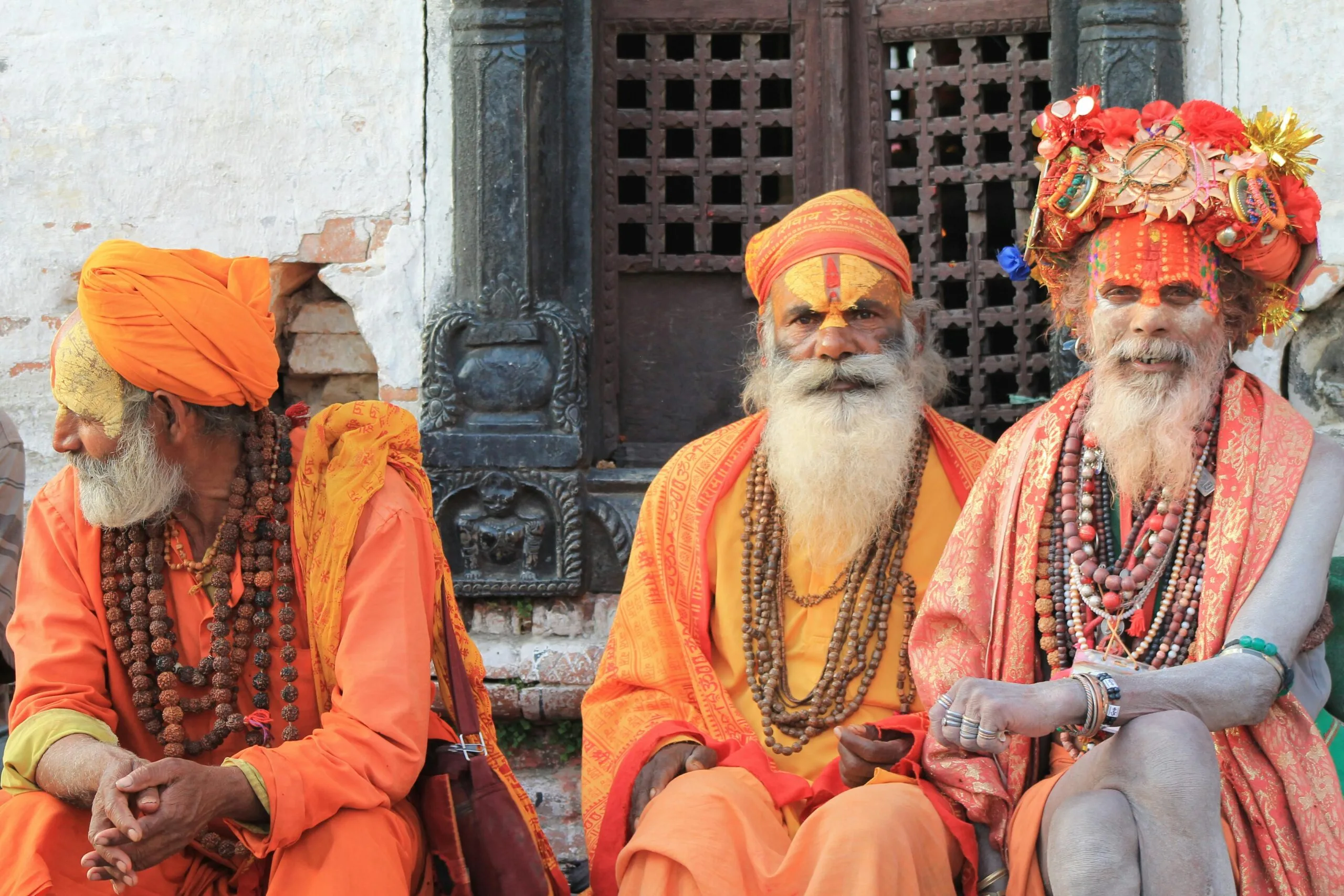
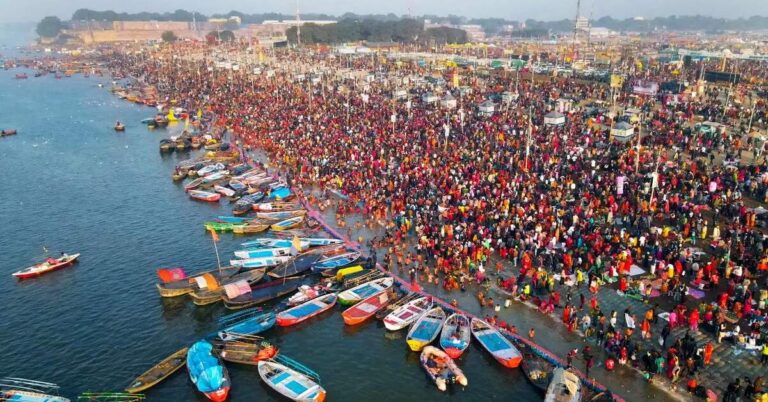
What Happens If You Miss the Magh Snan Date? Options Explained ,You’ve planned for months. Your entire family has coordinated schedules, booked trains, arranged accommodations, and built anticipation around taking the sacred dip at the Sangam on Mauni Amavasya—the most auspicious bathing day of Prayagraj Magh Mela. Then, 24 hours before departure, your father falls seriously ill. Or dense fog delays your train by 18 hours. Or your boss refuses the leave you’d requested months ago. The date you planned for—the date you believed was essential for spiritual merit—passes while you’re stuck elsewhere, watching news coverage of millions bathing at the very moment you should have been there.
The disappointment is crushing. The spiritual anxiety is real. Family members express concern that missing this sacred opportunity might have karmic consequences. You wonder: Have I lost my chance? Is the spiritual merit gone? What are my options now?
This situation affects thousands of families every Magh Mela season. Plans fall apart for countless reasons, most beyond individual control. But here’s the truth that brings comfort: missing your planned Magh snan date isn’t the spiritual catastrophe anxiety makes it seem. Multiple options exist, each with its own validity and merit. This comprehensive guide explores what really happens when you miss your intended bathing date and reveals all the alternatives available to you—spiritually, practically, and emotionally.
VIP Sugam Darshan passes, verified outstation cabs, Ganga aarti boat allocations, and clean hotel stays — fully coordinated by our on-ground team.
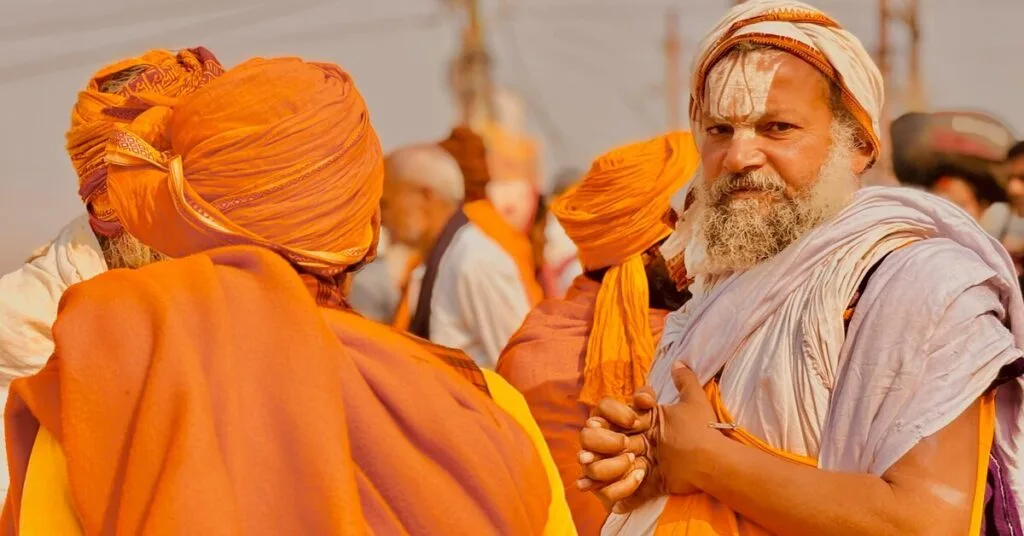
Magh snan refers to the sacred bathing ritual performed during the Hindu month of Magh (January-February) at the Triveni Sangam in Prayagraj. The practice involves immersing oneself at the confluence of the Ganges, Yamuna, and mystical Saraswati rivers, seeking spiritual purification, sin removal, and liberation from the cycle of rebirth. According to tradition, bathing during Magh multiplies spiritual merit exponentially compared to regular bathing at sacred sites.
What Happens If You Miss the Magh Snan Date? Options Explained , Certain dates within Magh month carry enhanced auspiciousness. Makar Sankranti (usually January 14-15) marks the sun’s northward journey and attracts massive crowds. Mauni Amavasya (new moon day in Magh, typically late January) is considered the single most auspicious day, drawing 5-7 million devotees. Basant Panchami (usually early February) celebrates spring’s arrival and holds special significance. Maghi Purnima (full moon day in Magh) concludes the holy period.
Traditional texts assign varying merit levels to different dates. Mauni Amavasya tops the hierarchy, followed by Makar Sankranti, then Basant Panchami and Maghi Purnima. However, the entire Magh month is considered sacred—any day holds spiritual value, with peak dates simply offering enhanced merit.
North India’s January weather creates havoc with transportation. Dense fog delays trains by 10-24 hours regularly. Flights get cancelled. Highways close due to visibility. A family departing with ample time to reach for Mauni Amavasya finds themselves still on a stationary train as the auspicious moment passes. These weather-related delays affect thousands annually and remain largely unpredictable and uncontrollable.
Medical emergencies don’t respect spiritual calendars. A family member’s sudden illness, an accident, or chronic condition flare-up can make travel impossible. The ethical choice between spiritual pilgrimage and medical care is no choice at all—health takes precedence. Yet the disappointment of missing planned dates remains acute.
Beyond travel disruptions, severe weather sometimes forces pilgrims already at Magh Mela to skip bathing on their intended date. Extreme cold waves, storms, or other dangerous conditions make water immersion unsafe, particularly for elderly or vulnerable individuals. Choosing safety over date-specific bathing demonstrates wisdom, not weak faith.
Despite best planning, last-minute work emergencies, exam date changes, family crises, or other obligations sometimes prevent travel. The corporate merger that requires your presence, the child’s sudden important school commitment, or the relative’s funeral trump planned pilgrimage schedules.
Traditional teachings emphasize the extraordinary merit of specific dates, particularly Mauni Amavasya. Texts describe amplified spiritual benefits—some say bathing on Mauni Amavasya equals 1,000 regular days’ worth of spiritual practice. This creates understandable anxiety about missing these peak dates.
However, the same traditions also emphasize intention, devotion, and circumstances. Most spiritual texts acknowledge that genuine inability to attend, particularly due to health or uncontrollable circumstances, doesn’t result in negative karmic consequences.
Contemporary spiritual teachers increasingly emphasize that divine grace isn’t transactional—it doesn’t operate on a “miss the date, lose the benefit” basis. The spiritual value lies in the pilgrimage itself, the devotion motivating it, and the transformation experienced, not in mechanical adherence to specific calendar dates.
Swami Chidanand Saraswati, a prominent spiritual leader, has stated: “The Ganges flows every day. The divine presence exists every moment. While certain dates carry traditional significance, sincere devotion on any day holds immense spiritual value.”
Most priests and religious authorities acknowledge that while peak dates offer special significance, the entire Magh month holds sacred value. They point to scriptural references supporting alternative date bathing and emphasize that genuine obstacles—health, uncontrollable circumstances, or responsibilities—don’t diminish spiritual merit when pilgrims bathe on alternative dates with proper devotion.
The key distinction: choosing convenience over peak dates differs spiritually from genuine inability to attend specific dates.
If you miss your primary target date, several other auspicious dates exist within Magh month: Makar Sankranti (if you missed Mauni Amavasya), Basant Panchami, Maghi Purnima, or any Ekadashi (11th lunar day) during Magh. Each carries spiritual significance, though perhaps not the maximum amplification of Mauni Amavasya.
From a practical spiritual perspective, bathing on any Magh date at the Sangam offers profound benefits. The confluence itself remains sacred regardless of date. Your intention, devotion, and the transformative experience of pilgrimage matter more than the specific calendar date. Many spiritual practitioners report equally meaningful experiences on “regular” Magh days compared to peak dates.
Ironically, missing peak dates offers practical advantages that enhance spiritual experience. Non-peak dates see 80-90% fewer crowds. You can bathe peacefully, spend time in contemplation, access the Sangam easily, and experience the sacred space without overwhelming crush of humanity. Many pilgrims report that these quieter days allowed deeper spiritual connection than would have been possible amid peak day chaos.
Traditional teachings support bathing on any day during the Magh month (approximately January 14 to February 12, with exact dates varying by lunar calendar). The entire period is sacred—peak dates simply represent pinnacles within a generally auspicious timeframe. Choosing any Magh day for your bathing holds legitimate spiritual value.
What Happens If You Miss the Magh Snan Date? Options Explained ,Some traditions encourage serial bathing—taking dips on multiple days throughout Magh. If you miss your primary date but can extend your stay or return, bathing on several alternative days might actually accumulate more spiritual merit than a single peak day bath. This practice, called “Kalpavas,” involves staying throughout the Magh period and bathing daily.
Dedicated practitioners sometimes commit to bathing daily throughout the entire Magh month. This intensive practice is considered highly meritorious—possibly exceeding the merit of single peak date bathing. While not feasible for most modern pilgrims with work and family obligations, even a modified version (bathing on 3-5 days throughout Magh) holds significant spiritual value.
Unlike Kumbh Mela’s 12-year cycle, Magh Mela occurs annually. Missing this year’s specific date doesn’t mean waiting a decade—next year offers another opportunity. This annual recurrence provides comfort and practical planning alternative.
Use this year’s disappointment as motivation for better planning next year. Book transportation earlier, build in buffer days, arrange more flexible work leave, and prepare more thoroughly. Many families who missed their intended dates due to poor planning successfully attend the following year with improved strategies.
Some spiritual traditions interpret missing planned dates as karmic indication—perhaps this year wasn’t the right time, and next year will prove more auspicious. This perspective, while not universally accepted, provides psychological comfort and future-oriented hope rather than dwelling on current disappointment.
Kumbh Mela, occurring every 12 years at Prayagraj (with smaller versions at other locations every 3-6 years), represents the ultimate pilgrimage. Its spiritual significance exceeds even Magh Mela’s peak dates. If you miss Magh Mela dates, planning for the next Kumbh Mela offers an even more significant spiritual alternative.
The next Maha Kumbh Mela at Prayagraj occurs in 2037. Ardh Kumbh (half Kumbh) happens every six years, with the next in 2031. Kumbh Melas also occur at Haridwar, Nashik, and Ujjain on rotating schedules. Planning for any of these provides substantial spiritual alternatives to missed Magh Mela dates.
Traditional teachings consider Kumbh Mela’s spiritual merit to surpass Magh Mela’s. While this doesn’t diminish Magh Mela’s importance, it offers perspective—missing a Magh Mela date while planning to attend Kumbh Mela actually represents spiritual upgrading rather than missing out.
The Ganges flows through numerous sacred locations: Haridwar, Rishikesh, Varanasi, Ganga Sagar. Bathing in the Ganges at any of these sites, particularly during Magh month, holds spiritual value. While the Triveni Sangam’s confluence carries unique significance, the Ganges itself remains sacred throughout its course.
India’s other sacred rivers—Yamuna, Narmada, Godavari, Krishna, Kaveri—also offer spiritual bathing sites. While traditionally considered less meritorious than Sangam bathing during Magh, they provide accessible alternatives that fulfill spiritual bathing intentions when Prayagraj attendance becomes impossible.
An ongoing spiritual debate questions whether physical location or devotional intention holds primary importance. Some teachers argue that sincere devotion while bathing in any sacred river approaches the spiritual merit of Sangam bathing on peak dates. Others maintain location-specific sanctity. Most acknowledge both factors matter—intention and location working together, with intention perhaps holding slightly greater weight.
Hindu ritual tradition includes “sankalpam”—formal intention setting before religious activities. If physical bathing becomes impossible, performing sankalpam at your local temple or home, formally declaring your intention to bathe at the Sangam and explaining the circumstances preventing it, holds spiritual validity. This practice acknowledges that divine understanding encompasses human limitations.
Some families arrange for priests at Prayagraj to perform bathing rituals on their behalf on specific dates. The priest takes the holy dip with formal intention for the absent pilgrim’s benefit. While not equivalent to personal attendance, this practice provides psychological comfort and maintains family spiritual traditions when circumstances prevent direct participation.
Modern technology enables virtual participation through live streams of Magh Mela bathing ceremonies. While obviously not the same as physical immersion, watching and participating mentally/spiritually from home at the exact auspicious moment provides connection to the event. Some spiritual teachers validate this as a legitimate form of participation given genuine inability to attend physically.
If you arrive at Magh Mela but miss your specific bathing date, the pilgrimage still offers immense spiritual value. Visiting akharas, receiving blessings from saints, attending spiritual discourses, performing pujas, and simply experiencing the extraordinary gathering’s energy provides profound spiritual benefit independent of bathing on specific dates.
The presence of numerous saints, yogis, and spiritual masters at Magh Mela represents rare opportunity. Darshan (spiritual audience) with revered figures, conversations with monks, and exposure to diverse spiritual traditions offers benefits potentially exceeding the specific date bathing itself.
Performing seva (selfless service)—distributing food, helping elderly pilgrims, donating to charitable causes—generates significant spiritual merit. Some traditions consider seva equal or superior to ritual bathing in spiritual value. Missing your bathing date while engaging in meaningful service work transforms disappointment into alternative spiritual accomplishment.
Missing planned dates creates genuine emotional distress. Acknowledge and validate these feelings rather than dismissing them. You’ve invested time, money, planning, and emotional energy. Disappointment is natural and acceptable. Give yourself permission to feel it without judgment.
Many pilgrims experience guilt or anxiety about missing dates—worrying about karmic consequences, family disappointment, or spiritual loss. Remember that most spiritual traditions emphasize divine grace’s compassionate nature. Circumstances beyond your control don’t generate negative karma. If you did everything reasonably possible, the inability to attend specific dates carries no spiritual penalty.
Cognitive reframing helps: instead of “I failed to attend Mauni Amavasya,” try “I learned valuable lessons about planning and acceptance.” Instead of “I lost this spiritual opportunity,” consider “I have multiple future opportunities and perhaps this timing wasn’t meant to be.” Reframing doesn’t dismiss disappointment but provides healthier perspective.
One silver lining: after major bathing dates, accommodation availability improves dramatically and prices often drop. Camps that were fully booked and expensive on Mauni Amavasya have vacancies and better rates three days later. If you’re still planning to attend despite missing your target date, you might find better, cheaper accommodation.
Post-peak-date crowd density drops by 70-80%. This creates vastly improved experiences: shorter queues for bathing, easier movement, less stress, better access to facilities, and more peaceful spiritual atmosphere. What you lose in peak date auspiciousness, you partially recover in improved practical experience.
Transportation and accommodation costs typically decrease after major bathing dates. If you’re rebooking after missing your original date, you might find significant savings on the alternative date—partially offsetting the disappointment with financial benefit.
If you’re already at Magh Mela but circumstances (weather, health, unexpected issues) prevent bathing on your intended date, simply adjust plans. Bathe on the next available day with clear weather and suitable conditions. Your physical presence at the Magh Mela grounds itself holds significance—the specific date becomes less critical when you’re already committed to the pilgrimage.
Being present at Magh Mela, even if not on your ideal date, provides numerous benefits unavailable to those who couldn’t attend at all. Maximize your experience: participate in evening aartis, visit multiple akharas, engage with spiritual teachers, perform additional pujas, and create meaningful memories that transcend specific date concerns.
The meaning of pilgrimage comes from personal transformation, not calendar alignment. Reflect on why you came, what you hoped to achieve spiritually, and how you can fulfill those intentions regardless of specific dates. Often, the journey matters more than the destination timing.
Extended families often have strong opinions about attending specific dates. Elderly parents might express disappointment or concern about missing Mauni Amavasya. Managing these expectations requires honest communication: explain the circumstances, discuss alternative options, and help family members understand that spiritual merit isn’t lost through genuine inability to attend specific dates.
Elderly relatives particularly worry about missing their “last chance” to attend auspicious dates. While sensitivity to these concerns is important, help them understand that annual recurrence provides future opportunities, alternative dates hold validity, and their faith and devotion matter more than specific calendar dates.
If family disagreement exists about whether to attend alternative dates, seek compromises: perhaps elderly members who can’t wait attend this year on available dates while younger family members plan for next year’s peak dates; or the family attends together on a less crowded alternative date this year with plans for peak dates in future years.
Learn from this experience by building buffer days into future pilgrimage plans. If targeting Mauni Amavasya, arrive 2-3 days early. This cushion absorbs transportation delays, weather issues, or unexpected circumstances while still allowing peak date participation.
Choose booking options offering flexibility: refundable train tickets (even with cancellation charges), hotels with free cancellation, or accommodations allowing date changes. The premium paid for flexibility often proves worthwhile when plans change.
Plan primary and backup dates from the beginning. “We’re aiming for Mauni Amavasya but will attend on Basant Panchami if delays occur” provides psychological preparation and practical alternatives, reducing stress if plans change.
Comprehensive travel insurance sometimes covers pilgrimage trip cancellations due to medical emergencies or other covered reasons. Review policy terms—some policies include “trip cancellation” or “trip interruption” coverage that reimburses non-refundable expenses when you can’t travel due to covered circumstances.
Most Magh Mela accommodations have cancellation policies—typically offering partial refunds (50-80%) for cancellations made 48-72 hours in advance. While losing deposits is disappointing, recovering most of your accommodation cost provides financial relief when plans change.
Train tickets allow cancellation with graduated charges based on timing—earlier cancellations receive higher refunds. Flights have varying policies depending on ticket type. Understanding these options and acting quickly when plans change maximizes refund recovery.
Meera from Chennai missed Mauni Amavasya due to her flight cancellation but bathed on Basant Panchami instead. “Initially I was devastated. But the Basant Panchami experience was beautiful—smaller crowds, peaceful atmosphere, and surprisingly, I felt more spiritually connected than I might have in the Mauni Amavasya chaos. It taught me that divine grace doesn’t operate on our schedules.”
Rajesh from Jaipur’s entire family missed their planned Makar Sankranti visit due to his father’s sudden illness. They attended two weeks later on a regular day: “Yes, we missed the ‘big date,’ but we got to spend quality time with my recovered father, the crowds were manageable, and we created beautiful memories. Sometimes God’s plan differs from ours.”
Not all stories have happy endings, but they offer lessons. Amit from Mumbai spent considerable money on non-refundable bookings for Mauni Amavasya, then couldn’t attend due to work emergency. “I lost the money and the experience that year. But it taught me to build buffer time, get refundable bookings, and not put all my spiritual eggs in one date basket. I attended the next year with better planning and a more flexible mindset.”
Dr. Ram Kumar Sharma, a Vedic scholar, explains: “The scriptures emphasize ‘bhav’ (devotion and intention) over mechanical ritual performance. If circumstances genuinely prevent attendance on specific dates, the divine understanding encompasses this. Bathing with sincere devotion on alternative dates holds substantial spiritual merit.”
Pandit Vishwanath Shastri adds: “While peak dates carry special significance in tradition, we must remember that the Ganges flows eternally, and the divine presence exists constantly. The calendar significance serves to focus collective energy, but individual spiritual progress depends on devotion, not date adherence.”
Veteran pilgrims consistently advise: flexibility matters more than rigid planning. Expect the unexpected. Don’t attach your entire spiritual experience to one specific date. The journey itself, the intention driving it, and the transformation experienced hold greater significance than precise calendar timing.
Many experienced pilgrims report that their most meaningful spiritual experiences occurred on unplanned dates or in unexpected moments—not during the “peak” times they’d originally targeted.
Missing your planned Magh snan date isn’t a spiritual catastrophe—it’s an opportunity for flexibility, alternative planning, and deeper understanding of what truly matters in religious pilgrimage. While specific dates carry traditional significance and offer enhanced spiritual benefits, they’re not the sole gateway to divine grace or spiritual progress.
You have numerous valid options: bathing on alternative auspicious dates within Magh, taking advantage of the entire Magh month’s sacred nature, planning for next year’s Magh Mela or future Kumbh Mela, bathing at other sacred sites, performing proxy rituals, or focusing on non-bathing spiritual activities if you’re already at the Magh Mela.
The spiritual traditions underlying Magh snan emphasize compassion, understanding, and the primacy of devotional intention over mechanical rule-following. If genuine circumstances prevent attendance on specific dates—health, uncontrollable delays, family responsibilities—you’re not losing spiritual merit or accumulating negative karma. You’re demonstrating the very values religious traditions promote: prioritizing wellbeing, accepting circumstances gracefully, and maintaining faith despite disappointment.
Perhaps most importantly, missing your planned date teaches valuable spiritual lessons about attachment, expectations, and acceptance. The pilgrimage isn’t just about the bathing itself—it’s about the transformation occurring throughout the journey, the growth from handling disappointment, and the understanding that spiritual connection doesn’t depend on perfect timing.
So if your carefully planned date has slipped away, breathe deeply, release the anxiety, explore your alternatives, and remember: the sacred waters of the Sangam will flow tomorrow, next week, and next year. Your spiritual journey continues regardless of today’s specific date on the calendar.
Absolutely not. While Mauni Amavasya carries maximum traditional significance, any bathing during the Magh month at the Sangam holds substantial spiritual value. Think of it this way: Mauni Amavasya is like scoring 100%, but a regular Magh day still scores 70-80%—significantly valuable, just not the maximum. Religious texts consistently emphasize that the entire Magh period is sacred, with specific dates representing peaks within a generally auspicious timeframe. Your devotion, intention, and the sincerity of your pilgrimage matter more than the precise calendar date. Many spiritual practitioners report equally transformative experiences on “regular” days, sometimes even more profound due to reduced crowds allowing deeper contemplation.
Yes, absolutely, though understanding the spiritual perspective is important. Next year’s Mauni Amavasya holds its own complete spiritual significance—you’re not “making up” for a deficit but rather participating in an independently valuable spiritual practice. The idea that you need to compensate for this year’s missed date comes from transactional thinking about spirituality. From a traditional perspective, each year’s observances are complete unto themselves. That said, planning to attend next year’s Mauni Amavasya is excellent practice, and many families successfully do so after missing previous years’ dates. Use this year’s disappointment as motivation for better planning, but don’t carry guilt about needing to “make up” for anything.
This concern is deeply understandable and emotionally significant. However, consider these points: First, Magh Mela occurs annually—next year provides another opportunity, and many elderly individuals successfully attend into their 80s and beyond. Second, if health genuinely makes future attendance unlikely, bathing on any Magh date (even if not the peak date) still provides profound spiritual benefit. Third, spiritual traditions emphasize that sincere intention carries immense value—if physical limitations prevent attendance, performing sankalpam (intention setting) at local temples or arranging proxy bathing through priests provides spiritual validity. Finally, your faith journey throughout your lifetime matters far more than one specific date. A life lived with devotion holds infinitely more spiritual value than mechanical ritual performance on specific dates.
This depends entirely on the operator’s policies and circumstances. Many operators will accommodate date changes if: (1) you provide advance notice (ideally 48+ hours), (2) the alternative date has availability, and (3) you’re willing to accept any price differences (you might pay more for peak alternative dates or get refunds for less expensive dates). Operators are often surprisingly flexible about date changes within the same booking period, especially if you maintain good communication and explain circumstances. However, last-minute changes (under 24 hours) or changes after already checking in are harder to accommodate. Always check cancellation and modification policies before booking, and maintain written communication when requesting changes—this documentation proves valuable if disputes arise.
No, this is a harmful misunderstanding of how karma operates. Missing planned dates due to circumstances beyond your control—transportation delays, health issues, family emergencies, weather—doesn’t indicate bad karma or spiritual deficiency. Karma relates to your actions, intentions, and responses to circumstances, not to external events happening to you. If anything, how you respond to missing your date reveals your spiritual development: accepting disappointment gracefully, finding alternative solutions, maintaining faith despite setbacks, and prioritizing health/family over rigid ritual adherence demonstrates spiritual maturity. Some spiritual traditions even suggest that obstacles testing your commitment and forcing flexibility serve spiritual growth purposes. Rather than indicating bad karma, missing your date might be an opportunity for demonstrating good karmic responses through patience, acceptance, and wise decision-making.
VIP Sugam Darshan passes, verified outstation cabs, Ganga aarti boat allocations, and clean hotel stays — fully coordinated by our on-ground team.
Starting from ₹11,500 / Person (Reserve with 30% advance deposit)
TripCosmos guarantees verified Kashi Vishwanath Sugam Darshan passes (zero line waiting), private Dev Deepawali & Ganga Aarti Bajra boats, and verified Toyota Innova Crysta cabs with trusted local chauffeurs.

Comments are closed.