
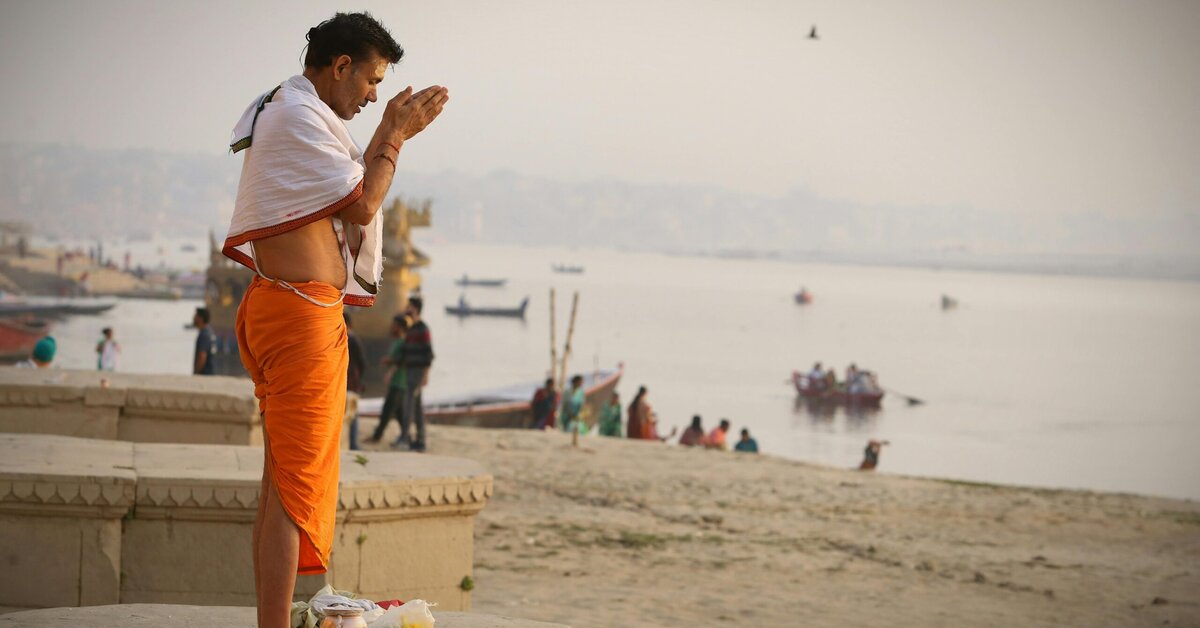
How Families Manage Stay Food & Bath During Magh Mela Prayagraj, When you see images of millions of pilgrims at Magh Mela, the spiritual spectacle captures attention. But behind every family’s successful pilgrimage lies meticulous management of three fundamental needs: shelter, sustenance, and sanitation. How does a family of five—with grandparents, parents, and young children—manage to stay comfortable for three days in a temporary tent city? How do they ensure everyone eats properly when restaurants are scarce and dietary needs are specific? How do they coordinate the sacred bathing ritual while keeping everyone safe and together?
These aren’t trivial concerns. Poor management of these basics can transform a spiritual journey into an exhausting ordeal. A hungry child, an elderly person struggling with inadequate facilities, or a family member falling ill due to hygiene issues can derail the entire experience. Yet thousands of families successfully navigate these challenges every year, creating meaningful spiritual experiences while managing practical necessities with remarkable efficiency.
This comprehensive guide reveals exactly how experienced families manage stay, food, and bathing during Magh Mela. From tent organization to meal planning, from morning routines to nighttime arrangements, from coordinating extended family to managing individual needs—this is your complete practical manual for family logistics at the world’s largest spiritual gathering.
Accommodation Options for Families
Government Tent Camps
How Families Manage Stay Food & Bath During Magh Mela , Government-operated camps offer standardized accommodations at regulated prices. Basic tents (₹1,000-1,500 per night) provide simple shelter with shared bathroom facilities located 30-50 meters away. Standard tents (₹2,500-4,000) include better bedding and slightly improved facilities. Premium tents (₹5,000-8,000) offer attached or nearby bathrooms, better lighting, and occasionally heaters.
Government camps guarantee what you book matches what you receive—no surprises, though also limited luxury. They’re ideal for families prioritizing reliability over amenities.
Private Camp Operators
Private operators offer greater variety, from budget options (₹2,000-3,000 per night) to luxury arrangements (₹10,000-25,000). Quality varies dramatically between operators. Premium private camps might include attached bathrooms with hot water, comfortable beds, dining areas, and even entertainment facilities. Budget private options sometimes barely exceed government basic tents in quality while charging more.
Hotels in Prayagraj City
Staying in city hotels (ranging from ₹1,500-10,000 per night depending on category) provides superior comfort, reliable facilities, and escape from camp intensity. The trade-off: 45-90 minutes commuting to Magh Mela grounds daily. For families with young children or elderly members uncomfortable with camp conditions, this compromise often works well.
Budget vs. Premium Choices
Budget accommodations (₹1,000-3,000 per night) provide basic shelter but require managing with minimal amenities. Premium options (₹8,000-25,000) offer comfort approaching hotel standards. Most families choose middle options (₹3,000-6,000) balancing affordability with reasonable comfort—adequate bedding, accessible bathrooms, and basic security.
Setting Up Family Camp Life
Arriving and Check-In Process
Arrive at your camp during daylight if possible—navigating unfamiliar tent cities in darkness is challenging. Check-in typically requires ID proofs, booking confirmations, and sometimes security deposits (₹500-2,000 refundable at checkout). Confirm your tent location, bathroom locations, dining facilities (if provided), and emergency contact numbers immediately.
Organizing Your Tent Space
Smart tent organization transforms cramped space into functional living area. Designate zones: sleeping area (center), storage area (corners), dressing area (near entrance), and sitting area (if space allows). Use your bags as storage furniture—arranged along tent sides, they provide seating while maximizing floor space.
Storage and Security
Personal Belongings Management
Never leave valuables unattended. Designate one locked bag for important documents, money, and electronics—kept with a responsible family member at all times. Use cable locks to secure bags to tent poles when leaving briefly. Distribute money across multiple family members rather than keeping all cash in one place.
Split clothing into “daily use” (kept accessible) and “remaining days” (stored away) to reduce clutter. Use ziplock bags or dry bags for phones, medicines, and items needing moisture protection.
Sleeping Arrangements Within Tents
Bedding and Mattresses
Most tents provide thin mattresses (2-3 inches thick) on the ground. Bring or rent additional bedding for comfort—sleeping bags, blankets, or extra mats. Elderly family members benefit from slightly elevated sleeping arrangements if possible—some families bring portable camping cots for this purpose.
Arrange sleeping positions strategically: children between parents for warmth and security, elderly near tent entrance for easier nighttime bathroom access, and couples at tent ends for some privacy.
Keeping Warm at Night
January nights in Prayagraj can drop to 5-8°C. Layered blankets work better than single heavy quilts. Families successfully use: ground tarpaulin (prevents cold from below), mattress, sleeping bag or blanket, additional blanket layer, and personal jacket or shawl kept inside sleeping bag.
Hot water bottles (if hot water is available) placed near feet provide significant warmth. Wool socks and caps retain body heat effectively. Children sleep between adults benefiting from shared body warmth.
Privacy Considerations
Children’s Sleeping Needs
Children need consistent sleep schedules despite unusual circumstances. Bring favorite small toys or comfort items. Maintain bedtime routines as much as possible—familiar songs, stories, or prayers help children settle. Tire them out during the day through walking and activities so they sleep despite unfamiliar surroundings.
Prepare children beforehand about sleeping arrangements: “We’ll all sleep together in a tent like camping!” frames it as adventure rather than deprivation.
Food Management Strategies
Bringing Food from Home
Many experienced families bring substantial food supplies: dry items (poha, namkeen, biscuits, namkeen, instant noodles), ready-to-eat packaged meals, pressure-cooked rice or chapatis (lasting 24-48 hours in winter), pickles and chutneys, and sealed sweets or snacks.
Bring more than you think necessary—hunger combined with limited appealing options creates misery. Food sharing happens naturally at camps, creating community bonds while ensuring no one goes hungry.
Cooking Facilities at Camps
Some camps, especially government ones and premium private camps, provide shared cooking areas with basic burners. Families bringing portable gas stoves (small camping stoves) gain cooking independence. Many prepare simple fresh meals: morning tea, simple dal-rice, or hot khichdi.
Cooking facilities require: small gas cylinder or portable stove, one pot and one pan, basic utensils and plates, matches or lighter, and ingredients. Keep cooking simple—elaborate meals in camp conditions are impractical and stressful.
Local Food Vendors and Stalls
Magh Mela grounds host thousands of food vendors: tea stalls (₹10-20 per cup), snack vendors (samosas, pakoras ₹20-50), meal providers (thalis ₹50-150), and sweet shops. Quality varies dramatically. Choose vendors with visible cleanliness, active crowds (high turnover means fresher food), and freshly cooked items rather than pre-made foods sitting out.
Langar (Community Kitchens)
Numerous akharas and religious organizations operate free community kitchens (langars) serving simple vegetarian meals—typically dal, chapati, rice, and vegetables. These provide reliable, safe food options without cost. Many families strategically use langars for one meal daily, reducing food management burden while participating in community tradition.
Langars usually operate during specific hours (often lunch and dinner). Locate nearest langars upon arrival and note their timings.
Meal Planning for Different Family Types
Families with Young Children
Children’s food needs require special attention. Bring familiar foods children reliably eat—new environments often make them picky. Essentials include: packaged milk or milk powder, familiar biscuits and snacks, instant oatmeal or cereal, bananas and easy-peel fruits, bread and jam for quick meals, and electrolyte powder for hydration.
Avoid: street food with spices children aren’t used to, very cold items in already cold weather, excessive sweets (energy spikes and crashes are problematic), and unfamiliar foods that might cause digestive issues.
Elderly Members’ Dietary Needs
Elderly family members often have specific requirements: low salt for blood pressure concerns, diabetic-friendly options with controlled carbohydrates, easy-to-chew soft foods, and warm meals for digestion. Plan accordingly: bring home-cooked items meeting these needs, identify food vendors offering suitable options beforehand, carry emergency snacks appropriate for their restrictions, and maintain meal timing consistency as much as possible.
Special Dietary Requirements
Vegetarian and Satvik Food
Magh Mela is overwhelmingly vegetarian, so finding vegetarian food is easy. Satvik food (pure vegetarian without onion, garlic) is commonly available, especially at langars and near akharas. If your family follows strict satvik principles, this is one of the easiest places to maintain them.
Families with allergies (gluten, nuts) need to bring safe foods and carefully question vendors about ingredients—language barriers and busy vendors make this challenging.
Water Management
Drinking Water Sources
Water stations throughout Magh Mela grounds provide free drinking water. Quality is generally safe but not always cold or optimally filtered. Bring reusable water bottles (1-liter capacity per person minimum). Many families bring 10-20 liter water storage containers to their camps, filling them at water stations and having supply available without constant trips.
Water Storage and Purification
Despite official water being treated, many families add extra purification: water purification tablets (available at pharmacies), portable water filters, or simply boiling water if cooking facilities exist. This adds safety layer, particularly for children and elderly members with sensitive systems.
Store water in covered containers away from direct sun. Change stored water every 24-48 hours rather than continuously topping off, preventing bacterial growth.
Staying Hydrated in Crowds
Dehydration is a serious risk—cold weather reduces thirst sensation while walking and activity increase water needs. Strategies include: each family member carrying personal water bottles at all times, setting hydration reminders (drink water every hour regardless of thirst), offering water to children and elderly proactively without waiting for requests, and keeping electrolyte powder available to add to water periodically.
Bathing at the Sangam: The Main Ritual
Planning Your Bathing Schedule
Most families bathe early morning (5:00-7:00 AM) when water is coldest but crowds are smaller and the spiritual atmosphere is powerful. Afternoon bathing (11:00 AM-2:00 PM) offers slightly warmer water and easier logistics, though larger crowds. Avoid bathing immediately after meals (wait 1-2 hours).
On major bathing dates, plan to reach bathing areas 2-3 hours before your intended bathing time due to crowds and security checks.
What to Wear for Bathing
Traditional bathing attire is simple cotton: men wear dhotis or shorts with thin shirts, women wear cotton sarees or salwar-kameez. Avoid heavy fabrics that become difficult when wet. Many women wear older sarees specifically for bathing, changing into fresh clothes afterward.
Wear footwear that can get wet—rubber slippers or old sandals. Remove jewelry before bathing (leave secured at camp)—river currents can dislodge items, and crowds present theft risks.
Safety Measures During Bathing
Managing Children at Bathing Ghats
Children’s safety at crowded bathing ghats requires vigilance. Keep children in physical contact at all times—hold hands in crowds, carry small children on shoulders. Bright clothing helps spot them if temporarily separated. Consider writing your phone number on their arms with permanent marker.
Many families use a buddy system: each adult responsible for one child specifically, with clear protocols if anyone becomes separated (stay at last location, don’t go searching independently).
The Practical Bath Experience
Changing Clothes Arrangements
Changing facilities at bathing ghats are limited and crowded. Most families use pragmatic approaches: women wear bathing clothes under regular clothes, disrobing outer layers at water’s edge. Men often change using towels for privacy. Families traveling together help shield each other while changing.
Bring large towels or sheets creating temporary privacy screens. Some experienced families bring lightweight pop-up changing tents (available at camping stores) providing private changing space.
Drying and Warming Up Post-Bath
January water immersion causes significant body temperature drop. Warming strategies include: dry clothes in waterproof bags at the ghat, immediately changing from wet to dry clothes, vigorous toweling to generate body heat, warm beverages (tea, hot water) immediately after bathing, and brisk walking to warm up rather than sitting still.
Many families bring thermoses of hot tea to the ghat, drinking it immediately post-bath. This simple step dramatically improves comfort and prevents hypothermia.
Protecting Valuables
Family Coordination Strategies
Coordinating family bathing requires planning. Common approaches include: staggered bathing (some family members bathe while others guard belongings), designating one person as “guardian” who doesn’t bathe but manages logistics, or using paid locker facilities (₹20-50) available at some bathing areas.
Establish clear meeting points before separating. “We’ll meet at the large Hanuman statue if anyone gets separated” prevents panic and searching in crowds.
Daily Hygiene and Sanitation
Personal Cleaning Facilities
Most camps lack individual showers. Families adapt through: bucket baths using water heated at camp kitchens or with portable heaters, wet wipe baths when proper washing isn’t possible, dry shampoo and body powder extending time between full baths, and strategic hair washing (not daily given cold weather and facilities).
Many families schedule one “proper wash day” mid-visit, accepting simpler hygiene other days. This realistic approach reduces stress compared to attempting daily full routines.
Toilet Facilities Reality
Camp toilets are basic Indian-style (squat) toilets, often shared between multiple tents. Cleanliness varies—early morning and late night generally offer better conditions than mid-day. Bring toilet paper (rarely provided), hand sanitizer, and small flashlight for nighttime use.
Strategies include: using facilities during off-peak hours (early morning, late evening), carrying personal cleaning supplies always, accepting lower standards than home toilets, and using public toilets near akharas or administrative areas which are sometimes better maintained.
Women’s Specific Needs
Women managing menstruation at Magh Mela face additional challenges. Essentials include: sufficient supply of pads or cups (more than normal due to limited shopping options), disposal bags (facilities may lack disposal bins), extra changes of underwear, and hand sanitizer for cleaning hands when water access is limited.
Contrary to some beliefs, women are not prohibited from bathing during menstruation at Magh Mela—individual beliefs and comfort level determine participation.
Time Management and Daily Routines
Typical Family Day at Magh Mela
A common family routine might look like:
5:00 AM – Wake up, morning tea 5:30 AM – Prepare for bathing, head to Sangam 6:00-7:00 AM – Sacred bathing 8:00 AM – Return to camp, change, warm up 9:00 AM – Breakfast 10:00 AM – Rest or visit nearby akharas 12:00 PM – Lunch 1:00 PM – Afternoon activities, spiritual discourses, or rest 4:00 PM – Evening tea, light snacks 5:00 PM – Evening aarti participation 7:00 PM – Dinner 8:30 PM – Family time, reflection 9:30 PM – Bedtime preparation 10:00 PM – Sleep
Flexibility is key—this structure provides rhythm while adapting to actual circumstances.
Balancing Spiritual and Practical Activities
The tension between spiritual objectives and practical necessities is real. Strategies include: prioritizing one or two key spiritual activities daily rather than attempting everything, accepting that some days focus more on logistics (arrival/departure days), and integrating spirituality into practical activities (prayers before meals, gratitude practices).
Remember the pilgrimage itself is spiritual practice—caring for family members, managing challenges with patience, and maintaining harmony are spiritual acts, not just the formal rituals.
Rest and Recovery Time
Build mandatory rest into schedules. Elderly members need afternoon rest periods. Children need downtime between intensive activities. Everyone benefits from at least one hour of quiet rest daily. Pushing through without rest leads to exhaustion, illness, and family tension.
Managing Multiple Generations
Elderly Care Strategies
Elderly family members require special consideration: slower pace accommodating their mobility, frequent bathroom access, medication schedules maintained consistently, warm clothing and protection from cold, lighter activity loads with more rest periods, and emotional support as they may feel they’re slowing everyone down.
Some families designate one adult specifically responsible for elderly member’s needs, allowing others to manage children and logistics.
Keeping Children Engaged
Children get bored between spiritual activities. Engagement strategies include: simple games (card games, storytelling), educational framing (explaining significance of what they’re witnessing), small responsibilities (carrying water bottles, helping with simple tasks), and treats and rewards for good behavior during challenging activities.
Portable entertainment (downloaded movies on tablets for tent time) provides sanity-saving downtime after intensive days.
Coordinating Extended Family
Large extended families attending together need coordination systems: daily morning meetings establishing day’s plan, designated family leader making final decisions quickly, clear communication about who’s responsible for what, and WhatsApp groups for real-time updates (when network permits).
Budget Management
Daily Expense Tracking
Track spending to avoid budget blowouts. Common daily expenses include: meals and snacks (₹300-800 per person), water and beverages (₹50-150 per person), transportation within grounds (₹50-200), incidental purchases (₹100-500), donations and offerings (variable), and emergency medical or other needs (₹0-1,000+).
Most families budget ₹800-1,500 per person daily beyond accommodation costs.
Handling Money Safely
Split cash across multiple family members. Bring mix of denominations (₹10, ₹20, ₹50, ₹100 notes) as vendors often claim they can’t change large notes. Use money belts or inner pockets in crowds. Never display large amounts of cash publicly. Keep some emergency cash separate from daily spending money.
Avoiding Overspending
Vendors target pilgrims with overpriced items and services. Strategies include: establishing daily spending limits per person, designating one family member as budget manager, avoiding impulsive purchases in emotional moments, and purchasing truly necessary items only while resisting everything else.
Health and Medical Considerations
Carrying Essential Medicines
Every family should carry: pain relievers and fever medication, anti-diarrheal medication, ORS packets for rehydration, basic wound care supplies, any prescription medications with extras, cough and cold medicines, and antacid tablets.
Store medicines in waterproof containers with labels. Keep a written list of all medications, dosages, and what they’re for—crucial if medical help becomes necessary.
Preventing Common Illnesses
Prevention strategies include: hand washing before meals and after bathroom use, avoiding touching face with unwashed hands, drinking only properly treated water, eating freshly cooked hot food, dressing in sufficient warm layers, and resting adequately to maintain immune function.
Accessing Medical Help
Locate nearest medical camp upon arrival. Save medical helpline numbers in phones. For emergencies, medical camps provide free treatment and can arrange ambulance transport to hospitals if needed. Don’t delay seeking help for serious symptoms—free medical infrastructure exists to help pilgrims.
Communication and Staying Connected
Phone Charging Solutions
Network congestion and limited electricity make phone charging challenging. Solutions include: bringing fully charged power banks (2-3 per family), using phones sparingly to conserve battery, sharing one phone for family coordination rather than everyone’s phone dying, and identifying charging points at camps or nearby shops (often ₹20-50 per charge).
Keep phones on airplane mode when not actively using them to conserve battery.
Meeting Point Strategies
Establish multiple meeting points: primary meeting point at major landmark near camp, secondary meeting point near bathing area, and emergency meeting point at main administration office. If separated, family members know where to go without phone coordination.
Take photos of meeting points with visible landmarks to show others if asking for directions.
Emergency Contact Systems
Write emergency contact numbers on children’s arms with permanent marker. Teach children basic information: parent names, home city, and that they should approach police or camp officials if lost. Carry physical cards with emergency contacts in case phone batteries die.
Common Challenges and Solutions
Dealing with Cold Weather
Layer clothing strategically: thermal inner layer, warm middle layer, windproof outer layer. Wool socks and warm shoes are essential. Cover heads and ears—significant body heat escapes from uncovered heads. Use multiple thin blankets at night rather than one thick blanket.
Warming strategies include: regular hot beverages throughout the day, keeping moving rather than sitting still in cold, using hot water bottles at night, and warming up in crowded areas (body heat from crowds actually helps).
Managing Crowd Stress
Dense crowds trigger anxiety in many people. Coping strategies include: taking breaks from crowded areas regularly, visiting during off-peak hours when possible, practicing breathing exercises when feeling overwhelmed, maintaining physical contact with family members for security, and accepting that crowds are inherent to the experience.
Handling Unexpected Issues
Despite best planning, issues arise: someone falls ill, items get lost, weather worsens, or family conflicts emerge. Strategies include: staying calm and problem-solving rather than panicking, leveraging community—fellow pilgrims and camp neighbors usually help willingly, contacting camp management or administration for serious issues, and maintaining flexibility—adapting plans rather than rigidly sticking to them.
Tips from Experienced Families
First-Timer Mistakes to Avoid
Veteran families warn against: overpacking (bringing too much stuff creates management burden), underpacking essentials (skimping on warm clothes or medicine), rigid expectations (flexibility is survival skill), attempting too many activities (less is more), and neglecting rest (exhaustion ruins experiences).
Making Stay More Comfortable
Small comforts make big differences: bringing favorite tea or coffee for morning ritual, packing small treats or comfort foods, bringing personal pillows in compression bags, having wet wipes for quick freshening up, and creating “home touches” in your tent (small photo, favorite scarf).
Creating Positive Memories
Despite challenges, focus on positive aspects: capturing moments through photos but not obsessively, encouraging children to journal or draw experiences, sharing highlights during evening family time, practicing gratitude daily, and framing difficulties as “adventure” rather than hardship.
Packing Essentials Checklist
Clothing and Personal Items
Warm clothing layers (3-4 changes), extra socks and undergarments, bathing clothes, sleepwear, towels (2-3 per person), toiletries and personal hygiene items, sunglasses and sunscreen, flashlight or headlamp, and personal medications.
Food and Cooking Supplies
Dry snacks and instant meals, water bottles and containers, portable stove and gas if cooking, basic utensils and plates, matches or lighter, and stored home-cooked items in containers.
Emergency and Safety Items
First aid kit with medicines, photocopies of ID documents, emergency cash separately stored, phone and power banks, whistle for emergencies, safety pins and rope, and plastic bags (multiple uses).
Cultural and Spiritual Balance
Maintaining Devotional Focus
Amid logistical demands, maintain spiritual center through: morning and evening prayers, brief meditation or reflection time, gratitude practices, participating in collective aartis, and viewing service to family as spiritual practice.
Participating in Rituals
Beyond bathing, participate in: evening Ganga aarti, visiting different akharas, receiving blessings from saints, performing small pujas, and making charitable donations.
Teaching Children About Traditions
Use the experience educationally: explaining significance of rituals, sharing family spiritual stories, pointing out different regional traditions, discussing values like service and devotion, and creating traditions they’ll remember and perhaps continue.
Real Family Experiences
The Sharma family from Delhi—two parents, three children (ages 5-12), and a grandmother—managed three days successfully by splitting responsibilities. Father handled logistics and money, mother managed children and meals, grandmother led spiritual activities. They brought substantial home food, used langars for one meal daily, and scheduled intensive activities with adequate rest periods. Their key insight: “Assign clear roles and communicate constantly.”
The Patels from Gujarat—extended family of 12 across three generations—succeeded through organization. They had daily morning briefings, used WhatsApp for coordination, established buddy systems (each adult responsible for specific children or elderly member), and maintained flexibility. Their advice: “Large families need structure but also patience when plans change.”
Conclusion
Managing stay, food, and bathing during Magh Mela requires planning, flexibility, and realistic expectations. The infrastructure exists—camps, food vendors, medical facilities, bathing arrangements—but operating successfully within this infrastructure demands preparation and adaptation.
The families who thrive at Magh Mela share common characteristics: they plan thoroughly while remaining flexible, they pack strategically, they establish clear routines while adapting as needed, they assign responsibilities clearly, they prioritize rest and health alongside spiritual activities, they maintain humor and patience when challenges arise, and they remember that the pilgrimage itself—including its difficulties—constitutes the spiritual practice.
Your family’s successful Magh Mela experience doesn’t require luxury or perfect conditions. It requires adequate preparation, clear communication, shared responsibility, flexibility, and maintaining perspective that temporary discomforts are acceptable trade-offs for profound spiritual experience and family bonding.
Manage the basics well—secure appropriate accommodation, ensure everyone eats adequately, coordinate bathing safely and meaningfully—and the spiritual dimensions of Magh Mela naturally unfold. The sacred Sangam, the collective energy of millions, the teachings and blessings available, and the transformation that occurs when families navigate challenges together create experiences that resonate far beyond the temporary inconveniences of tent life and basic facilities.
Approach Magh Mela as both pilgrimage and adventure, both spiritual journey and practical challenge. Prepare well, execute flexibly, support each other constantly, and you’ll return home with not just spiritual merit but also precious family memories of overcoming challenges together in one of humanity’s most extraordinary gatherings.
FAQs
1. How do families with babies or toddlers manage at Magh Mela? Is it advisable to bring very young children?
Families do bring babies and toddlers, though it’s significantly more challenging and requires careful consideration. If you decide to bring very young children: ensure you have premium accommodation with better facilities and nearby bathrooms, bring all baby supplies from home (diapers, formula, baby food, wipes, medicines), plan shorter stays (2-3 days maximum), avoid peak bathing days with extreme crowds, bring baby carriers or wraps rather than strollers (grounds aren’t stroller-friendly), and have backup plans if the baby becomes ill or struggles. Honestly, many experienced pilgrims recommend waiting until children are at least 3-4 years old when they’re more adaptable and require less intensive care. If you have compelling reasons to bring a baby, it’s manageable but requires significantly more preparation and realistic expectations about limitations.
2. What do families do about laundry during multi-day stays?
For 2-3 day stays, most families simply bring sufficient clothing changes and manage without laundry. For longer stays (4+ days), options include: hand-washing small items (underwear, children’s clothes) and air-drying in tents, using basic washing facilities some camps provide (usually just water taps and washing area—you provide soap and effort), sending laundry to nearby city areas (some local vendors offer wash services, though quality and reliability vary), or bringing strategic clothing that doesn’t need frequent washing (dark colors, synthetic fabrics that dry quickly). Many experienced families simply pack more clothes rather than dealing with laundry—storage space is limited but laundry in camp conditions is challenging enough that extra packing often proves easier.
3. How do families maintain children’s routines like homework or online classes during Magh Mela?
Most families intentionally plan Magh Mela during school breaks (winter holidays, long weekends) to avoid this conflict. If unavoidable overlap occurs, options include: completing homework before leaving or after returning (communicating with teachers about the pilgrimage), bringing minimal schoolwork and carving out 1-2 hours daily in tents for completion, accepting that this is an educational experience of different type—cultural and spiritual learning, or for online classes specifically, recognizing that internet connectivity at Magh Mela is unreliable at best; families either schedule around class times or inform schools of inability to attend during the pilgrimage. Honestly, trying to maintain normal academic routines during Magh Mela is extremely difficult and somewhat defeats the immersive pilgrimage purpose. Better planning involves avoiding schedule conflicts through strategic timing.
4. Can families bring and use their own portable toilets or do camps allow this?
While portable camping toilets exist, bringing them to Magh Mela is generally impractical and unnecessary. Space in tents is extremely limited, you’d need to manage waste disposal (which creates its own challenges).




[…] the divine Triveni Sangam and Prayagraj’s sacred temples doesn’t require breaking the bank. budget-conscious pilgrims and travelers can enjoy authentic spiritual experiences, comprehensive sightseeing, and comfortable facilities […]