Your cart is currently empty!
You may check out all the available trips and book one that suits you.
Continue Browsing Trips
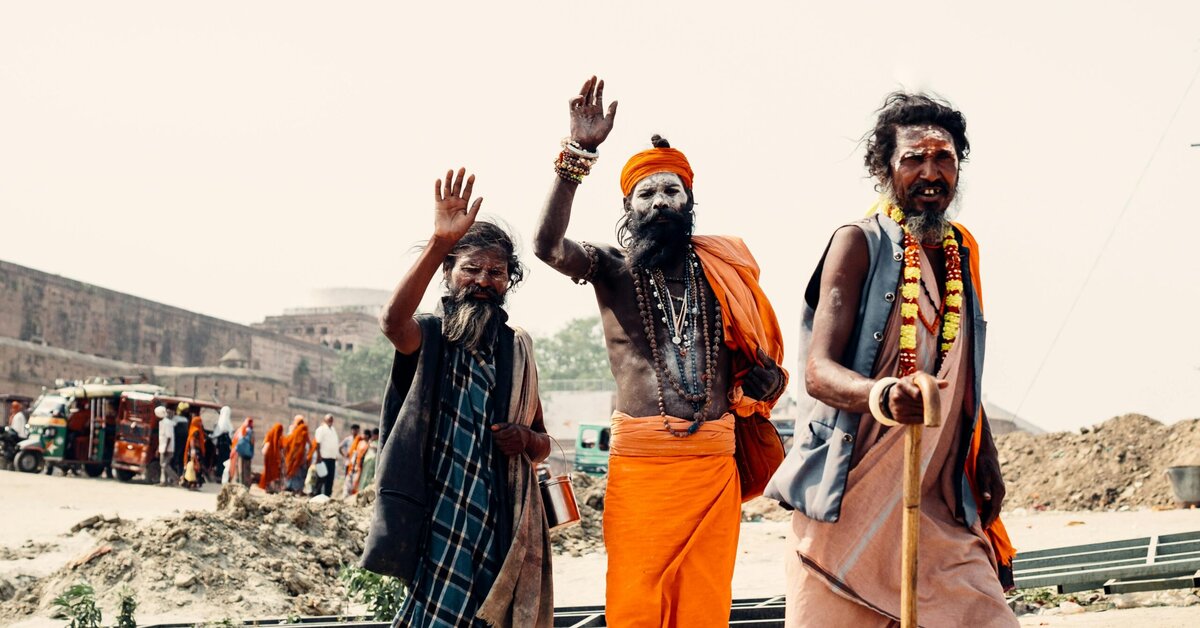
Magh Mela for Senior Citizens Facilities Risks & Best Camps , Picture this: a 75-year-old grandmother, wrapped in woolen shawls, her eyes gleaming with determination as she prepares for what might be her final pilgrimage to the sacred Sangam. For countless senior citizens across India, attending Magh Mela Prayagraj isn’t just a religious obligation—it’s a spiritual calling that grows stronger with age.
Magh Mela, held annually at Prayagraj during the Hindu month of Magh, attracts millions of devotees seeking spiritual purification. Increasingly, a significant portion of these pilgrims are senior citizens, drawn by the promise of divine blessings and the desire to fulfill lifelong spiritual aspirations. But here’s the question that concerns many families: Can elderly parents safely undertake this demanding pilgrimage?
Magh Mela for Senior Citizens Facilities Risks & Best Camps, The good news is that Magh Mela organizers have increasingly recognized the special needs of senior pilgrims. With proper planning, appropriate facilities, and awareness of potential risks, elderly devotees can absolutely have a meaningful and safe spiritual experience. This comprehensive guide will walk you through everything senior citizens and their families need to know.
Magh Mela for Senior Citizens Facilities Risks & Best Camps , There’s something profoundly moving about the devotion of elderly pilgrims at Magh Mela. For many, this journey represents the culmination of a lifetime of faith. As we age, the urgency to connect with the divine often intensifies—there’s an awareness of mortality that makes spiritual practices more immediate and precious.
Magh Mela for Senior Citizens Facilities Risks & Best Camps ,Hindu tradition particularly emphasizes the importance of pilgrimages during the later stages of life, known as Vanaprastha. The act of bathing at the Sangam during Magh is believed to cleanse accumulated karmic debts and pave the way for moksha (liberation). For senior citizens, this isn’t superstition; it’s a deeply held belief that brings peace and purpose.
Beyond spiritual motivations, Magh Mela offers elderly devotees a chance to reconnect with their cultural roots, share traditions with younger family members, and experience the joy of collective devotion. Many seniors report feeling rejuvenated and spiritually fulfilled after attending, despite the physical demands.
Let’s be realistic—aging bodies don’t have the same resilience as younger ones. Senior citizens often deal with reduced mobility, chronic health conditions like diabetes or hypertension, weakened immune systems, and decreased stamina. The demanding environment of Magh Mela—with its crowds, cold weather, and basic facilities—can pose genuine challenges.
Arthritis might make walking on uneven ground difficult. Heart conditions require careful monitoring. Diabetes demands strict medication schedules and dietary control. These aren’t obstacles to participation, but they do require acknowledgment and planning.
What might be a minor inconvenience for younger pilgrims can become a major barrier for seniors. Things like accessible toilets, comfortable seating areas, shorter walking distances, and clean, warm accommodation aren’t luxuries—they’re necessities that can make or break the pilgrimage experience.
Senior-friendly infrastructure needs to account for wheelchairs, walkers, and mobility aids. Steps should have railings, pathways should be well-lit and even, and rest areas should be strategically placed.
Perhaps the most critical aspect of senior participation is medical preparedness. Quick access to healthcare facilities, availability of emergency services, and the ability to manage sudden health complications can literally be life-saving. This is where modern Magh Mela organization has made significant strides.
The Uttar Pradesh government and Magh Mela administration have progressively improved facilities for elderly pilgrims. Recognizing that a significant portion of attendees are seniors, authorities have implemented several age-friendly measures.
Special senior citizen help desks are stationed throughout the Mela grounds, staffed with volunteers trained to assist elderly pilgrims. These desks provide information, help with navigation, and can coordinate emergency assistance if needed.
One of the most significant improvements has been the provision of wheelchairs and battery-operated vehicles for senior citizens. These are available at key locations, either free of charge or for a nominal fee, allowing elderly pilgrims with mobility challenges to access important areas.
Designated ramps have been constructed at major Ghats, providing wheelchair-friendly access to bathing areas. While not every location is fully accessible, the main bathing Ghats now accommodate those who cannot manage steps.
Multiple medical camps specifically dedicated to senior citizens operate throughout Magh Mela. These camps are strategically located and staffed with doctors experienced in geriatric care. They provide free health check-ups, basic medications, and monitoring for chronic conditions.
For more serious medical needs, the Mela grounds have ambulances on standby and established hospitals in Prayagraj are connected to the emergency response system. Many camps also maintain tie-ups with private hospitals for quick referrals.
A dedicated emergency helpline operates 24/7 during Magh Mela. Senior citizens or their companions can dial for immediate medical assistance. Response times have improved significantly, with medical teams positioned throughout the Mela area to reach emergencies within minutes.
On main bathing dates, when crowds swell to massive proportions, special queues for senior citizens, differently-abled pilgrims, and women with small children are maintained. These priority lanes significantly reduce waiting time and physical strain, though enforcement can vary depending on crowd management on any given day.
The Magh Mela administration sets up specific camps designated for senior citizens. These government-run facilities offer basic but clean accommodation at minimal cost or sometimes free of charge. They typically include dormitory-style tents with cots, blankets, basic toilet facilities, and security.
While these camps don’t offer luxury, they provide safe, accessible, and affordable options for elderly pilgrims. The atmosphere is communal, which many seniors appreciate—sharing space with fellow devotees creates a sense of spiritual community.
For families seeking more comfort for elderly parents, numerous private operators run premium camps specifically designed with senior-friendly features. These camps typically offer:
These premium camps range from moderately priced to luxury options, but the investment often proves worthwhile for the comfort and peace of mind they provide.
Several ashrams and dharamshalas in Prayagraj offer accommodation during Magh Mela. These can be excellent options for senior citizens, as they often provide a quieter, more spiritual atmosphere compared to the bustling Mela grounds. Many ashrams have experience hosting elderly pilgrims and understand their needs.
The advantage here is the spiritual environment—regular prayer sessions, satsangs, and guidance from religious teachers. However, facilities vary widely, so advance inspection or reliable recommendations are important.
Not all camps are created equal when it comes to accommodating elderly pilgrims. Here’s what to prioritize:
Proximity to bathing Ghats: Shorter distances reduce physical strain. Camps within 500-1000 meters of the Sangam are ideal, though these tend to be pricier and book quickly.
Medical facilities: On-site or immediately accessible medical support is non-negotiable. Check whether doctors visit regularly or are available on-call.
Sanitation standards: Clean, accessible toilets with proper lighting make a huge difference. Western-style commodes are easier for most seniors than Indian-style facilities.
Security: Well-lit, fenced camps with security personnel ensure safety, particularly important for elderly pilgrims who might be vulnerable.
Food arrangements: Camps offering hygienic, nutritious meals tailored to senior dietary needs (low salt, diabetic-friendly, easily digestible) are valuable.
Assistance services: Camps that provide attendants to help with daily activities—fetching water, accompanying to Ghats, managing luggage—significantly reduce stress.
While specific camp names and operators change yearly, certain organizations consistently provide quality facilities for seniors:
Sector-based Government Camps: The Magh Mela administration designates certain sectors specifically for senior citizens. Sector numbers change, so check the current year’s arrangements. These offer basic, reliable facilities at minimal cost.
Established Religious Organizations: Organizations like the Ramakrishna Mission, Chinmaya Mission, or other established spiritual institutions often run well-managed camps with good facilities and a devotional atmosphere conducive to elderly pilgrims.
Reputed Private Operators: Several private companies specialize in Kumbh and Magh Mela accommodations. Look for operators with verifiable reviews, transparent pricing, established track records, and specific senior-citizen packages.
The Magh Mela area is vast, spanning several kilometers along the river banks. For senior citizens, location matters tremendously:
Advantages of proximity to Sangam: Less walking distance, easy access for daily baths if desired, and being at the spiritual center of activities.
Advantages of slightly distant locations: Less crowded, quieter environment for rest, often better sanitation, and somewhat lower costs.
Many experienced pilgrimage planners suggest a middle-ground approach—not right at the Sangam (which can be overwhelmingly crowded) but within reasonable distance, perhaps accessible by a short vehicle ride.
From surveying senior pilgrims and their families, these amenities consistently top the priority list:
Magh falls during North India’s coldest period, with temperatures often dropping to 5-10°C or even lower, particularly during early mornings. For senior citizens, this poses several risks:
Hypothermia: Elderly bodies regulate temperature less efficiently. Prolonged exposure to cold, especially after bathing in cold river water, can dangerously lower body temperature.
Increased blood pressure: Cold weather constricts blood vessels, which can spike blood pressure in those with hypertension.
Joint pain aggravation: Arthritis and joint conditions typically worsen in cold weather, making movement more painful and difficult.
Respiratory stress: Cold air can trigger breathing difficulties, particularly for seniors with asthma or COPD.
The Mela grounds see thousands of cooking fires, vehicle emissions, and general air pollution. Additionally, winter fog can trap pollutants. Senior citizens with respiratory conditions need to be particularly cautious, perhaps using masks during high-pollution hours and avoiding areas with heavy smoke.
The sheer number of people at Magh Mela, particularly on auspicious bathing dates, creates significant physical and psychological stress. For elderly pilgrims:
Physical pushing and jostling: Can lead to falls or injuries Sensory overload: The noise, crowds, and constant stimulation can be exhausting Dehydration and heat exhaustion: Even in winter, exertion in crowds can cause these issues Getting separated: In massive crowds, losing companions is a genuine risk
Despite improvements, food and water safety remain concerns. Senior citizens with compromised immune systems are more vulnerable to gastrointestinal infections. Contaminated food or water can lead to diarrhea, vomiting, and dehydration—conditions that are more serious in elderly individuals.
At least two to four weeks before attending Magh Mela, senior citizens should undergo a comprehensive health check-up. Discuss your pilgrimage plans with your doctor, who can:
For seniors with chronic conditions, get explicit clearance and specific instructions for managing health during the trip.
Pack at least 50% more medication than you think you’ll need. Delays, lost luggage, or extended stays happen. Carry medications in original containers with labels clearly showing what they are.
Prepare a medical document folder containing:
Keep both physical and digital copies (photos on your phone).
Proper clothing makes an enormous difference in comfort and health:
Layered thermal wear: Multiple thin layers trap warmth better than one thick layer Woolen shawls and blankets: Easily added or removed as needed Warm socks and comfortable, closed shoes: Feet protection is crucial Waterproof jacket or poncho: For unexpected rain Head covering: Significant heat loss occurs through the head Cotton undergarments: Even in winter, for the bathing ritual
Additionally, pack:
Senior citizens should never attend Magh Mela alone. Always have at least one companion, preferably family members or trusted friends who understand your health needs. In large crowds, consider:
Every senior pilgrim should wear visible identification:
Program emergency contacts into phones and ensure the phone is always charged. Consider carrying a portable charger.
Strategically timing your bathing and activities can dramatically reduce risks:
Prayagraj is well-connected by rail, road, and air. For senior citizens:
By train: Most comfortable option with sleeper or AC compartments. Book well in advance. Lower berths are essential—specifically request these when booking.
By air: Prayagraj airport (Bamrauli) connects to major cities. Least physically demanding option but more expensive.
By road: Private cars offer flexibility and comfort but involve long journeys. Ensure frequent stops for rest.
Within Prayagraj and the Mela grounds:
E-rickshaws and battery-operated vehicles: Available throughout the Mela, relatively affordable, and easier than walking long distances.
Special senior citizen transport services: Some camps offer shuttle services between accommodation and main Ghats.
Wheelchair services: Available at major points, can be pre-arranged through camp operators.
Avoid walking during peak crowd times. The investment in vehicles is well worth the reduced physical strain and safety concerns.
Many families arrange private vehicles (car or van) for the entire duration of the pilgrimage. While expensive, this provides:
For multi-generational family pilgrimages, this often proves the most practical solution.
Maintaining proper nutrition and avoiding foodborne illness are crucial for senior health during Magh Mela. The general Mela environment has countless food vendors, but quality and hygiene vary tremendously.
Safest options:
Special dietary needs: If you require diabetic-friendly, low-sodium, or other special diets, inform your camp operator in advance. Many premium camps accommodate these needs. Alternatively, carry supplementary foods that meet your requirements.
Meal timing: Try to maintain regular meal schedules. Skipping meals or eating irregularly can cause issues with blood sugar, energy levels, and medication effectiveness.
The point of attending Magh Mela isn’t to prove physical endurance—it’s spiritual fulfillment. Senior pilgrims should remember that devotion isn’t measured in how much physical hardship you endure.
Pace yourself: You don’t need to do everything. One meaningful bath at the Sangam holds as much spiritual merit as daily bathing if your health doesn’t permit it.
Quality over quantity: Spend time in meditation and prayer in the quiet of your camp rather than constantly navigating crowds.
Participate in your capacity: If walking to the Ghat is challenging, take a vehicle or boat. If standing for long ceremonies is difficult, pray from a seated position. The divine appreciates sincere devotion, not physical feats.
Engage with community: One beautiful aspect of Magh Mela is the spiritual community. Attending satsangs, sharing experiences with fellow pilgrims, and participating in group prayers can be deeply fulfilling without being physically demanding.
Kamla Devi, 72, from Varanasi, attended Magh Mela for the first time last year with her family: “I was nervous about my arthritis and the cold, but we stayed in a good camp with heating and medical support. My grandson helped me take the holy bath from a boat. It was the most peaceful spiritual experience of my life. I felt blessed and capable.”
Rajendra Singh, 68, who has diabetes and heart disease, shared: “My doctor initially hesitated, but after check-ups, he approved with precautions. I carried all my medications, stayed in a camp close to the Ghat, avoided peak crowd times, and my children were always with me. The key is planning. I managed everything safely and the spiritual peace I gained was worth every bit of preparation.”
Not all experiences are smooth, though. Meera Sharma recounted her mother’s challenges: “My 75-year-old mother insisted on attending. We underestimated the cold and crowds. She developed bronchitis from the cold night air and we had to cut the trip short. Next time, we’ll book a better camp with proper heating and go during slightly warmer weeks of Magh.”
These real stories underscore a common theme: with proper preparation and realistic expectations, senior citizens can have meaningful, safe experiences at Magh Mela.
Magh Mela for senior citizens isn’t about whether they should attend, but how they can attend safely and meaningfully. The spiritual rewards of this sacred pilgrimage are available to devotees of all ages, but elderly pilgrims require special consideration, planning, and facilities.
The good news is that infrastructure and awareness have improved significantly. Government initiatives, private camp operators, medical facilities, and transportation options have all evolved to accommodate senior citizens more effectively than ever before. Still, the responsibility lies primarily with the pilgrims and their families to prepare adequately, choose appropriate facilities, and remain vigilant about health and safety.
Remember that spirituality in later life is about deepening connection with the divine, not proving physical capability. Take the holy bath, yes, but also take rest. Participate in rituals, but honor your body’s limitations. Seek blessings, but also seek comfort and safety.
For families with elderly parents yearning for this pilgrimage, don’t automatically dismiss it as too difficult. With the information and resources outlined in this guide, you can help them fulfill this spiritual aspiration safely. The joy and peace that elderly devotees experience at Magh Mela—the sense of completion, spiritual fulfillment, and divine connection—is precious and profound.
Plan well, choose wisely, stay safe, and may your pilgrimage to the sacred Sangam bring blessings, health, and spiritual peace.
There’s no official minimum age, as health varies greatly among individuals. The key is functional health rather than chronological age. Seniors who can walk moderate distances (even with support), manage basic self-care, don’t have unstable health conditions, and have medical clearance from their doctor can generally attend safely. Those with recent heart attacks, strokes, severe respiratory diseases, or uncontrolled chronic conditions should consult specialists before deciding. Ultimately, your doctor’s assessment of your specific health status should guide the decision, not your age alone.
For most senior citizens, yes, premium camps are absolutely worth the investment. The difference in comfort, safety, cleanliness, and medical support can transform the experience from potentially hazardous and exhausting to safe and spiritually fulfilling. Consider that the cost difference—often a few thousand rupees—is modest compared to the potential medical expenses if health issues arise due to inadequate facilities. Premium camps typically offer warm accommodation, clean toilets, hygienic food, medical support, and assistance services that directly address senior citizens’ vulnerabilities. Unless budget constraints are severe, prioritize comfort and safety over cost savings.
Absolutely. Several options accommodate mobility challenges. Wheelchair-accessible ramps have been constructed at major Ghats, allowing wheelchair users to get close to the water. Boat snan (bathing from boats) is another excellent option—boats can be hired to take you directly to the Sangam confluence, where you can bathe with minimal physical strain. Some camps arrange special assistance for mobility-challenged pilgrims, including attendants who help with the bathing ritual. The spiritual merit of the bath doesn’t diminish based on how you access the water. What matters is your devotion and faith, not your physical method of getting there.
First, contact your camp’s medical support immediately if you’re staying at a facility with such services. Simultaneously, dial the Magh Mela emergency helpline (the specific number is publicized each year by the administration). Medical teams are stationed throughout the Mela grounds and can typically reach emergencies within minutes. For serious conditions, ambulances will transport to major hospitals in Prayagraj. This is why carrying comprehensive medical documents and emergency contacts is crucial—it allows rapid, appropriate treatment even if the patient cannot communicate. Prevention is better: daily monitoring of vital signs, strict medication adherence, and avoiding overexertion significantly reduce emergency risks.
For most senior citizens, visiting during the regular Magh period (avoiding the main bathing dates like Makar Sankranti, Mauni Amavasya, and Basant Panchami) is actually preferable. While main bathing dates carry special spiritual significance, they also bring overwhelming crowds that pose safety risks and physical challenges for elderly pilgrims. The regular days of Magh month still carry spiritual merit—daily bathing throughout Magh is considered highly auspicious. You’ll find smaller crowds, easier access to facilities, more personalized assistance, and significantly reduced stress. If you do wish to participate on main dates, consider boat snan or visiting during off-peak hours (mid-morning or afternoon) rather than the most crowded dawn period. Spiritual fulfillment doesn’t require battling crowds; prioritize safety and comfort.

One Comment
Comments are closed.