Your cart is currently empty!
You may check out all the available trips and book one that suits you.
Continue Browsing TripsNo destinations found
No destinations found
No destinations found
No destinations found
No destinations found
No destinations found
No destinations found
No destinations found
No destinations found

No destinations found
No destinations found
No destinations found
No destinations found
No destinations found
No destinations found
No destinations found
No destinations found
No destinations found
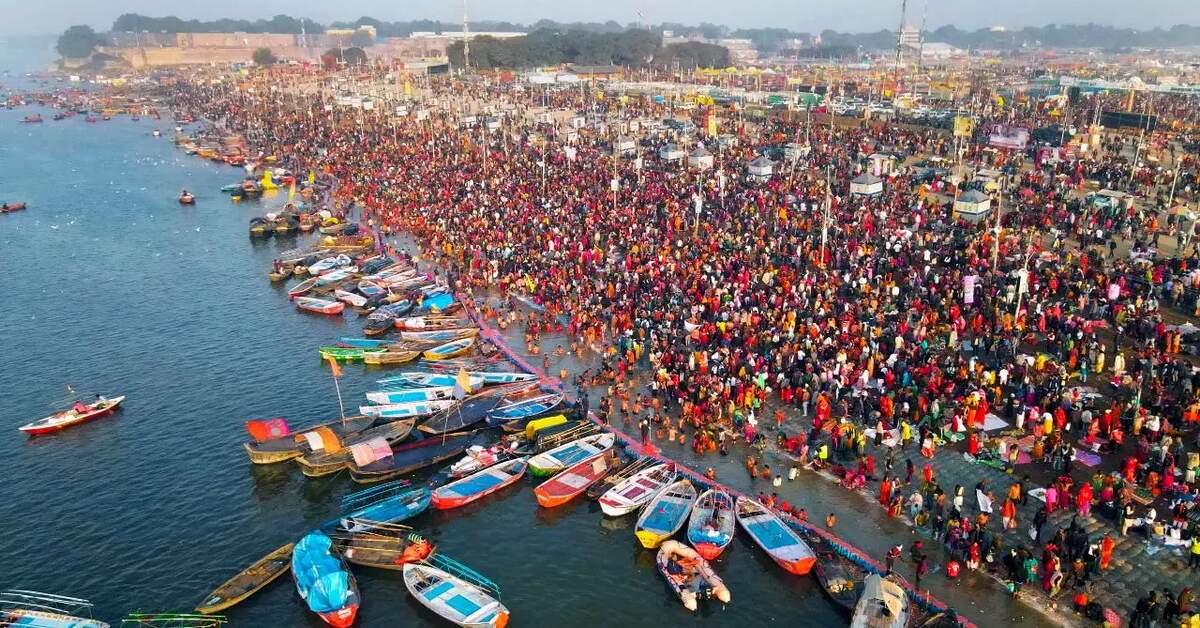
Magh Mela Camps Explained Difference Between Luxury Deluxe & Budget , Standing at the edge of the sprawling Prayagraj Magh Mela grounds, watching countless tents stretch toward the horizon, you might wonder: how different can these camps really be? After all, they’re all temporary structures set up for a religious gathering. Shouldn’t devotion be the focus, not accommodation comfort?
Here’s the reality—your choice of camp can fundamentally transform your Magh Mela experience from spiritually enriching to physically exhausting, or from unnecessarily expensive to perfectly suited for your needs. The difference between waking up warm and rested versus shivering through the night affects your ability to participate meaningfully in rituals, your health throughout the pilgrimage, and your overall spiritual experience.
With accommodation options ranging from basic budget camps at a few hundred rupees per night to luxury camps costing tens of thousands, understanding what you’re actually getting for your money isn’t just about budgeting—it’s about making an informed choice that aligns with your needs, physical capabilities, and expectations. Let’s break down exactly what distinguishes luxury, deluxe, and budget camps at Magh Mela.
Before diving into categories, you need to understand how Magh Mela accommodation works. Unlike hotels with fixed locations and permanent structures, Magh Mela camps are temporary tent cities erected specifically for the event on the river banks and nearby areas.
The Magh Mela administration divides the area into numbered sectors, each containing multiple camps operated by different organizations—government bodies, religious institutions, private operators, and NGOs. Location matters significantly; camps closer to the Sangam (the confluence point) offer convenience but tend to be noisier and more crowded, while those farther away provide more tranquility but require transportation for bathing.
Understanding this structure helps you evaluate camps not just by category (budget, deluxe, luxury) but also by location, operator reputation, and specific amenities that matter most to you.
Budget camps represent the most basic accommodation available at Magh Mela. Think of them as providing shelter and essential services without frills. These are often large dormitory-style tents housing multiple families or groups, with minimal privacy and basic facilities.
The fundamental promise of budget camps is simple: a roof over your head, a place to sleep, access to toilet facilities, and usually some form of communal meal arrangement. That’s it. Everything beyond these basics is either absent or available for additional charges.
What can you realistically expect in a budget camp?
Accommodation: Large tents divided by curtains or shared entirely, with basic cots or sleeping platforms. Bedding might be a thin mattress and blanket—sometimes provided, sometimes you bring your own. Privacy is minimal to non-existent. You’ll likely share space with strangers.
Sanitation: Common toilet blocks serving dozens or hundreds of people. These are typically Indian-style toilets, often without consistent water supply. Cleanliness varies dramatically depending on maintenance frequency and user volume. Bathing facilities are usually cold water only, with limited shower areas.
Food: Basic vegetarian meals—often simple dal, rice, roti, and sabzi served at set times. The food is generally edible and safe but don’t expect variety, customization, or gourmet quality. It’s fuel, not a dining experience.
Heating: Minimal or absent. You might get a communal bonfire area, but individual tent heating is rare. Bring your own warm clothing and layers.
Electricity: Limited and unreliable. Charging facilities might be available at designated points, not in your sleeping area. Bring fully charged devices and power banks.
Security: Basic perimeter security for the entire camp, but minimal supervision within. Keep valuables with you at all times.
Budget camps aren’t for everyone, but they’re perfect for certain pilgrims:
Young, healthy travelers who can tolerate basic conditions and prioritize spiritual experience over physical comfort. Groups of friends or family who don’t mind shared accommodations and can support each other. Pilgrims with very limited budgets for whom camp cost makes the difference between attending or not. Those with prior camping or basic accommodation experience who know what they’re getting into. Short-stay visitors who’ll only spend one or two nights—tolerating discomfort briefly is easier than extended periods.
Why would anyone choose budget camps? Several good reasons:
Affordability: At ₹200-800 per person per night, budget camps make Magh Mela accessible to pilgrims with limited means. This democratic accessibility aligns with the spiritual principle that devotion shouldn’t be restricted by economic status.
Authentic experience: Budget camps often provide the most “traditional” Magh Mela experience—communal living, simple arrangements, interaction with diverse pilgrims, and focus on spirituality rather than comfort.
Flexibility: Many budget camps allow shorter stays or even daily rates without long-term commitment, providing flexibility for spontaneous pilgrims.
Community atmosphere: Shared facilities and spaces naturally create interactions with fellow devotees, often leading to meaningful spiritual conversations and connections.
Budget camps come with significant limitations that you need to accept upfront:
Comfort sacrifices: Cold nights, hard beds, noise from neighbors, and lack of privacy are standard. If these conditions will make you miserable, consider upgrading.
Hygiene challenges: Sanitation quality is the biggest complaint. Shared toilets with hundreds of users, limited cleaning, and water supply issues can be genuinely unpleasant.
No personal support: You’re largely on your own. Need help with something? There’s no attendant to call. Medical issue? The camp might have basic first aid at best.
Location trade-offs: Budget camps are often farther from prime locations to keep costs down, meaning more walking or transportation expense.
Deluxe camps represent the sweet spot for many pilgrims—significantly more comfortable than budget options without the premium price tag of luxury camps. These camps recognize that many pilgrims want a spiritual experience without suffering unnecessarily.
The fundamental difference is that deluxe camps provide privacy, better comfort, and cleaner facilities while maintaining relatively accessible pricing. You get your own tent or defined space, improved bedding, better sanitation, and usually some personalized service.
Accommodation: Private or semi-private tents for families or small groups. These tents are usually equipped with proper beds with mattresses (not just cots), clean linens, pillows, and adequate warm bedding. Space is sufficient to move around and store luggage.
Sanitation: Attached or nearby private/semi-private bathroom facilities. While still possibly tent-based, these are much cleaner and maintained more frequently. Many deluxe camps offer western-style toilets, which elderly and foreign visitors particularly appreciate. Hot water is usually available during certain hours.
Food: Improved meal quality with more variety, better preparation, and some customization options. Meals are often served in dedicated dining areas rather than mass distribution. Some camps offer à la carte options for additional cost.
Heating: Most deluxe camps provide room heaters or proper blankets and quilts for cold nights. You’ll still want warm clothing, but you won’t be freezing.
Electricity: More reliable power supply with charging points in or near your tent. Better lighting for nighttime comfort.
Security: Improved with assigned tent numbers, better oversight, and sometimes individual tent locks or security.
Support staff: Access to camp attendants who can assist with needs, answer questions, and help coordinate activities or transportation.
Deluxe camps work well for:
Families with children or elderly members who need privacy and better facilities but can’t justify luxury pricing. First-time Magh Mela visitors who want comfort while experiencing the pilgrimage. Pilgrims with moderate health concerns who need decent facilities but don’t require premium medical support. Those balancing budget and comfort who want the best value proposition. Medium-length stays (3-7 days) where comfort becomes increasingly important.
The upgrade from budget to deluxe brings substantial improvements:
Privacy and personal space: Your own tent means you control your environment, sleep schedule, and storage. No strangers sharing your sleeping area.
Significantly better sanitation: This alone justifies the upgrade for many. Clean, accessible bathrooms dramatically improve daily comfort.
Better rest quality: Proper beds and quieter, private spaces mean you actually sleep well, which affects your energy and spiritual engagement.
Some personalized service: Having staff to help with questions, arrangements, or small needs reduces stress.
Enhanced safety for belongings: Private, lockable spaces mean your valuables are more secure.
Deluxe camps still have limitations compared to luxury options:
Space constraints: Tents are comfortable but still compact—not spacious living areas with separate sections.
Basic amenities: You get necessities but not luxuries like air conditioning alternatives, premium bedding, or extensive furniture.
Limited specialized services: No personal attendants, concierge services, or comprehensive support.
Standard dining: Better than budget but not gourmet or fully customized to dietary needs.
Location compromise: Often not in the absolute prime locations that luxury camps secure.
Luxury camps at Magh Mela redefine what temporary accommodation can be. These aren’t just improved tents—they’re comprehensive hospitality experiences that happen to be in temporary structures. The goal is to provide hotel-quality comfort within the pilgrimage setting.
Luxury camps recognize that many pilgrims—particularly international visitors, elderly devotees, or those with health considerations—want the spiritual benefits of Magh Mela without sacrificing fundamental comforts that affect health and wellbeing.
Accommodation: Spacious Swiss cottage-style tents or large luxury tents with separate sleeping and sitting areas. These feature proper beds with quality mattresses, multiple pillows, premium bedding, furniture including chairs and tables, carpeted or insulated flooring, proper doors with locks, and sometimes even small verandas.
Sanitation: Attached private bathrooms within your tent accommodation, often with western-style toilets, hot water running showers (not just buckets), proper lighting and ventilation, quality fixtures and fittings, and daily housekeeping and maintenance.
Climate control: Effective heating systems for winter warmth, insulated tent construction to retain heat, quality blankets and quilts, and sometimes even electric blankets or additional climate control options.
Furniture and decor: Beyond beds, expect seating areas with comfortable chairs, tables for dining or working, storage options like wardrobes or shelves, proper lighting with multiple fixtures, and often tasteful decoration that creates a pleasant atmosphere.
Technology: Reliable electricity with multiple charging points, WiFi connectivity (though quality varies), adequate lighting for reading and activities, and sometimes even televisions in premium luxury camps.
Luxury camps typically provide comprehensive support services:
Personal attendants: Staff assigned to your tent or group who assist with daily needs—bringing hot water for tea, helping arrange transportation, answering questions about rituals, and generally ensuring your comfort.
Ritual coordination: Many luxury camps help arrange priests for ceremonies, organize transportation to Sangam for bathing at auspicious times, provide guidance on appropriate rituals, and even assist with ritual materials and offerings.
Transportation: Included or easily arranged vehicles for reaching bathing Ghats, local sightseeing, airport/station transfers, and any other transportation needs.
Medical support: On-site medical staff or doctors on call, basic medical facilities within the camp, coordination with hospitals for serious issues, and sometimes even health monitoring for elderly guests.
Laundry services: Cleaning of clothes during your stay, which becomes important for longer visits.
Special requests: Ability to accommodate dietary restrictions, arrange special celebrations or ceremonies, provide extra amenities on request, and generally customize the experience to your needs.
Food in luxury camps approaches restaurant quality:
Meal variety: Multiple cuisine options, often including North Indian, South Indian, and sometimes continental choices. Daily menu changes prevent monotony.
Customization: Dietary restrictions accommodated—diabetic meals, low-sodium options, Jain food, specific regional preferences, and allergy-safe preparations.
Presentation and service: Meals served in proper dining tents with tables and seating, plated service rather than buffet style (though some offer both), and attention to presentation and dining experience.
Quality ingredients: Higher quality produce, fresh preparations, and better hygiene standards in food handling.
Flexible timing: Unlike fixed meal times in budget camps, luxury camps often accommodate individual schedules.
Additional options: Tea/coffee available throughout the day, snacks and refreshments, and sometimes even à la carte ordering.
Budget: Large communal tents with minimal division. You might have 50-100 square feet of floor space shared with family, and virtually no privacy from neighbors. Sound travels freely; you’ll hear everything around you.
Deluxe: Private tent for your family/group, typically 150-250 square feet. Proper walls separating you from neighbors. Conversations can be heard if loud, but you have genuine personal space.
Luxury: Spacious tents of 300-500+ square feet with separate sleeping and living areas. Some luxury camps offer two-bedroom configurations. Excellent sound insulation and complete privacy.
Budget: Basic cots with thin foam mattresses or sleeping mats on platforms. Simple cotton sheet and one blanket. Pillow might be provided or you bring your own. Comfort level comparable to budget railway sleeper class.
Deluxe: Proper beds with 4-6 inch mattresses, clean cotton or blended linens, 2-3 blankets plus quilts for warmth, decent pillows, and sometimes extra cushions. Comfort level similar to a decent budget hotel.
Luxury: Quality beds with comfortable mattresses (sometimes even spring mattresses), premium bedding with high thread count, multiple pillows of different firmness, heavy quilts and duvets for cold nights, and sometimes electric blankets or heated mattresses. Comfort approaching good hotels.
Budget: Minimal heating. Communal bonfire areas provide warmth if you go there, but your sleeping area has no individual climate control. Dress warmly and bring extra blankets.
Deluxe: Room heaters provided (electric or gas), though they might not run all night due to power limitations. Adequate bedding for warmth. You’ll be comfortable but not toasty.
Luxury: Effective heating systems that maintain comfortable temperatures, insulated tent construction that retains warmth, unlimited hot water, and sometimes even heated bathroom floors. You’ll forget you’re in a tent during winter.
Budget: Common toilet blocks shared by hundreds, primarily Indian-style squat toilets, often limited toilet paper (bring your own), inconsistent water supply, cleaning happens but infrequently, and queues during peak morning hours. The sanitation situation is probably the biggest challenge of budget camps.
Deluxe: Private or semi-private facilities shared by perhaps 2-4 tents, mix of Indian and western-style toilets, more consistent water and cleaning supplies, regular maintenance (cleaned multiple times daily), and much shorter waits. A significant quality-of-life improvement.
Luxury: Attached private bathrooms exclusively for your tent, western-style toilets with proper fixtures, consistent hot and cold running water, daily housekeeping, quality toilet paper and toiletries provided, proper lighting and ventilation, and essentially hotel-bathroom standards. You won’t think twice about using the facilities.
Budget: Cold water is standard. Hot water might be available in buckets during certain hours if you fetch it yourself from a central location. Bathing is often a cold-water experience or you skip it.
Deluxe: Hot water available during scheduled hours (usually morning and evening) in your nearby bathroom. Might be bucket-based or a proper shower. Timing requires planning but it’s accessible.
Luxury: Hot water available 24/7 through proper plumbing. Take a hot shower whenever you want, just like home. This seemingly simple amenity dramatically improves comfort, especially in January cold.
Budget: Depends heavily on user responsibility and how frequently staff clean (which might be once or twice daily). By evening, facilities can be quite unpleasant. Setting expectations low prevents disappointment.
Deluxe: More frequent cleaning (multiple times daily), smaller user base per facility means less wear, and generally maintained at acceptable standards. Not spotless but respectable.
Luxury: High cleanliness standards with housekeeping staff dedicated to maintenance. Cleaned multiple times daily, quality cleaning products used, and attention to detail in upkeep. Standards you’d accept at home.
The dining experience varies dramatically across camp categories and significantly impacts your overall satisfaction and health during the pilgrimage.
Budget camp meals are functional—simple vegetarian Indian food served at fixed times in mass distribution style. Expect dal, rice, chapati, vegetable curry, and perhaps some pickle or chutney. The food is generally safe and edible but monotonous. Portions are standard; seconds might be available but not guaranteed. Meal times are strict; miss them and you’re on your own. Hygiene practices are basic—food is cooked in large quantities with fundamental cleanliness but nothing special. No accommodation for dietary restrictions beyond the fact that everything is vegetarian.
Deluxe dining options step up considerably. Meals are served in proper dining areas with seating, the variety improves with rotating menus and multiple dishes per meal, food quality uses better ingredients and preparation, presentation matters with food served nicely rather than just distributed, some customization is possible (informing staff of restrictions beforehand helps), and meal timing has more flexibility with early/late options sometimes available. The difference is like eating at a decent restaurant versus street food—both can be safe and fine, but the experience differs markedly.
Luxury culinary experience approaches hotel dining standards. Multiple cuisine options might be available for each meal, a la carte ordering supplements set menus, chefs accommodate dietary requirements professionally (diabetic, low-sodium, allergies, regional preferences), ingredients are premium quality with attention to freshness, preparation and hygiene follow stringent standards, presentation makes meals pleasant experiences, dining areas are comfortable and well-appointed, and meal timing works around your schedule. Additionally, snacks and beverages are available throughout the day, sometimes even room service to your tent.
Health and safety infrastructure varies significantly and matters especially for elderly pilgrims or those with health concerns.
Budget camps offer minimal medical support. There might be a first-aid kit somewhere in the camp and possibly a volunteer with basic medical knowledge, but don’t expect professional healthcare. For serious issues, you’ll need to reach outside medical facilities yourself. Emergency response relies on general Magh Mela services, not camp-specific capabilities. Security is basic perimeter watching with minimal internal oversight.
Deluxe camps typically have improved medical access. Many station a qualified medical practitioner (nurse or doctor) who visits regularly or is on-call, basic medical supplies and common medications are available, the camp can help coordinate emergency transport to hospitals, staff is trained in basic emergency response, and security is more attentive with better monitoring of who enters and exits.
Luxury camps often provide comprehensive medical support including doctors on-site or immediately available, well-equipped medical rooms with monitoring capabilities, tie-ups with quality hospitals in Prayagraj for quick referrals, staff trained in emergency medical response, ambulance access on standby, and sometimes even health monitoring for guests (checking blood pressure, blood sugar for diabetics, etc.). Security includes proper surveillance, assigned security personnel, good lighting throughout the camp, and secure tent locks.
Where your camp is located affects your entire Magh Mela experience more than many realize.
Budget camps are often farther from the Sangam to keep costs down, might be located in less accessible sectors requiring more walking, and could be away from the main action and religious activities. This means you’ll need to arrange transportation daily for bathing, which adds time and cost. However, the distance provides quieter surroundings and less crowd density.
Deluxe camps typically secure better locations—not right at the Sangam (which is extremely crowded) but within reasonable reach. You might be 1-2 kilometers from main bathing Ghats, accessible by short vehicle rides or longer walks if you’re capable. Location often balances convenience with tranquility.
Luxury camps often secure prime locations as close to the Sangam as possible while maintaining some quiet. They also typically provide included transportation, so even if the camp isn’t adjacent to the Ghat, vehicles take you whenever needed. The location question becomes less critical when transportation is seamlessly handled.
Understanding the cost structure helps you evaluate whether the upgrade is worth it for your situation.
Expect ₹200-800 per person per night. Some government-run camps are even cheaper or free for certain groups. At this price point, you’re paying purely for basic shelter and minimal facilities. The low cost makes Magh Mela accessible to pilgrims of all economic backgrounds, which is spiritually important. Your investment is minimal, but so is the comfort level.
Typically ₹2,000-6,000 per person per night, varying by specific dates (main bathing dates cost more), camp location, and inclusions (some include all meals, some don’t). For families, tent-based pricing might be more economical than per-person rates. At this level, you’re paying for privacy, better facilities, cleaner sanitation, improved food, and some support services. The cost multiplies several times over budget camps, but the comfort improvement is substantial.
Ranges from ₹8,000-25,000+ per person per night depending on the specific camp, timing, and package inclusions. Premium luxury camps during peak dates can exceed ₹30,000 per person per night. At this level, you’re paying for comprehensive services, hotel-quality accommodation, premium food, medical support, included transportation, personal assistance, and essentially a managed, comfortable experience. The cost is substantial, but for those who can afford it, the peace of mind and comfort may be worth every rupee.
Beyond basic accommodation and meals, camps vary in additional support provided.
Guide services: Budget camps offer nothing; you navigate on your own. Deluxe camps might provide basic orientation and answer questions. Luxury camps often include guide services or can easily arrange knowledgeable guides for religious sites and rituals.
Ritual assistance: Budget camps provide no assistance; you figure out rituals yourself or hire priests independently. Deluxe camps might offer basic guidance or connect you with priests. Luxury camps typically coordinate everything—arranging priests, organizing ritual materials, scheduling bathing at auspicious times, and ensuring you perform ceremonies correctly.
Transportation support: Budget camps offer nothing; you arrange your own rickshaws or walk. Deluxe camps might help arrange vehicles but you pay separately. Luxury camps typically include shuttle services to Ghats and can arrange private vehicles for other needs, sometimes included, sometimes at discounted rates.
Luggage handling: Budget means you carry everything yourself. Deluxe might help with heavy items. Luxury camps typically handle your luggage from arrival to departure.
Communication support: Budget offers no assistance. Deluxe might have basic help. Luxury camps can assist with booking further travels, making phone calls, sending packages, and other logistical needs.
Understanding when and how to book ensures you get the camp category you want.
When to book: Luxury camps fill up 3-6 months in advance, especially for main bathing dates. Deluxe camps should be booked at least 2-3 months ahead. Budget camps have more availability but even these fill up closer to peak dates. Last-minute bookings usually mean fewer choices and potentially higher prices.
What to verify before paying: Whatever camp category you choose, confirm location specifically (sector number), exact amenities included, meal plan details, cancellation and refund policies, total cost including all charges (beware hidden fees), operator legitimacy and reviews from previous years, and get everything in writing. For luxury camps especially, request photos of actual accommodation (not promotional material) and clarify what “luxury” specifically means for that operator.
Payment terms: Be cautious about paying full amounts far in advance to unknown operators. Reputable camps accept partial advance with balance on arrival. Verify payment methods and get proper receipts. For expensive luxury camps, consider whether travel insurance might cover cancellations.
Direct booking vs agents: Booking directly with established camp operators often gets better rates and clarity. Third-party agents add commission costs. However, reputable travel agents specializing in pilgrimage tours can provide valuable service, especially for first-time visitors or international pilgrims who need comprehensive support.
So how do you decide which camp category is right for you? Consider these factors:
Physical health and age: If you’re young and healthy, budget camps are manageable. Elderly pilgrims or those with health issues should seriously consider deluxe or luxury for the medical support and comfort that directly affects health.
Cold tolerance: If you’re very sensitive to cold or have conditions worsened by cold exposure, proper heating in deluxe or luxury camps isn’t a luxury—it’s a medical necessity.
Sanitation standards you require: Some people can tolerate basic toilets; others find them genuinely distressing or unsanitary to the point of health concern. Be honest about this.
Length of stay: One night in budget accommodation is tolerable; seven nights might be miserable. Longer stays justify investment in better comfort.
Budget realities: If paying for luxury camps means financial hardship, that stress undermines the spiritual benefits. Choose what you can comfortably afford.
Spiritual priorities: Some pilgrims feel that austerity is part of the pilgrimage; others believe comfort allows better spiritual focus. Both approaches are valid.
Group composition: Traveling with elderly parents, young children, or anyone with special needs often necessitates higher camp categories regardless of your personal preferences.
Previous experience: First-time pilgrims might benefit from deluxe or luxury camps to ease into the Magh Mela experience. Experienced pilgrims know what they can handle.
Let’s address some misunderstandings:
“Luxury camps aren’t spiritual enough”—False. Spirituality comes from within, not from suffering unnecessarily. Comfort can actually enhance spiritual focus by removing physical distractions.
“Budget camps are unsafe”—Not necessarily. Basic doesn’t mean dangerous. Budget camps are generally safe, just uncomfortable. Take normal precautions.
“All deluxe camps are the same”—Definitely not. “Deluxe” is a broad category with huge variation. Research specific camps, read reviews, and verify amenities.
“Luxury camps lose the Magh Mela atmosphere”—Partially true. Luxury camps are more insulated from the raw Magh Mela experience, but you still access all religious activities and spiritual aspects. You simply return to comfort afterward.
“Price directly correlates to quality”—Not always. Some operators overcharge for mediocre service. Research reputation, not just price tags.
Choosing between luxury, deluxe, and budget camps at Magh Mela isn’t about spiritual worthiness—it’s about practical decision-making based on your health, comfort needs, budget, and what allows you to have the most meaningful pilgrimage experience.
Budget camps offer affordable access to Magh Mela and an authentic, traditional experience, perfect for healthy, younger pilgrims who can tolerate basic conditions. Deluxe camps provide the sweet spot of decent comfort and privacy without excessive cost, ideal for most families and first-time visitors. Luxury camps deliver comprehensive comfort and services, essential for those with health needs or who simply want to focus entirely on spiritual aspects without physical discomfort.
None of these choices is inherently better—they serve different needs and priorities. The key is honest self-assessment about what you need to have a safe, healthy, and spiritually fulfilling pilgrimage. Don’t let pride push you into budget accommodation when your health requires better facilities. Equally, don’t feel guilty choosing luxury if you can afford it and it serves your pilgrimage goals.
Research specific camps within your chosen category, verify amenities and reputation, book appropriately in advance, and set realistic expectations based on what you’re paying for. With the right camp choice, your Magh Mela pilgrimage can be both spiritually profound and physically manageable—exactly as it should be.
Theoretically yes, but practically it’s very difficult. During peak Magh Mela periods, camps are fully booked, so finding alternative accommodation at short notice is challenging. Additionally, most camps require advance booking and payment, so switching means losing your prepaid amount unless the camp has generous cancellation policies (most don’t). If you’re truly miserable and health is suffering, it’s worth trying—approach deluxe or luxury camp operators directly and explain your situation. Some might accommodate you if they have last-minute cancellations. However, it’s far better to choose appropriately initially. If uncertain, start with deluxe rather than budget—you can tolerate slightly more comfort than needed, but struggling with insufficient facilities is miserable.
This depends entirely on your personal situation. For healthy, young adults on a short visit, luxury camps are probably unnecessary—you’re paying for amenities you don’t critically need. However, luxury camps become worthwhile investments for elderly pilgrims with health concerns (medical support and comfort directly affect health), families with young children (safety and sanitation matter significantly), those with conditions requiring specific accommodations (temperature control, dietary needs, hygiene), international visitors unfamiliar with Indian basic accommodation norms, anyone staying for extended periods where cumulative discomfort matters, and people for whom the significant cost doesn’t create financial stress. Think of it this way: if inadequate facilities could genuinely threaten your health or completely undermine your spiritual experience, luxury camps are worth it. If you’ll be fine with less, save the money.
Good question—fraud and misrepresentation unfortunately exist. Verify legitimacy through these steps: research the operator’s history (established operators with years of Magh Mela experience are safer), look for verifiable reviews from previous years on independentplatforms (not just the operator’s website), check if they’re registered with Magh Mela administration (you can contact the administration office to verify), request references from previous clients and actually contact them, ask for specific sector and location details (vague answers are warning signs), use video calls to see the actual camp setup if booking during Magh Mela while they’re operational, verify business registration and contact details (legitimate operators have proper business credentials), be wary of prices far below market rates for claimed amenities (if it seems too good to be true, it probably is), and use payment methods that offer some recourse (credit cards, established payment platforms rather than direct cash transfers to personal accounts). For expensive luxury camps, consider working with reputable pilgrimage travel agents who vet operators.
Unfortunately, recourse during Magh Mela is limited. The temporary nature of the event and overwhelming demand means you have little leverage. However, take these steps: document everything immediately with photos and videos showing discrepancies between promised and actual facilities, complain to camp management immediately in writing (email or written complaint) establishing a paper trail, if the operator is part of an association or registered with Magh Mela administration, file complaints there as well, check your booking terms for any quality guarantees or refund clauses (though most protect the operator), if conditions are genuinely uninhabitable or fraudulent, consider contacting consumer forums or police (though expect slow response), and post detailed, factual reviews afterward to warn future pilgrims. Prevention is better: pay only partial amounts in advance when possible, visit the camp before your scheduled stay dates if you arrive in Prayagraj early, and maintain all booking communications and advertisements as evidence. Sadly, you might have to tolerate substandard conditions for your current stay, but you can seek refunds or legal recourse afterward.
This is a genuine trade-off requiring prioritization. A budget camp closer to the Sangam offers convenience for daily bathing, less transportation cost and hassle, easier participation in events and ceremonies, and being at the heart of Magh Mela atmosphere. However, you endure basic facilities, poor sanitation, minimal comfort, and potentially more noise and crowds. A deluxe camp farther away provides significantly better comfort and sanitation, proper rest and recovery, health and safety advantages, and quieter surroundings, but requires daily transportation arrangement, additional time and cost to reach bathing sites, and feeling somewhat removed from the central Magh Mela energy. Consider these factors: if you’re young and healthy with good cold tolerance, location might trump comfort. If you’re elderly, have health issues, or struggle with basic sanitation, comfort should win. For short visits (1-2 nights), tolerate discomfort for convenience. For longer stays, comfort becomes increasingly important as physical toll accumulates. If transportation is easily arranged (camp provides it, you hire a vehicle), location matters less. Ultimately, most pilgrims report that sanitation and sleep quality affect their experience more than an extra 15-minute ride to the Ghat. Deluxe comfort with slight location compromise is usually the wiser choice.
Comments are closed.