Your cart is currently empty!
You may check out all the available trips and book one that suits you.
Continue Browsing Trips
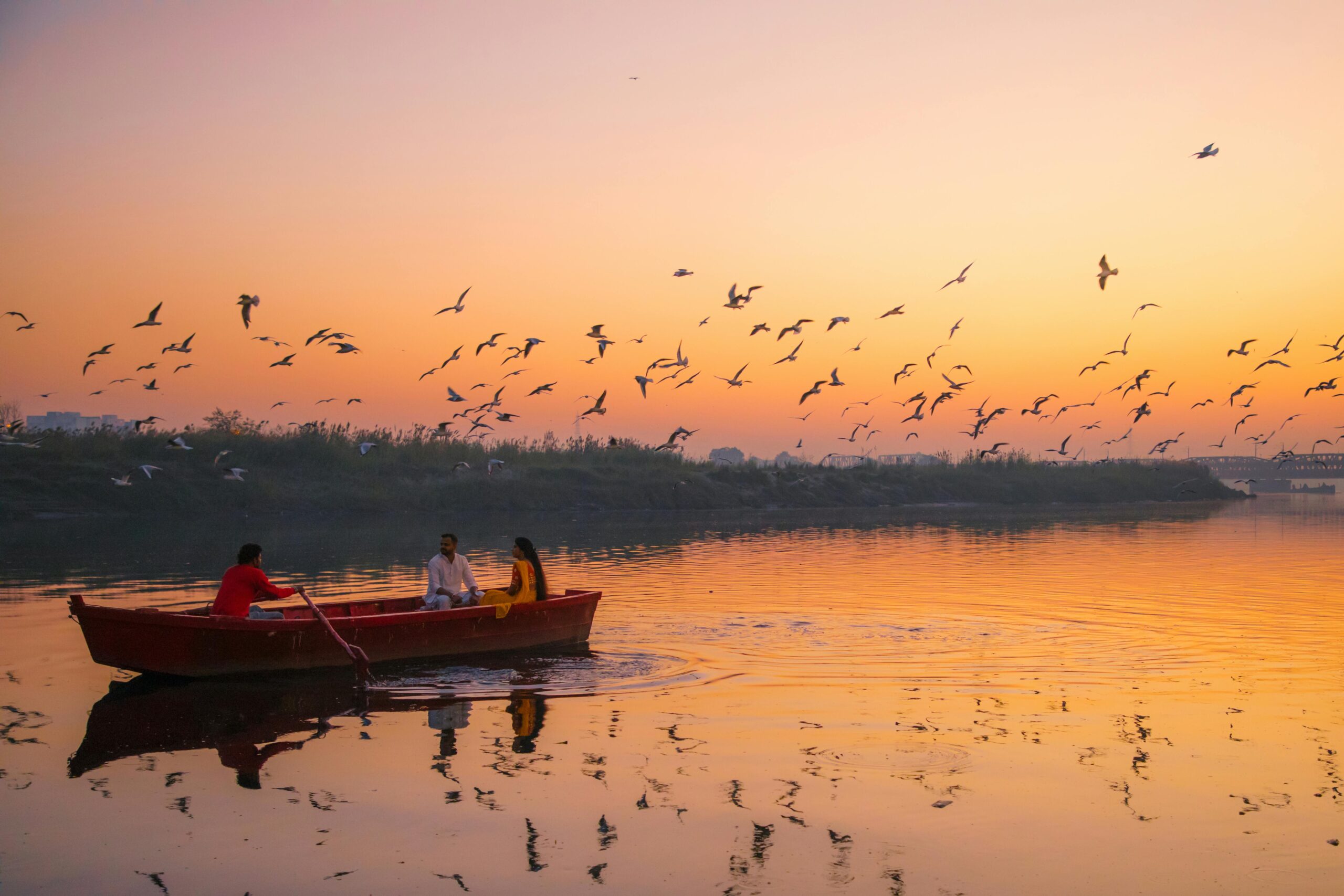
Is Magh Mela Safe for Families in 2026? , You’ve been planning this spiritual journey for months. The elders in your family speak reverently about Magh Mela Prayagraj, describing it as a once-in-a-lifetime experience. Your children are curious and excited. But as the departure date approaches, a knot of anxiety tightens in your stomach. Is Magh Mela actually safe for families? Will your children be okay in those massive crowds? What if someone gets sick or lost?
These fears aren’t irrational—they’re responsible parenting instincts responding to legitimate concerns. Here’s what’s frustrating: most Magh Mela promotional materials emphasize spiritual benefits and improved facilities while glossing over real safety challenges. Tourist websites paint rosy pictures. Even family members who’ve attended before might downplay difficulties, either because their memory has softened or they don’t want to discourage you.
You deserve the complete, honest truth—not to frighten you unnecessarily, but to help you make an informed decision and prepare adequately if you choose to attend. So let’s have the conversation that most people avoid: Is Magh Mela genuinely safe for families in 2026, and what are the real risks nobody talks about openly?
First, let’s establish baseline reality: Magh Mela is fundamentally safe in that millions of families attend annually without serious incidents. The vast majority of pilgrims, including families with children, complete their pilgrimage without major problems. If it were genuinely dangerous, authorities wouldn’t permit it, and families wouldn’t keep attending year after year.
Is Magh Mela Safe for Families in 2026? ,However—and this is crucial—”generally safe” doesn’t mean “without risks.” Magh Mela presents genuine safety challenges that families must understand and actively manage. The difference between a safe, meaningful family pilgrimage and a frightening experience often comes down to preparation, realistic expectations, and smart decision-making.
Official statistics will tell you about security personnel deployed, medical camps established, and safety measures implemented. These numbers are real and represent genuine efforts. What statistics don’t capture is the lived experience of navigating a temporary city of millions with your children, the stress of maintaining family cohesion in dense crowds, or the moments of genuine concern when you can’t immediately locate your child in a sea of thousands.
Both perspectives are true simultaneously: Magh Mela is manageable for families AND it requires serious attention to safety. Let’s examine the specific concerns that deserve your attention.
On regular days during Magh, crowds are substantial but manageable—think busy market or festival, not overwhelming. You can move at your own pace, maintain control of your children, and have personal space. Most of your Magh Mela experience falls into this category, which families handle fine.
Then there are the main bathing dates—Makar Sankranti, Mauni Amavasya, and Basant Panchami. These transform Magh Mela into something entirely different. Crowd density on these days, particularly at dawn near the Sangam, can reach levels that genuinely frighten even adults. We’re talking about being packed so tightly that you cannot move independently—the crowd’s momentum carries you forward whether you want to go or not.
In these extreme densities, you physically cannot bend down to pick up a dropped item, cannot turn around, cannot stop moving, and most alarmingly for parents, cannot keep physical hold of small children’s hands because the crowd pressure might pull them away from you.
Let’s use the actual word: stampede. It happens rarely, but it happens. When millions of people converge in limited space and panic triggers—whether from a genuine emergency or false alarm—crowd dynamics can turn deadly. History has recorded such incidents at major religious gatherings, including previous Kumbh and Magh Melas.
Authorities have learned from past tragedies and implemented better crowd management: clearly marked routes, barriers channeling crowd flow, separate entry and exit paths, designated family zones at some Ghats, and extensive security and monitoring. These measures work most of the time and have significantly reduced serious incidents.
However, no system is foolproof when dealing with such massive numbers. The reality is that on peak bathing dates, if something triggers panic, evacuation or escape becomes nearly impossible in the densest areas. This isn’t meant to terrify you—it’s meant to inform your decision-making about whether to bring children on main bathing dates and which areas to avoid.
Here’s what actually happens: You’re moving with the crowd, holding your eight-year-old’s hand. The crowd surges slightly. You maintain your grip, but your child stumbles. Instinctively, they let go to catch themselves. In that split second, three people move between you. Now you can’t see them, they can’t see you, and the crowd continues moving you in different directions.
Or: Your teenager thinks they see a better viewing spot and moves a few feet away. Normally, this wouldn’t matter—you’d follow or they’d return. But in dense crowds, those few feet become an unbridgeable gap. Within moments, you’ve lost sight of each other.
Or: Your toddler is in a carrier on your back. The crowd presses close. Someone behind you doesn’t see the child and accidentally elbows or pushes the carrier. Your child gets scared and cries, you can’t immediately comfort them properly, and the situation escalates.
These scenarios aren’t hypothetical—they happen multiple times during every major bathing date. Most children are eventually reunited with families, but those minutes or hours are terrifying for everyone involved.
Understanding how separations happen allows you to prevent them effectively:
Physical connection systems: For children under 10, use wrist links or harnesses (yes, child harnesses—pride isn’t worth your child’s safety). These prevent separation even if hands slip. Some families use rope systems where each member holds onto a rope loop, maintaining connection without grip strength.
Identification on children’s bodies: Write your phone number on their arm with permanent marker, attach laminated ID cards to their clothing with safety pins, use ID bracelets with contact information, and for very young children, consider temporary tattoos with parent phone numbers. If separated, anyone who finds your child can contact you immediately.
Distinctive clothing: Dress children in bright, unusual colors that you can spot from a distance. All family members wearing matching distinctive items (neon caps, specific colored scarves) helps you track each other visually in crowds.
Designated meeting points: Establish multiple backup meeting locations. “If we get separated, go to the Sector 7 medical tent, then if I’m not there within 30 minutes, go to our camp, then contact this family member.” Having a plan reduces panic and facilitates reunion.
Buddy systems: Pair each child with an adult or responsible older sibling. That person’s sole responsibility is monitoring that child—not talking on the phone, not taking photos, not getting distracted. Clear accountability prevents the “I thought you were watching them” scenario.
Communication devices: If children are old enough for phones, ensure phones are fully charged, have clear emergency contact lists, and consider walkie-talkies as backup since phone networks can get overwhelmed during peak times.
Despite improvements, the Ganga at Prayagraj during Magh Mela has elevated bacterial levels due to millions of people bathing in the same water over weeks. For adults with strong immune systems, this usually doesn’t cause problems beyond perhaps minor stomach upset. For children, elderly family members, or anyone with compromised immunity, the risk is higher.
Common issues include diarrhea, vomiting, stomach cramps, and fever developing 24-72 hours after bathing. Most cases are mild and self-limiting, but some require medical attention, especially in children who dehydrate quickly.
Risk reduction strategies: Bathe quickly without submerging heads or swallowing water, avoid bathing if you have open cuts or wounds, rinse with clean bottled water immediately after the holy bath if possible, hand sanitizer immediately after water contact, and monitor children closely for symptoms in following days. Some families choose boat snan (bathing from boats) where water away from the main shore is slightly cleaner.
Food safety at temporary events with thousands of vendors and limited regulation is inherently challenging. Children are particularly vulnerable to foodborne pathogens because their immune systems are still developing.
The biggest risks come from street vendors with questionable hygiene, food sitting out for hours in uncertain temperatures, water used in preparation of uncertain cleanliness, raw or undercooked foods, and pre-cut fruits exposed to flies and contamination.
Protection strategies: Eat only hot, freshly cooked foods that you see prepared, avoid street vendor food for children under 5, stick to simple items (chapatis, dal, rice) from reliable sources, drink only bottled water that you open yourself, avoid ice and beverages made with water, wash hands thoroughly before eating (carry wet wipes since water isn’t always available), and bring safe snacks for children from home. Many families rely heavily on food from their camps where hygiene standards are presumably higher.
January in North India brings both cold and pollution. Magh Mela adds thousands of cooking fires, vehicle emissions from pilgrims arriving, and dust from temporary construction and crowds walking on unpaved ground. The result is air quality that can trigger respiratory problems, especially in children with asthma or allergies.
Cold air itself irritates respiratory passages, making coughs and congestion common even without pollution. Combined with smoke and dust, many children develop respiratory symptoms during Magh Mela visits.
Mitigation approaches: High-quality masks (N95 or equivalent) during high-smoke periods, stay away from heavy smoke areas (large cooking zones), carry inhalers if your child has asthma with clear usage instructions, limit strenuous activity during poor air quality periods, and consider spending more time in your camp during worst pollution hours (early morning and evening).
January temperatures in Prayagraj drop to 5-10°C at night and early morning. For children, hypothermia risk is real, especially after bathing in cold water at dawn. Children lose body heat faster than adults, young children don’t always communicate that they’re too cold, and extended cold exposure weakens immune systems making illness more likely.
Cold weather safety: Multiple layers rather than one heavy garment, ensure children’s heads, hands, and feet are covered (significant heat loss through extremities), dry children completely and immediately after bathing, warm drinks and food after cold exposure, limit time outside during coldest hours, and recognize hypothermia symptoms (shivering, confusion, slurred speech, drowsiness).
Large crowds create opportunities for thieves. Magh Mela’s massive attendance and the fact that pilgrims carry cash, phones, and valuables make it a target-rich environment for pickpockets and bag-snatchers. While violent crime is rare, petty theft is common enough that you must actively guard against it.
Thieves particularly target distracted parents (focused on children rather than belongings), crowded bathing areas where attention is on rituals, camps with poor security, and chaos of arrival/departure times.
Theft prevention: Use money belts worn under clothing for cash and documents, keep phones secured in zippered inside pockets, divide cash among family members so losing one stash doesn’t leave you stranded, never leave valuables unattended in tents, use camp safe-deposit facilities if available, carry only necessary cash and copies of documents (leave originals secured at camp), and maintain awareness even during religious activities.
Several scams specifically target pilgrims, especially families who appear to be first-time visitors or are distracted by children:
Fake priest scams: Someone claiming to be a priest offers to perform rituals, charges excessive fees, and provides minimal or improper ceremonies. Real priests at established Ghats work on donation basis; beware anyone demanding fixed large amounts.
Camp booking scams: Paying someone claiming to have accommodation who takes your money and disappears. Always book through verifiable operators with physical addresses and online presence.
“Lost child” scams: Someone approaches claiming they found your lost child and demands money to return them. Stay calm, verify through proper authorities, never hand over money to strangers.
Overcharging: Vendors, boat operators, and transport providers charging families far above normal rates, especially if you appear uncertain or foreign.
Protection approach: Research normal prices before arriving, deal only with authorized operators for services, be skeptical of unsolicited help or too-good offers, and don’t hesitate to walk away from questionable situations.
This is the topic many hesitate to discuss openly, but it’s important. Large crowds and the anonymity they provide can unfortunately enable inappropriate behavior. Women in families need to be aware of potential harassment concerns.
Crowded areas can see incidents of groping or inappropriate touching dismissed as “accidental” contact, eve-teasing or verbal harassment, unwanted photography, and following or stalking behavior.
Most male pilgrims are respectful devotees, and authorities have increased women police presence and established women’s safety help points. However, vigilance remains necessary.
Safety measures: Women traveling in groups rather than alone, family members staying alert to surrounding behavior toward female family members, utilizing designated women and family zones when available, reporting any harassment to authorities immediately, women keeping phones accessible for emergency calls, and avoiding isolated areas or moving through crowds without family members present.
The Magh Mela grounds are generally safe during daylight with massive crowds and security presence. After dark, while main areas remain active, some sections become quieter and less monitored. Families should avoid walking in dark, unpopulated areas, use well-lit main pathways, travel in groups, return to camps by reasonable evening hours, and ensure children and women are never alone after dark.
For families, especially with young children, toilet accessibility is a legitimate concern. While authorities have increased facilities, the sheer volume of users strains even extensive infrastructure.
Reality check: Expect long queues at toilets during peak hours (early morning, meal times), cleanliness deteriorating as the day progresses, toilet paper often unavailable (bring your own), lighting inadequate at some facilities, and children potentially afraid of dark, dirty, or crowded toilet blocks.
Family strategies: Use toilet facilities at your camp whenever possible (typically better maintained), time bathroom visits to avoid peak crowds, bring tissues, wet wipes, and hand sanitizer, accompany young children (don’t send them alone), use women and children priority queues where available, and consider portable urination devices for young boys in emergencies.
Medical camps throughout Magh Mela provide basic healthcare, and emergency response systems exist. For minor issues—cuts, bruises, basic illness—these function reasonably well.
The limitation: Serious medical emergencies requiring specialized care mean transport to Prayagraj hospitals. During peak crowd times, moving an ambulance through dense crowds can be challenging. Response times, while improved, aren’t what you’d have in urban areas with immediate hospital access.
Family medical preparedness: Carry comprehensive first-aid kit, bring adequate supplies of any regular medications family members take, have emergency contact numbers programmed, know the location of nearest medical camp to your accommodation, consider camps with on-site medical facilities if family members have health vulnerabilities, and have a clear evacuation plan for serious emergencies.
Formal lost and found systems exist at Magh Mela with designated locations where lost children are brought. Public announcements can broadcast descriptions of lost children, police and security personnel are trained to assist, and many sections have help desks.
The challenge: In crowds of millions, finding one lost child is extraordinarily difficult. Systems work, but reunion can take hours and is terrifying for everyone involved.
Preparation is everything: The prevention strategies mentioned earlier (ID on children, meeting points, communication devices, distinctive clothing) work far better than relying on lost and found systems after separation occurs.
Honestly? Bringing infants and toddlers to Magh Mela is challenging enough that many families choose not to. If you must bring them, understand the specific difficulties:
Diaper changing: Limited clean, appropriate spaces. You’ll often need to change diapers in your tent or improvised spaces. Bring changing pads and disposal bags.
Feeding: Breastfeeding mothers need private, warm spaces. Formula feeding requires clean water and sterilization capabilities. Both are difficult at Magh Mela.
Temperature regulation: Infants can’t regulate body temperature effectively. Keeping them warm enough without overheating requires constant attention.
Sleep disruption: Noise, irregular schedules, and uncomfortable accommodations mean infants sleep poorly, making them cranky and making parenting harder.
Illness vulnerability: Infant immune systems are underdeveloped. Exposure to crowds, questionable hygiene, and cold increases illness risk significantly.
Safety verdict: Unless absolutely necessary, consider leaving infants under 1 year with trusted family members. If you must bring them, invest in premium accommodation with better facilities and plan for constant attention to their needs.
This age group is often ideal for Magh Mela. They’re old enough to walk reasonable distances, understand safety instructions, remember meeting points, communicate needs, and appreciate the spiritual and cultural experience somewhat. Yet they still need close supervision.
Specific concerns: Getting separated in crowds (they’re short and easily lost from visual tracking), wandering off when something interests them, accepting food or offers from strangers, exhaustion from walking and stimulation, boredom during long ceremonies or waiting periods, and toilet needs at inconvenient times.
Management strategies: Clear, firm safety rules explained before arrival and reinforced daily, close physical supervision (always within arm’s reach in crowds), scheduled rest and snack times to prevent cranky exhaustion, engaging them in the spiritual aspects at age-appropriate levels, and bringing quiet activities (books, small games) for downtime.
Teenagers often want independence, which creates different challenges. They’re physically capable but may lack judgment about crowd dangers or scams.
Concerns: Teens wanting to explore independently and getting lost, using phones
constantly and draining batteries before emergencies, becoming separated while distracted, underestimating crowd dangers, and potential peer pressure if traveling with other teens.
Balanced approach: Some independence is reasonable, but within boundaries—establish check-in times, set clear geographical boundaries they cannot cross without permission, ensure they understand crowd safety and pickpocketing risks, require they keep phones charged and on, travel in groups never alone, and maintain open communication about concerns.
Many families attend Magh Mela across three or four generations. While beautiful culturally, this creates coordination challenges.
Complications: Different physical capabilities mean different pacing needs, varied health requirements needing attention, elderly members requiring assistance but young children also demanding supervision, communication across generations especially if some speak limited Hindi or English, and decision-making among many adults with different preferences.
Success strategies: Designate a trip coordinator making final calls, divide supervision responsibilities clearly (who watches children, who assists elderly), plan activities accounting for the slowest/most limited member, build in rest time for everyone, maintain flexibility as different people tire at different rates, and be willing to split the group for certain activities if some can’t participate.
It’s important to acknowledge genuine progress. Magh Mela organization has significantly improved, and safety measures are better than in previous decades.
What’s actually gotten better:
These aren’t trivial—they represent real efforts that have made Magh Mela safer for families.
Where gaps still exist:
Understanding both improvements and remaining limitations helps you make informed decisions and maintain appropriate caution.
Makar Sankranti (January 14), Mauni Amavasya (typically late January), and Basant Panchami (early February) are the most auspicious bathing dates. Spiritually, these are the pinnacle of Magh Mela. Practically, they’re when crowds multiply exponentially.
On these dates, particularly Mauni Amavasya, attendance can reach several million in a single day focused on early morning hours. The crowd density around the Sangam becomes genuinely extreme—not just crowded but packed to the point of limited mobility.
All the safety concerns discussed earlier amplify on these dates: greater separation risk, higher pickpocketing incidents, stressed sanitation facilities, overwhelmed medical services, and maximum stampede potential.
This is the question every family wrestles with. These dates carry the highest spiritual significance, so missing them feels like missing the point of attending Magh Mela. Yet the risks are genuinely elevated.
Honest assessment:
Consider avoiding main bathing dates if: You have children under 5, any family member has mobility limitations or health vulnerabilities, you’re first-time visitors unfamiliar with managing such crowds, you have a large family group that’s difficult to coordinate, or you’re risk-averse and the stress would overwhelm potential spiritual benefits.
You might manage these dates if: All family members are healthy and reasonably fit, children are old enough to follow instructions (typically 7+), you implement strict safety protocols, you’re experienced with managing large crowds in India, you have a small, coordinated family group, you consider alternatives like boat snan instead of Ghat bathing, or you arrive very early (3-4 AM) before peak crowds or wait until afternoon after the main rush.
Alternative approach: Many families attend Magh Mela for its full month, bathing on less crowded days which are still considered auspicious. You experience the spiritual atmosphere without maximum-risk crowd scenarios. This might be the wisest balance for most families.
Getting to and around Magh Mela safely matters for families.
Reaching Prayagraj: Train travel is generally safe but crowded during Magh Mela. Book in advance, opt for higher classes for comfort and security, keep constant watch on belongings, and stay together as a group. Road travel by private vehicle offers control but expect heavy traffic and poor parking near Mela grounds. Air travel is safest but most expensive.
Within Magh Mela: Walking is free but exhausting for children. E-rickshaws and battery vehicles are convenient but verify prices before boarding. Boats to Sangam are generally safe but ensure the vessel isn’t overloaded and has safety equipment. Private vehicles (hired cars or camp-provided transport) offer maximum safety and convenience for families, worth the cost.
Safety priorities: Never split family among multiple vehicles, keep children visible and accounted for during transit, pre-negotiate prices to avoid scams, avoid travel after dark when possible, and know camp location precisely so drivers can find it.
Your camp is your base and should be your safe haven.
Choosing safe camps: Research operator reputation, check for security measures (fencing, guards, lighting), verify camp location isn’t in isolated areas, read reviews specifically mentioning safety, ensure clear emergency procedures, and confirm they have medical support access.
Security within accommodations: Use any provided locks or safes, never leave valuables unattended in tents, establish your own family security schedule (someone always at camp), befriend neighboring families for mutual watching, report any suspicious activity to camp management immediately, and keep camp entry/exit points controlled.
Administration naturally emphasizes positive safety measures rather than limitations. What gets underplayed:
Systems have breaking points: When crowds exceed planning assumptions, even good systems get overwhelmed. This happens on peak dates.
Not all areas are equal: Security and facilities are concentrated along main pathways and near administrative zones. Peripheral areas have less coverage.
Response times vary: Emergency services on paper look good, but actually reaching someone in a dense crowd takes time that promotional materials don’t acknowledge.
Quality control challenges: With thousands of private camps, authorities can’t monitor all of them. Your camp’s safety depends heavily on the specific operator.
Communication limits: During absolute peak times, mobile networks can become unreliable with everyone trying to use them simultaneously.
This isn’t to criticize authorities—managing millions of temporary residents is extraordinarily difficult. It’s about setting realistic expectations so you plan accordingly.
Let’s hear from actual families:
Priya Sharma, visited with husband and two children (ages 8 and 11): “We went during regular days, avoided main bathing dates. It was absolutely manageable. Kids loved it, learned so much about our culture. We stayed in a good camp, followed safety rules, never felt unsafe. Totally worth it.”
Rajesh Kumar, attended with extended family including elderly parents and three young children: “Mauni Amavasya was honestly frightening. The crowds were beyond what I imagined. We almost lost our 6-year-old in the crowd—scariest 20 minutes of my life. Found her at a lost children point, but we left immediately after. Next time, we’ll skip the peak days.”
Meera Patel, first-time visitor with teenage daughter: “I was worried about safety for my daughter. Honestly, we experienced some eve-teasing in crowds. Not serious, but uncomfortable. We managed by staying together always and using women’s zones when available. Would I go again? Yes, but I know what to expect now.”
Suresh Reddy, brought infant son: “Biggest mistake. Our 9-month-old was miserable—cold, disrupted sleep, difficult feeding. We cut trip short. Should’ve left him with grandparents. Older children would be fine, but infants just suffer.”
These real experiences show the range—many families have wonderful experiences, but challenges are real and preparation matters enormously.
Planning and preparation:
Orientation and setup:
Consistent practices:
Critical period protocols:
After dark priorities:
Essential emergency kit:
Emergency procedures everyone should know:
After reading all this, you might realize Magh Mela isn’t appropriate for your family right now. That’s okay—it’s wise to recognize limitations.
Consider postponing if:
)
Spiritual growth has many paths. If Magh Mela isn’t right for your family now, that doesn’t diminish your devotion or commitment. Consider alternatives like virtual participation, sending representatives, visiting during non-Mela times, or waiting until children are older and circumstances better. The Sangam will always be there when the time is right.
If you want some Magh Mela experience with minimized risk:
Attend during off-peak periods: Visit during regular Magh days, avoiding main bathing dates entirely. You still get the spiritual atmosphere with manageable crowds.
Short duration visit: Instead of week-long stays, do a day trip or overnight. Less exposure to risks and challenges.
Premium accommodation: Invest in best possible camps with comprehensive safety and comfort. The expense reduces many stress factors.
Selective participation: Take the holy bath from boats instead of crowded Ghats. Watch ceremonies rather than being in the thick of them. Experience the atmosphere without maximum-risk scenarios.
Parallel spiritual activities: Combine Magh Mela visit with time in Prayagraj proper. Stay in a hotel, visit Mela for specific activities, return to comfortable base. Hybrid approach offering best of both.
Wait for children to mature: If children are very young, consider waiting 2-3 years until they’re more capable. The pilgrimage will be more meaningful and manageable.
So, is Magh Mela safe for families in 2026? The honest answer: It can be safe with proper preparation, realistic expectations, and smart decision-making—but it’s not automatically safe, and it’s not for every family.
Millions of families attend annually and have profound, meaningful spiritual experiences without major incidents. Safety infrastructure has improved significantly, and authorities genuinely work to protect pilgrims. With adequate planning, appropriate accommodation, strict safety protocols, and willingness to avoid maximum-risk scenarios, families can navigate Magh Mela successfully.
However, pretending that no risks exist or that any family can handle it does everyone a disservice. The crowds are genuinely extreme on peak dates. Health and sanitation challenges are real. Safety systems, while improved, have limitations. Families with very young children, health vulnerabilities, or low risk tolerance need to think carefully about whether attendance is wise.
The key is informed decision-making. Read accounts from families who’ve attended recently. Honestly assess your family’s capabilities and limitations. Choose appropriate timing and accommodation. Implement comprehensive safety protocols. Be willing to adjust plans or leave if conditions aren’t what you expected.
For families who prepare properly and set realistic expectations, Magh Mela can be an extraordinary shared spiritual experience—bonding, educational, and deeply meaningful. For those who go unprepared or push beyond their capabilities, it can be stressful, frightening, or even dangerous.
Only you know your family. Use this information to make the right call for your specific situation. There’s no shame in deciding to wait, to participate partially, or to engage in alternative spiritual practices if Magh Mela isn’t right for you right now. True wisdom is knowing when to push forward and when to hold back—both are valid expressions of faith and responsibility.
1. What age is the youngest child that can safely attend Magh Mela?
There’s no absolute age cutoff, but generally speaking, children around 5-6 years and older are most manageable. At this age, they can walk reasonable distances, follow safety instructions, communicate needs clearly, and be physically controlled in crowds with wrist links or hand-holding. Toddlers (2-4 years) are more challenging but possible with excellent accommodation, avoiding peak dates, and constant close supervision. Infants under 18 months face the most difficulties—they require constant carrying, have unpredictable needs, can’t regulate temperature well, and are most vulnerable to illness. Many pediatricians and experienced pilgrimage families recommend waiting until children are at least 5-6 before attempting Magh Mela, though ultimately it depends on your specific child’s temperament and development, your accommodation quality, whether you’ll avoid main bathing dates, and your comfort with managing the challenges. If you must bring very young children, invest in premium accommodation, plan for one adult solely dedicated to the child’s care, bring all necessary supplies from home, and be prepared to leave early if the child is struggling.
2. How do we handle the situation if our child does get lost in the crowds?
First, prevention is infinitely better than response—implement all the identification and safety measures discussed (wrist links, ID bracelets, meeting points, etc.). If separation occurs despite precautions: stay calm (panic clouds judgment), immediately inform nearby security personnel or police about the lost child with clear description, make your way to the nearest lost children point or help desk (there are multiple throughout Mela grounds), provide detailed information including what the child is wearing, any identifying marks, and your contact information. Many areas have public announcement systems that broadcast descriptions of lost children. Your child, if they’ve been properly prepared, should stay put where they realized they were separated or make their way to your designated meeting point. Most lost children are reunited within 30 minutes to a few hours, though it feels like an eternity. This is why preparation matters—children wearing ID with your phone number and knowing to approach police or help desks dramatically speeds reunion. Some families use GPS tracking devices on young children as an additional layer of security, though mobile signals can be unreliable in dense crowds.
3. Is it safer to attend during the first or last weeks of Magh Mela?
Early in Magh Mela (first week or two) typically sees lower attendance as crowds build gradually, infrastructure is fresher and cleaner, camp operators and facilities are less fatigued, and enthusiasm for maintaining standards is high. However, weather might be colder in January’s first half. Later in Magh Mela (last week or two), crowds generally decrease after main bathing dates pass, weather gradually becomes slightly warmer, and families have less competition for services. However, facilities show more wear, maintenance may decline, and some camp operators become less attentive toward the end. The absolute worst time for families is the 2-3 days surrounding each major bathing date (Makar Sankranti around January 14, Mauni Amavasya in late January, Basant Panchami in early February). For maximum safety with manageable experience, consider arriving in mid-late January during the regular days between the two main bathing dates, or during the final week after Basant Panchami when crowds thin but the Mela atmosphere continues. Check the specific 2026 dates for these occasions when planning.
4. What should we do if a family member falls ill during our Magh Mela stay?
Assess severity immediately—minor issues like mild stomach upset, minor cold symptoms, or fatigue can often be managed with rest, basic medications, and staying at camp rather than attempting activities. For moderate illness (persistent fever, significant diarrhea, respiratory difficulty, or anything concerning), visit the nearest medical camp during daytime hours for evaluation. Most medical camps have qualified doctors who can provide treatment and medications. Keep your family member comfortable in your accommodation, ensure adequate hydration, maintain warmth, and monitor symptoms. For serious illness or medical emergencies (high fever, severe dehydration, chest pain, difficulty breathing, loss of consciousness, or significant injury), immediately contact emergency services through your camp management or directly, get the family member to a proper hospital in Prayagraj, and don’t hesitate—main Magh Mela medical facilities are for basic care, not complex medical issues. If illness is serious enough to compromise your entire family’s safety or wellbeing, don’t hesitate to cut your trip short and return home. Your health and safety matter more than completing the planned pilgrimage duration. This is why travel insurance covering medical emergencies and evacuation is wise for families attending Magh Mela, especially those with vulnerable members.
5. Are there any families who definitely should not attempt Magh Mela regardless of preparations?
Yes, some family situations make Magh Mela inadvisable no matter how well you prepare. Families with children who have severe medical conditions requiring constant specialized care or sterile environments should not attempt it—the Mela environment cannot provide what they need, and the risk far outweighs any spiritual benefit. Families where a member is immunocompromised (undergoing chemotherapy, recent transplant, severe immune disorders) should avoid the infection-rich environment. Families with members who have severe mobility limitations that would make evacuation in emergencies nearly impossible need to reconsider. Single parents with multiple very young children (like a single parent with three kids under 6) may find the supervision demands overwhelming and unsafe. Families in active crisis—dealing with serious marital problems, recent trauma, severe financial stress, or other major upheaval—will find that Magh Mela’s challenges amplify rather than heal these issues. Families where any member has severe mental health conditions that crowds or stress would trigger dangerously should look for alternative spiritual practices. And honestly, families where everyone is going out of obligation rather than genuine desire often have miserable, stressful experiences—forced pilgrimages benefit no one. In these situations, the wisest and most spiritually mature choice is acknowledging that Magh Mela isn’t appropriate for your family at this time, engaging in alternative spiritual practices that serve your circumstances better, and perhaps considering attendance in future years when situations improve.
Please don’t forget to leave a review.
Explore more by joining me on Patreon