Your cart is currently empty!
You may check out all the available trips and book one that suits you.
Continue Browsing Trips
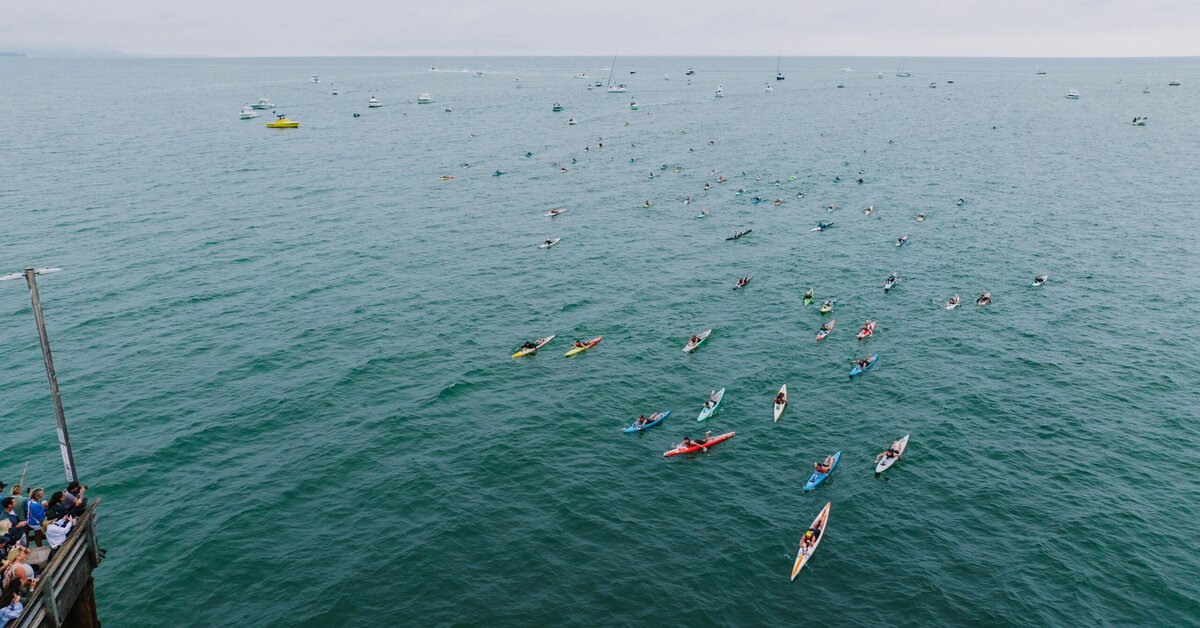
Is It Safe to Bring Parents for Sangam Snan Without Local Help? , The Sangam at Prayagraj (formerly Allahabad), where the sacred rivers Ganga, Yamuna, and the mythical Saraswati meet, represents one of Hinduism’s holiest sites. Taking a ritual bath, or snan, at this confluence is considered spiritually purifying and is a profound desire for many elderly devotees. However, the question of whether elderly parents can safely participate in Sangam snan without local assistance is complex and requires careful consideration of multiple factors.
This comprehensive guide examines the safety considerations, challenges, and practical recommendations for families planning to bring elderly parents for this sacred ritual, helping you make an informed decision about whether local help is necessary for your specific situation.
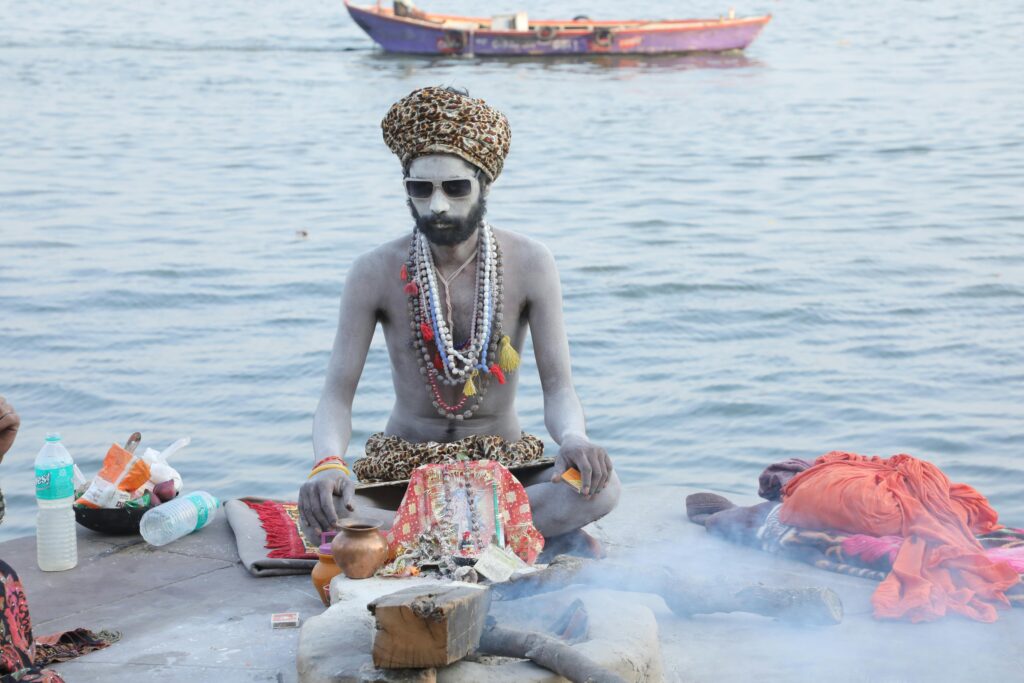
Before assessing safety considerations, it’s crucial to understand what Sangam snan entails. The ritual bath involves wading into the confluence of rivers, immersing oneself in the sacred waters, and offering prayers. During regular days, this can be a relatively calm experience. However, during major religious occasions like Kumbh Mela, Magh Mela, or auspicious bathing dates, the Sangam transforms into a sea of humanity with millions of pilgrims converging simultaneously.
The physical environment presents unique challenges regardless of the crowd level. River currents can be stronger than anticipated, especially at the actual confluence point. The riverbed may have uneven surfaces, sudden depth changes, and occasionally sharp objects. Water visibility is typically poor due to sediment, making it impossible to see where you’re stepping. During winter months, water temperatures can be surprisingly cold, potentially shocking the system of elderly bathers unprepared for the chill.
The infrastructure surrounding the Sangam includes ghats with steps leading to the water, boat services for those who prefer bathing from boats, and during major melas, temporary pontoon bridges and designated bathing areas. Understanding these elements helps assess the specific challenges your parents might face.
During peak pilgrimage periods, the sheer volume of people creates significant challenges. Local guides or boatmen familiar with the Sangam know optimal timing for bathing when crowds are manageable, understand which routes avoid the most congested areas, and can identify safer bathing spots appropriate for elderly visitors. Without this knowledge, families may find themselves overwhelmed by crushing crowds where maintaining sight of elderly parents becomes difficult.
Local helpers also understand the administrative aspects of accessing bathing areas during major melas when security protocols, designated entry points, and restricted zones come into play. They can navigate these bureaucratic elements efficiently, saving time and reducing confusion for families unfamiliar with the system.
The most critical safety concern involves the actual bathing process. Local boatmen or guides experienced with Sangam bathing can assess current strength on a given day, identify shallow areas suitable for elderly bathers, and provide physical support during entry, immersion, and exit from the water. They recognize warning signs of dangerous conditions that inexperienced visitors might miss.
For parents with limited mobility, swimming ability, or balance issues, having someone who can physically assist them is invaluable. Local helpers can support your parents as they navigate uneven riverbeds, help them maintain balance against currents, and quickly assist if someone loses footing. This physical support significantly reduces the risk of falls, injuries, or more serious water-related accidents.
While safety is paramount, local guides also ensure the spiritual significance of the experience is properly honored. They understand the rituals, prayers, and protocols associated with Sangam snan, helping your parents perform the bath in the traditional manner if desired. They know which priests are reputable for conducting ceremonies, what offerings are appropriate, and how to avoid common scams targeting pilgrims.
This cultural guidance enhances the spiritual experience while protecting your parents from exploitation. During major melas, numerous individuals pose as guides or priests, charging exorbitant fees or performing incomplete rituals. Local contacts with established reputations protect against these predatory practices.
Is It Safe to Bring Parents for Sangam Snan Without Local Help? , In the unfortunate event of a medical emergency, heat exhaustion, hypothermia from cold water, or injury, local helpers have crucial advantages. They know where medical facilities are located, how to quickly access them, can communicate with emergency personnel in Hindi, and understand local emergency protocols. During major melas, temporary hospitals are established, but finding them without local knowledge can waste precious minutes.
Local boatmen also have communication networks that can summon additional help quickly if needed. This support system, while hopefully never required, provides critical insurance against worst-case scenarios.
While hiring local help involves expense, the cost is remarkably modest compared to the value provided. Boat services for Sangam snan typically range from ₹500-2000 ($6-25 USD) depending on duration and services, a negligible investment against the safety and peace of mind provided. Experienced local guides charge similar reasonable rates. When weighed against the risks of navigating alone, this expense represents exceptional value.
For some families, local help may not be necessary. If your parents are physically fit, comfortable in water, have reasonable swimming ability, and you’re visiting during non-peak periods when crowds are manageable, independent bathing becomes more feasible. Families who have previously visited the Sangam and understand the environment may feel confident proceeding without assistance.
Additionally, if you or other family members are physically capable of providing support, young and strong enough to assist elderly parents in and out of the water, the need for external help diminishes. The key is honest assessment of capabilities without overestimating fitness or underestimating challenges.
The Sangam experience varies dramatically between regular days and major religious occasions. On ordinary days outside of mela periods, the Sangam is relatively peaceful with manageable crowds, easier access to the water, and less chaotic conditions overall. Families visiting during these calm periods face significantly reduced challenges and may safely manage without local assistance.
If you have flexibility in timing and prioritize safety over attending specific auspicious dates, choosing quiet periods makes independent bathing more viable. The spiritual significance remains identical while practical challenges decrease substantially.
Some families value the intimate, personal nature of performing this sacred ritual independently without external involvement. Helping your parents take their Sangam snan personally, rather than through hired assistance, can create deeper family bonding and more meaningful memories. The shared experience of navigating challenges together can be spiritually and emotionally significant.
This consideration, while less tangible than physical safety, holds real value for many families and represents a legitimate reason some choose to proceed independently despite increased challenges.
An important distinction exists between bathing from the shore and boat-based bathing. Shore-based bathing involves wading into the river from ghats, while boat-based bathing occurs from boats positioned at the actual confluence. For elderly parents, boat-based bathing is generally safer as boats can anchor in calmer, shallower areas, and the boat itself provides stability and a platform to return to after bathing.
If you hire a boat specifically for your family (which requires a boatman anyway), much of the need for additional local help is addressed. The boatman provides navigation, water safety knowledge, and physical assistance, effectively serving as local help even if you haven’t hired a separate guide.
Honest assessment of your parents’ physical condition is paramount. Consider their cardiovascular health, as cold water immersion causes blood vessels to constrict and heart rate to increase, potentially stressing the heart. Joint problems or arthritis make navigating uneven riverbeds difficult. Balance issues increase fall risk dramatically. Vision problems make it difficult to assess depth and footing.
If your parents have significant limitations in any of these areas, local help transitions from beneficial to essential. No spiritual benefit justifies unnecessary health risks.
Even strong swimmers can struggle with river currents, but non-swimmers face particular vulnerability. While Sangam snan doesn’t require swimming and occurs in shallow areas, unexpected depth changes or loss of footing can quickly create dangerous situations for those uncomfortable in water. If your parents are anxious around water or cannot swim, local assistance becomes crucial for their safety and emotional comfort.
Winter bathing (December-February), while considered particularly auspicious, presents cold water challenges. Water temperatures can drop to 10-15°C (50-59°F), shocking to the system and potentially dangerous for elderly individuals with cardiovascular issues. Summer bathing (April-June) brings extreme heat and risk of heatstroke. Monsoon season (July-September) creates stronger currents and higher water levels.
Understanding seasonal conditions and your parents’ tolerance for these environmental factors helps assess risk and determine the need for local assistance.
Research the expected crowd level for your planned visit date. Auspicious bathing dates during melas attract massive crowds, while ordinary days are relatively peaceful. Major Kumbh Melas see tens of millions of pilgrims, creating genuinely dangerous crowd conditions even for young, fit individuals. Under these circumstances, local help is not optional—it’s essential for safety.
Websites of the Prayagraj administration and mela authorities provide crowd predictions and safety advisories. Take these seriously when planning.
Regardless of whether you engage local help, certain safety practices are universally important. Visit the Sangam site a day before the planned bath to observe conditions, assess crowd levels, identify access points, and locate medical facilities. This reconnaissance reduces uncertainty and helps you make better decisions.
Ensure your parents wear appropriate footwear with good grip that can get wet, such as water shoes or sturdy sandals. Avoid barefoot bathing if possible, as riverbeds may contain sharp objects. Dress in comfortable, quick-drying clothing. Traditional cotton outfits are common but take time to dry; modern synthetic fabrics designed for water activities may be more practical.
Establish a clear plan before entering the water including how far in you’ll go (knee-deep is sufficient for the ritual), hand signals if verbal communication becomes difficult in crowds, and a designated meeting point if separated. Keep the plan simple and ensure everyone understands it.
Consider having your parents wear bright-colored clothing that makes them easy to spot in crowds. Keep mobile phones in waterproof pouches with emergency contacts pre-saved. During major melas, mobile networks may be congested, so don’t rely solely on phones for coordination.
Stay hydrated before and after bathing, but avoid heavy meals immediately before entering the water. The combination of full stomach, physical exertion, and cold water can cause discomfort. Keep warm, dry clothing and towels readily accessible for changing immediately after bathing, as staying in wet clothes can lead to hypothermia, particularly in winter.
If you decide local assistance is appropriate, finding trustworthy help is essential. Contact your accommodation in advance—reputable hotels and guesthouses typically have relationships with reliable boatmen and guides they can recommend. This indirect vetting provides some assurance of trustworthiness.
Government tourism offices in Prayagraj can provide lists of licensed guides and registered boat operators. During major melas, authorities establish information centers with databases of authorized service providers. Use these official resources rather than accepting offers from touts at the bathing ghats.
Online platforms and travel forums where previous pilgrims share experiences can help identify specific boatmen or guides with good reputations. Look for consistent positive feedback across multiple sources rather than relying on single reviews.
When engaging local help, clearly discuss and agree on pricing before commencing services. Establish exactly what services are included—transportation to ghats, physical assistance during bathing, time duration, any religious ceremonies, and so forth. Get this agreement in writing if possible, or at minimum, have a third party (like your hotel manager) witness the discussion to avoid disputes later.
Many families find success with a middle-ground approach that provides safety benefits while maintaining personal involvement. This might involve hiring a boat for transportation to the confluence and having the boatman present for emergency assistance, but family members directly supporting their parents during the actual bathing ritual.
Another hybrid option is hiring a guide to handle logistics, crowd navigation, and getting your family to an optimal bathing location, but then proceeding independently for the actual ritual bath. This captures local knowledge benefits while preserving the intimate family experience.
The hybrid approach recognizes that local help need not be all-or-nothing but can be calibrated to your specific needs and comfort level.
The question of whether to bring parents for Sangam snan without local help cannot be answered universally—it depends entirely on your specific circumstances. Consider this a risk-assessment exercise where you honestly evaluate your parents’ capabilities, your own abilities to support them, environmental conditions during your planned visit, and expected crowd levels.
If you have any significant doubts about safety, err on the side of caution by engaging local help. The modest cost is insignificant compared to your parents’ wellbeing. Remember that this is likely a once-in-a-lifetime spiritual experience for them—ensuring it’s safe and positive is paramount.
Conversely, if conditions align favorably with physically capable parents, calm-period timing, boat-based bathing, and capable family support, independent bathing becomes reasonably safe. The key is matching your approach to your actual situation rather than following a one-size-fits-all recommendation.
Bringing elderly parents for Sangam snan is a beautiful act of devotion that fulfills deep spiritual longings. Whether you need local help depends on a nuanced assessment of physical capabilities, environmental conditions, timing, and your own preparedness to provide support.
Local help offers undeniable safety advantages including water expertise, crowd navigation skills, physical support capability, cultural knowledge, and emergency response capability. For many families, particularly those with elderly parents who have mobility limitations, are visiting during major melas, or lack familiarity with the environment, local assistance transforms from optional to essential.
However, capable families visiting during calm periods with physically fit parents may safely proceed independently, particularly if using boat-based bathing which inherently provides support through the boatman.
The wisest approach involves honest assessment without ego or overconfidence about capabilities, prioritizing safety over cost savings or independence preferences, and remembering that the spiritual merit of Sangam snan comes from the devotional act itself, not from whether it was accomplished with or without assistance.
Whatever you decide, thorough preparation, realistic assessment, and putting your parents’ safety and comfort first will help ensure this sacred experience becomes a cherished memory rather than a regrettable incident.
The primary safety risks for elderly individuals during Sangam snan are slips and falls on uneven riverbeds, being overwhelmed by strong currents at the confluence point, and crowd-related incidents during peak periods. The combination of poor water visibility, unpredictable depth changes, and potentially strong currents creates conditions where loss of footing can quickly become dangerous, especially for those with limited mobility or balance issues. During major melas, crowd surges pose additional risks where people can be separated from their families or caught in crushing crowds. Cold water shock affecting cardiovascular systems is another significant concern during winter bathing. Local boatmen understand water conditions, can identify safer bathing areas, and provide physical support that substantially mitigates these risks. The risk profile varies dramatically between peak mela periods and ordinary days, with crowd-related dangers virtually eliminated during calm periods.
Boat services for Sangam snan generally range from ₹500-2000 ($6-25 USD) for a 2-3 hour experience, depending on boat size, duration, and whether you want the boat exclusively for your family or are willing to share with other pilgrims. Private boats cost more but provide greater flexibility and personal attention. During major Kumbh Melas, prices increase due to high demand, potentially reaching ₹3000-5000 ($35-60 USD) or more. Local guides who provide assistance beyond boating—such as performing rituals, navigating mela logistics, or arranging accommodations—typically charge ₹1000-3000 ($12-35 USD) per day. Government-regulated services during major melas have fixed pricing displayed at official counters, which helps avoid overcharging. It’s advisable to negotiate and confirm all costs before beginning services and to engage only licensed operators whose rates are more standardized and transparent.
Kumbh Mela, particularly the Maha Kumbh held every 12 years, is spiritually significant but presents genuine safety challenges due to massive crowds—often tens of millions of people over the mela period. On major bathing dates (Shahi Snan), crowd density reaches extreme levels where movement becomes difficult and crowd surges can occur. For elderly parents with limited mobility or stamina, these conditions are genuinely risky. However, visiting during the Kumbh period on non-peak dates offers a middle ground, providing the special atmosphere and spiritual energy of the mela while avoiding the most dangerous crowding. Authorities designate specific bathing dates as more or less auspicious, with crowd distribution varying accordingly. If your parents strongly desire the Kumbh experience, consider attending during the mela period but bathing on a less crowded date, arriving very early in the morning before peak crowds, or utilizing boat-based bathing which avoids the most congested shore areas. For risk-averse families, visiting during ordinary periods ensures safety while preserving the spiritual significance—the Sangam’s sacred nature is constant regardless of crowds.
Yes, elderly non-swimmers can safely participate in Sangam snan with appropriate precautions and support. The ritual bath does not require swimming ability and is traditionally performed in shallow water where standing is possible. However, non-swimmers require extra vigilance because unexpected depth changes or loss of footing can quickly create panic and danger. For non-swimming elderly parents, certain safeguards become essential rather than optional: hiring experienced boatmen or guides who can provide constant physical support, using boat-based bathing where the boat serves as a stable platform, limiting water depth to knee or thigh-level rather than attempting full immersion, ensuring multiple family members are present to provide support, and considering life jackets if parents are particularly anxious about water. The spiritual merit of Sangam snan comes from the devotional intent and contact with the sacred waters, not from the depth of immersion, so there’s no religious requirement to enter deep water. Many elderly pilgrims successfully complete the ritual while remaining in very shallow areas, making this experience accessible regardless of swimming ability when appropriate support is provided.
Before bringing elderly parents for Sangam snan, several medical precautions are essential. First, consult their physician, especially if they have cardiovascular conditions, as cold water immersion causes physiological stress. Obtain clearance and specific guidance about any limitations. Ensure all regular medications are current and bring extras in waterproof containers. Elderly pilgrims should be well-hydrated before bathing but avoid large meals immediately prior. Those with diabetes should monitor blood sugar carefully, as the physical exertion and potential stress can affect levels. Bring a complete first aid kit including any emergency medications prescribed by their doctor. Identify the nearest medical facilities to the Sangam beforehand—during major melas, temporary hospitals are established specifically for pilgrims. Consider the timing of the bath relative to their energy levels; early morning may be auspicious but if your parents are not morning people, a later bath when they’re more alert might be safer. Keep emergency contacts and medical information written in both English and Hindi. After the bath, ensure they change into warm, dry clothing immediately to prevent hypothermia, particularly during winter months. Monitor them for several hours after the experience for any delayed reactions to cold water immersion or physical exertion.



Comments are closed.