Your cart is currently empty!
You may check out all the available trips and book one that suits you.
Continue Browsing Trips
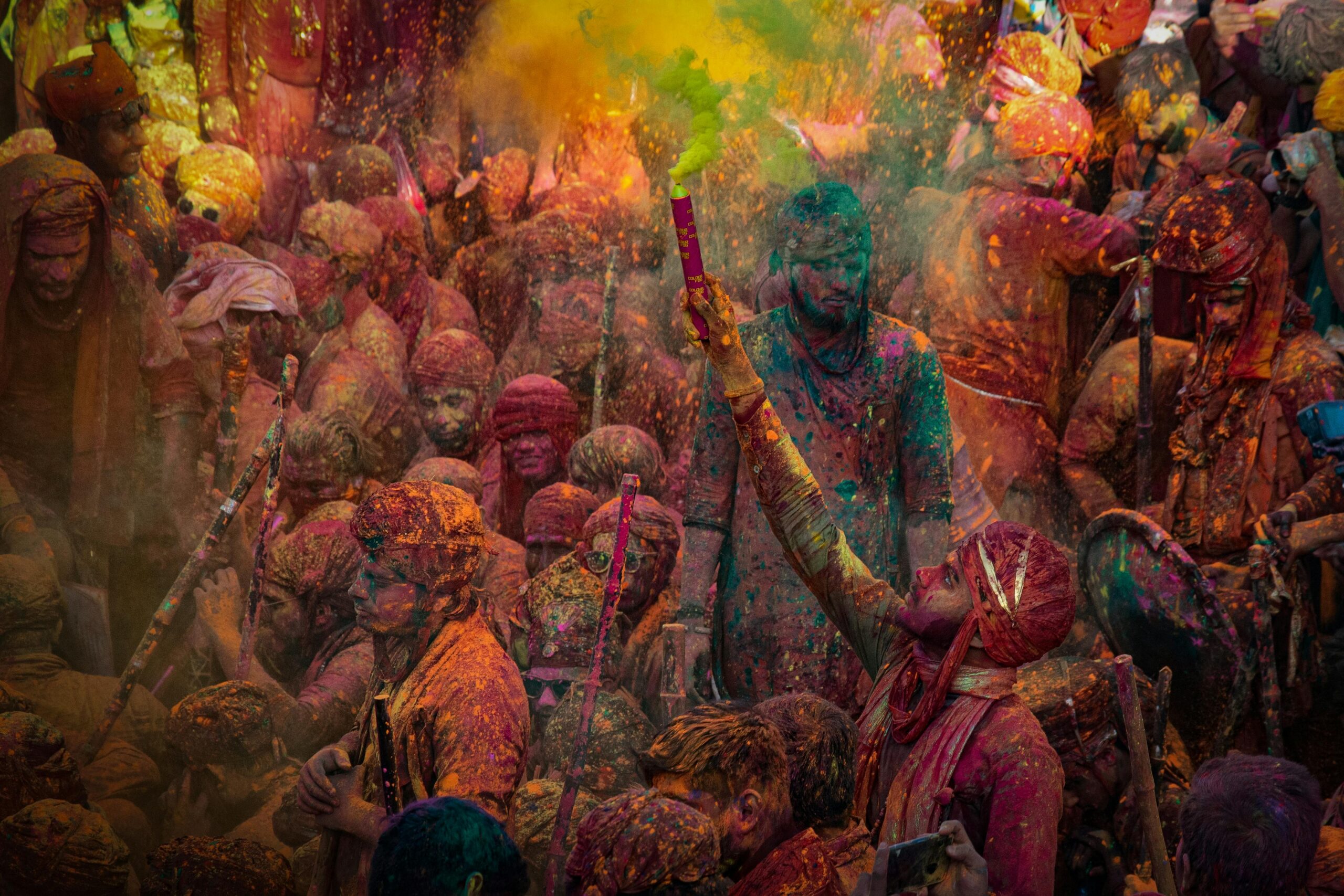
What Families Worry About Most Before Booking a Religious Tour ,Religious tourism represents a unique intersection of spiritual devotion and practical travel considerations. When families contemplate booking a religious tour—whether to Varanasi, Tirupati, the Char Dham circuit, Jerusalem, Mecca, or any other sacred destination—they often experience a complex mixture of excitement and anxiety. Understanding these concerns is essential for both families making decisions and tour operators striving to address client needs effectively.
This comprehensive exploration examines the most common worries that families face before committing to a religious tour, offering insights into why these concerns arise and how they can be addressed to ensure a meaningful, safe, and spiritually fulfilling journey.

What Families Worry About Most Before Booking a Religious Tour , Perhaps the single most prevalent worry families express centers on the safety and health of elderly parents or grandparents who often form the heart of religious pilgrimage groups. These concerns are not abstract anxieties but grounded in legitimate practical considerations.
What Families Worry About Most Before Booking a Religious Tour ,Religious sites frequently occupy locations chosen for spiritual significance rather than accessibility. Temples perch atop mountains requiring hundreds or thousands of steps. Sacred rivers necessitate navigating steep ghats. Pilgrimage circuits span difficult terrain. Families worry intensely about whether their elderly members can physically manage these demands without injury or excessive exhaustion.
The anxiety intensifies when families lack detailed information about specific sites. Questions proliferate: How many steps lead to the temple? Are there alternative routes? Is wheelchair access available? Can we hire porters? Are there resting places along the way? The absence of clear, specific answers to these practical questions creates uncertainty that prevents booking decisions.
Beyond immediate physical challenges, families worry about the cumulative effect of multi-day tours. Will consecutive days of travel and walking exhaust elderly parents to the point of illness? Can the itinerary accommodate rest days? What happens if someone needs to skip a day’s activities—will they miss the most important sites?
The fear of medical emergencies in unfamiliar locations, particularly in remote areas or developing countries, weighs heavily on families. Elderly pilgrims often have existing health conditions requiring ongoing management. Families worry about continuity of care during travel, access to medications, and availability of medical facilities if emergencies arise.
Specific anxieties include cardiovascular events triggered by physical exertion or altitude changes, complications from diabetes exacerbated by dietary changes and irregular meal timing, respiratory issues aggravated by air quality in crowded pilgrimage sites, and falls or injuries from navigating difficult terrain. The question haunts families: if something serious happens, will adequate medical care be available quickly enough?
During religious festivals or peak pilgrimage seasons when millions congregate, concerns about healthcare access intensify. Families envision overwhelmed local medical systems struggling to cope with the influx, potentially delaying treatment for their loved ones.
Religious sites span diverse climates, many of which present health challenges for elderly pilgrims. High-altitude destinations like Kedarnath or Amarnath in the Himalayas raise concerns about altitude sickness. Desert locations generate fears about heat exhaustion and dehydration. Monsoon-season pilgrimages worry families with flooding and disease concerns.
Cold-water bathing rituals, common in Hindu pilgrimage, create anxiety about hypothermia risk for elderly parents with cardiovascular issues. Hot, humid conditions at tropical sites raise heat stroke concerns. Families often lack experience assessing their parents’ tolerance for these environmental extremes, creating uncertainty about whether the journey is advisable.
For families traveling domestically within their own country, hygiene concerns may be minimal. However, for those embarking on religious tours in unfamiliar regions or countries with different sanitation standards, food and water safety becomes a dominant worry.
The fear of gastrointestinal illness disrupting a pilgrimage looms large in family decision-making. Traveler’s diarrhea or food poisoning can transform a spiritual journey into a miserable ordeal, particularly for elderly travelers whose recovery takes longer and complications can be more serious.
Families worry about water safety, unfamiliar cuisine that might upset sensitive digestive systems, food preparation hygiene standards, and their ability to identify safe dining options. These concerns intensify when elderly family members have specific dietary restrictions related to health conditions, religious observances beyond the pilgrimage requirements, or simply limited tolerance for unfamiliar foods.
The prospect of elderly parents becoming seriously ill far from home, possibly requiring hospitalization in an unfamiliar healthcare system, creates significant anxiety. Families want assurance that tour operators prioritize food safety through restaurant vetting, provide bottled water, and have protocols for managing dietary restrictions and food-related illnesses.
Beyond food concerns, families worry about accommodation hygiene standards. Questions arise about bathroom cleanliness, bedding sanitation, and whether hotels meet basic cleanliness expectations. For elderly travelers who may be more vulnerable to infections, accommodation hygiene directly impacts health and comfort.
During major religious events when accommodation demand exceeds supply, families worry about being housed in substandard facilities. The fear of spending significant money on a tour only to encounter dirty, uncomfortable lodging that makes elderly parents miserable represents a major booking hesitation.
Religious sites, particularly during festivals and auspicious dates, attract enormous crowds. For families with elderly members, crowd-related concerns significantly impact booking decisions.
The specter of crowd crushes, stampedes, or simply overwhelming density where movement becomes impossible creates genuine fear. Tragic incidents at religious gatherings worldwide have demonstrated that crowd management failures can have deadly consequences. Families worry about their elderly parents being separated from the group, injured in crowd surges, overwhelmed by physical density, or simply unable to cope with the stress of extreme crowding.
These fears are not paranoid overreactions but legitimate concerns requiring serious consideration. Questions families ask include: How does the tour operator manage group cohesion in crowds? What protocols exist if someone becomes separated? Will crowd conditions be too dangerous for elderly participants? Can timing be adjusted to avoid peak crowding?
Large crowds attract opportunistic criminals. Families worry about elderly parents being targeted by pickpockets, having bags snatched, or falling victim to distraction scams. The concern extends beyond financial loss to the disruption that theft causes—cancelled cards, lost medications, missing travel documents, and the emotional trauma for elderly victims.
The worry intensifies when families recognize that elderly travelers may be less alert to threats, easier targets for criminals, and more emotionally affected by victimization. Tour operators’ crowd management strategies and security provisions directly address or fail to address these legitimate concerns.
Beyond physical safety, families worry about emotional and sensory overwhelm. Religious sites can assault the senses with intense noise, strong smells, visual chaos, and emotional intensity. For elderly individuals, particularly those with cognitive changes or anxiety disorders, this sensory bombardment can be extremely distressing.
Families question whether their parents can emotionally handle the intensity of major pilgrimage sites or if the experience will be more traumatic than transcendent. Will the chaos detract from the spiritual experience they seek? Can the tour provide moments of peace and reflection amidst the intensity?
Religious tours represent significant financial investments for most families. Concerns about whether the expenditure delivers appropriate value create hesitation before booking.
Families worry intensely about hidden costs that inflate the final price beyond the advertised package rate. Concerns include mandatory donations at temples not covered in the package, transportation costs for sites listed as “optional” but practically essential, meals beyond those included in the package, tips and gratuities whose amounts are unclear, and unexpected fees or charges.
The anxiety centers on budgeting uncertainty. Families want to know the total realistic cost of the pilgrimage, not just the base package price. Lack of transparency from tour operators about additional expected expenses creates mistrust and booking hesitation. Clear, comprehensive cost breakdowns with realistic estimates of additional expenses address this concern directly.
When families compare religious tour options, they often find significant price variations. The question becomes: what justifies the premium? Families worry about overpaying for tours that deliver the same experience as cheaper alternatives, being sold luxury accommodations when simpler options would suffice, or paying for services that don’t materially improve the pilgrimage experience.
Conversely, families fear that choosing budget options might compromise safety, comfort for elderly members, or access to important experiences. Finding the appropriate balance between cost and value creates decision paralysis. Families need clear articulation of what premium pricing delivers and honest assessment of whether those benefits align with their priorities.
Life circumstances change. Health issues arise. Emergencies occur. Families worry about losing substantial deposits or full payments if the pilgrimage must be cancelled or postponed. Concerns about tour operator cancellation policies, refund structures, and flexibility in rescheduling create booking hesitation.
The financial stakes feel particularly high for religious tours since these often represent once-in-a-lifetime journeys for elderly family members. The investment isn’t merely financial but emotional and spiritual, making the prospect of forfeiting payments due to unforeseen circumstances especially painful.
Religious tours carry expectations beyond ordinary tourism. Families worry about whether the experience will deliver genuine spiritual fulfillment or feel commercialized and superficial.
A profound concern centers on whether religious tours prioritize spiritual experience or merely tick off famous sites as touristic checkboxes. Families fear encountering rushed schedules that allow no time for contemplation, tour guides focused on historical facts rather than spiritual significance, crowds so dense that meaningful worship becomes impossible, and temple experiences dominated by commercial transactions rather than devotion.
The anxiety is that their elderly parents’ long-held desire for pilgrimage will be cheapened by a tour that treats sacred sites as tourist attractions. Families want assurance that tour operators understand and respect the spiritual dimension of these journeys, allocating time for actual worship and reflection rather than merely visiting locations.
Families worry about inadvertently violating religious protocols or cultural norms. Concerns include dressing inappropriately for sacred sites, photographing in prohibited areas, failing to observe required rituals correctly, or behaving disrespectfully due to ignorance rather than intent.
These anxieties intensify for interfaith families where some members may be less familiar with the religious traditions being observed, families traveling to unfamiliar religious traditions (such as Christians visiting Buddhist sites), or families concerned about regional cultural variations in religious practice.
Families want tour operators to provide clear guidance on proper behavior, dress codes, ritual participation, and cultural sensitivity. The fear of causing offense or diminishing the spiritual experience through ignorance creates pre-booking anxiety that knowledgeable tour leaders can alleviate.
A common complaint about religious sites worldwide involves pressure tactics for donations, puja purchases, or commercial transactions. Families worry about elderly parents being pressured by priests or temple staff into unwanted donations, not understanding the appropriate amount for offerings, being unable to distinguish between legitimate religious donations and scams, or feeling obligated to purchase overpriced religious items.
These concerns combine financial and spiritual anxieties. Families want their parents to make genuine devotional offerings but fear exploitation. Questions arise about whether tour operators protect pilgrims from excessive commercialization or inadvertently facilitate it.
Families carefully scrutinize proposed itineraries, often identifying potential problems that create booking hesitation.
A frequent concern involves itineraries that appear too ambitious for elderly travelers. Families worry about schedules packed with too many sites per day, insufficient rest time between activities, early morning starts that don’t allow adequate sleep, long driving days that exhaust participants, and back-to-back travel days without rest intervals.
The anxiety stems from understanding that elderly parents have different stamina levels than younger travelers. Tour operators sometimes design itineraries appealing to energetic middle-aged travelers without adequately considering the needs of elderly participants who may constitute the majority of their religious tour clientele.
Families want realistic itineraries that acknowledge elderly participants’ limitations, build in flexibility for those needing rest, and prioritize quality of experience over quantity of sites visited. The concern is that an overly ambitious schedule will exhaust their parents, potentially causing health issues while ironically preventing them from fully experiencing the sites they do visit.
Conversely, families worry about itineraries omitting significant sites or experiences. Concerns arise when comparing multiple tour operators and noticing variations in what’s included. Questions multiply: Why does one operator include this important temple while another omits it? Are all the essential sites covered? Will we regret missing experiences that weren’t included?
Families often lack sufficient knowledge to assess whether proposed itineraries are comprehensive or if important elements are missing. This uncertainty creates anxiety about choosing an inferior tour that leaves elderly parents disappointed they missed something crucial in what may be their only opportunity for this pilgrimage.
Tour timing relative to seasons and weather patterns generates significant concern. Families worry about monsoon season travel and flooding risks, extreme summer heat that could endanger elderly travelers, winter cold making high-altitude sites dangerous, or major festivals creating overwhelming crowds beyond what elderly parents can handle.
Determining optimal timing requires understanding regional climate patterns, religious calendars, and crowd variations—knowledge families often lack. Tour operators who offer multiple departure dates without clearly explaining the tradeoffs of different seasons leave families uncertain about whether their chosen dates are optimal.
Religious tours typically involve group travel. Families worry about group compatibility and dynamics affecting their experience.
When tours include participants of varying ages and fitness levels, families worry about their elderly parents holding the group back or conversely being pushed to keep pace beyond their capability. Concerns include feeling rushed by fitter, younger participants, guilt about slowing the group down, social awkwardness from age disparities, or missing experiences because they cannot keep pace.
Age-segregated tours designed specifically for seniors address some of these concerns, but families worry about whether such tours might feel depressing or age-focused rather than spiritually focused. Finding the right balance of group composition creates pre-booking anxiety.
Group travel inherently involves social interaction. While many families welcome the camaraderie, others worry about forced socialization. Concerns include being obligated to participate in group meals when they prefer quiet family time, sharing accommodations with strangers, dealing with difficult personalities within the group, or having insufficient privacy for personal worship and reflection.
Families value knowing in advance what group interactions are mandatory versus optional, whether accommodations offer privacy, and how tour operators handle personality conflicts or difficult group members.
Perhaps underlying all other concerns is the fundamental question: can we trust this tour operator?
Families worry about choosing an unreliable operator, being scammed by fraudulent tour companies, dealing with operators who overpromise and underdeliver, or selecting inexperienced companies handling their first religious tours.
The challenge involves vetting tour operators when operating across distances with limited knowledge. Families seek reviews from previous clients, industry certifications or affiliations, years of operation and experience with specific pilgrimage routes, and transparent company information including physical addresses and registration details.
The stakes feel particularly high because religious tours involve vulnerable elderly participants, substantial financial investment, emotionally and spiritually significant experiences, and often unfamiliar locations where families have no recourse if problems arise.
Families worry about pre-trip communication quality, operator responsiveness to questions and concerns, availability of support during the tour if problems arise, and whether language barriers might impede communication.
Poor pre-booking communication raises red flags about what communication will be like during actual travel when clear information becomes critical. Families want confidence that if their elderly parents have issues during the tour, responsive support will be available.
Specific concerns arise about what happens if emergencies occur. Families want to know: What are the operator’s emergency response protocols? Is travel insurance included or required? What happens if someone becomes too ill to continue the tour? How are medical emergencies handled? What if someone needs emergency evacuation?
The absence of clear answers to these questions creates anxiety about potentially catastrophic scenarios families hope will never occur but worry might. Comprehensive emergency planning and insurance provisions provide crucial peace of mind.
The concerns families experience before booking religious tours are neither irrational nor trivial. They reflect genuine care for elderly loved ones’ wellbeing, responsible financial planning, and desire to ensure that spiritually significant journeys deliver meaningful experiences rather than disappointing ordeals.
Understanding these worries benefits both families and tour operators. Families can articulate their specific concerns and evaluate whether potential tour operators adequately address them. Tour operators can proactively provide information and safeguards that directly respond to these anxieties, facilitating booking decisions and building trust.
The most successful religious tours result when families honestly assess their concerns, thoroughly research operators, ask detailed questions before booking, and choose operators who demonstrate understanding of and responsiveness to the legitimate worries that families naturally experience when entrusting elderly loved ones to pilgrimage journeys.
Religious tourism, at its best, creates profound spiritual experiences, strengthens family bonds, and fulfills deep devotional desires. Addressing the practical concerns that create booking hesitation is not a distraction from spirituality but rather the necessary foundation that allows spiritual experiences to flourish without being undermined by preventable problems.
Verifying tour operator legitimacy requires multiple validation steps. Start by checking for official registrations and certifications—legitimate operators hold licenses from tourism departments, memberships in recognized tourism associations, and applicable business registrations visible on their website and documents. Search for the company’s physical address and verify it exists through online maps and business directories, as fraudulent operators often lack legitimate physical locations. Read reviews across multiple platforms including Google, TripAdvisor, and travel forums, looking for consistent patterns rather than single exceptional reviews. Be wary of operators with only glowing reviews or no online presence at all. Contact the operator directly with detailed questions, assessing their response quality, knowledge depth, and professionalism. Legitimate operators provide clear, comprehensive answers and welcome detailed inquiries. Request references from previous clients who have taken similar tours, and actually contact these references rather than merely collecting names. Check how long the operator has been in business—established operators with years of experience offer more security than newly formed companies. Verify payment methods, as legitimate operators accept credit cards and provide proper receipts, while fraudulent operators may demand cash-only payments or wire transfers. Finally, trust your instincts—if communication feels evasive, unprofessional, or creates discomfort, investigate further or consider alternative operators.
When evaluating religious tours for elderly participants, ask these specific questions: What is the maximum walking distance on any single day, and what is the most challenging physical activity required? Are there alternative arrangements for those unable to manage the full physical itinerary? What specific accommodations have elevators or ground-floor room options? How many steps are involved at each major site, and what assistance options exist—wheelchairs, porters, palanquins, or alternative routes? What is the pace of the itinerary, how many hours of activity per day, and what flexibility exists if someone needs more rest? Does the tour operator have experience specifically with elderly participants and can they provide examples of accommodations made for them? What medical facilities are available along the route, and what emergency medical protocols are in place? Are there any full rest days built into the itinerary? What happens if an elderly participant cannot complete a planned activity—is there supervision or accommodation for them while others proceed? How does the operator handle dietary restrictions and special meal requirements? What is the typical group size, and what is the guide-to-participant ratio ensuring adequate attention? Can the operator provide references from families who have brought elderly parents on similar tours? These detailed questions reveal whether operators truly understand elderly travelers’ needs or are merely claiming they can accommodate them.
Beyond the advertised package price, families should budget an additional 20-40% for expenses not typically included in base packages. Specific additional costs include temple donations and offerings, which vary by site but might total $50-200 depending on personal devotion and number of sites visited. Tips for tour guides, drivers, and local helpers typically add 10-15% of the package price for appropriate gratuity. Personal expenses like snacks, beverages outside included meals, and bottled water might add $10-30 daily per person. Most packages exclude some meals, requiring budgeting for 3-5 additional meals per person depending on tour length. Shopping for religious items, souvenirs, and local handicrafts varies by personal preference but can easily reach $100-300. Optional activities or site visits not included in the base itinerary add variable costs. Travel insurance, if not included, costs roughly 5-8% of the total trip cost but is essential for elderly travelers. Additional medical supplies, prescriptions, or unexpected healthcare needs should be budgeted. International tours require currency exchange considerations and possible foreign transaction fees adding 2-5% to costs. Emergency funds for unexpected situations should be available. To estimate realistically, families should request a detailed breakdown from tour operators of what is explicitly included, research typical donation amounts at planned sites, and read recent reviews mentioning unexpected costs. It’s better to budget conservatively and be pleasantly surprised by having excess funds than to face financial stress during a spiritually significant journey.
Ensuring spiritual fulfillment requires intention beyond logistical planning. When selecting tours, prioritize operators who explicitly emphasize spiritual dimensions rather than merely listing sites visited. Ask specific questions about time allocated for personal prayer and worship at each site—rushed visits allowing only photographs miss the spiritual purpose. Inquire whether guides understand religious significance and can explain rituals, history, and spiritual context, or whether they focus primarily on architectural and historical facts. Determine if the itinerary allows participation in actual religious ceremonies rather than merely observing as tourists. Consider bringing or arranging for a family priest or spiritual guide who can perform personalized rituals and provide spiritual guidance throughout the journey. Ensure the tour schedule accommodates personal religious practices like daily prayers, meditation, or dietary observances. Build in unstructured time for reflection and contemplation rather than filling every moment with scheduled activities. Discuss with elderly parents beforehand what spiritual experiences they most desire—darshan at specific deities, particular rituals they want to perform, or simply quiet prayer time—and explicitly ensure the tour accommodates these priorities. Consider whether your parents would prefer smaller group tours allowing deeper spiritual focus versus large groups where individual spiritual needs might be overlooked. Prepare spiritually before the journey through prayer, reading about the sites’ spiritual significance, and setting spiritual intentions rather than treating the pilgrimage as merely a vacation. Remember that spiritual fulfillment often comes from unexpected moments and internal experiences rather than external activities, so maintaining flexibility and presence matters as much as visiting every planned location.
Having a clear plan for this scenario provides peace of mind even if it’s never needed. Before booking, explicitly ask tour operators about their protocols when participants cannot continue—do they provide supervision and accommodation? Is there staff who can stay with the person while the tour continues? What additional costs might this involve? Ensure comprehensive travel insurance that covers tour interruption, medical expenses, and potentially emergency medical evacuation. Keep detailed records of the insurance policy including 24-hour emergency contact numbers. Carry complete medical information including conditions, medications, allergies, and emergency contacts in both physical and digital formats. If health issues arise, immediately consult with tour guides and operators rather than trying to manage independently—they have local knowledge and connections. Contact your insurance provider’s emergency assistance line who can coordinate medical care and potentially arrange evacuation if needed. If the situation requires someone to stay with the ill family member while others continue, prioritize the elderly person’s needs and comfort over completing the tour—the spiritual merit comes from intention, not from checking off every site. If the person is stable but simply needs rest, negotiate with the tour operator about them staying at accommodations with appropriate supervision while the group continues, rejoining later if possible. For serious medical issues, don’t hesitate to seek hospitalization rather than trying to continue the tour—health supersedes pilgrimage completion. Keep other family members at home informed of the situation so they can provide remote support if needed. Finally, remember that sometimes health issues that prevent tour completion are themselves part of the spiritual journey, teaching acceptance and surrender rather than completion and achievement.


Comments are closed.