Your cart is currently empty!
You may check out all the available trips and book one that suits you.
Continue Browsing Trips
How Long Does Asthi Visarjan Take in Varanasi? Day-Wise Reality ,Have you ever wondered about the timeline for one of Hinduism’s most sacred rituals? When families prepare to perform Asthi Visarjan in Varanasi, one of the most common questions they ask is: “How long will this take?” It’s not just about scheduling flights or hotel bookings—it’s about understanding a profound spiritual journey that connects the living with the departed.
Asthi Visarjan, the immersion of cremated remains in holy waters, holds immense significance in Hindu tradition. And when it comes to this sacred ceremony, Varanasi isn’t just another location—it’s THE destination. The ancient city on the banks of the Ganges has been the spiritual home for final rites for thousands of years.
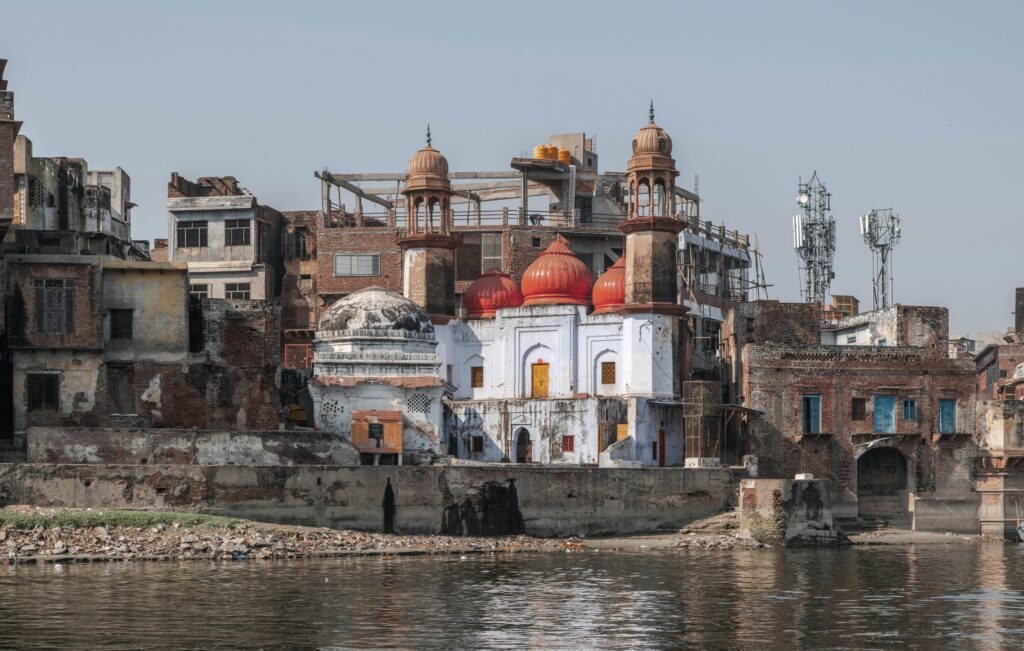
How Long Does Asthi Visarjan Take in Varanasi? Day-Wise Reality ,Why do millions choose Varanasi for this final ritual? The answer lies in the city’s unparalleled spiritual energy. According to Hindu beliefs, the Ganges in Varanasi flows directly from heaven, and immersing ashes here ensures moksha—liberation from the cycle of birth and death.
How Long Does Asthi Visarjan Take in Varanasi? Day-Wise Reality ,The ghats of Varanasi aren’t just riverbanks; they’re portals between the earthly and divine realms. Every stone, every step leading down to the water carries centuries of prayers, tears, and blessings. This is where time seems to stand still, where the material world fades, and spiritual reality takes over.
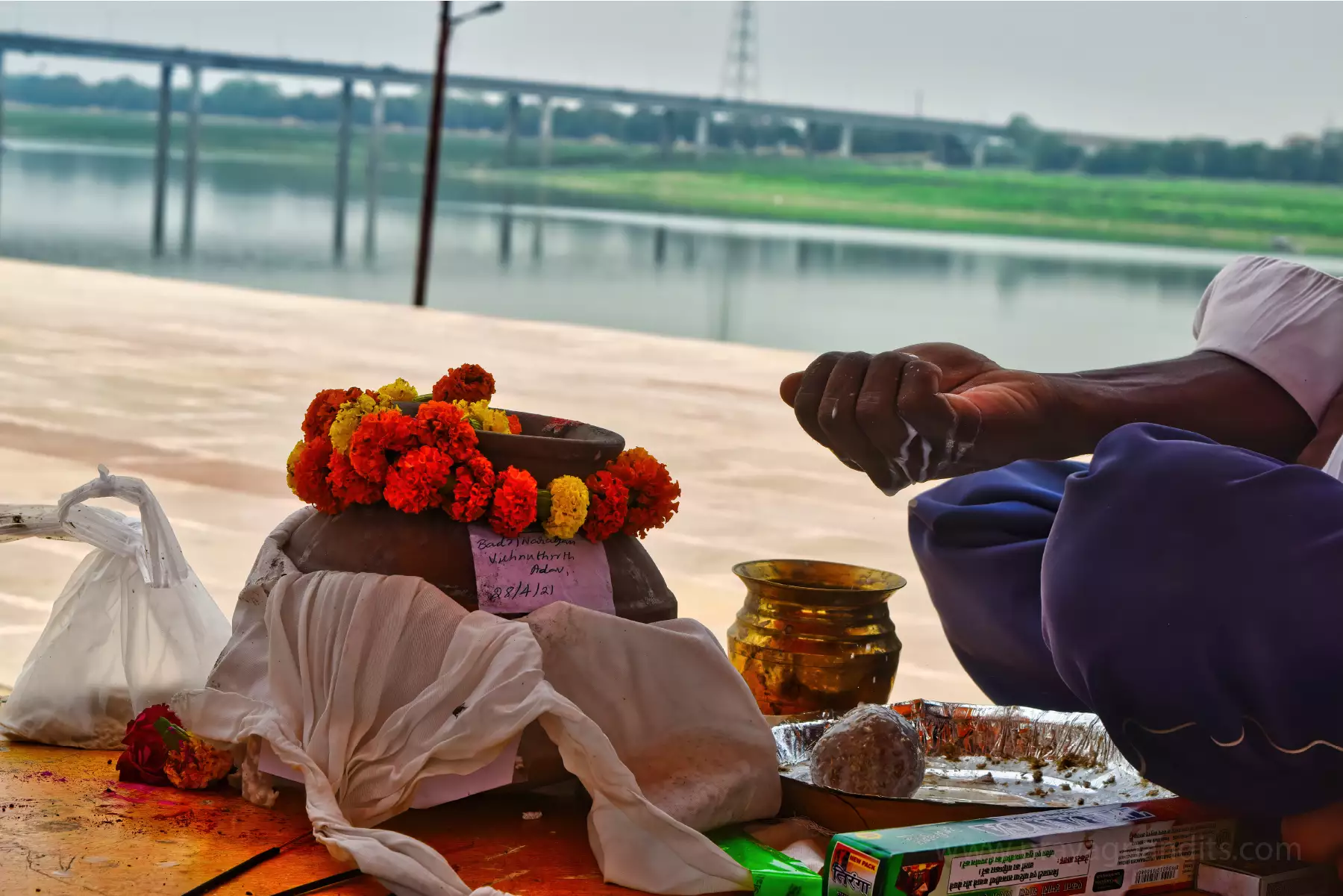
Asthi Visarjan literally translates to “immersion of bones” or “immersion of ashes.” After cremation, the collected remains are carefully preserved and brought to a sacred river—most auspiciously, the Ganges at Varanasi. The ritual involves specific prayers, mantras, and ceremonial offerings before the final immersion.
This isn’t merely disposing of physical remains. It’s a spiritual transition, a final act of love and duty. The ritual helps the departed soul complete its earthly journey and move toward its next destination. For the family, it provides closure and fulfills their dharmic obligations toward their loved one.
How Long Does Asthi Visarjan Take in Varanasi? Day-Wise Reality Here’s the reality check: A complete Asthi Visarjan in Varanasi typically takes 2 to 3 days when done properly. Yes, you read that right. While the actual ceremony might last only a few hours, the full spiritual process—from arrival to departure—requires time, patience, and presence.
Several variables affect the duration: the type of ceremony you choose (simple or elaborate), the availability of priests, the ghat you select, crowd conditions, and whether you’re arriving during peak pilgrimage seasons. Weather can also play a role, particularly during monsoons when river levels fluctuate.
Most families arrive in Varanasi a day before the ceremony. The journey itself—whether by train, flight, or road—requires travel to this ancient city. Once you arrive, you’ll need time to check into your accommodation and recover from the journey, especially if you’re coming from distant locations.
This is crucial. You’ll need to contact a qualified priest or pandit who will guide you through the ceremony. Many families work through their family priest or contact local pandits through references. This initial meeting involves discussing your requirements, understanding the ceremony details, and scheduling the next day’s rituals.
Popular ghats like Manikarnika and Harishchandra can be crowded. You’ll need to coordinate with the ghat authorities and your priest to secure an appropriate time slot. Early morning hours (typically 6 AM to 10 AM) are considered most auspicious and are usually less crowded.
The day begins early, often before sunrise. You’ll need to bathe and prepare spiritually for the ceremony. Most families reach the ghat by 6 or 7 AM. The priest performs initial purification rituals, which might include prayers, lighting incense, and preparing the ritual materials.
This is the heart of the ceremony. The priest guides you through specific mantras and prayers. Family members, particularly the primary mourner (usually the eldest son or closest relative), participate in the rituals. The ashes are respectfully immersed in the Ganges while prayers are chanted. This portion typically takes 2 to 4 hours, depending on the complexity of the chosen ceremony.
Traditional ceremonies involve extensive Vedic chanting. The priest recites specific mantras for peace, liberation, and blessings. While some families opt for abbreviated versions (taking about 2 hours), more traditional approaches can extend to 4 or even 5 hours. There’s no rush here—this is sacred time.
Many families remain in Varanasi for an additional day to perform supplementary rituals. This might include offering prayers at important temples, performing pind daan (offering food to ancestors), or conducting special pujas for the departed soul’s peace.
Varanasi houses thousands of temples. The Kashi Vishwanath Temple, dedicated to Lord Shiva, is particularly significant. Families often visit to seek blessings and complete their spiritual journey. This also provides emotional closure and a sense of completion.
By the third day, most families prepare to return home, carrying with them the spiritual merit of having performed this sacred duty in the holiest of cities.
Yes, it’s technically possible to complete Asthi Visarjan in a single day if you’re severely time-constrained. You’d arrive early morning, perform the ceremony, and leave by evening. Some service providers even offer streamlined packages for same-day ceremonies.
However, rushing this sacred process comes at a spiritual cost. You miss the contemplative aspects, the gradual emotional processing, and the deeper connection with the ritual’s significance. The ceremony might feel mechanical rather than meaningful. Think of it like this: would you rush through saying goodbye to someone you love?
Before the main ceremony begins, there’s significant groundwork. The priest arranges ritual materials, purifies the space, and conducts preliminary prayers. Family members prepare themselves mentally and spiritually. This phase sets the sacred atmosphere for what follows.
The core ritual involves multiple components: invocation of deities, recitation of mantras specific to the departed soul, offerings to the Ganges, and the actual immersion of ashes. Each step has specific significance and cannot be rushed without compromising the ritual’s integrity.
After the immersion, there are concluding prayers, offerings to priests, and often charitable donations in the name of the departed. Many families also feed Brahmins or donate to the poor, which is considered highly meritorious.
This is perhaps the most famous cremation and immersion ghat in Varanasi. Legend says Lord Shiva himself whispers the Taraka Mantra in the ears of the dying here, ensuring their liberation. The spiritual energy is palpable, though it can be quite crowded.
Named after the legendary truthful king Harishchandra, this ghat is another primary cremation site. It’s slightly less crowded than Manikarnika and offers a somewhat more peaceful environment for the ceremony.
While primarily known for its evening Ganga Aarti, this ghat is also used for Asthi Visarjan. It’s more accessible and less intense than the cremation ghats, making it a good choice for families who prefer a calmer atmosphere.
Priest fees vary significantly based on the ceremony’s complexity. A basic Asthi Visarjan might cost anywhere from ₹5,000 to ₹15,000, while more elaborate ceremonies can run ₹25,000 to ₹50,000 or more. Dakshina (religious offerings) is given according to your capacity and devotion.
Budget for 2-3 nights of accommodation. Varanasi offers options from budget guesthouses (₹800-1,500 per night) to comfortable hotels (₹3,000-10,000 per night). Add travel costs to and from Varanasi, local transportation, and meals.
During peak seasons (especially during Pitru Paksha, the fortnight dedicated to ancestors), services get booked quickly. Advance booking ensures you get the ghat, timing, and priest you prefer, rather than scrambling at the last minute.
The Asthi Visarjan can be performed any time of year, but certain periods hold special significance. Pitru Paksha (typically in September) is considered highly auspicious for ancestral rituals. The winter months (October to March) offer pleasant weather, making the experience more comfortable.
Monsoon season (July-August) can be challenging due to high river levels and heavy rains, which might affect access to ghats. However, many believe the Ganges is most powerful during this time. Summer months (April-June) are hot and humid but generally less crowded.
Rushing the Sacred Process: The biggest mistake families make is treating this like a checklist item. This is a profound spiritual journey that deserves time, attention, and reverence.
Not Consulting Proper Priests: Using unauthorized or unknowledgeable priests can lead to incomplete rituals or, worse, exploitation. Always work with recommended, verified priests.
Ignoring Weather Conditions: Check weather forecasts and river conditions before planning. Flooding or extreme weather can disrupt ceremonies and even pose safety risks.
What to Bring and What to Wear: Wear simple, modest clothing—white is traditional for mourning. Bring the ashes in a respectful container, some flowers, and any personal items for offering. Comfortable footwear that’s easy to remove is essential as you’ll be walking on ghats.
Local Customs and Etiquette: Remove shoes before stepping onto ceremonial areas. Follow your priest’s instructions carefully. Photography during the ceremony is generally discouraged—this is a sacred moment, not a tourist attraction. Be respectful of other families performing their rituals.
Language Barriers and Navigation: Varanasi’s old city can be confusing to navigate. Having a local guide or your priest meet you at a landmark helps. While Hindi is predominant, many priests and service providers speak basic English. Google Translate can be helpful for communication.
So, how long does Asthi Visarjan really take in Varanasi? The honest answer is 2 to 3 days for a complete, meaningful experience. While the ceremony itself might last a few hours, the spiritual journey encompasses arrival, preparation, the ritual, and post-ceremony activities.
Can you do it faster? Sure. Should you? That depends on your circumstances, but remember—this is likely a once-in-a-lifetime duty for a particular loved one. The time you invest honors their memory and fulfills your spiritual obligations. In Varanasi, where eternity meets the everyday, allowing yourself those extra hours or days isn’t delay—it’s devotion.
The sacred ghats of Varanasi have witnessed these rituals for millennia. They’ll continue long after we’re gone. In that timeless perspective, taking a few days to do this right isn’t much to ask, is it?
Yes, it’s technically possible to arrive early morning, complete the ceremony, and depart the same day. However, this rushed approach doesn’t allow for proper spiritual preparation or post-ceremony rituals. Most priests and spiritual advisors recommend staying at least one night before the ceremony to mentally and spiritually prepare.
The total cost varies widely based on your choices. At minimum, expect to spend ₹10,000-15,000 (including basic priest fees, ghat access, and simple accommodations). A more comfortable experience with elaborate rituals might cost ₹40,000-80,000 or more, including mid-range hotels, comprehensive ceremonies, and additional offerings.
While walk-in services are available, advance booking is strongly recommended, especially during peak seasons like Pitru Paksha or major Hindu festivals. This ensures you get an experienced priest, your preferred ghat, and convenient timing. Many families book 2-4 weeks ahead for peace of mind.
Generally, you don’t need official documents for the ceremony itself. However, carry the death certificate for your records, and if traveling by air with the ashes, you’ll need cremation certificates for airport security. Some service providers might ask for basic identification. Always check airline policies for transporting cremated remains.
While Asthi Visarjan can be performed in any holy river (Ganges, Yamuna, Godavari, etc.), Varanasi holds unique significance in Hindu tradition. It’s believed that immersion in the Ganges at Varanasi provides direct moksha (liberation). However, if circumstances prevent visiting Varanasi, performing the ritual with devotion at any holy river is also spiritually valid and respected.