Your cart is currently empty!
You may check out all the available trips and book one that suits you.
Continue Browsing Trips
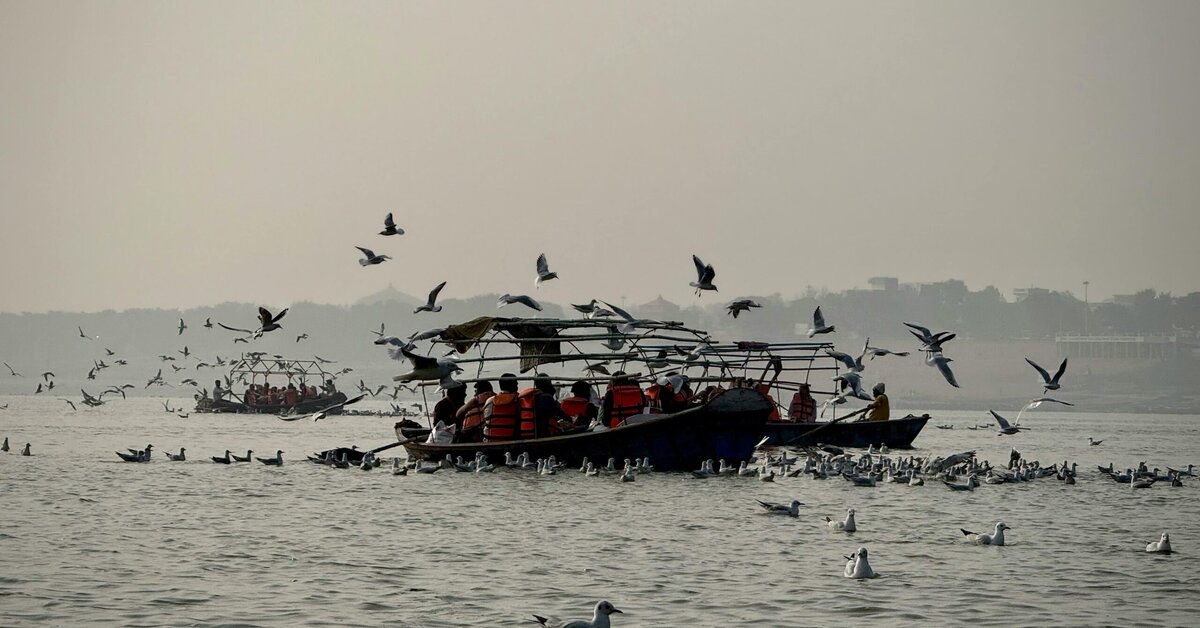
Documents Required for Asthi Visarjan in Varanasi , When was the last time you thought about paperwork during a spiritual journey? Probably never, right? Yet in today’s world, even the most sacred rituals require proper documentation. If you’re planning to perform Asthi Visarjan in Varanasi, understanding the document requirements can save you from unnecessary stress during an already emotional time.
Documents Required for Asthi Visarjan in Varanasi , The good news? The documentation process isn’t as complicated as you might fear. Think of these documents as practical necessities that complement, rather than complicate, your spiritual duties. They’re there to ensure everything goes smoothly, allowing you to focus on what truly matters—honoring your loved one’s memory.
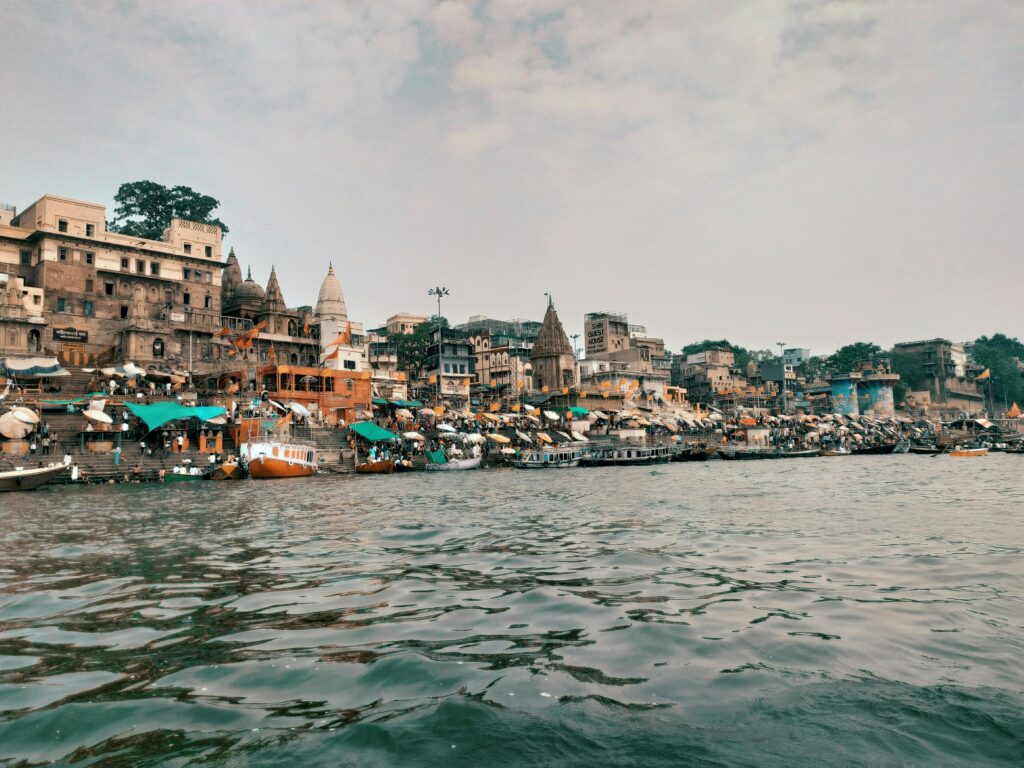
Asthi Visarjan is deeply personal and profoundly spiritual. It’s the final act of love and duty toward someone who has passed away. For thousands of years, this ritual has been performed on Varanasi’s ghats without much paperwork. So why the sudden need for documents?
Documents Required for Asthi Visarjan in Varanasi ,Modern India requires certain legal formalities for public health, security, and administrative purposes. While the spiritual essence remains unchanged, authorities need to maintain records and ensure that rituals are performed by legitimate family members. This isn’t about red tape—it’s about maintaining order in one of the world’s busiest pilgrimage cities where thousands of ceremonies happen daily.
This is the single most important document you’ll need. Issued by the local municipal authority or hospital where the death occurred, the death certificate serves as official proof of your loved one’s passing. It contains vital information including the deceased’s name, date of death, and cause of death.
Why it matters: Many service providers, especially if you’re booking accommodations or priests in advance, may request this for verification. While ghat authorities might not always check it strictly, having it prevents potential complications.
Pro tip: Get at least 5-6 certified copies of the death certificate. You’ll need them for various purposes beyond just the Asthi Visarjan—insurance claims, property matters, and other administrative tasks.
The cremation certificate is issued by the crematorium where the last rites were performed. This document confirms that the cremation was conducted legally and that the ashes you’re carrying are indeed from that cremation.
When you’ll need it: This becomes particularly important if you’re traveling by air. Airport security personnel may ask to see this certificate when you’re transporting cremated remains. Train authorities might also request it, though enforcement is less strict.
What it should contain: The certificate typically includes the deceased’s name, date of cremation, crematorium details, and an official stamp. Some crematoriums issue this automatically; others require you to specifically request it.
Carry a photocopy of any government-issued ID of the deceased person—Aadhaar card, PAN card, passport, or voter ID. This helps establish the identity of the person whose ashes are being immersed.
Reality check: Not all ghats strictly enforce this requirement, but having it prevents potential questions. Some priests prefer to have this information for their records, particularly if they’re preparing specific mantras that include the deceased’s full name and lineage.
Every adult family member attending the ceremony should carry valid photo identification—Aadhaar card, driving license, passport, or voter ID. The primary mourner (usually the person performing the main rituals) should definitely have their ID handy.
Why this matters: In rare cases, authorities may need to verify that legitimate family members are performing the ritual. This is more about maintaining order and preventing any misuse rather than creating obstacles for genuine families.
Flying with cremated remains requires specific documentation. Different airlines have varying policies, but generally you’ll need:
Important: Contact your airline at least 48 hours before travel. Most airlines require advance notification and may have specific packaging requirements. The ashes should be in a sealed, leak-proof container placed in your carry-on baggage, not checked luggage.
Some airlines require you to carry the ashes in a cloth bag or wooden box rather than a metal urn because metal containers can’t be X-rayed. Plan accordingly.
Train travel is more flexible. While you should carry the death certificate and cremation certificate, ticket checking staff rarely ask for documentation unless someone raises a question. However, having proper documents provides peace of mind and quick resolution if any issues arise.
For road travel (by car or bus), no specific checks exist, but carrying these documents is wise for any unforeseen circumstances during your journey.
If you’re bringing ashes from abroad, the documentation becomes more complex:
Each country has specific requirements. Contact the Indian embassy in your country of residence well in advance—this process can take several weeks. You’ll also need to declare the ashes to Indian customs upon arrival.
Manikarnika Ghat, being the most prominent cremation and immersion site, has relatively informal documentation requirements for Asthi Visarjan. The ghat authorities (dom rajas and pandas) typically don’t demand extensive paperwork for the immersion ceremony itself.
However, having your death certificate, cremation certificate, and IDs ready is advisable. If you’re working through an organized service provider, they might request these documents for their records.
Similar to Manikarnika, Harishchandra Ghat doesn’t enforce strict documentation protocols for Asthi Visarjan. The focus remains on the spiritual ceremony rather than paperwork. Still, your priest might appreciate having basic documents for maintaining their records.
Ghats like Dashashwamedh, Assi, and Panchganga follow the same general pattern. The documentation culture at Varanasi’s ghats is predominantly informal and trust-based. However, the trend is slowly moving toward more systematic record-keeping, so being prepared is always smart.
When you engage a priest or pandit for the ceremony, request a written agreement or at least clear written details about:
While traditional arrangements were often verbal, having written clarity prevents misunderstandings during an emotional time.
Always ask for receipts for any payments made—to priests, ghat authorities, or service providers. This serves multiple purposes:
Many temples and trusts in Varanasi now provide proper receipts with PAN and GST details, making the process more transparent.
If you’re booking through a service provider offering complete Asthi Visarjan packages (including accommodation, priest services, transportation), get detailed documentation including:
If the death occurred under unusual circumstances, or if there were specific medical conditions, carrying relevant medical records can be helpful. While not mandatory for Asthi Visarjan, these documents might be needed if any questions arise about the death certificate or cremation.
For complex family situations—especially when property or inheritance matters are involved—a legal heir certificate establishes who has the right to perform the final rites. This becomes relevant when there might be disputes about who should be the primary mourner or decision-maker.
Some traditional priests, particularly when performing elaborate ceremonies, appreciate having family tree information. This helps them accurately recite lineage details in Vedic mantras. While not a legal requirement, it adds completeness to traditional rituals.
Many families perform charitable acts during Asthi Visarjan—feeding Brahmins, donating to temples, or giving to the poor. If you’re making substantial donations:
This isn’t about being calculative during a spiritual occasion—it’s about proper financial documentation that might be necessary for family accounts or tax purposes later.
Here’s a modern twist on ancient traditions: go digital with your documentation.
Why digital backups matter: What happens if you lose your documents bag in crowded Varanasi? Having scanned copies on your phone or cloud storage provides instant backup access.
How to organize:
Security consideration: While keeping digital copies, ensure your phone has adequate security. Losing your phone with all documents can be worse than losing just the physical papers.
Let’s address the elephant in the room: What if you arrive in Varanasi missing some documents? Will your ceremony be cancelled?
The reality is that Varanasi’s spiritual ecosystem is understanding and flexible. Thousands of families have performed Asthi Visarjan with minimal documentation for centuries. The recent emphasis on documents is more about being prepared for potential checks rather than strict enforcement.
If you’re missing documents:
In genuine emergencies, some documents can be arranged:
Pragmatic advice: While documents are recommended, don’t postpone the ceremony indefinitely if you’re missing some paperwork. The spiritual significance far outweighs bureaucratic perfection. Use your judgment and consult with experienced local priests who handle such situations regularly.
In most cases, no one at the ghats will ask to see your documents during Asthi Visarjan. The ceremony is considered a private family matter guided by priests. Any verification that occurs is typically informal:
If any verification does happen, it’s usually brief and respectful:
This shouldn’t cause anxiety—it’s far less formal than airport security or hotel check-ins. The spiritual atmosphere of Varanasi keeps bureaucracy to a minimum.
If you’re a foreign national of Indian origin (or married into an Indian family), you can perform Asthi Visarjan in Varanasi. Additional considerations:
Non-Resident Indians face similar requirements as residents, but with extra considerations:
Sometimes families perform Asthi Visarjan many years after the death—perhaps due to circumstances that prevented earlier immersion. In such cases:
Make sure your identity documents haven’t expired. While priests might not check, if any official verification happens, expired IDs create unnecessary complications. Check all ID expiry dates before leaving home.
Ensure the deceased’s name is spelled consistently across all documents—death certificate, cremation certificate, and IDs. Variations in spelling can raise questions. Similarly, check that dates match across documents.
Official documents should have:
Photocopied documents without clear stamps might not be accepted if verification is required. Get properly certified copies.
Before leaving for Varanasi, create a checklist:
✓ Death certificate (original + 2 copies) ✓ Cremation certificate (original + copy) ✓ Deceased’s ID proof (photocopy) ✓ All family members’ ID proofs ✓ Travel tickets and confirmations ✓ Hotel booking confirmations ✓ Priest contact details and agreements ✓ Emergency contact numbers ✓ Insurance papers (if applicable) ✓ Bank details for any transfers
Varanasi’s ghats involve proximity to water. Protect your documents:
Compile and keep handy:
Keep this information in multiple places—on your phone, written in a small notebook, and shared with other family members traveling with you.
So, what’s the real story with documents for Asthi Visarjan in Varanasi? Here’s the truth: while having proper documentation is wise and recommended, the spiritual heart of the ceremony remains untouched by paperwork. Think of these documents as practical tools that facilitate your sacred journey, not as barriers to it.
The essential documents—death certificate, cremation certificate, and basic IDs—cover almost every situation you’ll encounter. Everything else is supplementary. Varanasi has welcomed grieving families for millennia, and its priests and authorities understand that people arrive in various states of preparedness during difficult times.
Come prepared with your documents, but don’t let anxiety about paperwork overshadow the ceremony’s spiritual significance. The Ganges has flowed through Varanasi accepting prayers and ashes long before documentation existed, and it will continue to do so. Your devotion, your love for the departed, and your sincere intent matter infinitely more than having every paper perfectly in order.
While the death certificate is highly recommended and considered the most important document, the ceremony isn’t strictly cancelled without it. In practical terms, most ghat authorities don’t conduct document checks during Asthi Visarjan (unlike cremations). However, having it prevents potential complications, especially if you’ve traveled by air or if any questions arise. It’s best practice to bring it, but genuine cases without proper documentation can often be accommodated with explanation to your priest.
Yes, you can still perform the ceremony. The cremation certificate is primarily required for air travel with ashes. At the ghats themselves, this document is rarely checked. If you’ve lost it, you can either request a duplicate from the crematorium where the cremation occurred (usually takes a few days) or proceed without it, explaining your situation to the priest. Many ceremonies have been performed successfully without cremation certificates.
For air travel with cremated remains, you’ll need: (1) Death certificate (original or certified copy), (2) Cremation certificate (mandatory), (3) A letter from the crematorium on official letterhead, and (4) The ashes in a temporary, non-metal container that can pass through X-ray. Contact your airline at least 48 hours before travel as they may have additional specific requirements. The ashes should be in carry-on baggage, not checked luggage.
Foreign nationals and NRIs follow similar requirements with a few additions. You’ll need your passport as primary identification. If bringing ashes from abroad, ensure you have apostilled death and cremation certificates (apostille requirements vary by country). Contact the Indian embassy in your country for specific documentation before travel. Within Varanasi, the ceremony proceeds normally—priests are experienced with NRI families and foreign nationals performing these rituals.
First, don’t panic—the ceremony can usually proceed. Contact your priest or service provider and explain the situation honestly. Most are understanding and flexible. For emergency solutions: contact your home city’s municipal office or crematorium for emailed copies of documents, which can be printed at your hotel. Many families have successfully performed Asthi Visarjan with incomplete documentation. The spiritual intent and family presence typically matter more than having every document perfectly in order. When in doubt, consult with experienced local priests who regularly handle such situations.