Your cart is currently empty!
You may check out all the available trips and book one that suits you.
Continue Browsing TripsNo destinations found
No destinations found
No destinations found
No destinations found
No destinations found
No destinations found
No destinations found
No destinations found
No destinations found

No destinations found
No destinations found
No destinations found
No destinations found
No destinations found
No destinations found
No destinations found
No destinations found
No destinations found
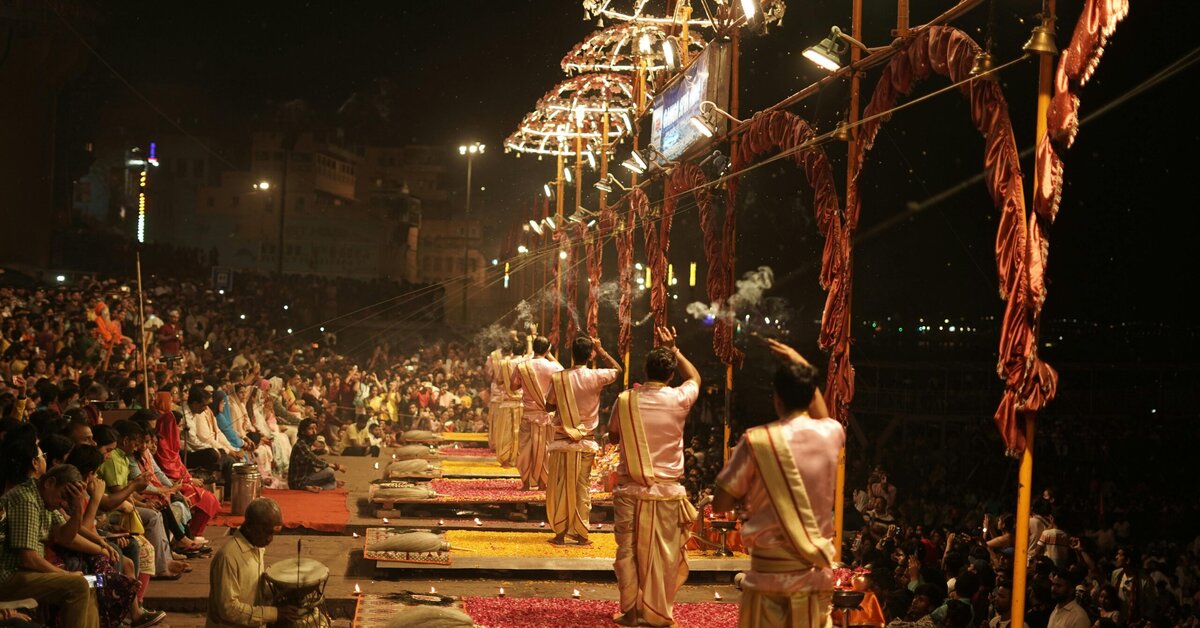
Visiting the Kashi Vishwanath Temple with your family should be a deeply spiritual and memorable experience. But let’s be honest—the reality often involves navigating through shoulder-to-shoulder crowds, managing anxious children, keeping track of elderly parents, and feeling overwhelmed by the sheer intensity of it all. Does that mean families should avoid this sacred temple? Absolutely not.
Thousands of families successfully visit Kashi Vishwanath every single day, creating beautiful memories and meaningful spiritual experiences despite the crowds. The difference between a stressful visit and a fulfilling one comes down to preparation, strategy, and knowing the insider tricks that make crowd management possible. This comprehensive guide will walk you through exactly how families handle the crowds at one of Hinduism’s holiest shrines, turning potential chaos into a manageable and even enjoyable pilgrimage.
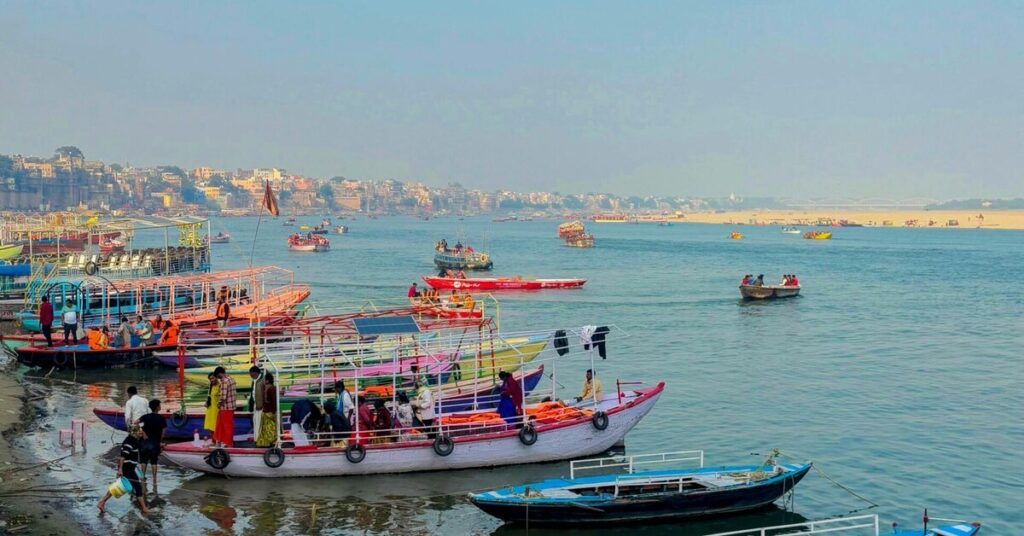
Kashi Vishwanath Temple isn’t just another pilgrimage site—it’s one of the twelve Jyotirlingas, considered among the most sacred Shiva temples in existence. For devout Hindus, visiting this temple represents a once-in-a-lifetime spiritual achievement. The belief that darshan here provides moksha (liberation from the cycle of rebirth) draws millions of pilgrims annually.
The temple sits in the heart of Varanasi’s oldest quarter, surrounded by narrow lanes that were designed centuries ago for foot traffic, not modern crowds. This geographical constraint means that even moderate visitor numbers create bottleneck situations. On any given day, you’re sharing space with local devotees performing their daily worship, tourists seeking cultural experiences, and serious pilgrims who’ve traveled across continents for this moment.
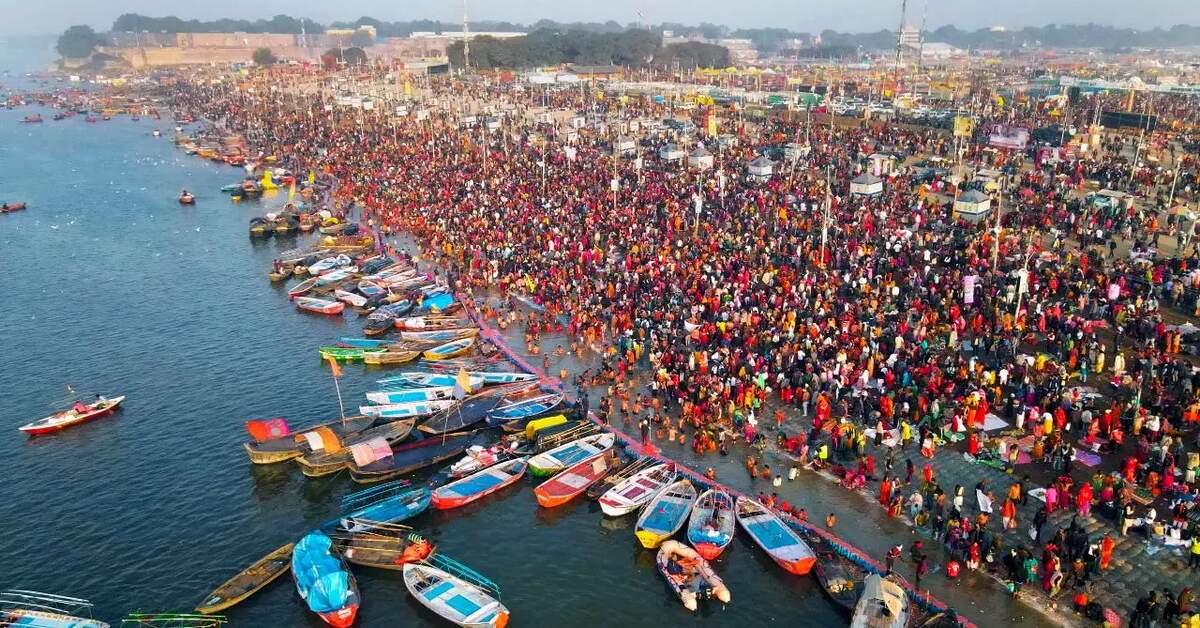
How Families Handle Crowds Near Kashi Vishwanath Temple ,Certain days transform the already-crowded temple into an almost impenetrable mass of humanity. Maha Shivaratri sees the highest concentration of devotees—we’re talking crowds that can extend for kilometers, with wait times stretching to 8-12 hours or more. Other major crowd days include:
Unless your family has exceptional patience and stamina, consider avoiding these peak festival dates. The spiritual merit you seek can be found on slightly less crowded days without the physical and mental exhaustion that comes with extreme crowds.
How Families Handle Crowds Near Kashi Vishwanath Temple ,Here’s a practical tip many families overlook: weekdays, especially Tuesday through Thursday, see noticeably lighter crowds than weekends. If your travel schedule allows flexibility, arriving on a weekday can cut your wait time in half or more. Weekend crowds typically include both out-of-town pilgrims and local devotees who work during the week, creating a perfect storm of congestion.
Morning hours on weekdays between 5:00 AM and 7:00 AM offer the sweet spot—the temple is open, devoted regulars have completed their worship, and the tourist crowds haven’t yet arrived.
How Families Handle Crowds Near Kashi Vishwanath Temple ,The Kashi Vishwanath Temple Corridor Project, completed in recent years, has dramatically transformed access to the temple. What was once approached through impossibly narrow lanes is now accessible via a more spacious corridor system. The project created wider pathways, better queuing systems, and improved crowd management infrastructure.
For families, this means significantly better organization than in previous years. The new layout includes designated waiting areas, better signage, and clearer entry/exit routes. However, the final approach to the sanctum itself remains constrained by the ancient temple structure, which cannot be altered.
How Families Handle Crowds Near Kashi Vishwanath Temple , The complex now features several entry points, with different gates serving different purposes. The main entry gate handles general darshan queues, while separate gates exist for VIP darshan, priests, and local devotees with daily passes. Understanding which gate serves your purpose prevents wasted time standing in the wrong queue.
For families with young children or elderly members, asking specifically about accessibility gates upon arrival can save considerable hassle. Security personnel can direct you to the most appropriate entry point based on your family’s composition.
Like airport security but more stringent—that’s the reality at Kashi Vishwanath today. Multiple checkpoints screen visitors using metal detectors, bag searches, and increasingly, facial recognition systems. Mobile phones, cameras, leather items, and large bags are prohibited inside the temple complex.
Families must account for at least 15-20 minutes just for security screening during normal times, potentially much longer during peak hours. The key is arriving with minimal belongings and knowing in advance what’s prohibited to avoid last-minute scrambles.
I cannot stress this enough: if you want a manageable crowd experience with your family, visit early in the morning. The temple opens around 3:00-4:00 AM for Mangala Aarti, but the realistic sweet spot for families is 5:00-6:30 AM.
At these hours, you’ll encounter serious devotees rather than massive tourist crowds. The atmosphere is more meditative, the air is cooler (crucial in Varanasi’s climate), and your children will be fresher for the experience. Yes, waking everyone up before dawn requires effort, but the payoff in reduced wait times and improved experience is substantial.
Many families report completing their entire darshan in 45 minutes to an hour during early morning visits, versus 3-5 hours during peak afternoon times. That time saving alone justifies the early wake-up call.
The second-best timing option is late evening, roughly 8:00-10:00 PM, after the evening aarti concludes and before the temple’s closing time (around 11:00 PM). Evening crowds are typically smaller than daytime, though still present.
The evening visit offers its own magic—the temple illuminated, the spiritual energy palpable, and often a slightly cooler temperature. For families with teenagers who struggle with early mornings, this can be an excellent compromise.
The period from 11:00 AM to 4:00 PM represents peak crowd time. This is when tour groups arrive in force, when local visitors who’ve finished their morning activities visit the temple, and when the heat makes the crowded conditions even more uncomfortable.
If circumstances force you to visit during these hours, mentally prepare for long waits, slow-moving queues, and the need for significant patience. Bring water, have snacks for children, and maintain realistic expectations about how long the experience will take.
This is where many families make critical mistakes. The temple has strict prohibitions, and arriving with banned items means either discarding them, paying to store them at commercial facilities nearby (which can be unreliable), or having a family member wait outside with possessions.
What you CAN carry:
What you CANNOT carry:
The mobile phone prohibition particularly challenges families accustomed to using phones for coordination. You must plan alternative communication strategies before entering.
The temple enforces traditional dress codes more strictly during peak times. Men should wear dhoti or full-length pants with shirts (not sleeveless). Women should wear traditional Indian attire—salwar kameez, saree, or at minimum, long skirts and tops covering shoulders and midriff.
Children should be dressed similarly according to gender. Western clothing, shorts, short skirts, and revealing attire will result in entry denial. Some families carry extra dupattas or scarves to ensure everyone meets requirements.
The dress code isn’t merely about following rules—it’s about respecting the sacred nature of the space and ensuring your family’s experience isn’t disrupted by avoidable issues.
VIP darshan can be a game-changer for families, particularly those with young children or elderly members who cannot endure long waits. Several tiers of VIP access exist, typically priced from ₹300 to ₹2,100 per person depending on the service level and season.
Booking can be done online through the temple’s official website or through authorized tour operators. During peak seasons, book at least a week in advance as VIP slots fill quickly. The investment usually proves worthwhile—what might take 4-5 hours in the general queue can be completed in 30-45 minutes with VIP access.
Some families split the difference: purchasing VIP passes for elderly grandparents and young children while adults use the regular queue, meeting at predetermined points afterward.
Dense crowds present genuine safety concerns when traveling with children. The single most effective strategy is physical connection. For toddlers and young children, use child leashes or backpack harnesses—yes, they look ungainly, but in crowds where you can barely move and cannot easily hold hands, they’re invaluable safety devices.
For older children who resist physical restraints, establish the “chain hold” system: each family member holds the hand or clothing of the person in front and behind, creating an unbroken family chain through the crowd. Make it a game or responsibility that gives children a sense of importance.
Brightly colored clothing helps children stand out visually if you’re scanning the crowd. Some families use matching caps or scarves as identifiers, making it easier to spot each other in dense spaces.
Long queues test any child’s patience. Come prepared with entertainment strategies that don’t rely on electronics:
The key is keeping children mentally engaged so they’re not solely focused on discomfort or boredom. Rotating through different activities every 10-15 minutes prevents any single approach from becoming tedious.
Before entering the temple complex, establish clear emergency meeting points in case your family gets separated. Choose specific, memorable locations: “the large pipal tree at the exit gate,” “the flower vendor with the yellow umbrella outside gate two,” or “the water fountain near the security checkpoint.”
Write your contact number on your child’s inner arm with a pen. Teach children to approach security personnel or other families with young children if they become separated, never to leave the temple complex with strangers, and to stay in one place if lost rather than wandering to search for you.
Older children should memorize your phone number and hotel name. Some families create small cards with this information that children carry in pockets.
Crowd dynamics at Kashi Vishwanath can shift from static queuing to sudden movement when gates open or groups are allowed to proceed. These surge moments pose the greatest separation risk. Train your family beforehand that during any sudden movement, everyone stops moving and locks hands immediately until the surge passes.
Position your strongest adults at the front and rear of your family group, with children and elderly members protected in the middle. This formation prevents family members from being pushed or separated by crowd dynamics.
Avoid letting family members drift to examine something interesting or speak with vendors. The rule is simple: the family moves as one unit at all times within the temple complex.
Since phones aren’t permitted, establish pre-agreed communication protocols. Simple hand signals can convey “wait here,” “follow me,” “emergency,” or “exit now.” Practice these before your visit so they’re instinctive under pressure.
Whistles (non-electronic) are permitted and can help locate separated family members across crowds. Distinctive sounds or code words that your family recognizes can work similarly.
The buddy system works brilliantly: pair up family members so each person is responsible for tracking one specific other person at all times. Parents track children, older siblings track younger ones, adults track elderly parents.
For children prone to anxiety, crowd situations can be overwhelming even without actual separation. Prepare children psychologically before the visit by describing what they’ll experience, emphasizing that everyone will stay together, and practicing crowd situations in less stressful environments (busy markets or train stations) beforehand.
Reassure anxious family members that the temple complex is fundamentally safe, monitored by security, and that worst-case scenarios have clear resolution procedures. Sometimes just knowing there’s a plan reduces anxiety significantly.
For very young children or those with special needs, consider whether the temple visit is necessary or if alternative spiritual experiences might be more appropriate. There’s no shame in acknowledging that some family members might not be ready for this level of crowd exposure.
The temple administration provides wheelchair services for elderly and disabled visitors, usually free of charge (though tips are appreciated). These are available at designated gates, but during peak times, availability becomes limited. Calling ahead to the temple office to reserve wheelchair assistance can ensure availability.
Wheelchair users access the temple through specific routes with gentler slopes and ramps. While the path is longer than the standard route, it avoids stairs and steep inclines that characterize the main approach.
Some sections of the temple complex cannot accommodate wheelchairs due to ancient architecture, but wheelchair users can reach viewing points where darshan is possible from a distance. For many elderly devotees, this compromise between accessibility and spiritual fulfillment represents an acceptable solution.
Elderly visitors often qualify for “senior citizen” queues that move faster than general queues. The age cutoff varies but typically applies to visitors over 60-65 years. You’ll need identification proving age—carrying a photocopy of a government ID card or passport is advisable.
These special queues can reduce wait times by 50% or more during peak periods. Don’t hesitate to inquire about eligibility; temple staff generally want to accommodate elderly visitors and will direct you appropriately.
For elderly family members who cannot manage the full darshan experience, several viewing points around the temple complex offer sight lines to the main shrine without requiring the complete crowd navigation. Temple priests or guides can point these out.
Additionally, the Kashi Vishwanath Corridor includes elevated platforms where elderly visitors can rest while still feeling connected to the spiritual atmosphere. Many families have one member complete the full darshan while elderly relatives experience the temple from these alternative vantage points.
VIP darshan booking can be done through multiple channels. The official temple website offers online booking, though the interface can be challenging for those unfamiliar with online payments. Alternatively, authorized tour operators in Varanasi handle VIP bookings as part of package services.
Your hotel concierge can often arrange VIP darshan more easily than you could independently, leveraging established relationships with booking agencies. The fee typically includes faster queue access, closer approach to the sanctum, and sometimes guidance from temple staff through the process.
When booking, you’ll receive a confirmation with a specific time slot. Arriving 15-20 minutes before your slot ensures you’re processed without losing your reservation. Bring printed confirmation and identification to the designated VIP entry gate.
VIP darshan packages range from ₹300 to ₹2,100 per person, varying by service level and season. The basic tier provides faster queue access, while premium tiers add amenities like guided assistance, special aarti viewing, and sometimes refreshments.
For a family of four, the investment might be ₹2,000-8,000 total. Compared to saving potentially 3-4 hours of standing in queues with tired children and elderly parents, many families consider this a bargain. The time saved can be invested in other Varanasi experiences or simply in rest.
Calculate the value of your time and your family’s comfort. If those hours in queue would be miserable and potentially harmful to anyone’s health, VIP access isn’t indulgence—it’s practical investment.
This depends entirely on your family’s composition and resources. Families with multiple young children (especially toddlers), elderly members with health concerns, or anyone with limited vacation time generally find VIP darshan worthwhile.
Conversely, families with patient teenagers, good health across all members, and ample time might prefer the traditional darshan experience, which offers its own authenticity and sense of shared pilgrimage with thousands of other devotees.
One compromise: use VIP services during your first visit to ensure positive experience, then try regular darshan on a subsequent trip if you return to Varanasi. This removes the pressure of “getting it right” on a single attempt.
Located just 100 meters from Kashi Vishwanath, the Annapurna Temple offers profound spiritual significance with a fraction of the crowds. Dedicated to the goddess of nourishment, this temple provides a calmer, more contemplative experience that can be especially suitable for families with young children.
The temple’s architecture is beautiful, the atmosphere peaceful, and darshan can typically be completed in 15-30 minutes even during busy times. Many families visit Annapurna Temple in conjunction with Kashi Vishwanath, finding that the two experiences complement each other beautifully.
Kaal Bhairav, the guardian deity of Varanasi, has his main temple about two kilometers from Kashi Vishwanath. This temple offers unique rituals and significantly fewer crowds. The deity’s fierce form fascinates children while the temple’s less intense atmosphere makes for a more relaxed family visit.
The temple allows photography in some areas (though not near the main sanctum), making it more tourist-friendly while maintaining its spiritual authenticity. It represents an excellent addition to a Varanasi spiritual itinerary without the crowd challenges of Kashi Vishwanath.
The lanes surrounding Kashi Vishwanath contain dozens of smaller shrines and temples, each with its own significance. These receive minimal tourist attention but deep devotion from locals. Exploring these with a knowledgeable guide offers families a more intimate spiritual experience.
These smaller temples typically welcome families, allow closer interaction with worship rituals, and provide cultural insights without overwhelming crowds. Children often find these more accessible and interesting than being lost in massive crowds at major temples.
The area around Kashi Vishwanath teems with vendors, priests offering puja services, and guides promising special access. Many are legitimate, but aggressive sales tactics can make families uncomfortable and waste precious time.
The most effective approach is polite but absolutely firm refusal. A simple “Nahin chahiye, dhanyavaad” (No thank you) repeated without elaboration or explanation works best. Making eye contact and stopping to engage invites intensified sales pressure.
Teach children beforehand that saying no to vendors is acceptable and that ignoring repeated approaches isn’t rude—it’s necessary. This empowers them and prevents guilt that can make families vulnerable to pressure tactics.
If you do want offerings or services, knowing fair prices prevents exploitation. Temple offerings (flowers, coconut, incense) should cost ₹50-100 outside the temple complex. Puja services from temple priests range from ₹100 for basic rituals to ₹500-1,000 for elaborate ceremonies.
Prices three to five times these amounts indicate tourist pricing. Bargaining is acceptable for offerings and services (though not for the VIP darshan fees, which are fixed). Don’t feel pressured to accept the first price or the first vendor—there are hundreds of options.
Ask your hotel or local contacts about current fair prices before visiting. Having this knowledge makes you a less attractive target for overcharging.
The Kashi Vishwanath experience offers teaching moments about personal boundaries in crowded, commercial spaces. Discuss with children beforehand how vendors will approach, why they do so, and how to respond without being rude or fearful.
This might be children’s first exposure to aggressive sales environments. Frame it as cultural education rather than something scary. Role-playing scenarios at the hotel before your visit can prepare children to handle these interactions confidently.
Establishing that parents handle all financial transactions prevents vendors from targeting children with guilt tactics or appealing directly to them for sales.
Never attempt a temple visit on an empty stomach, especially with children. The uncertainty of queue times means you could be standing for hours. However, heavy meals cause discomfort in crowds.
Eat a moderate, easily digestible meal 1-2 hours before your planned temple time. Hotels near Dashashwamedh Ghat and Godowlia offer good breakfast and meal options. Avoid street food immediately before temple visits—the last thing your family needs is digestive issues during darshan.
Traditional Indian breakfast options like poha, upma, idli, or parathas provide good energy without heaviness. For children, familiar foods might be better than experimental dining before an important family activity.
Remember that water bottles and food aren’t permitted inside the temple complex. However, you’ll spend considerable time approaching the temple through surrounding lanes before reaching security checkpoints. Small, easily digestible snacks (biscuits, dry fruit, chocolate) kept in pockets can sustain energy.
Hydration is crucial, especially during warmer months. Drink plenty of water before entering, and know the locations of water facilities near the temple exits for immediately after your darshan.
For children with special dietary needs or those who eat frequently, plan the timing of your visit around their eating schedule. A hungry, cranky child makes crowd navigation exponentially more difficult.
After the spiritual and physical intensity of temple darshan, families often need both rest and refreshment. Several good restaurants operate near the temple complex. Blue Lassi and Kashi Chat Bhandar offer casual, quick options. For sit-down meals, restaurants along Dashashwamedh Ghat provide comfort and river views.
Many families prefer returning to their hotel to eat, allowing everyone to decompress in a comfortable, private space. This is perfectly reasonable—there’s no requirement to immediately dive into more Varanasi experiences after such an intense activity.
Temples are active worship spaces, not museums. Teaching your family appropriate behavior prevents disruption and shows respect. This includes:
Children need these expectations explained at their comprehension level. Frame it as showing respect in a special place, similar to behavior expectations they already know from other contexts.
Photography is strictly prohibited inside Kashi Vishwanath Temple, and enforcement is serious. However, the surrounding corridor and some outer areas may permit photography depending on current rules.
Always ask permission before photographing people engaged in worship. Never photograph cremation ceremonies or certain ritual activities. Teaching children about photography consent and sacred space respects both culture and individuals’ privacy.
The prohibition on phones makes photography challenging anyway, but planning to capture memories through mental presence rather than through lenses can actually deepen your family’s experience.
Beyond specific rules, convey to your family the temple’s sacred significance to millions of people. This isn’t just an interesting building or tourist attraction—it represents the spiritual core of countless individuals’ faith.
Approaching with humility and openness to the experience, even if your family doesn’t share the specific religious beliefs, demonstrates character and teaches children valuable lessons about religious respect in a diverse world.
Observing the devotion of other pilgrims—some who’ve traveled across continents and saved for years to be here—provides perspective on the temple’s meaning that no guidebook can convey.
Meena from Delhi shared that her family’s best decision was splitting up—her husband took their two energetic boys through the regular queue (which they treated as an adventure), while she accompanied her elderly mother-in-law through VIP darshan. They reunited at a predetermined spot outside, and both groups felt they’d had the appropriate experience for their needs.
Rajiv from Bangalore emphasized the importance of mental preparation: “We showed our kids videos of temple crowds before going, explained what to expect, and made it clear this would be different from other trips. That psychological preparation made all the difference when we actually faced the crowds.”
Priya from Kolkata recommends the “divide and conquer” approach for large families: “With eight of us, moving as one unit was impossible. We created two groups of four, each with adults and children, and visited at staggered times. Much more manageable than trying to keep eight people together in those crowds.”
These real experiences highlight that there’s no single correct approach—successful crowd management at Kashi Vishwanath requires adapting general strategies to your specific family composition and needs.
Here’s an important reframing: the crowds themselves are part of the Kashi Vishwanath experience. This temple has been crowded for centuries. The press of humanity seeking divine connection actually embodies the temple’s significance.
Help your family see the crowds not as obstacles but as testament to the sacred space you’re entering. When children complain about waiting, point out the diversity of pilgrims—people from every corner of India and beyond, speaking dozens of languages, all drawn by the same spiritual magnetism.
Focus family attention on meaningful moments: the first glimpse of the golden spire, the sound of temple bells, the scent of incense and flowers, the faces of deeply moved devotees completing lifelong pilgrimages. These sensory memories outlast the discomfort of crowds.
Photograph your family before and after the darshan (since photography isn’t allowed inside). These images capture the anticipation and the satisfaction of completion, bookending the experience visually even if the main event itself isn’t photographed.
After your visit, have a family discussion about the experience. What did each person find most meaningful? What surprised them? This reflection converts a potentially chaotic physical experience into a processed, meaningful family memory.
Navigating the crowds at Kashi Vishwanath Temple with your family isn’t about eliminating the challenge—it’s about managing it intelligently so the spiritual significance shines through. The strategies outlined here, from strategic timing and VIP options to safety protocols and cultural preparation, transform what could be an overwhelming ordeal into a manageable, meaningful pilgrimage.
Remember that millions of families successfully complete this journey every year. You’re not attempting something impossible; you’re following a path walked by countless families before you. The key lies in realistic expectations, thorough preparation, and flexibility to adapt your approach based on actual conditions when you arrive.
The crowds that initially seem like obstacles actually testify to the temple’s enduring spiritual power. Your family’s presence adds to that living tradition, connecting you to centuries of devotion and millions of pilgrims across time. When viewed through this lens, the crowds become part of the sacred experience rather than detractions from it.
Whether you choose early morning visits, VIP darshan, or patient navigation of regular queues, your family can create beautiful memories at one of Hinduism’s holiest sites. The effort invested in crowd management allows the spiritual essence of Kashi Vishwanath to touch each family member, creating shared experiences that strengthen family bonds while honoring religious tradition.
Approach your visit with preparation, patience, and openness. The rewards—spiritual fulfillment, cultural exposure, and family memories—far outweigh the temporary challenges of navigating crowds in one of the world’s most sacred spaces.
The optimal time is between 5:00 AM and 6:30 AM on weekday mornings (Tuesday through Thursday), avoiding festival days and the month of Shravan. At these times, you can complete darshan in 45 minutes to 1 hour versus 3-5 hours during peak times. Yes, the early wake-up is challenging with children, but the dramatically reduced crowds, cooler temperature, and more peaceful atmosphere make it worthwhile. The temple’s spiritual energy is also most palpable during these quiet morning hours when serious devotees outnumber casual tourists.
For most families, yes. VIP darshan costing ₹300-2,100 per person (₹1,500-10,500 for five people) saves 3-4 hours of standing in queues. If your family includes young children, elderly members, or anyone with limited patience or health concerns, the time and stress saved justify the cost. The money buys not just faster access but reduced risk of meltdowns, exhaustion, and the negative associations that could taint what should be a positive spiritual experience. However, families with patient teenagers, robust health, and ample time might prefer the traditional experience’s authenticity.
Prevent separation by using physical connections (hand-holding, child leashes for young children) and establishing emergency protocols before entering. If separation occurs, teach children to: (1) stay in one place rather than wandering to search, (2) approach security personnel or other families with young children for help, (3) never leave the temple complex with strangers. Write your contact number on your child’s inner arm with pen. Establish specific emergency meeting points outside the temple complex before entering. Most separations are brief and resolved by temple security who routinely deal with this situation.
Yes, with accommodations. The temple provides wheelchair services at designated gates (call ahead to reserve during peak times). Certain routes through the temple complex include ramps rather than stairs, specifically for wheelchair and walker users. While these routes are longer and some inner sanctum areas remain inaccessible, viewing points exist where darshan is possible. Consider VIP darshan for elderly members, which provides closer access with less waiting. Some families have elderly relatives experience the temple atmosphere from the corridor’s elevated platforms while other family members complete full darshan.
Establish communication protocols before entering: agree on specific hand signals, use the buddy system where each person tracks one other family member, create distinctive sounds or code words your family recognizes, and set specific emergency meeting points outside the complex. Non-electronic whistles are permitted and help locate separated members. Move as a single unit rather than allowing anyone to drift away. Write your hotel name and contact number on children’s arms with pen. The phone restriction is strictly enforced, so these low-tech solutions are essential for family coordination throughout your visit.


One Comment
Comments are closed.