Your cart is currently empty!
You may check out all the available trips and book one that suits you.
Continue Browsing Trips

Quiet Boat Rides for Families with Children or Seniors ,Picture this: a gentle morning on calm waters, your children pointing excitedly at a heron taking flight, your elderly parents relaxing comfortably with contented smiles, and everyone together in a moment of pure, peaceful connection. In our increasingly hectic world, finding activities that genuinely suit everyone from toddlers to grandparents can feel impossible. Yet quiet boat rides offer exactly this rare gift—an experience that engages young minds, accommodates aging bodies, and creates the kind of multigenerational memories families treasure forever.
Unlike theme parks that overwhelm, hiking trails that exhaust, or crowded tourist attractions that stress, a peaceful boat ride on calm waters provides the perfect canvas for family bonding. The gentle rocking motion soothes fussy babies and aching joints alike. The natural beauty captivates without demanding constant stimulation. The shared space encourages conversation without the distractions of screens or schedules. Whether you’re navigating a quiet lake at sunrise, drifting along a peaceful canal, or exploring a protected bay area, these aquatic adventures offer something increasingly precious in modern family life: genuine togetherness in a naturally calming environment.
This comprehensive guide will help you plan the perfect quiet boat experience for your multigenerational family, covering everything from choosing the right vessel and destination to ensuring safety and maximizing enjoyment for both your energetic five-year-old and your mobility-limited grandfather.
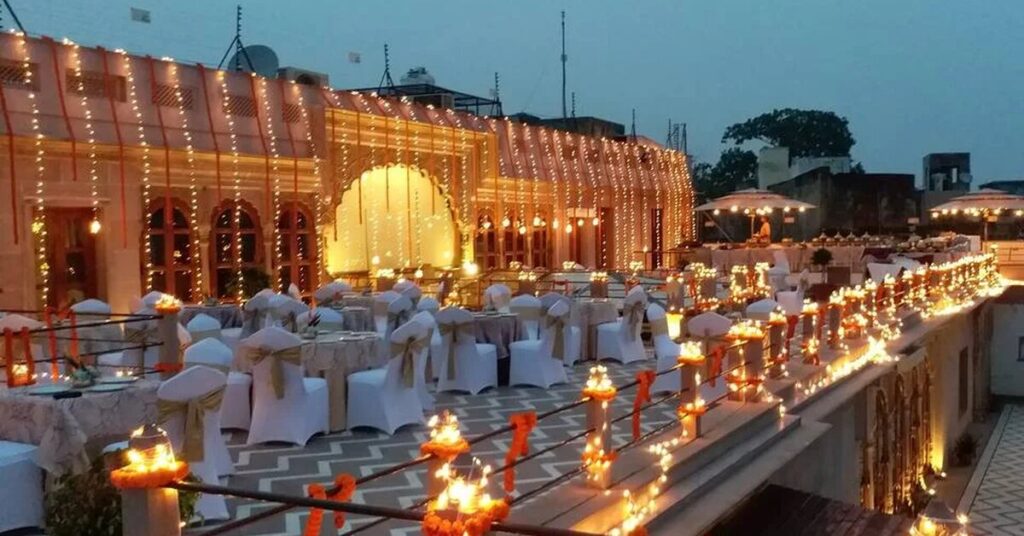
Quiet Boat Rides for Families with Children or Seniors Varanasi , In a world where family gatherings often involve competing for attention against smartphones and television screens, a boat ride creates a natural technology break. Out on the water, there’s nowhere to rush off to, no emails demanding attention, and no distractions competing for your focus. The simple act of being together in a beautiful setting, watching water birds glide past or fish jumping, creates organic moments of connection. Grandparents share stories from their own childhood adventures on the water. Children ask questions about nature that spark meaningful conversations. Parents actually relax, perhaps for the first time in weeks.
These aren’t manufactured memories from expensive entertainment venues—they’re authentic experiences rooted in nature’s timeless beauty. Years later, your children will remember the morning they spotted a family of ducks or the afternoon grandma taught them to identify different bird calls from the boat. These memories cost relatively little but mean absolutely everything.
One of the most beautiful aspects of quiet boat rides is their inherent accessibility. A three-year-old can enjoy watching the water as much as an eighty-year-old. Unlike activities requiring specific skills, stamina, or mobility levels, sitting in a gently moving boat accommodates nearly everyone. Seniors with arthritis don’t need to walk long distances. Young children don’t need to sit still for extended periods because the changing scenery and wildlife provide natural entertainment. Teenagers who might groan about “family activities” often find themselves genuinely engaged by the peacefulness and beauty.
The boat becomes a mobile gathering space where everyone participates equally, where physical limitations matter far less than they do on land-based activities, and where the youngest and oldest family members share remarkably similar experiences of wonder and relaxation.
Modern entertainment often bombards us with noise, flashing lights, and constant stimulation. Children become overstimulated and cranky. Seniors feel overwhelmed and exhausted. Even adults struggle with sensory overload. A quiet boat ride offers the opposite—a chance to decompress, to let nervous systems settle, and to experience the restorative effects of nature’s gentle rhythms.
The sound of water lapping against the hull, the sight of clouds reflected on calm surfaces, the feeling of a light breeze—these simple sensory experiences actually help regulate stress responses in both children and adults. Many families report that children who were bouncing off walls before the boat ride become noticeably calmer afterward, while seniors who seemed fatigued appear refreshed and energized.
A quiet boat ride transforms into a floating classroom without children even realizing they’re learning. Observing aquatic ecosystems firsthand teaches biology in ways no textbook can match. Children see how birds hunt for fish, how turtles sun themselves on logs, how dragonflies skim the water’s surface. They learn about food chains, habitats, and animal behavior through direct observation rather than abstract concepts.
Geography and navigation become tangible as children help identify landmarks, understand how boats move through water, and grasp basic concepts about currents and wind. Even mathematics sneaks in when counting birds, estimating distances, or timing how long it takes to reach certain points. These lessons stick because they’re experienced rather than merely explained.
Research consistently shows that being near water has measurable calming effects on human nervous systems, and children are no exception. The repetitive motion of waves, the blue tones that dominate water landscapes, and the relative quiet compared to urban environments all contribute to reduced anxiety and improved mood in children. Parents often report that children who struggle with hyperactivity or attention challenges show remarkable focus and calmness during boat rides.
For children dealing with stress—whether from school pressures, family changes, or developmental challenges—time on the water provides a gentle, natural form of therapeutic intervention. The environment naturally slows racing thoughts and helps children feel more grounded and present.
In our screen-dominated culture, many children have limited exposure to natural environments. A boat ride introduces them to ecosystems they’d never experience otherwise. They begin understanding that nature isn’t just background scenery but a living, dynamic world full of fascinating creatures and processes. This early exposure builds environmental awareness and stewardship that often lasts a lifetime.
Children who regularly experience natural beauty tend to develop stronger connections to environmental conservation as they grow. They’re more likely to care about protecting waterways, wildlife, and natural spaces because these places hold personal meaning and memories rather than being abstract concepts.
As we age, the list of physically comfortable activities often shrinks. Hiking becomes too demanding on joints. Theme parks involve too much walking and standing. Even many “relaxing” activities require more mobility than aging bodies comfortably provide. Boat rides, however, require almost no physical exertion. Seniors can fully participate while remaining comfortably seated throughout the entire experience.
This makes boating one of the few outdoor activities many seniors can genuinely enjoy without pain, exhaustion, or worry about keeping up with younger family members. They don’t feel like burdens slowing everyone down—they’re simply fellow passengers enjoying the experience equally.
Quality boat rentals designed for leisure provide comfortable seating with back support, cushions, and often shade options. Seniors can adjust their position as needed, stretch their legs, and remain comfortable for extended periods. Unlike car trips where bathroom stops require finding facilities or outdoor activities where sitting options may be limited, boat rides on smaller vessels typically stay close enough to shore that returning for breaks is simple if needed.
The minimal physical demands mean seniors can focus entirely on enjoyment rather than managing discomfort or fatigue. They can engage with grandchildren, observe nature, or simply sit peacefully without the physical stress that accompanies many other family activities.
For many seniors, being on the water triggers warm nostalgia—memories of fishing trips with their own parents, summer vacations at lakes, or romantic dates with spouses long ago. The peaceful atmosphere naturally invites reflection and storytelling. Grandparents often share stories during boat rides that they might not think to tell otherwise, passing down family history in the most organic way possible.
The slower pace of a boat ride accommodates the slower pace that often comes with age. There’s no rush, no pressure to hurry along, no feeling that they’re holding up the group. Time on the water moves differently—more gently—which aligns beautifully with how many seniors prefer to experience the world.
Paddleboats offer wonderful options for families with older children and relatively mobile seniors. These vessels seat typically two to four people and are propelled by pedaling mechanisms similar to bicycles. The advantage is that they’re quiet, environmentally friendly, and give active family members something to do while providing gentle movement.
However, consider whether your seniors can comfortably pedal or if you have enough able-bodied family members to handle the pedaling while others rest. These work beautifully when you have teenagers or adults who enjoy the slight physical activity balanced by grandparents or young children who can ride along without needing to contribute to propulsion.
Electric and solar-powered boats represent the gold standard for quiet family experiences. They provide effortless propulsion without engine noise, require no physical effort from passengers, and allow everyone to simply relax and enjoy. Many rental locations now offer small electric boats perfect for families, often with canopy covers for sun protection and comfortable seating arrangements.
These vessels move smoothly and slowly, ideal for wildlife observation and conversation. The quiet motors won’t disturb the peaceful atmosphere or scare away birds and other animals you’re hoping to observe. While typically more expensive than manual boats, the enhanced comfort and ease make them worthwhile investments for multigenerational outings.
Traditional rowboats and canoes offer the quietest possible experience but require physical capability to operate. These work well for families with able-bodied adults who can handle the rowing while children and seniors enjoy the ride. Canoes can be particularly romantic and peaceful for smaller groups.
The challenge comes with stability—rowboats and canoes require more balance and can feel tippy to nervous passengers, particularly seniors worried about falling or young children who want to move around. If choosing these options, ensure your family members are comfortable with the stability level and that you have experienced rowers who can keep the vessel steady and on course.
For larger families or those prioritizing maximum comfort and stability, pontoon boats offer the best solution. These flat-decked vessels provide ample space for multiple family members, extremely stable platforms that feel secure even to nervous passengers, and often include amenities like tables, comfortable seating, and even small bathrooms on larger models.
While pontoon boats typically require motor propulsion (which adds some noise), the trade-off in comfort and accessibility often makes sense for families with very young children or seniors with significant mobility limitations. Many rentals offer electric or very quiet four-stroke motors that minimize noise pollution while maximizing passenger comfort.
Freshwater lakes and reservoirs typically provide the calmest, most predictable conditions perfect for family boating. These enclosed bodies of water rarely experience the choppy conditions common on oceans or large bays. Many lakes feature rental facilities, designated calm zones, and beautiful natural surroundings that enhance the experience.
Look for lakes known for peaceful recreation rather than high-speed water sports. Some lakes have designated quiet zones where motorized vessels must operate at low speeds, creating ideal conditions for peaceful family outings. State parks and national recreation areas often maintain lakes specifically designed for gentle boating experiences.
Gentle rivers and man-made canals offer unique boating experiences with constantly changing scenery as you float downstream. Unlike lakes where you might cover the same areas repeatedly, river trips provide natural progression and exploration. Historic canals, particularly those designed for early commercial transport, now serve as peaceful recreation corridors perfect for family boating.
When selecting rivers, choose those described as “lazy rivers” or “gentle float” experiences rather than those known for rapids or swift currents. The ideal family river moves slowly enough that rowing or pedaling against the current remains easy, allowing you to explore upstream as well as down without exhaustion.
Coastal families can find excellent boating in protected bays and harbors where ocean swells don’t penetrate. These areas offer the beauty of coastal environments—seabirds, interesting marine life, coastal views—without the challenging conditions of open ocean. Protected bays often feature fascinating ecosystems including salt marshes and mangrove forests that provide educational opportunities for children.
Check tide charts and local conditions before heading out, as even protected bays can experience strong currents during tide changes. Choose times when tides are slack (the period between high and low tide) for the calmest possible conditions.
Many botanical gardens incorporate lakes, ponds, or canal systems with boat rentals specifically designed for peaceful nature observation. These highly curated environments provide guaranteed beautiful surroundings, well-maintained facilities, and often included interpretive information about plants and wildlife visible from the water.
Botanical garden waterways represent particularly excellent choices for seniors or very young children because distances remain short, help is always nearby, and the controlled environment ensures predictable, safe conditions. The trade-off in wildness for predictability makes perfect sense for families prioritizing comfort and accessibility.
This is non-negotiable: everyone wears a properly fitted life jacket or personal flotation device (PFD), regardless of swimming ability. Children need specifically sized children’s PFDs—adult life jackets simply don’t work safely on small bodies. Many rental facilities provide these, but sizing and condition vary, so consider purchasing your own quality PFDs for regular use.
For seniors, ensure the life jacket doesn’t restrict breathing or movement uncomfortably. Some designs work better for larger bodies or provide additional head and neck support. Modern life jackets are much more comfortable than old designs, making it easier to ensure everyone wears them throughout the entire trip without complaint.
Check weather forecasts carefully before heading out, and don’t hesitate to postpone if conditions seem questionable. Wind creates waves even on small lakes, turning peaceful experiences into uncomfortable, potentially unsafe situations. Thunderstorms are particularly dangerous on water where boats become lightning targets.
Morning typically offers the calmest conditions as winds usually increase throughout the day. Early morning outings also avoid the hottest temperatures and often provide the best wildlife viewing as animals are most active during cooler hours.
Water reflects and intensifies sun exposure, making sunburn a serious concern even on cloudy days. Apply waterproof, high-SPF sunscreen liberally before departure and reapply regularly, especially on children and seniors whose skin may be particularly vulnerable. Hats with brims, UV-protective clothing, and sunglasses protect against sun damage that accumulates quickly in the reflective environment of water.
Bring significantly more water than you think you’ll need—dehydration happens faster on water than most people realize. Pack water bottles for everyone, along with electrolyte drinks for longer outings. Avoid sugary sodas that can actually worsen dehydration.
The most dangerous moments of any boat trip occur during boarding and disembarking when falls into water are most likely. Take this process slowly, ensuring everyone has stable handholds and secure footing. Designate a responsible adult to board first who can then assist children and seniors from a stable position inside the boat.
For seniors with mobility challenges, look for rental facilities with floating docks that remain level with boat edges rather than fixed docks requiring large steps up or down. Some facilities offer special assistance for boarding—never hesitate to request help. One moment of embarrassment asking for assistance is infinitely better than the consequences of a fall into water.
Early morning offers magical conditions for family boat rides. The water lies calmest before winds pick up, wildlife is most active, temperatures remain comfortable, and other boaters are fewest. Watching sunrise from a boat creates spectacular memories, though getting young children and teenagers up early enough might prove challenging.
Late afternoon into early evening provides another excellent window. Daytime winds typically calm as evening approaches, heat becomes more bearable, and the quality of light creates beautiful photographic conditions. Many families find that timing boat rides for the couple hours before dinner works perfectly with natural family rhythms.
Start shorter than you think necessary, especially for your first outing. An hour-long boat ride might sound brief but provides ample time for young children’s attention spans and seniors’ comfort levels. You can always extend if everyone is having a wonderful time, but cutting short a planned two-hour trip because children are restless or grandpa is uncomfortable creates disappointment.
As your family gains experience and you learn individual tolerance levels, you can gradually extend outings. Some families eventually enjoy half-day adventures, but building up to this gradually prevents overwhelming anyone on early attempts.
Pack thoughtfully but avoid overpacking, as limited boat space fills quickly. Essential items include:
Consider waterproof containers for anything that cannot get wet. Remember that anything brought aboard will need to be carried back, so pack conservatively.
Transform the boat ride into an adventure with a simple nature scavenger hunt. Create lists appropriate to your destination: different types of birds, certain colored flowers along the shore, different kinds of waterfowl, fish jumping, turtles sunning, herons fishing, dragonflies, and so on. Children focus their natural energy on observation rather than fidgeting, and the activity enhances their engagement with the environment.
Make the scavenger hunt cooperative rather than competitive to keep the peaceful atmosphere. Everyone works together spotting items on the list, celebrating each discovery collectively rather than competing against each other.
Teach children to move slowly and speak quietly to avoid scaring wildlife, turning the boat ride into a gentle lesson in patience and observation. Bring binoculars that children can use to examine birds or animals on shore. Many children become genuinely excited about bird watching once they experience the thrill of spotting and identifying different species.
Consider downloading bird identification apps before your trip. These allow children to photograph birds and receive instant identification information, combining technology with nature observation in an educational way that appeals to modern kids.
Encourage older children to document the experience through photography or sketching. A simple waterproof disposable camera or smartphone in a waterproof case allows children to capture their perspective on the journey. Younger children might enjoy a small sketchbook and colored pencils to draw what they observe.
These creative activities keep children engaged while creating tangible mementos of the experience. Later, you can create a family album or scrapbook incorporating everyone’s photos and drawings, extending the memory-making beyond the boat ride itself.
Position seniors where they’ll have the most comfortable ride—typically in the center of the boat where rocking motion feels least extreme. Bring small cushions or foam pads to place on seats for additional comfort, especially for seniors with arthritis or back issues. Ensure they can easily adjust their position and have adequate back support.
Consider bringing a small folding backrest or beach chair support if the boat’s built-in seating lacks proper back support. These inexpensive additions dramatically increase comfort during longer outings, allowing seniors to fully enjoy the experience without pain or stiffness.
Quality binoculars transform a pleasant boat ride into a fascinating bird-watching adventure for seniors. Many older adults develop interests in bird watching precisely because it’s an engaging hobby requiring minimal physical exertion. The boat provides an excellent platform for observing waterfowl, shore birds, and raptors that hunt near water.
Teach grandchildren to use the binoculars and work together identifying species. This creates natural bonding opportunities as grandparents share their knowledge and patience while children provide youthful enthusiasm and sharp eyes for spotting distant birds.
The peaceful atmosphere of a boat ride naturally invites storytelling. Encourage grandparents to share memories from their own childhoods—what water experiences they remember, stories about their parents or grandparents, adventures they had at similar ages to their grandchildren. These stories become treasured family history that might never be shared in other contexts.
The gentle setting helps grandparents feel relaxed and reflective, while children—freed from usual distractions—actually listen attentively. Many families report that some of their most meaningful intergenerational conversations happened during quiet boat rides when the setting naturally slowed everyone down enough to truly connect.
When selecting rental facilities, prioritize those with accessible boarding areas. Floating docks that rise and fall with water levels maintain even surfaces with boat edges, eliminating dangerous step-ups or step-downs. Some facilities offer special accessible boarding ramps or lifts specifically designed for wheelchair users or those with severe mobility limitations.
Don’t hesitate to call ahead and discuss specific accessibility needs. Reputable rental operations will honestly tell you whether their facilities can accommodate your family’s requirements rather than having you discover access problems upon arrival.
For families with seniors who feel nervous about balance or young children who might move unpredictably, prioritize boat stability over other features. Pontoon boats offer maximum stability with their wide, flat platforms. Larger rowboats and kayaks with broader beams provide more stability than sleek, narrow designs.
Ask rental operators specifically about stability. They know which vessels in their fleet work best for families with young children or elderly passengers and can steer you toward appropriate options.
Some specialty operations offer fully wheelchair-accessible boats with level boarding and adequate space to accommodate wheelchairs aboard. These remain relatively rare but are becoming more common as accessibility awareness increases. Organizations focused on adaptive recreation can often recommend accessible boating opportunities in various regions.
Even without fully accessible vessels, many rentals can accommodate transfer from wheelchairs into boats with assistance. Discuss your specific situation with operators to determine what’s possible and safe for your family member’s particular needs.
Choose human-powered or electric boats over gas motors whenever possible to minimize pollution and noise that disturbs wildlife. Even when using motorized vessels, operate at minimum necessary speeds to reduce wake, fuel consumption, and noise. Your quiet, environmentally conscious approach not only protects the environment but actually enhances your experience by keeping wildlife calm and observable.
Avoid disturbing nesting areas, particularly during spring breeding seasons when birds are most vulnerable to disturbance. Stay at respectful distances from all wildlife—if an animal changes behavior because of your presence, you’re too close and should back away.
Teach children that observing wildlife means watching without touching, feeding, or disturbing. Feeding wild animals, particularly waterfowl, harms them by creating dependency on human food, disrupting natural diets, and habituating them to human presence in ways that increase their vulnerability.
Move slowly and quietly near wildlife concentration areas. Fast approaches or loud noises scatter animals and ruin viewing opportunities not just for your family but for other visitors. The patience required to observe wildlife without disturbing them teaches children valuable lessons about respect for nature.
Pack out everything you pack in—absolutely no exceptions. Even “biodegradable” items like fruit peels or nutshells don’t belong in aquatic ecosystems where they can introduce non-native seeds, alter nutrient balances, or attract pest species. Bring plastic bags specifically for trash and dispose of everything properly once ashore.
Avoid introducing any foreign materials into the water. Even seemingly harmless things like breadcrumbs, fish food, or organic materials can disrupt delicate aquatic ecosystems. Leave only the gentle wake of your passage, taking only photographs and memories.
Before booking, ask detailed questions to ensure the experience matches your family’s needs:
Reputable operators appreciate these questions and provide clear, honest answers. Evasive or impatient responses might indicate operations better avoided.
For multigenerational family outings, private boat rentals almost always prove superior to shared tour boats. Private rentals allow you to control pacing, take bathroom breaks as needed, linger at spots of particular interest, and accommodate individual family member needs without worrying about inconveniencing other passengers.
While private rentals typically cost more, the flexibility and personalization they provide for families with young children and seniors makes the investment worthwhile. You’re not locked into someone else’s schedule or route, and you can tailor the entire experience to your family’s specific preferences and capabilities.
Weather can change quickly, and family situations with young children or elderly members can be unpredictable. Prioritize rental operations with flexible cancellation policies that allow same-day cancellations or rescheduling without penalty for weather-related reasons. Many operations check weather themselves and proactively contact customers to reschedule when conditions seem unsuitable, which indicates a safety-focused, customer-oriented business.
Read cancellation policies carefully before booking. The cheapest rental might seem attractive until you lose your entire payment because grandma woke up feeling unwell or storms rolled in unexpectedly.
Capture your family boat adventure with simple photography strategies. Bring waterproof phone cases or inexpensive waterproof cameras rather than risking expensive equipment. Take photos of people actually enjoying the experience—laughing, pointing at wildlife, or sitting peacefully together—rather than only posed portraits.
Photograph from interesting angles: looking back at shore from the water, reflections on calm surfaces, silhouettes during golden hour, and close-ups of children’s expressions as they discover something fascinating. These natural, documentary-style photos often become more cherished than formally posed shots.
Consider keeping a simple family adventure journal where everyone contributes a few thoughts about each outing. After returning from your boat ride, spend a few minutes recording what wildlife you saw, funny things that happened, new things children learned, or reflections grandparents shared. These written memories complement photographs and help preserve the experience in richer detail.
Even young children can contribute drawings or a few dictated sentences about their favorite parts. Years later, these journals become treasured family heirlooms documenting not just what you did but how everyone felt and what mattered most about the experience.
If your quiet boat ride becomes a hit, consider making it a regular family tradition. Annual or seasonal boat trips give everyone something to anticipate and create continuity in family memories. Children love revisiting favorite places, noting how they’ve grown and what’s changed since the last visit. Seniors appreciate predictable, comfortable traditions they know they’ll enjoy.
Some families adopt a particular lake or waterway as “their place,” returning across years and even generations. These locations become woven into family identity and create powerful emotional connections that transcend the simple act of boat riding.
Quiet boat rides offer something increasingly rare in modern family life: an activity that genuinely works for everyone from toddlers to great-grandparents. The gentle motion of water, the beauty of natural surroundings, and the enforced togetherness of a shared vessel create conditions perfect for authentic connection and memory-making across generations.
Unlike activities that accommodate multigenerational families only grudgingly—where children must be unnaturally still or seniors must push beyond their comfort zones—boat rides naturally suit all ages. Three-year-olds and eighty-year-olds both delight in spotting turtles sunning on logs. Teenagers and grandparents both appreciate the beauty of sunrise reflecting on calm water. The activity itself creates equality, placing everyone in the same experience without demanding physical capabilities that favor certain age groups.
By choosing appropriate vessels, selecting calm waterways, prioritizing safety, and pacing experiences to accommodate your family’s specific needs, you create opportunities for the kind of peaceful, joyful togetherness that defines the best of family life. These aren’t elaborate or expensive outings—they’re simple adventures on calm waters where the real magic happens not because of what you’re doing but because of who you’re with and the space you’ve created to simply be together.
So gather your family—from the youngest grandchild to the oldest grandparent—and discover the gentle joy of quiet boat rides. The memories you create on calm waters will ripple through your family’s story for generations to come.
Children as young as infants can safely enjoy boat rides provided they wear properly fitted infant life jackets (designed for babies weighing 8-30 pounds) and weather conditions remain calm. However, toddlers around 3-4 years old typically have the attention span and interest to genuinely enjoy the experience. Always supervise young children extremely carefully on boats, as they can move unpredictably and don’t understand water dangers. Choose stable vessels like pontoon boats for families with very young children.
Yes, with proper planning and appropriate vessels. Many boat rental facilities can accommodate transfers from wheelchairs into boats with assistance. Some locations offer fully accessible vessels with wheelchair boarding ramps. The key is calling ahead to discuss specific needs honestly with rental operators who can recommend appropriate options. Pontoon boats with wide, stable platforms often work best for passengers with significant mobility challenges. Always prioritize safety and don’t attempt transfers that feel risky.
Even on calm water, some people experience motion sensitivity. Preventive measures work best: take motion sickness medication 30-60 minutes before boarding, focus on the horizon rather than reading or looking down, stay in the center of the boat where motion feels less extreme, and ensure adequate ventilation. Keep crackers and ginger candy available as both help settle stomachs. If someone does feel sick, return to shore promptly, as seasickness typically worsens if the person remains on water. Choose very calm conditions and shorter durations initially if someone has motion sensitivity history.
Costs vary dramatically based on location, vessel type, and rental duration. Simple rowboat or paddleboat rentals might cost $15-30 per hour, while electric boats or pontoons typically run $50-150 per hour. Private guided experiences can cost $200-400 for half-day trips. Many facilities offer family packages or multi-hour discounts. State and national parks often provide the most affordable options. While quality private rentals cost more initially, the flexibility and accommodation they provide for multigenerational families often justifies the investment compared to cheaper but less suitable alternatives.
This depends on your location, but generally, late spring (May-June) and early fall (September-October) offer ideal conditions in most regions. Weather remains pleasant without extreme heat, biting insects are less problematic than midsummer, and water conditions typically stay calmer than during winter storms or summer afternoon thunderstorms. However, summer mornings can be absolutely beautiful, and some families enjoy the unique experience of winter boating in warmer climates. Avoid extreme weather seasons in your area, and always check specific daily conditions before heading out regardless of the general season.