Your cart is currently empty!
You may check out all the available trips and book one that suits you.
Continue Browsing Trips
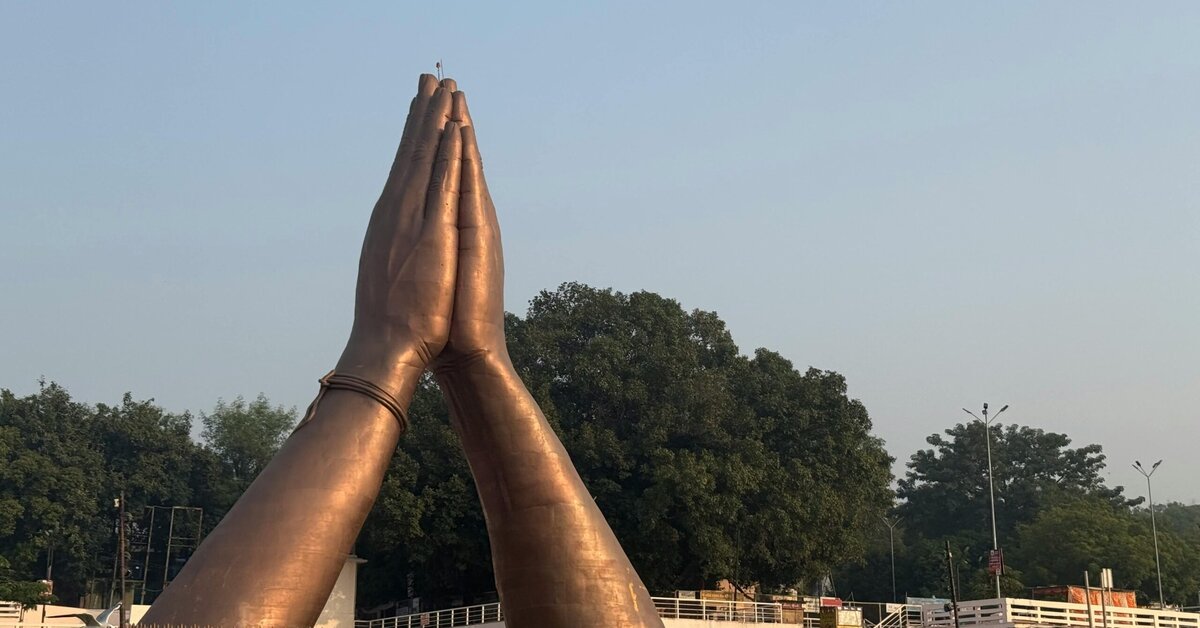
Why People Feel Mentally Calm After Spending a Day in Varanasi , Have you ever experienced a place that’s simultaneously chaotic and calming, overwhelming yet centering, ancient yet timeless? That’s Varanasi for you. At first glance, this city seems like the last place you’d find mental peace. The narrow lanes are crowded, the sounds are constant, and the sensory experience is intense. Yet, countless visitors report feeling a profound sense of calm after spending just one day here.
What’s happening? Is it something in the air? The water? The spiritual energy? Or is there a scientific explanation for this mental transformation? In this article, we’ll explore the fascinating reasons why people from all walks of life—believers and skeptics, locals and foreigners—experience deep mental calm in Varanasi.
Let’s dive into the magic and mystery of this ancient city and discover why it has been a sanctuary for seekers of peace for thousands of years.

Why People Feel Mentally Calm After Spending a Day in Varanasi Your first hour in Varanasi might feel overwhelming. The cacophony of sounds—temple bells, street vendors, boat horns, prayers—can assault your senses. The narrow alleys teem with people, cows, and motorcycles somehow sharing the same space. Your initial reaction might be stress, not serenity.
But something shifts. Maybe it’s during your second temple visit, or while watching the sunset from a boat, or during the evening aarti. Suddenly, the chaos doesn’t feel chaotic anymore. It feels like a symphony. You stop resisting and start flowing with the rhythm of the city.
This isn’t about Varanasi becoming calmer—it’s about you becoming calmer in Varanasi. The city acts like a mirror, reflecting your mental state back at you until something within you lets go. That surrender, that acceptance of what is, brings unexpected peace.
Neuroscience research shows that sacred spaces—places designated for worship and contemplation—actually alter brain activity. When you enter a temple or sit by the Ganges, your brain shifts from beta waves (associated with active thinking and stress) toward alpha and theta waves (associated with relaxation and meditation).
The architectural design of temples, the use of specific colors, the lighting, even the acoustics—all contribute to creating an environment conducive to mental calm.
Watching repetitive rituals—priests performing aarti, devotees circling temples, the continuous flow of pilgrims—has a hypnotic, meditative effect. Your mind, constantly jumping between thoughts, finds an anchor in these predictable patterns. This repetition creates a sense of order within the apparent chaos.
Water has universally calming properties. The mere sight of water triggers the release of neurochemicals associated with happiness and relaxation. Spending time near the Ganges—watching its flow, hearing its sounds—activates what scientists call the “blue mind” effect, a meditative state induced by water.
Studies consistently show that proximity to water bodies reduces cortisol (stress hormone) levels. The Ganges, flowing continuously through Varanasi, creates a natural stress-relief environment. Whether you’re on a boat or sitting on the ghats, the water’s presence calms your nervous system.
The sound of water has a frequency that naturally synchronizes with brain waves associated with relaxation. This isn’t mystical—it’s acoustic science. The gentle lapping of waves against ghats creates what audiologists call “pink noise,” which helps reduce brain activity and promotes mental rest.
Varanasi operates on an ancient schedule. Life begins at sunrise—the most beneficial time for mental health according to chronobiology (the study of biological rhythms). Witnessing or participating in morning rituals helps reset your circadian rhythm, improving mood and mental clarity throughout the day.
In Varanasi’s old city, you’re often navigating narrow lanes where your phone’s GPS doesn’t work well. Temples don’t allow phones inside. On boats, you’re disconnected from WiFi. Without even trying, you undergo a digital detox—and your mind, freed from constant notifications and digital stimulation, finds space to breathe.
Modern life runs on clock time—appointments, deadlines, schedules. Varanasi runs on temple time—a rhythm dictated by sunrise, sunset, and religious ceremonies. This forced slowing down feels uncomfortable initially but becomes deeply restful. You’re not rushing to the next thing; you’re fully present in this moment.
The sensory richness of Varanasi demands presence. The smells, sights, sounds—everything pulls you into the now. Past regrets and future anxieties fade when your senses are this engaged. This forced presence is essentially mindfulness meditation, and it brings the same mental benefits.
Nowhere else in the world do life and death exist so openly side by side. At Manikarnika Ghat, cremations happen continuously while just meters away, children play and vendors sell flowers. This juxtaposition teaches a profound lesson: death isn’t the opposite of life; it’s part of life.
Watching the cremation ghats (with appropriate respect) confronts you with mortality in a direct way that modern life carefully avoids. This confrontation, paradoxically, brings peace. When you accept that life is temporary, your daily worries shrink in significance. What seemed like a crisis yesterday feels manageable when viewed through the lens of impermanence.
Varanasi teaches you that control is an illusion. You can’t control the crowds, the boat schedule, the temple queues. You can only accept and adapt. This lesson in surrender—not giving up, but releasing the need to control everything—brings immense mental relief.
Walking along the ghats is inherently meditative. The repetitive motion of walking, combined with the constantly changing scenery, creates a perfect environment for what Buddhists call “walking meditation.” Your mind processes experiences without getting stuck in thought loops.
Every step brings new sensory information—incense smoke, temple bells, fabric colors, river breeze. This sensory richness keeps you in your body rather than lost in thought. When you’re experiencing rather than thinking, anxiety decreases naturally.
Whether you’re religious or not, being among thousands of people engaged in sincere devotion creates a palpable atmosphere. Emotions are contagious—when surrounded by peace-seeking pilgrims, their calm influences your mental state. Psychologists call this “emotional contagion.”
The evening Ganga Aarti is more than a ceremony—it’s a collective meditation. The synchronized movements of priests, the unified chanting of mantras, the thousands of flames flickering simultaneously—all create a powerful shared experience that transcends individual consciousness. You feel part of something larger, and this connection brings deep satisfaction and calm.
Modern life often feels isolating. In Varanasi, participating in ancient rituals that millions have performed for centuries connects you to humanity’s spiritual heritage. This connection to something greater than yourself fulfills a fundamental psychological need and reduces existential anxiety.
Seeing sadhus (holy men) who have renounced material possessions yet appear content challenges our assumptions about happiness. They demonstrate that peace doesn’t come from having more—it comes from wanting less. This living example of contentment through simplicity can be mentally liberating.
Local priests, boatmen, flower vendors—many live simply yet display genuine contentment. Their example shows that the endless pursuit of more (more money, more status, more possessions) isn’t the path to peace. This realization can relieve the mental burden of constant striving.
Varanasi has been a center of prayer and meditation for over 3,000 years. Billions of prayers have been offered here. Whether you believe in spiritual energy or not, the psychological impact of knowing you’re in a space dedicated to peace for millennia is profound. Expectation shapes experience, and expecting peace helps create it.
Ancient Indian philosophy identifies certain geographic locations as having special energy due to geological formations, water confluence, and other natural factors. Varanasi sits on the banks of the Ganges, which according to tradition, flows from the heavens. Whether this is literal or metaphorical, the belief itself creates a mental framework for experiencing calm.
While scientifically debated, the concept of vibrations—that places hold energetic signatures based on what’s happened there—has some support in quantum physics and consciousness studies. At minimum, the placebo effect of believing a place has calming vibrations can produce real mental health benefits.
When you’re witnessing ancient rituals unchanged for centuries, your work deadline or relationship drama suddenly seems less catastrophic. This perspective shift doesn’t invalidate your problems—it contextualizes them. You realize humans have always faced challenges, yet life continues, and peace is possible even amidst difficulty.
Buddhist philosophy emphasizes impermanence—everything changes, nothing lasts forever. Varanasi teaches this visually and experientially. The river flows constantly. The city has survived empires rising and falling. Your current difficult situation is also temporary. This understanding brings acceptance and reduces suffering.
Seeing the simplicity of life along the ghats—people bathing in the river, cooking on small fires, living in tiny rooms—often triggers gratitude for what you have. Gratitude is one of the most powerful mental health practices, strongly correlated with happiness and reduced anxiety.
Temple bells aren’t just tradition—they’re sound therapy. The specific frequencies produced by brass temple bells have been shown to create brain wave patterns associated with deep relaxation. The sound of “Om” chanted collectively vibrates at 432 Hz, considered a healing frequency.
Repetitive chanting of mantras synchronizes brain hemispheres and induces states similar to meditation. Even if you don’t understand the words, the rhythmic sound patterns affect your nervous system, reducing stress hormones and promoting calm.
Offering flowers, diyas (lamps), or prayers to the Ganges is more than ritual—it’s symbolic release. Psychologically, the act of physically releasing something into the river represents letting go of worries, regrets, or burdens. This symbolic action can have real therapeutic benefits.
Psychology research shows that rituals reduce anxiety by creating predictability and a sense of control. Participating in or witnessing rituals gives structure to chaotic emotions and provides a framework for processing difficult feelings.
The people you meet in Varanasi—priests who’ve spent lifetimes in devotion, pilgrims on spiritual quests, guides who’ve seen thousands of seekers—often carry themselves with a certain calm. Their peace is contagious. A single meaningful conversation can shift your entire mental state.
A priest explaining the philosophy of karma, a boatman sharing his simple joys, a fellow traveler discussing their spiritual journey—these conversations often contain wisdom that reframes how you see your own life. Sometimes all it takes is one sentence from the right person to unlock mental peace.
Varanasi exists outside normal time. The same rituals performed today were performed a thousand years ago. This timelessness disrupts your normal time-anxiety—the constant mental calculation of past and future. In Varanasi, you enter an eternal present where time feels less urgent.
Much of modern anxiety stems from future-oriented thinking: What if this happens? What will I do then? Varanasi’s emphasis on present-moment rituals and experiences interrupts this pattern. When you’re fully absorbed in watching an aarti or walking the ghats, future anxiety has no foothold.
“I arrived in Varanasi stressed and burned out from my corporate job. After one day—a sunrise boat ride, visiting temples, watching the evening aarti—I felt a weight lift. I can’t explain it rationally, but something shifted. I went back to my life differently.”
— Michael Chen, Singapore
“As someone who doesn’t consider myself religious, I was skeptical. But spending a day in Varanasi, just observing and being present, brought me more peace than any meditation app ever has. It’s the combination of everything—the water, the rituals, the ancient energy.”
— Sarah Thompson, London
“After losing my mother, I was struggling with grief. Seeing how death is honored but not feared at the ghats helped me accept loss as part of life. One day in Varanasi gave me more healing than months of therapy.
— Amit Verma, Mumbai
Wake up for the sunrise—this is non-negotiable for the full experience. Take a boat ride to engage with the water element. Visit at least one major temple to experience collective devotion. Walk the ghats without a destination—wander, observe, absorb. Minimize digital distractions—leave your phone behind when possible. Participate rather than just observe—offer a flower, light a diya, sit in meditation. Have at least one meaningful conversation with a local. Stay for the evening aarti—let yourself be moved by the collective energy. Most importantly, release expectations and surrender to the experience.
For some, the initial experience of Varanasi is overwhelming rather than calming. The poverty, crowds, intense sensory input, and confrontation with death can trigger anxiety. This is normal. The calming effect often comes later—sometimes hours after leaving, sometimes days later when processing the experience. If you feel anxious initially, don’t judge yourself. Simply notice, breathe, and give the experience time to integrate. The calm often emerges in reflection rather than in the moment.
Why do people feel mentally calm after spending a day in Varanasi? The answer is layered and complex—part scientific (water, sound, ritual), part psychological (perspective shift, acceptance, presence), part spiritual (collective devotion, sacred space, ancient wisdom), and part ineffable (that mysterious quality that can only be experienced, not explained).
Varanasi doesn’t give you something new—it strips away what’s unnecessary. It confronts you with fundamental truths: life is impermanent, death is natural, the present moment is all we have, and peace comes from acceptance rather than control.
A single day in this ancient city can recalibrate your mental state, reset your priorities, and remind you of what truly matters. The calm you feel isn’t an escape from reality—it’s a return to a deeper reality beneath the surface noise of modern life.
So if you’re seeking peace, if your mind is cluttered and your soul weary, perhaps Varanasi is calling. Give it one day. Walk the ghats, float on the Ganges, witness the rituals, and let this ancient city work its mysterious magic on your modern mind.
Not at all. Many atheists and agnostics report feeling profound calm in Varanasi. The experience transcends religious belief—it’s about presence, perspective, and the power of sacred space.
This varies by individual. Some feel the effects for weeks or months, while others experience a lasting perspective shift that permanently changes how they handle stress. Regular reflection on the experience can extend its benefits.
Yes, initially it can be. If you have diagnosed anxiety, consider going with a trusted companion, staying in quieter accommodations away from the main ghats, and taking breaks when needed. The calm often comes after initial overwhelm.
Even a few hours can be impactful. Prioritize a boat ride at sunrise or evening aarti. The key is quality of presence, not quantity of time.
While personal testimonials are abundant, formal scientific studies specifically on Varanasi are limited. However, research on sacred spaces, water proximity, ritual, and mindfulness supports the mechanisms through which Varanasi likely produces its calming effects.

Comments are closed.