
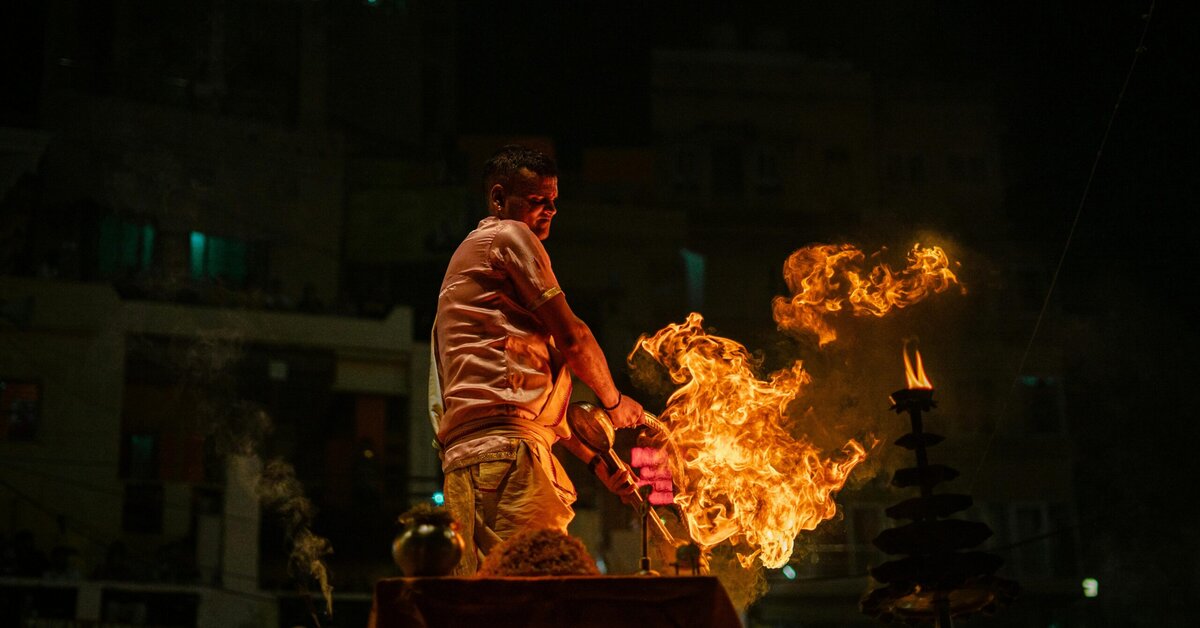
Spiritual Healing Experiences Reported by Visitors to Varanasi ,Have you ever felt broken in ways that medicine can’t fix? Where the pain isn’t in your body but somewhere deeper—in your spirit, your sense of meaning, your connection to life itself? For thousands of years, people carrying this kind of invisible weight have made their way to Varanasi, the ancient city where the Ganges flows and where the boundary between life and death seems paper-thin.
Varanasi isn’t marketed as a wellness retreat or healing center in the modern sense. There are no spa packages, no therapy sessions with licensed counselors, no treatment protocols. Yet something profound happens to people here—something that transcends rational explanation and touches the realm of mystery. Visitors from every corner of the world report experiences of healing that they struggle to put into words, transformations that conventional medicine never promised and perhaps never could deliver.
What exactly are these spiritual healing experiences? Are they real or imagined? Can we understand them through psychology and neuroscience, or do they point to dimensions of reality that science hasn’t yet mapped? Let’s explore the remarkable testimonials from those who’ve experienced healing in Varanasi and try to understand what makes this ancient city such a powerful catalyst for transformation.
Understanding Spiritual Healing in the Context of Varanasi
What is Spiritual Healing?
Spiritual healing isn’t about fixing a broken bone or curing an infection. It operates on a different plane entirely—addressing wounds in consciousness, fractures in meaning, disconnections from the sacred dimension of existence. Think of it as healing the relationship between your individual self and whatever you consider the source of life, whether you call that God, Universe, consciousness, or simply the mystery.
These healings manifest in various ways. Sometimes it’s the lifting of depression that therapy couldn’t touch. Other times it’s the resolution of grief that’s haunted someone for decades. It might be finding forgiveness for yourself or others, discovering purpose after years of emptiness, or experiencing a fundamental shift in how you relate to your own mortality.
What makes spiritual healing particularly interesting is that it often happens suddenly and unexpectedly, triggered by moments that seem ordinary from the outside—a sunrise over the Ganges, a chance conversation with a sadhu, the sight of funeral pyres burning under the stars. These moments crack something open, and what pours out is both the accumulated pain and the healing that follows.
The Sacred Geography of Varanasi
Varanasi occupies a unique place in sacred geography. Hindus believe it was founded by Lord Shiva himself and exists partially outside the normal space-time continuum. It’s called “Kashi”—the luminous, the city of light—suggesting it radiates something invisible yet palpable.
The crescent-shaped curve where the Ganges flows, the concentration of temples, the continuous chanting, the perpetual cremation fires, the thousands of daily rituals—all this creates what some describe as a “spiritual vortex,” a place where the veil between worlds feels thinner. Whether you attribute this to divine grace, concentrated devotional energy built up over millennia, or simply the psychological impact of sacred symbolism, the effect on visitors is remarkably consistent.
Geography matters to consciousness. Certain places just feel different, and Varanasi amplifies this effect to an extraordinary degree. The city itself becomes a character in people’s healing stories, an active participant rather than passive backdrop.
Common Healing Experiences Reported by Visitors
Emotional Release and Catharsis
One of the most frequently reported experiences is sudden, overwhelming emotional release. Visitors describe breaking down in tears without fully understanding why—not tears of sadness necessarily, but something more complex. It’s as if the city’s ancient stones give permission to finally feel everything you’ve been holding in.
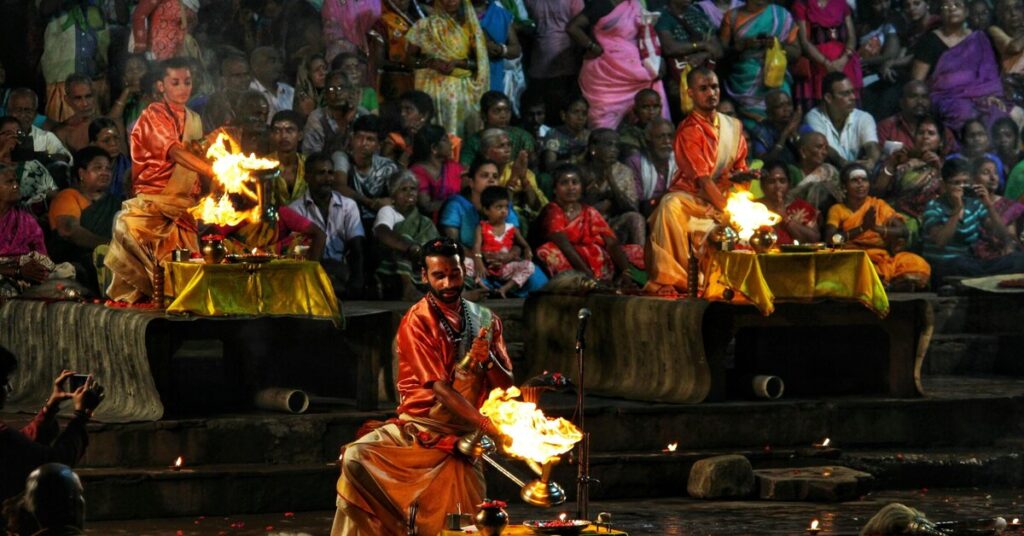
A Canadian teacher described sitting on Dashashwamedh Ghat during evening aarti when tears suddenly began streaming down her face. “I wasn’t sad,” she explained. “It was more like… a dam breaking. Years of trying to keep everything together, to be strong, just dissolved. And somehow, crying in front of thousands of strangers felt safer than crying alone in my apartment ever had.”
This cathartic release often marks the beginning of deeper healing. By allowing suppressed emotions to surface and flow through, people report feeling lighter, more authentic, more connected to their genuine feelings. It’s as if Varanasi creates a container strong enough to hold whatever needs to emerge.
Physical Healing Phenomena
While spiritual healing primarily addresses psychological and emotional wounds, many visitors report unexpected physical improvements as well. These range from reduced chronic pain to improved sleep, from spontaneous remission of minor ailments to increased energy levels.
A businessman from Mumbai suffering from tension headaches for years reported that after three days of morning meditation at Assi Ghat, his headaches disappeared completely and hadn’t returned six months later. “The doctors found nothing wrong, but the pain was real,” he said. “Somehow, sitting by the Ganges at dawn untangled something inside me.”
Medical professionals might attribute these to stress reduction, the placebo effect, or psychosomatic mechanisms. But from the experiencer’s perspective, the mechanism matters less than the result. Whether the healing is “merely psychological” or something more mysterious, the relief is genuine and often lasting.
Mental Clarity and Life Direction
Many visitors arrive in Varanasi feeling lost, confused about life direction, or paralyzed by difficult decisions. Something about the city—perhaps the confrontation with mortality at the cremation ghats, perhaps the ancient wisdom that seems to saturate the air—often brings sudden clarity.
A German architect in her thirties came to Varanasi during a sabbatical, burned out and questioning her career. After witnessing the cremation ceremonies at Manikarnika Ghat, she had what she describes as an epiphany: “Watching those fires, understanding that everything ends, made me realize I’d been living someone else’s idea of success. Within a week, I knew I was leaving my firm and starting my own practice focused on sustainable community projects. It felt less like deciding and more like remembering what I’d always known.”
This clarity doesn’t always come as dramatic revelation. Sometimes it’s a quiet settling, a sense that the noise in your head has finally quieted enough to hear your own wisdom speaking.
Resolution of Past Traumas
Perhaps the most profound healing experiences involve the resolution of long-standing traumas. Visitors report sudden insights into childhood wounds, ability to forgive seemingly unforgivable hurts, or release from guilt and shame they’ve carried for decades.
An American woman who’d suffered childhood abuse participated in a simple puja ceremony with a priest at Kedar Ghat. During the ritual, she experienced what she could only describe as her younger self appearing in her mind’s eye and finally receiving the protection and love she’d needed. “It sounds crazy,” she admitted, “but something fundamentally shifted. The abuse happened—that’s real—but its power over my present life just… dissolved.”
These resolutions often come wrapped in symbolism and metaphor rather than linear psychological processing. The ritual context, the sacred setting, the permission to engage with reality through myth and symbol rather than purely rational analysis—all this seems to allow healing to occur at depths talk therapy sometimes can’t reach.
The Role of the Ganges in Healing Experiences
The Purification Ritual of Holy Bathing
The Ganges isn’t just a river in Varanasi—it’s considered the physical manifestation of the goddess Ganga, whose waters are believed to purify sins and heal afflictions. The act of bathing in the Ganges carries immense symbolic and spiritual weight for Hindus, but even non-Hindu visitors report profound experiences.
The ritual typically involves facing the rising sun, dipping three times while chanting prayers or mantras, and offering water back to the river. For believers, the river’s touch washes away karma accumulated over lifetimes. For skeptics who try it anyway, the experience often proves surprisingly moving.
A Japanese photographer who described himself as “completely secular” decided to bathe at Assi Ghat one morning: “I thought it would just be a cultural experience, maybe a good photo opportunity. But when I actually immersed myself, something unexpected happened. I felt this overwhelming sense of renewal, like I was washing away not just dirt but… heaviness? Old stories about myself? I can’t explain it rationally, but I felt different afterward.”
Scientific and Spiritual Perspectives on Ganga Water
The Ganges water has been studied extensively, revealing both concerning pollution levels and mysteriously persistent bacteriophages that prevent the water from putrefying the way other rivers do. Some researchers suggest unique properties in the water, while skeptics attribute any healing effects to psychological factors.
What’s interesting is that healing experiences don’t seem to correlate directly with water quality. People report transformative experiences whether they fully immerse or simply touch the water to their foreheads, whether the water is relatively clean or visibly polluted. This suggests the healing mechanism isn’t primarily physical or chemical but operates through belief, symbolism, and the psychological impact of meaningful ritual.
The spiritual explanation and the psychological explanation aren’t necessarily contradictory. Perhaps the sacred works through the psychological, using symbols and rituals as the language through which deeper dimensions of reality communicate with human consciousness.
Transformative Encounters at the Ghats
Witnessing Death and Finding Peace
The cremation ghats of Varanasi—particularly Manikarnika and Harishchandra—confront visitors with death’s reality in ways modern societies typically avoid. Bodies are cremated in the open, 24 hours a day, with families openly grieving and celebrating simultaneously. For many visitors, this confrontation becomes paradoxically healing.
A British oncology nurse who’d become desensitized to death through years of work found herself crying at Manikarnika Ghat: “I’d watched so many patients die in sterile hospital rooms, and I’d built these walls to protect myself. But watching those fires, seeing families pray and cry and laugh together, death suddenly felt natural again. Not good or bad—just real. Somehow that freed me from this dread I’d been carrying.”
Confronting mortality directly often loosens its psychological grip. When death moves from abstract fear to concrete reality witnessed in a sacred context, many people report feeling more alive, more present, more willing to embrace life fully precisely because it’s temporary.
Connection with Strangers and Universal Brotherhood
Varanasi’s ghats create unusual social dynamics where traditional boundaries dissolve. A millionaire and a homeless sadhu might sit side by side watching the sunset. Tourists, pilgrims, priests, and locals mingle in ways that feel surprisingly natural.
Many visitors describe profound connections formed through simple exchanges—a shared chai with a stranger who somehow understood their unspoken struggles, a smile from an elderly pilgrim that communicated more than words, spontaneous kindness from locals that restored their faith in humanity.
An Australian traveler recounted: “I’d become so cynical, so isolated in my own life. But sitting on those steps, everyone together watching the aarti, I felt this wave of connection. We were all there for something beyond ourselves. That feeling of universal brotherhood—I didn’t believe in that before Varanasi.”
Meditation and Spontaneous Spiritual Awakening
The ghats provide natural meditation environments, and many visitors report entering spontaneous meditative states or having unexpected spiritual experiences. The combination of the river’s sound, the morning light, the chanting from nearby temples, and the general atmosphere seems to induce altered states of consciousness even in people who’ve never meditated before.
Reports range from simple deep relaxation to profound mystical experiences—sense of unity with all existence, dissolution of ego boundaries, timeless presence, overwhelming love and compassion. While these experiences are subjective and impossible to verify objectively, their impact on people’s lives is often measurable in changed priorities, behaviors, and general wellbeing.
Stories from International Visitors
Western Seekers Finding Eastern Wisdom
Varanasi has long attracted Western spiritual seekers, from scholars and hippies in the 1960s to modern yoga practitioners and meditation students. Many arrive carrying distinctly Western psychological wounds—alienation, meaninglessness, disconnection from community and tradition.
An American software engineer described his journey: “I had everything society said should make me happy—good salary, nice apartment, respected job. But I felt empty. Varanasi didn’t give me answers exactly, but it gave me a different set of questions. Instead of ‘how can I be more successful?’ I started asking ‘how can I be more present? How can I serve something beyond myself?'”
The contrast between Varanasi’s ancient spiritual framework and Western modernity’s materialistic focus often creates cognitive dissonance that catalyzes transformation. Seeing people find meaning, community, and joy without the trappings of Western success challenges fundamental assumptions about what makes life worthwhile.
Cross-Cultural Healing Testimonials
Healing in Varanasi crosses cultural boundaries in fascinating ways. A Korean Buddhist found healing through Hindu rituals. An atheist from France experienced something she reluctantly called grace. A Muslim from Indonesia felt welcomed into universal spirituality that transcended religious divisions.
These cross-cultural experiences suggest that whatever is happening in Varanasi operates at a level deeper than specific religious doctrines. It touches something universal in human consciousness—the need for meaning, the desire for purification, the longing for connection with the sacred, however one defines it.
Indian Pilgrims’ Healing Journeys
Fulfilling Ancestral Obligations and Finding Closure
For Hindu pilgrims, visiting Varanasi often involves fulfilling religious obligations, particularly performing rituals for deceased ancestors. These aren’t mere formalities—they carry deep psychological significance around duty, connection to lineage, and processing grief.
A businessman from Delhi who performed his father’s shraddha ceremony (post-death ritual) in Varanasi described unexpected emotional release: “I thought I’d accepted my father’s death years ago. But performing these ancient rites, following the same steps my ancestors followed, I finally felt him at peace. And that freed me to be at peace too.”
The ritual framework provides structure for emotional processing that contemporary psychology sometimes lacks. Rather than talking about feelings, you enact them through symbolic action, which can be profoundly therapeutic.
Breaking Generational Patterns
Some Indian visitors report that Varanasi helped them break free from limiting family patterns or societal expectations. The city’s ancient wisdom and spiritual authority seemingly grant permission to choose different paths.
A young woman from a conservative family found courage to pursue education over arranged marriage after a visit to Varanasi: “Something about standing at the Ganges, feeling connected to thousands of years of seekers and truth-tellers, made me realize I didn’t have to live by fear. If this river has flowed for millennia, my little life mattered too much to waste on others’ expectations.”
The Psychology Behind Spiritual Healing in Varanasi
Sacred Space and Psychological Transformation
Environmental psychology recognizes that physical spaces profoundly affect consciousness. Sacred spaces, deliberately designed and consecrated over centuries, amplify this effect. Varanasi’s ghats, temples, and ritual environments create what psychologists call “liminal space”—a threshold between ordinary and extraordinary, where transformation becomes possible.
The sensory richness—bells, chants, incense, colorful offerings, the river’s flow—engages consciousness on multiple levels simultaneously. This sensory immersion can bypass intellectual defenses and speak directly to the emotional and intuitive aspects of mind where healing often originates.
Additionally, pilgrimage itself is psychologically significant. The act of leaving normal life, traveling to a sacred destination, and intentionally seeking transformation creates expectancy and openness that facilitates healing. You’re not trying to maintain your normal self—you’re explicitly seeking change.
Ritual, Symbolism, and the Subconscious Mind
Modern psychology increasingly recognizes that the subconscious mind responds powerfully to symbol, metaphor, and ritual. While rational consciousness processes literal information, deeper layers of psyche communicate through images and enacted meanings.
Varanasi’s rituals—bathing in the river, lighting lamps, circling temples, offering flowers—are fundamentally symbolic actions. They create internal shifts not through logical argument but through embodied metaphor. The bath “cleanses” psychologically even as it wets the skin. The floating lamp “releases” intentions as it drifts downstream.
Carl Jung’s concept of the collective unconscious suggests certain symbols carry universal psychological resonance. Fire, water, death, rebirth, light emerging from darkness—these archetypal symbols saturate Varanasi’s ritual landscape, potentially activating deep healing mechanisms in the psyche.
Skepticism and Scientific Perspectives
Placebo Effect or Genuine Healing?
Skeptics rightly point out that many reported healings in Varanasi could be attributed to placebo effects, expectancy, suggestion, or simple relaxation and time away from stressful circumstances. These are valid considerations that don’t necessarily diminish the experiences’ value.
The placebo effect itself is fascinating—it demonstrates mind’s genuine power to affect body and emotion. If Varanasi facilitates powerful placebo responses, that’s still remarkable. The healing is real even if the mechanism is psychological rather than supernatural.
Moreover, dismissing experiences as “merely placebo” or “just psychological” reveals questionable assumptions that mental/emotional healing is somehow less real or valuable than physical healing, or that psychological mechanisms are simple or trivial. They’re not.
What Researchers Say About Sacred Site Experiences
Academic research on sacred site experiences reveals consistent patterns. Studies of pilgrims to various sacred sites worldwide—Lourdes, Mecca, Santiago de Compostela, Varanasi—show measurable improvements in psychological wellbeing, reduced anxiety and depression, increased sense of meaning and life satisfaction.
These effects persist over time and correlate with depth of engagement rather than specific beliefs. In other words, what matters isn’t whether you literally believe the Ganges is a goddess, but whether you engage authentically with the ritual and symbolic framework.
Neuroscience research on meditation, prayer, and ritual shows these practices produce measurable brain changes—reduced activity in regions associated with self-reference and worry, increased activity in areas related to compassion and present-moment awareness. Varanasi essentially creates an environment maximizing these beneficial practices.
How to Open Yourself to Healing in Varanasi
Setting Intentions Before Arrival
Healing experiences in Varanasi seem to favor those who arrive with openness and intention. Before visiting, spend time clarifying what you’re seeking. Not specific outcomes necessarily, but general intentions: “I want to release the grief I’ve been carrying,” “I seek clarity about my life direction,” “I hope to reconnect with something sacred.”
Writing these intentions down makes them more concrete. Some visitors create small rituals around their intentions—writing them on paper to burn during aarti, speaking them silently while bathing in the Ganges, or sharing them with priests during pujas.
Intention-setting isn’t about magical thinking—it’s about psychological priming. Your brain, knowing what you’re seeking, becomes more attuned to opportunities, insights, and experiences relevant to that seeking.
Practices That Enhance Healing Experiences
Certain practices seem to enhance healing experiences in Varanasi. Daily meditation, even brief morning sessions at the ghats, creates continuity and deepens awareness. Participating in rituals—even if you don’t fully understand them—engages you more deeply than passive observation.
Journaling helps process the intense experiences and emotions that often arise. The act of writing crystallizes insights and helps integrate experiences into your ongoing life narrative.
Spending time in relative solitude, despite the crowds, allows internal processing. Find a quiet spot, observe without agenda, let the city work on you without forcing anything.
Engaging respectfully with locals—priests, shopkeepers, fellow pilgrims—often leads to unexpected wisdom. Some of the most profound teaching comes from casual conversations with people who’ve lived their entire lives in Varanasi’s spiritual atmosphere.
When Healing Doesn’t Happen: Managing Expectations
Not everyone experiences dramatic healing in Varanasi. Some visitors feel disappointed, confused, or even more unsettled than before. This is important to acknowledge—spiritual healing isn’t guaranteed, predictable, or one-size-fits-all.
Sometimes the “not healing” is actually part of the process. The unsettled feeling might be necessary disruption of patterns that needed breaking. The disappointment might reveal expectations that needed releasing. The confusion might be the first crack in certainty that needed to shatter before new understanding could emerge.
Other times, the timing simply isn’t right. Healing can’t be forced or scheduled. You might visit Varanasi and feel nothing special, only to realize months later that something subtle shifted during that visit, a seed planted that took time to grow.
The most important thing is releasing attachment to specific outcomes. Come with intention but without rigid expectations. Be open to healing taking forms you didn’t anticipate or happening according to timelines you can’t control.
Long-Term Effects of Varanasi Healing Experiences
The most meaningful question isn’t what people experience in Varanasi, but whether those experiences produce lasting change. Many visitors report that insights gained at the ghats continued unfolding for months or years afterward.
A common pattern involves initial dramatic experience followed by gradual integration. The emotional release feels cathartic in the moment, then requires ongoing work to maintain the openness achieved. The clarity about life direction feels certain at the Ganges, then demands courage to actually implement changes once back in normal life.
Some visitors return to Varanasi periodically, treating it as an ongoing relationship rather than single experience. Each visit deepens and expands the healing, addressing new layers of the infinite project of becoming fully human and fully alive.
The long-term effects seem strongest when people create practices and structures in daily life that honor what they learned in Varanasi—maintaining meditation practice, engaging with spiritual community, living more aligned with their deepest values.
Integrating Varanasi’s Lessons into Daily Life
The real challenge comes after leaving Varanasi: how do you maintain the openness, clarity, and connection you experienced when you’re back in the everyday world with its demands, distractions, and complications?
Integration requires conscious effort. Some people create home altars with objects from Varanasi—Ganges water, photographs, small murtis (sacred images)—as physical reminders of their experiences. Others maintain daily practices learned or deepened in Varanasi—morning meditation, evening prayers, regular acts of seva (selfless service).
Community helps. Connecting with others who’ve had similar experiences, whether through spiritual organizations, online groups, or informal gatherings, provides support and accountability for living according to insights gained.
The key is finding authentic ways to embody Varanasi’s lessons in your actual life circumstances. Not everyone can or should become a renunciate or spend hours daily in spiritual practice. But anyone can bring more presence, compassion, and awareness of life’s sacred dimension into ordinary activities—work, relationships, daily tasks.
Conclusion
The spiritual healing experiences reported by visitors to Varanasi paint a picture of a place that somehow catalyzes profound transformation. Whether you attribute this to divine grace, concentrated devotional energy, powerful psychological mechanisms, or some combination thereof, the testimonials are remarkably consistent across cultures, beliefs, and backgrounds.
People arrive carrying wounds—grief, trauma, meaninglessness, disconnection—and frequently leave feeling lighter, clearer, more connected to themselves and something greater than themselves. The mechanisms remain mysterious, blending psychology, ritual, symbolism, community, confrontation with mortality, and the ineffable quality that makes certain places feel sacred.
Varanasi doesn’t promise healing and doesn’t guarantee it. But it offers a container—ancient, powerful, saturated with spiritual intention—where healing becomes possible in ways that surprise even skeptics. It reminds us that human beings are more than mechanical bodies and computational minds. We’re also spiritual beings who need meaning, ritual, connection to the sacred, and encounters with mystery.
In our modern world that often feels sterile, rationalized, and disconnected from anything transcendent, places like Varanasi matter. They preserve doorways to dimensions of human experience that contemporary culture sometimes forgets exist. Whether you visit physically or simply hold it as a symbol of possibility, Varanasi testifies that healing the invisible wounds of the soul remains possible, that transformation awaits those willing to step into liminal spaces where ordinary rules suspend and something deeper can emerge.
FAQs
1. Do you need to be Hindu to experience spiritual healing in Varanasi?
Absolutely not. While Varanasi is deeply rooted in Hindu tradition and understanding the context enriches your experience, healing experiences are reported by people of all faiths and no faith. The city seems to work at levels deeper than specific religious doctrines, touching universal human needs for meaning, purification, and connection with the sacred. Approach with respect for the traditions you’re entering, but your own beliefs or lack thereof don’t disqualify you from meaningful experiences.
2. How long should I stay in Varanasi to experience healing?
There’s no minimum time requirement. Some people report profound experiences during just a few hours at the ghats, while others say healing unfolded over weeks or months of living in the city. Generally, staying at least three to five days allows you to experience both morning and evening rituals, visit multiple ghats and temples, and give yourself time to settle into the city’s unique energy rather than remaining in tourist-observer mode. However, quality of presence matters more than quantity of time.
3. Is it safe to bathe in the Ganges given pollution concerns?
The Ganges faces serious pollution challenges, and water quality varies significantly by location and season. From a purely medical perspective, immunocompromised individuals, those with open wounds, and young children should probably avoid full immersion. That said, millions bathe annually without ill effects. Many people compromise by touching water to foreheads or doing symbolic partial immersion rather than full bathing. The spiritual benefits seem to occur regardless of immersion depth, so prioritize your health while respecting the sacred nature of the ritual.
4. Can spiritual healing in Varanasi replace medical or psychological treatment?
No, spiritual healing should complement, not replace, appropriate medical and psychological care. If you have serious mental health conditions, physical illness, or trauma, continue working with qualified healthcare professionals. Varanasi’s healing potential operates on different planes than medical treatment—it addresses meaning, connection, and spiritual dimensions of wellbeing. These are important but don’t substitute for necessary medical interventions. The most balanced approach integrates both: professional treatment for clinical needs alongside spiritual practices for deeper existential healing.
5. What if I visit Varanasi and don’t experience any healing or transformation?
This is perfectly normal and doesn’t mean anything is wrong with you or that you’ve failed somehow. Healing occurs according to its own timing and can’t be forced. Your experience might be subtly working beneath conscious awareness, only becoming apparent later. Alternatively, perhaps Varanasi isn’t your particular healing environment—different people resonate with different sacred sites and practices. Don’t judge your experience as inadequate. Sometimes simply showing up, being present, and remaining open is exactly what’s needed, with results manifesting in unexpected ways or unexpected timing.




[…] How to Plan Darshan in Varanasi Without Exhausting Parents Contents show 1 Understanding the Physical Demands of Varanasi 1.1 Why Varanasi Can Be Overwhelming for Elderly Visitors 1.2 Common Mobility and Stamina Challenges 2 Choosing the Right Season for Elderly Travelers 2.1 Weather Considerations Throughout the Year 2.2 Festival Times vs. Quieter Periods 3 Selecting Senior-Friendly Accommodation 3.1 Location Matters: Proximity to Major Sites 3.2 Essential Amenities for Elderly Comfort 3.3 Budget Options with Senior Accessibility 4 Creating a Realistic Darshan Itinerary 4.1 Prioritizing Must-Visit Temples and Ghats 4.2 Building in Adequate Rest Periods 4.3 Morning vs. Evening Visits: Energy Management 5 Transportation Solutions for Limited Mobility 5.1 Hiring Private Vehicles with Flexible Schedules 5.2 Wheelchair and Assisted Transport Options 5.3 Walking Strategies and Support Equipment 6 Accessibility at Major Darshan Sites 6.1 Kashi Vishwanath Temple Access 6.2 Which Ghats Are Most Senior-Friendly 6.3 Alternative Viewing Points for Limited Mobility 7 Hiring Assistance and Support Services 7.1 Finding Reliable Guides and Companions 7.2 Priest Services at Home or Accommodation 8 Health and Safety Preparations 8.1 Medical Precautions Before Travel 8.2 Managing Medications and Dietary Needs 8.3 Emergency Healthcare in Varanasi 9 Practical Tips for Reducing Physical Strain 9.1 Optimal Visit Duration 9.2 Crowd Avoidance Strategies 9.3 Hydration, Nutrition, and Rest Breaks 10 Alternative Ways to Experience Sacred Sites 10.1 Boat Rides for Ghat Viewing 10.2 Rooftop Restaurants with Spiritual Views 11 Spiritual Fulfillment Without Physical Exhaustion 12 Post-Visit Care and Recovery 13 Conclusion 14 FAQs 14.1 1. What if my parents have severe mobility limitations but are determined to visit Varanasi? 14.2 2. How do I handle my parents’ disappointment if they can’t complete all desired darshan? 14.3 3. What’s the best way to handle bathroom emergencies with elderly parents in crowded areas? 14.4 4. Is it safe for elderly parents to bathe in the Ganges given their age and potential health issues? 14.5 5. What if my parents become ill during the Varanasi visit? […]