Your cart is currently empty!
You may check out all the available trips and book one that suits you.
Continue Browsing Trips
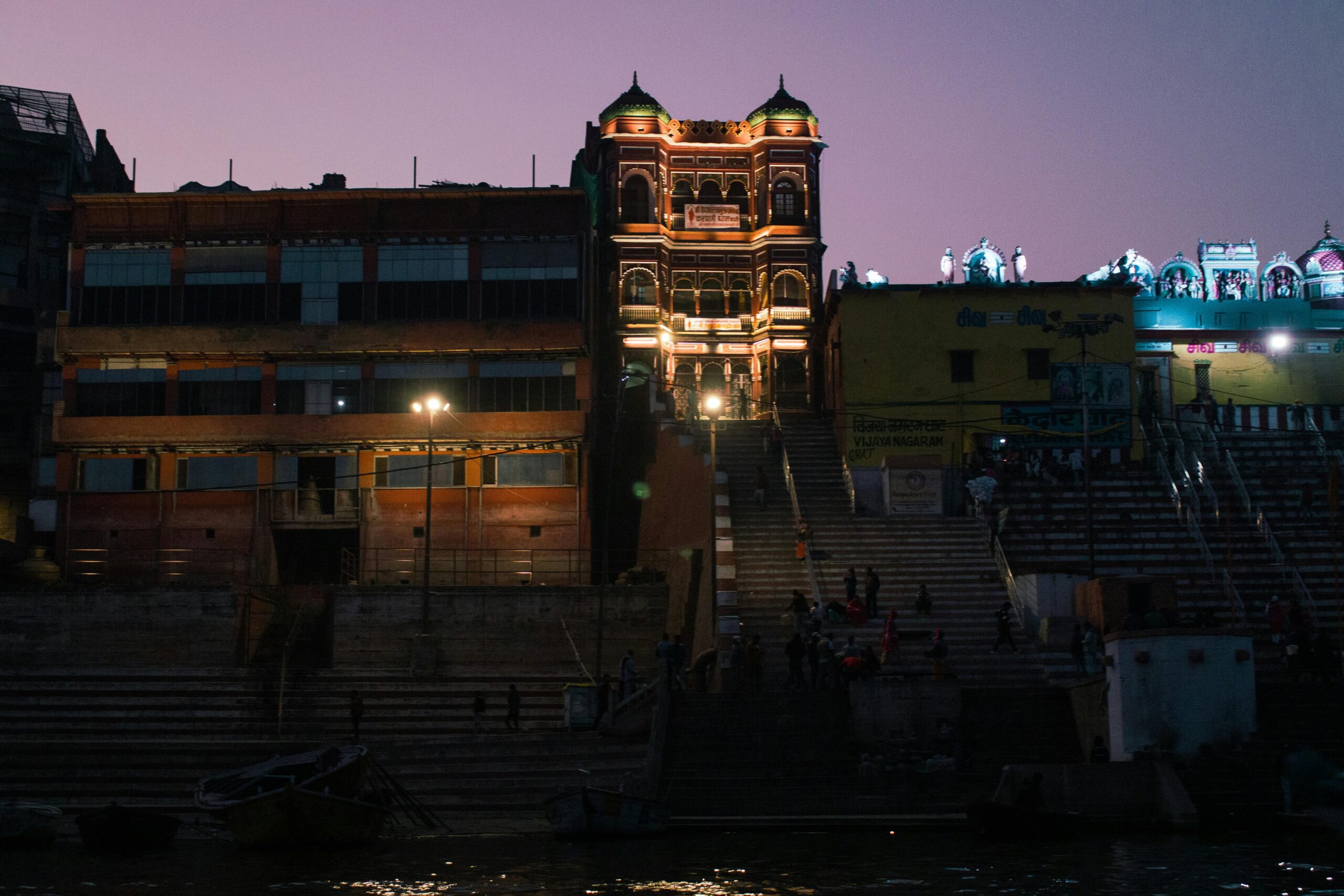
How Families Finalize Their Varanasi Travel Plan ,Planning a family trip to Varanasi isn’t like planning a beach vacation or a Disney World adventure. This isn’t a destination that comes with standardized family packages, kid-friendly menus at every corner, or infrastructure designed with Western tourists in mind. Varanasi is raw, spiritual, intense, and wonderfully chaotic—which makes it both incredibly rewarding and genuinely challenging for families to plan.
I’ve spoken with dozens of families about their Varanasi planning process, and what strikes me is how much more thoughtful and deliberate it is compared to their other travel planning. Parents worry about safety, hygiene, and whether their children will be overwhelmed or frightened. Grandparents wonder about accessibility and comfort. Teenagers question whether they’ll be bored or fascinated. And everyone’s trying to balance spiritual exploration with practical family needs.
So how do families actually finalize their Varanasi travel plans? What’s the process from “let’s visit Varanasi” to having a concrete, workable itinerary that accommodates everyone’s needs? Let me walk you through the real journey families take, the decisions they wrestle with, and the strategies that lead to successful trips.
Smart families don’t plan Varanasi trips last minute. Here’s how the timeline typically unfolds.
How Families Finalize Their Varanasi Travel Plan ,This is where the idea becomes real. One family member—often a parent or grandparent—proposes Varanasi as a destination. Maybe it’s for spiritual reasons, cultural education for the kids, or fulfilling a personal bucket list.
During this phase, families are gathering information:
The key activity here is research rather than decision-making. Families are building a mental picture of what Varanasi offers, what challenges they might face, and whether this is genuinely feasible with their specific family composition.
This is also when the first “go/no-go” decision happens. Some families realize after research that Varanasi doesn’t fit their comfort level or their children’s ages, and they pivot to different destinations. That’s perfectly fine—better to realize it now than after booking.
If the family decides to move forward, this phase is about making the big commitments:
Finalizing dates: Checking school calendars, work schedules, and coordinating with extended family members if they’re joining.
Booking flights: Varanasi has direct flights from major Indian cities, but international families usually fly into Delhi, Mumbai, or Kolkata first. Flights are booked during this phase.
Reserving accommodation: Hotels with good reviews fill up during peak season (November-February), so families book their primary accommodation now.
Budgeting: Creating a realistic budget that accounts for flights, hotels, activities, food, guides, and emergency funds.
Preliminary itinerary: Deciding how many days in Varanasi and whether to combine it with other destinations (Sarnath, Allahabad, Bodhgaya).
Many families also book major experiences during this phase—private boat rides, reputable tour guides, or special ceremonies they want to participate in.
Now the planning gets specific:
Day-by-day itinerary: Mapping out what you’ll do each day, including meals, activities, and rest times.
Health preparations: Vaccinations, prescriptions for antibiotics or anti-diarrhea medication, packing first-aid kits.
Cultural preparation: Teaching children about Hinduism, the significance of the Ganges, and appropriate behavior at religious sites.
Packing lists: Creating detailed lists that account for Varanasi’s specific needs—modest clothing, comfortable walking shoes, hand sanitizer, wet wipes, etc.
Transportation arrangements: Booking airport transfers, researching auto-rickshaw apps, or arranging private drivers.
Restaurant research: Identifying family-friendly restaurants, vegetarian options, and safe eating establishments.
Families also start having more detailed conversations during this phase. Parents talk to children about what they’ll see (including potentially disturbing things like cremation ghats), set behavioral expectations, and build excitement.
The final countdown involves:
Some families also create a “go-bag” with essentials they’ll need throughout the trip—hand sanitizer, tissues, snacks, water bottles, basic medications.
Every family member has different priorities and concerns that need addressing during the planning process.
Parents carry the weight of ensuring everyone’s safety and wellbeing. Their primary concerns when planning Varanasi include:
Safety: Will the ghats be safe for children? What about traffic? Can children get lost in the narrow lanes?
Health and hygiene: Will the food make us sick? How clean are the accommodations? What about the water?
Overwhelming experiences: Will the cremation ghats traumatize young children? Can we manage sensory overload?
Logistics: How do we navigate with luggage? Where are clean bathrooms? How do we get from place to place efficiently?
Budget: Can we afford this experience without overspending or cutting corners on safety?
Smart parents address these concerns through careful hotel selection (choosing well-reviewed properties with Western amenities), pre-booking reliable guides, researching family-friendly restaurants, and building buffer time into the itinerary for rest and recovery.
Children’s needs vary by age, but families must consider:
Engagement: Will children be bored watching ceremonies they don’t understand? How do we make it interesting?
Comfort: Can they handle the walking? What about the heat? Where can they rest?
Food: Will there be food they’ll actually eat? Can we bring snacks?
Understanding: How do we explain death rituals or poverty in age-appropriate ways?
Families address these needs by preparing children in advance with age-appropriate books or videos about India and Hinduism, packing familiar snacks, planning shorter activity windows with breaks, and choosing some activities specifically for children’s enjoyment (like boat rides which kids typically love).
If grandparents are joining the trip, they’re often concerned about:
Physical accessibility: Can they manage the stairs at ghats? Are there places to rest?
Pace: Will the schedule be too rushed? Is there enough downtime?
Comfort: Are accommodations comfortable? Are meals suitable for sensitive digestions?
Meaning: They want depth and spiritual significance, not just tourist sightseeing.
Families accommodate grandparents by choosing hotels with elevators, building in longer rest periods, arranging private transportation rather than relying on walking, and ensuring the itinerary includes meaningful spiritual experiences rather than just checklist tourism.
Teenagers present unique challenges. They want:
Authenticity: Not “touristy” experiences but real cultural immersion.
Independence: Some freedom to explore (within safe boundaries).
Social media worthy moments: Let’s be honest—photo opportunities matter to teens.
Intellectual engagement: They want to understand the “why” behind what they’re seeing.
Minimal embarrassment: They don’t want to stand out as ignorant tourists.
Families engage teenagers by involving them in planning, allowing them some input on activities, preparing them thoroughly so they can ask intelligent questions, and giving them defined independent time (like exploring a market with a meeting time and place established).
Certain decisions fundamentally shape the entire trip.
This is often the first major decision. The options typically are:
One day: Possible but extremely rushed. Usually only chosen if Varanasi is a stopover between other destinations. Covers the essentials—sunrise boat ride, brief ghat walk, evening Aarti—but leaves everyone wanting more.
Two days: The minimum most families choose. Allows for the main experiences without feeling frantic. Day one focuses on ghats and river, day two on temples and old city exploration.
Three days: The sweet spot for families. Enough time to see everything at a comfortable pace, with room for rest, spontaneous discoveries, and deeper engagement. Can include a half-day trip to Sarnath.
Four or more days: Chosen by families with specific spiritual goals or those combining Varanasi with serious cultural immersion. Allows for participation in special ceremonies, extended time with local families, or deeper study.
Most families I’ve talked to wish they’d allocated one more day than they did, but the three-day plan seems to satisfy most families’ needs without the restlessness that sometimes comes with longer stays in intense destinations.
Where you stay dramatically affects your experience. Families face these choices:
Location options:
Type considerations:
Most families end up choosing mid-range hotels either in the Assi Ghat area or in the newer parts of town, prioritizing cleanliness, air conditioning, and reliable hot water over atmospheric location.
Families must decide their primary transportation method:
Walking only: Free and atmospheric but exhausting, especially with children. Best combined with strategic auto-rickshaw use.
Auto-rickshaws as needed: Flexible and economical. Requires comfort with negotiation and slightly chaotic Indian traffic.
Pre-arranged driver: More expensive but eliminates stress. A driver who knows the city can maximize efficiency and provide insights.
Combination approach: Walking for ghat and old city exploration, rickshaws for longer distances, boat for river perspectives.
Most families use the combination approach, walking when possible and using rickshaws for strategic transportation. Families with elderly members or very young children often splurge on a private driver for at least part of their stay.
Families need to decide their budget philosophy:
Ultra-budget: Under ₹5,000 ($60 USD) per day for a family of four. Requires staying in budget hotels, eating street food, walking everywhere, and skipping paid experiences. Difficult with children who need more comfort and safety margins.
Mid-range: ₹10,000-20,000 ($120-240 USD) per day for a family of four. Allows decent hotels, safe restaurants, private boat rides, auto-rickshaw transportation, and a guide for one day. This is where most families land.
Comfortable: ₹25,000-40,000 ($300-480 USD) per day for a family of four. Good hotels, all meals at quality restaurants, private transportation, professional guides, and cushion for unexpected needs.
Luxury: ₹50,000+ ($600+ USD) per day. Heritage hotels, private everything, minimal stress, maximum comfort.
Most families splurge on safety and comfort items (good hotel, clean restaurants, reliable transportation) while economizing on things like shopping and fancy dining.
With major decisions made, families build their day-by-day plan.
Nearly every family itinerary includes:
Sunrise boat ride: The most universally loved experience. Even young children typically enjoy it.
Ganga Aarti ceremony: The evening spectacle that provides a memorable ceremonial experience.
Walking exploration of ghats: Even if limited, families want ground-level exposure to the ghats’ energy.
Old city wandering: The atmospheric lanes behind the ghats where daily life unfolds.
One temple visit: Usually Kashi Vishwanath or the BHU Vishwanath Temple.
A traditional meal: Whether street food or a proper thali, trying local cuisine.
These six experiences form the backbone of most family itineraries, with everything else built around them.
Families customize based on children’s ages:
For families with young children (2-8):
For families with tweens (9-13):
For families with teenagers (14+):
The best family itineraries aren’t packed solid. Smart families build in:
Buffer time: 30-60 minutes of unscheduled time between major activities to account for delays, bathroom breaks, or spontaneous discoveries.
Afternoon rest: Especially in hot months, returning to the hotel for 2-3 hours midday to rest, nap, and recharge.
One “free” morning or afternoon: Where the family can split up based on interests or simply relax without scheduled activities.
Meal flexibility: Not every meal is pre-planned. Some are left to spontaneous decisions based on energy levels and appetite.
Exit strategies: Plans for what to do if someone gets sick, overwhelmed, or needs to leave an activity early.
After the big picture is planned, families need to nail down practical details.
Food safety is a top concern for families. Most finalize these strategies:
Breakfast: Usually at the hotel (safest, most convenient).
Lunch and dinner: Research and list 5-7 family-friendly restaurants with good hygiene reviews. Popular choices include Brown Bread Bakery, Lotus Lounge, Pizzeria Vaatika Cafe.
Snacks: Pack familiar items from home—granola bars, crackers, dried fruit—for picky eaters or emergency situations.
Water: Plan to buy bottled water constantly. Calculate roughly 2-3 bottles per person per day.
Street food approach: Decide in advance whether to avoid it entirely or try it cautiously at busy, popular stalls.
Dietary restrictions: Research vegetarian options (easy in Varanasi), identify restaurants that can accommodate allergies or special needs.
Most families follow the “hot and cooked” rule—only eating thoroughly cooked hot food, avoiding raw vegetables and salads, and steering clear of ice in drinks.
Families finalize their health strategy:
Pre-trip: Confirm all vaccinations are current (Hepatitis A, Typhoid, routine boosters). Get prescriptions for Cipro or Azithromycin in case of traveler’s diarrhea.
Packing: Extensive first-aid kit including anti-diarrheal medication, rehydration salts, pain relievers, antibiotic ointment, bandages, hand sanitizer, wet wipes, mosquito repellent.
Insurance: Ensure travel insurance covers India and includes medical evacuation if needed.
Protocols: Establish rules—hands sanitized before eating, only bottled water, no touching face without clean hands.
Bathroom strategy: Identify where clean bathrooms are located (hotels, upscale restaurants, museums) and plan activities around bathroom access.
Varanasi requires specific clothing choices:
Modest clothing: Families pack conservative outfits—shoulders and knees covered for temple visits. Women especially need scarves or shawls.
Comfortable shoes: Closed-toe shoes with good grip for navigating steps and uneven surfaces.
Layers: Mornings and evenings can be cool, especially in winter months, but days get warm.
Sun protection: Hats, sunglasses, and sunscreen for everyone.
River wear: Old clothes you don’t mind getting splashed on boat rides.
Laundry planning: If staying multiple days, identify hotel laundry service or pack enough clothes for the duration.
Most families pack light and plan for laundry rather than bringing outfits for every possible scenario.
This might be the most important practical detail. Families spend time:
Educating children: Age-appropriate explanations of Hinduism, the significance of the Ganges, why cremation happens publicly, and what poverty they might witness.
Setting behavioral expectations: Appropriate behavior at temples and ghats (quiet voices, no pointing, modest behavior).
Preparing for sensory intensity: Explaining that Varanasi will be crowded, noisy, smelly, and unlike anything they’ve experienced.
Discussing difficult topics: Having honest conversations about death, poverty, and cultural differences before encountering them.
Creating excitement: Balancing realistic expectations with genuine enthusiasm for the adventure ahead.
Families who do this preparation report far fewer behavioral issues and more meaningful engagement from children during the actual trip.
Families learn what requires advance booking:
Book well in advance (1-3 months):
Book shortly before (1-2 weeks):
Book on arrival or same day:
The general rule: anything involving limited capacity or reliability should be booked in advance. Flexible, spontaneous things can be arranged locally.
Let me save you from errors that trip up families:
Mistake #1: Underestimating how tiring Varanasi is. Families pack itineraries too full and everyone burns out by day two. Solution: Build in way more downtime than seems necessary.
Mistake #2: Not researching the hotel location carefully. Some hotels require walking through very narrow lanes with luggage, which is nightmare fuel with children and bags. Solution: Read reviews carefully and contact hotels about access.
Mistake #3: Planning around ideal scenarios. Families assume everyone will wake up early, no one will get upset, and everything will run on time. Reality rarely cooperates. Solution: Build in buffer time and backup plans.
Mistake #4: Ignoring children’s input entirely. Parents make all decisions without consulting children, then face resistance during the actual trip. Solution: Involve children age-appropriately in planning.
Mistake #5: Over-scheduling the first day. After long flights and travel, families hit the ground running and exhaust themselves immediately. Solution: Keep arrival day very light with only 1-2 easy activities.
Mistake #6: Not having an emergency fund. Unexpected situations always arise—someone gets sick, you need a last-minute private car, etc. Solution: Set aside 20-30% of your budget for unexpected expenses.
Mistake #7: Trying to hide intensity from children. Some parents think they can shield kids from disturbing aspects, then children encounter them unprepared and get scared. Solution: Age-appropriate preparation is better than avoidance.
With all the research and planning done, how do families actually finalize their plan?
Many families hold an official “planning meeting” where everyone reviews the proposed itinerary together. Parents present the plan, explain each activity, and ask for feedback. Children can voice concerns or preferences. The final plan emerges from this collaborative discussion, with everyone feeling they had input.
This approach works best for families with older children (8+) who can meaningfully engage with planning details.
Some families vote on decisions—where to eat, which temple to visit, how to spend free time. Each person gets equal say, and majority rules. This democratic approach gives everyone ownership but can be slow and lead to compromises that nobody loves.
Other families use “executive decision making” where parents make most decisions after considering everyone’s needs but without requiring consensus. This is faster and often necessary with young children who can’t meaningfully participate in complex planning.
Most families use a hybrid: parents make big decisions (which hotel, how many days) but involve children in smaller decisions (which lassi shop to try, what souvenir to buy).
When family members want different things, families use various compromise approaches:
Trade-offs: “We’ll go to the temple you want to see if we can also visit the market I’m interested in.”
Time-sharing: “Morning is planned the way Dad wants, afternoon follows Mom’s preferences.”
Splitting up: “Parents and teenagers walk the ghats while grandparents and young children take a boat ride, then we meet for dinner.”
Future promises: “We’ll skip Sarnath this trip, but our next India trip will focus on Buddhist sites.”
The best compromises ensure everyone gets at least one thing they really care about rather than everyone getting a diluted version of everything.
Modern families leverage technology during planning:
Google Docs or shared apps: Collaborative itinerary documents where family members can add notes, suggestions, or concerns.
WhatsApp groups: Family travel group for sharing articles, photos of hotels, or ideas.
Pinterest boards: Visual collection of Varanasi images to build excitement and give children a preview.
YouTube: Watching vlogs together to understand what experiences look like.
Google Maps: Building custom maps with hotel, restaurants, and attractions marked.
TripAdvisor and Google Reviews: Reading recent reviews to verify quality and spot problems.
India travel forums: Reddit’s r/IndiaTravel, Lonely Planet forums, or Facebook groups where families ask specific questions and get answers from experienced travelers.
Weather apps: Checking historical weather data to plan clothing and activities.
Technology doesn’t replace good judgment, but it helps families make more informed decisions with input from people who’ve been there recently.
Families face the decision: hire a travel agent or plan it themselves?
Travel agent advantages:
Travel agent disadvantages:
Self-planning advantages:
Self-planning disadvantages:
Most families I’ve talked to self-plan their Varanasi trips using online resources, but they book key elements (good hotel, reputable guide for one day) through established companies for peace of mind. It’s a hybrid approach that balances control with some professional support.
Smart families don’t just plan what they’ll do—they plan for what might go wrong.
Weather contingencies: What if it rains? (Indoor temples, museums, shopping in covered markets)
Health issues: What if someone gets sick? (Identify nearby clinics, have hotel doctor’s number, plan for one person to stay back with sick family member while others continue)
Overwhelming experiences: What if a child gets scared or upset? (Pre-identified quiet spaces to retreat to, permission to skip activities)
Transportation failures: What if your driver doesn’t show up? (Backup contact numbers, auto-rickshaw apps downloaded)
Activity disappointments: What if the Aarti is cancelled or weather ruins the boat ride? (Alternative experiences identified)
Lost or separated: What if someone gets separated in the old city? (Meeting point established, everyone has hotel card and phone numbers, older children have charged phones)
Having these contingencies doesn’t mean you’re expecting disaster—it means you’re prepared to handle normal travel hiccups without stress, which lets everyone enjoy the trip more.
Finalizing a Varanasi travel plan for families is a journey in itself—one that requires research, negotiation, practical thinking, and flexibility. It’s more complex than planning a typical vacation because Varanasi presents unique challenges: intense sensory experiences, cultural differences, safety considerations, and the need to balance spiritual exploration with family logistics.
The families who have the best Varanasi experiences are those who take planning seriously without becoming rigid about their plans. They do thorough research, make informed decisions about big issues like duration and accommodation, prepare family members appropriately, build in flexibility and downtime, and create contingency plans for problems.
But they also remember that Varanasi is unpredictable. The most magical moments often happen when you’re not following your itinerary—a spontaneous conversation with a priest, an unexpected ceremony you stumble upon, or simply sitting on the ghats watching life unfold. The best plan creates structure that allows spontaneity to flourish within safe boundaries.
If you’re a family in the planning stages for Varanasi, take the time to get it right. Involve everyone in the process, address concerns honestly, prioritize everyone’s needs, and build a plan that’s thorough but flexible. The rewards—creating meaningful family memories in one of the world’s most extraordinary cities—are absolutely worth the effort.
Ideally, begin the planning process 3-6 months in advance, especially if traveling during peak season (November-February). This gives you time for thorough research, involving all family members in decisions, booking good hotels before they fill up, and preparing children appropriately. If you’re traveling during off-peak season or have a flexible itinerary, 2-3 months can work. However, don’t attempt to plan a family Varanasi trip just a week or two in advance unless you’re very comfortable with uncertainty and limited accommodation choices.
While there’s no absolute minimum, most families find that children around 7-8 years and older can appreciate Varanasi’s significance and handle the intensity. Younger children (3-6) can visit but will remember more the boat rides and general atmosphere rather than the spiritual and cultural significance. Toddlers (under 3) can come but the trip is really for parents rather than the child. That said, families successfully visit with children of all ages—it just requires adjusting expectations and plans according to age. If you have mixed ages, plan for the youngest child’s capabilities and find ways to engage older children at their level.
Most families find that hiring a professional guide for 1-2 strategic half-days is the sweet spot. A guide is extremely valuable for your first morning in Varanasi to orient you to the city, explain what you’re seeing, and help navigate safely. They’re also helpful for temple visits where you want deeper understanding. However, having a guide for your entire stay can be expensive and prevent spontaneous exploration. The best approach is usually: guided experience on day one, independent exploration on subsequent days when you’re more comfortable, possibly another guided session for specific activities like Sarnath or temple visits.
This decision usually comes down to three factors: duration of stay, family interests, and children’s ages. If you have 3+ days in Varanasi and family members interested in Buddhist history, Sarnath is worthwhile—it’s peaceful, less overwhelming than Varanasi, and educational. It requires a half-day minimum. Families with only 1-2 days typically skip it to focus on Varanasi itself. Families with very young children (under 6) often skip it since children that age won’t retain much about Buddhist history and the ruins. Families with older children studying world religions or history find Sarnath very valuable. If uncertain, you can make it a “game day decision” after arriving—if everyone has energy and interest, go; if everyone’s exhausted from Varanasi’s intensity, skip it.
While all decisions matter, choosing the right hotel is arguably most critical. Your hotel affects everything: how much walking you’ll do, how safe and comfortable everyone feels, whether you’ll get good rest between activities, and your overall stress level. A well-located, clean, comfortable hotel with helpful staff can make challenges manageable, while a poorly chosen hotel compounds every other difficulty. Families should prioritize hotel selection, read recent reviews carefully, verify access (some require walking through very narrow lanes), confirm amenities (hot water, air conditioning, clean bathrooms), and choose locations based on their specific needs (closer to ghats for atmosphere, or in newer areas for comfort). The hotel isn’t just where you sleep—it’s your base, your refuge, and your comfort zone in an intense city.



One Comment
Comments are closed.