Your cart is currently empty!
You may check out all the available trips and book one that suits you.
Continue Browsing Trips

How to Experience Varanasi Calmly Despite Heavy Crowds , Varanasi is magnificent. It’s also overwhelming. The ancient city pulses with humanity—pilgrims bathing in the Ganges, vendors hawking silk scarves, priests chanting mantras, tourists snapping photos, and locals going about their daily routines. All of this unfolds simultaneously in narrow lanes barely wide enough for two people to pass.
Can you actually experience Varanasi calmly despite the crowds? Absolutely. But it requires strategy, timing, and most importantly, a shift in how you approach the city. This isn’t about avoiding Varanasi’s energy—that would be impossible and would miss the point entirely. It’s about finding your rhythm within the chaos and discovering moments of peace that exist even in India’s most intense spiritual destination.
Let’s explore practical, tested approaches that allow you to experience Varanasi’s magic without the overwhelm.
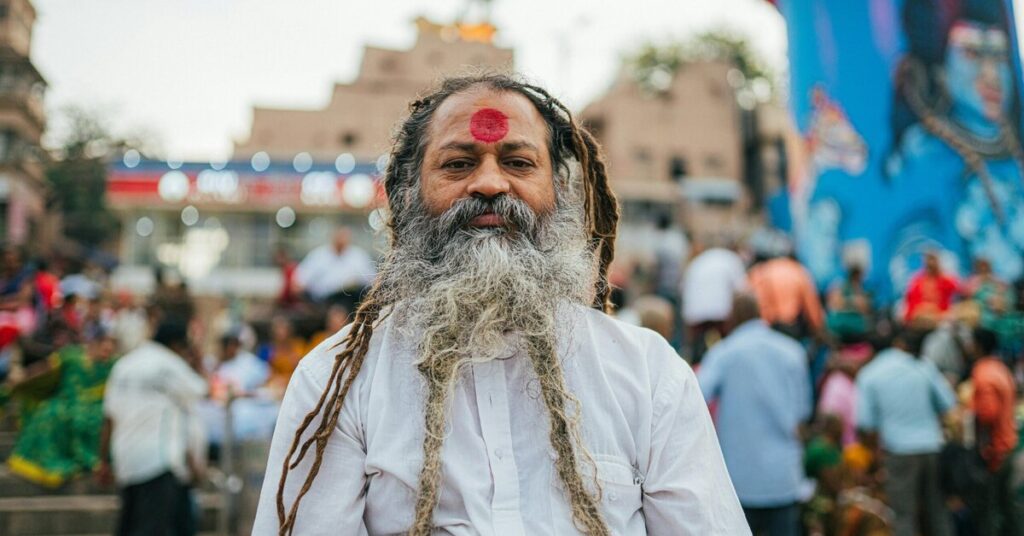
Varanasi has been a living, breathing pilgrimage center for over 3,000 years. Every day, thousands arrive seeking spiritual merit, performing last rites for loved ones, or simply fulfilling religious obligations. Add to this the domestic tourists, international visitors, and the city’s 1.2 million permanent residents, and you have constant human activity.
How to Experience Varanasi Calmly Despite Heavy Crowds , The crowds aren’t a temporary inconvenience or poor planning—they’re fundamental to what Varanasi is. Understanding this helps you reframe the experience. You’re not dealing with “too many tourists.” You’re witnessing one of humanity’s oldest continuous traditions still vibrantly alive.
Varanasi has predictable crowd patterns:
Peak crowd times:
Quieter periods:
Here’s a liberating truth: you cannot experience Varanasi “without crowds.” Trying to do so sets you up for frustration. Instead, accept that the crowds are part of the tapestry. The elderly woman performing puja, the family scattering ashes, the sadhu meditating—they’re all contributing to the atmosphere you came to experience.
Think of it like visiting Times Square on New Year’s Eve and complaining about people. The people ARE the event. Similarly, in Varanasi, the human presence—the pilgrims, the rituals, the collective spiritual energy—is inseparable from the place itself.
Many visitors arrive expecting pristine spiritual moments they’ve seen in carefully edited photographs. Real Varanasi includes:
Adjust your expectations to match reality, and you’ll find peace within the chaos rather than despite it. The goal isn’t isolation—it’s finding your calm center while surrounded by intensity.
The secret to experiencing the ghats peacefully is arriving before the world wakes up. Set your alarm for 4:30 AM. Yes, it’s early. But arriving at the ghats around 5:00 AM reveals a different Varanasi.
At this hour, you’ll find:
By 6:30 AM, the transformation begins. Tour groups arrive, boat traffic increases, and the energy shifts from meditative to active. Those 90 minutes between 5:00-6:30 AM offer the calm Varanasi experience most people think no longer exists.
Between 11:00 AM and 3:00 PM, Varanasi experiences a natural lull. The heat sends many indoors, tourist groups return to hotels for lunch, and even locals seek shade. This is your window for exploration.
What to do during midday:
Yes, it’s hot. Bring water, wear a hat, take breaks in shaded areas or air-conditioned cafes. But you’ll trade comfort for significant crowd reduction.
Everyone goes to Dashashwamedh Ghat for the 7:00 PM aarti. What if you went at 8:30 PM instead? The main ceremony ends around 7:45 PM, and by 8:30 PM, the crowds thin dramatically. You can walk the ghats freely, enjoy the lit-up temples, and absorb the post-ceremony energy without fighting through thousands of people.
Alternatively, visit smaller evening aartis at Assi Ghat (around 6:00 PM) or private temple ceremonies that tourists rarely attend.
Varanasi has 88 ghats. Most tourists visit three or four. This creates opportunity for you.
Less crowded ghats worth exploring:
These ghats offer authentic experiences without battling crowds. You’ll see local life—women washing clothes, children playing, elderly people in quiet prayer—without the tourist circus.
Most tourist activity concentrates between Assi Ghat and Manikarnika Ghat. The northern ghats beyond Raj Ghat see far fewer visitors. A morning walk or boat ride to these areas reveals a different character—more residential, less commercial, equally historic.
The journey itself requires effort (auto-rickshaw or private car), which is exactly why crowds stay away. Your investment in getting there pays off in peaceful exploration.
Venture into Bengali Tola, the neighborhood behind the ghats where Bengali families have lived for generations. Or explore the areas around BHU (Banaras Hindu University) where students and academics create a different energy—intellectual rather than devotional.
These neighborhoods show you Varanasi as a living city, not just a pilgrimage destination. You’ll find local eateries, traditional shops, and daily life unaffected by tourism.
The paradox of Varanasi accommodation: everyone wants to stay near the ghats for convenience, but this guarantees noise, crowds, and chaos just outside your door. Consider staying in Cantonment area, Sarnath Road, or near BHU instead.
Benefits of staying outside the old city:
You’re only 15-20 minutes from the ghats by car, and returning to peace after a day of exploration makes all the difference.
If you do stay near the ghats, choose properties with private terraces or balconies overlooking the river. This gives you front-row access to the Ganges without descending into the crowds. You can witness sunrise, watch boat traffic, and observe rituals from your personal sanctuary.
Several heritage hotels and guesthouses offer this—expect to pay premium prices, but for many travelers, it’s worth every rupee.
Rooftop cafes and restaurants provide perfect refuges. Places like Brown Bread Bakery (near Assi Ghat), Pizzeria Vaatika Cafe, and various unnamed rooftop spots offer river views, good food, and most importantly, distance from ground-level chaos.
Build these into your daily routine: start with early morning ghat visit, retreat to hotel during midday heat, return for sunset from a rooftop, watch evening aarti from a distance.
Rather than joining group boat tours or negotiating at crowded boat docks, arrange private boats through your hotel. Specify your departure time (early morning works best), duration (90 minutes is ideal), and route (ask to see less-visited northern or southern stretches).
A private boat allows you to:
Cost is minimal (₹800-1,200 for private boat) compared to the value of a peaceful experience.
Most people crowd Dashashwamedh and Assi Ghats for sunset. Few think to walk to quieter spots just 200 meters away. Explore the ghats between your accommodation and the famous ones—you’ll find viewing spots with a fraction of the people.
Alternatively, watch sunset from:
Commission a boat at 5:30 AM with explicit instructions: slow pace, minimal commentary, focus on the southern ghats toward Assi and beyond. As the city wakes, you’ll witness the most authentic rituals—priests conducting private pujas, devotees in genuine prayer (not performing for tourists), the river in its most peaceful state.
This experience feels completely different from evening boat rides. The energy is introspective rather than celebratory, and you’ll share the water with relatively few other boats.
Kashi Vishwanath Temple draws massive crowds, especially after the new corridor opened. If visiting is important to you, go immediately when it opens (around 3:00 AM for special darshan, or 4:00 AM for general entry). Yes, this is extremely early, but you’ll complete your visit before the serious crowds arrive by 6:00 AM.
Alternatively, visit during the afternoon lull (1:00-3:00 PM) when heat keeps casual visitors away.
Varanasi has thousands of temples. Most tourists visit the same five. Expand your temple exploration to include:
These temples offer genuine spiritual experiences without the overwhelming crowds of Kashi Vishwanath.
Many temples conduct mangala aarti (pre-dawn worship) between 4:00-5:00 AM. These ceremonies feel intimate and authentic—attended primarily by devotees, not tourists. Ask your guide or hotel staff about timings at temples you’re interested in.
Attending these early ceremonies requires commitment (early wake-up, navigating dark lanes), but rewards you with the peaceful temple experience you imagined.
The main walking route—from Godowlia Chowk to Dashashwamedh Ghat—is perpetually crowded. But parallel lanes running through residential areas offer alternative routes with fraction of the traffic.
A knowledgeable guide can show you these paths, or use offline Google Maps to identify alternatives. You might add 10 minutes to your journey, but you’ll walk through authentic neighborhoods rather than tourist gauntlets.
Professional guides know shortcuts, quiet lanes, and timing strategies that took them years to learn. When hiring a guide, explicitly state your preference for peaceful exploration over hitting maximum sights. Good guides appreciate clients who want depth over breadth.
A guide who understands your goals can:
Even at crowded ghats, you can find relatively peaceful spots. Look for:
Sit, breathe, and watch. You don’t need complete isolation to find peace—just enough separation from the main flow to create contemplative space.
Strategic cafe breaks aren’t cheating—they’re essential for sustainable Varanasi exploration. Identify 3-4 rooftop cafes in different areas of the city, and use them as rest stations throughout your day.
These spaces serve multiple purposes:
Sometimes the calmest approach is internal, not external. When surrounded by crowds, practice present-moment awareness:
This might sound abstract, but it works. The most peaceful travelers in Varanasi aren’t those who avoid crowds—they’re those who remain centered within them.
Google Maps shows real-time “Popular Times” data for major ghats and temples. Check before leaving your hotel to see current crowd levels. While not perfectly accurate, it helps you decide between multiple destinations based on which is currently less crowded.
Some travel apps also share user-reported crowd levels, though coverage in India can be inconsistent.
If traveling with others, use WhatsApp location sharing or offline mapping apps with dropped pins. The old city’s maze-like lanes make verbal meeting points nearly useless (“meet me at the chai stand near the temple” describes 500 locations).
Digital precision prevents the stress of losing your group in crowds and wandering confused through narrow lanes.
Some experiences sound essential but deliver minimal value relative to the crowds they draw:
Consider skipping:
Certain Varanasi experiences are actually better appreciated from afar:
Give yourself permission to experience things differently than guidebooks suggest. Your peaceful boat view of aarti is just as valid as someone else’s crowded ghat-side experience.
Just 10 kilometers away, Sarnath offers the perfect antidote to Varanasi’s intensity. Wide open spaces, well-maintained archaeological sites, peaceful meditation gardens, and minimal crowds create a completely different atmosphere.
Spend a half-day here—morning works best before midday heat. The contrast will make you appreciate both places more fully.
Consider hiring a car for a countryside drive to villages along the Ganges or in surrounding areas. Life here moves at a different pace. You’ll see farming, traditional crafts, and rural temples rarely visited by tourists.
Your guide can arrange village visits where you might share chai with locals, observe weaving or pottery, and experience an India far removed from pilgrimage tourism.
Upstream and downstream from the main ghats, the Ganges flows through relatively undeveloped areas with riverside paths, bird-watching opportunities, and beautiful natural settings. Ask your driver to take you to these spots—they’re not in guidebooks, but locals know them.
Pack a picnic, bring binoculars if you’re into birds, and enjoy nature just outside one of India’s most intense urban environments.
If you have flexibility in travel dates:
Lowest tourist crowds:
Moderate crowds:
Highest crowds:
Major festivals transform Varanasi into an even more intense experience. If you’re there during festivals:
Some travelers deliberately seek festival dates for the energy. Others avoid them entirely. Neither approach is wrong—match the choice to your personality.
When crowds trigger anxiety or stress, use these quick techniques:
4-7-8 breathing: Inhale for 4 counts, hold for 7, exhale for 8. Repeat four times. Calms nervous system rapidly.
Box breathing: Inhale 4 counts, hold 4, exhale 4, hold 4. Repeat. Creates mental spaciousness.
Sensory grounding: Name 5 things you see, 4 you hear, 3 you feel, 2 you smell, 1 you taste. Pulls attention from internal stress to present environment.
These take 60-90 seconds and work anywhere—in a crowded lane, on a busy ghat, in an overwhelming temple.
The biggest mistake travelers make is overambitious daily plans. In Varanasi, attempting more than 2-3 major experiences per day guarantees exhaustion and stress.
Better approach:
This pace allows for unexpected delays (they WILL happen), contemplative breaks, and mental processing of intense experiences. You’ll leave feeling enriched rather than frazzled.
Varanasi doesn’t have to overwhelm you. The crowds, chaos, and intensity are real—but so are the possibilities for finding peace within it all. The secret isn’t discovering hidden, tourist-free Varanasi (it doesn’t exist), but rather learning to move through the city differently.
Wake early and claim the quiet morning hours. Choose less-traveled ghats over famous ones. Build rest and retreat into your daily rhythm. Adjust your expectations to match reality. Practice presence rather than resistance. And most importantly, give yourself permission to experience Varanasi in whatever way brings you meaning—even if that doesn’t match the guidebook ideal.
The most profound moments often come not from perfectly executed plans but from pausing in unexpected places, allowing yourself to simply be present amid the flow of humanity that has converged on these ancient stones for millennia.
Varanasi rewards those who approach it with patience, flexibility, and a willingness to find the sacred within the chaotic. The city’s peace doesn’t exist in the absence of crowds—it exists in the way you choose to move through them.
Visit key locations between 5:00-6:30 AM. This early morning window consistently offers the most peaceful experiences at ghats, temples, and along the river. The effort of waking early pays dividends in crowd-free exploration that transforms your entire perception of the city.
Absolutely. Smaller ghats like Trilochan, Rajendra Prasad, and Chet Singh offer equally authentic spiritual experiences with minimal crowds. Many find deeper connection at these quieter locations where they can actually contemplate rather than just photograph. The Ganges flows past all ghats equally—the spiritual energy isn’t concentrated only at famous spots.
A firm “Nahin, shukriya” (No, thank you) without making eye contact works best. Engaging in conversation signals potential interest. If persistence continues, simply keep walking—stopping to argue or explain actually encourages them. Hiring a guide also significantly reduces harassment, as vendors recognize and respect guides’ territory.
If you can tolerate heat, humidity, and rain, monsoon offers dramatically reduced crowds and a different character to the city—the river swells, the ghats gleam wet, and vegetation flourishes. However, be prepared for flooding that can restrict movement, slippery surfaces, and occasional infrastructure issues. It’s a trade-off: comfort versus solitude.
Book a boat that anchors offshore 20-30 minutes before the ceremony begins. You’ll have an unobstructed view, comfortable seating, and the ability to leave whenever you wish. Alternatively, reserve balcony seating at riverside restaurants overlooking Dashashwamedh Ghat, or attend the smaller aarti at Assi Ghat which draws far fewer people but offers equally moving ceremonies.

Comments are closed.