

How First-Time Visitors Plan Ayodhya Without Feeling Lost ,Ayodhya is experiencing a transformation unlike anything in India’s modern pilgrimage tourism. The inauguration of the Ram Mandir in January 2024 has catapulted this ancient city into the national spotlight, with infrastructure developing at breakneck speed and millions of visitors arriving with spiritual aspirations and practical questions in equal measure.
If you’re planning your first visit to Ayodhya, you’re probably feeling a mix of excitement and confusion. The information available online ranges from outdated to contradictory. Construction continues throughout the city. Rules and access procedures keep evolving. How do you plan a meaningful visit without feeling completely lost?
This comprehensive guide cuts through the confusion with practical, current information that helps first-time visitors navigate Ayodhya confidently. Whether you’re coming for deep spiritual reasons or simply curious about one of India’s most significant religious sites, you’ll find the clarity you need to plan effectively.
Understanding Modern Ayodhya’s Transformation
The Ancient City Meets Modern Development
How First-Time Visitors Plan Ayodhya Without Feeling Lost ,Ayodhya, believed to be the birthplace of Lord Ram, has existed as a pilgrimage site for millennia. But the city you’ll visit today is fundamentally different from even five years ago. The construction of the Ram Mandir and accompanying infrastructure development has created what locals describe as “two Ayodhyas”—the ancient spiritual core and the rapidly modernizing pilgrimage destination.
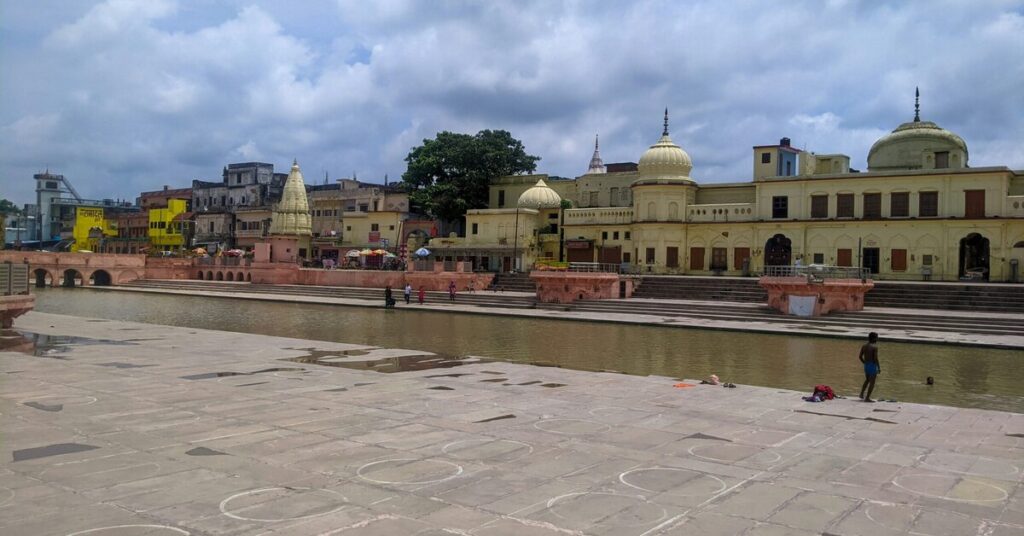
Massive projects are underway: expanded roads, new railway stations, upgraded airport facilities, hotel construction, beautification of ghats along the Sarayu River, and comprehensive urban planning. This development brings both opportunities (better facilities, easier access) and challenges (ongoing construction, changing layouts, temporary closures).
Understanding that Ayodhya is a city in transition helps set realistic expectations. Things will change between when you plan and when you visit. Flexibility becomes more important than rigid itineraries.
Why First-Time Visitors Feel Overwhelmed
Several factors contribute to first-timer confusion:
Information gaps: Much online content predates recent development, making practical details unreliable.
Rapid changes: Access procedures, timings, and facilities evolve frequently as infrastructure expands.
High expectations: Ayodhya carries enormous emotional and spiritual weight for many visitors, creating pressure for the “perfect” experience.
Logistical complexity: Understanding where things are, how to access them, and what’s actually open requires current local knowledge.
Cultural unfamiliarity: For visitors from outside Hindu traditions or North India, cultural norms might feel unclear.
Recognizing these challenges upfront helps you approach planning more realistically and reduces anxiety when things don’t match your research perfectly.
Essential Pre-Visit Research
Understanding Ayodhya’s Religious Significance
Before diving into logistics, grasp why Ayodhya matters spiritually. The city is identified as the birthplace of Lord Ram, the seventh avatar of Vishnu and protagonist of the epic Ramayana. For millions of Hindus, visiting Ayodhya—particularly the Ram Janmabhoomi (birthplace site)—represents a profound spiritual milestone.
The Ram Mandir complex, inaugurated in January 2024, stands at the exact site traditionally believed to be Ram’s birthplace. This makes it the spiritual epicenter not just of Ayodhya but of Ram devotion globally.
Understanding this significance helps you appreciate why emotions run high, why certain protocols exist, and why the city receives the investment and attention it does. You’re not just visiting another temple—you’re experiencing one of Hinduism’s most sacred locations.
Current Infrastructure and Ongoing Changes
As of December 2025, Ayodhya’s infrastructure includes:
Completed projects:
- Ram Mandir (main structure, though expansion continues)
- Upgraded Ayodhya Junction railway station
- Expanded Ayodhya Airport (formerly Faizabad)
- New bus terminals
- Beautified Sarayu riverfront ghats
- Several parking complexes
Ongoing projects:
- Road widening throughout the city
- Additional hotel and lodging construction
- Extended pilgrimage routes
- Museum and cultural centers
- Peripheral ring roads
First-time visitors should expect to encounter some construction zones and occasional detours. This is normal and temporary as the city builds capacity for increased pilgrimage traffic.
Separating Facts from Expectations
Common misconceptions to address:
Myth: “Ayodhya is now a fully modern city with world-class facilities everywhere.” Reality: Core areas have excellent new facilities, but Ayodhya remains a developing tier-2 city with infrastructure still catching up to demand.
Myth: “The Ram Mandir visit will be like visiting any temple—quick and straightforward.” Reality: Security protocols, crowd management, and the site’s significance mean visits require more time and planning than typical temples.
Myth: “Everything is new, so all information online is outdated.” Reality: Many historical sites and older temples operate exactly as they always have. The transformation affects specific areas, not the entire city uniformly.
Myth: “I can just show up and figure things out.” Reality: While possible, advance planning dramatically improves your experience, especially for Ram Mandir access and accommodation.
Best Time to Visit for First-Timers
Seasonal Considerations
Ayodhya experiences typical North Indian weather patterns:
October to March (Best for first-timers):
- Pleasant weather (15-28°C/59-82°F)
- Comfortable for outdoor walking and temple visits
- Peak tourist season (more crowds but better facilities)
- Ram Navami (March/April) brings massive crowds
April to June (Challenging):
- Extreme heat (35-45°C/95-113°F)
- Fewer tourists (if you can handle heat)
- Morning visits only, afternoons too hot
- Lower accommodation prices
July to September (Monsoon):
- Heavy rainfall, humidity
- Fewer tourists
- Beautiful greenery
- Some facilities may have water-related issues
- Good deals on accommodation
For first-time visitors, November through February offers the best balance of comfortable weather and functional infrastructure, though you’ll share the experience with more people.
Festival Times vs. Regular Days
Major festivals bringing massive crowds:
- Ram Navami (March/April): Celebrates Ram’s birth, biggest annual event
- Diwali (October/November): Celebrates Ram’s return to Ayodhya
- Vivah Panchami (November/December): Commemorates Ram-Sita wedding
- Kartik Purnima (October/November): Important bathing festival at Sarayu
Advantages of festival visits:
- City at its most vibrant and celebratory
- Special ceremonies and cultural events
- Incredible atmosphere and energy
- Unforgettable experience
Disadvantages:
- Accommodation scarce and expensive (book 3-4 months ahead)
- Massive crowds at all sites
- Much longer wait times
- Transportation overwhelmed
- Higher prices everywhere
Recommendation for first-timers: Visit 2-3 weeks before or after major festivals. You’ll still feel residual energy and see decorations, but with manageable crowds and available accommodation.
Crowd Management Timing
Even on regular days, timing matters:
Lighter crowd times:
- Weekday mornings (Monday-Thursday, 6:00-9:00 AM)
- Midday periods (11:00 AM-3:00 PM)
- Late evening (after 7:00 PM, though some sites close)
Heavier crowd times:
- Weekends (Friday evening through Sunday)
- All mornings during auspicious periods
- Public holidays
- School vacation periods
Planning your Ram Mandir visit for a Tuesday or Wednesday morning, for example, provides a significantly better experience than Saturday afternoon.
Transportation Planning Made Simple
Getting to Ayodhya: All Your Options
By Air: Ayodhya Airport (Maharishi Valmiki International Airport) offers direct flights from major Indian cities including Delhi, Mumbai, Bangalore, and Ahmedabad. The airport sits approximately 8 km from the main temple area—expect 20-30 minute drives to accommodation.
Book flights 4-6 weeks in advance for best prices. Airport taxis and app-based services connect to the city, though availability varies by time of day.
By Train: Ayodhya Junction (formerly Ayodhya Cantt) is the main railway station, with excellent connectivity. Major trains from Delhi (overnight options), Mumbai, Kolkata, and other cities stop here. The station underwent major renovation and now offers modern amenities.
The station is approximately 2-3 km from major accommodation areas and the Ram Mandir complex. Pre-book taxis or use app-based services rather than negotiating with station taxis.
By Road: Ayodhya connects via National Highway 27 and 330:
- From Lucknow: 135 km (2.5-3 hours)
- From Varanasi: 200 km (4-5 hours)
- From Prayagraj: 165 km (3-4 hours)
State-run and private buses operate regularly. Private car rentals offer more comfort and flexibility. Road conditions have improved significantly with new highway development.
Airport, Railway, and Road Connections
From Airport to City:
- Prepaid taxis: ₹300-500 to city center
- App-based rides (Ola, Uber): ₹250-400
- Hotel pickups: ₹400-600 (arrange in advance)
From Railway Station to City:
- Auto-rickshaws: ₹100-200 to main areas
- App-based rides: ₹150-250
- Cycle rickshaws: ₹50-100 for nearby areas (slower but economical)
Important: Download Ola or Uber before arriving. Mobile networks sometimes struggle with app downloads in crowded areas.
Local Transportation Within the City
Ayodhya is relatively compact, with main sites within 5 km radius:
Auto-rickshaws: Most common local transport. Negotiate prices beforehand (₹50-150 for most journeys within city). Many don’t use meters.
Cycle rickshaws: Slower, cheaper (₹30-80), good for short distances and narrow lanes.
E-rickshaws: Environmentally friendly, similar pricing to cycle rickshaws, increasingly common.
App-based rides: Growing availability but not as ubiquitous as in larger cities. Pre-book for guaranteed service.
Walking: Main temple area and many sites are walkable, especially in early morning or late evening when traffic is lighter.
Rental bicycles: Emerging as an option, check with your hotel about availability.
Pro tip: Many hotels offer full-day car rentals with driver (₹1,500-2,500) which provides maximum flexibility and eliminates transportation stress.
Accommodation Strategy for First Visits
Where to Stay in Ayodhya
Accommodation clusters around specific areas:
Near Ram Mandir (Ramkot area):
- Maximum convenience for main site
- Walking distance to temple complex
- Can get noisy and crowded
- Limited parking
- Higher prices
Civil Lines area:
- Good hotels and guesthouses
- Quieter than Ramkot
- 3-5 km from Ram Mandir
- Better restaurant options
- Easier vehicle access
Station Road vicinity:
- Close to railway station
- Budget to mid-range options
- Good connectivity
- Some construction noise
- Convenient for early departures
Sarayu Riverfront:
- Scenic locations
- Peaceful atmosphere
- Slightly farther from main temples
- Premium properties
- Beautiful views
Recommendation for first-timers: Stay in Civil Lines for balance of convenience, comfort, and peace. You’re close enough for easy temple access but removed from the constant intensity of the immediate temple area.
Budget vs. Comfort vs. Location Trade-offs
Budget accommodation (₹800-2,000/night):
- Basic guesthouses and dharamshalas
- Shared facilities possible
- Limited amenities
- Variable cleanliness standards
- Location often excellent (near temples)
Mid-range (₹2,000-5,000/night):
- Clean, comfortable rooms
- Private bathrooms
- Air conditioning
- Some dining options
- Mix of locations
- Best value for most travelers
Premium (₹5,000-15,000+/night):
- Modern hotels with full amenities
- Restaurants, room service
- Travel desks and guides
- Comfortable lounges
- Often riverfront or excellent locations
- Significantly elevated experience
What really matters for first-timers:
- Clean, comfortable bed (you’ll walk a lot)
- Reliable hot water
- Air conditioning or good ventilation
- Secure luggage storage
- Helpful staff who can answer questions
- Location within 5 km of Ram Mandir
Prioritize these over luxury amenities. A clean, well-located mid-range hotel beats a fancy distant resort for Ayodhya visits.
Booking Platforms That Actually Work
Reliable platforms:
- MakeMyTrip, Goibibo: Largest selection, verified properties, customer support
- Booking.com: Good interface, honest reviews, flexible cancellation
- OYO: Budget options, consistent standards (though quality varies)
- Government tourism websites: UP Tourism runs properties with reliable standards
Direct booking considerations: Many smaller guesthouses and dharamshalas don’t list online. Once you identify an area you want, search for “[area name] Ayodhya guesthouse” and call directly. You might find excellent options with better rates.
Booking timeline:
- Regular days: 2-3 weeks advance booking sufficient
- Weekends: Book 3-4 weeks ahead
- Festival times: Book 2-3 months minimum
- Ram Navami/Diwali: Book 4-6 months ahead
Cancellation policies: Choose flexible cancellation when possible. Ayodhya’s rapid development means even confirmed bookings occasionally face issues.
The Ram Mandir: What You Need to Know
Current Access and Visiting Procedures
As the primary reason most first-time visitors come to Ayodhya, understanding Ram Mandir access is crucial:
Entry process (subject to change):
- Security check at designated entry points
- Free cloakroom for prohibited items
- Queue system based on crowd levels
- Darshan (viewing) of main deity
- Exit through designated routes
No advance booking required for general darshan as of now, though this may change during peak periods. VIP darshan schemes might be introduced—check official sources closer to your visit.
Prohibited items:
- Mobile phones and cameras
- Electronic devices
- Large bags and backpacks
- Food and beverages
- Leather items (belts, wallets, shoes)
- Anything metallic beyond small jewelry
Cloak rooms are available, but traveling light simplifies the process enormously.
Darshan Timing and Queue Management
Temple timings (approximate, verify before visiting):
- Opening: 6:00-6:30 AM
- Closing: 8:00-9:00 PM
- Extended hours during festivals
Queue wait times:
- Weekday mornings: 30-60 minutes
- Weekday afternoons: 60-90 minutes
- Weekends: 2-4 hours
- Festival days: 4-8+ hours
Strategies for shorter waits:
- Arrive 30 minutes before opening (be in queue by 5:30 AM)
- Visit Tuesday-Thursday for lightest crowds
- Midday slots (12:00-2:00 PM) often lighter than morning or evening
- Avoid full moon days (Purnima) and new moon days (Amavasya)
Physical requirements: Expect standing for extended periods and walking on stone/marble surfaces. Wear comfortable footwear you can easily remove (you’ll go barefoot inside temple).
Security Protocols and Restricted Items
Security is comprehensive given the site’s significance:
Security checkpoints include:
- Metal detectors
- Physical frisking (separate lines for men/women)
- Bag inspection (better to not bring bags)
- ID verification (carry original photo ID)
Process moves faster when you:
- Carry only ID and small amount of cash
- Wear simple clothing without excessive metal (avoid big buckles, heavy jewelry)
- Have proper modest attire (covered shoulders, below-knee bottoms)
- Follow instructions promptly
- Maintain patience and respect
First-timers often underestimate security processing time. Add 45-60 minutes to your Ram Mandir visit estimate just for security procedures.
Creating Your Ayodhya Itinerary
One-Day vs. Two-Day Visit Planning
One-Day Intensive Itinerary:
5:30 AM: Arrive at Ram Mandir for darshan 8:00 AM: Visit Hanuman Garhi 9:30 AM: Return to accommodation for breakfast/rest 11:00 AM: Visit Kanak Bhawan 12:30 PM: Lunch break 2:00 PM: Explore Sarayu ghats and museum 4:00 PM: Visit additional temples (Nageshwarnath, Treta Ke Thakur) 6:00 PM: Evening aarti at ghats 7:30 PM: Dinner and departure
This schedule is intense and requires good stamina. You’ll see major sites but won’t absorb much atmosphere.
Two-Day Relaxed Itinerary:
Day 1:
- Morning: Ram Mandir darshan and immediate surrounding area
- Afternoon: Rest, explore accommodation neighborhood
- Evening: Sarayu riverfront and aarti
Day 2:
- Morning: Hanuman Garhi, Kanak Bhawan, additional temples
- Afternoon: Museums, historical sites, shopping
- Evening: Final river visit or unexplored areas
Two days allows for contemplation, unexpected discoveries, rest periods, and a much less stressful experience.
Recommendation for first-timers: If you can possibly spare two days, do so. Ayodhya rewards unhurried exploration. The extra day transforms the visit from frantic checklist completion to meaningful pilgrimage.
Must-Visit Sites Beyond Ram Mandir
Hanuman Garhi: Hilltop temple dedicated to Hanuman, 70+ steps to reach main shrine. Beautiful architecture, significant in local devotion. Visited by most pilgrims before going to Ram Janmabhoomi. Allow 45-60 minutes.
Kanak Bhawan: Temple believed to be the palace gifted to Sita by Kaikeyi. Beautiful architecture, excellent artwork depicting Ram-Sita’s life. Less crowded than main temple. Allow 30-45 minutes.
Sarayu River Ghats: Multiple ghats along the river for bathing and ceremonies. Naya Ghat, Pap Mochani Ghat, and Guptar Ghat are most significant. Evening aartis are atmospheric. Allow 60-90 minutes for exploration.
Treta Ke Thakur: Temple marking site where Lord Ram performed Ashwamedha Yagna. Ancient architecture, peaceful atmosphere. Often missed by rushed visitors. Allow 30 minutes.
Nageshwarnath Temple: One of Ayodhya’s oldest temples, established by Kush (Ram’s son). Shiva temple with beautiful architecture. Allow 30 minutes.
Dashrath Mahal: Palace complex attributed to King Dashrath (Ram’s father). Mostly ruins but historically significant. For history enthusiasts. Allow 30-45 minutes.
Hidden Gems First-Timers Often Miss
Mani Parvat and Sugriv Parvat: Twin hillocks with temples, offering elevated views of Ayodhya. Peaceful, rarely crowded. Perfect for sunset. 30-minute rickshaw ride from main area.
Guptar Ghat: Where Ram is believed to have taken jal samadhi (entered the river). Less tourist traffic, deeply meaningful for devotees. Beautiful at sunrise.
Ram Ki Paidi: Series of ghats along Sarayu, recently beautified. Great for morning or evening walks, watching local life.
Tulsi Smarak Bhawan: Museum dedicated to poet-saint Tulsidas who wrote Ramcharitmanas. Cultural depth beyond temple visits. Free entry.
Buddhist sites: Ayodhya has connections to Buddhist history, with several ancient stupas and sites. Interesting for those wanting broader historical context.
Understanding Ayodhya’s Geography
Ayodhya is compact, roughly 10 km in diameter with main sites concentrated in smaller core:
Main orientation landmarks:
- Sarayu River: Flows along northern edge, major geographical reference
- Ram Janmabhoomi/Ram Mandir: Central spiritual focus
- Hanuman Garhi: Prominent hilltop temple, visible from distance
- Railway Station: Eastern edge of main area
- Airport: 8 km southwest of city center
Key areas to know:
- Ramkot: Immediate Ram Mandir vicinity
- Civil Lines: Administrative and commercial area
- Darshan Deori: Historical gateway area
- Naya Ghat: Riverfront zone
Streets can be narrow and confusing in old city areas. Main roads are well-marked, but smaller lanes challenge even GPS navigation.
Google Maps works reasonably well for major landmarks and main roads. Pin your accommodation immediately upon arrival. Download offline maps before visiting—mobile data can be unreliable in crowded temple areas.
Limitations:
- Doesn’t capture all new construction and road changes
- Small temples and lanes poorly mapped
- Real-time traffic not always accurate
- Voice navigation struggles with local street names
Apps worth having:
- Google Maps (offline maps downloaded)
- Ola/Uber (transportation)
- Google Translate (Hindi to your language)
- PrayagRaj Kumbh/UP Tourism apps (sometimes have Ayodhya info)
Reality check: Technology helps but isn’t perfect. Asking locals for directions remains necessary. Most people are helpful if you ask respectfully.
Offline Resources and Physical Maps
Get physical maps from:
- Your hotel reception (most have basic tourist maps)
- UP Tourism office in Ayodhya
- Railway station information booth
- Major temple complexes (free tourist guides)
Old-school but effective strategies:
- Screenshot key maps before losing connectivity
- Note major landmarks along your routes
- Carry hotel business card with address in Hindi
- Learn to recognize a few key words (Mandir=temple, Ghat=riverbank steps)
The combination of digital and analog navigation resources gives you redundancy when technology fails in crowded areas.
Cultural Etiquette and Dress Code
What to Wear at Religious Sites
Ayodhya temples require modest, respectful clothing:
Appropriate attire:
- Men: Long pants or dhoti, covered shoulders, can go shirtless in some temples if following tradition
- Women: Salwar kameez, saree, or long skirt/pants with dupatta; shoulders and legs covered
- Children: Similar modest clothing, comfortable for walking
Avoid:
- Shorts, short skirts, sleeveless tops
- Tight or revealing clothing
- Clothing with offensive graphics
- Beach wear or athletic wear as outerwear
Footwear considerations: You’ll remove shoes dozens of times. Wear:
- Easy slip-on footwear
- Socks (temple floors can be hot or rough)
- Sandals over elaborate lace-up shoes
Many temples have shoe-keeping services (₹10-20 per pair). Carrying a cloth bag for shoes is practical for smaller temples without services.
Photography Rules and Restrictions
Photography policies vary by location:
Ram Mandir: Generally no photography inside security checkpoints. This means no photos of the main temple or deity.
Other temples: Many allow exterior photography, some permit interior photos without flash. Always ask before photographing.
Ghats and public areas: Photography generally acceptable, but avoid intrusive shots of people performing religious rituals.
Prohibited everywhere:
- Photography of security installations
- Intrusive photos of worshippers without permission
- Selfies during actual worship/prayer
- Commercial photography without permits
Etiquette: Ask permission before photographing people, especially sadhus or priests. Many appreciate small donations (₹10-50) if you photograph them. Never photograph cremation ceremonies or private religious rites.
Behavioral Expectations at Temples
Do:
- Remove footwear before entering temple premises
- Wash hands and feet at provided facilities
- Maintain quiet, reverent demeanor
- Allow locals priority in darshan lines (many have limited time)
- Stand aside if processions or special ceremonies occur
- Follow priest’s instructions during aarti or puja
- Donate what feels appropriate (no fixed amount)
Don’t:
- Touch idols or sacred objects unless invited
- Point feet toward deities (sit cross-legged)
- Engage in loud conversations
- Eat or drink inside temple premises
- Display affection (hand-holding okay, kissing/embracing not appropriate)
- Rush or push in lines
- Argue about customs you don’t understand
When unsure about protocol, observe others or politely ask. Most Hindus appreciate sincere questions from visitors genuinely seeking to show respect.
Food and Dining Guide
Safe Eating Options for First-Timers
Ayodhya is predominantly vegetarian (most restaurants don’t serve meat/eggs). This actually simplifies safety decisions:
Safest options:
- Hotel restaurants (controlled environment, tourist-familiar standards)
- Established restaurants on main roads (verifiable reputation)
- Franchises (Haldiram’s, Domino’s, etc. maintain consistency)
- Government-run canteens (basic but hygienic)
- Sweet shops offering fresh preparations
Approach cautiously:
- Street food (delicious but risky for sensitive stomachs)
- Small roadside dhabas (locals love them, tourists sometimes react poorly)
- Pre-cut fruits from vendors (washing uncertain)
- Any food sitting at room temperature
General safety rules:
- Eat hot, freshly prepared food
- Drink bottled water only (check seal integrity)
- Avoid ice unless from reliable source
- Wash hands frequently or use sanitizer
- Peel fruits yourself
- Pass on raw vegetables/salads unless confident about washing
Local Specialties Worth Trying
Ayodhya/Awadhi cuisine highlights:
Tehri: Spiced vegetable rice dish, comfort food Bedmi Puri with Aloo Sabzi: Traditional breakfast Kachori: Stuffed fried bread, various fillings Peda: Sweet milk-based confection, excellent quality here Samosas: Vegetable-filled pastries, available everywhere Lassi: Yogurt-based drink, refreshing and safe Chaat: Various street snacks (if your stomach can handle)
Where to try authentic food:
- Samrat Restaurant (Civil Lines area)
- Shri Ram Bhojanalaya (near temples, thali meals)
- Balaji Sweets (excellent sweets and snacks)
- Hotel restaurants for comfortable environment
Don’t leave without trying local pedas—they’re a specialty and make excellent gifts to bring home.
Dietary Accommodations and Restrictions
Vegetarians: Perfect city for you—virtually everything is vegetarian.
Vegans: More challenging but manageable. Specify “no ghee, milk, or curd.” Many preparations use these liberally.
Gluten-free: Difficult in traditional settings. Rice dishes (tehri, plain rice) are safe. Communicate clearly: “No wheat, no maida.”
Jain dietary requirements: Common enough that many restaurants understand. Say “Jain food” and they’ll know (no onion, garlic, root vegetables).
Allergies: Carry any medication you need. Language barriers make ingredient verification difficult. Stick to simple preparations where ingredients are visible.
Specific needs: If you have serious dietary restrictions, consider bringing some food items from home. Many hotels allow guests to store and reheat food.
Budget Planning and Cost Management
Realistic Budget for Different Travel Styles
Here are honest cost estimates for one person for one full day (after reaching Ayodhya):
Budget Traveler (₹1,000-1,800 / $12-22 per day):
- Accommodation: ₹500-800 (dharamshala/basic guesthouse)
- Food: ₹300-500 (simple restaurants, limited snacks)
- Transportation: ₹150-300 (auto-rickshaws, shared rides)
- Entry fees: ₹0-50 (most temples free)
- Miscellaneous: ₹50-150 (water, small offerings)
Mid-Range Traveler (₹3,500-6,000 / $42-72 per day):
- Accommodation: ₹2,000-3,500 (clean hotel with amenities)
- Food: ₹800-1,200 (hotel dining, good restaurants)
- Transportation: ₹400-800 (private autos, occasional car)
- Guides/Services: ₹200-500 (optional guide for half day)
- Shopping/Miscellaneous: ₹100-200
Comfortable Traveler (₹8,000-15,000 / $96-180 per day):
- Accommodation: ₹5,000-10,000 (premium hotel/resort)
- Food: ₹1,500-2,500 (hotel restaurants, room service)
- Transportation: ₹1,000-1,500 (private car with driver)
- Guide services: ₹500-1,000 (full-day private guide)
- Shopping/Extras: ₹500-1,000
Family adjustments: Multiply individual costs by number of people, minus 20% for shared accommodation and transportation. Two adults and two children typically spend 3x individual budget, not 4x.
Free vs. Paid Experiences
Completely free:
- Ram Mandir darshan (no entry fee)
- Most temples (Hanuman Garhi, Kanak Bhawan, etc.)
- Sarayu ghats and riverfront walking
- Evening aartis at ghats
- City walking and exploration
- Museum visits (some, verify current policies)
Paid experiences:
- Shoe-keeping at temples: ₹10-20 per pair
- Photography fees (where permitted): ₹20-50
- Guides: ₹500-2,000 depending on duration
- Boat rides on Sarayu: ₹200-500 per boat
- Puja services: Variable, ₹100-5,000+ depending on complexity
- Shopping (religious items, souvenirs)
The beauty of Ayodhya is that the core spiritual experience—darshan at Ram Mandir—costs nothing. Budget travelers can have fully meaningful visits.
Avoiding Common Tourist Traps
Overpriced puja services: Self-proclaimed priests offer “special” pujas at inflated prices (₹2,000-10,000+). If you want specific rituals, ask temple management about standard offerings and prices.
Aggressive vendors: Around temples, vendors push religious items claiming you “need” them for darshan. You don’t. Buy only what you actually want.
Photography scams: People offering to take your photo, then demanding payment. If you want photos, ask fellow tourists or use selfie mode.
“Official” guides: Touts claim to be official guides and charge premium prices. Actual guides have visible ID cards. Negotiate prices before services.
Accommodation bait-and-switch: You arrive to find “no rooms available” but they have a “sister property” that costs double. Book through verified platforms with protection policies.
Transportation overcharging: Station/airport taxis quote 3-5x normal rates. Use app-based services or prepaid counters. Know approximate distances and rates.
Protection strategies:
- Research standard prices beforehand
- Always negotiate before agreeing to services
- Get recommendations from hotel staff
- Use official counters and services where available
- Don’t feel pressured to buy/accept unsolicited services
- Politely but firmly say no to unwanted offers
Language and Communication
Getting By Without Hindi
Hindi is Ayodhya’s primary language, but you can navigate without fluency:
English availability:
- Hotels: Front desk staff usually speak functional English
- Restaurants: Many have English menus or pictorial menus
- Tourist sites: Signage increasingly bilingual
- Guides: Professional guides speak English
- Young people: Often understand basic English
Reality: Outside tourist infrastructure, English is limited. Auto-rickshaw drivers, small shop owners, and locals in residential areas typically speak minimal or no English.
Strategies for non-Hindi speakers:
- Learn 10-15 basic phrases (helps enormously)
- Use translation apps (Google Translate works offline)
- Carry hotel card with address in Hindi
- Use gestures and numbers written down
- Show photos of destinations on phone
- Find someone who speaks your language + Hindi to help initially
Many travelers report that basic courtesy phrases in Hindi (“Namaste,” “Dhanyavaad,” “Kitna paisa?”) open doors and earn goodwill even if the rest of the conversation involves gestures.
Essential Phrases and Communication Apps
Critical phrases to learn:
- Namaste (नमस्ते) – Hello/respectful greeting
- Dhanyavaad (धन्यवाद) – Thank you
- Kitna paisa? (कितना पैसा?) – How much money?
- Ram Mandir kahan hai? (राम मंदिर कहाँ है?) – Where is Ram temple?
- Mujhe… chahiye (मुझे… चाहिए) – I need…
- Thik hai (ठीक है) – Okay/fine
- Nahin (नहीं) – No
- Haan (हाँ) – Yes
- Madat kijiye (मदद कीजिये) – Please help
- Auto/rickshaw (ऑटो/रिक्शा) – Auto-rickshaw
Useful apps:
- Google Translate: Offline Hindi pack, camera translation for signs
- Simply Learn Hindi: Phrasebook with audio
- Hindi English Dictionary: Quick word lookups
- Wavely: Real-time voice translation (requires data)
Download and familiarize yourself with these apps before traveling. Testing them in low-stress environments (hotel room) beats learning during actual need.
Finding English-Speaking Guides
Professional guides generally speak English, but quality varies:
Where to find good guides:
- UP Tourism office (certified guides)
- Your hotel recommendations (they work with reliable guides)
- Online platforms (TripAdvisor, Viator have reviews)
- Temple information centers (sometimes have guide lists)
Questions to ask before hiring:
- “How long have you been guiding in Ayodhya?”
- “Can you explain [specific site] history in English?”
- “What’s included in your rate?” (entrance fees, transportation)
- “What’s your cancellation policy?”
A good guide does more than translate—they provide cultural context, navigate efficiently, handle negotiations, and troubleshoot problems. For first-time visitors, especially those not speaking Hindi, a quality guide transforms the experience.
Budget: ₹500-800 for half day, ₹1,000-2,000 for full day. Guides with vehicles cost more (₹2,000-3,500 full day). Rates increase during peak seasons.
Safety and Health Precautions
Common Health Concerns
Delhi belly / traveler’s diarrhea: Most common issue for first-time visitors. Caused by different bacteria in food/water, not necessarily poor hygiene.
Prevention:
- Drink only bottled water
- Avoid raw vegetables and salads
- Eat freshly cooked hot food
- Wash hands frequently
- Carry hand sanitizer
Treatment:
- Stay hydrated (ORS packets—buy at any pharmacy)
- Anti-diarrheal medication (Imodium/Loperamide)
- Avoid dairy temporarily
- Rest (don’t push through serious symptoms)
- See doctor if symptoms persist beyond 48 hours or include high fever/blood
Heat-related issues (if visiting April-June):
- Heat exhaustion: Dizziness, nausea, heavy sweating
- Heat stroke: Confusion, hot dry skin, loss of consciousness
- Prevention: Hydrate constantly, avoid midday sun, rest in AC, wear light clothing
- Treatment: Move to shade/AC, cool water, damp cloths, medical help if serious
Respiratory issues: Air quality can be poor, especially October-January. Those with asthma or respiratory conditions should bring medications and consider masks during very poor air days.
Foot problems: Lots of walking on hard surfaces, plus removing shoes repeatedly. Bring comfortable footwear, bandaids for blisters, and foot powder.
Staying Safe as a First-Time Visitor
Ayodhya is generally safe, but standard precautions apply:
Personal safety:
- Keep valuables in hotel safe, not in your room
- Carry only necessary cash (ATMs available but can run empty during festivals)
- Be cautious in very crowded areas (pickpocketing possible)
- Travel in groups after dark
- Avoid isolated areas, especially for solo women travelers
- Use hotel-recommended transportation at night
Scams to watch for:
- Overpriced puja “requirements”
- Fake guides and holy men
- Sob stories requesting money
- Gem/shawl “deals”
- Wrong change given
- Hotel booking scams
Cultural safety:
- Respect religious customs (reduces conflict)
- Dress modestly (attracts less attention)
- Don’t photograph sensitive areas or people without permission
- Avoid political or religious debates
- Maintain respectful behavior at all times
For solo women travelers: Ayodhya sees many solo women pilgrims and is generally respectful. Standard precautions apply: avoid isolated areas after dark, use reputable transportation, stay in tourist areas, trust your instincts. Many women report feeling safer in Ayodhya than in larger Indian cities, possibly due to the city’s spiritual focus.
Emergency Contacts and Medical Facilities
Save these numbers:
- Emergency: 112 (integrated emergency number)
- Police: 100
- Ambulance: 102
- Fire: 101
- Tourist Helpline: 1363 or 1800-180-5127
Medical facilities:
- District Hospital Ayodhya: Main government facility
- Various private clinics along Civil Lines
- Pharmacies abundant (many open late)
- Your hotel can call doctors for room visits
Medical tourism support: Some hotels have tie-ups with doctors who treat foreign tourists (and speak English). Ask at reception.
Prepare before traveling:
- Know your blood type
- List any allergies (in English and Hindi if possible)
- Carry copies of prescriptions
- Have travel insurance info accessible
- Store emergency contacts in phone under “ICE”
Technology and Connectivity
Mobile Networks and Internet Access
Network coverage: Major providers (Jio, Airtel, Vi) have good 4G coverage in Ayodhya proper. Remote areas or inside thick-walled temple complexes may have weak signal.
For international visitors:
- Purchase Indian SIM at airport (bring passport photo and copies)
- Jio and Airtel offer best coverage
- Prepaid plans with data: ₹200-600 for 1-2 weeks
- Activation can take 24 hours
WiFi availability:
- Hotels: Most offer free WiFi (quality varies)
- Restaurants: Some cafes have WiFi for customers
- Public WiFi: Limited and not reliable
- Temples: Generally no WiFi
Data usage tips:
- Download offline maps before arriving
- Download entertainment for down time
- Use WiFi for uploads/heavy downloads
- WhatsApp works well for communication
- Consider local SIM if staying more than a few days
Useful Apps for Ayodhya Visitors
Essential:
- Google Maps (offline maps)
- Google Translate (offline Hindi pack)
- Ola/Uber (transportation)
- Paytm/PhonePe/Google Pay (digital payments)
- WhatsApp (communication)
Helpful:
- XE Currency (exchange rates)
- MakeMyTrip/Goibibo (bookings and support)
- Zomato/Swiggy (food delivery to hotel)
- JioSaavn/Spotify (music/podcasts for downtime)
- Camera/Photos app (organize your photos)
Religious/Cultural:
- Sri Mandir (temple info, aarti timings)
- Ramcharitmanas apps (text of the epic)
- Hindu Calendar (festival dates, auspicious times)
Download and set up all apps before traveling. Trying to download apps on slow connections when you need them creates frustration.
Digital Payment vs. Cash Requirements
Digital payments: UPI (Unified Payments Interface) dominates Indian digital transactions. Paytm, PhonePe, and Google Pay are most common.
Where digital works:
- Hotels and established restaurants
- Shops in commercial areas
- Some auto-rickshaws (growing but not universal)
- Donation boxes at major temples
Where you need cash:
- Small vendors and street food
- Cycle rickshaws and many auto-rickshaws
- Shoe-keeping at temples
- Small offerings and donations
- Rural areas and small shops
- Emergency situations
Cash strategy:
- Carry ₹2,000-5,000 in small denominations (₹10, ₹20, ₹50, ₹100 notes)
- Keep larger bills (₹500) for hotels and restaurants
- Use ATMs in well-lit, secure locations (hotel ATMs best)
- Divide cash between multiple locations (wallet, bag, hotel safe)
- Don’t flash large amounts publicly
ATM availability: Multiple ATMs in main areas, but they can run empty during peak festival times. Withdraw early in your visit or carry sufficient cash.
Conclusion
Ayodhya no longer needs to feel overwhelming for first-time visitors. While the city is transforming rapidly and some elements require flexibility, the core experience—connecting with one of Hinduism’s most sacred sites—remains accessible to those who prepare thoughtfully.
The key is balancing preparation with flexibility. Research and book accommodation and transportation in advance. Understand the major sites and their significance. Pack appropriately and plan realistic itineraries. But also accept that things might not match your research perfectly, that detours happen, that the most memorable moments often come unplanned.
Millions of first-time visitors navigate Ayodhya successfully every year. Many report that the experience exceeded their expectations once they let go of trying to control every detail. The spiritual atmosphere, the devotion of fellow pilgrims, the grandeur of the Ram Mandir, and the timeless flow of the Sarayu River create something that transcends logistical challenges.
Your first visit to Ayodhya can be smooth, meaningful, and transformative. It starts with the planning you’re doing right now—educating yourself, asking the right questions, and preparing realistically. The city, ancient yet rapidly modernizing, awaits your arrival. Trust your preparation, remain flexible, and open yourself to whatever the experience brings.
FAQs
1. How many days should a first-time visitor spend in Ayodhya?
Two days is ideal for first-time visitors—it provides enough time to visit Ram Mandir without rushing, explore 4-5 additional temples, experience the Sarayu ghats, and absorb the spiritual atmosphere without exhaustion. One day is possible for a focused Ram Mandir visit but feels rushed. Three or more days work for those deeply interested in history, wanting to visit all temples thoroughly, or simply preferring a very relaxed pace. Consider your interests and travel style when deciding.
2. Is advance booking necessary for Ram Mandir darshan?
Currently, no advance booking is required for general darshan at Ram Mandir—it operates on a first-come, first-served basis. However, this policy could change during peak festival periods or as management systems evolve. Check official sources 1-2 weeks before your visit for current procedures. VIP or special darshan options may require advance arrangements. Even without booking requirements, arriving early (before 7 AM on weekdays) significantly reduces wait times.
3. Can non-Hindus visit Ayodhya temples including Ram Mandir?
Yes, Ayodhya temples generally welcome respectful visitors of all faiths. Ram Mandir is open to everyone who maintains appropriate dress codes and behavior. Some smaller temples might have specific restrictions, but major sites accessible to tourists welcome all visitors. The key is showing genuine respect—modest clothing, removing shoes, following temple protocols, and maintaining reverent behavior. Many non-Hindu visitors report meaningful experiences appreciating the architecture, cultural significance, and devotional atmosphere even without sharing the specific religious beliefs.
4. What’s the minimum budget needed for a 2-day Ayodhya trip from Delhi?
A budget traveler from Delhi can manage a 2-day Ayodhya trip for ₹5,000-7,000 ($60-85) covering: overnight train (₹1,000-1,500), basic accommodation two nights (₹1,000-1,600), food (₹600-1,000), local transportation (₹300-600), and miscellaneous (₹200-400). Mid-range travelers should budget ₹12,000-18,000 ($145-215) for comfortable travel, good hotels, and some convenience. These estimates exclude shopping and optional guide services. Festival times require 30-50% higher budgets due to increased accommodation and transportation costs.
5. How accessible is Ayodhya for elderly visitors or those with mobility challenges?
Ayodhya’s accessibility is improving but remains challenging in some areas. Ram Mandir complex has wheelchair access and elevators, making it relatively accessible. However, older temples often have steps without ramps, ghats require navigating stone stairs, and crowded areas can be difficult. Strategies for mobility-challenged visitors: hire private transportation, use wheelchairs (rentals available), visit during non-peak times, focus on accessible sites, bring helper/companion, and allow extra time for everything. Many elderly visitors successfully complete Ayodhya pilgrimages by pacing themselves realistically and prioritizing Ram Mandir over attempting all sites. Hotels can arrange additional support services when informed in advance.





Comments are closed.