Your cart is currently empty!
You may check out all the available trips and book one that suits you.
Continue Browsing Trips
Perfect 3-4 Day North India Spiritual Tour for Parents Above 55 , Not everyone has two weeks to spare, right? Sometimes you just need a quick spiritual recharge—a long weekend or a brief escape that rejuvenates the soul without exhausting the body. For parents above 55, a well-planned 3-4 day spiritual tour can be incredibly fulfilling. Let me show you how to create a meaningful journey that fits into a tight schedule while honoring your parents’ spiritual needs and physical comfort.
Think about it: would you rather have your parents moderately tired after a perfect long weekend or completely exhausted after a two-week marathon? Short spiritual tours offer some unique advantages for elderly travelers.
Perfect 3-4 Day North India Spiritual Tour for Parents Above 55 ,First, there’s the energy factor. Three to four days is manageable without causing fatigue or health complications. Your parents can return home feeling spiritually fulfilled rather than physically drained. Second, the financial investment is lower, making it easier to plan multiple trips throughout the year rather than one big journey. Third, there’s less disruption to their medical routines, daily medications, and dietary habits.
Plus, focusing on one or two destinations allows for deeper immersion rather than superficial temple-hopping. Your parents can actually experience the spiritual atmosphere instead of just photographing it.
The key to a successful short tour is choosing the right destination cluster. You want places close enough to minimize travel time but rich enough to provide a complete spiritual experience. Here are your best options:
This combination is perfect for a 3-4 day tour. These two cities are just 25 kilometers apart, connected by excellent roads, which means minimal travel fatigue. You get the best of both worlds: Haridwar’s ancient ritualistic traditions and Rishikesh’s meditative, yogic atmosphere.
The geographical location in the Himalayan foothills means pleasant weather most of the year (except summer peaks). The infrastructure is senior-friendly, with numerous hotels catering specifically to elderly pilgrims. Plus, the spiritual energy here is palpable—you can literally feel it in the air.
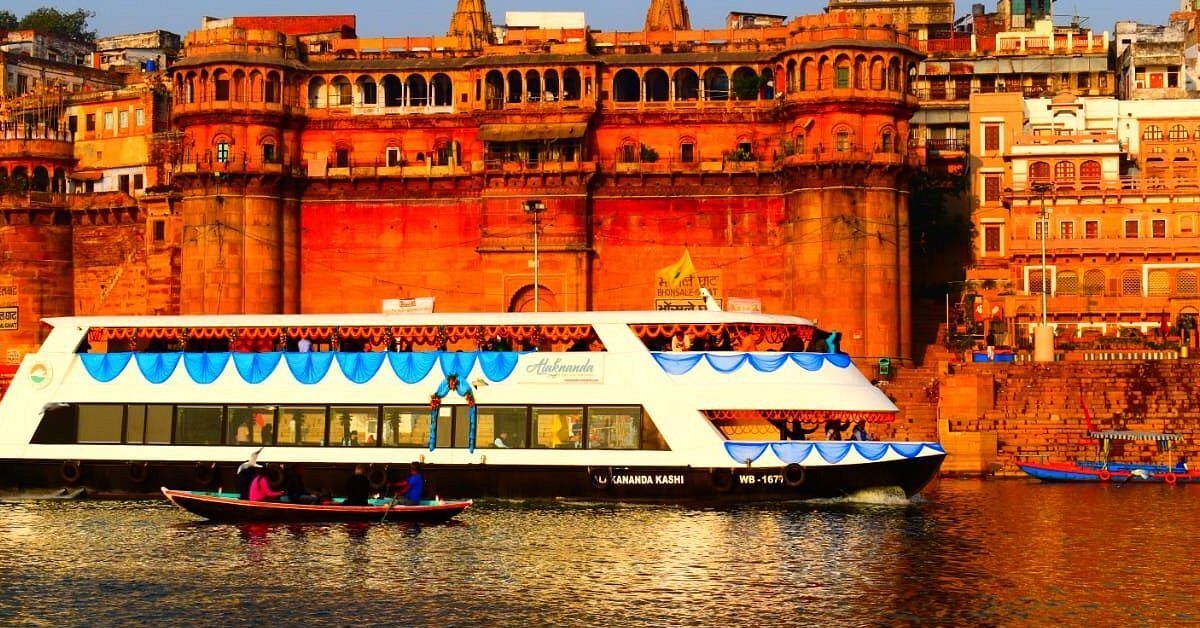
Varanasi deserves undivided attention. This isn’t a city you rush through; it’s an experience you absorb. A dedicated 3-4 day tour allows your parents to witness sunrise and sunset on the Ganges, explore the labyrinthine old city at a comfortable pace, visit nearby Sarnath (where Buddha gave his first sermon), and participate in various spiritual activities without feeling rushed.
The intensity of Varanasi—its sights, sounds, and spiritual fervor—is best experienced when you’re not worried about catching the next train or flight.
The Golden Temple alone justifies a 3-4 day trip. But Amritsar offers more: the poignant Wagah Border ceremony, the historic Jallianwala Bagh, and multiple other gurudwaras, each with its own story. The city is compact, making it ideal for seniors who prefer minimal travel between sites.
What makes Amritsar particularly suitable for elderly parents is the Sikh tradition of seva (selfless service). Volunteers everywhere are ready to assist, wheelchairs are available, and the community kitchen ensures no one goes hungry.
For devotees of Lord Krishna, these twin cities offer concentrated spiritual bliss. Located just 150 kilometers from Delhi, they’re easily accessible and can be thoroughly explored in 3-4 days. The temple density is extraordinary—hundreds of temples, each unique, spread across two small cities.
The ISKCON temple in Vrindavan, the Krishna Janmabhoomi in Mathura, and the evening boat rides on the Yamuna create a complete devotional experience perfect for a short tour.
Arrive in Haridwar by early afternoon (morning flight to Dehradun, then 45-minute drive, or overnight train from Delhi). Check into your hotel and rest for a couple of hours—this is crucial for elderly travelers.
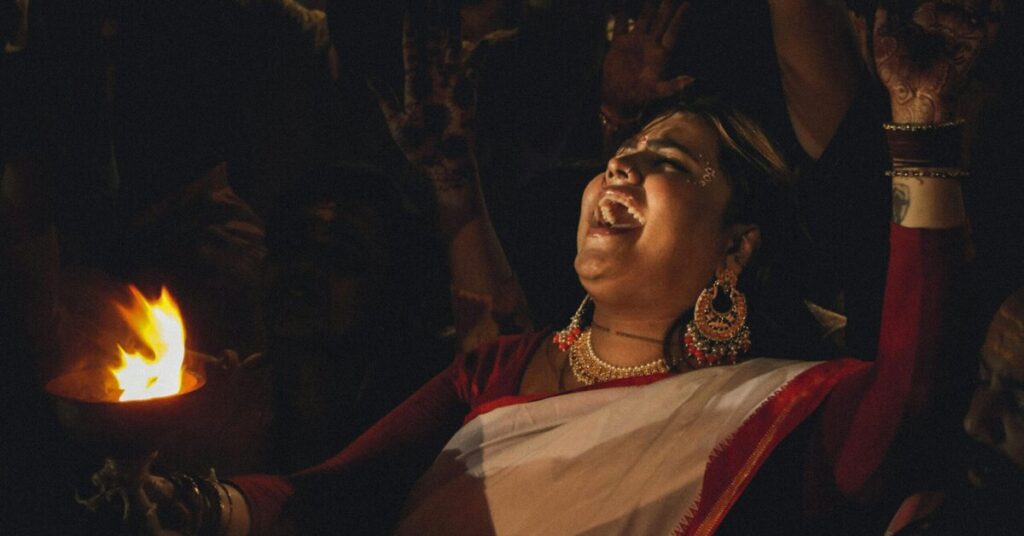
By late afternoon, take a gentle stroll to Har Ki Pauri, the main ghat. Let your parents soak in the atmosphere without any rush. Around 6 PM, find a good spot for the Ganga Aarti. I recommend arriving 30 minutes early to secure comfortable seating. The aarti lasts about 45 minutes, and it’s truly mesmerizing—the synchronized movements of priests, the sound of bells and conch shells, and hundreds of lamps creating a river of light.
After the aarti, enjoy a simple dinner at your hotel and rest. Day one should be about arrival and acclimatization, not exhaustion.
After a leisurely breakfast, drive to Rishikesh (about 45 minutes). Check into an ashram or riverside hotel—Parmarth Niketan or Ganga Kinare are excellent choices for seniors.
Spend the day experiencing ashram life. Attend a morning yoga session designed for beginners and elderly participants—most ashrams offer these. Take a peaceful walk along the Ganges, visit the iconic Laxman Jhula and Ram Jhula (suspension bridges with stunning views), and explore the Beatles Ashram if your parents are up for it.
In the evening, attend the Ganga Aarti at Parmarth Niketan—smaller and more intimate than Haridwar’s, yet equally moving. The ashram setting adds a meditative quality that many seniors appreciate.
Wake up early for sunrise on the Ganges—it’s magical. Participate in a morning puja if your parents are interested, or simply sit by the river and meditate. After breakfast, you can visit one or two more temples or markets for spiritual souvenirs.
Depart by early afternoon, reaching Delhi by evening or taking an overnight train back home. Three days feels just right—spiritually fulfilling without being physically demanding.
Arrive in Varanasi by afternoon. Depending on where you’re coming from, direct flights to Varanasi are available from most major Indian cities. Check into a hotel near Assi Ghat—this area is less chaotic than the main ghats but still authentically Varanasi.
Let your parents rest and adjust to the city’s energy. Varanasi can be overwhelming at first—the crowds, the sounds, the intensity. A few hours of rest helps tremendously.
In the evening, take a boat to Dashashwamedh Ghat for the famous Ganga Aarti. Watching from a boat is perfect for seniors—no jostling crowds, comfortable seating, and the best view possible. The spectacle typically starts at 6:45 PM and lasts about an hour.
This is your early morning. A sunrise boat ride on the Ganges is non-negotiable—it’s the essence of Varanasi. As dawn breaks, you’ll witness the city awakening, devotees taking holy dips, priests performing rituals, and the ethereal beauty of temples reflected in the river.
After returning to your hotel for breakfast and rest, spend the late morning visiting Kashi Vishwanath Temple. Book VIP darshan to avoid long queues—this is money well spent for elderly parents. The temple’s spiritual significance as one of the twelve Jyotirlingas makes it essential.
Afternoon is for rest. Varanasi’s intensity requires breaks. Evening can be spent at Assi Ghat, which is much calmer and perfect for a peaceful sunset.
Dedicate this day to Sarnath, just 10 kilometers from Varanasi. This is where Buddha delivered his first sermon after attaining enlightenment. The archaeological site, the Dhamek Stupa, and various Buddhist temples create a starkly different atmosphere from Varanasi—calm, meditative, and serene.
The Japanese, Thai, and Tibetan temples here each offer unique architectural beauty and peaceful gardens perfect for elderly visitors. There’s minimal walking involved, and the entire visit can be completed in 3-4 hours.
Return to Varanasi for a quiet evening. Perhaps attend a classical music performance or simply rest at your hotel.
On your final morning, visit any temples you might have missed—Sankat Mochan Hanuman Temple and Durga Temple are both significant and less crowded than Kashi Vishwanath. Alternatively, take a final peaceful boat ride, allowing your parents to say goodbye to Mother Ganga.
After lunch, depart for the airport or railway station. Four days in Varanasi provides enough time to truly experience the city without rushing.
For 3-4 day tours, flights make the most sense. They maximize your time at the destination rather than in transit. Most North Indian spiritual cities have airports:
If your parents are comfortable with train travel, overnight journeys can work well, saving a day’s hotel cost and travel time. AC first-class or two-tier compartments are comfortable enough for seniors.
Within cities, hire a dedicated car with driver for all 3-4 days. The cost difference from using taxis is minimal, but the convenience is enormous. Your driver knows the routes, can suggest good restaurants, helps with luggage, and provides security—invaluable for elderly travelers.
For Varanasi, boats are essential. Book a reliable boatman for your entire stay rather than negotiating each time.
With only 2-3 nights to book, splurge a little on accommodation quality. Your parents’ comfort directly impacts their experience.
Haridwar: Hotel Ganga Lahari or Haveli Hari Ganga offer riverside locations with senior-friendly amenities.
Rishikesh: Parmarth Niketan Ashram provides authentic spiritual experience with comfortable rooms, or Ganga Kinare Hotel for more luxury.
Varanasi: Brijrama Palace or Suryauday Haveli offer heritage charm near the ghats with modern conveniences.
Amritsar: Hotel the Grand or Hyatt Regency provide comfort close to the Golden Temple.
Mathura/Vrindavan: Nidhivan Sarovar Portico or Ananda Krishna Van combine spiritual atmosphere with necessary amenities.
Always book ground-floor rooms or ensure elevator access. Confirm availability of in-room dining and doctor-on-call services.
One of the joys of short tours is minimal packing. Your parents need:
That’s it. A small cabin-sized suitcase or even a large backpack suffices. Less luggage means less stress.
A comfortable 3-4 day spiritual tour for two senior citizens typically costs:
Budget Option: ₹25,000-35,000 ($300-420)
Comfortable Option: ₹45,000-65,000 ($540-780)
Luxury Option: ₹80,000-1,20,000 ($960-1,440)
For a short tour, I recommend investing in the comfortable option. The difference between budget and comfortable is significant for elderly travelers, while the jump to luxury doesn’t proportionally increase the spiritual experience.
With only 3-4 days, every moment counts. Here’s how to maximize the experience:
Prioritize quality over quantity. Two temples experienced deeply are better than six rushed through. Allow your parents to sit, absorb, meditate, and truly be present.
Build in buffer time. If something takes longer or your parents need extra rest, you’re not scrambling to adjust the entire itinerary.
Schedule one highlight per day. Morning boat ride, evening aarti, temple visit—choose one main activity daily and build the day around it leisurely.
Embrace spontaneity within structure. Have a plan but remain flexible. If your parents want to spend an extra hour at a particular spot, let the schedule breathe.
Document mindfully. Take some photos, but don’t let photography dominate. These moments are for experiencing, not just recording.
A 3-4 day spiritual tour proves that meaningful journeys don’t require weeks of travel. For parents above 55, these compact itineraries offer the perfect balance—deep enough to be transformative, short enough to avoid exhaustion. Whether you choose the Himalayan serenity of Haridwar-Rishikesh, the ancient mysticism of Varanasi, the inclusive devotion of Amritsar, or the Krishna consciousness of Mathura-Vrindavan, the key is thoughtful planning that prioritizes comfort and spiritual depth over sightseeing checkboxes.
Remember, the goal isn’t to see everything but to feel something profound. Sometimes a long weekend by the Ganges or at the Golden Temple can touch the soul more deeply than a month of hurried tourism. Give your parents this gift—a brief but beautiful spiritual escape that respects their age, honors their faith, and creates memories that will warm their hearts long after the journey ends.
Not at all! In fact, focused short trips often provide deeper experiences than longer, scattered itineraries. When you spend 3-4 days in one or two connected locations, your parents can truly immerse themselves in the spiritual atmosphere without the fatigue of constant travel. They can attend multiple aartis, meditate by the river, and develop a genuine connection with the place rather than just ticking off tourist spots.
October to March is ideal for elderly travelers. The weather is pleasant—neither too hot nor too cold. Specifically, November to February offers crisp mornings perfect for sunrise rituals and comfortable days for temple visits. Avoid April to June (extreme heat) and July to September (monsoon season with potential travel disruptions). If planning during peak winter (December-January), pack warm layers as mornings can be quite chilly, especially in Haridwar-Rishikesh.
Absolutely, and I actually recommend building this flexibility into your plans. Book accommodations with free cancellation where possible, and keep your return tickets flexible. If your parents are enjoying themselves and handling the travel well, an extra day deepens the experience. Conversely, if they’re tired, you can return a day early. Flexibility is the secret to successful senior travel.
For 3-4 days, a local guide for 1-2 days is valuable, especially in complex destinations like Varanasi. They navigate crowded areas, share historical and spiritual insights your parents will appreciate, and handle logistics like special temple access. However, you don’t need a guide for the entire tour—some experiences, like quiet riverside meditation or ashram stays, are better without external narration. Budget ₹2,000-3,000 per day for a quality English-speaking guide familiar with senior travelers’ needs.
Yes, with proper planning. Most major spiritual sites now offer wheelchair accessibility, priority access for elderly and differently-abled visitors, and volunteer assistance. Inform your hotel and tour operator about specific mobility needs in advance. For Varanasi ghats, consider boat-only experiences to avoid stairs. Golden Temple has excellent wheelchair facilities. Rishikesh ashrams mostly have ground-level access. The key is communicating needs clearly and choosing accommodations and activities accordingly—spiritual tourism is becoming increasingly inclusive.


Comments are closed.