
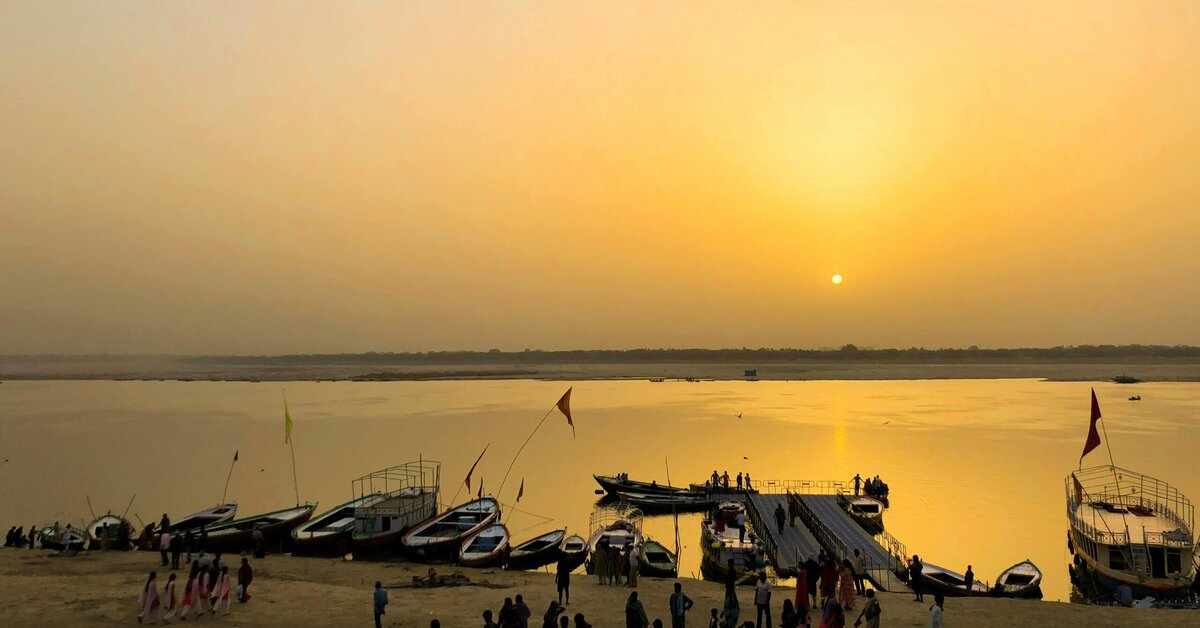
Best 3-4 Day North India Spiritual Tour for Busy Families , Between school schedules, work deadlines, extracurricular activities, and the endless juggling act of modern parenting, finding time for meaningful family experiences feels nearly impossible, doesn’t it? Yet somewhere beneath the chaos, you know your family needs more than just weekend shopping trips or movie marathons. You want to give your children cultural roots, spiritual awareness, and memories that matter. The good news? A well-planned 3-4 day spiritual tour can deliver all this without requiring a sabbatical from life. Let me show you how to create a short but transformative spiritual journey that fits into your busy family’s schedule.
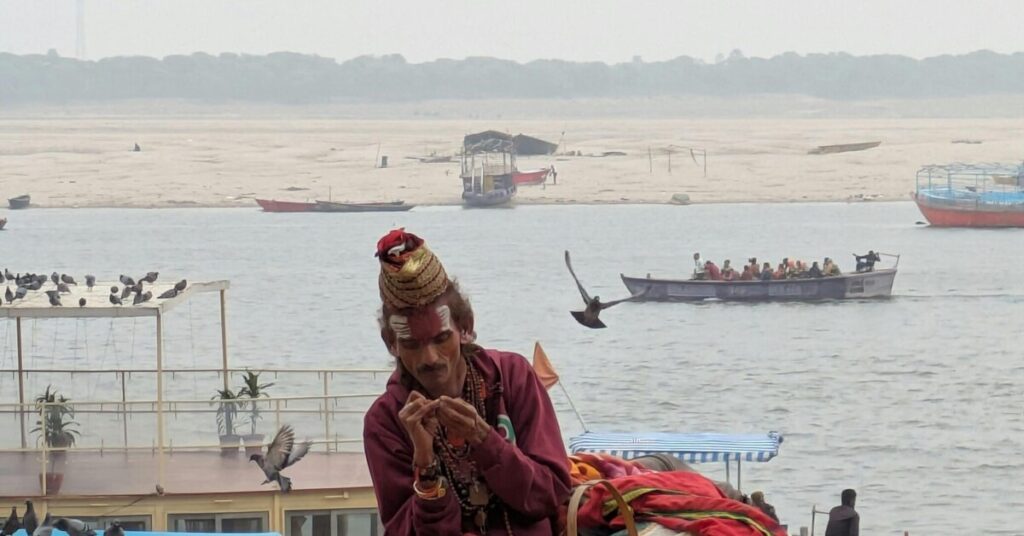
Why Busy Families Need Spiritual Getaways
Modern family life operates at breakneck speed. Your kids shuttle between school, tuition, sports, and screens. You bounce between office pressures and household management. Your spouse struggles with the same. When does your family actually slow down together? When do you connect over something deeper than “How was your day?”
Spiritual getaways, even short ones, press pause on this frenzy. They create space for conversations that don’t happen at home, for experiences that build family identity, and for values transmission that’s becoming increasingly rare in our digital age. A three-day spiritual tour won’t transform your family overnight, but it plants seeds—of wonder, connection, tradition, and meaning.
For children growing up in urban India’s fast-paced environment, these tours provide something irreplaceable: tangible connection to their cultural and spiritual heritage. Reading about the Ganges in textbooks is one thing; standing on its banks at sunrise is entirely another. These experiences shape worldview in ways that stay with children into adulthood.
Moreover, busy families benefit from forced togetherness. With no work emails (hopefully!), no school friends calling, no individual screens—just your family navigating a journey together—you remember why you’re a family in the first place.
The Challenge of Planning Short Family Spiritual Tours
Time Constraints
Best 3-4 Day North India Spiritual Tour for Busy Families, Here’s your reality: you have exactly 3-4 days, probably a long weekend leveraging a public holiday. You can’t extend because your kids have exams, you have presentations, and life doesn’t pause. This constraint actually helps—it forces focus. You can’t see everything, so you choose what matters most. The challenge becomes maximizing spiritual experience while minimizing travel fatigue.
Balancing Everyone’s Interests
Your 8-year-old wants fun. Your 14-year-old wants WiFi and minimal boredom. You want spiritual enrichment. Your spouse wants everyone to get along without meltdowns. Your parents (if they’re joining) want traditional temple experiences. Somehow, the itinerary must address all these competing needs without satisfying none of them.
Budget Considerations
Family travel gets expensive fast. Multiply accommodation, food, and transport by 4-5 people, and costs escalate. Yet cutting corners on comfort with children often backfires—tired, uncomfortable kids equals family misery. Finding the balance between affordable and comfortable becomes crucial.
Top Destinations for 3-4 Day Family Spiritual Tours
Rishikesh-Haridwar Circuit – The Perfect Long Weekend
If I could recommend only one destination for busy families seeking a spiritual experience, this would be it. Why? Because this combination delivers maximum spiritual value with minimum logistical complexity, all while offering something for every family member.
Why This Works for Families
Proximity: Just 25 kilometers apart, these cities function as one destination, eliminating time wasted on travel between locations.
Accessibility: Well-connected by air (Dehradun, 45 minutes away), train, and road from major cities. You’re not spending two days just getting there and back.
Infrastructure: Excellent family-friendly hotels, restaurants, and facilities. This isn’t rural pilgrimage requiring camping-level adjustments.
Variety: Traditional spirituality (Haridwar) and modern, yoga-focused spirituality (Rishikesh) in one trip. Adventure activities for energetic kids, peaceful ashrams for contemplative parents.
Safety: Both cities are safe, well-policed tourist destinations with extensive experience hosting families.
Family-Friendly Activities
For Children: River rafting (age-appropriate sections), suspension bridge adventures (Laxman Jhula, Ram Jhula), feeding fish in the Ganges, colorful Ganga Aartis with lamps and bells, Beatles Ashram exploration (graffiti and ruins fascinate kids).
For Teens: Café culture along the Ganges, adventure activities, yoga classes, Instagram-worthy locations.
For Parents: Morning yoga sessions, spiritual discourses, riverside meditation, temple visits, peaceful nature walks.
For Grandparents (if joining): Easy access to spiritual programs, comfortable ashram stays, accessible temples, cable car rides to hilltop temples in Haridwar.
Everyone finds something meaningful without the family constantly splitting up.
Amritsar – Spirituality Meets Patriotism
Amritsar offers a different flavor—Sikh spirituality combined with patriotic fervor. For families, this combination works beautifully because it provides multiple engagement layers.
Golden Temple Experience
The Golden Temple captivates all ages simultaneously. Young children stare mesmerized at the golden reflection in the sacred pool. Tweens and teens appreciate the architectural beauty and photograph everything. Parents feel the profound spiritual atmosphere. Grandparents connect with familiar devotional practices.
The langar (community kitchen) becomes an unforgettable family experience. Sitting together on the floor, sharing simple food with thousands of strangers regardless of religion, caste, or economic status—this teaches equality and humility more effectively than any lecture.
Volunteering as a family to wash dishes or serve food creates bonding and teaches seva (selfless service). Even reluctant teenagers find meaning in this collective act of service.
Wagah Border and Beyond
The Wagah Border ceremony, 30 kilometers from Amritsar, adds excitement. The enthusiastic flag-lowering ceremony between Indian and Pakistani forces, complete with energetic marching and patriotic fervor, entertains children and adults alike. It’s nationalistic energy that complements the spiritual humility of the Golden Temple beautifully.
Jallianwala Bagh provides historical context, teaching children about India’s independence struggle in the very place where tragedy occurred. For busy families, these educational layers maximize the value of limited travel time.
Mathura-Vrindavan – Krishna’s Land for Kids
For families with devotion to Lord Krishna, or simply for parents who want their children to connect with Hindu mythology, this twin-city destination is magical.
Child-Friendly Temple Experiences
Krishna legends naturally appeal to children—butter-stealing, prank-playing baby Krishna, flute-playing teenage Krishna, and the dramatic stories of defeating demons. These tales make temples come alive for young minds.
The ISKCON temple in Vrindavan often has programs specifically for children—animated stories, interactive sessions, and child-focused explanations of Krishna’s life. The temple’s cleanliness, organization, and facilities make it comfortable for families.
Engaging Mythology
Unlike abstract philosophical concepts, Krishna stories are concrete, colorful, and action-packed. The Yamuna River where baby Krishna was carried to safety, the spots where he played with friends, the groves where he danced—geography becomes mythology, and mythology becomes tangible.
Boat rides on the Yamuna during evening aarti, visiting the Krishna Janmabhoomi (birthplace) in Mathura, and exploring the playful Banke Bihari Temple create a narrative journey children remember.
The challenge: crowds and less developed infrastructure compared to Rishikesh or Amritsar. If you have very young children or need high comfort levels, this destination requires more careful planning.
Varanasi – Intensive Spiritual Immersion
Varanasi is powerful, ancient, and overwhelming. For busy families, it’s the highest-risk, highest-reward option.
When It Works for Families
Varanasi works if your children are older (10+), reasonably adventurous, and you’ve prepared them extensively for the sensory intensity. The narrow lanes, intense crowds, visible poverty, open cremation ghats, and general chaos can overwhelm younger children or those unprepared.
However, for families seeking profound spiritual experience rather than comfortable tourism, Varanasi delivers unmatched power. Witnessing sunrise on the Ganges, seeing rituals unchanged for millennia, experiencing life and death in sacred proximity—these are transformative experiences.
How to Make It Manageable
Stay near Assi Ghat (quieter than the main ghats), rely heavily on boat experiences rather than walking through crowded lanes, keep stays short (2-3 days maximum), combine with peaceful Sarnath (Buddhist site nearby), and maintain realistic expectations about comfort levels.
For busy families with limited time, I generally recommend Rishikesh-Haridwar or Amritsar over Varanasi unless you have specific spiritual reasons for choosing it.
Planning Principles for Short Family Tours
Quality Over Quantity
The biggest mistake busy families make is trying to cram too much into limited time. With only 3-4 days, choose ONE primary destination or at most TWO very close locations. Deep experience of one place beats superficial rushing through three.
A family that spends three days genuinely experiencing Rishikesh will gain more spiritual value and create better memories than one that races through Rishikesh, Haridwar, and Mussoorie in the same timeframe while everyone’s exhausted and cranky.
Age-Appropriate Activities
Plan specifically for your children’s actual ages and temperaments, not idealized versions. A contemplative 6-year-old might enjoy meditation sessions, while an energetic one needs rafting and climbing. A bookish 13-year-old might love mythology discussions, while an athletic one needs physical outlets.
Build itineraries around what will genuinely engage YOUR children rather than following generic “family tour” templates.
Built-in Downtime
Never schedule solid activity from morning to night. Children need downtime to process experiences, rest, and just be kids. Parents need breathing room to prevent the trip from feeling like work.
Plan one major activity per day, with the rest of the time flexible. A morning temple visit, afternoon at leisure (hotel pool, quiet time, naps), and evening aarti makes for a balanced day. Cramming three temples, two museums, and a market into one day makes for miserable families.
Sample 3-Day Itineraries
Rishikesh-Haridwar 3-Day Plan
Day 1: Arrival and Haridwar
Morning/Afternoon:
- Arrive Dehradun Airport or Haridwar Railway Station
- Check into hotel in Haridwar (near Har Ki Pauri area)
- Lunch and rest—crucial for travel recovery
Late Afternoon:
- Light walk around Har Ki Pauri ghat area
- Let kids dip feet in the Ganges (under supervision)
- Early dinner at hotel or nearby restaurant
Evening:
- Attend Ganga Aarti at Har Ki Pauri (arrive 30 minutes early for good spots)
- Purchase floating diyas, let children release them on the river
- Return to hotel, early sleep
Key: Keep Day 1 light. Arrival day exhaustion is real, especially with children.
Day 2: Rishikesh Exploration
Morning:
- Leisurely breakfast
- Check out and drive to Rishikesh (45 minutes)
- Check into riverside hotel or family-friendly ashram
Late Morning:
- Visit Triveni Ghat (less crowded than main spots)
- Brief yoga demonstration or child-friendly session if available
- Light riverside lunch
Afternoon:
- Rest period at hotel (swimming, quiet time)
- Teens/older kids: Optional adventure activity booking
Late Afternoon:
- Visit Laxman Jhula and Ram Jhula (walk across or view from distance based on comfort)
- Beatles Ashram exploration (kids love the graffiti and ruins)
- Riverside cafés for snacks
Evening:
- Attend Ganga Aarti at Parmarth Niketan (smaller, more intimate than Haridwar’s)
- Dinner at hotel
Key: Balance spiritual activities with adventure and rest.
Day 3: Morning Rituals and Departure
Early Morning:
- Sunrise viewing from hotel balcony or riverside
- Optional: Short boat ride on the Ganges (if kids are willing to wake early)
- Breakfast
Mid-Morning:
- Final temple visit or shopping for spiritual souvenirs
- Check out
Afternoon:
- Lunch en route
- Drive to Dehradun Airport or Haridwar Station
- Departure
Key: Keep departure day light with minimal scheduling stress.
Amritsar 3-Day Plan
Day 1: Golden Temple Introduction
Morning/Afternoon:
- Arrive Amritsar (flight or train)
- Check into hotel (walking distance to Golden Temple ideal)
- Lunch and rest
Late Afternoon:
- First visit to Golden Temple (less crowded than evening)
- Explain etiquette to children (head covering, shoe removal, respect)
- Walk around the sarovar (sacred pool), let children observe
Evening:
- Return to Golden Temple for evening palki ceremony (when Guru Granth Sahib is ceremonially carried)
- Langar dinner—eat together in the community kitchen
- Return to hotel
Key: First Golden Temple visit should be explorative, not rushed.
Day 2: Deep Dive and Wagah
Early Morning:
- Early Golden Temple visit for morning prayers (optional—only if family wakes easily)
- Return for hotel breakfast
Morning:
- Visit Jallianwala Bagh (historical context for older children)
- Partition Museum (for teens interested in history)
- Lunch at hotel or local restaurant
Afternoon:
- Rest period
Late Afternoon:
- Drive to Wagah Border (allow 90 minutes before ceremony starts)
- Wagah Border flag-lowering ceremony (exciting for all ages)
- Return to Amritsar
Evening:
- Dinner at local dhaba or hotel
Key: Wagah ceremony is energetic—kids love it, but timing requires precision.
Day 3: Final Blessings
Morning:
- Leisurely breakfast
- Final Golden Temple visit (different time of day shows different aspects)
- Volunteer at langar kitchen as family (washing dishes, serving food)
Late Morning:
- Shopping at markets near Golden Temple (kids’ souvenirs, Punjabi juttis, etc.)
- Light lunch
Afternoon:
- Check out, drive to airport/station
- Departure
Key: Concluding with seva (service) at langar creates meaningful ending.
Extended 4-Day Options
Adding Destinations
If you have a fourth day, you can either:
- Add a nearby destination: With Rishikesh-Haridwar, add Mussoorie (hill station, 2 hours from Rishikesh) for a blend of spirituality and nature.
- Add depth to existing destination: Spend the extra day at leisure—sleeping late, exploring at your own pace, or enjoying hotel amenities.
Adding Rest Days
For families with very young children or those traveling from far (exhausting journey), use the fourth day as a complete rest/buffer day. No scheduled activities, just hotel time, pool, relaxed meals. This prevents the trip from feeling like a marathon.
Transportation Solutions for Busy Families
Flight vs Train Analysis
Flights:
- Pros: Maximize time at destination, less exhausting for children, predictable schedules
- Cons: More expensive, airport commutes add time, luggage restrictions
- Best for: Families with young children, those traveling from distant cities, limited time
Trains:
- Pros: More affordable, kids often find trains exciting, overnight travel saves a day
- Cons: Can be delayed, cleanliness varies, requires more packing flexibility
- Best for: Families with older children, those on budgets, adventurous families
Recommendation: For 3-4 day tours, flights maximize valuable time if budget allows. An overnight train can work for the return journey to save time.
Local Transport Options
Hire a private car with driver for the entire duration. For a family of 4-5, an SUV or MPV costs ₹3,000-4,500 per day—split across the family, this is reasonable and provides:
- Flexibility to adjust schedule
- No waiting for taxis with tired children
- Safe transport with luggage security
- Driver who knows child-friendly restaurants and shortcuts
This isn’t luxury—it’s practical necessity for busy families with limited time.
Accommodation Strategies
Family-Friendly Hotels
Essential features for family accommodation:
- Connected rooms or family suites (children separate but close)
- Swimming pool (crucial for downtime, especially in warm weather)
- In-room dining (when you can’t face another restaurant with tired kids)
- Kid-friendly menu (not just spicy adult food)
- Play area or activities (keeps children occupied during rest periods)
- Flexible check-in/out (busy families often have odd timing)
Location Considerations
Pay premium for location. A hotel walking distance to the Golden Temple or riverside in Rishikesh saves energy, time, and taxi hassles. With limited days, every hour counts. Spending 30 minutes each way in transport eats into precious family time.
Keeping Kids Engaged During Spiritual Activities
Storytelling Approach
Transform temple visits into story time. “See that statue? Let me tell you about the time Hanuman carried an entire mountain…” Children engage with narratives, not lectures. Make mythology come alive through stories, not sermons.
Interactive Participation
Let children DO things: ring temple bells, offer flowers, light diyas, float lamps on rivers, walk barefoot feeling the temple floors. Participation creates engagement. Watching is boring; doing is memorable.
Reward Systems
Without turning spirituality into bribery, acknowledge that children need motivation. “After we visit this temple, we’ll get ice cream” or “If everyone participates nicely in the aarti, we’ll go rafting tomorrow” creates cooperative attitudes. Spiritual experience plus fun creates positive associations.
Meal Planning for Picky Eaters
Family travel with picky eaters requires strategy:
- Research restaurants in advance: Identify places with varied menus including mild options
- Carry familiar snacks: Crackers, cookies, dry fruits, comfort foods
- Choose hotels with continental options: Pure Indian vegetarian for every meal overwhelms some children
- Don’t force local cuisine: If your child only eats pasta and fries during the trip, so be it. Nutrition can be addressed at home
- Protein bars/nutrition drinks: Backup for days when kids refuse meals
Pilgrimage cities are predominantly vegetarian, which actually helps—no food-poisoning risks from meat. Most places serve paneer, dal, roti, and rice—simple, safe options children usually accept.
Budget Breakdown for Family Tours
For a family of 4 (2 adults, 2 children) for 3 days/2 nights:
Economy Option: ₹35,000-45,000
- Accommodation: Budget hotel (₹2,500/night × 2 = ₹5,000)
- Transportation: Train both ways (₹8,000), local car (₹3,000/day × 3 = ₹9,000)
- Meals: Simple restaurants (₹2,000/day × 3 = ₹6,000)
- Activities: Basic entrance fees, aarti participation (₹3,000)
- Miscellaneous: Snacks, souvenirs, tips (₹5,000)
- Buffer: ₹7,000
Comfortable Option: ₹70,000-90,000
- Accommodation: Good hotel with pool (₹6,000/night × 2 = ₹12,000)
- Transportation: Flights (₹20,000), private car (₹4,000/day × 3 = ₹12,000)
- Meals: Quality restaurants (₹3,000/day × 3 = ₹9,000)
- Activities: Rafting, special experiences (₹8,000)
- Miscellaneous: Shopping, contingencies (₹10,000)
- Buffer: ₹15,000
Premium Option: ₹1,20,000-1,50,000
- Accommodation: Luxury resort like Ananda (₹15,000/night × 2 = ₹30,000)
- Transportation: Premium flights, private luxury car (₹35,000)
- Meals: Fine dining (₹5,000/day × 3 = ₹15,000)
- Activities: Private guides, special arrangements (₹15,000)
- Miscellaneous: Premium shopping, spa, extras (₹15,000)
- Buffer: ₹20,000
Most busy families find the comfortable option provides the best balance—everyone’s comfortable without excessive spending.
Packing Smart for Short Tours
For 3-4 days, pack light:
- Clothing: 3-4 outfits per person (modest for temples), light jacket
- Footwear: Comfortable walking shoes, flip-flops for temples
- Documents: ID proofs, booking confirmations (physical and digital copies)
- Medical: Basic first aid, children’s fever/pain medication, band-aids, motion sickness meds
- Tech: Phone chargers, power bank, camera
- Comfort items: Favorite snacks, comfort toy for younger children, wet wipes, hand sanitizer
- Spiritual items: If your family uses them—prayer books, malas, etc.
Pack one small carry-on per person or two for the family. Over-packing for short trips wastes energy lugging unnecessary items.
Making Spiritual Connections as a Family
Pre-Trip Preparation
Week before departure:
- Read stories about the places you’ll visit together
- Watch videos of Ganga Aarti, Golden Temple
- Explain basic etiquette (shoe removal, head covering, respectful behavior)
- Discuss what “spiritual” means at age-appropriate levels
- Let children ask questions without judgment
During the Journey
- Morning huddles: Quick family discussion of the day’s plan
- Evening reflections: “What was your favorite part today?”
- Participation encouragement: Let children lead certain activities
- Capture moments: Photos, but also just being present
- Flexible spirituality: Some moments will be sacred, others will be chaotic—both are fine
Post-Trip Integration
- Create a photo album together
- Encourage children to share experiences at school (show-and-tell, presentations)
- Incorporate practices learned (maybe a simple evening prayer)
- Display souvenirs meaningfully
- Plan the next spiritual journey—creates anticipation and continuity
Common Mistakes Busy Families Make
Over-scheduling: Treating spiritual tours like sightseeing checklists destroys the peaceful purpose.
Ignoring children’s needs: Forcing young kids through adult-paced spiritual activities creates negative associations.
Neglecting rest: Exhausted families can’t appreciate anything, spiritual or otherwise.
Poor timing: Traveling during extreme weather or peak crowds unnecessarily complicates everything.
Unrealistic expectations: Expecting transformative spiritual experiences in children who aren’t developmentally ready.
Skipping preparation: Showing up at temples without explaining etiquette leads to embarrassment and confusion.
Phone obsession: Adults constantly on devices model the opposite of spiritual presence.
Comparison: Your family’s spiritual journey is unique—don’t compare to others’ Instagram-perfect trips.
Conclusion
Here’s the truth about spiritual tours for busy families: they don’t require quitting your job, pulling kids from school for weeks, or dramatic life changes. What they require is intentionality—deliberately carving out 3-4 days, choosing destinations wisely, planning thoughtfully, and being present with your family in sacred spaces.
These short spiritual journeys offer something increasingly rare in modern life: genuine family connection around shared meaning. In a world where everyone scrolls separately on individual devices, where weekends disappear into activity schedules, where family dinners feel like pit stops—a three-day pilgrimage becomes revolutionary.
Your 8-year-old floating a diya on the Ganges, your teenager actually talking without phone in hand, your spouse holding your hand watching sunset aarti, your family sharing simple langar food on the floor with strangers—these aren’t minor moments. They’re the memories that define family identity, the experiences that shape values, the stories your children will someday tell their children.
You don’t need weeks. You don’t need to visit every holy site in India. You need three days, one well-chosen destination, thoughtful planning, and the courage to prioritize spiritual connection in your busy life. That’s enough. That’s everything. Start there, and watch what unfolds.
FAQs
1. How do we prepare children for temple visits without forcing religion on them?
Frame it as cultural education and family tradition rather than religious indoctrination. Say “This is what our family/culture practices, and we’re exploring it together” rather than “You must believe this.” Let children observe and participate at their comfort level. Answer questions honestly—if they ask “Do you really believe this?” respond truthfully rather than insisting on belief. Many children who resist forced participation become genuinely interested when given autonomy to explore. Focus on values (compassion, gratitude, respect) rather than dogma. The goal is exposure and cultural literacy, not conversion. Children raised with respectful exploration of spirituality generally develop healthier relationships with faith than those forcibly indoctrinated or completely excluded.
2. What if our family has mixed faiths—Hindu/Christian, Hindu/Muslim, etc.?
This can actually enrich the experience. Frame spiritual tours as exploring India’s diverse traditions together. Visit sites meaningful to both faiths—many spiritual destinations welcome all religions (Golden Temple, Rishikesh ashrams, Sarnath Buddhist sites). Use differences as teaching moments: “Different paths to similar values.” Explain that spirituality transcends specific religions. Children from interfaith families often develop beautiful pluralistic perspectives when parents model respectful engagement with multiple traditions. Avoid positioning one faith as superior. Instead, celebrate that your family gets to experience diverse spiritual expressions. If one parent is uncomfortable visiting certain sites, split occasionally—one takes children to a temple while the other explores other aspects of the destination.
3. How do we handle a situation where one child is engaged while another is bored/disruptive?
Perfectly normal—different children, different temperaments. Split strategies: one parent engages the interested child in spiritual activities while the other occupies the bored one with something else (playground, café, hotel activities), then switch. Don’t force uniform participation. The bored child today might become engaged tomorrow when something clicks. Set basic behavior expectations (quiet respect even if not participating) with consequences for disruption (leaving early, missing treats). Sometimes boredom is developmental—a 6-year-old might not engage but will remember positively. Bring quiet activities (coloring books, tablets with headphones) for children who need distraction during adult-focused spiritual moments. Accept that family spiritual experiences will be messier and less perfect than solo ones—that’s okay.
4. Is 3-4 days too short to have any real spiritual impact, or is it just tourism?
Duration doesn’t determine spiritual depth—intention and presence do. A mindful, present 3-day journey can be more spiritually meaningful than a rushed 2-week tour. Quality matters more than quantity. Short spiritual tours work because they’re sustainable for busy families—you’ll actually do them rather than perpetually postponing the “perfect” long pilgrimage. They also build on each other; taking 2-3 short spiritual tours annually creates more sustained impact than one exhaustive marathon trip. For children especially, shorter, frequent exposures work better than overwhelming extended trips. Don’t let perfect be the enemy of good. Even if some aspects feel touristic, the moments of genuine connection—a quiet sunrise, a shared prayer, a meaningful conversation sparked by the journey—those create real spiritual impact.
5. How do we balance screen time on spiritual tours—completely ban devices or allow them?
Absolute bans often backfire, creating resentment. Create intentional guidelines: device-free during all spiritual activities (temples, aartis, prayer times) and family meals. Allow limited use during travel time and rest periods. Use devices positively—photography, looking up temple information, journaling apps. For teens, negotiate reasonable compromise: “Two hours of temple visits, then one hour of phone time.” Model the behavior you expect—if parents constantly check emails, kids won’t respect device boundaries. Consider a family challenge: “Let’s see if we can all stay off devices from sunrise until lunch.” Frame it as presence practice rather than punishment. Some families find success with one “tech-free day” during the trip. Remember that for digital-native children, completely severing device connection creates anxiety; reasonable limits with clear purposes work better than absolute restrictions.





Comments are closed.