Your cart is currently empty!
You may check out all the available trips and book one that suits you.
Continue Browsing Trips
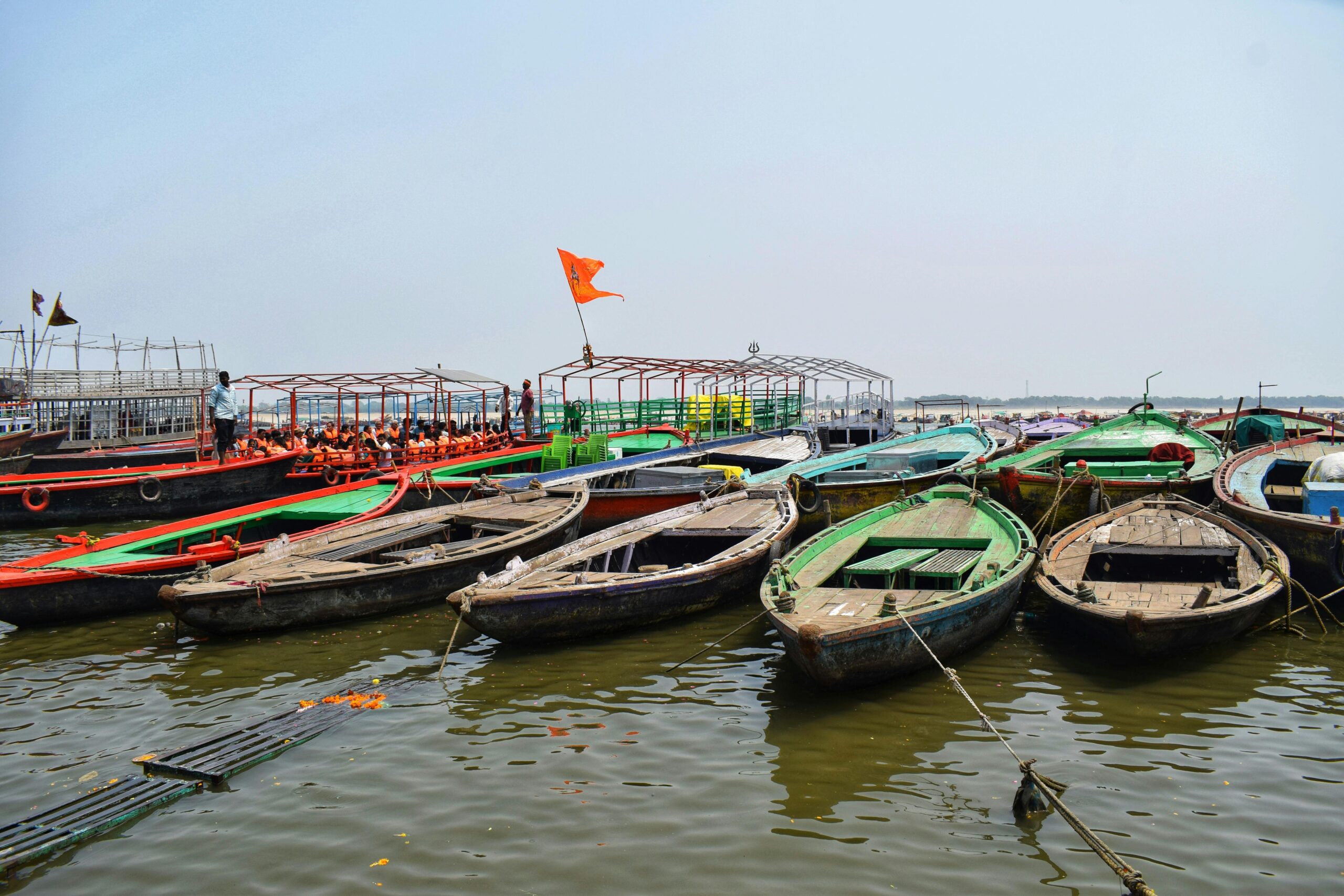
Local Driver-Guided Cab Tour of Varanasi for First-Time Visitors , So you’re finally going to Varanasi! You’ve seen the photos—those mystical ghats at sunrise, the labyrinth of ancient alleys, the spiritual energy that seems to pulse through every stone. But here’s the thing: Varanasi isn’t like other cities. It doesn’t reveal its secrets to those who simply pass through. It’s a city that demands understanding, respect, and most importantly, proper guidance.
For first-time visitors, the difference between a forgettable tourist experience and a truly transformative journey often comes down to one crucial decision: choosing a local driver-guided cab tour over a standard taxi service. Let me explain why this choice might just be the best travel decision you’ll ever make.
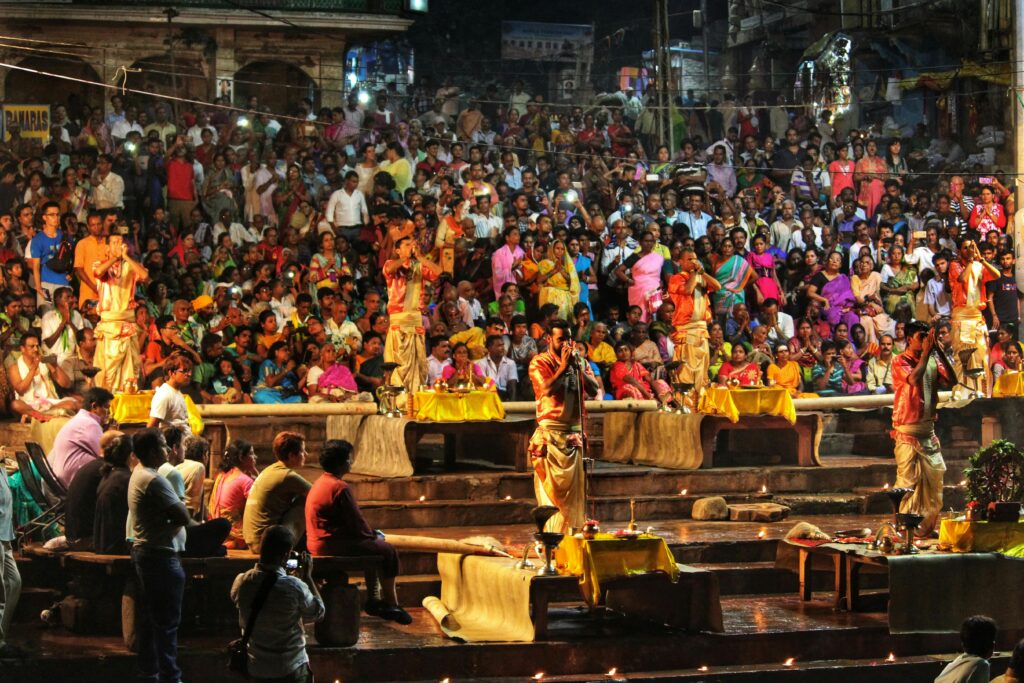
Local Driver-Guided Cab Tour of Varanasi for First-Time Visitors , Picture this: You arrive in Varanasi, armed with a downloaded map and a list of tourist spots from the internet. You hail a regular cab and start ticking off locations. By the end of the day, you’ve “seen” Varanasi—but have you really experienced it?
Varanasi is arguably India’s most complex city for first-timers. It’s a 3,000-year-old living museum where ancient spirituality collides with modern chaos, where every ghat has a story, every temple has rituals that require understanding, and every alley holds secrets that tourists rarely discover.
Without local guidance, you’ll miss the essence of what makes Varanasi extraordinary. You’ll see the Kashi Vishwanath Temple but won’t understand the cosmic significance locals attach to it. You’ll witness the Ganga Aarti but won’t grasp the depth of the rituals unfolding before you. You’ll walk past hidden gems thinking they’re just old buildings.
This is where a local driver-guide becomes invaluable—not just as transportation, but as your cultural interpreter, your safety net, and your window into authentic Varanasi.
Every city has its tourist circuit—those same five locations every visitor hits, often overpriced and overcrowded. Local drivers know Varanasi’s soul lives elsewhere. They’ll take you to the smaller ghats where locals perform their morning rituals undisturbed, to the neighborhood temples where genuine devotion trumps tourist spectacle, to the rooftop cafes where you can watch the city awaken without battling crowds.
Rajesh, a driver with 15 years of experience, puts it beautifully: “Tourists want to see Dashashwamedh Ghat for Aarti—that’s fine, it’s spectacular. But I also take them to Assi Ghat before sunrise, where they can sit quietly and watch local priests performing private pujas. That’s when visitors understand what Varanasi really means to us.”
Varanasi operates on spiritual rules that can confuse outsiders. Why are certain areas off-limits during certain times? Why do cremation ghats deserve different respect than bathing ghats? What’s the meaning behind the various rituals you’ll witness?
A local driver-guide doesn’t just transport you—they educate you. They explain the significance of the evening Aarti, the reason behind the multiple temple visits devotees make, the meaning of the colored tilaks you’ll see on foreheads, and the proper way to participate (or observe) various ceremonies.
This cultural context transforms sightseeing into genuine understanding.
Varanasi’s old city is a bewildering maze of narrow lanes where Google Maps gives up and auto-rickshaws can’t enter. For first-timers, it’s genuinely intimidating. Local drivers know not only how to navigate these areas but also where to safely park, which lanes to walk through, which to avoid, and how to reach interior locations that seem impossible to access.
They know the shortcuts, the safe routes, the areas to avoid during certain times, and how to get you back to your vehicle efficiently when you’re ready to leave.
Regular cab drivers transport you from Point A to Point B. Driver-guides? They’re cultural ambassadors. They share stories passed down through generations, explain local customs, introduce you to their favorite chai-wallah, and help you interact respectfully with locals you encounter.
They bridge the gap between you and an ancient city that can otherwise feel impenetrable.
Google tells you the Kashi Vishwanath Temple is important. A local driver-guide tells you:
See the difference? It’s the same destination, but a completely different experience.
Here’s an irony: hiring a slightly more expensive driver-guide often saves you money. How? They prevent you from:
They optimize your route, maximize your time, and ensure every rupee delivers actual value.
Not every driver makes a good guide. The best ones have:
For international or non-Hindi-speaking visitors, language capability is crucial. Quality driver-guides speak:
They also communicate clearly, patiently, and adjust their language to your comprehension level.
The best driver-guides embody the ancient Indian concept of “Atithi Devo Bhava” (the guest is God). They’re patient with your questions, accommodate your pace, understand your needs before you articulate them, and genuinely want you to love their city.
They don’t rush you through temples, they don’t pressure you to shop, and they don’t make you feel like a transaction—they make you feel like an honored guest.
Excellent driver-guides prioritize your safety:
Your driver picks you up at 5:15 AM (yes, it’s early, but trust me). You arrive at Assi Ghat or a smaller ghat just as the first light touches the Ganges. Local insight: Your driver explains the morning rituals locals perform, points out the different types of boats (and which ones charge fair prices), and times your arrival perfectly to avoid both darkness and crowds.
After sunrise, a short boat ride offers incredible views of the ghats from the water—your driver’s cousin happens to run an honest boat service with fair prices.
After breakfast at a local favorite (not the tourist-trap restaurants near the main ghat), you begin the temple circuit. Your driver navigates you to:
At each location, they explain the legends, the proper way to receive prasad, and the significance of specific rituals you’re witnessing.
After lunch and a rest period (your driver recommends returning to your hotel—they understand you need breaks), afternoon exploration includes:
Your driver doesn’t just drop you at these locations—they walk with you, introduce you to artisans, and provide context that transforms sightseeing into cultural immersion.
Your driver ensures you reach Dashashwamedh Ghat by 5:30 PM, securing a good viewing position before the 6:30 PM Aarti begins. While you wait, they explain the ceremony’s elements, the meaning of the fire offerings, and the significance of different rituals.
They also point out the paid seating options (if you prefer comfort), the best free viewing spots, and help you understand what you’re witnessing rather than just watching a spectacle.
Every Instagram photo shows the same angles. Your driver knows:
Forget the sanitized tourist restaurants. Your driver introduces you to:
These aren’t places you’ll find in guidebooks—they’re where your driver’s family eats.
Varanasi can be overwhelming. Your driver knows quiet spots:
Want to see real craftsmanship? Your driver has personal connections to:
These workshops don’t charge entrance fees—they’re just locals doing their work who enjoy sharing their craft with genuinely interested visitors.
Your driver ensures you know:
This is crucial. Your driver prevents you from:
These violations can cause serious offense—your driver protects you from cultural missteps.
Your driver advises:
Not every holy man is genuine, and not every interaction should involve money. Your driver helps you:
Local drivers direct you to legendary street food:
They know which vendors maintain hygiene standards suitable for tourists while still delivering authentic taste.
For complete meals, your driver recommends:
Varanasi’s sweets deserve their reputation. Your driver knows:
Nothing beats chai with a Ganges view. Your driver takes you to:
This is where driver guidance saves you thousands of rupees. They take you to:
They also help you distinguish real silk from synthetic, understand pricing structures, and negotiate appropriately.
Beyond sarees:
Your driver knows the difference between tourist junk and authentic local crafts.
Negotiation is expected, but there’s an art to it. Your driver teaches you:
They often negotiate on your behalf, ensuring you pay fair prices without the hassle.
Varanasi isn’t as English-friendly as metropolitan Indian cities. Your driver becomes your translator for:
Beyond literal translation, they explain cultural concepts that don’t have direct English equivalents, helping you truly understand rather than just hearing translated words.
Your driver advises on seasonal realities:
October-March: Peak season, comfortable weather, higher prices, more crowds April-June: Scorching heat, fewer tourists, lower prices, challenging for sightseeing July-September: Monsoon, swollen Ganges, unique beauty, unpredictable weather
They help you plan activities around weather realities—indoor sites during hot afternoons, water activities when the river is calm.
Varanasi during major festivals is incredible but intense. Your driver prepares you for:
They adjust itineraries during festivals, know alternative routes when main roads are blocked, and ensure you experience the festivities safely.
Your driver knows crowd patterns:
Half-Day Tours (4-5 hours):
Full-Day Tours (8-10 hours):
Typically includes:
Not included:
Indian service culture includes tipping:
Tipping isn’t mandatory but is deeply appreciated and encourages continued quality service.
Advance Booking (Recommended):
On-Arrival Booking:
Essential questions:
Avoid services that:
Your driver-guide enhances safety, but you should also:
Mistake 1: Trying to see everything in one day Solution: Your driver helps prioritize based on your interests and available time.
Mistake 2: Being too rigid with plans Solution: Flexibility allows for magical spontaneous moments your driver spots.
Mistake 3: Dismissing driver recommendations Solution: They genuinely know better—trust their local expertise.
Mistake 4: Not discussing expectations upfront Solution: Clear communication prevents disappointment later.
Mistake 5: Over-packing the schedule Solution: Your driver builds in rest time and prevents exhaustion.
Mistake 6: Ignoring cultural guidance Solution: Following your driver’s advice prevents embarrassing or offensive situations.
Sarah from Australia: “Our driver Manoj transformed what could have been an overwhelming experience into pure magic. He didn’t just drive us around—he became our friend, our teacher, and our guardian in this incredible city. The hidden chai spot he took us to, the small temple where we received genuine blessings, the way he explained the Aarti so we actually understood what we were seeing—these moments made Varanasi unforgettable. Worth every rupee and more.”
James from the UK: “I’m usually skeptical about guided tours, preferring to explore independently. But Varanasi is different. Our driver-guide Rakesh saved us from countless mistakes we would’ve made. He steered us away from fake silk shops, taught us proper temple etiquette, and shared stories about Varanasi that no guidebook contains. The efficiency was impressive—we saw more in one day than we could have managed in three days alone.”
Tanaka-san from Japan: “Language barrier was my big concern. Our driver spoke some Japanese and excellent English, making communication easy. He was so patient with my many questions about Hindu traditions. He also understood when I needed quiet time—not constantly talking, but available when I wanted to learn. This balance was perfect.”
Varanasi isn’t just a destination you visit—it’s an experience you feel, a culture you absorb, and a spiritual journey that stays with you long after you’ve left. For first-time visitors, the difference between merely seeing Varanasi and truly experiencing it often comes down to one crucial decision: choosing a local driver-guided cab tour.
Yes, it costs slightly more than a regular taxi. But what you receive in return—the cultural insights, the hidden discoveries, the safety assurance, the time efficiency, and the genuine connection to this ancient city—is priceless. A knowledgeable local driver-guide doesn’t just transport you through Varanasi; they translate it for you, opening doors to experiences that independent travelers rarely discover.
When you look back on your Varanasi journey, you won’t remember the price difference between a regular cab and a guided tour. But you will remember the sunrise at an uncrowded ghat that your driver recommended, the authentic meal at a family restaurant only locals know, the meaningful conversation with an artisan your driver introduced you to, and the deep understanding of rituals that transformed observation into participation.
Varanasi rewards those who approach it with humility, respect, and the wisdom to seek proper guidance. Your driver-guide provides exactly that—a bridge between you and one of the world’s most complex, beautiful, and spiritually charged cities. Choose wisely, trust their expertise, and prepare for a journey that will touch your soul.
Start with online research on platforms like TripAdvisor, Google Reviews, or specialized travel forums where travelers share authentic experiences. Look for drivers with consistently positive reviews spanning several years, not just recent feedback. Contact your hotel concierge for recommendations—many hotels maintain lists of vetted drivers they trust with their guests. Travel communities on Facebook or Reddit often have firsthand recommendations from recent visitors. When you find potential candidates, have phone or video conversations before booking to assess their communication skills, knowledge level, and compatibility with your travel style. Ask for references from previous international visitors and actually contact them. A reliable driver won’t hesitate to provide references and will have an established online presence with verifiable reviews.
Absolutely! This is one of the significant advantages of having a local guide who speaks your language. When booking, clearly communicate any dietary restrictions—vegetarian, vegan, gluten-free, nut allergies, diabetic requirements, or religious dietary laws. Good driver-guides know which restaurants can accommodate special needs and can communicate your requirements to restaurant staff in Hindi or local dialects, ensuring your message is clearly understood. They’ll also guide you toward naturally suitable options—for example, Varanasi has abundant vegetarian cuisine, making it easier for vegetarians and vegans. For serious allergies, they’ll help you explain the severity to food vendors and select the safest options. Many drivers carry translation cards explaining common allergies in Hindi for added safety.
Flexibility is the hallmark of quality driver-guided tours. Unlike rigid group tours with fixed schedules, private driver-guides typically accommodate your pace and interests. If a temple resonates spiritually with you, or if a particular ghat feels special, good drivers encourage you to stay as long as you need. They’ll find comfortable spots to wait, never making you feel rushed. This is especially important in Varanasi, where spiritual experiences can’t be scheduled or timed. However, communicate openly—if your extended stop affects other planned locations, your driver can help you reprioritize the itinerary. Some drivers charge for significant time extensions beyond the booked hours, but reasonable flexibility is usually included. Discuss this upfront to understand any time limits and additional charges for extensions.
When booked through reputable services, yes, it’s generally safe. However, take precautions: only book drivers with verified credentials and extensive positive reviews, specifically looking for feedback from solo female travelers. Many services now offer female drivers upon request, though availability is limited. Choose services that provide GPS tracking, share your driver’s details and license plate number with family or friends, and maintain contact throughout the day. Reputable drivers understand the responsibility of guiding solo female travelers and maintain professional boundaries. Many female travelers report feeling safer with a trusted driver-guide than navigating Varanasi independently. Meet your driver in a public location (hotel lobby) rather than a private pickup point. Trust your instincts—if something feels off during initial interactions, cancel and find another driver. Most importantly, book through established services rather than random drivers approached at the train station or airport.
Many experienced driver-guides offer concierge-like services beyond just guided tours. They can recommend hotels at various budget levels based on firsthand knowledge of quality and location, though book directly rather than through the driver to avoid commission-inflated prices. They can help arrange boat rides, yoga classes, cooking lessons, or other activities through their local networks, often at better prices than tourist booking services. For onward travel, they can guide you to reliable travel agents, explain train booking processes, or help with bus or flight arrangements. Some drivers have relationships with drivers in nearby cities (like Allahabad or Bodh Gaya) and can arrange reliable onward transportation. However, always verify prices independently and never feel obligated to use every service they offer. The best driver-guides provide recommendations without pressure, respecting your autonomy while offering their local expertise.


Comments are closed.