
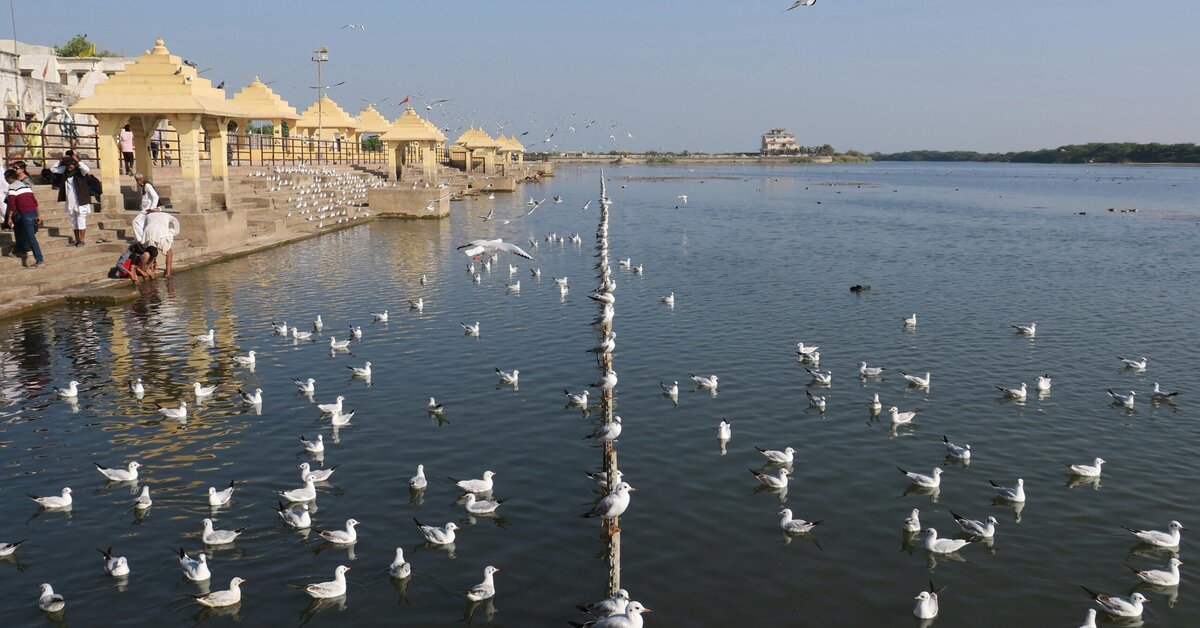
Varanasi Cab Package with Slow-Paced Itinerary for Seniors , Varanasi has been calling to pilgrims for thousands of years, and for many seniors, visiting this sacred city represents the fulfillment of a lifelong spiritual dream. Perhaps you’ve waited decades for the right time to make this journey. Maybe your children are grown, your career is behind you, and now, finally, you can dedicate time to this spiritual pilgrimage. Or perhaps age has made you more aware of mortality, and visiting Kashi—where death itself is considered a blessing—feels urgently important.
But here’s the reality that many seniors discover too late: Varanasi is physically demanding. The stairs down to the ghats number in the hundreds. The heat during much of the year is intense. The crowds can be overwhelming. The narrow lanes are difficult to navigate. The sensory overload—sounds, smells, sights—can be exhausting even for young travelers.
Varanasi Cab Package with Slow-Paced Itinerary for Seniors , Standard tour packages designed for general tourists simply don’t account for what happens when you’re 65, 70, or 80 years old. They pack itineraries with early 4:00 AM wake-ups followed by full days of walking. They rush from temple to temple with barely enough time to catch your breath, let alone offer proper prayers. They assume everyone can climb stairs, walk long distances, and maintain energy levels throughout exhausting days.
The result? Seniors who dreamed of Varanasi for decades arrive and find themselves exhausted, disappointed, unable to keep up, missing experiences they traveled so far to have. They return home having technically “seen” Varanasi but not having truly experienced it in the way they’d hoped—with time for contemplation, proper darshan, and spiritual connection.
Varanasi Cab Package with Slow-Paced Itinerary for Seniors , This doesn’t have to be your story. Specialized Varanasi cab packages with slow-paced itineraries designed specifically for seniors recognize that you deserve to experience this sacred city at a pace that honors both the spiritual significance of the journey and the realities of aging bodies. You’ve earned the right to travel with dignity, comfort, and adequate time to absorb each sacred moment.
Let me show you how senior-focused cab packages can transform Varanasi from an exhausting ordeal into the meaningful spiritual journey you’ve been waiting for.
Understanding Senior-Specific Travel Needs
Before discussing itineraries, let’s acknowledge what makes senior travel genuinely different.
Physical Limitations and Mobility Considerations
Reduced stamina: What a 30-year-old can do in a day might require three days for a 70-year-old, and that’s perfectly normal. Bodies tire more quickly, require more recovery time, and can’t maintain the same pace.
Joint issues: Arthritis, knee problems, hip replacements, back pain—these common senior conditions make climbing stairs, walking long distances, and getting in and out of vehicles challenging or painful.
Balance concerns: Uneven surfaces, steep stairs, and crowded spaces present fall risks that younger travelers might not consider.
Vision and hearing changes: Navigating unfamiliar spaces becomes harder with reduced vision or hearing, especially in chaotic environments like Varanasi.
Mobility aids: Some seniors use canes, walkers, or wheelchairs. Standard tours rarely accommodate these necessities.
Slower pace: Everything simply takes longer—walking, climbing, even processing new environments and making decisions.
Health and Medical Requirements
Regular medications: Seniors often take multiple medications at specific times, requiring schedule flexibility.
Chronic conditions: Diabetes, heart conditions, respiratory issues, blood pressure concerns—these need monitoring and appropriate activity levels.
Bathroom frequency: Many seniors need more frequent bathroom access, and those facilities must be clean and accessible.
Dietary restrictions: Age often brings dietary limitations—low salt, no sugar, easy-to-digest foods, specific meal timing.
Medical emergencies: The risk of health crises increases with age, requiring clear emergency protocols and quick hospital access.
Heat sensitivity: Seniors are more vulnerable to heat exhaustion and dehydration, especially in Varanasi’s climate.
Energy and Stamina Management
Morning energy vs. afternoon fatigue: Many seniors have good energy in morning, declining significantly by afternoon. Itineraries should front-load important activities.
Need for naps: Afternoon rest isn’t luxury—it’s often necessity for maintaining health and enjoying the trip.
Multi-day exhaustion: Unlike younger travelers who can push through tiredness, seniors need lighter days after intensive ones to recover.
Mental fatigue: Processing new environments, languages, customs, and intense spiritual experiences is mentally exhausting at any age, but particularly for seniors.
Comfort and Rest Priorities
Quality accommodation: Comfortable beds, good bathroom facilities, quiet rooms for proper rest become more important with age.
Climate control: Working air conditioning in summer, heating in winter—not optional for seniors.
Seating availability: Frequent opportunities to sit and rest are essential, not just preferred.
Meal quality: Seniors can’t afford to get sick from food. Safe, clean, easily digestible meals matter more than adventurous eating.
Emotional comfort: Feeling rushed, pressured, or unable to keep up creates anxiety that ruins the experience. Seniors need assurance that the pace accommodates them.
What Makes a Cab Package “Senior-Friendly”
Varanasi Cab Package with Slow-Paced Itinerary for Seniors , Not all cab packages claiming to be “senior-friendly” actually are. Here’s what genuinely matters:
Vehicle Comfort Features
Easy entry/exit:
- Lower floor height (sedans too low, high SUVs challenging—Innova or Ertiga perfect)
- Wide door openings
- Sturdy grab handles at proper height
- Minimal step-up from ground
Interior comfort:
- Good quality, supportive seats (not worn-out cushions)
- Legroom for stretching stiff joints
- Working air conditioning with temperature control
- Smooth suspension that doesn’t aggravate back/joint pain
- Clean interior (especially important for health reasons)
Accessibility features:
- Space for walker or wheelchair if needed
- Storage for medications, water bottles, and comfort items within easy reach
- Reading lights that actually work for medication management
Safety features:
- Working seatbelts for all passengers
- First aid kit onboard
- Clean, well-maintained vehicle (breakdowns are stressful, especially for seniors)
Pace and Timing Adjustments
Later morning starts: Instead of 4:30 AM departures, senior packages typically start 7:00-8:00 AM, allowing proper rest and gentle morning routines.
Shorter activity windows: 2-3 hours of activity followed by rest, rather than 5-6 hour marathons.
Built-in rest periods: Mandatory 2-3 hour afternoon breaks for rest, not just optional if time permits.
Flexible timing: If you’re tired and want to return early, that’s perfectly acceptable without penalty or judgment.
Buffer time everywhere: Extra time built into schedule for slower walking, bathroom breaks, and simply needing more time to do everything.
Single-focus days: One major activity per day (temple visit OR boat ride OR Sarnath), not cramming multiple major experiences into single days.
Driver Attributes That Matter
Patience: Drivers who don’t rush, show frustration, or pressure seniors to hurry.
Physical assistance: Willingness to offer an arm for stability getting in/out of vehicle, help with bags, walk at senior’s pace.
Knowledge of accessible routes: Knowing which temples have fewer stairs, where wheelchairs can access, which entry points minimize walking.
Health awareness: Understanding that if senior looks fatigued, it’s time to rest or return to hotel, not push forward.
Communication: Speaking clearly (many seniors have hearing challenges), being patient with questions repeated multiple times.
Respectful demeanor: Treating seniors with dignity, not condescension.
Clean driving: Smooth acceleration/braking that doesn’t jolt passengers with delicate spines or balance issues.
Built-in Flexibility
Daily adjustments: If you’re too tired for planned afternoon activity, it’s canceled without stress.
Pace modifications: If you need more time at a temple or less time elsewhere, schedule adjusts.
Rest increases: If you need more frequent rest stops, they’re added seamlessly.
Activity substitutions: If stairs at one temple are too challenging, driver suggests more accessible alternative.
Medical accommodations: If health issues arise requiring schedule changes or medical visits, package adapts without penalty.
Ideal Duration for Senior Travelers
How many days should seniors allocate for Varanasi?
4-Day Relaxed Itinerary
Who it’s for: Seniors in relatively good health who want to see highlights without extensive strain.
What you’ll cover:
- Ganga darshan (viewing from boat)
- 2-3 major temples
- Sarnath (optional based on energy)
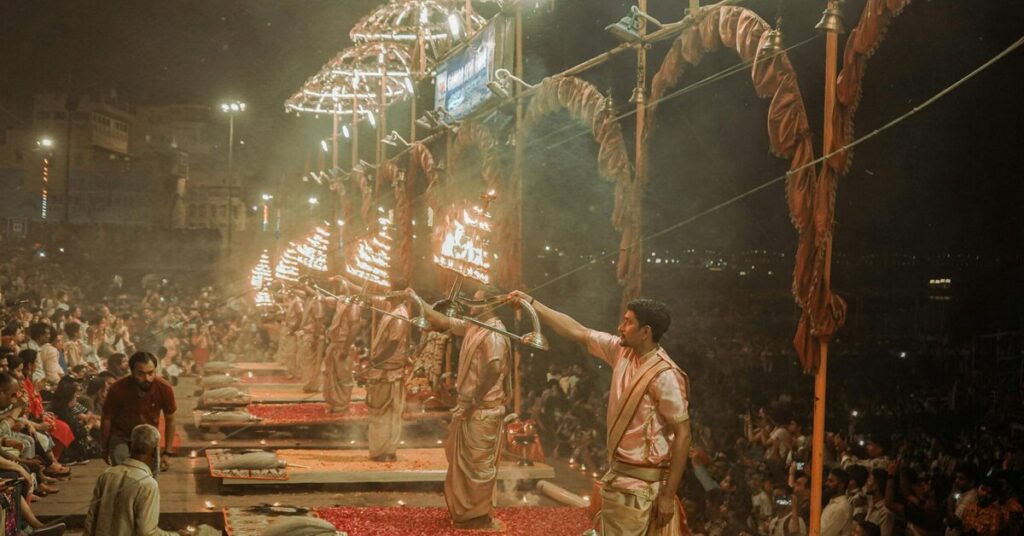
- Evening Aarti ceremony
- Adequate rest between activities
Pros: Manageable time commitment, covers essentials, not overly exhausting Cons: Still somewhat compressed; requires good health and stamina
Reality check: This is the minimum for seniors to have a meaningful Varanasi experience without excessive rushing.
5-6 Day Comfortable Exploration
Who it’s for: Most seniors—this duration provides ideal balance.
What you’ll cover:
- Multiple Ganga experiences (boat ride, ghat walking at leisure)
- 4-5 temples visited at comfortable pace
- Sarnath with proper time
- Cultural activities (silk weaving observation, music)
- Rest days or half-days built in
- Evening Aarti without rushing
Pros: Comfortable pace, proper rest, time to absorb experiences, not overly expensive Cons: Requires nearly a week of travel time
Why this is ideal: Provides enough time that no single day feels rushed, with built-in recovery time between intensive activities.
7+ Day Leisurely Pilgrimage
Who it’s for: Retired seniors with flexible schedules, those making pilgrimage of lifetime, seniors with significant mobility limitations needing very slow pace.
What you’ll cover:
- Everything in 5-6 day itinerary but at even gentler pace
- Multiple rest days
- Extended stays at favorite spots
- Additional sites like Vindhyachal
- Time for personal spiritual practices and reflection
- Deeper cultural immersion
Pros: Zero rushing, maximum comfort, complete spiritual depth, time to truly absorb Varanasi Cons: Requires significant time commitment and higher budget
Perfect for: Seniors who’ve waited their whole lives for this journey and want to do it properly, without compromise.
The Perfect Slow-Paced 5-Day Itinerary
Let me walk you through a thoughtfully designed 5-day senior-focused itinerary.
Day 1: Gentle Arrival and Orientation
Morning/Afternoon: Arrival
- 10:00 AM-12:00 PM: Arrive Varanasi (flight or train). Pre-arranged cab picks you up with nameplate, assists with luggage.
- 12:00-2:00 PM: Transfer to hotel (15-45 minutes depending on location). Driver points out key landmarks during drive, providing gentle orientation.
- 2:00-4:00 PM: Check-in, settle into room, unpack, rest from journey. Lunch at hotel or room service.
Late Afternoon: Gentle Introduction
- 4:00-5:00 PM: Continue resting or short walk around hotel neighborhood if energy permits. No pressure.
- 5:00-5:30 PM: Evening tea at hotel, discussion with cab driver about next day’s plans, confirming timing and answering questions.
Evening: First Spiritual Experience
- 5:30-6:00 PM: Leisurely cab ride to Dashashwamedh Ghat area. Driver parks close as possible.
- 6:00-7:30 PM: Watch Ganga Aarti ceremony. Options based on mobility:
- Best for limited mobility: Watch from boat (pre-booked). You sit comfortably throughout; bathroom accessible on return to shore.
- Moderate mobility: Watch from ghat seating area (arrive 5:45 PM for good seated spot)
- Good mobility: Brief walking before ceremony, then seated viewing
- 7:30-8:00 PM: Return to hotel (minimal walking to vehicle)
- 8:00 PM: Dinner at hotel or nearby quiet restaurant, early to bed
Day 1 Focus: Rest, gentle acclimatization, one beautiful spiritual experience without exhaustion. Setting tone that this trip prioritizes your comfort.
Day 2: Morning Ganga Experience
Morning: Sacred River at Sunrise
- 6:30 AM: Wake naturally (not 4:30 AM rush)
- 7:00-7:30 AM: Light breakfast, medications, prepare at your pace
- 7:30 AM: Cab pickup from hotel
- 8:00-9:30 AM: Boat ride on Ganges. At this hour, sunrise is past but river atmosphere still peaceful, light beautiful, and it’s much warmer than pre-dawn hours (important for seniors sensitive to cold).
- During boat ride: Simply observe ghats, pilgrims bathing, morning rituals. Driver/guide explains what you’re seeing. Bring offerings to place in the river if you wish.
- No rushing: Boat pace is leisurely; you’re seated comfortably throughout.
Mid-Morning: Ghat Experience
- 9:30-10:30 AM: Short walk along one ghat (Dashashwamedh or Assi, relatively flat). Driver walks with you, providing stability if needed. Maximum 15-20 minutes actual walking, with sitting/observation time.
- 10:30-11:00 AM: Return to hotel
Late Morning/Afternoon: Extended Rest
- 11:00 AM-12:00 PM: Freshen up, light snack
- 12:00-4:00 PM: Lunch and rest. This is a full four-hour rest period—nap, read, simply relax. Recovering from morning’s spiritual intensity.
Late Afternoon/Evening: Leisure
- 4:00-6:00 PM: Free time at hotel. Optional: hotel’s rooftop for sunset views, or simply continue resting.
- 6:00-7:00 PM: Light dinner
- Evening: Early to bed. Tomorrow is temple day and requires energy.
Day 2 Focus: The quintessential Varanasi experience (Ganges at morning hour) done at senior-appropriate time with ample rest afterward.
Day 3: Accessible Temples at Easy Pace
Morning: Single Temple Focus
- 8:00-8:30 AM: Breakfast, morning routine
- 9:00 AM: Cab pickup
- 9:30-11:30 AM: Visit to accessible temple. Best options for seniors:
- BHU Vishwanath Temple: Modern, spacious, minimal stairs, wheelchair accessible, beautiful architecture, less crowded than Kashi Vishwanath. Allows proper darshan without physical strain.
- OR Sankat Mochan Hanuman Temple: Vehicle can drop very close, manageable walking, peaceful atmosphere.
- 20-30 minutes: Slow walk from vehicle to temple
- 60-90 minutes: Darshan, prayers, sitting in temple courtyard absorbing spiritual atmosphere (no rush!)
- 20-30 minutes: Return walk with rest stops
- 11:30 AM-12:00 PM: Return to hotel
Afternoon: Rest
- 12:00-4:30 PM: Lunch and extended rest. Yesterday was intensive; today you need recovery time.
Late Afternoon: Optional Light Activity
- 4:30-6:00 PM: IF energy permits (and only if): Short visit to nearby second temple (Durga Temple or Tulsi Manas Temple, both near BHU). These require minimal additional travel if you visited BHU in morning.
- OR: Simply continue resting. There’s no obligation to do afternoon activity.
Evening:
- 6:00-7:00 PM: Dinner
- 7:00 PM+: Free evening, early rest
Day 3 Focus: Meaningful temple darshan without exhaustion. Quality of spiritual experience prioritized over quantity of temples visited.
Day 4: Cultural Exploration with Rest
Morning: Sarnath Buddhist Site
- 8:30-9:00 AM: Breakfast, prepare
- 9:30 AM: Cab pickup
- 10:00 AM-1:00 PM: Sarnath visit (10 km from Varanasi, 30-minute drive) Why Sarnath is senior-friendly:
- Mostly flat, well-maintained paths
- Peaceful, uncrowded atmosphere (opposite of Varanasi intensity)
- Plenty of seating areas in Deer Park
- Clean facilities
- Shade from trees
- Fascinating Buddhist art and architecture
- Dhamek Stupa: Walk around this massive stupa at your pace
- Archaeological Museum: Excellent, air-conditioned, allows sitting while viewing exhibits. Houses famous Ashoka Lion Capital.
- Various Buddhist temples: Thai, Japanese, Tibetan. Each unique and accessible.
- Deer Park: Peaceful gardens perfect for sitting and contemplation
- 1:00-1:30 PM: Return to Varanasi, lunch at good restaurant (driver recommends) or return to hotel
Afternoon: Full Rest
- 1:30-5:00 PM: Extended rest at hotel. Sarnath, while gentle, still involves 3-4 hours of activity.
Evening: Cultural Experience (Optional)
- 5:00-6:30 PM: IF energy permits: Visit silk weaving workshop to watch artisans (sitting activity, fascinating, can purchase authentic silk if desired)
- OR: Simply rest at hotel
Evening:
- 7:00 PM: Dinner
- Evening: Relaxation, packing if needed
Day 4 Focus: Sarnath provides cultural and spiritual depth while being physically manageable. Demonstrates that meaningful experiences don’t require extreme physical exertion.
Day 5: Final Blessings and Departure
Morning: Leisurely Final Activities
- 7:00-8:00 AM: Breakfast at your pace, final packing
- 8:30-10:00 AM: Two options based on departure time and energy: Option A (If departing afternoon/evening): Final temple visit or return to favorite ghat for personal prayers and offerings. Keep it brief (60-90 minutes) and peaceful. Option B (If departing morning): Simply rest at hotel, check out, prepare for journey home.
Late Morning/Afternoon: Departure
- Timing based on your train/flight: Cab takes you to airport/station with plenty of time buffer (seniors need extra time for airport security, finding platforms, etc.)
- Driver assists with luggage, ensures you’re safely to departure gate/platform
Day 5 Focus: Gentle closure to your pilgrimage, without rushing, allowing time to emotionally process the journey you’ve completed.
Alternative 7-Day Extended Senior Itinerary
For seniors wanting an even more relaxed pace:
Day 1: Arrival and rest (same as 5-day)
Day 2: Morning Ganga boat ride only, entire afternoon/evening rest
Day 3: Full rest day or optional very light local activity
Day 4: One accessible temple visit (morning only), rest afternoon/evening
Day 5: Sarnath half-day, rest afternoon
Day 6: Second temple visit OR return to favorite location, OR full rest day
Day 7: Final blessings and departure
Benefits of 7-day pace:
- Full rest days for recovery
- Never more than one activity per day
- Time to repeat favorite experiences
- Opportunity to simply sit at ghats and absorb atmosphere without agenda
- Space for spontaneous spiritual moments
- No sense of rushing whatsoever
Accessibility Features to Request
When booking senior packages, specifically request these features:
Vehicle Specifications
Mandatory requests:
- “I need a vehicle with easy entry—not too high off ground, sturdy grab handles”
- “Vehicle must have excellent suspension for back/joint comfort”
- “Working air conditioning is essential”
- “Vehicle should be clean and well-maintained”
- “Space for walker” (if applicable)
Verify: Ask for vehicle model confirmation before booking. Photos of actual vehicle if possible.
Hotel Coordination
Essential requirements:
- “Ground floor room or elevator access”
- “Walk-in shower, not bathtub I must climb into”
- “Grab bars in bathroom”
- “Firm mattress with good back support”
- “Quiet room away from street noise”
- “Refrigerator for storing medications”
Hotel location: Prefer hotels with vehicle access directly to building, not those requiring long walks through narrow lanes.
Temple Access Arrangements
Request from operator:
- “Which temples have wheelchair access or minimal stairs?”
- “Can you arrange palkhi (chair service) at temples with many stairs?”
- “Which entry points minimize walking distance?”
- “Can you secure VIP darshan passes to avoid long queues?” (Standing in lines for hours is impossible for many seniors)
Pre-scout locations: Good senior-focused operators personally know which locations work for mobility-limited seniors and plan accordingly.
Health and Safety Considerations
Senior travel requires careful health planning.
Medical Preparedness
Before trip:
- Consult doctor about fitness for travel, especially given Varanasi’s heat, crowds, and physical demands
- Get prescriptions refilled (bring extras in case trip extends)
- Carry medical records summary, list of medications, emergency contacts
- Verify travel insurance covers seniors traveling to India and includes medical evacuation
Pack medical essentials:
- All prescription medications in original containers (enough for trip + extra)
- Over-the-counter: pain relievers, anti-diarrheal, antacids, cold medicine
- Blood pressure monitor if you check regularly
- Glucose meter if diabetic
- Any medical devices (CPAP machine, nebulizer, etc.)
- Copies of prescriptions
- Doctor’s contact information
Emergency protocols:
- Know where nearest quality hospitals are (Heritage Hospital, Kabir Chaura Hospital relatively good)
- Have operator’s 24/7 emergency number
- Cab driver should know route to hospital
- Consider medical alert bracelet if you have serious conditions
Food Safety and Dietary Management
Rules for seniors (stricter than for younger travelers):
- Only bottled water (never tap water, ice, or unpeeled fresh fruits/vegetables washed in tap water)
- Fully cooked hot food (avoid street food however tempting)
- Reputable restaurants only (hotel restaurants safest; driver recommendations for others)
- Vegetarian meals (reduce food poisoning risk in sacred cities where quality vegetarian food is excellent)
- Avoid: Uncooked salads, cut fruit from vendors, milk-based drinks from street vendors, ice in drinks
Dining strategy:
- Hotel breakfast (safest, controlled environment)
- Lunch at hotel or vetted restaurant
- Dinner at hotel (avoiding evening navigation)
- Always carry safe snacks (packet biscuits, dry fruits) for emergencies
Dietary restrictions: Inform driver of any restrictions (diabetic, low-sodium, no onion/garlic). They’ll guide you to appropriate restaurants.
Climate and Weather Adaptations
Summer (March-June—HOT, 35-45°C):
- Best avoided by seniors if possible. Heat exhaustion risk is serious.
- If traveling in summer:
- All activities in early morning (before 10 AM) or late evening (after 6 PM)
- Midday: Stay in air-conditioned spaces
- Hydrate constantly (2-3 liters water daily)
- Wear light, loose cotton clothing, wide-brim hat
- Watch for heat exhaustion symptoms (dizziness, nausea, rapid heartbeat)
Winter (November-February—15-25°C):
- Best season for seniors: Comfortable temperature, clear skies
- Morning/evening can be cool: Bring light jacket or shawl
- Fog can occur (December-January mornings): Build flexibility for fog delays
Monsoon (July-September—warm and humid):
- Rain interruptions likely
- High humidity challenging for some seniors
- Advantages: Fewer crowds, lower prices
Emergency Protocols
Medical emergency:
- Inform cab driver immediately
- Driver takes you to nearest quality hospital
- Call operator’s emergency line
- Contact your emergency contact back home
- If serious, activate travel insurance medical evacuation
Lost or disoriented:
- Always carry hotel card with name, address, phone in pocket
- Wear medical alert bracelet if you have conditions
- Keep phone charged; have driver’s number programmed
- Tell someone your daily plan
Medication emergency (lost, dropped, etc.):
- Bring photos of prescriptions
- Driver can help find pharmacies (many excellent pharmacies in Varanasi)
- May need doctor consultation for replacement prescriptions—driver knows clinics
Rest and Comfort Strategies
Rest isn’t indulgence for seniors—it’s essential for completing the journey safely.
Strategic Rest Periods
Morning rest (30-60 minutes): After waking, before departure. Time for medications, gentle stretching, mentally preparing for the day.
Post-activity rest (2-3 hours): After each significant activity (temple visit, boat ride), return to hotel for substantive rest—nap, light meal, simply lying down.
Afternoon siesta (1:00-4:00 PM): Non-negotiable. The heat, the intensity, the physical activity—all require substantial midday recovery.
Evening wind-down (7:00 PM onwards): Early dinners, gentle activities, plenty of time for bedtime routines and medications.
Full rest days: Consider one complete rest day mid-trip with no scheduled activities—just being at hotel, light walking if desired, processing experiences.
Comfortable Stop Points
During driving:
- Rest stops every 90 minutes on longer journeys
- Clean bathrooms (driver knows which have Western toilets vs. squat toilets)
- Shaded, air-conditioned rest spots in summer
During temple visits:
- Identify seating areas immediately upon arrival
- Take sitting breaks every 10-15 minutes of walking
- No shame in sitting while others walk—driver can stay with you
At ghats:
- Find seating on steps (many seniors bring small portable cushion)
- Umbrella for shade if needed
- Water bottle always accessible
Managing Physical Exhaustion
Listen to your body: The moment you feel tired, communicate this. Good drivers/guides recognize exhaustion and suggest immediate rest or return to hotel.
Signs to watch:
- Unusual fatigue
- Shortness of breath beyond normal exertion
- Dizziness or lightheadedness
- Rapid heartbeat
- Confusion or difficulty concentrating
- Excessive thirst
Any of these: Stop activity immediately, find shade/air conditioning, hydrate, rest. If symptoms don’t quickly resolve, seek medical attention.
Prevent exhaustion:
- Never skip scheduled rest periods
- Hydrate constantly
- Eat regularly (blood sugar drops cause fatigue)
- Don’t try to “push through”—rest at first sign of tiredness
Varanasi presents specific obstacles for seniors.
Dealing with Stairs and Uneven Surfaces
The stair reality: Ghats have hundreds of steps, most uneven and without railings.
Solutions:
- Limit ghat walking: View primarily from boat where you’re comfortably seated
- Choose specific ghats: Some have gentler approaches (Assi Ghat relatively accessible)
- Use palkhi service: For important temples with many stairs (like some entries to Kashi Vishwanath), porters carry you in a chair. Costs ₹500-1000 but enables darshan you couldn’t otherwise manage.
- Driver assistance: Walk slowly with driver providing arm support
- Bring walking stick/cane: Provides stability on uneven surfaces
- Wear proper shoes: Closed-toe with good grip, easy to slip off (you’ll remove at temples)
Acceptance: You may not access every location. That’s okay. Viewing sacred sites from nearby vantage points or from vehicles still provides spiritual benefit.
Managing Crowds and Chaos
Crowd challenges for seniors:
- Risk of being jostled, pushed
- Difficulty navigating through throngs
- Sensory overload
- Getting separated from group
- Physical exhaustion from crowd navigation
Solutions:
- Timing avoidance: Visit temples/ghats during off-peak hours (mid-morning after initial rush, mid-afternoon before evening surge)
- Private darshan: For important temples, pay for VIP/special darshan that bypasses crowds (worth it for seniors)
- Driver escorts: Have driver walk close by, providing physical buffer
- Choose less crowded sites: BHU Vishwanath instead of Kashi Vishwanath; smaller ghats instead of Dashashwamedh
- Boat viewing: Watch Aarti from boat instead of being in ghat crowds
- Exit strategy: Always know where your vehicle is parked and how to reach it quickly if overwhelmed
Finding Clean Facilities
Bathroom challenge: Public facilities in Varanasi often don’t meet Western cleanliness/accessibility standards.
Solutions:
- Use hotel bathrooms: Return to hotel when possible
- Plan around facilities: Visit temples with known clean facilities (BHU complex, modern museums)
- Driver knowledge: Good drivers know which restaurants, hotels, or tourist facilities have clean Western toilets
- Carry supplies: Toilet paper (not standard in India), hand sanitizer, wet wipes
- Temple facilities: Many major temples have basic but usable facilities
- Restaurant strategy: Well-regarded restaurants typically have acceptable facilities
; order chai as courtesy for using bathroom
Pro tip: Before leaving hotel each morning, use facilities even if don’t feel urgent. Prevention reduces emergency situations.
Pricing for Senior-Focused Packages
Senior packages cost slightly more than standard packages due to slower pace and specialized services.
5-Day Senior-Focused Package Pricing:
Budget senior package (₹12,000-18,000 per person, assuming 2 people):
- Basic sedan for 2 people (inadequate for seniors; not recommended)
- 2-star hotel, basic facilities
- Minimal guide services
- Reality: True senior-focused packages rarely work at budget levels—corners cut compromise comfort seniors need
Mid-range senior package (₹22,000-32,000 per person, 2 people):
- Innova or comfortable SUV
- 3-star hotel with elevator, good facilities
- Ground floor/low floor rooms
- Patient driver familiar with senior needs
- Flexible pacing
- 1-2 days of guide services
- Best choice for most seniors: Balance of comfort and cost
Premium senior package (₹40,000-60,000 per person, 2 people):
- Innova Crysta or luxury vehicle
- 4-5 star hotel, excellent facilities
- Suite or premium rooms
- Dedicated senior-trained driver
- Complete flexibility
- Professional guide for all major activities
- Concierge services for all arrangements
- Ideal if budget allows: Eliminates virtually all stress and physical strain
What affects senior package costs:
- Slower pace = more days = higher total cost: But per-day comfort justifies it
- Better vehicles: Seniors need quality suspension, easy entry—costs more
- Better hotels: Elevator access, quality facilities, comfortable beds aren’t cheap
- Experienced drivers: Patient, trained drivers command higher rates
- Flexibility: Packages allowing daily adjustments cost more than fixed itineraries
- Small group size: Two seniors in Innova costs more per-person than family of 5
Solo senior travelers: Expect to pay 60-80% of the two-person price since cab costs don’t divide (hotels may offer single supplements).
What to Look for When Booking
Essential questions to ask operators:
- “Do you specialize in senior travelers? How many senior packages have you arranged?”
- “What’s the exact vehicle model? Can I see photos?”
- “Which specific hotel are you booking? Can you confirm ground floor or elevator?”
- “How experienced is your driver with senior passengers?”
- “What’s the longest time between scheduled activities?” (Should be 2+ hours for rest)
- “What happens if I’m too tired to complete the day’s activities?”
- “Which temples in your itinerary have minimal stairs?”
- “What medical support do you provide if I have a health issue?”
- “Can the pace be slowed if needed without extra charges?”
- “What’s included and excluded specifically?”
Red flags:
- Operator has no experience with seniors
- Itinerary shows 4-5 major activities per day (too much)
- Early 4-5 AM start times with no flexibility
- No mention of rest periods
- Doesn’t understand mobility concerns when you raise them
- Significantly cheaper than all competitors (cutting corners somewhere)
- Won’t provide specific hotel/vehicle details
Green flags:
- Operator immediately understands senior-specific needs
- References from previous senior clients
- Detailed written itinerary with ample rest time
- Proactive suggestions for accessibility
- Patient, respectful communication
- Clear emergency protocols
- Willingness to customize
Get it in writing: All terms, costs, inclusions, flexibility clauses—written confirmation before paying.
Essential Items Seniors Should Pack
Beyond standard packing lists:
Health essentials:
- All medications (double quantity of essential ones)
- Blood pressure monitor
- First aid kit (bandages, antiseptic, pain relief gel for joints)
- Copies of prescriptions and medical summary
- Medical alert bracelet
- Health insurance cards and travel insurance documents
Mobility aids:
- Walking stick or cane (even if you don’t always use it—Varanasi’s surfaces require it)
- Collapsible walking stick (fits in luggage)
- Knee support or back brace if you use them
Comfort items:
- Small portable cushion for hard surfaces
- Neck pillow for car journeys
- Comfortable slip-on shoes with good grip
- Extra pairs of glasses if you wear them
- Hat and sunglasses for sun protection
- Light shawl for temple visits and cool mornings
Food/hydration:
- Reusable water bottle
- Electrolyte packets for hydration
- Familiar snacks (digestive biscuits, etc.)
- Protein bars for energy
Bathroom supplies:
- Toilet paper/tissues
- Hand sanitizer (large bottle)
- Wet wipes
- Portable urinal (for emergencies; sold online)
Documentation:
- Hotel confirmations with address in English and Hindi
- Emergency contact list
- Operator contact details
- Copies of passport/tickets
Clothing:
- Modest, comfortable cotton clothing
- Layers for temperature changes
- Comfortable shoes you can walk in but remove easily
- Extra set of clothes in carry-on (in case luggage delays)
Family Coordination for Senior Travel
Many seniors travel to Varanasi with family support.
When family accompanies:
- Designate point person: One family member coordinates with driver, makes decisions, so senior isn’t overwhelmed
- Respect senior’s pace: Younger family members may want to do more—they can split off while seniors rest
- Advocate for rest: Family should insist on rest periods even if senior wants to “keep up”
- Medical monitoring: Family watches for exhaustion, dehydration, distress signs
- Emotional support: Varanasi can be overwhelming; family provides grounding
Remote family support (senior traveling alone or with friends):
- Daily check-ins: Video call at set times so family knows senior is okay
- Shared itinerary: Family has details of each day’s plans
- Operator contact: Family has direct line to tour operator for emergencies
- Medical power of attorney: Clarify who makes decisions if senior incapacitated
Hiring companion: Some seniors hire a travel companion (nurse, care assistant) specifically for the trip. This provides:
- Medical monitoring
- Physical assistance
- Advocacy with drivers/hotels
- Emotional support
- Costs ₹2,000-3,000 per day plus their expenses
Solo Senior Travel vs. Group Travel
Solo senior travel:
Advantages:
- Complete control of pace
- No compromise on activities
- Rest whenever needed without feeling you’re holding others back
- Personal spiritual experience without distraction
Challenges:
- More expensive (cab costs don’t divide)
- Lonelier
- All navigation and decision-making falls on you
- Medical emergencies scarier without companion
Making solo work:
- Book through operators offering strong personal support
- Choose hotels with excellent concierge services
- Consider hiring guide for full trip
- Join hotel’s group activities for social connection
- Video call family daily
Group senior travel (friends, temple group, organized senior tour):
Advantages:
- Shared costs (much more economical)
- Social support and companionship
- Shared navigation and decision-making
- Someone to help if issues arise
- Group negotiating power with operators
Challenges:
- Pace must accommodate slowest member
- Less individual flexibility
- Personality conflicts possible
- May feel pressured to keep up
Making groups work:
- Travel with understanding friends at similar fitness levels
- Agree in advance on slow-paced expectations
- Hire vehicle large enough that everyone’s comfortable
- Build in independent time
- Accept that some members may skip activities—that’s fine
Testimonials from Senior Travelers
Rajesh Kumar, 72, Retired Teacher from Delhi: “I’ve wanted to visit Varanasi since childhood, but at my age with arthritis, I worried it would be impossible. The senior-focused package changed everything. They started days at 8 AM instead of dawn, we had a comfortable Innova where I could stretch my legs, and the driver, Ramesh, was like a grandson—patient, helping me in and out of the car. Most importantly, we had 3-hour rest breaks every afternoon. I actually completed the trip without excessive pain or exhaustion. I saw the Ganga at sunrise, took darshan at Kashi Vishwanath, and attended the Aarti. I’ll remember it forever.”
Dr. Margaret Sullivan, 68, Physician from California: “As a doctor, I understood the health risks of traveling to India at my age, but Varanasi called to me spiritually. I booked a 7-day senior package and it was perfect. We never rushed. If I was tired, we returned to the hotel. The driver knew which restaurants were safe for seniors. When I had a minor stomach issue one day, he took me directly to a good clinic. The pace allowed me to actually absorb the spiritual significance rather than just checking off sites. Worth every rupee.”
Pramila and Suresh Patel, 75 and 78, Retired Couple from Mumbai: “We visited Varanasi 40 years ago as young people and remembered it as beautiful but exhausting. We wanted to return before we’re too old, but feared we couldn’t manage it. The senior itinerary with rest days made it possible. We especially appreciated that they chose BHU Vishwanath Temple instead of the main temple—same spiritual significance but much easier to access at our age. We could sit peacefully and pray without fighting crowds. The boat ride was calming. We returned feeling blessed, not broken.”
Conclusion
Varanasi is for all ages, including—perhaps especially—for seniors who bring decades of life experience and spiritual seeking to this sacred city. You’ve earned the right to experience Kashi at a pace that honors both your physical realities and your spiritual aspirations.
The standard tourist rush that treats Varanasi like a checklist to be completed does this ancient city no justice. Varanasi reveals itself not in frantic rushing from temple to temple, but in quiet moments sitting by the Ganges watching the eternal dance of life and death, in the patience to perform proper prayers rather than hurried darshan, in the wisdom to rest when needed so you can be present for what truly matters.
Senior-focused cab packages with slow-paced itineraries aren’t concessions to weakness—they’re acknowledgments of wisdom. They recognize that the spiritual depth you seek requires time, that meaningful experiences can’t be rushed, that the journey matters as much as the destination.
If you’re a senior who’s dreamed of Varanasi, don’t let age deter you. With proper planning, the right package, adequate rest, and realistic expectations, you can fulfill this spiritual aspiration safely and meaningfully. You can bathe in the morning light on the Ganges, take darshan at temples you’ve read about all your life, witness ceremonies unchanged for centuries, and return home with your spirit nourished rather than your body depleted.
The sacred city of Kashi has welcomed pilgrims for thousands of years. It will welcome you too, at exactly the pace you need to receive its blessings. Your slower steps are no less sacred than anyone else’s. Your need for rest doesn’t diminish the value of your pilgrimage. Your wisdom in prioritizing comfort enables deeper spiritual connection, not less.
May your journey to Varanasi be blessed, comfortable, and everything your spirit has been seeking.
FAQs
1. I’m 75 with arthritis and a knee replacement—can I realistically visit Varanasi, or am I too old and not mobile enough?
You can absolutely visit Varanasi at 75 with arthritis and a knee replacement—thousands of seniors with similar or more challenging mobility limitations successfully complete this pilgrimage annually. The key is choosing a truly senior-focused package that accommodates your specific limitations. Request a vehicle with easy entry (Innova works well), ensure your driver understands your mobility needs, and design an itinerary focused on accessible sites. BHU Vishwanath Temple is wheelchair-accessible and requires minimal walking. You can experience the Ganges from a boat where you’re seated the entire time. For temples with significant stairs, palkhi (chair-carrying) services exist (₹500-1000). Most importantly, extend your trip to 6-7 days so you’re never rushing and can rest adequately between activities. With proper planning, your mobility limitations become factors to work around, not barriers that prevent the journey.
2. What’s the best season for seniors to visit Varanasi considering health concerns like heat sensitivity and respiratory issues?
The ideal time for seniors is November through February—the winter season. Temperatures are comfortable (15-25°C during day), making physical activity manageable. Heat exhaustion risk is minimal, and you’re not dealing with intense sun exposure that affects seniors more severely. The air quality, while never great in Varanasi, is relatively better in these months than summer. For seniors with respiratory issues (COPD, asthma), avoid the hottest months (April-June) when heat and air quality both worsen significantly. Also avoid peak pollution periods (October-November post-Diwali when pollution from crackers lingers). If you must travel outside winter, monsoon (July-September) offers cooler temperatures but high humidity, which some seniors find uncomfortable. Factor in your specific health conditions: If heat is your primary concern, winter is essential. If you handle heat but struggle with crowds (which raise stress and blood pressure), consider off-season despite weather challenges.
3. My spouse has dementia/Alzheimer’s—is Varanasi’s chaos too overwhelming, or can it still be a meaningful trip?
This requires very careful consideration. Varanasi’s intensity—crowds, noise, unfamiliar environments, sensory overload—can be genuinely distressing for people with dementia. However, if your spouse is in early-stage dementia, has some awareness, and you’re seeking one final spiritual journey together, it can work with extensive precautions: Choose a 7-day minimum itinerary so no day is intensive. Book a very comfortable, quiet hotel. Hire a companion/nurse in addition to driver. Keep days extremely simple—perhaps just one short activity (15-30 minutes at a ghat) followed by return to familiar hotel. Focus on peaceful boat rides rather than chaotic temple visits. Be prepared to abandon plans if your spouse shows distress. Consider whether the trip serves their spiritual needs or primarily yours—if they won’t retain memories and find the experience distressing rather than meaningful, it may be kinder to forego it. Consult their physician about travel advisability. Some families find that playing videos or music from Varanasi at home provides spiritual connection without the stress of actual travel.
4. I’m traveling alone as a senior widow—is solo senior female travel to Varanasi safe, or should I only go with family or groups?
Solo senior female travel to Varanasi is entirely possible and many widows undertake this pilgrimage, but it requires more careful planning than traveling with companions. Safety strategies: Book through highly reputable operators with verified reviews from other solo female seniors. Choose hotels in well-populated areas with 24/7 staff presence and good security. Inform your operator explicitly that you’re a solo senior female—this prompts them to assign their most trustworthy driver. Share your daily itinerary with family and check in regularly. Sit in the back seat of the vehicle. Keep hotel’s and operator’s emergency numbers easily accessible. Travel during daytime for all activities—return to hotel before dark. Wear modest clothing and minimal jewelry. Trust your instincts—if any situation feels uncomfortable, leave immediately and contact your operator. Many solo senior women successfully complete this pilgrimage and find it deeply empowering. The key is choosing reliable support structures (reputable operator, quality hotel, experienced driver) that function as your safety network. Consider joining hotel’s group activities for some social connection. If truly uncomfortable solo, some operators can connect you with other solo senior female travelers to share a cab (you still have separate hotel rooms but share daytime experiences and costs).
5. What happens if I have a medical emergency during the trip—does the cab package include medical support, or am I on my own?
Medical support varies by package tier. Budget packages typically don’t include dedicated medical support—if emergency arises, your driver will take you to hospital but you’re responsible for arrangements and costs. Mid-range packages usually include driver knowledge of good hospitals and operator’s 24/7 helpline that can guide you to proper medical care and help with communication/coordination. Premium packages may include more comprehensive support like on-call medical consultation numbers or partnerships with specific clinics. Regardless of package tier: (1) Verify before booking what medical support is provided. (2) Get comprehensive travel insurance covering India, including medical evacuation—this is non-negotiable for seniors. (3) Know before your trip which hospitals are reputable (Heritage Hospital, SLN Medical College are considered relatively good). (4) Carry complete medical records, medication lists, and emergency contact info. (5) Inform your operator of any serious health conditions at booking. If you have significant health concerns, consider hiring a private nurse/companion for the trip (₹2,000-3,000/day)—they provide medical monitoring and advocacy. Most medical emergencies in Varanasi for seniors involve minor issues (stomach upset, dehydration, exhaustion) that good operators help you navigate. Serious emergencies requiring hospitalization are rare but why travel insurance is essential.



Comments are closed.