Your cart is currently empty!
You may check out all the available trips and book one that suits you.
Continue Browsing Trips
Best Time & Travel Plan for Senior Citizens Visiting Varanasi , Choosing when to visit Varanasi can make the difference between a memorable spiritual journey and an uncomfortable ordeal, especially for senior citizens. Unlike younger travelers who might power through challenging weather conditions, older adults need to plan their trips around comfortable temperatures, manageable humidity levels, and their own health considerations. This comprehensive guide helps you identify the perfect time window for your Varanasi pilgrimage and create a travel plan that honors both the destination’s spiritual significance and your physical comfort.
Timing isn’t just about weather—it’s about energy levels, crowd management, festival experiences, and ensuring every moment of your journey feels enriching rather than exhausting. Let’s explore how to make intelligent timing decisions that transform your Varanasi visit into the peaceful, profound experience it should be.
Best Time & Travel Plan for Senior Citizens Visiting Varanasi , Varanasi’s winter season represents the golden period for tourism, and for good reason. From October through March, the city experiences its most pleasant weather conditions. Temperatures range from a comfortable 10°C (50°F) on cooler mornings to around 30°C (86°F) during the warmest afternoons. This season brings minimal rainfall, clear skies, and manageable humidity levels—all crucial factors for senior travelers.
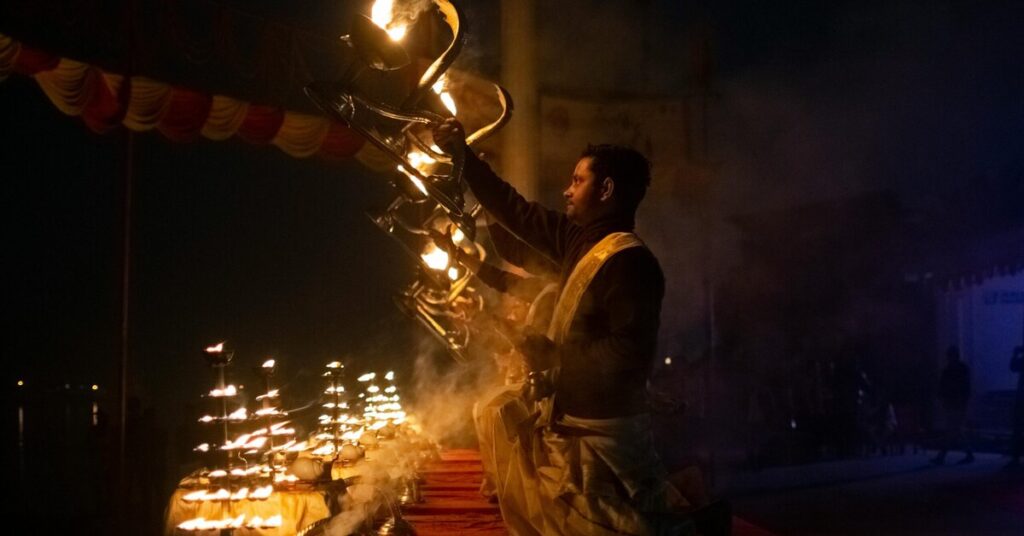
The winter months offer crisp mornings perfect for boat rides on the Ganges, comfortable afternoons ideal for temple visits, and pleasant evenings for attending the Ganga Aarti. Your body won’t struggle with extreme temperatures, allowing you to focus on the spiritual and cultural aspects of your journey rather than merely surviving the climate.
Summer in Varanasi can be brutal. Temperatures soar to 45°C (113°F) or higher, with relentless sun and scorching heat that makes even short walks exhausting. For senior citizens, especially those with heart conditions, blood pressure issues, or heat sensitivity, these months pose genuine health risks. Dehydration happens quickly, and the intensity of the heat can trigger serious medical complications.
The sacred ghats, usually bustling with life, see reduced activity during peak afternoon hours as even locals retreat indoors. While hotel rates drop significantly during summer, the savings aren’t worth the physical toll this season takes on elderly travelers.
Best Time & Travel Plan for Senior Citizens Visiting Varanasi , The monsoon brings relief from summer heat but introduces different challenges. Heavy rainfall creates slippery surfaces on the ghats—a serious concern for seniors worried about falls. The Ganges swells considerably, sometimes flooding lower ghats and making boat rides less accessible. Humidity levels skyrocket, creating a sticky, uncomfortable atmosphere that can affect breathing and overall energy levels.
Additionally, monsoon season sees an increase in waterborne diseases. While Varanasi’s spiritual appeal remains constant, the practical difficulties of navigating wet, crowded streets with limited mobility make this period less than ideal for senior travelers.
Best Time & Travel Plan for Senior Citizens Visiting Varanasi , During these months, mornings start cool and refreshing, gradually warming to pleasant afternoon temperatures before cooling again in the evening. This natural temperature variation allows seniors to plan activities during the most comfortable hours. Early morning boat rides happen when the air is fresh but not cold. Temple visits occur during mild afternoons. Evening ceremonies take place in perfect conditions.
Your body doesn’t struggle to regulate temperature, reducing stress on your cardiovascular system and conserving energy for enjoying experiences rather than battling weather conditions.
Varanasi’s magic happens largely outdoors—along the ghats, in open temple courtyards, on boat rides across the river. The October to March window makes these outdoor experiences genuinely enjoyable. You can sit comfortably during the hour-long Ganga Aarti without sweating profusely. Morning walks along the ghats feel invigorating rather than exhausting. Even the simple act of standing in temple queues becomes manageable when you’re not fighting oppressive heat or monsoon downpours.
This period encompasses Varanasi’s major festivals—Diwali, Dev Deepawali, and Maha Shivaratri. Witnessing these celebrations adds profound depth to your spiritual journey. The festivals coincide with the best weather, creating perfect conditions for the elaborate outdoor ceremonies that make these events so spectacular. However, festivals also mean crowds, so planning around them requires strategic thinking we’ll explore later.
October marks the transition from monsoon to winter. Early October might still see occasional rain, but by mid-month, the weather stabilizes beautifully. Temperatures range from 20°C to 35°C (68°F to 95°F)—warm but not overwhelming. The Ganges remains full from monsoon rains, creating picturesque views. Tourist numbers are moderate, meaning you can explore without massive crowds.
For seniors, October offers excellent value. Hotels reduce monsoon-season rates but the weather has already improved significantly. It’s an ideal month if you prefer experiencing Varanasi with fewer tourists and don’t mind slightly warmer temperatures than peak winter.
November brings Varanasi’s most enchanting period. Diwali (typically late October or early November) transforms the city into a luminous wonderland. Thousands of oil lamps illuminate the ghats, creating breathtaking nighttime vistas. Dev Deepawali, fifteen days after Diwali, takes this spectacle even further with elaborate light displays.
Weather-wise, November is nearly perfect. Temperatures hover between 15°C and 30°C (59°F to 86°F), with cool mornings and comfortable afternoons. The air quality is generally good, and humidity remains low. For seniors who can handle moderate crowds and want to witness Varanasi at its most visually stunning, November is unbeatable.
December offers consistently comfortable weather throughout the month. Morning temperatures drop to around 10°C (50°F), requiring light woolens, while afternoons warm to pleasant 25°C (77°F). This is arguably the most comfortable month for senior travelers who don’t enjoy heat. The cool weather energizes rather than drains, allowing for fuller day schedules without fatigue.
Tourist numbers increase in December, particularly around Christmas and New Year when international visitors arrive. However, crowds remain manageable compared to peak Indian holiday periods. Hotel prices rise slightly but remain reasonable compared to festival times.
January represents winter’s peak in Varanasi. Early mornings can be quite chilly, with temperatures occasionally dropping to 7-8°C (45-46°F). Dense fog sometimes reduces visibility during early boat rides, though this creates its own mystical atmosphere. By mid-morning, temperatures rise comfortably, and afternoons feel pleasantly warm.
For seniors who enjoy cooler weather and don’t mind wearing layers, January is wonderful. The cold deters some tourists, meaning popular sites feel less crowded. However, those with arthritis or joint problems that worsen in cold weather might find the chilly mornings uncomfortable.
February combines excellent weather with profound spiritual significance. Temperatures begin warming slightly from January’s lows, ranging from 12°C to 28°C (54°F to 82°F). Mornings remain pleasantly cool while afternoons grow warmer but never hot. This balance creates ideal conditions for all-day exploration.
Maha Shivaratri, one of Hinduism’s most important festivals dedicated to Lord Shiva, typically falls in February or early March. Varanasi, home to the famous Kashi Vishwanath temple, becomes a major pilgrimage destination during this festival. Witnessing this celebration in Varanasi offers spiritual depth unmatched at other times. However, the festival brings significant crowds requiring advanced planning.
March marks the transition toward summer. Early March remains comfortable, with temperatures between 15°C and 32°C (59°F to 90°F). However, by late March, heat begins building, with some days reaching 38°C (100°F). The pleasant window is closing, but early March still offers good conditions for senior travelers.
If your schedule only allows March travel, plan for early to mid-March. This timing captures the last of the comfortable weather while avoiding the intense heat that arrives by month’s end. Tourist numbers decrease as Indians anticipate the approaching summer, potentially offering better hotel rates.
These months present genuine health risks for elderly travelers. Temperatures regularly exceed 42°C (108°F), with May typically being the hottest month. The sun’s intensity is punishing, and heat waves are common. For seniors, the risks include heat exhaustion, heat stroke, severe dehydration, and dangerous spikes in blood pressure.
Even with air-conditioned transportation and accommodations, the brief exposures while moving between vehicles and buildings can be overwhelming. The spiritual merit of visiting Varanasi during these months doesn’t justify the health risks for most senior citizens. If circumstances absolutely require travel during this period, minimize outdoor activities, stay hydrated constantly, and have medical support readily available.
While less dangerous than summer heat, monsoon season creates significant practical difficulties. Persistent rain makes ghats slippery—a fall hazard for seniors. Flooding can restrict access to temples and riverside areas. High humidity exacerbates breathing difficulties for those with respiratory conditions. Mosquito populations surge, increasing dengue and malaria risks.
Additionally, the overcast skies and rain can affect mood, potentially dampening the spiritual uplift many seniors seek from this pilgrimage. Unless you have profound personal reasons for visiting during monsoon, postponing your trip to the winter season makes better sense.
Diwali, the festival of lights, transforms Varanasi into a magical realm. The entire city celebrates with exceptional enthusiasm, and witnessing the ghats illuminated by thousands of diyas (oil lamps) creates unforgettable memories. For many seniors, this represents the pinnacle Varanasi experience.
However, Diwali brings massive crowds, increased noise levels, and significantly higher hotel rates. Streets become congested with celebrants, and popular viewing spots fill quickly. If you’re considering Diwali, book accommodations at least three months in advance, expect to pay premium prices, and prepare for crowded conditions that require patience and flexibility.
Celebrated fifteen days after Diwali, Dev Deepawali is considered even more special by locals. On this full moon night, the ghats are illuminated with over a million lamps, creating a breathtaking spectacle. The crowd levels rival or exceed Diwali, but the event’s concentrated timing (one specific night) means you can plan around it more easily.
If you arrive a day or two before Dev Deepawali and stay through the event, you experience the festival at its peak while maintaining some quieter days for other activities. This approach balances the festival experience with needed rest periods.
For seniors seeking deep spiritual connection, Maha Shivaratri in Varanasi offers unparalleled significance. The city becomes a pilgrimage magnet, with devotees traveling from across India to worship at Kashi Vishwanath temple. The all-night celebrations, temple rituals, and spiritual atmosphere create profound experiences.
The challenge lies in the crowds. Temples become extremely crowded, and navigating them requires patience and physical stamina. For seniors interested in Maha Shivaratri, consider viewing the celebrations from a distance (perhaps from a boat on the Ganges) rather than attempting to enter crowded temple complexes. This approach captures the festival’s spiritual essence without the physical challenges.
Senior travelers should plan for 4-6 days in Varanasi. This duration allows for comprehensive exploration without exhaustion. A typical breakdown includes one arrival/rest day, two full days of sightseeing with proper rest intervals, one day for a Sarnath excursion, and one departure day. This pacing prevents the rushed feeling that comes with shorter trips while avoiding the fatigue of extended stays.
Some seniors prefer a full week, which allows for even more leisurely pacing with additional buffer days. The extra time provides flexibility—if you’re tired one day, you can rest without feeling you’re missing critical experiences.
Begin planning 3-4 months before your intended travel date. This timeline allows for booking accommodations at reasonable rates, arranging specialized services like accessible vehicles or medical support, and getting necessary vaccinations. Start physical preparation simultaneously—if you’re not regularly active, begin gentle walking exercises to build stamina.
Two months before departure, finalize your itinerary, confirm all bookings, and consult your physician about travel fitness. One month prior, begin assembling your packing list, ensuring medications are current, and reviewing your health insurance coverage. Two weeks before travel, reconfirm all arrangements and prepare emergency contact information.
Every senior-focused Varanasi itinerary should include deliberate rest days or half-days. After arrival, rest. After a particularly active day, rest. Before departure, rest. These buffer days aren’t wasted time—they’re essential for physical recovery and mental processing of the intense experiences Varanasi offers.
Think of these rest days as part of your spiritual journey. Sometimes the most profound insights come during quiet reflection at your hotel rather than in the midst of bustling activity.
Winter travel (October-March) poses minimal health concerns for most seniors. The primary consideration is bringing appropriate warm clothing for early mornings. Those with respiratory issues should note that winter months can bring fog and slightly reduced air quality, though generally not problematic.
If traveling during shoulder seasons (early October or late March), prepare for greater temperature variations. Layered clothing becomes essential as you move from air-conditioned spaces to warm outdoors. Stay vigilant about hydration even when temperatures feel comfortable—dry winter air can dehydrate without obvious sweating.
For winter season travel (November-February), book flights at least 2-3 months in advance to secure good rates and preferred schedules. Direct flights are worth the premium for seniors—connection hassles and long layovers create unnecessary stress. When booking, request priority boarding and wheelchair assistance if needed, even if you don’t always require these services.
Hotels should be booked simultaneously with flights. Senior-friendly properties often have limited ground-floor or elevator-accessible rooms that book quickly during peak season. Communicating your specific needs (grab bars, medical equipment accommodation, dietary requirements) during booking ensures they’re met upon arrival.
If festivals don’t strongly appeal to you, schedule your visit during the “shoulder” periods within the winter season—early November (before Diwali), late December to early January (between Christmas and Makar Sankranti), or late February to early March (after Maha Shivaratri).
These periods offer excellent weather, manageable crowds, and often better hotel rates than peak festival times. You still experience Varanasi’s spiritual essence without navigating massive crowds that can overwhelm senior travelers.
Many Indian railways offer senior citizen discounts (40% for men over 60, 50% for women over 58) on train tickets. Some hotels provide senior discounts, though this is less common at premium properties. When booking tours or private vehicles, ask specifically about senior rates—many local operators offer modest discounts to elderly travelers.
Airlines occasionally offer senior citizen discounts on domestic flights within India. While not guaranteed, it’s worth inquiring when booking. The savings can be substantial, especially for couples traveling together.
For November-February travel, pack layers. Mornings require light woolens—a sweater or light jacket suffices even in January. Afternoons might need only a cotton shirt. Comfortable walking shoes with good grip are essential year-round, as some ghat steps can be slippery regardless of season.
Include sun protection—hat, sunglasses, sunscreen—even during winter. The sun remains strong, especially during boat rides on the reflective river surface. Carry a reusable water bottle to stay hydrated throughout the day.
Don’t forget medications and prescriptions in both checked and carry-on luggage. A small first-aid kit with bandages, antiseptic, pain relievers, and digestive aids proves invaluable. Include any mobility aids you use regularly, even if you don’t always need them.
Structure each day with your energy patterns in mind. Most seniors find their energy peaks mid-morning and declines by late afternoon. Schedule significant activities—temple visits, boat rides—during your high-energy windows. Reserve low-energy periods for rest, light meals, or passive activities like watching the river from a comfortable vantage point.
Adopt a pattern of activity-rest-activity rather than sustained exertion. After a morning of sightseeing, return to your hotel for lunch and a proper rest. Resume activities in the late afternoon when you’ve recovered. This rhythm may seem to limit what you accomplish, but it actually enables fuller, more present engagement with experiences that matter.
Some seniors prioritize avoiding crowds over perfect weather. If this describes you, consider visiting in late March or early October despite warmer temperatures. The tourist numbers drop significantly, popular sites feel more peaceful, and you often receive more personalized attention from guides and hotel staff.
Others might prioritize specific spiritual experiences regardless of crowds. Attending Maha Shivaratri or witnessing Dev Deepawali might justify navigating larger crowds. In such cases, extend your stay beyond the festival to include quieter days before or after the main event.
Budget-conscious travelers might choose the early October or late March shoulder seasons when hotel rates drop but weather remains acceptable. The savings can be substantial, potentially funding extra days of stay or upgraded accommodations.
Monitor weather forecasts daily during your trip. Even in winter, occasional unseasonal rain can occur. Carry a compact umbrella year-round. If visiting during transitional months (October or March), prepare for rapid temperature changes throughout the day.
Stay aware of air quality, which can decline during winter months due to seasonal agricultural burning in surrounding regions. If you have respiratory sensitivities, consider carrying a mask for particularly smoky days. Most hotels have air purifiers available upon request.
During any season, prioritize hydration. Carry water constantly, even when temperatures feel comfortable. Dehydration can occur in dry winter air just as in summer heat. Avoid tap water entirely—stick to bottled water for drinking and even tooth brushing.
Timing your Varanasi visit correctly transforms the experience from potentially challenging to genuinely enriching. For senior citizens, the window between late October and early March offers the sweet spot where comfortable weather, manageable crowds, and profound spiritual experiences intersect. Within this period, choosing specific months depends on your festival interests, temperature preferences, and crowd tolerance.
The key lies in understanding that successful senior travel isn’t about seeing everything but about experiencing meaningfully. A well-timed, properly paced Varanasi journey creates memories that resonate for years, spiritual insights that deepen with reflection, and the satisfaction of having undertaken a significant pilgrimage with grace and wisdom.
Your golden years deserve golden experiences, and Varanasi—visited at the right time with thoughtful planning—delivers exactly that. The ancient city’s timeless spirituality awaits, ready to welcome you when conditions align for your comfort, safety, and profound engagement with one of the world’s most sacred destinations.
November typically offers the ideal combination of factors for senior travelers. The weather is consistently comfortable with temperatures between 15°C and 30°C, the post-monsoon freshness keeps air quality good, and if you time it right, you can witness Diwali and Dev Deepawali. However, be prepared for higher costs and larger crowds during festival weeks. If you prefer fewer crowds, December offers nearly identical weather with more manageable tourist numbers.
Early to mid-March remains comfortable for senior travelers, with pleasant temperatures and decreasing crowds. However, avoid late March as temperatures begin climbing toward summer levels. If March is your only option, schedule your trip for the first two weeks of the month and plan most activities for morning hours when temperatures are coolest.
For travel during peak season (November-February), book at least 3 months in advance to secure the best accommodations and reasonable rates. If planning to visit during major festivals like Diwali or Maha Shivaratri, extend this to 4-5 months. Last-minute bookings during peak season often mean settling for less suitable accommodations or paying premium prices.
This depends on your priorities and crowd tolerance. Festivals like Diwali and Dev Deepawali offer spectacular, once-in-a-lifetime experiences that many seniors find profoundly meaningful. However, they also bring significant crowds and logistical challenges. If you have reasonable mobility and patience, the festival experience often justifies the crowds. Consider viewing major events from boats or reserved hotel viewing areas rather than being in the thick of ground-level crowds.
If circumstances absolutely require summer travel (April-June), take extreme precautions. Schedule all outdoor activities before 9 AM and after 5 PM. Stay in high-quality air-conditioned accommodations and use air-conditioned vehicles exclusively. Hydrate constantly—drink water even when you don’t feel thirsty. Consider shortening your stay and focusing on only the most important spiritual sites. Have medical support information readily available and consider travel insurance with strong medical coverage. Honestly assess whether your health can handle extreme heat before committing to summer travel.