How to Plan a Smooth Group Tour in Varanasi , Varanasi’s spiritual magnetism draws groups of all types—friends seeking adventure, corporate teams building bonds, religious pilgrims, educational institutions, and family reunions. However, the city’s chaotic energy, ancient infrastructure, and sensory intensity can quickly overwhelm unprepared groups. A smooth group tour in Varanasi doesn’t happen by chance—it results from meticulous planning, realistic expectations, clear communication, and flexibility when inevitable surprises arise. This guide provides a roadmap for organizing successful group experiences in India’s spiritual capital.
Pre-Trip Planning Essentials
How to Plan a Smooth Group Tour in Varanasi , Successful group tours begin months before departure, with foundational decisions shaping the entire experience.
Define Clear Objectives Start by establishing what your group wants from Varanasi. Spiritual groups prioritize temple visits, ritual participation, and religious ceremonies. Cultural tourists emphasize heritage sites, museums, and traditional crafts. Photography enthusiasts need optimal lighting times and scenic locations. Corporate groups might want team-building activities alongside sightseeing. Educational tours require knowledgeable guides and learning opportunities. Clear objectives guide every subsequent decision—itinerary design, guide selection, accommodation choices, and budget allocation.
Determine Optimal Group Size Group size dramatically affects tour dynamics and logistics. Small groups (6-10 people) enjoy flexibility, personalized attention, and easier coordination but pay higher per-person costs. Medium groups (12-20 people) balance economy and manageability—vehicle options work well, restaurant reservations remain feasible, and per-person costs decrease while maintaining quality. Large groups (25+ people) maximize cost efficiency but require professional coordination, multiple vehicles, and more structured organization. Beyond 30 participants, consider splitting into multiple coordinated groups maintaining separate operational management while sharing major experiences.
Select the Right Season Timing affects comfort, costs, and crowd levels significantly. November through February offers ideal weather (10-25°C) but brings peak crowds and higher prices. March and October provide excellent shoulder-season alternatives—pleasant temperatures, fewer tourists, and better rates. April through June’s extreme heat (40-45°C) makes daytime touring uncomfortable, though costs drop substantially. Monsoon season (July-September) brings humidity and occasional flooding but dramatic skies appeal to photographers. Consider festival alignments—Dev Deepawali creates spectacular experiences but massive crowds requiring extra planning.
Establish Budget Parameters Create realistic budgets encompassing all elements: transportation (vehicles, fuel, parking), accommodation, meals, entrance fees, guide services, coordinator charges, tips, insurance, and contingency funds (typically 10-15% of total budget). Per-person costs for comprehensive 3-4 day packages range from INR 12,000 (budget) to INR 35,000+ (premium), varying with group size, season, and inclusions. Transparency about budget constraints helps operators design appropriate packages rather than proposing unaffordable luxury options.
Selecting Tour Operators and Coordinators
How to Plan a Smooth Group Tour in Varanasi , The right operator partnership proves crucial for smooth execution.
Research and Verification Investigate operators specializing in group tours rather than individual travel companies occasionally handling groups. Check credentials—proper tourism licenses, established business addresses, and years of operation. Read reviews focusing specifically on group experiences, noting how operators handled unexpected challenges. Request references from similar-sized groups and actually contact them—previous clients provide invaluable insights about reliability, problem-solving, and service quality.
Evaluate Communication and Responsiveness Operators who respond promptly to inquiries, provide detailed information, and answer questions patiently during planning stages likely maintain this service level during tours. Vague responses, delayed communication, or reluctance to provide specifics signal potential problems. Quality operators welcome video calls discussing requirements, showing accommodation options virtually, and explaining processes thoroughly.
Understand Coordinator Roles Professional coordinators manage on-ground operations—liaising with hotels, restaurants, guides, and drivers; handling payments and logistics; solving problems immediately; and serving as your group’s local representative. Experienced coordinators familiar with Varanasi specifically prove invaluable—they know which ghats have best accessibility, which temples accommodate groups easily, which restaurants handle large parties efficiently, and how to navigate the city’s complexities. Confirm coordinator language proficiency and availability throughout your tour, not just selected moments.
Crafting the Optimal Itinerary
Effective itineraries balance must-see attractions with realistic pacing and flexibility.
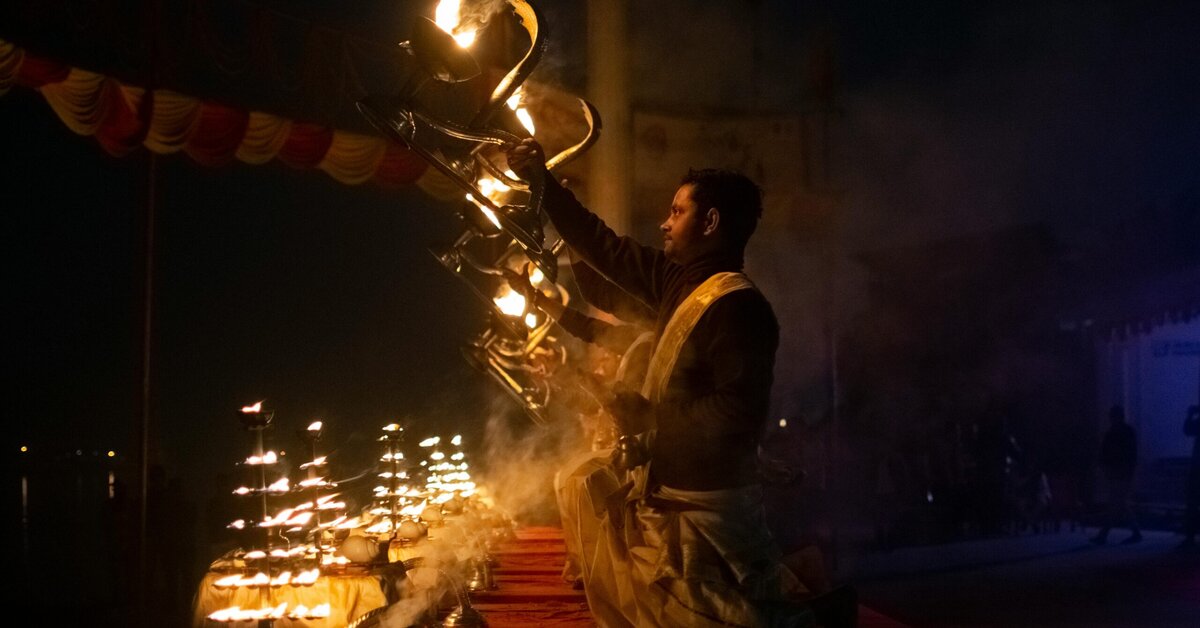
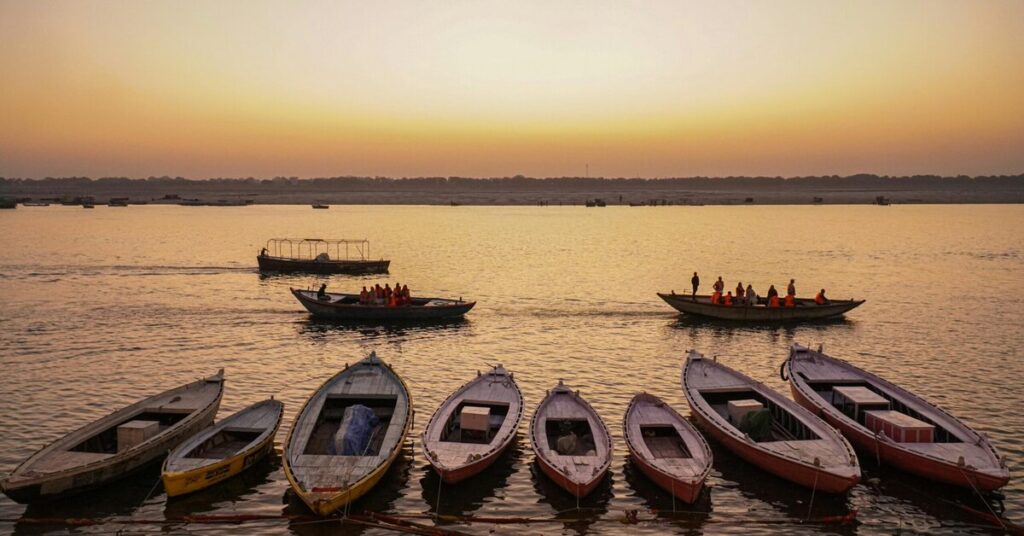
Prioritize Core Experiences Identify non-negotiable experiences defining Varanasi visits: sunrise boat rides on the Ganges, evening Ganga Aarti at Dashashwamedh Ghat, key temple visits (Kashi Vishwanath, Sankat Mochan), and ghat exploration. These form your itinerary backbone. Secondary attractions—Sarnath, BHU, silk weaving workshops, classical music performances—fill remaining time based on group interests and schedule.
Build in Strategic Rest Periods Aggressive schedules exhausting participants by day two destroy trip quality. Include explicit rest periods—typically 2-3 hours mid-day when heat peaks and energy wanes. This isn’t wasted time; it prevents burnout enabling full participation in subsequent activities. Some group members might rest while others pursue optional activities, providing flexibility without fragmenting the group excessively.
Create Buffer Time Varanasi operates on its own schedule—traffic delays, unexpected ceremonies, or simple navigation challenges consume time. Build 30-minute buffers between activities rather than back-to-back scheduling. This accommodation transforms potential stress into comfortable pacing. If you arrive early somewhere, unexpected waiting time proves less problematic than constant rushing and missing experiences due to delays.
Design Optional Activity Tracks Not everyone wants identical experiences. Offer optional activities alongside core programming—some might attend classical music performances while others shop, some want additional temple visits while others prefer leisure time. Optional tracks respect diverse interests while maintaining group cohesion during major shared experiences.
Transportation and Accommodation Arrangements
Logistical foundations make or break group tour experiences.
Vehicle Selection and Coordination Match vehicles to group size and comfort expectations. Tempo Travelers (12-17 seats) work well for medium groups, while larger groups need multiple vehicles traveling in coordination. Insist on modern, well-maintained vehicles with functioning air conditioning—mechanical breakdowns waste time and create frustration. Establish communication between multiple vehicles using walkie-talkies or phone systems preventing separation. Confirm backup vehicle availability if mechanical issues arise.
Strategic Accommodation Choices Groups need hotels accommodating block bookings with rooms in proximity—same floor or adjacent areas enable easy gathering and mutual support. Properties with common spaces (courtyards, dining areas, lobbies) provide venues for group interaction outside individual rooms. Location matters—balance atmospheric riverside properties (often requiring walks through narrow lanes) against accessible hotels on main roads (easier vehicle access but potentially less character). Verify elevator availability for multi-story properties, especially if group includes elderly or mobility-challenged members.
Meal Planning and Restaurant Coordination Large groups can’t spontaneously decide to eat anywhere—advance restaurant coordination prevents long waits and ensures adequate seating. Partner with restaurants experienced in group service capable of serving everyone simultaneously rather than staggered individual orders. Pre-selected menu options streamline service and control costs while offering sufficient variety. Communicate dietary requirements—vegetarian/non-vegetarian preferences, religious restrictions, allergies, medical needs—during planning, not upon arrival.
Communication Systems and Group Management
Smooth operations require effective communication and clear protocols.
Establish Communication Channels Create dedicated WhatsApp groups exclusively for tour coordination. Share daily itineraries each morning specifying meeting times, locations, and dress codes. Post real-time updates about changes, delays, or modifications. Use groups for headcounts and confirming everyone’s presence before departures. Keep communication professional and focused—separate personal conversations from logistical coordination.
Designate Leadership Roles Appoint a primary group leader liaising with coordinators and making final decisions when consensus proves elusive. Assign sub-leaders for specific responsibilities—one tracks attendance and headcounts, another handles medical situations, another manages finances. Clear leadership prevents confusion and ensures accountability without requiring the coordinator to manage internal group dynamics.
Create and Enforce Ground Rules Establish expectations before departure: punctuality requirements (vehicles depart at scheduled times), behavioral standards (respect for religious sites, photography restrictions), safety protocols (staying together in crowded areas), and communication norms (informing leaders about problems immediately). Ground rules prevent many issues and provide frameworks for addressing violations when they occur.
Handling Challenges and Contingencies
Despite perfect planning, challenges arise—preparation and flexibility determine outcomes.
Medical Preparedness Collect comprehensive medical information from all participants—existing conditions, medications, allergies, emergency contacts. Designate someone as medical coordinator carrying this information and a well-stocked first-aid kit. Identify quality hospitals near your accommodation and major touring areas. Ensure travel insurance covering all participants, particularly elderly members or those with pre-existing conditions. Have protocols for medical emergencies—who stays with the affected person, how the rest of the group proceeds, and when to involve insurance companies.
Financial Management Clarify payment responsibilities before departure. Will one person handle all payments and collect from participants, or does everyone manage their own expenses beyond package inclusions? Carry sufficient cash in small denominations for tips, entrance fees, and unexpected expenses. Understand what package inclusions cover versus additional costs. Maintain transparent accounting if collecting money from group members.
Flexibility and Adaptation No plan survives contact with Varanasi unchanged. Weather might necessitate indoor alternatives. Someone might become ill requiring itinerary adjustments. Traffic could cause delays demanding schedule modifications. Maintain flexibility treating plans as frameworks rather than rigid mandates. The coordinator’s local knowledge guides these adaptations—trust their expertise when suggesting alternatives.
Cultural Sensitivity and Respectful Tourism
Responsible group tourism respects local communities and sacred sites.
Religious Site Protocols Dress conservatively—covered shoulders and knees for everyone. Remove shoes when required and follow purification rituals if requested. Observe photography restrictions strictly—many temples and cremation ghats prohibit cameras. Maintain quiet, respectful behavior during ceremonies. Don’t touch religious objects or deities without permission. Groups draw attention—ensure collective behavior reflects respect rather than treating sacred spaces as entertainment venues.
Community Impact Awareness Large groups affect local communities. Support businesses fairly—pay reasonable prices rather than aggressive bargaining that harms artisans and vendors. Minimize environmental impact—use reusable water bottles, dispose of waste properly, and avoid single-use plastics. Interact respectfully with local residents—ask permission before photographing people, avoid intrusive behavior in residential areas, and remember that Varanasi is home to millions, not simply a tourist attraction.
Conclusion
Smooth group tours in Varanasi result from comprehensive planning, professional partnerships, realistic expectations, clear communication, and graceful adaptation when plans require modification. The city rewards preparedness with transformative experiences—spiritual connection, cultural immersion, and group bonding that endure long after trips conclude. While Varanasi’s complexity challenges even experienced travelers, proper planning transforms potential chaos into meaningful journey. Groups investing effort in thoughtful preparation discover that Varanasi’s ancient energy, accessed through smart organization, creates some of life’s most memorable collective experiences.
Frequently Asked Questions
1. How far in advance should we start planning a group tour to Varanasi?
Begin planning at least 3-4 months before your intended travel dates, though 6 months provides more comfortable timelines for larger groups or peak season travel (November-February). Early planning secures better accommodation options, particularly for groups needing multiple rooms in the same property. Quality tour operators and experienced guides get booked well in advance during peak periods. Early bird discounts on flights and trains make financial sense. You’ll need time for collecting participant information, coordinating schedules, managing payments, and handling pre-trip logistics like travel insurance. For corporate groups requiring approvals or educational institutions needing institutional permissions, start even earlier—6-8 months. Smaller groups traveling during shoulder seasons (March, October) can work with shorter timelines—6-8 weeks—though earlier remains better. Last-minute planning (2-4 weeks) is possible but severely limits options, increases costs, and adds unnecessary stress. Adequate planning time ensures you’re organizing your ideal trip rather than accepting whatever remains available.
2. What is the best group size for maintaining cohesion while ensuring individual attention?
The sweet spot for group tours balances at 12-18 participants. This size distributes fixed costs (guides, coordinators, vehicles) reasonably while remaining manageable for logistical coordination. A single Tempo Traveler accommodates everyone, maintaining group unity during transportation. Restaurants easily handle parties of this size without special arrangements. Guides provide adequate attention to everyone without participants feeling lost in crowds. Group members bond effectively—large enough for dynamic interactions and diverse perspectives but small enough that everyone knows each other and nobody feels anonymous. Smaller groups (6-10) receive more personalized attention and maximum flexibility but pay higher per-person costs since fixed expenses divide among fewer people. Larger groups (20-30+) maximize economy of scale but require more structured organization, multiple guides or coordinators, and inevitably create sub-groups where some members interact minimally. If your natural group exceeds 20, consider whether genuine cohesion across all members matters or if traveling as coordinated sub-groups makes more sense. Corporate teams and friend groups often prioritize cohesion suggesting caps around 16-18, while larger family reunions or community groups might accept less intensive interaction across all members, making groups of 25-30 workable with proper coordination.
3. Should we book everything ourselves or use a tour operator, and what’s the cost difference?
This depends on your group’s experience, time availability, and risk tolerance. Independent booking potentially saves 15-25% on costs but requires substantial effort and carries greater risks. You’ll handle accommodation bookings across multiple properties, coordinate vehicle rentals, arrange guides, book restaurants, manage all payments, solve problems without local support, and navigate language barriers. For experienced travelers familiar with India with adequate time for research and coordination, independent planning works. However, most groups benefit from professional operators who provide value beyond mere cost through established relationships yielding better access and service, local knowledge navigating Varanasi’s complexities, 24/7 problem-solving during tours, consolidated billing simplifying financial management, and backup systems when things go wrong. The “extra” cost of operators represents insurance against mishaps and stress reduction. A hybrid approach works well—book your own accommodation and major transport while hiring local coordinators for on-ground management (typically INR 2,500-4,000 daily). This captures cost savings on major expenses while ensuring professional support during the tour. For first-time groups, international visitors, or those with limited planning time, full-service operators justify their costs through peace of mind and dramatically smoother experiences.
4. How do we handle participants who consistently arrive late or don’t follow group schedules?
Address punctuality expectations explicitly during pre-trip planning—not as implicit assumptions but as stated ground rules. Establish that schedules accommodate the group collectively, not individual convenience, and vehicles depart at scheduled times. When someone is late the first time, give a brief grace period (5 minutes maximum) and proceed, making clear that future departures happen punctually. For repeat offenders, private conversations addressing the issue directly usually work—explain how their tardiness affects everyone else and ask for specific commitment to punctuality. If problems persist despite conversations, let them experience consequences—if they miss the departure, they arrange their own transport to the next location at their expense. This seems harsh but protects the group experience against one person’s repeated disrespect. Most chronically late people aren’t malicious but haven’t faced real consequences for the habit. One instance of arranging their own expensive taxi to catch up typically corrects behavior permanently. Ensure your tour coordinator supports this approach. However, distinguish between habitual lateness and genuine emergencies—if someone is late due to medical issues or unforeseen situations, show compassion and accommodation. The goal isn’t rigid authoritarianism but reasonable standards protecting the collective experience from one person’s chronic disorganization.
5. What contingency plans should we have for emergencies like natural disasters, political unrest, or health crises?
Comprehensive contingency planning addresses multiple emergency categories. For medical emergencies, maintain lists of quality hospitals near your locations, ensure all participants have adequate travel insurance including emergency evacuation coverage, designate medically knowledgeable group members as first responders, and carry comprehensive first-aid supplies. Your tour operator should have protocols for handling serious medical situations—who stays with affected participants, how the group continues, and coordination with insurance companies. For natural disasters (floods during monsoon, earthquakes), identify your hotel’s evacuation procedures immediately upon check-in, maintain communication systems keeping everyone informed, and follow your coordinator’s guidance—local knowledge proves invaluable during crises. Keep embassy contact information if international participants are included. For political unrest or sudden restrictions, monitor reliable news sources and maintain contact with your country’s diplomatic mission. Reputable tour operators monitor situations and modify itineraries proactively. Have flexible booking options allowing plan changes without severe financial penalties. For health crises (pandemics, disease outbreaks), purchase trip cancellation insurance, maintain hygiene protocols, and prepare to cancel if authorities recommend. Financially, contingency funds (10-15% of total budget) provide cushions for unexpected expenses. Emotionally, maintain perspective—most trips proceed without serious issues, but having plans provides peace of mind and frameworks for effective response if problems arise.