Your cart is currently empty!
You may check out all the available trips and book one that suits you.
Continue Browsing Trips
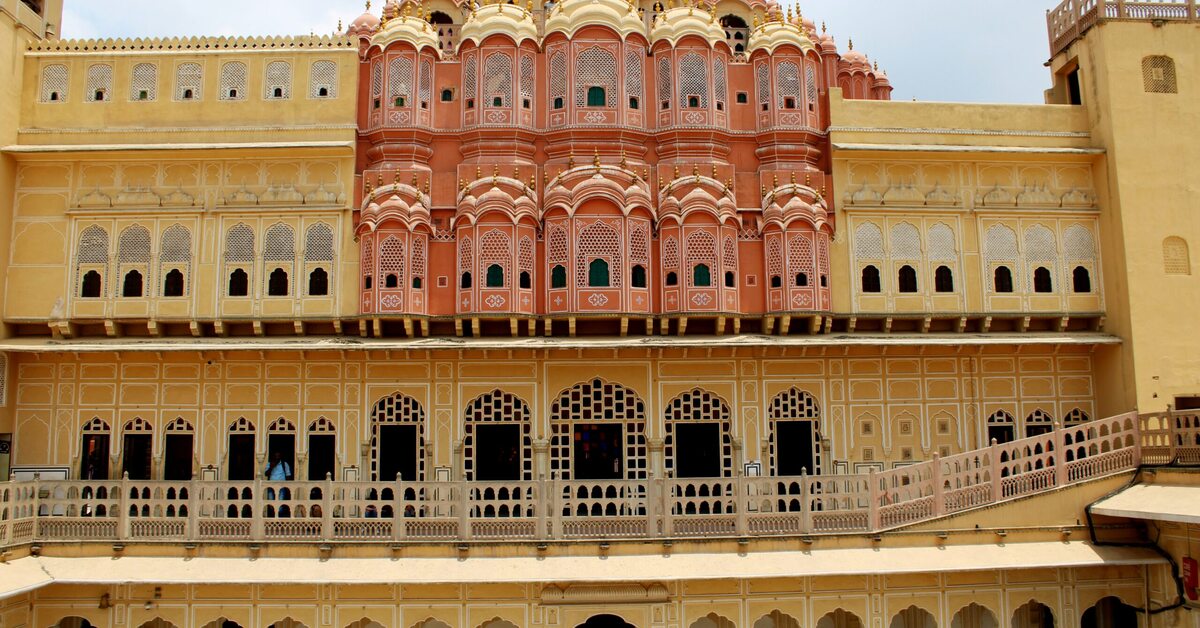
Varanasi–Ayodhya–Prayagraj Tour for Elderly Parents , For many elderly parents, visiting Varanasi, Ayodhya, and Prayagraj represents a lifelong spiritual aspiration—perhaps delayed by decades of raising children, building careers, or financial constraints. Now, in their retirement years, they’re finally ready to experience the sacred Ganges at Kashi, take darshan at Lord Ram’s birthplace, and bathe at the holy Sangam where three rivers merge. As their adult child, you want to make this dream pilgrimage a reality while ensuring their safety, comfort, and dignity throughout the journey.
Planning a Varanasi-Ayodhya-Prayagraj tour for elderly parents requires fundamentally different considerations than typical travel. You’re not just booking transportation and hotels—you’re creating a carefully structured experience that respects their physical limitations, honors their spiritual devotion, provides adequate rest and medical safety, and allows them to complete this sacred circuit without excessive exhaustion or health risks. This isn’t about rushing through a checklist; it’s about facilitating a meaningful spiritual journey at a pace that aging bodies can manage.
Let me guide you through planning this pilgrimage with your parents’ wellbeing as the absolute priority, ensuring their journey creates beautiful memories rather than painful ordeals.
Physical Limitations: Recognize that stamina, mobility, and recovery time all decline with age. What you could do in one day might require three days for your 70-year-old parents. Stairs become challenging, long walks exhausting, and heat more dangerous. Joint pain, back issues, and balance problems make uneven surfaces risky.
Health Considerations: Your parents likely take multiple medications requiring consistent schedules. Chronic conditions—diabetes, blood pressure, heart issues, arthritis—need monitoring. Bathroom access becomes more urgent and frequent. Dietary restrictions may exist. Heat sensitivity increases, as does dehydration risk.
Emotional Significance: This pilgrimage carries profound meaning for your parents—possibly their last opportunity for such travel. The emotional weight makes every aspect important. Rushing or cutting corners on significant experiences disappoints them deeply, but overexertion endangers their health. Balance matters tremendously.
Dignity and Independence: Elderly parents appreciate help but also value maintaining dignity and some independence. Your role is supportive facilitator, not controlling manager. Involve them in planning, respect their preferences, and provide assistance without infantilizing them.
Day 1: Arrival in Varanasi and Rest
Varanasi–Ayodhya–Prayagraj Tour for Elderly Parents , Arrange afternoon arrival rather than morning, allowing parents to rest the previous night. Pre-book a comfortable Innova Crysta or similar vehicle with excellent suspension—your parents’ backs and joints will thank you. Choose a hotel with elevator (or ground floor rooms), good bathrooms with grab bars, and preferably river views. After arrival and check-in, focus entirely on rest and acclimatization. Light walk around hotel area if they feel energetic, otherwise simply relaxation. Early dinner and bedtime without any scheduled activities—they need recovery from journey before starting spiritual activities.
Day 2: Gentle Varanasi Introduction
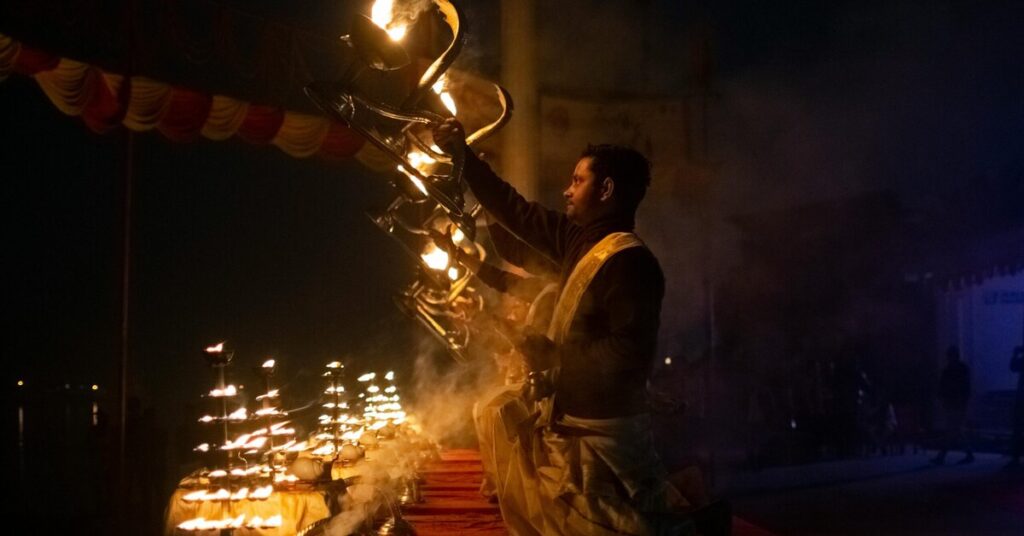
Varanasi–Ayodhya–Prayagraj Tour for Elderly Parents , Morning boat ride at 7:00 AM (not 5:00 AM—warmer and still beautiful). Pre-book a private boat so they can sit comfortably without crowds. The 90-minute ride shows them the ghats without requiring walking or climbing. Return to hotel for breakfast and substantial rest until 4:00 PM. Late afternoon offers optional short walk along one accessible ghat (Assi Ghat is relatively flat), but only if they feel energetic. Evening Ganga Aarti viewed from boat (pre-booked) offers spectacular ceremony without fighting crowds or standing for extended periods.
Day 3: Varanasi Temples at Easy Pace
Varanasi–Ayodhya–Prayagraj Tour for Elderly Parents , Visit either Kashi Vishwanath (if arranging VIP darshan avoiding long queues) or BHU Vishwanath Temple (more accessible, less crowded, beautiful and equally sacred). Single temple focus—not a temple marathon. Allocate 2-3 hours including travel and ample rest stops. Return by lunchtime. Entire afternoon dedicated to rest. Evening free—perhaps rooftop sunset viewing at hotel, or simply continued rest.
Day 4: Rest Day or Sarnath Optional
Full rest day where no activities are scheduled. Or, if your parents have energy, optional gentle Sarnath visit—mostly flat, peaceful, with beautiful gardens and air-conditioned museum. Sarnath is perfect for elderly visitors because it’s uncrowded, has seating throughout, and offers fascinating Buddhist history without physical demands. But make it genuinely optional—if they prefer resting, that’s equally valid.
Day 5: Travel to Ayodhya (200 km)
Varanasi–Ayodhya–Prayagraj Tour for Elderly Parents , Late morning departure after breakfast and checkout—no rushing. Drive includes generous rest stops every 90 minutes. Arrive Ayodhya early afternoon, check in, and rest remainder of afternoon. Evening might include gentle Saryu River visit if they’re energetic, or simply rest for tomorrow’s temple visits.
Day 6: Ayodhya Ram Darshan
Varanasi–Ayodhya–Prayagraj Tour for Elderly Parents , Morning visit to Ram Janmabhoomi Temple Complex—the spiritual centerpiece they’ve waited for. Arrive mid-morning avoiding peak crowds. Consider arranging special access if mobility is severely limited. Post-temple, return to hotel for lunch and extended rest. If energy permits, brief evening visit to one nearby accessible temple (Kanak Bhawan), but don’t force it.
Day 7: Travel to Prayagraj and Sangam (165 km)
Varanasi–Ayodhya–Prayagraj Tour for Elderly Parents , Morning departure to Prayagraj with rest stops. Arrive early afternoon, check in, rest briefly. Late afternoon Triveni Sangam visit by boat—this is their moment to witness or participate in the holy confluence. The boat ride requires minimal physical exertion while providing profound spiritual experience. Gentle return to hotel.
Day 8: Morning Sangam Blessing and Departure
Early morning (but not painfully early—7:00 AM works) return to Sangam for final darshan and prayers. Return for breakfast, checkout, and begin journey to Varanasi or onward destination, arriving by afternoon for departures.
Vehicle Selection: Innova Crysta or equivalent is non-negotiable. Superior suspension reduces joint pain from rough roads. Low floor height eases entry/exit. Spacious interior allows stretching. Reliable AC protects against heat stress. Hire experienced driver who understands elderly passengers need patient, smooth driving.
Accommodation Standards: Prioritize hotels with elevators or guaranteed ground-floor rooms, bathrooms with grab bars and walk-in showers (not tubs requiring climbing), firm mattresses supporting aging backs, and quiet locations ensuring proper rest. Proximity to temples matters less than quality facilities—you have a cab.
Medical Preparedness: Carry comprehensive first-aid kit, all their regular medications plus extras, copies of prescriptions, doctor contact information, and list of nearby quality hospitals at each location. Consider travel insurance covering medical emergencies and evacuation. Know where Heritage Hospital (Varanasi), Sarvodaya Hospital (Ayodhya), and SRN Hospital (Prayagraj) are located.
Bathroom Strategy: Identify clean facilities before needed. Use hotel bathrooms before departing. Know which temples have acceptable facilities. During drives, plan stops at decent restaurants with Western toilets. Carry toilet paper, hand sanitizer, and wet wipes—never assume availability.
Food Safety: Stick strictly to hotel breakfasts and reputable restaurants (driver recommends). No street food regardless of how tempting. Only bottled water. Avoid raw vegetables and salads. Choose easily digestible foods. Respect any dietary restrictions they have. Carry safe snacks for emergencies.
Climate Protection: Winter (November-February) is ideal—comfortable temperatures reduce heat stress risk. Avoid summer (April-June) if possible—heat becomes dangerous for elderly. Pack layers for cool mornings, sun protection, and comfortable walking shoes with good grip.
Stair Solutions: Many temples have numerous steps. For critical temples (like Ram Janmabhoomi), research palkhi services—porters carry elderly in chairs. Costs ₹500-1000 but enables darshan otherwise impossible. At ghats, limit walking—most spiritual benefit comes from boat viewing anyway.
Mobility Aids: If your parents use walking sticks or walkers, bring them. Don’t let pride prevent safety. Some elderly resist using aids, but Indian pilgrimage sites are challenging—appropriate support prevents falls.
Rest Frequency: Plan for sitting breaks every 15-20 minutes during any walking activity. Identify seating areas immediately upon arriving anywhere. Small portable cushion makes stone steps comfortable for resting.
VIP Darshan Arrangements: For temples with long queues (Kashi Vishwanath), VIP darshan pays for itself by preventing hours of standing in line—elderly bodies can’t handle this. Costs ₹200-500 typically and is excellent investment.
Boat Modifications: Request boats with easy boarding—some have better steps than others. Ensure adequate seating. Brief boat rides (60-90 minutes) rather than extended ones prevent stiffness and fatigue.
Physical Assistance: Offer your arm for stability on stairs or uneven surfaces. Help them in/out of vehicles. Carry their bag of prayer materials. These aren’t signs of their weakness but your love.
Advocacy: Communicate their needs to drivers, hotel staff, and guides. Arrange special accommodations. Insist on proper rest periods even if they want to “keep going.” You protect them from overexerting out of enthusiasm.
Patience: Everything takes longer. Accept this without frustration. Their slower pace doesn’t diminish the journey—it enhances it through mindfulness.
Photographic Documentation: Capture moments they’ll treasure. Photos of them at significant sites become precious as they age. But balance documentation with presence—don’t experience everything through a camera lens.
Emotional Support: This journey may be emotional for them—visiting places they’ve dreamed of, perhaps their last major trip. Hold space for their feelings without dismissing them.
Spiritual Facilitation: Help arrange offerings, explain what’s happening during ceremonies if they can’t hear clearly, and participate in rituals alongside them when appropriate.
Expected Costs (for two elderly parents plus you as companion):
Transportation: ₹28,000-35,000 for Innova Crysta (8 days) with experienced driver Accommodation: ₹2,000-4,000 per night for quality senior-friendly hotels × 7 nights = ₹14,000-28,000 Meals: ₹1,500-2,000 daily × 8 days = ₹12,000-16,000 Boat Rides: ₹2,000-3,000 total (private boats) Temple Donations and Offerings: ₹2,000-5,000 (personal choice) Miscellaneous (medicines, tips, emergencies): ₹5,000-8,000
Total estimated: ₹63,000-95,000 for three people (two parents + you), approximately ₹21,000-32,000 per person
This is not budget travel—it’s comfort and safety prioritization. The extra investment in quality vehicles, better hotels, and longer duration makes this journey possible and pleasant rather than dangerous and miserable.
Manage Expectations Together: Discuss that they may not see every temple, climb every ghat, or complete every ritual they imagined. What matters is meaningful connection with these sacred places, not exhaustive coverage.
Prioritize Their Wishes: Ask which experiences matter most—perhaps darshan at Ram Janmabhoomi is more important than Kashi Vishwanath, or vice versa. Structure the tour around their spiritual priorities.
Create Rituals: Perhaps morning prayers together in hotel rooms, evening gratitude reflections about the day’s blessings, or bringing offerings from each site to create a home altar afterward.
Document Their Stories: Ask them to share why these places matter to them. Record their prayers, their devotions, their spiritual insights. These become family treasures.
Accept Limitations with Grace: If they can’t complete something, frame it positively: “We experienced what mattered most” rather than “We failed to see everything.” The spiritual merit isn’t diminished by physical limitations.
Taking your elderly parents on the Varanasi-Ayodhya-Prayagraj pilgrimage represents one of the most loving gifts you can offer—helping them fulfill spiritual dreams while ensuring their safety and comfort. Yes, it requires patience, careful planning, significant financial investment, and accepting that you’re traveling at their pace, not yours. But the reward—seeing their faces light up at the Ganges, witnessing their tearful prayers at Ram Janmabhoomi, holding their hands as they offer prayers at the Sangam—creates memories that will comfort you long after they’re gone.
This journey honors them, their faith, and the life they’ve lived. They raised you, sacrificed for you, and now you’re facilitating their spiritual fulfillment. That’s not just a vacation—it’s an expression of love, gratitude, and the timeless duty of caring for aging parents. May their pilgrimage be blessed, comfortable, and everything their souls have been seeking.
Age and mobility challenges don’t automatically disqualify this pilgrimage, but honest assessment of their capabilities is essential. Can they walk 50-100 meters with assistance? Can they sit in a boat for 90 minutes? Can they handle car travel for 3-4 hours with breaks? If yes to these basics, the pilgrimage is feasible with proper planning: extended 8-10 day itinerary with rest days, excellent vehicles, hotels with elevators and accessibility features, liberal use of palkhi services at temples with stairs, emphasis on boat-based experiences over walking, and VIP darshan avoiding queues. What’s unrealistic is the standard 5-day rushed itinerary—that would endanger their health. If their mobility is severely limited (wheelchair-bound, cannot walk even short distances), consider whether the spiritual benefit justifies the extreme difficulty and potential health risks, or whether virtual pilgrimages, local temple visits, or simply supporting them in prayers at home might be wiser. Consult their physician about travel fitness before booking anything.
This depends on their medical complexity and your capabilities. Hire professional medical support if: they have serious chronic conditions requiring monitoring (heart conditions, insulin-dependent diabetes, COPD), they take 8+ medications requiring precise scheduling, they’ve had recent medical events (heart attack, stroke, surgery), or you’re honestly anxious about managing their health needs while coordinating logistics. A traveling nurse costs ₹2,000-3,000 daily plus expenses but provides vital monitoring, medication management, immediate response to health changes, and advocacy with medical systems if emergencies arise. If your parents are relatively healthy with well-controlled conditions, you’re comfortable managing their medications, and you’re attentive to signs of distress, you can probably manage without professional help—just ensure excellent travel insurance and know hospital locations. A middle option: hire a nurse for the first 2-3 days while everyone adjusts, then continue independently if all goes well. The peace of mind often justifies the expense.
This common situation requires diplomatic management. Strategy: structure the itinerary for the less capable parent’s limitations—this ensures both can participate together in core experiences. For additional activities one parent wants, create optional add-ons: the more capable parent goes with you while the other rests comfortably at hotel, or all three attempt it with explicit understanding the less capable parent can wait in vehicle or designated rest area without guilt. Frame it positively: “Dad, you and I will climb Hanuman Garhi while Mom rests, then we’ll all meet for lunch and tell her about it.” The key is getting advance agreement from both parents that differing capabilities don’t mean either is failing or being left out—it’s wisdom about honoring everyone’s limits. Sometimes the more capable parent surprising realizes they also appreciate the gentler pace. Avoid letting the more capable parent pressure the other to overexert—you may need to run interference protecting the less capable one from well-meaning but dangerous “you can do it!” encouragement.
Have clear protocols established before departure. Minor issues (upset stomach, mild cold, exhaustion): rest at hotel for a day, skip planned activities, use medications from your first-aid kit, monitor closely. If improved within 24 hours, continue cautiously. Moderate issues (persistent high fever, severe dehydration, chest pain that resolves, falls without serious injury): seek medical attention at quality local hospital, get professional evaluation, make decision about continuing based on doctor recommendation and your parents’ recovery. Serious issues (heart attack, stroke, severe illness, major injury): immediate quality hospital, contact travel insurance medical team, focus entirely on treatment, abort pilgrimage and arrange medical evacuation or safe transport home once stable. Signs that warrant aborting even for moderate issues: they’re clearly miserable and in pain despite treatment, continuing endangers their health, or they’ve lost enthusiasm and just want to go home. Don’t force continuation out of disappointment over investment—their health and wellbeing trump itinerary completion. Many families successfully handle minor issues and continue; genuinely serious problems are rare but preparedness allows quick appropriate response.
Some cost reductions are safe; others compromise essentials. Safe reductions: travel off-season (April-May or July-September) saving 30-40% on hotels and transportation despite weather challenges; book directly with operators rather than through agencies eliminating commission markups; choose 3-star hotels with good elderly amenities rather than 5-star luxury; prepare some meals in hotel rooms (if equipped) rather than all restaurant dining; skip optional sites focusing only on the core three cities. Dangerous reductions: downgrading to sedan or budget vehicle (poor suspension hurts aging bodies), rushing the itinerary to fewer days (exhaustion endangers health), choosing hotels without elevators or quality bathrooms (safety risks), hiring inexperienced drivers (safety and stress), or skipping travel insurance (potentially catastrophic if medical emergency occurs). The reality is that doing this pilgrimage safely for elderly parents is inherently expensive—good vehicles, quality accommodation, extended duration, and medical preparedness all cost money. If budget is severely constrained, consider: taking just two of the three cities (Varanasi + Prayagraj or Varanasi + Ayodhya) reducing duration and cost; traveling with other family members to share vehicle and guide costs; or delaying the trip until you can save adequately rather than doing it unsafely on insufficient budget. Their safety justifies the investment.