Your cart is currently empty!
You may check out all the available trips and book one that suits you.
Continue Browsing Trips
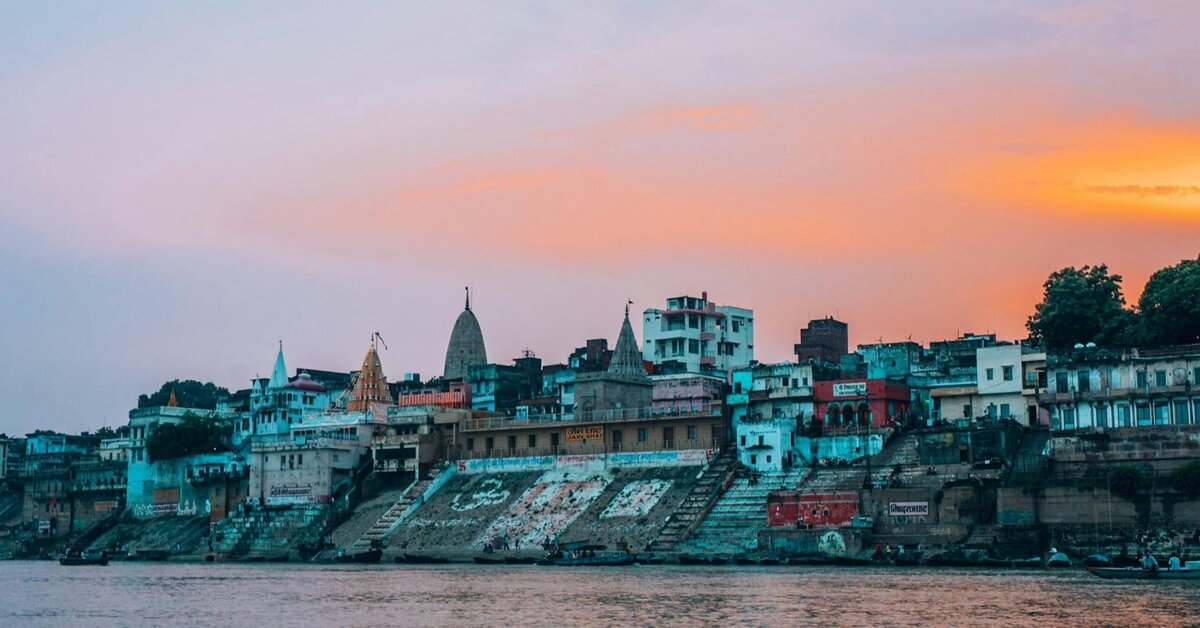
Varanasi Ayodhya Prayagraj Tour by Cab , Imagine embarking on a spiritual journey that connects three of India’s most sacred cities—Varanasi, Ayodhya, and Prayagraj. This isn’t just any tour; it’s a pilgrimage through the heartland of Hindu spirituality, where every temple tells a story and every river whispers ancient wisdom. When you choose to explore these three cities by cab, you’re opting for a journey that combines convenience with devotion, comfort with culture. This sacred triangle in Uttar Pradesh offers an unparalleled spiritual experience that has drawn pilgrims for centuries, and now you can explore it all at your own pace with a dedicated cab service.
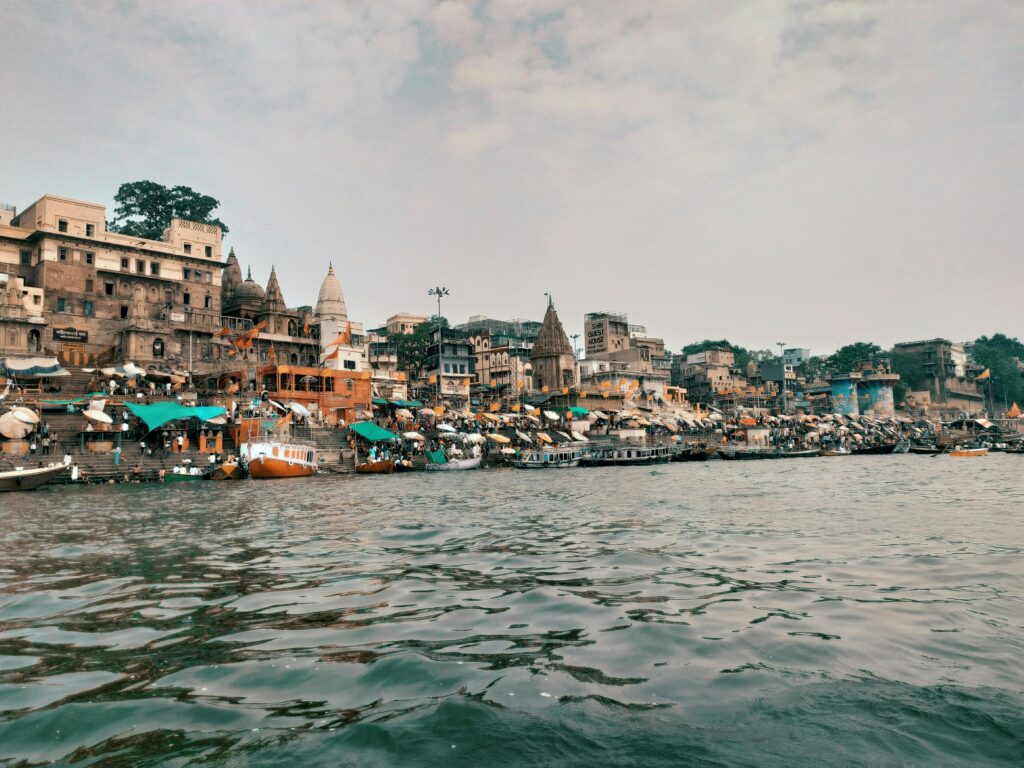
Varanasi Ayodhya Prayagraj Tour by Cab ,Traveling by cab gives you the freedom to create your own schedule. Want to spend extra time at the Triveni Sangam? Need to rest after an early morning Ganga Aarti? With your own cab, you’re in control. You can adjust your itinerary based on how you feel, what interests you most, and how much time you want to dedicate to each sacred site. Plus, you’ll travel in air-conditioned comfort, protected from the elements and the crowds.
The distance between these three cities is significant—Varanasi to Ayodhya is approximately 200 kilometers, and Ayodhya to Prayagraj is about 160 kilometers. Public transportation can turn these journeys into all-day affairs with multiple transfers and unpredictable delays. A cab takes you directly from point to point, maximizing your time for sightseeing and spiritual experiences rather than waiting at bus stations or railway platforms.
Navigating unfamiliar cities, dealing with language barriers, and managing luggage across multiple destinations can be stressful. A cab tour eliminates these hassles. Your driver handles the navigation, knows the best routes, understands local customs, and can even recommend authentic restaurants and trusted shops. It’s like having a local friend guide you through your entire journey.
Your spiritual odyssey begins in Varanasi at the magnificent Kashi Vishwanath Temple, one of the twelve Jyotirlingas and perhaps the most revered Shiva temple in the world. The gold-plated spire and dome are awe-inspiring, but it’s the spiritual energy inside that truly moves visitors. The temple complex has recently been renovated, making access easier while preserving its ancient sanctity. Your cab can drop you at the nearest access point, minimizing your walk through the bustling lanes.
Varanasi’s 88 ghats stretching along the Ganges River form the soul of the city. Dashashwamedh Ghat hosts the famous evening Ganga Aarti, a spectacular ceremony where priests perform synchronized rituals with fire lamps while devotional songs fill the air. Assi Ghat offers a quieter, more contemplative atmosphere. A morning boat ride on the Ganges, watching the sun rise over the ghats, is an experience that stays with you forever. Your cab service can coordinate timing to ensure you witness these sacred moments.
Just outside Varanasi lies Sarnath, where Buddha delivered his first sermon after attaining enlightenment. The Dhamek Stupa, Ashoka Pillar, and the excellent Archaeological Museum make this a fascinating addition to your Varanasi visit. It’s about 10 kilometers from the city center—an easy and comfortable trip by cab.
Ayodhya holds immense significance as the birthplace of Lord Ram. The Ram Janmabhoomi temple complex has become one of India’s most important pilgrimage sites. The grand new temple showcases stunning architecture that honors ancient traditions while incorporating modern construction techniques. The spiritual atmosphere here is palpable, with thousands of devotees visiting daily to pay homage to Lord Ram.
Perched on a hill, Hanuman Garhi is one of Ayodhya’s most important temples, dedicated to Lord Hanuman. The temple requires climbing about 76 steps, but the panoramic views of Ayodhya and the spiritual energy make the effort worthwhile. According to legend, Hanuman lived here in a cave and guarded the Ram Janmabhoomi. The temple’s architecture reflects its ancient heritage, and the devotion of pilgrims creates an incredibly powerful atmosphere.
Ayodhya is dotted with numerous temples, each with its own significance. Kanak Bhawan, gifted to Sita by Ram’s stepmother Kaikeyi, features beautiful idols of Ram and Sita adorned with gold crowns. Nageshwarnath Temple, believed to be established by Kush (son of Ram), and the riverside ghats along the Sarayu River all deserve your attention. With a cab at your disposal, you can visit multiple sites without worrying about transportation between them.
Prayagraj, formerly known as Allahabad, is revered as the meeting point of three sacred rivers—Ganga, Yamuna, and the mythical Saraswati. The Triveni Sangam is considered one of the holiest places in Hinduism. Taking a boat ride to the exact confluence point and performing puja here is believed to wash away sins and grant moksha. The sight of the two visible rivers merging, with different colored waters, is visually stunning and spiritually profound.
Built by Emperor Akbar in 1583, the Allahabad Fort stands majestically on the banks of the Yamuna. Inside the fort, you’ll find the Akshaya Vat (the immortal banyan tree) and the Patalpuri Temple. Though parts of the fort are restricted as it houses military installations, the accessible areas offer fascinating glimpses into Mughal architecture and Hindu mythology intertwined.
For those interested in India’s independence movement, Anand Bhawan, the ancestral home of the Nehru family, is a must-visit. This beautifully preserved mansion has been converted into a museum showcasing artifacts, photographs, and belongings of the Nehru-Gandhi family. It provides valuable insights into the lives of India’s freedom fighters and the nation’s journey to independence.
Begin your journey early with a sunrise boat ride on the Ganges, witnessing the ghats come alive with morning prayers and rituals. After breakfast, visit Kashi Vishwanath Temple, followed by exploring the nearby lanes and markets. In the afternoon, take a trip to Sarnath. Return to Varanasi in the evening for the mesmerizing Ganga Aarti at Dashashwamedh Ghat.
After breakfast, begin your approximately 4-hour journey to Ayodhya. Upon arrival, check into your hotel and freshen up before visiting Ram Janmabhoomi Temple. Spend the evening at Hanuman Garhi and explore the local markets. Ayodhya’s streets have a unique charm, especially during evening prayer times.
Start your day early by visiting additional temples in Ayodhya, including Kanak Bhawan and the Sarayu River ghats. After lunch, depart for Prayagraj, a journey of about 3-4 hours. Upon arrival, settle into your accommodation and rest for the evening, preparing for the next day’s spiritual experiences.
Wake up early to visit the Triveni Sangam for a boat ride and holy dip. Afterward, visit Allahabad Fort and Anand Bhawan. Depending on your onward travel plans, you can either return to Varanasi (approximately 3 hours) or proceed to your next destination. Many travelers conclude their tour in Prayagraj and take a train or flight from here.
Most comprehensive cab tour packages include an air-conditioned vehicle with an experienced driver for the entire duration, fuel costs, driver allowances, parking fees, and toll charges. Some packages also include accommodation suggestions or bookings, though many travelers prefer to book their own hotels. What’s typically not included are entrance fees to monuments, boat rides, guide services, meals, and personal expenses. Always clarify what’s included when booking to avoid surprises.
The ideal time for this spiritual tour is between October and March when the weather is pleasant and comfortable for sightseeing. Winters (November to February) offer cool temperatures, perfect for exploring temples and ghats, though early mornings can be quite cold. Avoid the summer months (April to June) when temperatures soar above 40°C, making outdoor activities uncomfortable. The monsoon season (July to September) brings heavy rainfall, which can disrupt travel plans and make visiting outdoor sites challenging.
Dress modestly when visiting temples, covering your shoulders and knees. Carry a small bag with essentials like water bottles, sunscreen, and hand sanitizer. Keep your important documents and valuables secure. Start your days early to avoid crowds and heat. Respect local customs and traditions—remove shoes before entering temples and seek permission before photographing rituals. Stay hydrated and carry light snacks for the longer cab journeys. Most importantly, maintain an attitude of reverence and openness. These aren’t just tourist destinations; they’re living spiritual centers where faith and tradition continue to thrive.
When booking your cab tour, research multiple service providers and compare their offerings. Look for companies with positive reviews, transparent pricing, and responsive customer service. Confirm the vehicle type—ensure it’s comfortable for long-distance travel with adequate luggage space. Verify that the driver is experienced with these routes and familiar with the religious sites. Book well in advance, especially during peak pilgrimage seasons or festival times when demand is high. Get all details in writing, including pickup points, drop-off locations, emergency contact numbers, and a breakdown of all costs.
The Varanasi Ayodhya Prayagraj tour by cab is more than just a trip—it’s a spiritual journey through the very essence of Hindu culture and tradition. Each city offers unique experiences that together create a comprehensive understanding of India’s rich religious heritage. Traveling by cab adds comfort, flexibility, and convenience, allowing you to focus on the spiritual aspects of your journey rather than logistical challenges. Whether you’re seeking divine blessings, exploring ancient history, or simply experiencing India’s spiritual heartland, this tour promises memories and moments that will enrich your soul. The roads connecting these three sacred cities have carried pilgrims for centuries, and now it’s your turn to traverse this holy path.
A minimum of 4-5 days is recommended to comfortably explore all three cities without rushing. This allows approximately 1.5 days in Varanasi, 1 day in Ayodhya, 1 day in Prayagraj, plus travel time between cities. If you have more time, extending to 6-7 days allows for a more relaxed pace, additional sightseeing, and rest days. Some travelers complete an express tour in 3 days, but this requires early starts and long travel days.
The cost varies depending on vehicle type, duration, and service provider. For a 4-5 day tour, expect to pay between ₹12,000 to ₹25,000 for a standard sedan, and ₹18,000 to ₹35,000 for an SUV. Premium vehicles cost more. This typically includes the vehicle, driver, fuel, tolls, and parking. Always confirm what’s included in the quoted price and check for any hidden charges before finalizing your booking.
Yes, traveling between Varanasi, Ayodhya, and Prayagraj by cab is generally safe. These cities are well-connected by decent highways, and the routes are regularly traveled by tourists and pilgrims. Choose reputable cab services with verified drivers and well-maintained vehicles. Share your travel details and driver information with family or friends. Travel during daylight hours when possible, especially on less familiar routes, and keep emergency contact numbers handy.
Absolutely! One of the main advantages of booking a cab tour is the flexibility to customize your itinerary. You can spend more time at places that interest you, skip sites that don’t appeal to you, add additional destinations, or adjust your pace. Discuss your preferences with the cab service when booking. Most providers are happy to create personalized itineraries that match your interests, whether you’re focused purely on religious sites or want to include historical monuments and cultural experiences.
Yes, all three cities offer abundant vegetarian food options. In fact, being deeply religious cities, many restaurants serve only vegetarian food. You’ll find everything from simple satvik meals near temples to restaurants offering elaborate thalis and local specialties. Varanasi is famous for its street food, Ayodhya has many vegetarian eateries catering to pilgrims, and Prayagraj offers diverse dining options. Your cab driver can recommend clean, authentic restaurants along the route and in each city.


Comments are closed.