Your cart is currently empty!
You may check out all the available trips and book one that suits you.
Continue Browsing Trips
Family Pilgrimage Tour from Varanasi , In today’s fast-paced world where families struggle to find quality time together, a pilgrimage tour offers something extraordinary—a journey that combines spiritual growth with family bonding. Starting from Varanasi, one of the world’s oldest living cities and India’s spiritual capital, your family can embark on a transformative journey that connects multiple generations through shared faith, cultural heritage, and unforgettable experiences.
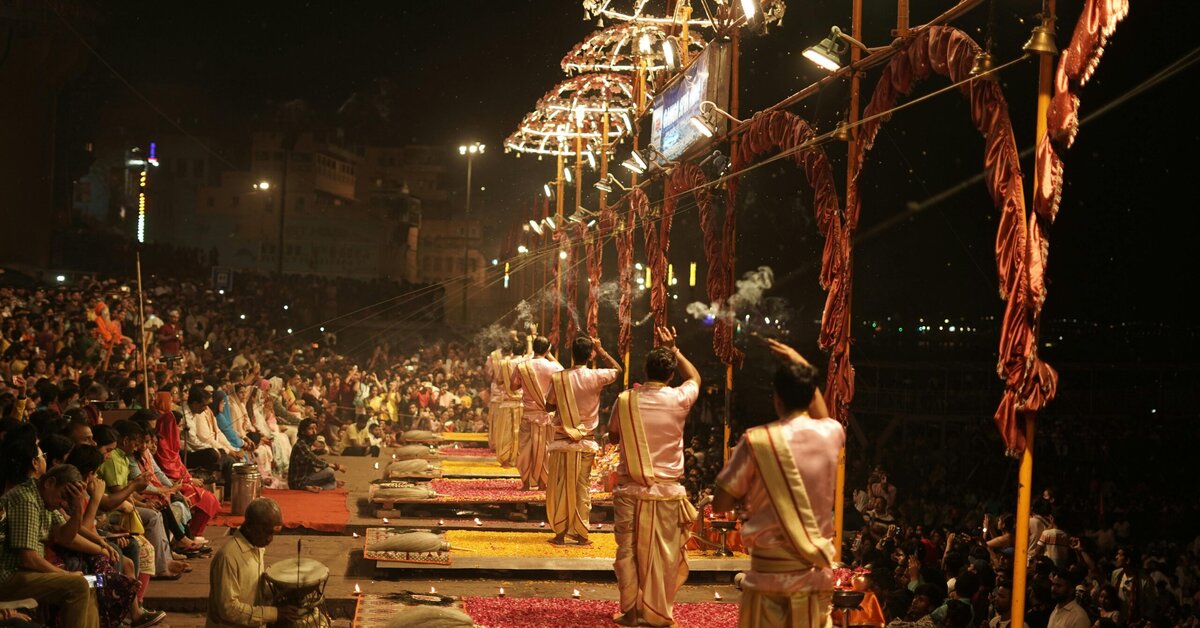
Imagine your children witnessing the magnificent Ganga Aarti alongside their grandparents, or the entire family seeking blessings at the birthplace of Lord Ram in Ayodhya. A family pilgrimage tour from Varanasi isn’t just about visiting temples; it’s about creating sacred memories, passing down traditions, and strengthening the bonds that hold families together across time and distance.
Varanasi holds unparalleled spiritual significance in Hinduism. It’s believed that dying here grants moksha, and bathing in the Ganges washes away sins. Starting your pilgrimage from this sacred city sets the perfect spiritual tone for your family’s journey. The energy of the ancient ghats, the devotion visible in every ritual, and the timeless atmosphere create an environment where even skeptical teenagers and restless children feel something profound.
Varanasi serves as an ideal starting point due to its excellent connectivity. The Lal Bahadur Shastri International Airport connects to major Indian cities, while Varanasi Junction is one of India’s busiest railway stations. From here, major pilgrimage destinations like Ayodhya, Prayagraj, Gaya, and Vindhyachal are within easy reach by road or rail. This accessibility makes planning family tours logistically simpler and less exhausting for children and elderly family members.
Beyond its spiritual significance, Varanasi offers rich cultural experiences that engage family members of all ages. The narrow lanes filled with silk shops, the aroma of street food, the classical music performances, and the vibrant energy make Varanasi itself an attraction. Children learn about Indian culture not from textbooks but through lived experience, making the journey educational as well as spiritual.
Located approximately 200 kilometers from Varanasi, Ayodhya holds immense significance as Lord Ram’s birthplace. The newly constructed Ram Janmabhoomi Temple, Hanuman Garhi, and the ghats along the Sarayu River offer families a chance to connect with the Ramayana’s stories. Children who have heard tales of Ram, Sita, and Hanuman come alive as they visit the actual places where these legends unfolded. The peaceful atmosphere and family-friendly facilities make Ayodhya perfect for multi-generational tours.
About 120 kilometers from Varanasi, Prayagraj (formerly Allahabad) is where three sacred rivers—Ganga, Yamuna, and the mythical Saraswati—converge at the Triveni Sangam. Taking a boat ride to the confluence point and performing rituals together creates powerful family memories. The Allahabad Fort and Anand Bhawan (the Nehru family home) add historical dimensions that interest older children and teenagers. Prayagraj hosts the Kumbh Mela, the world’s largest religious gathering, making it especially auspicious for family pilgrimages.
Gaya, approximately 250 kilometers from Varanasi, holds profound importance for both Hindus and Buddhists. Hindu families visit to perform Pind Daan rituals for ancestors at the Vishnupad Temple. Nearby Bodhgaya, where Buddha attained enlightenment under the Bodhi Tree, offers a peaceful, contemplative atmosphere. The Mahabodhi Temple complex fascinates children with its architecture and the international Buddhist community’s presence. This destination beautifully demonstrates India’s religious diversity and tolerance.
Just 70 kilometers from Varanasi, Vindhyachal is one of the Shakti Peethas dedicated to Goddess Durga. The main temple, along with Ashtabhuja and Kali Khoh temples, forms a sacred triangle. The relatively short distance makes Vindhyachal perfect for day trips or overnight family excursions. The goddess’s powerful energy particularly appeals to families seeking maternal divine blessings for their children’s wellbeing and future.
Approximately 250 kilometers from Varanasi, Chitrakoot is where Lord Ram, Sita, and Lakshman spent eleven and a half years of their fourteen-year exile. The natural beauty of waterfalls, hills, and forests combined with numerous temples creates an environment that children find adventurous and adults find spiritually uplifting. Ram Ghat, Kamadgiri, and Bharat Milap Temple tell the Ramayana story through physical locations, making scriptures tangible for young minds.
Modern life often scatters families across different cities or countries. A pilgrimage tour brings everyone together with a shared purpose beyond daily routines. Traveling together, facing challenges, sharing accommodations, and participating in rituals creates intimacy that video calls cannot replicate. Grandparents share wisdom, parents guide experiences, and children add joy—everyone contributes to the journey’s success.
Children growing up in urban environments or abroad often feel disconnected from their cultural roots. Pilgrimage tours provide experiential education about Hindu traditions, scriptures, and values. When children witness thousands performing aarti together or hear temple bells echo across ancient cities, these experiences shape their identity more effectively than any classroom lesson. They return with stories, understanding, and pride in their heritage.
Years later, families remember not just individual vacations but particularly meaningful journeys. A pilgrimage tour creates stories that get retold at family gatherings—the time when it rained during the boat ride, the delicious prasad at that temple, the silly photo everyone took together. These shared memories become part of family lore, strengthening identity across generations.
Pilgrimage tours uniquely accommodate multiple generations’ spiritual needs. Grandparents fulfill long-held wishes to visit sacred sites, parents seek blessings for their children’s futures, and even young children participate meaningfully in simple rituals. Everyone returns spiritually enriched according to their understanding and capacity, making the journey valuable for ages six to eighty-six.
Consider your family’s composition when selecting destinations. Families with very young children or elderly members might limit the tour to nearby destinations like Vindhyachal and Prayagraj. Families with teenagers and active grandparents can manage longer circuits including Ayodhya, Gaya, and Chitrakoot. Discuss interests—some families prioritize Ramayana sites, others focus on Shiva temples or Shakti Peethas. Customization ensures everyone finds meaning in the journey.
A minimum of five to seven days allows comfortable exploration of Varanasi plus two or three additional destinations without exhausting family members. Longer tours of ten to twelve days can cover more sites at a relaxed pace. Build in rest days, especially when traveling with children or elderly relatives. Avoid packing too many temples into single days—quality experiences matter more than quantity.
Choose family-friendly hotels or dharamshalas offering interconnected rooms or family suites. Properties with restaurants serving familiar food, clean bathrooms, and perhaps a small play area for children make everyone more comfortable. Near major pilgrimage sites, many hotels cater specifically to families, understanding the need for early checkouts for temple visits and late dinners after evening aartis.
Private cabs or tempo travelers work best for family groups, offering flexibility to stop for breaks, photo opportunities, or sudden bathroom needs that children inevitably have. Air-conditioned vehicles keep everyone comfortable during longer journeys. Some families prefer train travel for the experience, especially on shorter segments. Discuss preferences and balance authenticity with comfort based on your family’s tolerance levels.
Begin your pilgrimage in Varanasi itself. On day one, take an early morning boat ride on the Ganges, witnessing sunrise and the ghats’ spiritual activities. After breakfast and rest, visit Kashi Vishwanath Temple during quieter afternoon hours. Evening brings the spectacular Ganga Aarti at Dashashwamedh Ghat. Day two includes a trip to Sarnath, the Buddhist site, followed by exploring Varanasi’s markets where children enjoy shopping for toys and sweets while adults browse silk and religious items.
Depart after breakfast for Ayodhya, a four-hour journey. Check into your hotel and rest before visiting Ram Janmabhoomi Temple in the late afternoon. The evening can be spent at the peaceful Sarayu River ghats, where children enjoy feeding fish and the family participates in evening aarti together.
After morning darshan at Hanuman Garhi, travel to Prayagraj. Upon arrival, take a boat to Triveni Sangam for holy baths and rituals. The unique sight of differently colored waters merging fascinates children. Evening visit to Allahabad Fort before returning to your hotel.
Journey to Gaya for performing ancestral rituals at Vishnupad Temple. Families not performing Pind Daan can still visit for blessings. Day six is dedicated to Bodhgaya’s Mahabodhi Temple complex. The peaceful atmosphere, international Buddhist monks, and beautiful architecture create a contemplative experience. Children enjoy the temple’s tree-lined paths and the meditation sessions suited for families.
Return to Varanasi, with flexibility for one final evening Ganga Aarti or shopping for souvenirs before departure the next day. This allows the journey to come full circle, ending where it began.
Balance temple visits with activities children enjoy—boat rides, feeding animals at ghats, trying local sweets, and buying small toys or souvenirs. Explain stories behind temples in age-appropriate language, turning visits into treasure hunts or storytelling sessions. Allow breaks for play, carry favorite snacks, and don’t force participation in every ritual. Children remember the journey fondly when they felt included rather than dragged along. Consider their attention spans when planning daily activities.
Comprehensive family packages typically include transportation throughout the tour in appropriate vehicles for your group size, accommodation in family-friendly hotels with breakfast, assistance with major temple visits and rituals, and a knowledgeable guide who can engage all age groups. Some packages include certain meals beyond breakfast, especially during travel days. Entrance fees to monuments, special darshan arrangements at busy temples, and boat rides are often included. Confirm inclusions when booking to avoid surprises.
The ideal period for family pilgrimage tours from Varanasi is October through March, with November through February being optimal. Pleasant temperatures make outdoor activities comfortable for children and elderly family members. School winter breaks (December-January) see many families undertaking these tours, creating a community atmosphere at pilgrimage sites. Avoid summer months when heat becomes unbearable for young children, and monsoon season when travel can be disrupted and sites become slippery.
Pack appropriately—comfortable clothes, walking shoes, and modest attire for temples. Carry medications, first-aid supplies, and any special items children need. Maintain flexibility; rigid schedules stress families. Stay hydrated and eat at clean, recommended restaurants. Assign age-appropriate responsibilities—teenagers can help with navigation, children can carry small bags. Document the journey with photos and videos, but balance recording with experiencing. Discuss each day’s significance during meals, making the pilgrimage both physical and educational. Most importantly, practice patience; traveling with family requires compromise and understanding.
Research tour operators specializing in family travel and pilgrimage tours. Read reviews from other families, paying attention to comments about child-friendliness and flexibility. Contact operators directly to discuss your family’s specific needs—dietary restrictions, accessibility requirements, or special rituals you want to perform. Request detailed itineraries with timing and distances. Clarify what’s included and excluded. Book well in advance, especially for peak seasons. Consider operators offering customization rather than rigid packages. Verify cancellation policies in case illness or emergencies force schedule changes. A reputable operator will answer all questions and adjust plans to suit your family’s unique composition and needs.
A family pilgrimage tour from Varanasi offers something increasingly rare in modern life—an opportunity for multiple generations to journey together toward shared spiritual goals. As your family visits ancient temples, performs sacred rituals, and experiences India’s rich religious heritage firsthand, you’re not just sightseeing; you’re participating in traditions that have sustained millions across millennia. Children gain understanding of their cultural roots, parents find meaning beyond daily routines, and grandparents fulfill lifelong spiritual aspirations. The memories created—of boat rides on the Ganges at sunrise, of standing together at the birthplace of Lord Ram, of seeking blessings for each other’s wellbeing—become precious family treasures that outlast any material possession.
In an age when families often struggle to find common ground, a pilgrimage tour provides sacred space where faith, love, and heritage converge. Start planning your family’s spiritual journey from Varanasi today, and discover how traveling together to holy places brings families closer in ways that endure long after the journey ends.
Children as young as five or six can meaningfully participate in family pilgrimage tours, though the experience works for all ages with appropriate planning. Younger children (5-10) enjoy the adventure, boat rides, and stories but have shorter attention spans. Preteens and teenagers (11-18) can understand deeper spiritual significance and often find the cultural experience enriching. Many families successfully include toddlers (2-4), though this requires more flexibility and patience. The key is adjusting expectations and activities to suit your children’s ages, interests, and temperaments rather than forcing uniform participation.
Costs vary significantly based on group size, duration, accommodation level, and destinations covered. A basic 5-7 day tour for a family of four covering Varanasi, Ayodhya, and Prayagraj might cost ₹40,000-₹60,000, including mid-range hotels and private transportation. Premium packages with luxury accommodation can exceed ₹1,00,000. Budget-conscious families using economy hotels and shared transport might manage around ₹25,000-₹35,000. Costs typically include transportation, accommodation, breakfast, and guide services, but exclude lunches, dinners, entrance fees, special darshans, and ritual expenses. Request detailed quotations from multiple operators to compare value.
Absolutely! Many families specifically plan pilgrimage tours to fulfill elderly relatives’ spiritual wishes. Choose itineraries that balance important sites with rest periods, select accommodations with elevators or ground-floor rooms, and ensure vehicles are comfortable with easy entry and exit. Some destinations like Ayodhya and Vindhyachal are more accessible than others. Communicate any mobility limitations when booking so operators can adjust the pace and provide necessary assistance. Many families find that well-planned pilgrimage tours become precious multi-generational memories, especially when elderly members share their knowledge and devotion with younger generations.
Reputable tour operators maintain relationships with local doctors and hospitals at major pilgrimage destinations. Carry a basic first-aid kit with fever reducers, anti-diarrheal medication, bandages, and any prescription medicines your family needs. Keep your tour operator informed if a child feels unwell—they can arrange doctor visits to your hotel or transport to clinics if necessary. Many common travel illnesses (upset stomach, fever, colds) respond to rest and basic care. Travel insurance covering medical emergencies provides additional peace of mind. Don’t hesitate to adjust your itinerary, skipping planned activities to allow sick children proper rest and recovery.
Yes, most tour operators offer customization, especially for family groups. Whether you want to perform specific pujas, visit particular temples not in standard itineraries, or spend extra time at certain destinations, communicate these desires when booking. Some families prioritize Ramayana-related sites, others focus on Shakti Peethas or Shiva temples. You might want to include ancestral ritual performances at Gaya or special blessings ceremonies for children. Customization may affect pricing, but it ensures your family’s pilgrimage aligns with your spiritual goals and traditions. The best operators view themselves as facilitators of your family’s unique spiritual journey rather than rigid package sellers.