Your cart is currently empty!
You may check out all the available trips and book one that suits you.
Continue Browsing Trips
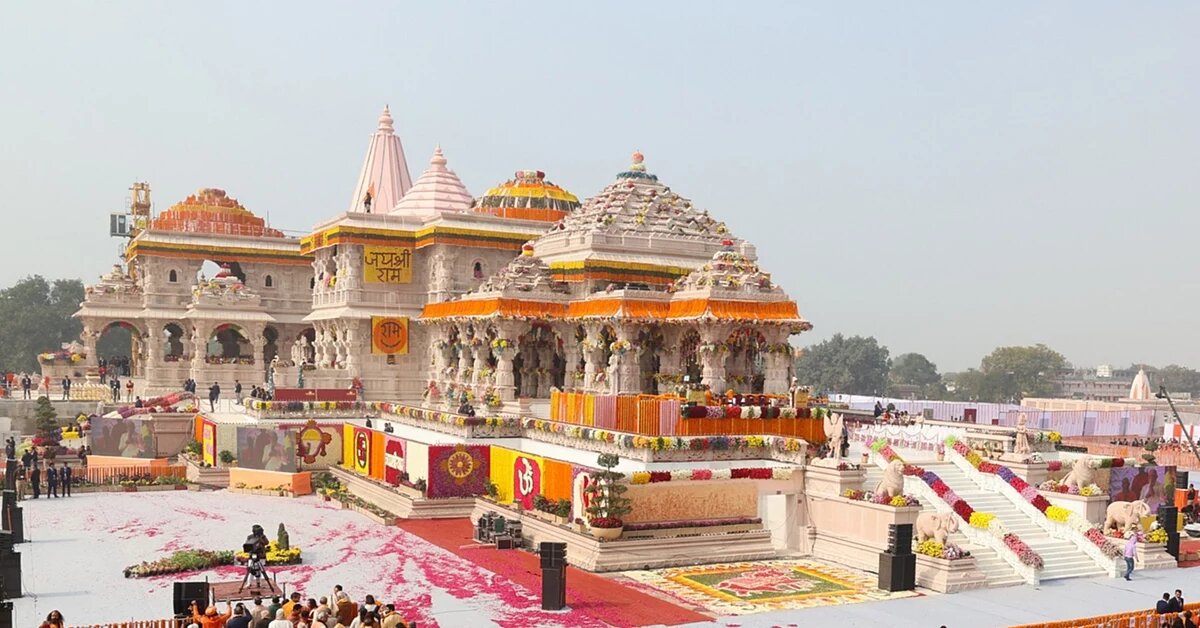
Ayodhya Temple Tour for Senior Citizens , Have you spent decades hearing about Lord Ram’s birthplace, imagining the sacred Saryu River, and dreaming of darshan at Ayodhya’s ancient temples? For countless senior citizens, visiting Ayodhya represents the culmination of a lifetime of devotion—a spiritual journey deferred through years of family responsibilities, professional commitments, and the simple business of life. Now, in your golden years, this pilgrimage calls stronger than ever. But how do you make it happen when knees aren’t as cooperative, stamina isn’t what it once was, and comfort matters more than adventure? Let’s explore how seniors can experience Ayodhya’s spiritual magnificence fully, safely, and comfortably.
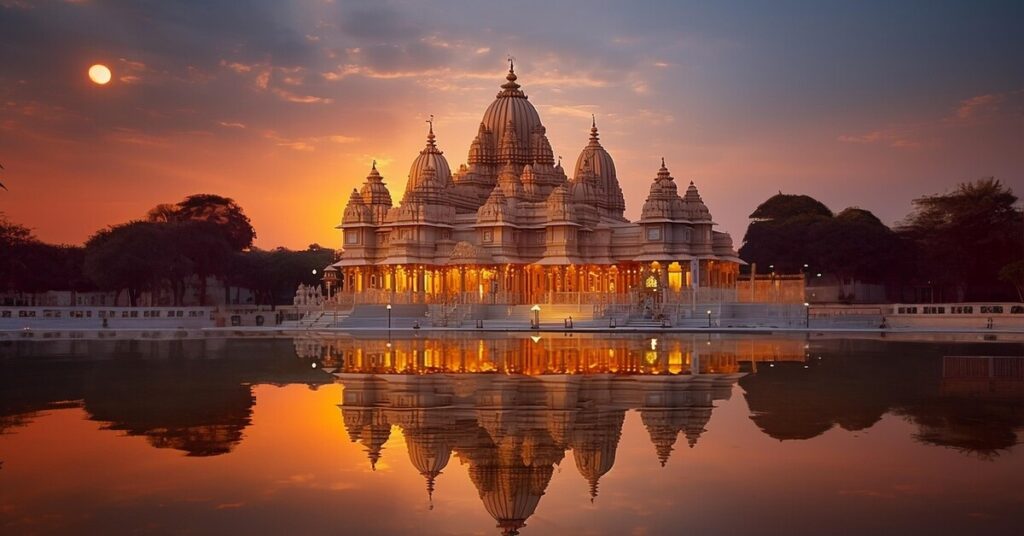
Ayodhya Temple Tour for Senior Citizens ,For many seniors, Ayodhya has lived in imagination since childhood—stories of Lord Ram heard from grandparents, Ramayana recitations during festivals, and pictures in prayer rooms showing Ram’s birthplace. After decades of postponing this pilgrimage while raising children and building careers, retirement finally opens the window. This journey represents more than tourism; it’s completing a spiritual promise made to yourself and perhaps to departed elders who instilled this devotion.
There’s profound emotional satisfaction in standing at Ram Janmabhoomi after imagining it for sixty or seventy years. Tears flow not from physical pain but from the overwhelming fulfillment of finally being present at the birthplace of the deity you’ve worshipped throughout life’s ups and downs. This darshan validates decades of faith and provides spiritual closure that enriches your remaining years.
Ayodhya Temple Tour for Senior Citizens , Senior citizens often carry deeper cultural knowledge and appreciation than younger generations. You’ve lived through traditional joint families, participated in elaborate festival celebrations, and maintained religious practices across decades. Visiting Ayodhya connects you with the living source of stories, values, and traditions that shaped your entire worldview.
Ayodhya Temple Tour for Senior Citizens ,When you see Hanuman Garhi, you’re not just viewing architecture—you’re witnessing the physical manifestation of bhakti you’ve practiced. When you bathe at Saryu’s ghats, you’re following rituals performed by countless generations before you. This isn’t casual sightseeing; it’s pilgrimage in its truest sense, undertaken by those with the maturity to fully appreciate its spiritual significance.
Let’s be practical—many seniors face mobility challenges. Arthritis limits walking distances. Climbing stairs becomes difficult or impossible. Standing for extended periods causes discomfort. These aren’t failures; they’re realities that smart planning accommodates. Understanding your limitations honestly allows you to design a tour that works with your body rather than against it.
Some Ayodhya temples involve steps—Hanuman Garhi notably requires climbing 76 steps. But many significant temples are accessible on flat ground. Ram Janmabhoomi has been developed with accessibility considerations including ramps and assistance for differently-abled pilgrims. Knowing which sites are accessible and which require special arrangements lets you prioritize realistically.
Seniors typically need more frequent rest breaks than younger travelers. Bathroom access becomes more urgent and frequent. Temperature extremes—both heat and cold—are harder to tolerate. Continuous activity without adequate rest leads to exhaustion that can spoil the entire experience or even cause health problems.
Acknowledging these needs isn’t weakness—it’s wisdom. Planning shorter activity periods with adequate rest, staying in comfortable accommodations near temples, and having flexible itineraries that allow spontaneous breaks ensures you complete the pilgrimage feeling blessed rather than exhausted. Quality of spiritual experience matters far more than quantity of temples checked off a list.
October through February offers the most comfortable weather for senior pilgrims visiting Ayodhya. Temperatures remain pleasant (15-25°C), avoiding the punishing heat of April-June that can be dangerous for seniors. However, December-January nights get cold (5-10°C), requiring warm clothing especially for morning darshan.
Avoid peak summer when temperatures exceed 40°C—heat exhaustion and dehydration risks increase significantly for elderly pilgrims. Monsoon season (July-September) brings humidity and slippery surfaces hazardous for those with balance concerns. The ideal window is November or February when weather is mild and festival crowds are moderate.
For seniors, a 2-3 day Ayodhya visit works better than rushed single-day tours or extended week-long stays. This duration allows covering major temples without exhausting schedules while providing rest days if needed. A typical senior-friendly plan might involve: Day 1 arrival and one temple visit, Day 2 main temple circuit with afternoon rest, and Day 3 optional temples before departure.
Schedule only one significant activity per half-day—morning temple visit, then lunch and rest. Afternoon temple visit, then early dinner and rest. This pacing prevents the cumulative fatigue that ruins trips when seniors try matching younger travelers’ schedules. Remember, you’re not racing—you’re savoring.
Focus on temples offering maximum spiritual significance with minimum physical challenge. Ram Janmabhoomi tops the list—it’s accessible, and special assistance is available for seniors and differently-abled pilgrims. Kanak Bhawan is largely accessible on flat ground with beautiful architecture and spiritual significance. Nageshwarnath Temple, one of Ayodhya’s oldest, is accessible and usually less crowded than major tourist temples.
These three temples provide comprehensive spiritual fulfillment covering Ram’s birthplace, Sita’s palace, and Shiva worship. If your mobility allows more, add others. If not, these essential three suffice beautifully. Quality of darshan—the prayers you offer, the devotion you feel—matters infinitely more than the number of temples visited.
For temples with accessibility challenges, consider alternatives. Hanuman Garhi’s 76 steps pose problems for many seniors. However, you can view the temple from the base, offer prayers there, and experience the devotional atmosphere without climbing. Some elderly pilgrims arrange for younger family members to climb and bring prasad down—you participate spiritually even if not physically.
Similarly, some ghats along the Saryu River have steep access. Find sections with easier approaches or view the river from accessible vantage points. The spiritual merit comes from devotion, not from physical feats. Ram recognizes and honors the prayers of elderly devotees who worship within their capabilities.
Book vehicles with easy entry and comfortable seating—SUVs like Toyota Innova work better than compact cars for seniors, offering higher seats easier to get in and out of, better suspension for comfort, and more space for legs and belongings. Ensure your driver understands you need frequent stops for rest and bathroom breaks without embarrassment or pressure.
For significantly limited mobility, consider vehicles with wheelchair accessibility or arrange for wheelchairs at major temples. Many temples now provide wheelchairs free or for nominal charges. Your tour operator or hotel can arrange these services in advance.
Prioritize hotels with elevators or ground floor rooms—climbing hotel stairs after a day of temple visits shouldn’t be necessary. Choose properties with attached bathrooms (no shared facilities), hot water availability (crucial for morning baths and muscle relaxation), and proximity to temples (minimizing travel fatigue).
Hotels with on-site dining eliminate the need to go out for every meal. Properties accustomed to pilgrims often provide early breakfast for those wanting morning darshan and can arrange simple, digestible food suitable for senior dietary needs. Don’t hesitate to communicate specific requirements—extra pillows, firm mattresses, night lights—good hotels accommodate these requests willingly.
Carry adequate supplies of regular medications plus extras in case of delayed returns. Bring a written list of current medications, known allergies, and emergency contacts. Pack a basic first-aid kit with band-aids, pain relievers, antacids, anti-diarrheal medication, and any personal medical devices (glucose monitors, blood pressure cuffs, inhalers).
Stay hydrated but be mindful—drink plenty of water during activity but moderate intake before temple visits where bathroom access may be limited. Eat familiar, easily digestible foods rather than experimenting with new cuisines that might upset your system. Take prescribed medications on schedule even if routines are disrupted by travel.
Research nearby hospitals and clinics in Ayodhya before arrival. Keep their addresses and phone numbers readily accessible. Inform your hotel about any medical conditions requiring attention so they can assist in emergencies. If traveling alone, register with a friend or family member who expects daily check-ins.
Consider travel insurance covering medical emergencies—costs are modest, and peace of mind is invaluable. If you have significant health concerns, consult your doctor before traveling and consider traveling with a companion who can assist if problems arise. Being prepared doesn’t reflect pessimism; it reflects wisdom that allows you to undertake pilgrimage confidently.
Many Ayodhya temples offer special services for senior citizens and differently-abled visitors. At Ram Janmabhoomi, inform security personnel about mobility limitations—they often provide priority access or wheelchair assistance. Some temples have separate queues for seniors, pregnant women, and differently-abled visitors, significantly reducing waiting time.
VIP darshan services, while carrying fees (₹100-500 typically), provide faster access, dedicated assistance, and sometimes seating areas—worthwhile investments for seniors who shouldn’t stand in long queues. Don’t feel guilty using these services; they exist precisely for people in your situation. Your pilgrimage comfort and safety justify these modest expenses.
If you’re accompanying an elderly parent or relative, practice patience and attentiveness. Match their pace without rushing—your goal is helping them fulfill their spiritual dream, not completing a checklist. Watch for signs of fatigue, dehydration, or discomfort even if they don’t complain—many seniors push beyond healthy limits not wanting to “burden” others.
Offer assistance naturally without being patronizing. Many seniors appreciate a supportive arm while walking but resent being treated as helpless. Respect their independence while providing safety. Carry their essentials in your bag so they walk unencumbered. Take photos and videos they can revisit later—these may be once-in-a-lifetime memories deserving documentation.
Most importantly, don’t treat this as just logistics—recognize the profound emotional and spiritual significance this pilgrimage holds for them. Your patience, care, and facilitation of their spiritual dreams creates memories you’ll treasure long after they’re gone.
An Ayodhya temple tour for senior citizens represents far more than elderly tourism—it’s the culmination of lifelong devotion, a sacred promise fulfilled, and often one of the final major spiritual journeys of earthly life. With thoughtful planning, realistic pacing, appropriate assistance, and deep respect for physical limitations, seniors can experience Ayodhya’s spiritual magnificence fully and safely.
Age brings not weakness but wisdom, not limitation but focus. You no longer need to see everything—you’re wise enough to prioritize what matters spiritually. You move slower but feel deeper. You may visit fewer temples, but your prayers carry the weight of decades of faith. As you stand before Ram Janmabhoomi or bathe at Saryu’s ghats, you’re not just a tourist visiting a destination—you’re a devotee completing a sacred circle begun in childhood, blessed by the divine whose presence you’ve honored throughout your entire life.
Accessibility varies by temple. Ram Janmabhoomi has been developed with ramps, wheelchair access, and dedicated assistance for differently-abled and elderly visitors—wheelchairs are available on request. Kanak Bhawan and Nageshwarnath Temple have largely flat access. However, Hanuman Garhi requires climbing 76 steps with no elevator or ramp—severely mobility-limited seniors should skip or view from the base. When booking tours, explicitly discuss mobility limitations so operators can arrange wheelchair rentals, porter assistance, and prioritize accessible temples. Many temples now recognize accessibility needs and provide accommodations.
Ayodhya has several hospitals and clinics including District Hospital Ayodhya, private hospitals, and numerous pharmacies. Major hotels can summon doctors for room visits if needed. However, specialized cardiac care or advanced medical facilities may require transfer to Lucknow (130 km away). Carry complete medical records, current medications, and emergency contacts. Travelers with serious health conditions should inform hotels about their situation and identify nearest hospitals upon arrival. Travel insurance covering medical emergencies is strongly recommended for senior pilgrims, especially those with chronic conditions.
Yes, several options exist. Professional tour operators offer packages including dedicated attendants who assist with walking, carrying belongings, and managing logistics throughout the pilgrimage. Local agencies provide trained caretakers by the day (₹800-₹1,500 daily) who accompany seniors, offer physical support, and handle practical tasks. Some senior-focused tour companies specialize in elderly pilgrimage assistance. Hotels can also recommend reliable local helpers. When hiring privately, use reputable agencies rather than informal arrangements to ensure accountability, and clearly discuss duties, compensation, and expectations beforehand.
Prioritize hotels offering ground-floor rooms or functional elevators, attached bathrooms with hot water, proximity to major temples (reducing travel fatigue), on-site dining (eliminating need for restaurant outings), and experience hosting elderly pilgrims. Mid-range hotels near Civil Lines or Ram Path areas work well, offering ₹1,500-₹3,000 rooms with appropriate amenities. Premium options (₹3,000-₹6,000) provide superior comfort, better service, and sometimes medical assistance on call. Avoid budget properties in congested areas with poor accessibility. Book hotels allowing flexible check-in/out to accommodate senior schedules and rest needs.
Most temples have resident priests (pandas) who perform rituals on visitors’ behalf for dakshina (donation, typically ₹100-500). You don’t need to know Sanskrit mantras or complex procedures—priests handle everything. Simply express your desire to perform puja, and they guide you step-by-step through simple participation—offering flowers, lighting diyas, touching feet of deities. If mobility prevents kneeling or bending, priests accommodate standing worship. Tour guides or hotel staff can help locate reputable priests. Don’t feel pressure for elaborate expensive rituals—simple heartfelt prayers have equal spiritual merit. The divine recognizes sincerity of devotion, not complexity of ritual.