Your cart is currently empty!
You may check out all the available trips and book one that suits you.
Continue Browsing Trips
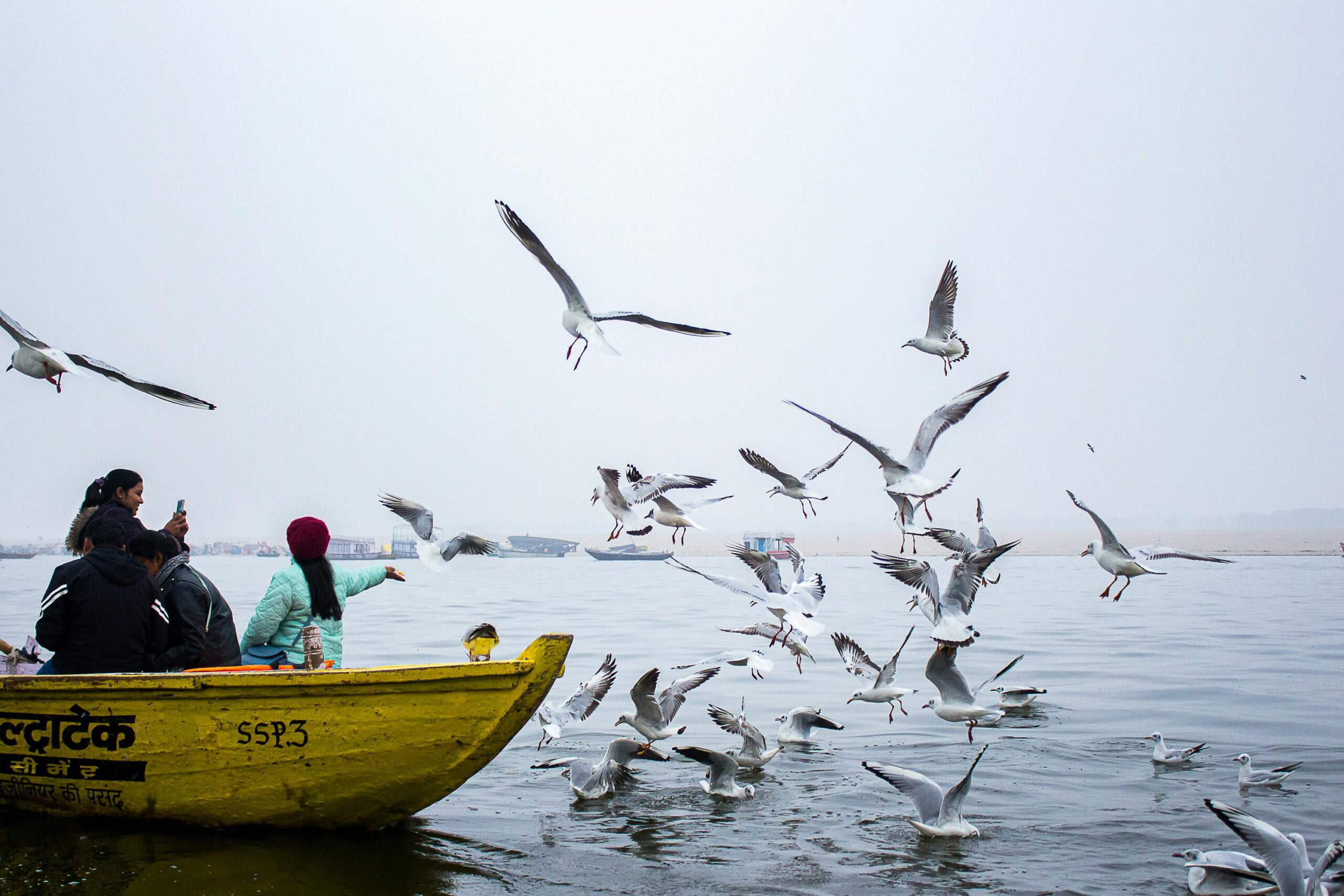
Best Religious Destinations in India for Office Tour , Corporate tours to religious destinations represent an evolving trend in Indian workplace culture, blending team bonding, cultural education, and spiritual rejuvenation. These thoughtfully planned excursions offer corporate teams opportunities to step outside routine work environments, experience India’s extraordinary spiritual heritage, and build meaningful connections through shared cultural immersion. Unlike purely recreational outings or conventional team-building exercises, religious destination tours provide depth, perspective, and contemplative spaces that foster both individual renewal and collective bonding. This comprehensive guide explores India’s premier religious destinations suitable for corporate groups, evaluating them based on accessibility, infrastructure, experience diversity, and team-building potential.
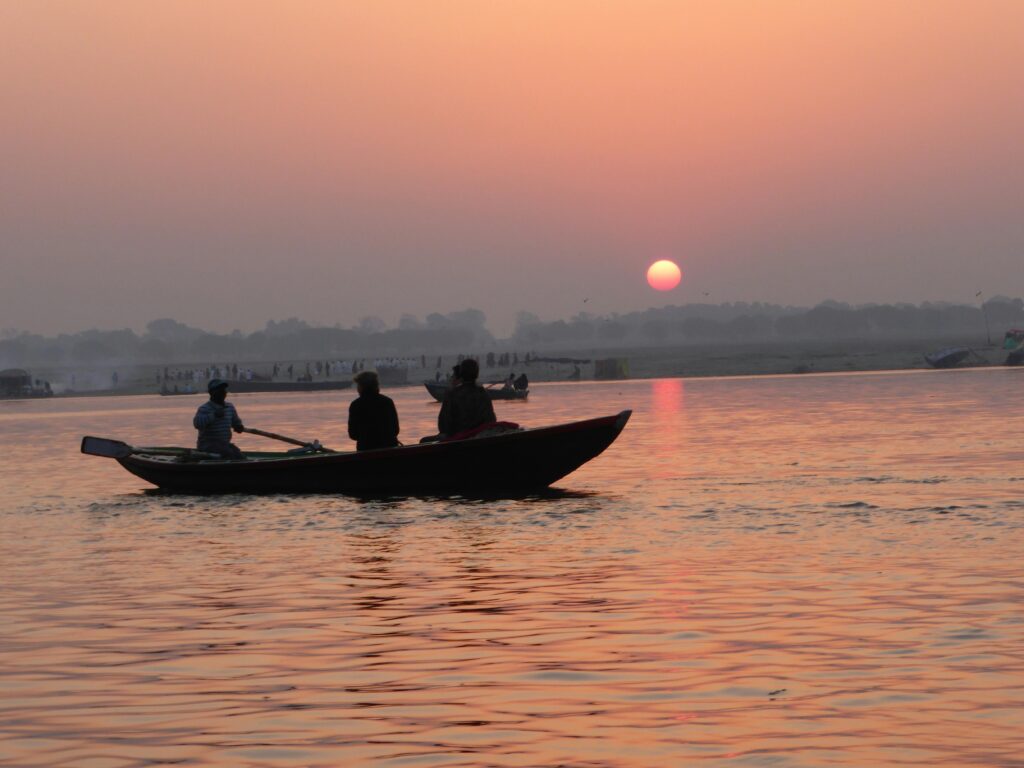
Why It Works for Corporate Teams: Varanasi stands unrivaled for profound spiritual atmosphere combined with practical logistics supporting corporate groups. The city’s ancient ghats, spectacular evening Ganga Aarti, sunrise boat rides, and millennia-old temples create transformative experiences that teams collectively process, building bonds through shared encounter with the extraordinary. The compact geography concentrates major sites within manageable areas, while excellent railway and air connectivity from major metros enables convenient access.
Key Experiences: Sunrise boat rides along the Ganges provide tranquil shared experiences before daily routines begin. Evening Ganga Aarti ceremonies at Dashashwamedh Ghat offer spectacular synchronized worship rituals creating memorable collective moments. Temple circuits covering Varanasi Kashi Vishwanath, Sankat Mochan, and Durga Temple provide cultural education while walking through atmospheric ancient lanes builds camaraderie. Sarnath day trips introduce Buddhist heritage and peaceful meditation opportunities. Optional yoga sessions, silk weaving workshops, and cultural performances add activity diversity.
Practical Considerations: Abundant accommodation from budget to luxury hotels supports various corporate budgets. Professional tour operators experienced with corporate groups ensure smooth logistics. The city handles 3-5 day programs comfortably without overwhelming teams. However, Varanasi’s intensity—sensory overload, visible poverty, confrontation with death at cremation ghats—requires appropriate pre-trip briefings preparing teams for cultural immersion depth.
Best Duration: 2-3 days provide meaningful immersion without excessive time away from operations, capturing essential experiences while maintaining sustainable pacing.
Why It Works for Corporate Teams: Rishikesh combines spiritual significance with wellness focus, perfectly aligning with contemporary corporate wellness initiatives. The Himalayan foothills setting provides stunning natural beauty alongside spiritual infrastructure, creating environments conducive to both active adventure and contemplative reflection. The town’s international yoga and meditation center reputation ensures quality instructors and programs suitable for beginners.
Key Experiences: Daily yoga and meditation sessions introduce accessible contemplative practices teams can continue post-trip. White-water rafting on the Ganges offers thrilling team bonding through shared adventure. Evening Ganga Aarti at Parmarth Niketan or Triveni Ghat provides beautiful spiritual ceremonies in peaceful settings. Temple visits to Neelkanth Mahadev or Beatles Ashram combine spirituality with cultural history. Suspension bridge walks across the Ganges and scenic treks to nearby waterfalls add recreational variety.
Practical Considerations: Rishikesh excels at accommodating wellness-focused corporate retreats with numerous ashrams and hotels offering dedicated yoga halls, healthy vegetarian cuisine, and peaceful environments. The altitude (340m) requires no acclimatization, and pleasant weather most of the year supports outdoor activities. Alcohol prohibition and predominantly vegetarian food culture align with spiritual atmosphere but require team awareness.
Best Duration: 3-4 days allow adequate time for wellness practices, adventure activities, and cultural exploration without feeling rushed.
Why It Works for Corporate Teams: The Golden Temple (Harmandir Sahib) offers one of India’s most spiritually uplifting and architecturally magnificent experiences. Sikhism’s emphasis on equality, service, and community creates welcoming atmospheres where corporate teams can participate in langar (community kitchen) service projects, fostering humility and collective purpose. The destination combines deep spirituality with patriotic historical sites and vibrant Punjabi culture.
Key Experiences: Golden Temple visits at dawn or evening when lighting creates magical ambiance provide profound spiritual experiences. Participating in langar preparation and serving thousands of daily meals delivers powerful lessons about service and equality. Wagah Border ceremony offers patriotic team bonding through shared witnessing of India-Pakistan border closing ceremony spectacle. Jallianwala Bagh memorial provides sobering historical education about India’s freedom struggle. Punjabi cuisine and cultural performances add celebratory elements.
Practical Considerations: Excellent air and rail connectivity from major cities. Compact geography enables comfortable exploration within 2-3 days. Amritsar’s warm hospitality and Sikh tradition of service create genuinely welcoming environments for diverse teams. The city handles large groups efficiently given its pilgrimage infrastructure. However, the Wagah Border ceremony involves significant crowds and nationalistic fervor that may overwhelm some participants.
Best Duration: 2 days suffice for core experiences, though 3 days allow more relaxed pacing and deeper cultural immersion.
Why It Works for Corporate Teams: Tirupati’s Venkateswara Temple represents South India’s most visited pilgrimage site, offering teams shared challenge of hilltop temple ascent (either by stairs or transport) and collective darshan experience at one of Hinduism’s wealthiest and most significant temples. The destination combines spiritual grandeur with natural beauty and efficient temple administration.
Key Experiences: Temple darshan at Sri Venkateswara Temple provides central spiritual experience, manageable through VIP darshan arrangements avoiding extreme general queue wait times. Optional climbing of 3,550 steps from Alipiri creates team bonding through shared physical challenge (or comfortable bus transport accommodates all fitness levels). Akasha Ganga waterfalls, deer park, and botanical gardens offer relaxing diversions. TTD (Tirumala Tirupati Devasthanams) museums and cultural centers provide educational components.
Practical Considerations: Strong infrastructure supports pilgrims including numerous hotels at various price points and efficient transportation systems. However, massive crowds (50,000-100,000 daily visitors) can overwhelm teams unaccustomed to dense pilgrimage conditions. VIP darshan arrangements become essential for corporate groups. Strict dress codes and traditional protocols require clear pre-trip communication. The destination works well for South Indian corporate teams but requires more cultural orientation for those unfamiliar with South Indian temple traditions.
Best Duration: 2 days—one for ascent and temple darshan, one for secondary sites and descent—provide adequate experience.
Why It Works for Corporate Teams: This Himalayan destination offers unique combination of Tibetan Buddhist culture, stunning mountain scenery, and wellness opportunities. The Dalai Lama’s residence creates international spiritual significance, while the relaxed expatriate-friendly atmosphere accommodates diverse comfort levels. The focus on meditation, compassion, and mindfulness aligns perfectly with contemporary corporate wellness initiatives.
Key Experiences: Visits to Tsuglagkhang Complex (Dalai Lama’s temple) and Namgyal Monastery provide introduction to Tibetan Buddhism. Meditation and mindfulness workshops taught by experienced Buddhist practitioners offer practical stress management tools. Scenic treks through pine forests to Bhagsu Waterfall or Triund create nature-based bonding. Tibetan Institute of Performing Arts cultural performances and Museum of Kangra Art add cultural education. The cosmopolitan café culture and international cuisine accommodate diverse dietary preferences.
Practical Considerations: The destination’s relaxed, less intense atmosphere compared to traditional Indian pilgrimage sites suits teams wanting spiritual elements without overwhelming immersion. Good infrastructure with hotels ranging from backpacker hostels to boutique properties. However, relatively remote location (nearest airport Dharamshala/Gaggal, 15km, with limited flights; alternatively Chandigarh airport 250km) complicates access. Altitude (1,457m) is generally comfortable but worth noting for health considerations.
Best Duration: 3-4 days allow adequate time for cultural experiences, wellness activities, and nature exploration without feeling rushed.
Why It Works for Corporate Teams: This Rajasthan combination offers Islamic and Hindu spiritual sites within 15 kilometers, enabling multicultural team experiences respecting India’s religious diversity. Ajmer’s Dargah Sharif (Sufi shrine) and Pushkar’s Brahma Temple and sacred lake create contrasting spiritual atmospheres, while Rajasthan’s cultural richness adds color and vibrancy.
Key Experiences: Ajmer Sharif Dargah visits provide exposure to Sufi Islamic traditions emphasizing universal love and devotion, creating inclusive experiences for religiously diverse teams. Pushkar’s lakeside ghats and Brahma Temple offer Hindu pilgrimage experiences in intimate town settings. Pushkar’s famous camel fair (November) adds extraordinary cultural spectacle if timing aligns. Desert safaris, Rajasthani folk performances, and heritage hotel stays provide cultural immersion beyond purely spiritual elements.
Practical Considerations: Excellent connectivity via Ajmer railway junction and decent road connections from Jaipur (135km) or Delhi (400km). Compact geography between Ajmer and Pushkar enables efficient exploration. The combination works especially well for religiously diverse teams, demonstrating respect for multiple faith traditions. However, Pushkar’s small-town infrastructure limits luxury accommodation options, and the destination lacks activities beyond spiritual and cultural experiences.
Best Duration: 2-3 days cover both destinations comfortably with adequate time for main experiences.
Why It Works for Corporate Teams: Madurai’s Meenakshi Amman Temple represents architectural and spiritual pinnacle of South Indian temple traditions. The destination offers teams immersion in living ancient culture where centuries-old rituals continue unchanged, combined with Tamil Nadu’s rich heritage and cuisine.
Key Experiences: Meenakshi Temple exploration reveals extraordinary Dravidian architecture with towering gopurams covered in thousands of painted sculptures. Evening aarti ceremonies demonstrate vibrant Hindu worship traditions. Sound and light shows explain temple history accessibly. Thirumalai Nayak Palace and Gandhi Memorial Museum add historical dimensions. Local cuisine tours introduce authentic Tamil flavors.
Practical Considerations: Good air and rail connectivity. The single magnificent temple provides clear focus preventing overwhelming temple-hopping. However, extreme heat (summer temperatures exceed 40°C) limits optimal travel windows to October-March. Cultural intensity and traditional South Indian customs may require more orientation for North Indian teams or international participants. Language barriers exist as English is less prevalent than in cosmopolitan destinations.
Best Duration: 2 days—one for comprehensive temple exploration, one for secondary sites—suffice for core experiences.
When choosing religious destinations for office tours, consider Accessibility: proximity to major cities, quality of transport infrastructure, and ease of group logistics. Infrastructure: adequate accommodation, reliable tour operators experienced with corporate groups, and facilities supporting diverse needs. Experience Diversity: variety of activities beyond purely religious sites preventing monotony and accommodating varied interests. Cultural Intensity: balancing authentic immersion with comfort levels, particularly for teams including members unfamiliar with intense Indian spiritual environments. Team Size Accommodation: whether destinations handle groups of 20-50 people efficiently without overwhelming local infrastructure. Season and Weather: optimal travel windows considering temperature extremes, monsoons, and crowd patterns during festivals.
Advance Booking: Religious destinations especially during festivals require 2-3 months advance planning for accommodation and special arrangements like VIP darshan. Cultural Sensitivity Briefings: Pre-trip orientation about dress codes, photography restrictions, appropriate behavior at religious sites, and cultural norms prevents inadvertent offense. Dietary Considerations: Many religious destinations are vegetarian or have alcohol restrictions requiring team awareness. Inclusive Programming: Ensure itineraries accommodate both deeply religious and secular team members through voluntary participation structures. Balance: Mix spiritual experiences with recreational activities, rest time, and team bonding opportunities preventing pure pilgrimage intensity that may overwhelm corporate audiences.
India’s religious destinations offer corporate teams extraordinary opportunities for cultural education, spiritual renewal, and meaningful bonding through shared immersion in ancient traditions. Whether experiencing Varanasi’s intense Ganges spirituality, Rishikesh’s wellness-focused Himalayan atmosphere, Amritsar’s Sikh service ethic, or Dharamshala’s Buddhist mindfulness, these destinations provide depth and perspective-shifting power that conventional corporate outings cannot match. Successful religious destination tours require thoughtful destination selection aligned with team composition and objectives, professional logistical planning ensuring smooth operations, and cultural sensitivity creating respectful, inclusive experiences for religiously diverse teams. When executed well, these tours strengthen workplace relationships while providing genuine renewal and cultural appreciation that enriches both individuals and organizational culture.
Creating inclusive religious destination tours requires thoughtful framing and programming respecting diverse beliefs. Frame as cultural education: Present tours as opportunities for cultural learning about India’s spiritual heritage rather than religious conversion or devotional pilgrimage. Emphasize historical, architectural, and sociological aspects alongside spiritual dimensions. Voluntary participation in religious activities: Designate which activities are observational (watching ceremonies, visiting temples as historical sites) versus participatory (joining prayers, performing rituals). Make all participatory elements voluntary with no pressure or judgment for opting out. Provide alternative activities during deeply religious programming for those preferring other options. Include multiple faith traditions: If visiting regions with religious diversity, include sites from multiple traditions (Hindu, Buddhist, Sikh, Islamic, Christian) demonstrating respect for all paths. This pluralistic approach makes everyone feel represented. Secular integration activities: Balance religious site visits with non-religious team bonding—adventure activities, cultural performances, cuisine experiences, historical sites—ensuring spiritual elements don’t dominate entirely. Open dialogue: Create safe spaces where team members can share personal responses to experiences without pressure to conform to particular interpretations. Facilitate discussions acknowledging that people will connect with experiences differently based on backgrounds. Avoid religious instruction: Guides should explain traditions without proselytizing or suggesting particular beliefs are superior. The stance should be anthropological—u0022these are practices meaningful to millionsu0022—rather than theological—u0022this is truth.u0022
Address potential discomfort through multiple strategies implemented before, during, and after tours. Pre-trip transparency: Clearly communicate itinerary details including religious site visits, types of ceremonies teams will witness, and any expectations (like dress codes or removing shoes). This allows informed consent—those fundamentally uncomfortable can opt out without penalty. Opt-out provisions: Make participation genuinely voluntary, not just theoretically. Ensure non-participants face no career disadvantages, social exclusion, or negative consequences. For those opting out, provide alternative programming or simply free time without requiring justification. Reframing: Help uncomfortable team members reframe experiences as anthropological observation rather than participation in others’ religious practices. Emphasize they’re tourists learning about culture, not converts adopting beliefs. Accommodation during tours: If someone becomes uncomfortable during specific activities (perhaps certain rituals feel too intense), allow graceful exits without embarrassment. Build in break times and optional activities. Debrief opportunities: Create structured spaces post-experience where discomfort can be voiced and processed. Sometimes discomfort represents valuable learning rather than problems requiring fixing. Management sensitivity: Train managers to respond supportively if team members express concerns, neither dismissing discomfort nor allowing it to derail overall tour value for others. The goal is respecting both those who find profound meaning and those who remain uncomfortable, ensuring both feel valued.
Avoiding religious destinations represents overcautious approach missing extraordinary opportunities for meaningful experiences. u003cstrongu003eRisk management versus opportunityu003c/strongu003e: Yes, religious content creates potential controversy or discomfort. But well-managed religious destination tours offer disproportionate value—profound cultural education, perspective-shifting experiences, and bonding through shared novelty—that conventional destinations cannot match. The question isn’t whether to include religious destinations but how to frame and execute them respectfully. u003cstrongu003eIndia-specific contextu003c/strongu003e: In India particularly, avoiding religious sites means missing core elements of national heritage and culture. Temples, mosques, gurudwaras, and monasteries aren’t just religious facilities but architectural marvels, historical repositories, and living cultural institutions. Teams visiting India without engaging religious dimensions miss essential understanding. u003cstrongu003eProgressive organizational stanceu003c/strongu003e: Forward-thinking organizations increasingly embrace diverse experiences including respectful engagement with different faith traditions as part of cultural competence and global citizenship. Avoiding religion entirely suggests discomfort with diversity rather than sophistication. u003cstrongu003eProper execution mattersu003c/strongu003e: The key distinction lies between poorly conceived religious tours feeling coercive or insensitive versus thoughtfully designed cultural immersion respecting diverse perspectives. The latter not only avoids controversy but generates appreciation. u003cstrongu003eAlternative framingu003c/strongu003e: If u0022religious destination touru0022 terminology creates anxiety, reframe as u0022cultural heritage touru0022 or u0022spiritual tourismu0022 emphasizing educational over devotional aspects. The substance remains similar but framing reduces resistance.
Managing religious protocols requires clear communication, practical support, and reasonable expectations. u003cstrongu003ePre-trip briefingsu003c/strongu003e: Provide detailed written guides explaining specific dress codes (covering shoulders and legs at temples, head coverings at gurudwaras), behavioral expectations (removing shoes, photography restrictions, maintaining respectful silence), and practical logistics (where to store belongings, how long activities take). Visual examples help—show photographs of appropriate versus inappropriate attire. u003cstrongu003ePractical supportu003c/strongu003e: Some organizations provide shawls or scarves for team members lacking appropriate coverage, eliminating excuse-based non-compliance. Arrange secure shoe storage or provide disposable shoe covers where required. Build in adequate time for protocol compliance without rushing. u003cstrongu003eCultural context explanationu003c/strongu003e: Help teams understand why protocols exist rather than presenting arbitrary rules. When people understand that shoe removal reflects beliefs about purity and respect, compliance becomes thoughtful choice rather than irritating mandate. u003cstrongu003eFlexibility within boundariesu003c/strongu003e: Distinguish absolute requirements (you must remove shoes at Sikh gurudwaras or you cannot enter) from preferences (modest dress is recommended but not strictly enforced at all sites). Focus energy on non-negotiable protocols while relaxing about minor variations. u003cstrongu003eLead by exampleu003c/strongu003e: Ensure tour leaders, managers, and coordinators visibly comply with all protocols, setting standards through modeling rather than just instruction. u003cstrongu003eGraceful non-complianceu003c/strongu003e: If individuals genuinely cannot comply with certain protocols (perhaps religious convictions about head covering), allow them to experience sites from outside rather than forcing violation of personal beliefs. Most religious sites have exterior areas where non-compliant visitors can observe without entering most sacred spaces.
Budgeting depends on destination, duration, group size, accommodation standards, and inclusions, but general ranges provide planning guidance. u003cstrongu003eBudget Range (₹8,000-12,000 per person for 2-3 days)u003c/strongu003e: Includes 3-star accommodation, standard transportation, basic meals (breakfast plus one), essential entrance fees, and group guide. Represents minimum for quality experience with adequate comfort and safety. Works for cost-conscious organizations or large groups where economies of scale reduce per-person costs. u003cstrongu003eMid-Range (₹12,000-20,000 per person for 2-3 days)u003c/strongu003e: Upgrades to better hotels, comprehensive meal inclusions, enhanced experiences (VIP darshan arrangements, cultural performances), professional guides with strong English skills, and comfortable transportation. This range delivers optimal value balancing quality with cost-consciousness for most corporate teams. u003cstrongu003ePremium Range (₹20,000-35,000+ per person for 2-3 days)u003c/strongu003e: Features heritage hotels or luxury properties, private vehicles throughout, gourmet dining, exclusive experiences, and white-glove service. Suitable for senior management retreats or organizations prioritizing premium experiences. u003cstrongu003eKey variables affecting costsu003c/strongu003e: Group size (20-30 people optimal for cost distribution), destination accessibility (Varanasi cheaper than remote Dharamshala), season (peak winter rates 30-40% higher than summer), and program intensity (4-5 day comprehensive programs cost more than 2-day focused visits). u003cstrongu003eWhat’s includedu003c/strongu003e: Clarify whether budgets cover accommodation, all meals versus select meals, transportation from origin cities versus just local transport, entrance fees, guide services, and special arrangements. u003cstrongu003eCost-saving strategiesu003c/strongu003e: Travel during off-peak seasons, book well in advance for better rates, choose destinations near your office location reducing transport costs, and leverage existing vendor relationships if your organization has preferred travel partners.


One Comment
Comments are closed.