Your cart is currently empty!
You may check out all the available trips and book one that suits you.
Continue Browsing Trips
How Locals Plan a 2-Day Varanasi Trip , Ever wondered how people who actually live in or frequently visit Varanasi experience the city differently from the typical tourist? While guidebooks send everyone to the same overcrowded spots at the same peak times, locals know secret viewing points, hidden food stalls, and perfect timing that transforms Varanasi from overwhelming chaos into magical discovery. This insider approach creates richer, more authentic experiences in just two days than most tourists get in a week.
How Locals Plan a 2-Day Varanasi Trip Varanasi isn’t just about ticking off famous temples and attending the evening aarti. It’s about understanding the rhythm of the city—knowing when ghats are peaceful versus crowded, where to find the best kachori that doesn’t appear in any guidebook, and how to navigate the ancient lanes like someone who belongs. Let’s explore how locals plan a perfect 48-hour Varanasi experience that balances spiritual depth, cultural immersion, and genuine connection with this eternal city.
How Locals Plan a 2-Day Varanasi Trip , Varanasi operates on a different time scale than the modern world. Rushing through in a single day means you’ll see the sites but miss the soul. Two days allows you to witness the city’s daily rhythm—the quiet predawn spirituality, the bustling midday energy, the contemplative sunset moments, and the vibrant evening life. You experience multiple sunrises and sunsets on the Ganges, each different, each profound.
Locals know that Varanasi reveals herself slowly. The first day might overwhelm your senses; the second day, you start understanding the patterns, recognizing faces, feeling less like an outsider and more like someone beginning to belong.
Varanasi can be intense—the sensory overload, the confrontation with mortality at burning ghats, the crowds, the narrow lanes, the constant cacophony. Two days provides sufficient immersion without burnout. Locals understand that even they need to pace themselves in this city’s overwhelming energy. Beyond two to three days, diminishing returns set in for most visitors unless they’re on specific spiritual quests.
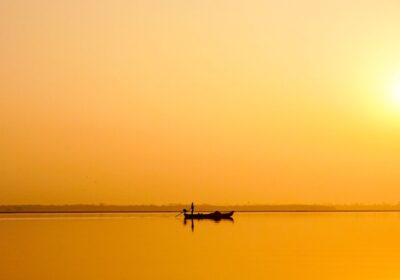
Locals will tell you—if you do only one thing in Varanasi, make it the sunrise boat ride. But here’s the insider tip: don’t book through your hotel (overpriced). Walk to Assi Ghat or Dashashwamedh Ghat by 5:30 AM and negotiate directly with boatmen. Expect to pay ₹500-800 for an hour-long ride for 2-4 people, not the ₹2000-3000 hotels charge.
The early morning boat ride isn’t just sightseeing—it’s witnessing the city awaken. You’ll see morning rituals, yoga practitioners on ghats, priests performing pujas, and the extraordinary light painting the ancient city in golden hues. Locals prefer rowing boats over motor boats for the peaceful, authentic experience and better photo opportunities.
After the boat ride and breakfast, head to Kashi Vishwanath Temple. Local wisdom: go around 8-9 AM, after the initial rush but before the midday crowds. Yes, there will still be queues, but nothing like the afternoon madness. Dress modestly and carry minimal belongings since phones and cameras aren’t allowed inside.
But here’s what locals really do—after the temple, they wander the surrounding galis (lanes). These ancient passages reveal Varanasi’s true character: century-old shops selling temple supplies, silk weavers working on looms, families living in beautiful havelis, and everyday Banarasi life continuing much as it has for generations. Don’t follow a map; just wander and get beautifully lost.
Escape the intensity of central Varanasi with an afternoon trip to Sarnath, just 10 kilometers away. This is where Buddha delivered his first sermon after enlightenment. The contrast is striking—Sarnath’s peaceful archaeological ruins and serene Buddhist monasteries offer respite from Varanasi’s overwhelming energy.
Locals recommend hiring an auto-rickshaw for the half-day (₹600-800 round trip with waiting time) rather than fighting for one at Sarnath. Visit the Dhamek Stupa, archaeological museum (closed Fridays), and various international Buddhist temples. The Japanese and Tibetan temples are particularly beautiful and peaceful.
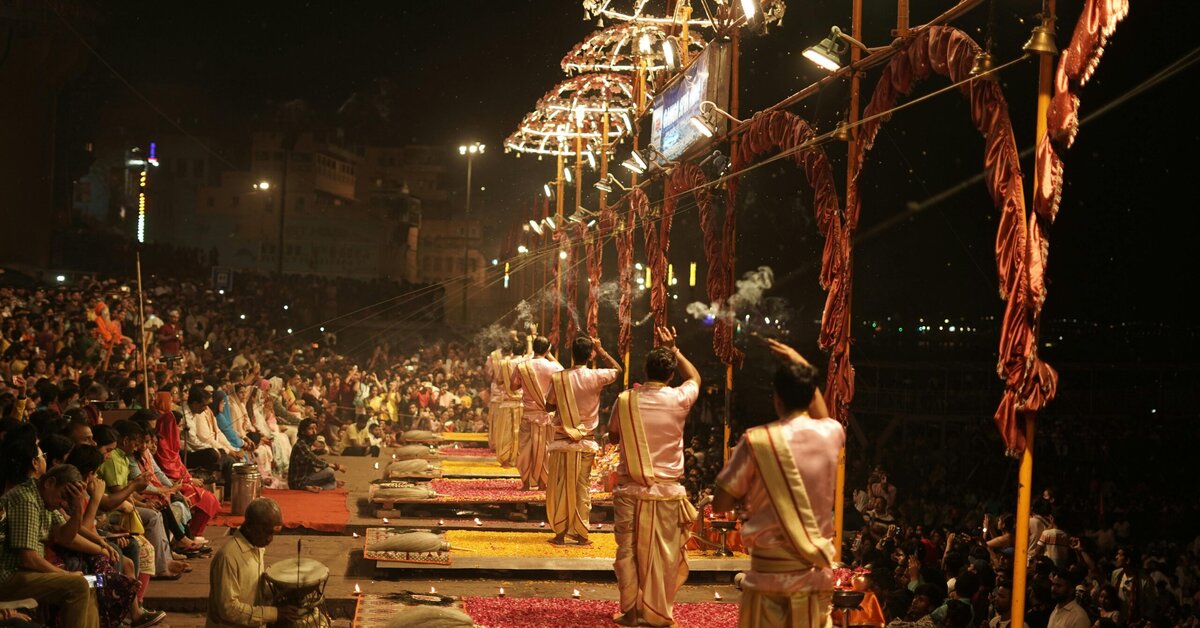
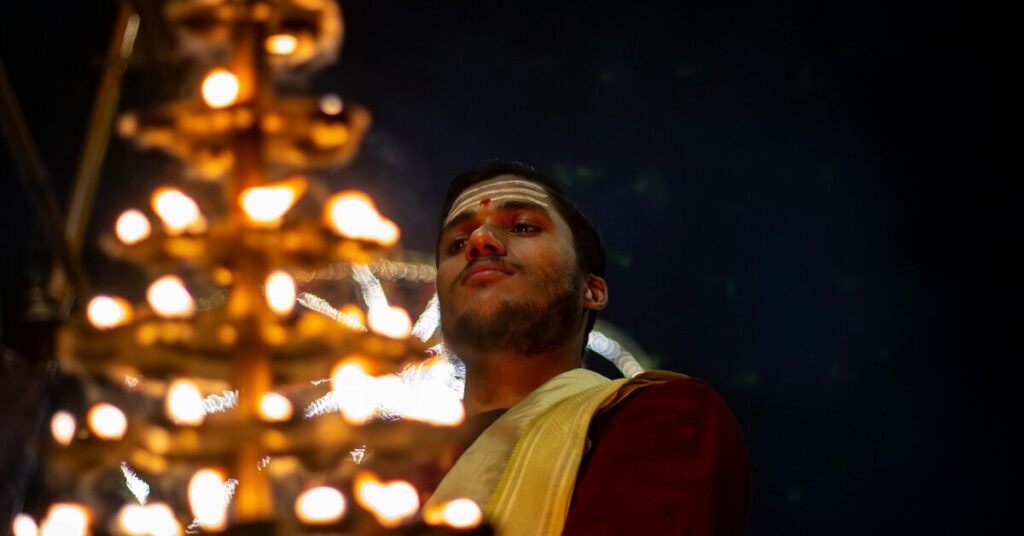
The evening Ganga Aarti is non-negotiable, but locals know the tricks. Arrive by 5:30 PM for the 6:00-6:30 PM ceremony (times vary seasonally). For the best view without crushing crowds, book a boat (₹300-500 per person) that positions you on the water facing the ghat—you avoid the chaos while getting unobstructed views and perfect photographs.
Alternative local secret: watch from the terrace restaurants overlooking Dashashwamedh Ghat. Places like Brown Bread Bakery or restaurants along the ghat offer elevated views with comfort, though you’ll pay for a meal or drinks.
After the aarti, locals head to Godowlia Crossing and surrounding areas for Varanasi’s legendary street food. This isn’t fancy dining—it’s eating where Banarasis have eaten for generations. Try kachori-sabzi at Kashi Chat Bhandar, tamatar chaat (a Varanasi specialty), lassi at Blue Lassi Shop (tiny shop, massive reputation), and malaiyo (only available winter mornings, but if you’re lucky, some vendors have evening versions).
Walk carefully, watch where you step, embrace the chaos, and eat where you see locals eating. Your stomach might protest initially, but this is Varanasi—authenticity over sanitization.
Day two starts at Assi Ghat for “Subah-e-Banaras” (Morning of Banaras), a cultural program featuring classical music, yoga, and aarti that locals actually attend. It’s less touristy than Dashashwamedh, more intimate, and genuinely reflects local spiritual practice. The program runs from around 6:00 AM and is usually free, though donations are appreciated.
After the program, explore Assi Ghat area—it’s become Varanasi’s trendy neighborhood with cafes, bookstores, and a younger, more contemporary vibe while maintaining spiritual roots.
Locals recommend visiting the expansive BHU campus—one of Asia’s largest residential universities. The New Vishwanath Temple (Birla Temple) here rivals the main Kashi Vishwanath in grandeur but without the overwhelming crowds. The marble structure is beautiful and accessible.
Bharat Kala Bhavan museum within BHU houses exceptional collections of Indian art, sculptures, and miniature paintings. It’s where locals take culturally curious friends—a hidden gem most tourists miss entirely.
Manikarnika Ghat, the main cremation ghat, represents Varanasi’s core philosophy—the celebration of death as transition rather than ending. Locals approach this with reverence, not morbid curiosity. It’s acceptable to observe from a respectful distance, but photography is absolutely forbidden and deeply offensive.
Many locals recommend hiring a knowledgeable guide specifically for this ghat who can explain the rituals, answer questions sensitively, and ensure you don’t inadvertently disrespect mourning families. This isn’t entertainment; it’s witnessing one of humanity’s most profound moments.
Cross the Ganges to Ramnagar Fort for sunset—a local favorite that tourists often skip. The 18th-century fort, still home to Varanasi’s royal family, houses a quirky museum with vintage cars, palanquins, weapons, and royal artifacts. But the real draw is watching sunset over the Ganges from this perspective, seeing Varanasi’s ghats from across the river.
The fort area is less crowded, offering peaceful contrast to the city’s intensity. Boat crossings cost around ₹50-100 per person, and the fort entry is minimal (₹25-50).
End your Varanasi experience with culture, not commerce. Locals attend classical music performances at venues like Sankat Mochan Temple (has regular free programs) or cultural centers that host kathak dance and Hindustani classical music. Hotels often know about evening performances, or check with the Uttar Pradesh Tourism office.
Alternatively, some locals enjoy quieter evenings at rooftop restaurants overlooking the Ganges, reflecting on two days of intense experiences over dinner and conversation.
Locals staying overnight prefer guesthouses in Assi area (more laid-back, trendy cafes nearby) or heritage properties in the old city that balance authenticity with comfort. They avoid both the absolute budget dives and the overpriced “luxury” places that aren’t actually luxurious.
Recommended areas: near Assi Ghat for modern amenities and peace; near Dashashwamedh for being in the thick of things; and Bengali Tola for quieter old-city experience. Budget ₹1500-3000 for decent accommodation, ₹3000-6000 for genuinely nice places.
Kashi Chat Bhandar (Godowlia) – legendary kachori-sabzi Bona Cafe (Assi) – South Indian breakfast Ram Bhandar – jalebi-rabri combo Deena Chaat Bhandar – chaat varieties
Locals eat thalis at places like Keshari Rukmani Veg Restaurant (affordable, authentic) or Baati Chokha outlets for Bihari cuisine. For fancier meals, Varuna Restaurant at Hotel Ganges View or Open Hand Cafe in Assi offer quality food with ambiance.
Tamatar chaat, kachori-sabzi, chhole-tikki, lassi, malaiyo (winter special), banarasi paan (betel leaf preparation—get meetha paan, not tobacco versions).
Walking is primary in the old city—lanes are too narrow for vehicles. For longer distances, locals use auto-rickshaws but always negotiate fares beforehand (₹50-100 for short distances, ₹150-300 for longer trips). Ola and Uber operate in Varanasi but may not pick up from narrow lane areas.
Locals warn: never accept rides from touts at the railway station. Use official prepaid auto-rickshaw counters or book cabs through apps.
Overpriced “spiritual experiences” sold by touts—genuine temples don’t charge for blessings Tourist trap restaurants in prime locations—you’re paying for location, not quality Aggressive silk shop tours—buy silk if you want, but don’t feel pressured by guides earning commissions Photography with sadhus—real sadhus don’t pose for tips; these are costumed entrepreneurs
Remove shoes before entering temples and homes. Dress modestly, especially at religious sites—covered shoulders and knees. Ask permission before photographing people, especially women and sadhus. Don’t photograph cremation ghats. Respect religious ceremonies by maintaining appropriate silence and distance. Don’t point feet toward deities or religious objects. Accept prasad (blessed food) with right hand only.
Planning a Varanasi trip like a local transforms the experience from stressful tourist checklist into meaningful cultural immersion. By following insider timing, eating where Banarasis actually eat, exploring beyond the main attractions, and understanding local rhythms, your two days capture Varanasi’s essence in ways that weeks of conventional tourism might miss.
This ancient city rewards those who approach her with openness, respect, and willingness to embrace both beauty and chaos. The boat rides at dawn, the intimate temple moments, the explosive flavors of street food, the profound encounters with mortality, and the sheer aliveness of Varanasi’s lanes—these experiences accumulate into something transformative. You won’t just visit Varanasi; you’ll carry a piece of her eternal spirit with you long after you’ve left her ghats behind. Read More For Ayodhya
Two days provides sufficient time to experience Varanasi’s essential character—the Ganges spirituality, major temples, food culture, and atmospheric old city exploration. While longer stays allow deeper immersion, most visitors find two full days hit the sweet spot between meaningful experience and sensory overload. Locals themselves often recommend 2-3 days for first-time visitors, with longer stays reserved for those on specific spiritual quests or returning visitors who already understand the city’s rhythms.
Budget-conscious local-style travel: ₹2000-3000 per day (budget accommodation ₹1000-1500, meals ₹500-800, transportation ₹300-500, miscellaneous ₹200-500). Comfortable local-style: ₹4000-6000 per day (nicer accommodation ₹2500-4000, better restaurants ₹1000-1500, same transportation, activities ₹500-1000). This excludes shopping and major purchases. Locals spend less because they know exact prices and where to find value.
Varanasi is generally safe, with strong police presence around major ghats and tourist areas. However, solo women should take standard precautions: avoid isolated areas after dark, use registered accommodation, ignore aggressive touts, dress modestly, and consider hiring female guides for greater comfort. The old city’s narrow lanes can feel claustrophobic, especially when crowded. Many solo female travelers visit without incident, but staying alert and assertive helps. Locals recommend staying in Assi area for solo travelers—it’s safer, more modern, with better lighting and more open spaces.
Locals handle touts with firm politeness: “Nahi chahiye” (don’t need it) and keep walking without stopping. Don’t engage in long explanations or arguments—that’s what they want. Be especially wary of “helpful” guides who appear spontaneously offering directions, then demand payment or lead you to commission-based shops. Legitimate guides have official ID. At ghats, boat operators will compete aggressively—choose one, negotiate firmly, and ignore others. The key is confident body language suggesting you know what you’re doing, even if you don’t.
Locals never drink Ganges water in Varanasi despite its sacred status—pollution levels make it unsafe. If you wish to participate in ritual bathing for cultural experience, limit contact and shower thoroughly afterward with clean water. Don’t submerge your head or swallow any water. Many locals perform symbolic bathing by sprinkling water or just touching the river rather than full immersion. The spiritual significance doesn’t require risking waterborne illness. For those with compromised immune systems or open wounds, even limited contact isn’t advisable. Respecting the river doesn’t require endangering your health.