Your cart is currently empty!
You may check out all the available trips and book one that suits you.
Continue Browsing Trips
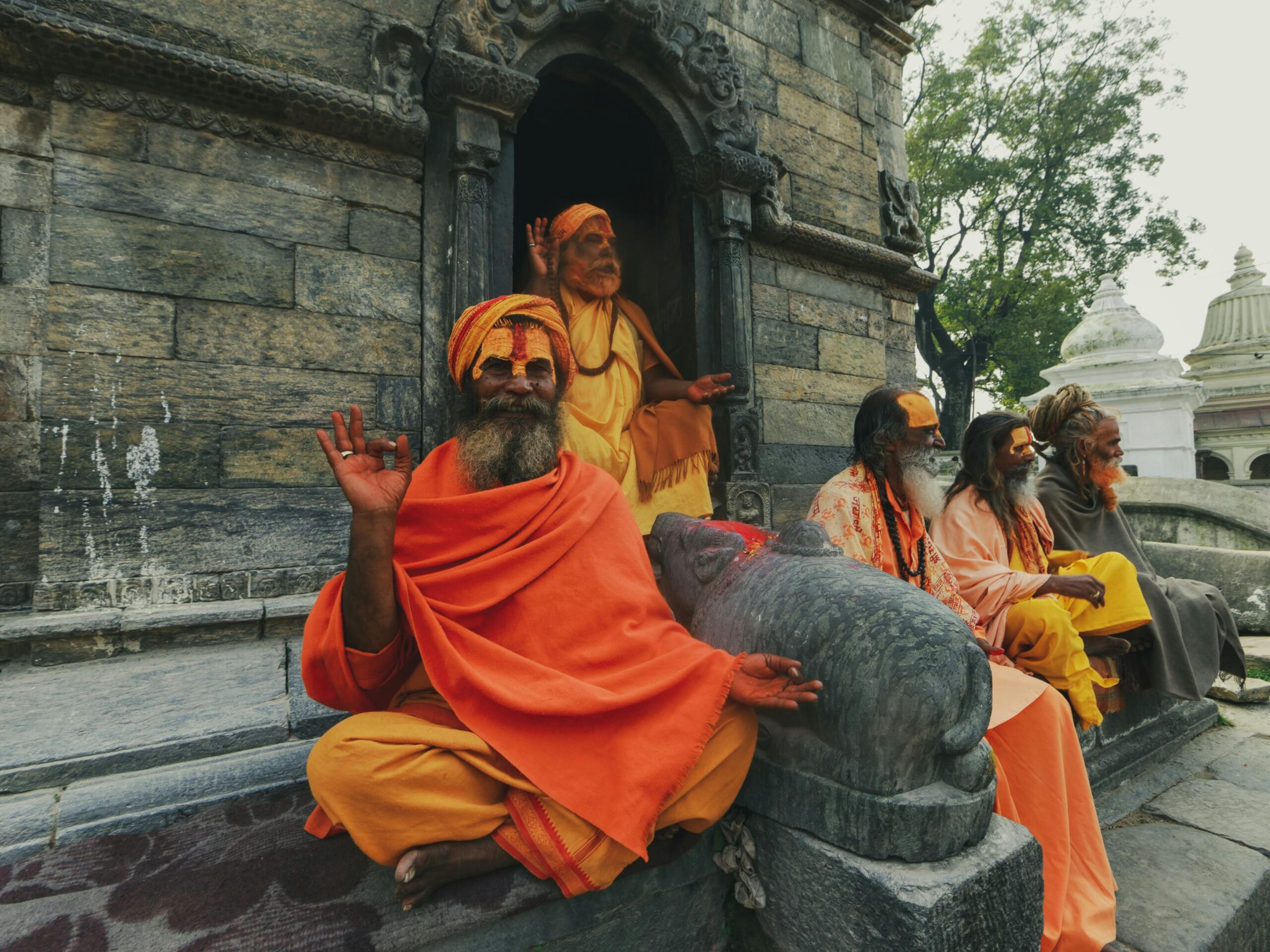
Private Temple Hopping + evening boat experience , Varanasi stands as a living museum of Hindu spirituality, home to thousands of temples ranging from grand ancient shrines to intimate neighborhood sanctuaries. When combined with the mesmerizing evening boat experience on the sacred Ganges, a private temple hopping tour creates the ultimate spiritual immersion into India’s holiest city.
This thoughtfully curated combination allows you to explore Varanasi’s diverse religious architecture and traditions during daylight hours, culminating in the breathtaking transition from day to night as you witness the city’s evening transformation from the sacred waters themselves.
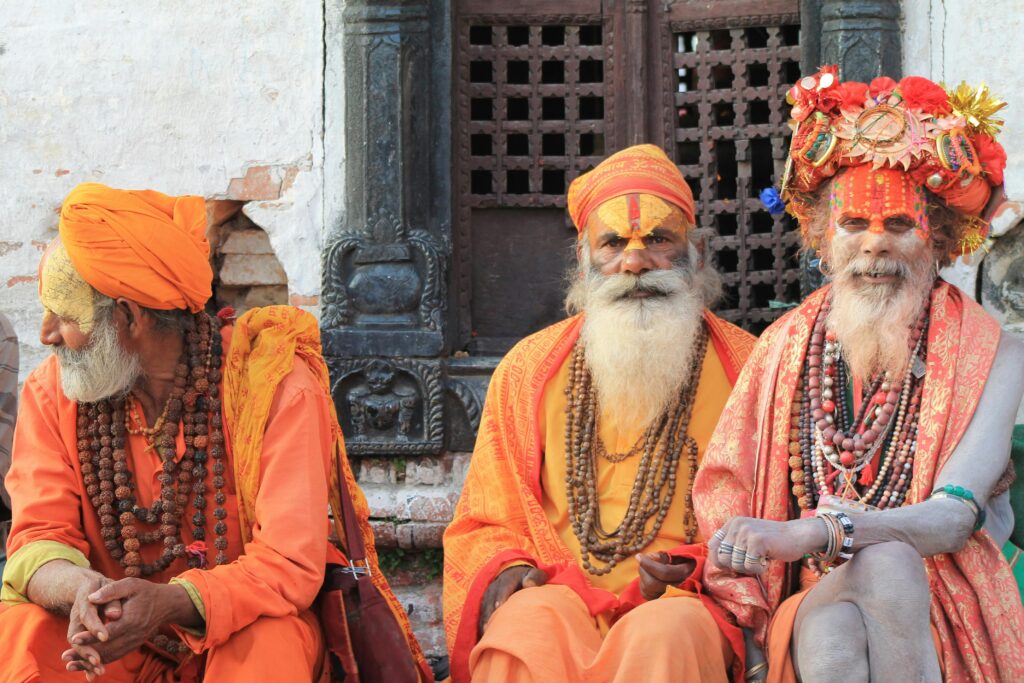
Temple hopping in Varanasi differs fundamentally from typical sightseeing. Each temple represents not merely architectural heritage but a living spiritual center where centuries-old traditions continue uninterrupted. The city contains an estimated 23,000 temples, from the internationally famous Kashi Vishwanath to neighborhood shrines known only to locals.
Private Temple Hopping + Evening Boat Experience , A well-designed private temple hopping tour selects representative examples showcasing different architectural styles, historical periods, deity worship traditions, and spiritual atmospheres, creating a comprehensive understanding of Hinduism’s rich diversity.
Private Temple Hopping + Evening Boat Experience , The private nature of this experience proves essential given the spiritual sensitivity required. Unlike rushed group tours herding dozens through temple complexes on fixed schedules, private tours allow respectful engagement at appropriate paces. You can pause for meditation when moved, ask detailed questions about religious practices without embarrassment, participate in rituals if desired, or simply sit absorbing the atmosphere without time pressure. This flexibility transforms temple visiting from superficial tourism into genuine spiritual exploration.
Private Temple Hopping + Evening Boat Experience , Your expert guide becomes invaluable for temple hopping, navigating not just physical routes but also cultural protocols. Each temple has specific customs—shoe removal procedures, photography restrictions, dress requirements, offering traditions, and behavioral expectations.
Private Temple Hopping + Evening Boat Experience , Guides familiar with these nuances ensure you approach each sacred space respectfully, avoiding inadvertent offenses while maximizing meaningful engagement. They also provide historical context, mythological stories, and architectural insights that elevate appreciation beyond what’s visually apparent.
Private Temple Hopping + Evening Boat Experience , The tour typically begins with Kashi Vishwanath Temple, Varanasi’s spiritual epicenter and one of Hinduism’s twelve sacred Jyotirlingas. This temple, dedicated to Lord Shiva, attracts thousands of pilgrims daily, making private arrangements particularly valuable for managing crowds and security procedures. The recently completed Kashi Vishwanath Corridor has transformed temple access, creating grand pathways connecting the shrine directly to the Ganges while preserving the ancient sanctum’s intimate sacred atmosphere. The golden spire visible across Varanasi symbolizes the city’s spiritual authority throughout Hindu consciousness.
Private Temple Hopping + Evening Boat Experience , Sankat Mochan Hanuman Temple represents a different spiritual energy. Dedicated to Lord Hanuman, the monkey deity symbolizing devotion and strength, this temple was founded in the early 1500s by the saint-poet Tulsidas. The temple’s atmosphere differs markedly from Kashi Vishwanath—less crowded, more meditative, with continuous chanting of the Hanuman Chalisa creating an auditory backdrop that visitors find deeply moving. Tuesday and Saturday see increased devotional activity as these days hold special significance in Hanuman worship.
Private Temple Hopping + Evening Boat Experience , Durga Temple, known locally as Durga Kund Mandir, captivates with its distinctive red coloring and North Indian architectural style featuring multiple shikhara (spires). Built in the 18th century, the temple honors Goddess Durga in her fierce protective form. The adjacent sacred pond (kund) adds to the temple’s mystical atmosphere, with the complex hosting unique rituals during Navratri festivals. The resident monkey population—considered sacred—adds lively energy, though visitors should remain cautious with belongings and food.
Tulsi Manas Temple offers architectural contrast through its relatively modern construction (1964) featuring pristine white marble. The walls are inscribed with verses from the Ramcharitmanas, Tulsidas’s Hindi rendering of the Ramayana epic. The temple’s peaceful gardens and detailed marble carvings depicting Rama’s life story provide contemplative spaces where spirituality meets artistic excellence. Evening aarti ceremonies here feature beautiful devotional singing accompanied by traditional instruments.
Bharat Mata Temple presents a unique concept—rather than a deity, this temple contains a relief map of undivided India carved in marble. Created by freedom fighter Babu Shiv Prasad Gupta and inaugurated by Mahatma Gandhi in 1936, the temple celebrates Indian nationalism and unity. While less spiritually intense than deity-focused temples, it offers fascinating insights into the intersection of religion, politics, and cultural identity in modern India.
As afternoon transitions toward evening, your temple hopping journey culminates with a private boat experience on the Ganges—the perfect conclusion to a day of spiritual immersion. The timing proves crucial, beginning during golden hour when sunlight bathes the ghats in warm amber tones, continuing through sunset’s spectacular color displays, and extending into dusk as the city illuminates and prepares for the evening Ganga Aarti ceremony.
Your private boat provides intimate space for reflection on the day’s temple experiences while introducing a completely different dimension of Varanasi’s spirituality. Where temples represent human-built structures honoring the divine, the Ganges itself embodies the sacred in nature—a living goddess (Ganga Ma) whose waters purify, sustain, and ultimately receive the deceased in final rites. This juxtaposition creates profound understanding of Hinduism’s multifaceted approach to the divine.
The boat glides past the evening activities animating the ghats. Priests perform individual and collective prayers at water’s edge. Devotees complete evening bathing rituals, believing immersion during this transitional time holds special purifying power. Cremation ceremonies continue their eternal cycle at Manikarnika and Harishchandra Ghats, providing contemplative reminders of mortality and liberation. The ancient palaces and temples lining the riverbank begin illuminating, their lights reflecting on the darkening water in dancing patterns.
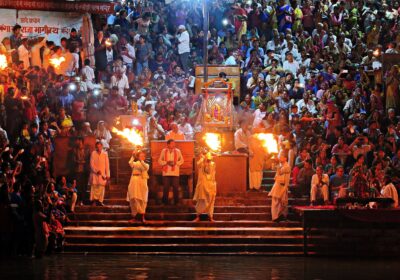
The evening boat experience crescendos with the Ganga Aarti ceremony at Dashashwamedh Ghat, typically beginning around 6:30-7:00 PM depending on season. Viewing this spectacular ritual from your private boat offers tremendous advantages over the crowded ghat-side experience. You position directly before the ceremony at optimal viewing distance, avoiding the crushing crowds of thousands gathering onshore while maintaining perfect sightlines to the elaborate multi-priest ritual.
The aarti involves seven young priests dressed in saffron performing precisely synchronized movements with large brass lamps in complex choreographed patterns—circles, arcs, vertical raises—all accompanied by conch shells, drums, bells, and devotional chanting. The ceremony honors the Ganges, offering gratitude for sustaining life and seeking divine blessings. The visual spectacle mesmerizes—dozens of oil lamps creating flowing patterns of light, incense smoke rising into the darkening sky, and thousands of devotees participating from boats and ghats in collective worship.
From your private vessel, you experience this ceremony with minimal distraction and maximum comfort. The boat’s slight distance provides perspective impossible from the ghat, revealing the ceremony’s full choreography and scale. You can photograph freely without people blocking views, record videos capturing the complete atmosphere, or simply witness without any documentation—fully present in one of Hinduism’s most visually stunning regular rituals. The boat can position slightly upstream or downstream of the central ceremony, offering unique angles that reveal different aspects of this complex devotional performance.
The combination of temple hopping followed by the evening boat experience creates spiritual synergy exceeding either component individually. The temples provide grounded understanding of Hindu devotional practices, architectural traditions, and deity-specific worship styles. The evening boat experience then contextualizes these practices within Varanasi’s larger sacred geography, demonstrating how individual temples connect to the overarching spiritual ecosystem centered on the Ganges.
This structure also provides natural pacing that respects both physical and spiritual energy. Temple hopping, while fascinating, can become overwhelming—the sensory intensity, heat, crowds, and continuous new information sometimes exhaust even enthusiastic visitors. The transition to the boat offers relief—comfortable seating, cooling river breezes, visual rather than participatory engagement, and the soothing rhythm of water movement. This shift allows processing the day’s experiences while introducing fresh perspectives that illuminate rather than overwhelm.
Many participants report that the boat portion crystallizes insights from the temple visits. Seeing priests perform evening prayers at multiple ghats connects to specific deity worship witnessed in temples. Understanding Shiva’s centrality from Kashi Vishwanath visits enhances appreciation of cremation ceremonies as Shiva’s role includes transformation and liberation. Mythological stories heard in temples gain visual dimension when seeing the physical geography where those stories allegedly occurred.
This combined experience typically requires 6-8 hours total, beginning mid-afternoon (around 2:00-3:00 PM) and concluding after the Ganga Aarti (approximately 7:30-8:00 PM). Private transportation—typically air-conditioned vehicle with driver—provides comfortable movement between temples scattered across Varanasi’s geography. Walking between closely located temples allows atmospheric immersion through narrow lanes, while the vehicle handles longer distances efficiently.
Booking through reputable operators ensures quality across both components. The temple hopping portion requires guides with genuine religious knowledge, not merely historical facts. Understanding Hindu philosophy, ritual significance, and mythological contexts transforms temple visits from architectural observation into spiritual education. The boat portion requires experienced boatmen who navigate skillfully, position optimally for aarti viewing, and maintain vessel safety throughout the experience.
Pricing varies considerably based on group size, specific inclusions, and service quality. Comprehensive private packages typically range ₹4,000-12,000, including private vehicle and driver, expert guide, all temple entrance fees, private boat with optimal aarti positioning, and sometimes refreshments or meals. Groups of 4-6 people find excellent per-person value, while couples or solo travelers pay premium rates but gain intimate personalized experiences impossible in group settings.
Well-paced private tours typically cover 5-7 major temples in 3-4 hours, allowing meaningful engagement rather than rushed checklist completion. This includes Kashi Vishwanath, Sankat Mochan, Durga Temple, Tulsi Manas, and 2-3 additional sites based on your interests—perhaps Bharat Mata Temple, Annapurna Temple, or specialized temples your guide recommends based on conversations. Attempting more temples creates exhaustion and superficial engagement. Quality operators prioritize depth over quantity, ensuring you understand and appreciate each temple’s unique significance rather than merely photographing exteriors.
Modest clothing covering shoulders and knees is mandatory for both men and women in all Hindu temples. Avoid sleeveless tops, shorts, short skirts, and revealing clothing. Many temples require removing shoes before entry—wear easily removable footwear and consider bringing socks as stone floors can be hot. Some temples restrict entry during menstruation, though enforcement varies. Leather items (belts, bags) are prohibited in some temples. Women typically cover heads at certain temples, and guides provide scarves if needed. Photography restrictions vary—guides clarify rules at each location.
Absolutely—participation is encouraged and enhances the experience significantly. Most temples welcome visitors performing puja (worship rituals), making offerings, receiving prasad (blessed food), or attending aarti ceremonies. Your guide can arrange priests to perform pujas on your behalf, explain the ritual significance, and teach proper participation methods. Many visitors find performing simple offerings—flowers, incense, or lamps—deeply meaningful even without Hindu background. Guides ensure participation remains respectful and appropriate, bridging cultural gaps between your background and temple traditions.
Yes, with appropriate planning. Private boats provide comfortable seating with back support, and the gentle river conditions during evening hours rarely cause motion discomfort. However, young children should wear life jackets (provided by reputable operators) and remain supervised, as boats lack railings on all sides. Elderly travelers appreciate the seated observation that doesn’t require standing or walking. The experience duration (typically 90-120 minutes) may challenge very young children’s attention spans—consider bringing quiet activities or snacks. Most operators accommodate early departures if needed, though missing the complete aarti ceremony diminishes the experience.
This represents a key private tour advantage—complete flexibility. If you feel spiritually drawn to a particular temple and want extended meditation time, deeper exploration, or participation in ongoing ceremonies, your itinerary adjusts accordingly. You might skip planned temples that interest you less, or simply accept a condensed visit list prioritizing quality over quantity. Good guides read your energy and interests, suggesting adjustments based on observed engagement levels. This responsiveness creates personalized spiritual journeys rather than rigid sightseeing schedules, often leading to unexpected profound experiences that predetermined itineraries would have prevented.

Comments are closed.