Your cart is currently empty!
You may check out all the available trips and book one that suits you.
Continue Browsing Trips
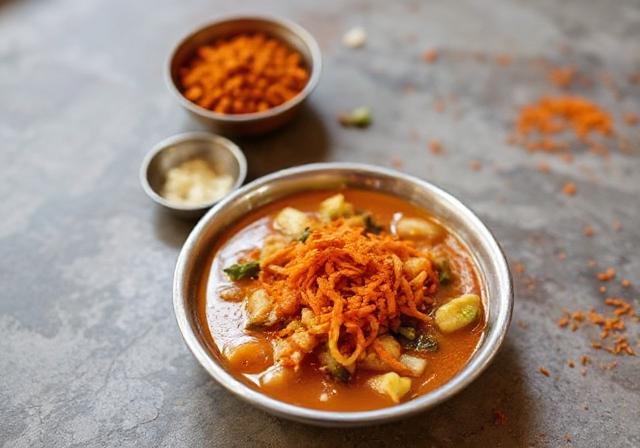
Ayodhya Temples + Local Food Tour , What if I told you that your spiritual journey to Ayodhya could also be a gastronomic adventure? Ayodhya, the birthplace of Lord Ram, offers more than just divine blessings—it serves up a culinary heritage that’s been perfected over centuries. Combining temple visits with local food exploration creates an experience that nourishes both soul and stomach. After all, isn’t food also a form of prasad, a blessed offering that connects us to culture and tradition?

Your spiritual and culinary journey begins at Ram Janmabhoomi, the most revered site in Ayodhya. The newly constructed Ram Mandir stands majestically, drawing millions of devotees. The spiritual energy here is overwhelming, and the prasad distributed—typically sweet peda or ladoo—offers your first taste of Ayodhya’s food culture. The temple complex buzzes with devotion, and the atmosphere sets the perfect tone for your combined tour.
Climbing the 76 steps to Hanuman Garhi works up quite an appetite! This fortress-like temple dedicated to Lord Hanuman offers panoramic views of the city and powerful spiritual vibrations. The prasad here, usually besan ladoo or motichoor ladoo, is prepared with devotion and distributed generously to pilgrims. Many devotees consider this blessed food as both spiritually purifying and deliciously satisfying.
The golden-crowned idols of Lord Ram and Sita at Kanak Bhawan represent the pinnacle of royal devotion. After seeking blessings here, you’re perfectly positioned to explore the surrounding lanes where local food vendors have set up shop for generations, serving pilgrims and locals alike.
Ayodhya’s food culture is deeply rooted in vegetarianism, reflecting the spiritual nature of the city. Every dish is prepared without onion and garlic, following traditional sattvic cooking principles. This doesn’t mean bland food—far from it! The local chefs have mastered the art of creating explosion-worthy flavors using aromatic spices, fresh herbs, and time-honored techniques passed down through generations.
The narrow lanes surrounding the temples transform into a food lover’s paradise. Street vendors serve up authentic dishes that have remained unchanged for decades. The aroma of fresh jalebis frying in ghee, the sizzle of kachoris, and the sweet fragrance of malpuas create a sensory experience that’s almost spiritual in itself.
Tehri is Ayodhya’s answer to comfort food—a fragrant rice dish cooked with seasonal vegetables and aromatic spices. Unlike biryani, tehri is lighter and follows sattvic principles. The rice is perfectly fluffy, infused with the flavors of cumin, coriander, and turmeric. Served with yogurt and papad, it’s a complete meal that locals swear by and visitors fall in love with.
If desserts had a spiritual dimension, malpua with rabri would be it. These pancake-like delights are deep-fried to golden perfection, soaked in sugar syrup, and topped with thick, creamy rabri (reduced sweetened milk). The combination is sinfully delicious, with each bite delivering crispy edges and soft centers swimming in sweetness. This is temple food elevated to an art form.
Wake up to Ayodhya’s most beloved breakfast duo—crispy kachoris paired with hot, spiral jalebis. The kachoris are stuffed with spiced lentils or peas, fried until golden and served with tangy tamarind chutney. The jalebis, bright orange and dripping with sugar syrup, provide the sweet counterpoint. Together, they create a flavor explosion that energizes you for temple hopping.
Between temple visits, cool down with a thick, creamy lassi served in traditional kulhad (clay cups). Ayodhya’s lassi is legendary—rich, sweet, and topped with a layer of malai that’s almost dessert-like. For something savory, try the local chaat varieties—aloo tikki, papdi chaat, and dahi puri—each bursting with tangy, spicy, and sweet flavors that dance on your palate.
The areas around Ram Path and near Hanuman Garhi are food havens. Look for vendors who’ve been serving for generations—they’re the guardians of authentic recipes. Popular spots include the sweet shops along Naya Ghat, the breakfast stalls near the main temples, and the evening food markets that spring up as the sun sets.
Ram Ki Paidi area offers numerous small eateries serving traditional thalis that give you a complete taste of Ayodhya’s cuisine in one sitting. Don’t hesitate to ask locals for recommendations—they’ll enthusiastically point you toward their favorite hidden gems.
Start your day early with kachori-jalebi near Ram Janmabhoomi. After temple visits, lunch should be a proper thali or tehri at a local restaurant. Mid-afternoon is perfect for lassi and chaat as you explore smaller temples. As evening approaches, indulge in malpua-rabri while watching the Sarayu aarti. This rhythm allows you to experience Ayodhya’s spiritual and culinary offerings without feeling rushed or overwhelmed.
Wear comfortable clothes and shoes—you’ll be walking a lot. Keep hand sanitizer handy and choose food stalls that look clean and busy (high turnover means fresh food). Most importantly, come with an open heart and an empty stomach. The combination of devotion and delicious food creates memories that last forever.
Ayodhya’s temples and local food scene are two sides of the same sacred coin—both offer experiences that touch the soul and create lasting memories. This divine city doesn’t just feed your spiritual hunger; it satisfies your physical appetite with dishes that carry centuries of tradition and devotion. A combined temple and food tour gives you the complete Ayodhya experience, where every prayer is followed by prasad, and every temple visit leads to a culinary discovery. Whether you’re a devotee, a foodie, or both, Ayodhya welcomes you with open arms and full plates.
Yes, Ayodhya follows strict vegetarian traditions given its spiritual significance. All restaurants and food stalls serve only vegetarian food, typically prepared without onion and garlic following sattvic cooking principles. This makes it an ideal destination for vegetarians and those seeking pure, wholesome meals.
Early morning (6-9 AM) is perfect for breakfast items like kachori-jalebi, while evening hours (5-8 PM) are ideal for chaat, snacks, and sweets like malpua. The food is freshest during these times, and the atmosphere around the temples adds to the experience.
Absolutely! While street food is generally safe, look for busy stalls with high customer turnover. Many established restaurants near major temples maintain excellent hygiene standards. Stick to cooked foods, avoid cut fruits from street vendors, and drink bottled water to be safe.
Ayodhya’s food is remarkably affordable. A complete food tour including breakfast, lunch, snacks, and desserts can cost anywhere from ₹300-₹800 per person, depending on where you eat. Street food is cheaper (₹50-₹100 per item), while restaurant meals cost ₹150-₹300 per thali.
Yes, food vendors and small eateries are strategically located near all major temples in Ayodhya. The areas around Ram Janmabhoomi, Hanuman Garhi, and along Ram Path have the highest concentration of food options, ranging from simple prasad shops to full-fledged restaurants serving traditional meals.




Comments are closed.