
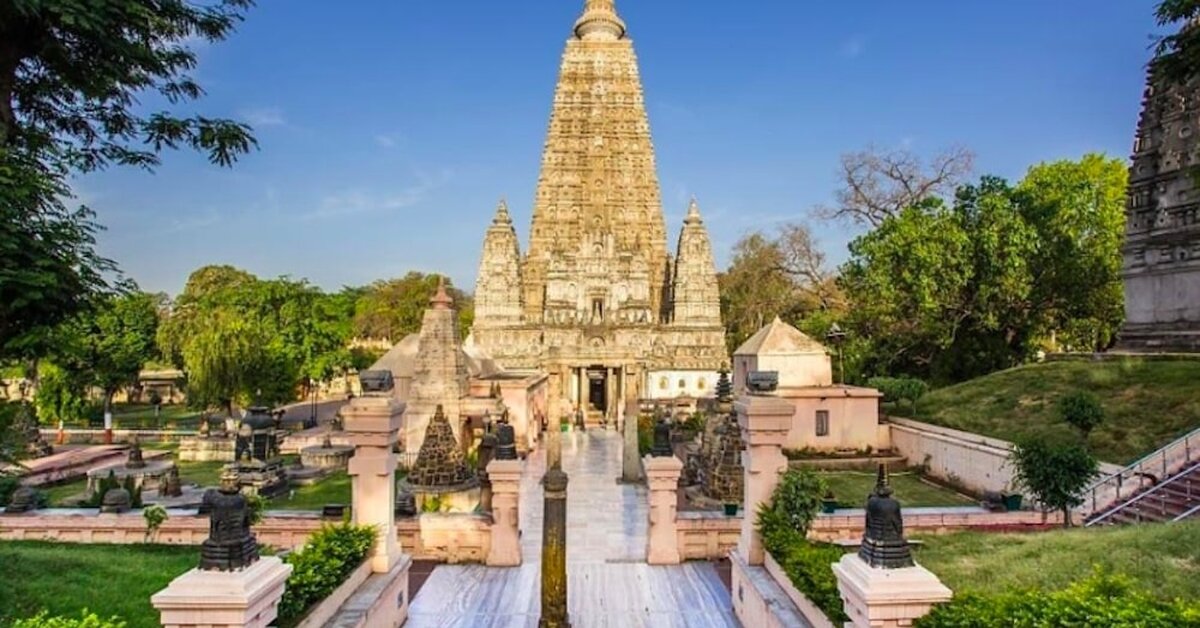
Group Bodhgaya + Gaya Pilgrimage Package , Have you ever considered embarking on a spiritual journey with like-minded souls? There’s something profoundly special about sharing sacred experiences with fellow pilgrims—the collective energy, the shared reverence, and the bonds formed through common spiritual pursuits. The Group Bodhgaya + Gaya Pilgrimage Package offers precisely this opportunity, combining two of India’s most spiritually significant cities into one comprehensive journey that honors both Buddhist and Hindu traditions.

Why Combine Bodhgaya and Gaya in One Pilgrimage?
Group Bodhgaya + Gaya Pilgrimage Package , Located just 13 kilometers apart, Bodhgaya and Gaya represent two distinct yet harmonious spiritual traditions. This proximity makes them perfect companions for a combined pilgrimage, allowing travelers to experience the depth of India’s religious diversity without extensive travel between destinations. While Bodhgaya draws Buddhist pilgrims from across the globe, Gaya has served as a Hindu pilgrimage center for millennia, particularly for performing ancestral rites and rituals.
Group Bodhgaya + Gaya Pilgrimage Package , Combining both cities creates a richer, more comprehensive spiritual experience. You’ll witness how different religious traditions coexist and sometimes interweave in India’s sacred geography. For many travelers, this comparative perspective deepens appreciation for both Buddhism and Hinduism, revealing universal spiritual truths expressed through different cultural lenses.
Understanding the Spiritual Significance of Both Cities
Bodhgaya – The Buddhist Pilgrimage Center
Group Bodhgaya + Gaya Pilgrimage Package , Bodhgaya holds unparalleled significance in Buddhism as the place where Prince Siddhartha Gautama attained enlightenment beneath the Bodhi Tree, becoming the Buddha. The Mahabodhi Temple Complex, a UNESCO World Heritage Site, marks this exact location and attracts millions of Buddhist pilgrims annually from Thailand, Tibet, Japan, Sri Lanka, Myanmar, and countless other nations.
Walking through Bodhgaya, you’re literally following Buddha’s footsteps. The sacred Bodhi Tree still stands (as a descendant of the original), the Vajrasana (Diamond Throne) marks the precise meditation spot, and international monasteries create a living tapestry of global Buddhist practice. For Buddhist practitioners, visiting Bodhgaya represents a once-in-a-lifetime spiritual milestone that generates immense merit and inspiration.
Gaya – The Hindu Sacred City
Gaya’s spiritual importance in Hinduism centers primarily on Pind Daan—sacred rituals performed for deceased ancestors to help their souls attain peace and liberation (moksha). According to Hindu belief, performing these ceremonies at Gaya, particularly at the Vishnupad Temple and along the Falgu River, frees ancestors from the cycle of rebirth and ensures their spiritual progress.
The Vishnupad Temple houses a footprint of Lord Vishnu impressed in solid rock, making it one of Hinduism’s most revered sites. Beyond ancestral rites, Gaya connects to the Ramayana epic—Lord Rama himself is said to have performed rituals here for his father, Dasharatha. The city’s spiritual energy, ancient temples, and sacred ghats create an atmosphere steeped in devotion and tradition.
Complete Group Tour Itinerary
Day 1: Exploring Bodhgaya’s Sacred Sites
Your group pilgrimage typically begins with morning assembly at your designated accommodation in Bodhgaya or Gaya. After introductions and orientation, you’ll travel together to the Mahabodhi Temple Complex. Arriving during morning hours allows your group to participate in or observe the morning prayer ceremonies that fill the complex with chanting and spiritual energy.
Your guide will lead the group through the temple’s history, explaining its architectural features and spiritual significance. You’ll visit the sacred Bodhi Tree, where group meditation sessions can be arranged. There’s something powerful about meditating collectively beneath this ancient tree—the combined intention and focus create an almost tangible spiritual atmosphere.
The itinerary continues to several international monasteries representing different Buddhist traditions. Your group might visit the Thai Temple with its golden Buddha statues, the Tibetan Monastery with colorful prayer wheels, the Japanese Temple offering zen simplicity, and the majestic Royal Bhutan Monastery. At each location, guides explain the unique characteristics of different Buddhist schools and practices.
Many group packages include visits to the Great Buddha Statue (25 meters tall), the Dungeshwari Cave Temples where Buddha practiced asceticism, and Sujata Village commemorating the girl whose compassion helped Buddha realize the Middle Path. Evening programs often feature group meditation sessions or dharma talks by resident monks, creating opportunities for deeper spiritual engagement.
Day 2: Gaya’s Ancient Temples and Rituals
The second day shifts focus to Gaya’s Hindu sacred sites. Your group begins at the famous Vishnupad Temple, situated along the Falgu River banks. The temple’s architecture impresses with its 30-meter tower and eight rows of pillared halls. Inside, the sacred footprint of Lord Vishnu attracts continuous streams of devotees.
Your guide explains the significance of Pind Daan rituals performed here. While your group may not participate in these elaborate ancestral ceremonies (typically requiring family members and priests), witnessing these ancient practices provides profound cultural and spiritual insights. The reverence and devotion displayed by families performing these rites is deeply moving.
The tour continues to other significant Gaya temples including Mangla Gauri, one of the 18 Maha Shakti Peethas (goddess power centers), and the ancient Brahmayoni Hill offering panoramic city views. You’ll visit sacred ghats along the Falgu River where pilgrims perform ritualistic bathing and offerings. Many packages include a visit to the Pretshila Hill, associated with ancestor worship, and the Ramshila Hill connected to the Ramayana epic.
Benefits of Choosing a Group Pilgrimage Package
Cost-Effective Travel Solution
Group packages significantly reduce per-person costs through shared transportation, accommodation, and guide services. What might cost $500-600 for individual private tours becomes $200-350 per person in group format. This affordability makes sacred pilgrimages accessible to devotees who might otherwise find individual tours financially prohibitive.
Traveling with fellow pilgrims creates unique bonding opportunities. You’ll share meals, meditation sessions, and profound spiritual moments with people who understand and respect your devotional intentions. Many pilgrims form lasting friendships during these journeys, connected by their shared sacred experiences.
Group energy amplifies spiritual practice. Meditating together beneath the Bodhi Tree or participating in group prayers creates collective intention more powerful than individual practice. This phenomenon, recognized across spiritual traditions, makes group pilgrimages especially meaningful.
Safety and Convenience
Group travel provides enhanced safety, particularly valuable for international visitors unfamiliar with local customs and language. Your tour leader handles all logistics, from navigating traffic to ensuring everyone stays together in crowded temple complexes. Solo travelers and elderly pilgrims especially appreciate the security and support of group travel.
What’s Included in the Group Package?
Accommodation and Meals
Most packages include 2-3 nights of accommodation in clean, comfortable hotels or dharamshalas (pilgrimage guesthouses). Rooms are typically twin-sharing to keep costs reasonable, though single occupancy often available for additional fees. Daily breakfast is standard, with many packages including all vegetarian meals aligned with pilgrims’ dietary preferences.
Transportation and Guides
All transportation between sites is included, typically in air-conditioned coaches or mini-buses depending on group size. Experienced drivers familiar with pilgrimage routes ensure safe, timely travel. Expert guides accompany the group throughout, providing historical context, spiritual explanations, and managing all logistics.
Entry Fees and Activities
Temple entry fees, monastery visits, and basic activities are covered in the package price. Some packages include special programs like group meditation sessions with monks, dharma talks, or cultural performances. Optional activities like private Pind Daan ceremonies in Gaya may incur additional costs.
Ideal Group Size and Participant Profile
Group pilgrimage packages typically accommodate 15-40 participants, though sizes vary. Smaller groups (15-20) offer more intimacy and flexibility, while larger groups (30-40) provide maximum cost efficiency and diverse perspectives. Most participants are practicing Buddhists, Hindus, or spiritual seekers from various countries and backgrounds.
These tours welcome all ages and fitness levels, with itineraries designed for reasonable accessibility. Many groups include elderly devotees, families, young practitioners, and first-time pilgrims. The shared spiritual purpose creates natural community regardless of age or background differences.
Best Season for the Bodhgaya-Gaya Pilgrimage
October through March offers ideal pilgrimage conditions with pleasant, dry weather conducive to extensive temple visits and outdoor activities. Winter months (December-February) bring cool temperatures requiring light jackets for early mornings and evenings. Avoid monsoon season (July-September) when heavy rains disrupt travel and temple visits.
Buddha Purnima (April/May full moon) and other Buddhist festivals see massive crowds but offer special ceremonies and incredible spiritual atmosphere. Hindu festival periods like Pitru Paksha (September/October, specifically for ancestral rites) make Gaya particularly significant but also more crowded.
Preparing for Your Group Pilgrimage
Pack modest, comfortable clothing suitable for temple visits and group activities. Bring good walking shoes, as you’ll cover significant ground despite vehicle transportation. Essential items include sunscreen, hat, refillable water bottle, personal medications, and modest prayer shawl or scarf.
Mentally prepare for group travel’s compromises—schedules accommodate the entire group, not individual preferences. Approach this with patience and flexibility, recognizing that group dynamics are part of the pilgrimage experience. Most importantly, come with sincere spiritual intention rather than merely touristic curiosity. This mindset transforms your journey from sightseeing into genuine pilgrimage.
Conclusion
The Group Bodhgaya + Gaya Pilgrimage Package offers an affordable, comprehensive, and spiritually enriching journey through two of India’s most sacred cities. By combining Buddhist and Hindu pilgrimage sites, this tour provides rare insight into India’s diverse religious landscape while creating opportunities for profound personal transformation. The group format reduces costs while amplifying spiritual benefits through shared practice and collective intention. Whether you’re seeking enlightenment at Buddha’s seat of awakening or honoring ancestors through ancient Hindu rituals, this pilgrimage package delivers authentic sacred experiences supported by expert logistics and the warmth of fellow spiritual seekers. For devotees seeking meaningful pilgrimage without financial burden or logistical stress, this group package represents an ideal solution.
FAQs
1. Can people of different faiths join the same group pilgrimage package?
Absolutely! These packages welcome participants of all religious backgrounds. While some travelers are devoted Buddhists or Hindus, many are simply spiritual seekers interested in India’s sacred heritage. The tour respects all traditions and encourages interfaith understanding. Non-religious participants interested in history, culture, and spirituality are equally welcome, provided they approach sacred sites with appropriate reverence and respect.
2. What if I have dietary restrictions or food allergies?
Most group packages serve vegetarian meals (standard in pilgrimage contexts), but special dietary needs can usually be accommodated with advance notice. Inform your tour operator when booking about allergies, vegan requirements, or other restrictions. Hotels and restaurants along pilgrimage routes are experienced with diverse dietary needs. Some travelers bring supplementary snacks for extra security, which is perfectly acceptable.
3. Is there free time in the itinerary for personal exploration or rest?
Yes, well-designed group itineraries balance structured activities with free time. You’ll typically have evenings free for personal meditation, shopping for religious items, or simply resting. Some packages include optional activities during free periods—you can participate or use the time independently. Communicate your needs to tour leaders if you require additional rest breaks due to health or age considerations.
4. How physically demanding is the group pilgrimage?
The itinerary involves moderate walking through temple complexes and sacred sites, but the pace accommodates average fitness levels including elderly participants. Comfortable transportation between major sites minimizes walking distances. If you have mobility limitations, inform organizers beforehand—accommodations can often be made. Most temple areas have rest benches, and the group takes regular breaks. It’s more important to pace yourself spiritually than physically push limits.
5. What happens if someone in the group gets sick or has an emergency?
Professional tour operators include contingency planning for medical situations. Tour leaders carry first-aid supplies and know local medical facilities. For serious issues, they’ll arrange immediate medical attention while ensuring the rest of the group continues safely. Travel insurance (highly recommended for all pilgrims) covers emergency medical costs and evacuation if necessary. Tour leaders are experienced in managing unexpected situations while maintaining group safety and schedule.





Comments are closed.