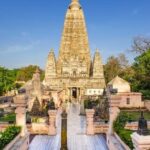
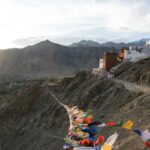
Bodhgaya Meditation + Temple Experience Tour , Imagine sitting in deep meditation at the exact spot where Buddha achieved enlightenment 2,500 years ago. Can you feel the weight of that history, the spiritual energy accumulated through millions of prayers offered across centuries? The Bodhgaya Meditation + Temple Experience Tour isn’t just another tourist activity—it’s an invitation to touch the very essence of Buddhist practice in its most sacred birthplace. This transformative journey combines authentic meditation instruction with profound temple experiences, creating a bridge between ancient wisdom and contemporary spiritual seeking.
Why Bodhgaya is the Ultimate Meditation Destination
Bodhgaya Meditation + Temple Experience Tour , Bodhgaya holds a unique position in the spiritual landscape of our world. This is where the human quest for enlightenment reached its culmination when Siddhartha Gautama, after years of searching and practice, sat beneath a Bodhi tree in unshakable determination and emerged as the Buddha—the Awakened One. The spiritual energy of this achievement hasn’t dissipated; if anything, it has been amplified by countless enlightenment-seekers who have followed in Buddha’s footsteps.
When you meditate in Bodhgaya, you’re not just sitting in a historically significant location—you’re tapping into a living spiritual current that has flowed uninterrupted for millennia. Monks, nuns, and practitioners from every Buddhist tradition worldwide come here to deepen their practice, believing that meditation in this sacred place carries special blessings and power. Many practitioners report experiencing unprecedented depths of concentration, clarity, and insight while meditating here.
What Makes This Tour Different from Regular Sightseeing?
Focus on Inner Experience
Bodhgaya Meditation + Temple Experience Tour , While conventional tours rush you through temples with cameras clicking and guides reciting facts, the Meditation + Temple Experience Tour prioritizes your internal spiritual journey. Yes, you’ll visit the magnificent Mahabodhi Temple and other sacred sites, but the emphasis shifts from external observation to internal transformation. The temples become not destinations to check off your list but sacred spaces for practice and reflection.
Guided Meditation Sessions
Bodhgaya Meditation + Temple Experience Tour , Unlike self-guided visits where you might feel uncertain about what to do or how to engage meaningfully with sacred spaces, this tour provides expert meditation instruction throughout. Experienced teachers guide you through various Buddhist meditation techniques, ensuring both beginners and advanced practitioners benefit. You’re not left wondering how to meditate properly—you’re actively learning and practicing under qualified guidance.
Spiritual Immersion Over Tourism
This tour appeals to seekers rather than sightseers. While you’ll absolutely learn about Buddhist history, architecture, and culture, these elements serve your spiritual development rather than mere intellectual curiosity. The pace is deliberately slower, allowing time for contemplation, practice, and genuine spiritual connection rather than superficial exposure to many sites.
Complete Tour Experience Overview
Morning Meditation at Mahabodhi Temple
Your day typically begins before sunrise with meditation at the Mahabodhi Temple Complex. These pre-dawn hours offer Bodhgaya at its most peaceful and spiritually potent. As darkness gradually yields to light, you’ll join monks and practitioners from around the world in morning meditation sessions. The atmosphere is charged with devotion—the sound of chanting, the scent of incense, and the visual beauty of oil lamps flickering in the semi-darkness create conditions perfect for deep practice.
Your guide will lead you to optimal meditation spots, often near the sacred Bodhi Tree or on one of the designated meditation platforms. They’ll provide cushions if needed and offer brief instruction on posture and technique before the session begins. These morning meditations typically last 30-60 minutes, though you’re welcome to continue practicing as long as desired.
Learning Traditional Buddhist Practices
Beyond seated meditation, the tour introduces you to various Buddhist contemplative practices. You’ll learn proper prostration techniques (a powerful practice for developing humility and devotion), how to make offerings at shrines, and the significance of circumambulation (walking clockwise around sacred objects while maintaining meditative awareness). These practices aren’t just cultural curiosities—they’re time-tested methods for spiritual development that millions have employed successfully.
Temple Circuit Exploration
After morning meditation and breakfast, the tour explores the broader Mahabodhi Temple Complex with fresh eyes. Your guide explains the symbolism embedded in architectural features—why the temple has certain proportions, what different mudras (hand gestures) of Buddha statues represent, and how visual elements support spiritual understanding. This isn’t dry art history; it’s learning to read the temple as a three-dimensional teaching on Buddhist philosophy.
You’ll visit specific sites within the complex including the Animesh Lochana (where Buddha gazed at the Bodhi Tree in gratitude), the Jewel Walk (where Buddha practiced walking meditation), and various smaller shrines, each with its own significance and energy. At each location, brief meditation or reflection periods allow you to absorb the teachings rather than just photograph them.
Monastery Meditation Sessions
The afternoon typically includes visits to one or more international monasteries where you’ll participate in their meditation and prayer sessions. The Tibetan monastery might offer instruction in tonglen (compassion meditation), the Thai temple in mindfulness of breathing, or the Japanese temple in zazen (zen meditation). This exposure to different Buddhist traditions enriches your practice and demonstrates meditation’s universal principles beneath cultural variations.
Many monasteries welcome serious practitioners to join their scheduled group meditations. Sitting alongside ordained monks and nuns provides powerful inspiration and a taste of monastic spiritual life without requiring commitment to that path.
Types of Meditation Taught During the Tour
Vipassana (Insight Meditation)
Vipassana, or insight meditation, forms Buddhism’s core contemplative practice. Your guide will teach you to observe physical sensations, mental phenomena, and the nature of consciousness itself with clear, non-judgmental awareness. Bodhgaya is an ideal place to learn this practice since Buddha himself used vipassana to achieve enlightenment. The technique is remarkably simple yet profoundly transformative, suitable for complete beginners while offering endless depth for advanced practitioners.
Metta (Loving-Kindness Meditation)
Metta bhavana, the cultivation of loving-kindness, systematically develops unconditional goodwill toward yourself and all beings. Your teacher will guide you through the traditional formula of extending wishes for happiness, safety, health, and ease—first to yourself, then to loved ones, neutral persons, difficult people, and finally all beings everywhere. This practice beautifully complements insight meditation, ensuring your spiritual path balances wisdom with compassion.
Walking Meditation
Walking meditation transforms a simple act into profound practice. You’ll learn to coordinate movement with breath and awareness, maintaining mindfulness while in motion. The Jewel Walk platform at Mahabodhi Temple, where Buddha himself practiced walking meditation, provides the perfect setting for learning this technique. Walking meditation is especially valuable for those who struggle with seated practice or need to balance stillness with gentle movement.
Benefits of Meditating at Sacred Sites
Scientific research increasingly validates what contemplatives have long known—environment significantly impacts meditation quality. Sacred sites like Bodhgaya carry what Tibetan Buddhists call “blessing energy” or what psychologists might describe as powerful positive associations and reduced mental distraction. The collective intention of millions of practitioners who’ve meditated here creates an almost tangible atmosphere conducive to practice.
Many meditators report achieving states in Bodhgaya they’ve struggled to reach elsewhere—deeper concentration, clearer insight, or more accessible heart-opening. Whether you attribute this to spiritual blessings, psychological factors, or simply the inspiring environment, the practical result is enhanced practice and potentially breakthrough experiences.
What to Expect from Your Meditation Guide
Your meditation guide isn’t just knowledgeable about techniques—they’re experienced practitioners themselves, often with years or decades of personal practice and retreat experience. They understand meditation’s challenges intimately and can offer personalized guidance for obstacles you encounter. Good guides balance structure with flexibility, providing clear instruction while respecting individual practice needs.
Expect your guide to demonstrate proper posture and technique, explain the theory behind practices, answer questions thoughtfully, and create a supportive environment for sincere practice. They’ll also share insights about Buddhist philosophy and how meditation fits into the broader path toward awakening.
Temple Experience: Beyond the Physical Structures
Understanding Buddhist Symbolism
Every element in Buddhist temples carries symbolic meaning. The lotus flower represents purity arising from mud, the wheel symbolizes Buddha’s teaching, different Buddha poses indicate specific aspects of enlightenment. Your guide decodes this rich symbolic language, transforming temple visits from passive observation into active learning. Understanding symbolism deepens appreciation and provides contemplation objects for meditation.
Participating in Rituals and Prayers
While meditation forms the tour’s core, you’ll also have opportunities to participate in traditional Buddhist rituals—making offerings of flowers, incense, or candles; joining in prayer ceremonies; or receiving blessings from monks. These practices engage devotional aspects of Buddhist spirituality, complementing meditation’s focus on direct experience and insight.
Cultural and Spiritual Context
Understanding Buddhism’s historical development, its spread across Asia, and how different cultures have interpreted its teachings enriches your practice. Your guide provides this context, helping you see how the practices you’re learning have been preserved, adapted, and transmitted across centuries and continents.
Who Should Join This Tour?
This tour welcomes anyone genuinely interested in meditation and spiritual development—whether complete beginners curious about meditation, experienced practitioners wanting to deepen practice in Buddhism’s most sacred setting, or those exploring Buddhism as a potential spiritual path. You don’t need to be Buddhist or hold any particular beliefs; openness and sincere interest are the only requirements.
The tour suits solo travelers seeking spiritual enrichment, couples wanting shared contemplative experiences, or anyone feeling called to explore meditation more seriously than typical vacation activities allow.
Practical Tips for Your Meditation Tour
Wear comfortable, loose clothing suitable for sitting cross-legged, though chairs are available if needed. Bring a meditation shawl or light jacket as temples can be cool. Come with realistic expectations—meditation is rewarding but challenging, and breakthrough experiences aren’t guaranteed. What is guaranteed is authentic instruction in a uniquely powerful setting.
Maintain Noble Silence (not speaking unnecessarily) during meditation periods to support concentration. Stay hydrated but avoid heavy meals before meditation sessions. Most importantly, approach practice with patience and self-compassion. Whether you achieve profound states or struggle with a wandering mind, you’re engaging in the same practice Buddha himself employed on his path to enlightenment.
Conclusion
The Bodhgaya Meditation + Temple Experience Tour offers something increasingly rare in our distracted world—an opportunity for genuine spiritual depth. By combining expert meditation instruction with meaningful engagement with Buddhist sacred sites, this tour provides authentic spiritual development rather than superficial tourism. Whether you emerge with a regular meditation practice, deeper understanding of Buddhism, or simply precious memories of peace found in the world’s most sacred Buddhist location, the experience will resonate long after you’ve left Bodhgaya. For anyone seeking more than vacation photos—for those pursuing actual inner transformation—this tour represents an invaluable investment in your spiritual journey.
FAQs
u003cstrongu003e1. Do I need meditation experience to join this tour?u003c/strongu003e
Not at all! The tour welcomes complete beginners and provides thorough instruction in basic meditation techniques. Your guide will explain proper posture, breathing, and mental approach step-by-step. Beginners often find learning in Bodhgaya’s inspiring environment particularly effective. That said, experienced meditators also benefit greatly from practicing in this sacred setting and receiving guidance from knowledgeable teachers.
u003cstrongu003e2. How long are the meditation sessions during the tour?u003c/strongu003e
Meditation sessions typically range from 30-60 minutes, with flexibility based on group needs and individual capacity. Morning sessions at the Mahabodhi Temple might run longer as practitioners often choose to continue beyond guided portions. Your guide balances providing substantial practice time with avoiding overwhelming beginners. You’re always welcome to extend your personal practice during free periods.
u003cstrongu003e3. What if I find sitting cross-legged uncomfortable or impossible?u003c/strongu003e
Chairs and meditation benches are available at most locations for those who need them. Proper meditation depends on mental attitude, not specific physical posture. Many accomplished meditators use chairs due to age, injury, or physical limitations. Your guide can suggest modifications and props (cushions, benches, back support) to help you find a comfortable yet alert position. The key is being relaxed yet attentive, which is achievable regardless of posture.
u003cstrongu003e4. Will there be opportunities to ask questions about Buddhism and meditation?u003c/strongu003e
Absolutely! The tour includes dedicated time for questions and discussion. Your guide welcomes inquiries about technique, philosophy, challenges you’re experiencing, or broader questions about Buddhism. Many participants find these Qu0026amp;A sessions as valuable as meditation practice itself, clarifying misunderstandings and deepening theoretical understanding that supports practical application.
u003cstrongu003e5. Can I continue practicing meditation independently after scheduled group sessions?u003c/strongu003e
Yes! The Mahabodhi Temple Complex and most monasteries remain open for individual practice outside scheduled tour times. Your guide can suggest optimal times and locations for personal practice. Many participants rise early or stay late to meditate independently, using techniques learned during guided sessions. This combination of structured instruction and independent practice maximizes the tour’s benefits and helps establish sustainable meditation habits you can maintain after returning home.