Your cart is currently empty!
You may check out all the available trips and book one that suits you.
Continue Browsing Trips
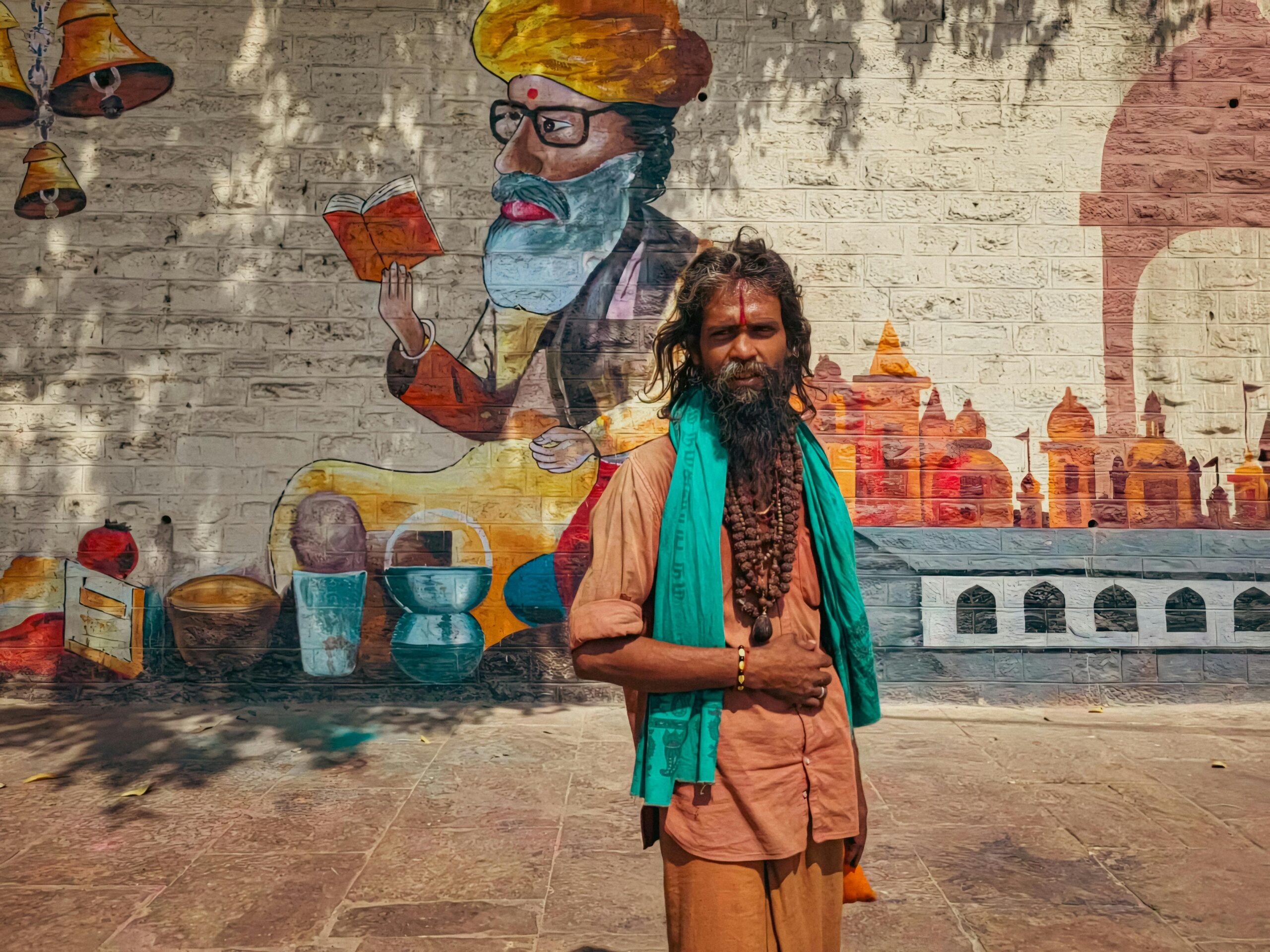
Varanasi Ayodhya Prayagraj Group Tour Package , Imagine standing at the ghats of Varanasi with newfound friends, witnessing the mesmerizing Ganga aarti as thousands of lamps illuminate the night sky. Picture sharing the sacred moment at Triveni Sangam with fellow pilgrims who understand your devotion. Envision the collective energy as your group receives darshan at Ram Mandir in Ayodhya. This is the magic of a Varanasi Ayodhya Prayagraj group tour package—where individual spiritual journeys merge into unforgettable shared experiences.
Varanasi Ayodhya Prayagraj Group Tour Package , Traveling India’s holiest spiritual circuit as a group transforms pilgrimage from a solitary quest into a community celebration. Whether you’re organizing a temple committee tour, planning a friends’ reunion with purpose, or joining strangers who become lifelong companions, group tours offer unique advantages that solo travel simply cannot match.
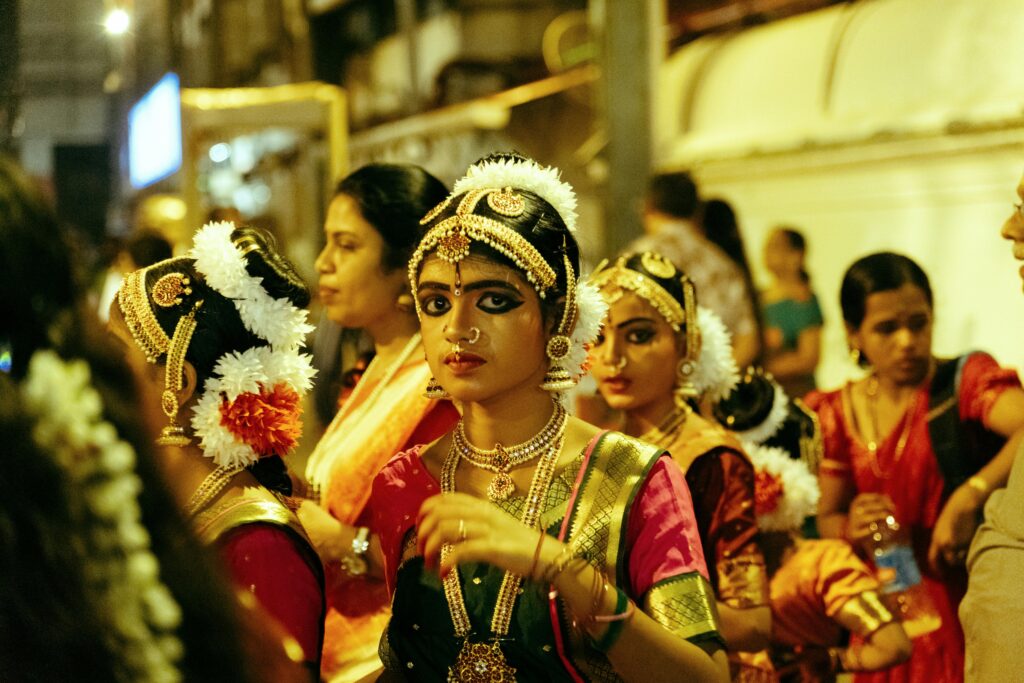
This sacred circuit connects three of Hinduism’s most revered destinations, each offering distinct spiritual experiences. Varanasi, the eternal city where life and death dance together on the banks of Mother Ganga, has mesmerized souls for over 3,000 years. Ayodhya, birthplace of Lord Ram, radiates devotion through its magnificent temples and the sacred Saryu River. Prayagraj, home to Triveni Sangam, offers the ultimate purification where three holy rivers embrace.
VIP Sugam Darshan passes, verified outstation cabs, Ganga aarti boat allocations, and clean hotel stays — fully coordinated by our on-ground team.
Covering these three cities independently requires complex planning, multiple bookings, and constant coordination. Group tour packages eliminate this hassle entirely, transforming what could be stressful logistics into seamless spiritual flow. Your entire focus remains on devotion, learning, and bonding with fellow travelers while experienced operators handle every practical detail.
There’s profound truth in the saying “energy multiplies in numbers.” When a group of devotees chants mantras together, takes holy dips simultaneously, or participates in collective prayers, the spiritual vibration intensifies exponentially. Solo pilgrims often report feeling this collective energy and wishing they’d brought companions to share these powerful moments.
Group tours create instant communities bonded by shared purpose. Strangers quickly become friends as you exchange spiritual experiences, discuss philosophical questions during bus rides, and support each other through challenging moments. Many pilgrims maintain these friendships for years, creating lasting connections rooted in mutual devotion and shared memories.
The diversity within groups enriches everyone’s experience. A retired teacher shares historical knowledge about ancient temples. A young professional explains Sanskrit slokas. An elderly grandmother recounts childhood pilgrimage stories. This organic exchange of wisdom, perspectives, and traditions creates learning opportunities no guidebook can provide.
Let’s address the practical reality—group tours offer significantly better value than individual bookings. Tour operators secure group discounts on accommodations, transportation, and often even temple donations, passing substantial savings to participants.
A typical 4-5 day Varanasi Ayodhya Prayagraj group tour package costs ₹8,000-₹18,000 per person, including accommodations, meals, transportation, guides, and entry fees. Booking the same itinerary independently would easily cost ₹15,000-₹30,000 per person once you account for individual hotel rates, private transportation, separate guide fees, and markup costs.
Larger groups enjoy even better economies of scale. Temple committees organizing tours for 20-30 devotees can negotiate special rates that make premium experiences affordable for everyone. Some operators offer one complimentary ticket for every 15-20 paid participants—perfect for group organizers or spiritual leaders accompanying their community.
Well-designed group tour packages ensure you experience the absolute best of all three cities without feeling rushed or missing crucial sites. A typical 4-5 day itinerary might unfold like this:
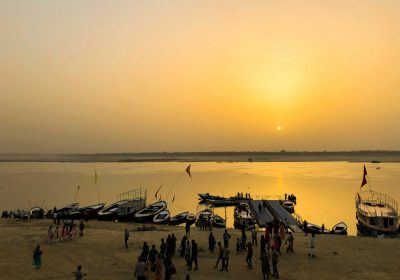
Day 1 – Varanasi: Arrive and settle into your hotel. Evening Ganga aarti at Dashashwamedh Ghat—arguably the most spectacular religious ceremony you’ll ever witness. The synchronized movements of dozens of priests, the massive brass lamps, the devotional chants echoing across the river, and thousands of pilgrims united in reverence create an experience that touches your soul.
Day 2 – Varanasi: Early morning boat ride on the Ganges during sunrise, when the ghats come alive with yoga practitioners, bathing pilgrims, and ancient rituals. Visit Kashi Vishwanath Temple, one of the twelve Jyotirlingas and among Hinduism’s holiest shrines. Explore Sarnath, where Buddha delivered his first sermon after enlightenment, offering fascinating insights into another major spiritual tradition.
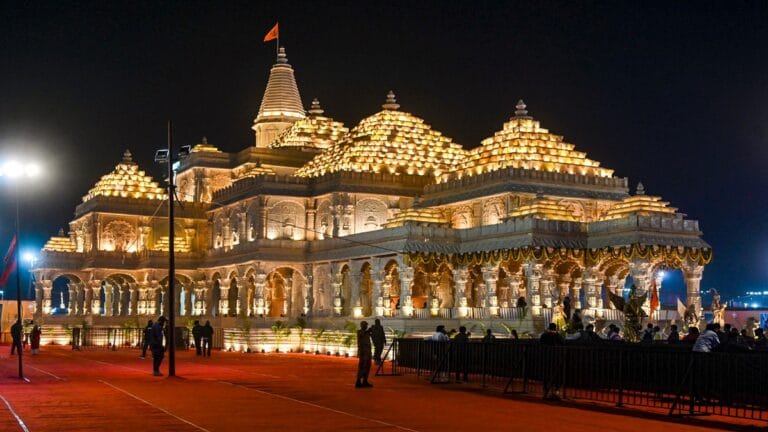
Day 3 – Ayodhya: Journey to the birthplace of Lord Ram. Visit the magnificent Ram Mandir, Hanuman Garhi, Kanak Bhawan, and the serene Saryu Ghats. Evening aarti on Saryu’s banks provides a more intimate, peaceful experience compared to Varanasi’s grand spectacle. Groups often find this quieter devotion equally moving.
Day 4 – Prayagraj: Travel to the Sangam city. The highlight is undoubtedly the boat ride to Triveni Sangam, where your entire group experiences the sacred confluence together. Many groups coordinate taking holy dips simultaneously, creating powerful collective moments. Visit Allahabad Fort, the massive Hanuman Temple, and Anand Bhawan if time permits.
Day 5 – Departure: Morning prayers, final shopping for religious souvenirs, and departures with hearts full of blessings and phones full of group photos.
Group travel inherently offers security advantages, particularly important in crowded pilgrimage cities where pickpockets occasionally operate and navigation can be confusing. Traveling together means someone’s always watching everyone’s belongings. Getting lost becomes nearly impossible when moving as a coordinated unit with experienced guides.
For solo travelers, especially women or elderly persons, joining group tours provides companionship and protection without sacrificing the pilgrimage experience. Many individuals who’d never attempt these cities alone confidently join group tours, knowing they’ll have instant companions and professional support throughout.
Group accommodations are carefully selected for safety, cleanliness, and appropriate locations. Tour operators maintain relationships with reputable hotels that regularly host pilgrim groups, ensuring consistent quality and understanding of travelers’ specific needs like pure vegetarian food and early morning departures.
Knowledge transforms sightseeing into profound understanding. The guides accompanying group tours aren’t just navigators—they’re storytellers, historians, and often spiritual practitioners themselves who bring depth to every location you visit.
They explain the mythology behind each temple, the historical significance of ancient sites, the proper etiquette for various rituals, and the spiritual meaning underlying visible practices. Questions from diverse group members often prompt explanations benefiting everyone, creating organic educational moments throughout the journey.
Many guides have led hundreds of pilgrimages and know exactly how to manage groups efficiently—which entrance avoids longest queues, what time offers the best temple experiences, where to find the cleanest restrooms, and which vendors sell authentic religious items versus tourist traps.
Something magical happens when strangers share intense spiritual experiences. Taking holy dips together at Sangam, chanting mantras in unison at Kashi Vishwanath, watching sunrise over the Ganges as a group—these collective moments forge bonds that transcend typical tourist friendships.
Many participants report that group pilgrimages become life-changing not just spiritually but socially. Retirees find companions who share their devotional interests. Young professionals connect with mentors offering life wisdom. Families befriend other families, leading to years of continued association and even joint celebrations of festivals and life events.
The evening hours, when groups gather for dinner or relax at hotels, become opportunities for deep conversations about faith, life, and philosophy that you’d miss traveling solo. These discussions often prove as valuable as the temple visits themselves.
While group tours follow organized itineraries, quality operators build in flexibility for individual needs. Free time is typically scheduled for personal exploration, shopping, or simply resting at the hotel. If someone needs to skip an activity due to fatigue or health, arrangements can usually be made without disrupting the entire group.
Some tours offer optional activities—like attending special pujas, taking extended boat rides, or visiting additional temples—allowing participants to customize their experience within the group framework. This “structured flexibility” provides the best of both worlds: organized logistics with personal freedom.
Years later, group tour participants remember not just the temples and rituals but the people they met and experiences they shared. The friend who helped you navigate your first temple visit. The elderly uncle who explained complex spiritual concepts in simple terms. The group photo at Ram Mandir that now hangs in your prayer room.
Many groups stay connected through WhatsApp, sharing festival greetings, organizing reunion trips, and maintaining the spiritual community formed during their pilgrimage. Some temple committees make these tours annual traditions, with participants eagerly anticipating both the spiritual journey and reunion with their pilgrimage family.
If you’re organizing a group tour rather than joining one, several factors maximize success. Communicate clearly about fitness levels required—these tours involve significant walking, stairs, and early mornings. Transparency prevents frustration when someone realizes they can’t physically manage the itinerary.
Establish group norms about punctuality, as delays impact everyone. Most successful groups appoint a coordinator who liaises with the tour operator and helps manage group dynamics. Encouraging participants to exchange contact information early helps build community and ensures nobody feels isolated.
For religious organizations or temple committees, group tours offer opportunities for collective spiritual growth and community strengthening. These shared pilgrimages often reignite devotional enthusiasm and deepen participants’ connection to their faith and community.
A Varanasi Ayodhya Prayagraj group tour package isn’t merely a vacation—it’s a transformative pilgrimage where individual seeking merges with collective devotion, where ancient spirituality meets modern convenience, and where strangers become spiritual family.
TripCosmos has perfected the art of group spiritual tours, understanding both the logistical complexities and the sacred nature of these journeys. Their experienced team ensures every participant feels cared for, every site is experienced meaningfully, and every moment contributes to the profound spiritual impact that makes these tours truly unforgettable.
The temples await. The sacred rivers call. Your spiritual community is gathering. Will you join them on this extraordinary journey through India’s holiest cities?
Most operators consider 12-25 people the ideal group size. Groups smaller than 12 may not receive the best pricing and can feel too intimate if personalities clash. Groups larger than 25-30 become harder to coordinate, with longer waiting times and less personalized attention. TripCosmos typically caps groups at 25 participants to maintain quality experiences while maximizing value and community feeling.
Absolutely! Solo travelers frequently join group tours and often report it’s the best decision they made. You’ll have instant companionship, shared costs, and ready-made friends without the awkwardness of initiating conversations. Many tour operators offer “guaranteed departure” tours with fixed dates where solo travelers can join existing groups. Some even facilitate roommate matching to help solo travelers avoid single-occupancy charges.
Standard group packages include accommodation (usually twin/triple sharing), all meals (breakfast, lunch, dinner—pure vegetarian), transportation in AC buses or tempo travelers, professional guides, entry fees to monuments, boat rides at Varanasi and Prayagraj, and basic travel insurance. Excluded items typically include personal expenses, tips for guides and drivers, special puja costs, and shopping. Always confirm inclusions before booking to avoid surprises.
The tour involves moderate physical activity—walking through temple complexes, climbing stairs (Hanuman Garhi in Ayodhya has 76 steps), getting in and out of boats, and 3-4 hours of bus travel between cities. Most reasonably fit elderly people handle it well, especially with regular rest breaks that group tours provide. If you have specific mobility concerns, inform the operator beforehand—they can often arrange wheelchair assistance at major sites or modify the itinerary slightly for your needs.
Professional tour operators have protocols for health emergencies. Guides carry basic first-aid supplies and maintain relationships with reliable doctors and hospitals in each city. If someone needs medical attention, the guide arranges treatment while the rest of the group continues with a modified schedule. In serious cases, the operator helps arrange early return travel or extended stays until the person recovers. This is another advantage of group tours—you’re never alone if health issues arise, and there’s always someone to help.
VIP Sugam Darshan passes, verified outstation cabs, Ganga aarti boat allocations, and clean hotel stays — fully coordinated by our on-ground team.
Starting from ₹11,500 / Person (Reserve with 30% advance deposit)
TripCosmos guarantees verified Kashi Vishwanath Sugam Darshan passes (zero line waiting), private Dev Deepawali & Ganga Aarti Bajra boats, and verified Toyota Innova Crysta cabs with trusted local chauffeurs.