Your cart is currently empty!
You may check out all the available trips and book one that suits you.
Continue Browsing Trips

Is Online Tour Booking Safe? , The digital revolution has transformed how we plan and book travel, with online tour booking platforms offering unprecedented convenience, competitive pricing, and vast choices at our fingertips. However, as millions of travelers shift from traditional travel agents to online bookings, a critical question emerges: is online tour booking truly safe? The answer is more nuanced than the travel industry wants you to believe, with both genuine security measures and hidden risks that deserve your careful attention.
Is Online Tour Booking Safe? , Traditional travel agents often paint online booking as risky and unreliable, while online platforms tout absolute safety and superior service. The truth lies somewhere between these extremes. Understanding the real safety landscape empowers you to leverage online booking’s tremendous advantages while protecting yourself from legitimate risks. This comprehensive guide reveals what both traditional agents and online platforms rarely discuss openly, giving you the complete picture to make confident, secure booking decisions.
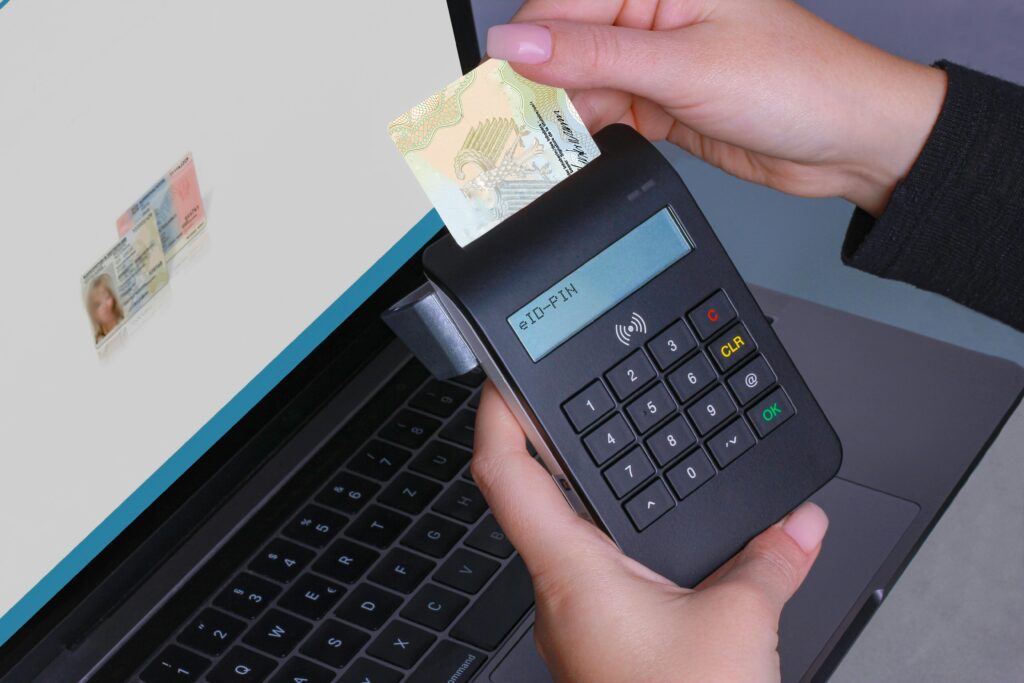
Online tour booking, when done through reputable platforms, is generally safe and often more secure than traditional booking methods. Leading platforms invest millions in cybersecurity, encryption technologies, and fraud prevention systems that surpass what most small travel agencies can afford. Your payment information, personal data, and booking details receive protection through industry-standard security protocols.
However, “generally safe” doesn’t mean universally safe. The online travel industry includes both legitimate operators with robust security infrastructure and fraudulent websites designed to steal your money and personal information. The challenge lies in distinguishing trustworthy platforms from dangerous imposters—a skill that traditional agents won’t teach you because it threatens their business model.
Major online travel companies and established tour operators like TripCosmos.co implement multiple security layers: SSL encryption for data transmission, PCI DSS compliance for payment processing, secure servers for information storage, and rigorous verification processes for partner hotels and service providers. These protections often exceed what traditional agencies offer, especially smaller operations working with outdated systems.
Traditional travel agents have vested interests in portraying online booking as dangerous, but several truths contradict their warnings. First, online platforms provide transparent customer reviews that traditional agents cannot manipulate. You can read hundreds of genuine experiences from previous travelers, offering insights no sales pitch can match.
Second, online bookings create comprehensive digital trails—confirmations, receipts, communication records—that protect consumers far better than verbal promises or handwritten receipts from traditional agencies. If disputes arise, your digital documentation provides clear evidence that’s difficult to contest.
Third, online platforms often offer superior customer protection policies. Many provide money-back guarantees, flexible cancellation options, and dedicated customer support teams available 24/7. Traditional agencies typically close at 6 PM, leaving you stranded if problems emerge during evenings or weekends.
Fourth, competitive online markets force transparency regarding pricing, inclusions, and terms. Traditional agents sometimes hide commission structures, markup percentages, or partnerships that influence their recommendations. Online platforms clearly display total costs, fees, and exactly what you’re purchasing.
However, travel agents are correct about one thing: not all online platforms are equally safe. Their mistake lies in suggesting that online booking is inherently dangerous rather than teaching consumers how to identify trustworthy platforms.
Protecting yourself starts with recognizing warning signs that indicate potentially fraudulent or unreliable online booking platforms.
Lack of Proper Security Certificates: Legitimate platforms display “https://” in their URL and show padlock icons in the browser address bar. Sites without SSL certificates cannot encrypt your data, leaving payment information vulnerable to interception. Never enter credit card details on non-secure websites.
Unrealistically Low Prices: If a tour package costs 50-70% less than competitors for identical services, investigate thoroughly. Scammers lure victims with incredible deals that seem too good to be true—because they are. Either services won’t be delivered as promised, or the website exists solely to steal payment information.
Poor Website Quality: Professional platforms invest in well-designed, functional websites with clear navigation, professional photography, detailed information, and error-free content. Sites with broken links, grammatical errors, pixelated images, or amateurish design often indicate fraudulent operations.
Limited Contact Information: Trustworthy companies provide multiple contact methods—phone numbers, email addresses, physical office locations, and live chat support. Be suspicious of platforms offering only web forms or generic email addresses without verifiable business locations.
No Customer Reviews or Only Perfect Reviews: Legitimate platforms accumulate mixed reviews over time—mostly positive with occasional criticisms. Sites with zero reviews or exclusively five-star reviews without any negative feedback likely feature fabricated testimonials.
Pressure Tactics: Scam sites create artificial urgency through countdown timers, claims of limited availability, or pressure to book immediately. Legitimate operators allow time for consideration and welcome questions before booking.
Payment Method Restrictions: Trustworthy platforms accept credit cards, which offer fraud protection and chargeback rights. Be extremely cautious of sites demanding wire transfers, cryptocurrency, or prepaid cards—these payment methods offer no consumer protection.
Before booking any tour online, invest time in verification to ensure you’re dealing with a legitimate, trustworthy operator.
Research Company Background: Search for the company name with terms like “review,” “scam,” or “complaint.” Check how long they’ve been operating—established companies have years of verifiable history. New platforms aren’t necessarily fraudulent, but they require extra scrutiny.
Verify Business Registration: Legitimate tour operators register with tourism authorities and business bureaus. Check registrations with national tourism boards, Better Business Bureau ratings, or local business registries. Reputable platforms like TripCosmos.co transparently share registration numbers and certifications.
Read Independent Reviews: Examine reviews across multiple platforms—Google Reviews, TripAdvisor, Trustpilot, and travel forums. Look for patterns in feedback, both positive and negative. Genuine reviews mention specific details, while fake ones remain vague and overly enthusiastic.
Test Customer Service: Contact the platform with questions before booking. Assess response quality, knowledge, and professionalism. Legitimate operators employ trained staff who provide detailed, helpful answers. Poor communication often signals unreliable service.
Examine Terms and Conditions: Trustworthy platforms provide clear, comprehensive terms covering cancellations, refunds, modifications, and dispute resolution. Vague or absent terms suggest potential problems. If you can’t understand the policies or find them unreasonably restrictive, consider alternative platforms.
Check Social Media Presence: Established platforms maintain active social media accounts with regular posts, customer interactions, and genuine engagement. Dormant accounts or those with purchased followers indicate questionable operations.
Even when booking through legitimate platforms, following payment best practices adds crucial protection layers.
Use Credit Cards, Not Debit Cards: Credit cards offer superior fraud protection, chargeback rights, and don’t provide direct access to your bank account. Many credit card companies also provide travel protections and purchase guarantees.
Avoid Public Wi-Fi for Transactions: Never enter payment information while connected to public Wi-Fi networks in cafes, airports, or hotels. These networks are vulnerable to interception. Use secure home networks or mobile data connections for financial transactions.
Enable Two-Factor Authentication: If platforms offer two-factor authentication for accounts, enable it immediately. This additional security layer prevents unauthorized access even if someone obtains your password.
Monitor Statements Immediately: After booking, check your credit card statement within 24-48 hours to verify the correct charge amount. Report any discrepancies immediately to your card issuer.
Save All Confirmation Documents: Download and save all booking confirmations, receipts, email communications, and terms. These documents prove your purchase and protect you in disputes.
Understand Cancellation Policies: Before paying, fully understand cancellation terms, refund procedures, and any penalties. Screenshot these policies as they sometimes change after booking.
While addressing safety concerns, it’s important to recognize the genuine benefits that make online booking attractive despite risks.
Price Transparency and Comparison: Online platforms allow instant comparison of dozens of options, ensuring you understand market rates and identify the best value. Traditional agents control information flow, potentially steering you toward options offering them higher commissions.
Comprehensive Information Access: Online platforms provide detailed itineraries, photo galleries, customer reviews, and comprehensive descriptions that allow informed decision-making. Traditional agents share only what they choose to reveal.
Flexibility and Convenience: Book anytime from anywhere, modify reservations online, and access your information 24/7. Traditional agencies operate during limited hours and require in-person visits or phone calls.
Direct Communication Records: Email and chat transcripts create verifiable records of promises, commitments, and agreements. Verbal conversations with traditional agents leave no proof of what was discussed.
Competitive Pricing: Online platforms’ lower overhead costs often translate to better prices. Without physical offices and large staff, savings pass to customers through reduced markups.
Despite online booking’s advantages, certain scenarios favor traditional travel agents for enhanced safety and support.
Complex Multi-Destination Itineraries: When planning intricate trips involving multiple countries, various transportation modes, and complicated logistics, experienced agents provide valuable expertise that reduces risk of planning errors.
Destination-Specific Expertise: For challenging destinations with safety concerns, language barriers, or complex visa requirements, agents specializing in those regions offer insights and protections worth their fees.
Group Travel Coordination: Large groups with varied needs benefit from agents who handle coordination complexities and provide single-point accountability.
Travelers Uncomfortable with Technology: If you struggle with computers, prefer personal interactions, or find online research overwhelming, traditional agents provide peace of mind through personalized service.
Emergency Support Needs: Some travelers value having a dedicated agent they can call during emergencies, though many online platforms now offer 24/7 support matching or exceeding traditional agency assistance.
The question isn’t whether online booking is safe in absolute terms, but whether you can identify safe platforms and follow security best practices. Millions of travelers successfully book online daily, enjoying convenience, transparency, and excellent value while maintaining complete safety.
Your optimal approach depends on your comfort with technology, research willingness, destination complexity, and personal preferences. Many travelers adopt hybrid strategies—using online platforms for straightforward bookings while consulting agents for complex trips.
TripCosmos.co combines online booking’s convenience and transparency with the personalized service and expertise traditionally associated with travel agents. Their platform provides secure booking infrastructure, verified service providers, transparent pricing, and dedicated support—offering the best of both worlds.
Whether you choose online platforms, traditional agents, or hybrid approaches, prioritize verification, security practices, and clear documentation. The safest booking method is the one where you understand exactly what you’re purchasing, from whom, and with what protections—regardless of whether it’s online or offline.
Check for SSL security certificates (https:// and padlock icon), verify business registration with tourism authorities, read reviews across multiple independent platforms, examine social media presence and activity, test customer service responsiveness, and confirm physical office addresses. Legitimate platforms like TripCosmos.co transparently display credentials, certifications, and comprehensive contact information. Avoid sites with only web forms, unrealistic pricing, or pressure tactics.
Credit cards offer the best protection for online bookings through fraud liability limits, chargeback rights, and purchase protections. Avoid wire transfers, cryptocurrency, or prepaid cards that provide no recourse if problems arise. Never use debit cards for online travel purchases as they provide direct bank account access. Enable two-factor authentication and monitor statements immediately after booking.
Generally, yes. Online platforms often offer 10-30% lower prices due to reduced overhead costs, direct supplier relationships, and competitive market pressures. However, the cheapest option isn’t always the safest or best value. Compare total costs including fees, verify what’s included, and ensure the platform is legitimate. Sometimes traditional agents provide better value through expertise, personalized service, and problem-solving support worth modest price premiums.
Do not proceed with booking. Report the website to consumer protection agencies, tourism authorities, and cybersecurity organizations. If you’ve already provided payment information, contact your credit card company immediately to flag potential fraud and request card replacement. File complaints with relevant authorities and post warnings on travel forums to protect other travelers.
Refund possibilities depend on the platform’s policies, your payment method, and the nature of the problem. Legitimate platforms provide clear refund procedures for cancellations, service failures, or operator defaults. Credit card chargebacks offer additional protection when services aren’t delivered as promised. Always purchase travel insurance for comprehensive coverage, read cancellation policies before booking, and save all documentation to support refund requests.




Comments are closed.