Your cart is currently empty!
You may check out all the available trips and book one that suits you.
Continue Browsing Trips
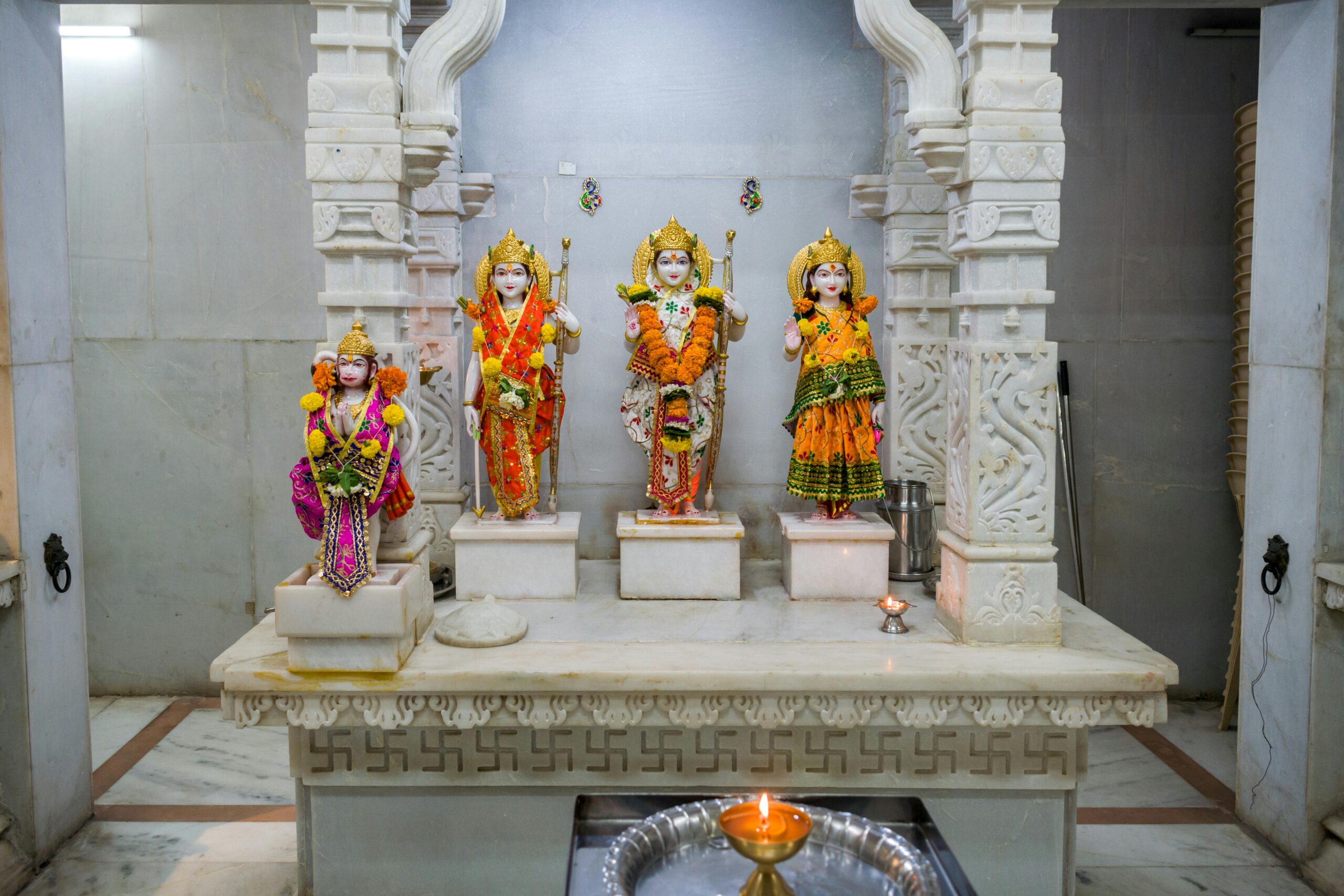
Pilgrimage Circuits in India, Plan the right number of days for India’s major pilgrimage circuits — Varanasi, Char Dham, Buddhist circuit & more. Practical tips by Tripcosmos.
One of the most common questions every pilgrim asks before booking a trip — “How many days do I actually need?” And honestly, it’s one of the most important questions too. Rush a spiritual journey and you come back with photos but no peace. Stretch it unnecessarily and fatigue kicks in before the blessings do. Getting the number of days right is the difference between a meaningful pilgrimage and a stressful checklist tour.
India has multiple major pilgrimage circuits — the Varanasi–Ayodhya–Prayagraj sacred triangle, the Char Dham Yatra in the Himalayas, the Buddhist circuit through Bodh Gaya and Sarnath, and many more. Each circuit has its own rhythm, its own distances, and its own demands. This guide breaks down exactly how many days each major circuit needs, what you can realistically cover in that time, and how to plan it without leaving anything important behind.
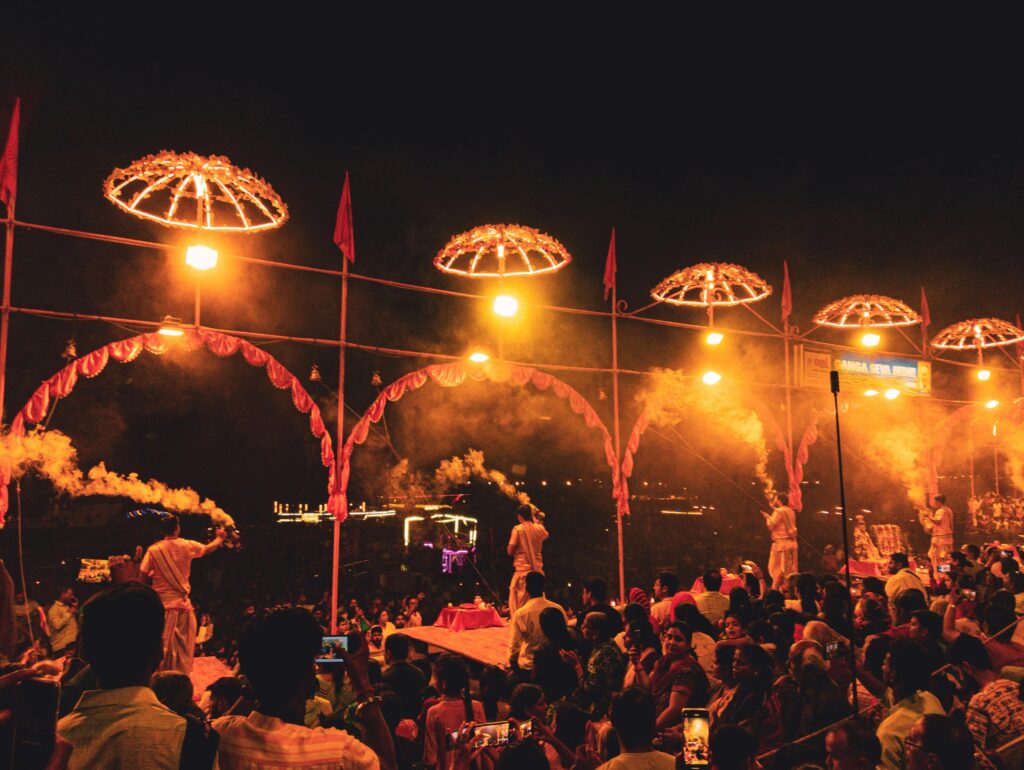
If there’s one pilgrimage circuit that defines North Indian Hindu spirituality, it’s this one. The Varanasi–Ayodhya–Prayagraj circuit is a sacred triangle that has been the spine of India for over 3,000 years. Varanasi is considered one of the world’s oldest continuously inhabited cities, Ayodhya is revered as the birthplace of Lord Rama, and Prayagraj is home to the Triveni Sangam — the confluence of three holy rivers.
So how many days does this circuit need? The honest answer is: it depends on your depth of engagement. But here’s a clear breakdown.
A 3N/4D plan is what most working professionals and families with school-going children opt for. It’s compact but doable. You spend roughly one full day in each city with one day absorbed in travel transitions. You’ll catch the Ganga Aarti and Kashi Vishwanath in Varanasi, the Ram Mandir and Hanuman Garhi in Ayodhya, and the Sangam boat experience in Prayagraj. You won’t have time for everything — Sarnath, for instance, might get skipped — but the core spiritual experiences are all covered.
Varanasi, Prayagraj, and Ayodhya require a well-planned itinerary to see the main places without feeling rushed. Seven days is the best duration to see each city deeply. Two days in Varanasi is enough to see the ghats, temples, and Sarnath. Two days in Prayagraj covers the Triveni Sangam, Anand Bhavan, and historic sites. Ayodhya requires two days to see Ram Janmabhoomi, Hanuman Garhi, and other temples. One extra day should be kept as a buffer for travel and relaxation.
This 6–7 day structure is what Tripcosmos recommends for families and devotees who want genuine depth, not just a stamp-collecting tour. The Varanasi Ayodhya Prayagraj Tour Package by Tripcosmos is built around this very framework — private cabs, guided temple visits, boat rides, and flexible pacing all bundled together. Typically, 5 to 6 days are ideal to cover all major spiritual sites without rushing.
Day 1: Arrival in Ayodhya — visit Ram Janmabhoomi, Hanuman Garhi, Saryu Aarti. Day 2: Local sightseeing — Kanak Bhawan, Nageshwarnath Temple, overnight stay. Day 3: Transfer to Prayagraj — visit Sangam, Hanuman Temple, and Akshayavat. Day 4: Early morning dip at Sangam, proceed to Varanasi, Ganga Aarti in the evening. Day 5: Visit Kashi Vishwanath, Sankat Mochan, Tulsi Manas Mandir, boat ride. Day 6: Morning heritage walk or optional visit to Sarnath, then departure.
This is a well-tested structure that Tripcosmos has refined across thousands of pilgrim groups. If you want all ground transportation, hotel bookings, meals, and guide services managed under one roof, the 3 Best Pilgrimage Circuits page on Tripcosmos is worth exploring before you finalise your plan.
The Char Dham — Yamunotri, Gangotri, Kedarnath, and Badrinath — is considered the ultimate Himalayan pilgrimage in Hinduism. These four sacred shrines represent the journey of purification, surrender, and spiritual elevation — and each one sits deep in the Himalayas. This is not a circuit you can rush. The altitude, the terrain, and the weather all demand that you give it adequate time.
Group packages for Char Dham typically span 10–12 days, including acclimatisation stops, rest days, and comprehensive coverage of all four shrines plus associated temples like Tungnath and Rudraprayag. This is the standard recommendation for a reason — altitude acclimatisation is not optional, and skipping rest days increases the risk of altitude sickness significantly.
For helicopter yatras (Kedarnath helicopter + road for the rest), 8–10 days is a realistic minimum. For those doing the full trek to Kedarnath on foot and travelling primarily by road, 12–14 days is the more comfortable option, especially for families with senior members.
If you’re combining the Char Dham with a Varanasi visit — which many pilgrims prefer since Kashi is closely associated with Lord Shiva who resides at Kedarnath — a 14–16 day circuit is ideal. The most spiritually ambitious ready-made tour plan combines the complete Char Dham Yatra’s four Himalayan sacred shrines with the eternal sacred city of Varanasi in one comprehensive ten-day package of extraordinary devotional breadth. Tripcosmos’ Varanasi Cab Service handles all outstation vehicle arrangements for the North India legs of such extended circuits — you can check that out at tripcosmos.co/varanasi-cab-service.
The Buddhist circuit covers the four most sacred sites in the life of the Buddha — Bodh Gaya (enlightenment), Sarnath (first sermon), Kushinagar (Mahaparinirvana), and Lumbini in Nepal (birthplace). For spiritually inclined travellers of any faith, this circuit is one of the most peaceful and historically layered pilgrimages in the world.
The duration of the Buddhist circuit tour India package is 7 days, with the journey starting in Varanasi and ending in Ayodhya. Sarnath, being just 10 kilometres from Varanasi city centre, is typically the starting point — and most travellers fold it into their Varanasi visit naturally.
A 7-day plan covers all four major sites comfortably, with a day each at Sarnath, Bodh Gaya, Rajgir (optional but highly recommended), and Kushinagar, plus transit days. If you’re including Lumbini across the Nepal border, add 1–2 days. Tripcosmos arranges the full Buddhist Circuit Tour in India including border formalities, transport, meditation retreat bookings, and spiritual guide services across all key sites.
| Pilgrimage Circuit | Minimum Days | Recommended Days | Best For |
|---|---|---|---|
| Varanasi Only | 2 days | 3 days | Quick pilgrims, first-time visitors |
| Varanasi–Ayodhya–Prayagraj | 4 days | 6–7 days | Families, devotees |
| Char Dham Yatra (Himalayan) | 8 days (helicopter) | 12–14 days | Dedicated pilgrims |
| Buddhist Circuit | 6 days | 7–8 days | Cultural & spiritual seekers |
| Varanasi + Char Dham Combined | 10 days | 14–16 days | Serious spiritual travellers |
| Pan-India Temple Circuit | 10 days | 14+ days | Multi-tradition pilgrims |
Let’s be real — most people underestimate pilgrimage travel time. They look at distances on a map, assume road travel will be quick, and end up spending half a day stuck in traffic or waiting for a delayed train. Temple queues at major sites like Kashi Vishwanath or Ram Mandir can add 2–4 hours to any morning. Cremation processions at Manikarnika Ghat can slow ghat movement. Sangam currents at Prayagraj affect boat ride scheduling.
The solution isn’t to overschedule — it’s to build in buffer time. Every experienced pilgrim will tell you that the unexpected moments in between — the spontaneous conversation with a sadhu, the chai at a ghat-side stall, the morning mist over the Ganges — are often the most spiritually meaningful parts of the trip. You only get those moments when you’re not racing a clock.
Don’t over-schedule. Spiritual journeys require time for absorption and reflection. It’s better to experience fewer places deeply than to rush through many superficially. Include rest days for integration, especially after intense experiences.
Longer trips cost more in absolute terms but often less per day — because multi-day packages are always cheaper per night than single-night bookings, and because you avoid the premium pricing that comes with rushed, last-minute logistics. For the Varanasi–Ayodhya–Prayagraj circuit, a 6-day package from Tripcosmos works out significantly more cost-effective per day than a rushed 3-day itinerary pieced together at the last minute.
For larger family groups using a tempo traveller across multiple cities, the vehicle cost gets distributed over more days, reducing the per-day expense meaningfully. You can hire a tempo traveller in Varanasi through Tripcosmos for the full circuit, ensuring everyone travels together without dividing across multiple cabs.
One week allows focus on one region — Buddhist circuit, Char Dham in Uttarakhand, or South Indian temples. Two weeks enables combining two regions or including yoga and meditation retreats alongside pilgrimages. Three to four weeks permits comprehensive coverage of multiple traditions or deep immersion in one location.
Whether you have 3 days or 14, Tripcosmos can build a pilgrimage plan that fits your time, budget, and devotional priorities. From private cab bookings and tempo traveller hires to complete multi-city tour packages with guides, boat rides, and hotel — everything is handled by a team that is genuinely rooted in North India’s spiritual landscape.
Explore Tripcosmos multi-city tour packages and spiritual tour planning resources on their website. For group travel, their Varanasi taxi service and outstation cab options cover everything from local temple runs to multi-day Himalayan circuit logistics.
Website: https://tripcosmos.co WhatsApp: +91 9336116210
Share your circuit preference, travel dates, group size, and available days — the team puts together a complete itinerary with pricing within the hour.
There’s no single correct answer to “how many days are enough” — but there are clearly wrong answers, and rushing a pilgrimage is one of them. For the Varanasi–Ayodhya–Prayagraj triangle, 6–7 days is the sweet spot. For Char Dham, plan for at least 10–12. For the Buddhist circuit, 7 days covers it meaningfully. Match your days to your circuit, build in buffer time, arrange your transport in advance, and let the journey do what pilgrimages are supposed to do — slow you down enough to feel something real. For more on pilgrimage as a spiritual practice, the Wikipedia article on Pilgrimage offers helpful historical and cross-cultural context.
The minimum is 4 days (3 nights), but 6–7 days is the recommended duration to cover all three cities at a comfortable, spiritually meaningful pace without feeling rushed. A one-day buffer for transit and rest is advisable.
It’s possible using helicopter services for Kedarnath and efficient road planning, but 10 days is the practical minimum. Trying to do it in 7–8 days leaves no room for weather delays, health issues, or altitude adjustment — all of which are common in Himalayan terrain.
Yes, a focused 2-day visit to Varanasi covers the Ganga Aarti, a morning boat ride, Kashi Vishwanath Temple, and Sarnath. It’s not a deep immersion, but it’s a genuinely meaningful visit if your time is truly limited.
Absolutely. Since Sarnath is just 10 km from Varanasi, it’s naturally the starting point of the Buddhist circuit. A 7–8 day plan that begins in Varanasi and moves through Bodh Gaya, Rajgir, and Kushinagar is the standard combined approach.
Start with the circuit you want to cover, then add one buffer day per 3 days of travel. If you have seniors or children, add another day. Contact Tripcosmos on WhatsApp (+91 9336116210) with your preferences — they’ll build a day-by-day plan matched to your available time and group needs.