Your cart is currently empty!
You may check out all the available trips and book one that suits you.
Continue Browsing Trips
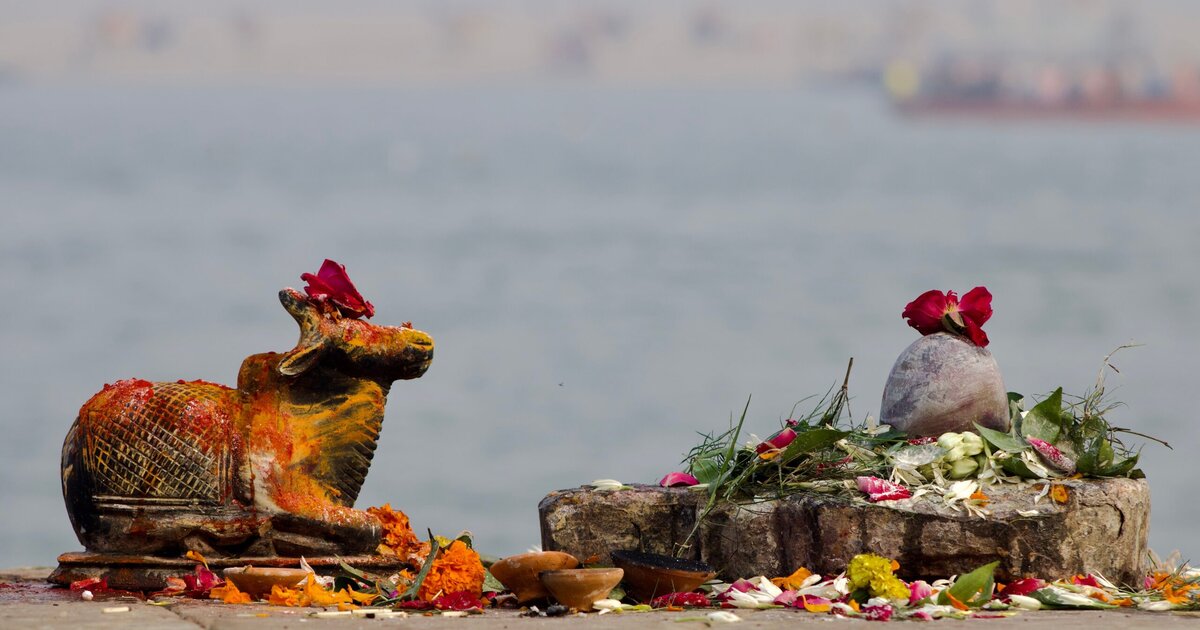
Ayodhya vs Varanasi first? Complete honest comparison guide for 2026 pilgrims — spiritual sequencing, logistics, costs & expert tips by Tripcosmos.
If you are planning a North India pilgrimage in 2026 and have both Ayodhya and Varanasi on your list — which is almost certainly the case — then this is the question you need answered before you book a single ticket. Most travel blogs either ignore it entirely or give you a vague “both are equally wonderful, plan according to your convenience” non-answer that helps no one. This guide does the opposite. It gives you a direct, specific, and genuinely reasoned recommendation — built on how the spiritual experience of one city prepares you for the other, on logistics and geography, on departure city, on the composition of your travel group, and on the emotional arc that a well-sequenced pilgrimage creates.
The short answer, supported by everything below: visit Varanasi first, Ayodhya second — for the large majority of pilgrims, for most departure cities, and for the most emotionally satisfying spiritual arc. But there are specific and legitimate exceptions, and this guide covers every one of them so you can make the right decision for your exact situation.
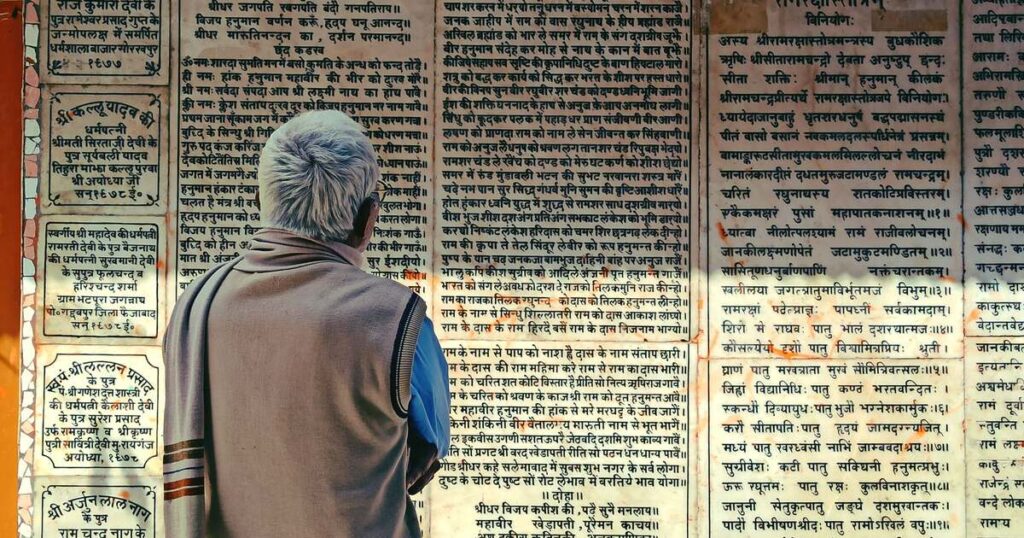
Before jumping into the sequencing question, it is worth being precise about what these two cities actually are — because the comparison is not between two similar pilgrimage destinations. It is between two fundamentally different spiritual experiences that complement each other rather than duplicate each other.
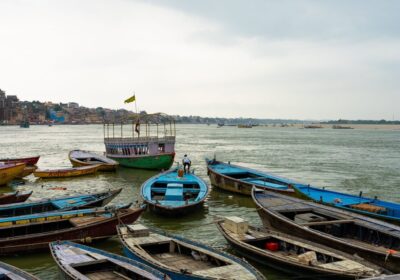
Varanasi — also known as Kashi or Banaras — is one of the world’s oldest continuously inhabited cities and the spiritual capital of Lord Shiva’s tradition. Its character is philosophical, intense, ancient, and simultaneously life-affirming and death-facing. The Ganga at dawn, the Manikarnika cremation fire, the Kashi Vishwanath Jyotirlinga, the 84 ghats alive with prayer and ritual — Varanasi asks something of you. It confronts you with the biggest questions: impermanence, devotion, liberation. It is overwhelming in the best possible sense — the kind of overwhelming that opens something rather than closes it.
Ayodhya is the birthplace of Lord Rama and the spiritual home of the Vaishnava devotional tradition. Its character is warm, joyful, familial, and emotionally accessible in a way that Varanasi’s philosophical intensity is not always. The Ram Mandir, Hanuman Garhi, Kanak Bhawan, the Saryu Ghat evening aarti — Ayodhya gives you a sense of coming home rather than being transformed. It is devotional love — bhakti — in its most straightforward and most human form. Where Varanasi asks you to contemplate, Ayodhya invites you to celebrate.
These two spiritual registers — philosophical depth and devotional joy — are not in competition. They are sequential in the most natural possible way. And that sequential relationship is the core of the sequencing recommendation.
The answer to “where to go first” is Varanasi — consistently, for almost every pilgrim type. Here is the specific reason this sequence works better in one direction than the other.
Varanasi’s philosophical intensity — the Ganga at dawn, Manikarnika’s sacred fire, the Kashi Vishwanath Jyotirlinga — creates a spiritual seriousness and openness that makes the Ayodhya experience significantly deeper. When you have spent two days in Kashi — watching the city face death with equanimity, standing before the Jyotirlinga in the pre-dawn quiet, feeling the weight of three thousand years of continuous devotion — something opens in you. Your threshold for spiritual experience rises. You arrive in Ayodhya not as a tourist but as a pilgrim who has already been prepared. The Ram Mandir lands differently when you come to it from Kashi than when you go to Kashi from it.
Visiting Ayodhya first and then Varanasi often leaves pilgrims feeling Ayodhya’s joyful devotion was beautiful but Varanasi’s depth was unexpected and overwhelming. Visiting Varanasi first and then Ayodhya creates a natural emotional journey — from Shiva’s philosophical city to Rama’s devotionally joyful birthplace — that feels spiritually complete and emotionally satisfying. Think of it as a musical arc: Varanasi is the sustained, complex opening raga — intricate, demanding, transformative. Ayodhya is the satisfying, joyful resolution that brings everything together in a major key.
Beyond the spiritual sequencing argument, there is a straightforward geographical and logistical case for Varanasi first. The most logical circuit from most North Indian departure cities flows east to west — Varanasi (easternmost) to Ayodhya (200 km west) to Prayagraj (extending from Ayodhya). This east-to-west flow means Varanasi is naturally the first city you encounter when coming from Kolkata, Patna, Jharkhand, or most eastern India departure points. It is also the first meaningful stop when coming by train from Delhi via the main UP rail corridor — the Vande Bharat from Delhi reaches Varanasi in approximately 8 hours, making it the natural starting point.
The three-day Varanasi Ayodhya itinerary begins at 5:30 AM in Varanasi and departs at 6:00 AM for Ayodhya on Day 2. These two timings determine whether the entire circuit works or feels rushed. Everything else follows from getting these right. The pre-arranged private Tripcosmos cab manages the 200-kilometre Varanasi to Ayodhya transition, arriving in Ayodhya by mid-morning in time for the afternoon temple circuit and evening Saryu Aarti. This sequence flows perfectly with the geography. Reversing it — arriving in Varanasi from Ayodhya after a long cab drive — means arriving tired and often too late for the sunrise boat ride that every Varanasi visit should begin with. The 3 Days Varanasi Ayodhya Itinerary from Tripcosmos is built specifically around this east-to-west sequence and has been tested across hundreds of pilgrim groups.
Varanasi also has a significantly more developed tourism and pilgrimage infrastructure than Ayodhya — particularly for ghat-side accommodation at every budget level. Beginning in Varanasi allows you to settle into a comfortable base before moving to Ayodhya’s more limited accommodation options. Starting in Ayodhya and then arriving in Varanasi searching for ghat-adjacent hotels without pre-booking is a reliably stressful experience that the Varanasi-first sequence avoids entirely. The Varanasi Tour Package from Tripcosmos covers the complete Varanasi leg with pre-vetted hotel recommendations at every budget tier.
The Varanasi-first recommendation is not universal — and being honest about the exceptions is more useful than pretending there is one right answer for everyone. There are specific and legitimate situations where visiting Ayodhya before Varanasi is clearly the right choice.
Ayodhya is significantly closer to both Lucknow (130 km) and Delhi than Varanasi is. Visitors arriving from Lucknow face a 130-kilometre cab or train journey to Ayodhya versus a 330-kilometre journey to Varanasi. Beginning in Ayodhya and then travelling east to Varanasi is the natural geographic sequence from these departure points — and it works logistically because the Varanasi sunrise boat ride, which is the most important first experience in that city, can be preserved for Day 2 or 3 of the circuit when you arrive in Varanasi fresh from Ayodhya. For pilgrims flying into Lucknow — which has the strongest flight connectivity after Delhi and Mumbai — Ayodhya first is simply the more sensible geographic starting point.
For deeply devoted Ram bhakts whose primary spiritual relationship is with Lord Rama rather than Lord Shiva — pilgrims for whom Kashi Vishwanath is important but Ram Janmabhoomi is the supreme darshan of the circuit — Ayodhya first has a genuine theological argument. You approach your most significant darshan with the freshest energy, the purest intention, and the least physical fatigue. Varanasi then follows as the philosophical culmination — the city that places every devotional experience, including Ram’s birthplace, within the context of the ultimate liberation that Kashi offers. Starting in Ayodhya — Ram Mandir darshan in the morning, overnight stay, and travel to Varanasi the next morning for the sunrise boat ride — maximises sacred timing at both cities.
Ayodhya’s character — warmer, more accessible, less intense, with wider roads and less overwhelming ghat activity — is somewhat better suited as a first city for families with toddlers or very young children who might find Varanasi’s cremation ghats and old-city intensity difficult. Beginning with Ayodhya’s gentler devotional environment, establishing the family’s pilgrimage rhythm, and then introducing Varanasi’s depth after the children have adjusted to the pilgrimage pace is a legitimate alternative sequence for these specific families.
Understanding what each city does to a pilgrim emotionally and spiritually — not just what it shows you — is the most important consideration in the sequencing question.
Varanasi is a city that confronts. It confronts you with the reality of impermanence through the cremation ghats. It confronts you with the weight of devotion through the pre-dawn Kashi Vishwanath darshan. It confronts you with the depth of a living spiritual tradition that has been unbroken for three thousand years. These confrontations are not comfortable in the Western tourist sense of comfort — they are spiritually demanding in a way that most modern travel experiences are not. And that demand is exactly what makes them transformative. A pilgrim who has spent two days at Varanasi’s ghats arrives in Ayodhya with something irreplaceable: a genuine understanding of what sacred really means.
Ayodhya is a city that embraces. The Ram Mandir carries an atmosphere of homecoming — the sense that you have arrived somewhere you were always meant to be. The Saryu Ghat aarti feels like a family celebration rather than a philosophical ritual. The lanes of Ayodhya — even crowded — have a warmth that Varanasi’s ancient intensity does not always offer. When you experience this embrace after Varanasi’s confrontation, the circuit feels emotionally complete in a way that is genuinely different from experiencing it in reverse. You have been opened by Kashi and then held by Ayodhya. That sequence — opening first, holding second — is spiritually the correct one for most human beings.
| Factor | Varanasi | Ayodhya |
|---|---|---|
| Spiritual character | Philosophical, intense, ancient | Devotional, warm, joyful |
| Primary deity | Lord Shiva (Kashi Vishwanath) | Lord Rama (Ram Janmabhoomi) |
| Most powerful experience | Sunrise Ganga boat ride | Ram Mandir morning darshan |
| Crowd intensity | Very high at major ghats | High at Ram Mandir — manageable elsewhere |
| Accommodation options | Excellent — all budget tiers | Good — fewer ghat-adjacent options |
| Distance from Delhi | 780 km | 640 km |
| Distance from Lucknow | 330 km | 130 km |
| Best darshan window | 5:30–7:00 AM Kashi Vishwanath | 7:00–9:00 AM Ram Mandir |
| Old city navigation | Complex — guide essential | More navigable — guide still recommended |
| UNESCO World Heritage nearby | Sarnath (10 km) | Naimisharanya (90 km) |
For most pilgrims doing the Varanasi–Ayodhya circuit, Tripcosmos recommends and manages the following sequence as the most spiritually satisfying and logistically efficient arrangement. Day 1 begins at 5:30 AM in Varanasi with the private sunrise Ganga boat ride — the single most powerful opening to any North India pilgrimage. The boat ride along the complete 84-ghat arc at dawn — the Ganga in first light, priests at the water’s edge, the ancient city awakening above the ghat steps — creates the spiritual foundation for everything that follows on the circuit.
Day 1 continues with Kashi Vishwanath VIP darshan, the old city heritage walk, and the Dashashwamedh Ganga Aarti from a private boat at sunset. Day 2 covers Sarnath in the morning and departs for Ayodhya at approximately noon — arriving by mid-afternoon for the Hanuman Garhi and Kanak Bhawan circuit, followed by the Saryu Ghat evening aarti. Day 3 opens with early morning Ram Mandir darshan — the quietest and most devotionally powerful window of the Ayodhya visit — followed by the remaining temple circuit before departure.
This three-day, two-city sequence delivers the complete spiritual arc — from Shiva’s ancient fire to Rama’s devotional warmth — in the most natural and most moving order. The Ayodhya Varanasi Pilgrimage Tour 2 Days from Tripcosmos is available for pilgrims with tighter time constraints, starting in Ayodhya and closing in Varanasi for the sunrise boat experience — maximising sacred timing at both cities even within the compressed format. For families wanting the complete three-city sacred triangle, the Varanasi Ayodhya Prayagraj Tour Package extends the circuit naturally — Varanasi first, Prayagraj second, Ayodhya third — for a 5–7 day complete North India pilgrimage.
For pilgrims doing the complete North India sacred triangle of Varanasi, Ayodhya, and Prayagraj, the sequencing question becomes three-dimensional. The most logistically natural sequence from most departure cities is Varanasi first (easternmost), Prayagraj second (south of Varanasi, roughly en route to Ayodhya), and Ayodhya third (westernmost of the three). However, the spiritually preferred sequence among experienced Tripcosmos pilgrims is Varanasi first, Ayodhya second, and Prayagraj third — because Prayagraj’s Triveni Sangam experience, the confluence of three sacred rivers, serves as the most powerful close to a multi-city circuit.
Standing at the exact point where the Ganga and Yamuna meet — after having begun the circuit at Varanasi’s Ganga and moved through Ayodhya’s Saryu — gives the river journey a beautiful geographic completeness. Varanasi, Ayodhya, Prayagraj, Mathura, Vrindavan, and other North India cities represent the divine connection between Lord Shiva, Lord Rama, and Lord Krishna — and the sequence in which you experience them shapes the emotional and spiritual arc of the entire journey.
Tripcosmos is a verified tour operator based in Varanasi and Prayagraj, managing the complete Varanasi–Ayodhya–Prayagraj circuit across every format — from a 2-day compact two-city pilgrimage to a complete 7-day North India sacred circuit. From the Varanasi Ayodhya Prayagraj Tour Package to the standalone Ayodhya Tour Package 2026 and the Varanasi Cab Service for inter-city transfers — every element is pre-confirmed, honestly priced, and managed by local experts who know both cities intimately. For large family groups, the Tempo Traveller in Varanasi through Tripcosmos handles the complete inter-city circuit in one comfortable vehicle.
Website: https://tripcosmos.co WhatsApp: +91 9336116210
Share your departure city, travel dates, group size, and available days. The team sends a complete day-wise two-city or three-city itinerary — correctly sequenced, with honest pricing and confirmed logistics — typically within 60 minutes.
Ayodhya and Varanasi are not competing destinations — they are complementary spiritual experiences that belong in a specific order for a specific reason. Varanasi opens you. Ayodhya receives you. Begin with Kashi’s ancient fire and its confrontation with the deepest questions, and arrive in Ayodhya prepared to feel its devotional warmth in the fullest possible way.
For pilgrims arriving from Lucknow or Delhi, or whose primary devotional tradition is Vaishnava, the reverse sequence has its own legitimate logic — and Tripcosmos designs both sequences with equal care. What matters most is not the direction but the intention — and the quality of the preparation that ensures both cities give you everything they have been giving pilgrims for thousands of years. For deeper context on both sacred cities, the Wikipedia article on Varanasi and Ayodhya are worth reading before your visit.
For most pilgrims and most departure cities, Varanasi first is the recommended sequence. Varanasi’s philosophical intensity and spiritual depth prepare you for a significantly richer Ayodhya experience. The exception is if you are arriving from Lucknow or Delhi — in which case Ayodhya first is more geographically logical — or if your primary devotional tradition is Vaishnava and Ram Janmabhoomi is your supreme darshan of the circuit.
Ayodhya is approximately 200 kilometres from Varanasi — a 3.5 to 4.5 hour drive depending on traffic and route. A pre-booked private Innova Crysta or Sedan through Tripcosmos is the most comfortable option — no station navigation, no luggage handling stress, and door-to-door service between your two hotels. For groups of 8 or more, a Tempo Traveller keeps everyone together at the best per-person transport cost on the route.
Yes — a 3-day itinerary covers both cities comfortably at a meaningful pace. Day 1 in Varanasi (sunrise boat, Kashi Vishwanath VIP darshan, Ganga Aarti), Day 2 morning in Varanasi (Sarnath) then afternoon travel to Ayodhya (Saryu Aarti), Day 3 morning in Ayodhya (Ram Mandir early darshan, remaining temples) then departure. This is the most requested Tripcosmos circuit. The 3N/4D Varanasi Ayodhya Tour Package starts at ₹11,500 per person.
Both cities are manageable for elderly parents with the right planning. Ayodhya’s newer infrastructure and wider roads are slightly more accessible than Varanasi’s narrow old-city lanes. For elderly visitors, Varanasi’s Kashi Vishwanath Corridor (paved, wide, accessible) and VIP darshan coordination make the city genuinely manageable. The sequence recommendation doesn’t change — Varanasi first, Ayodhya second — with senior-friendly routing, Innova Crysta transport, and adequate rest built into both city schedules.
The most spiritually satisfying three-city sequence is Varanasi first, Ayodhya second, Prayagraj third. Varanasi opens the circuit with philosophical depth, Ayodhya provides devotional warmth, and Prayagraj’s Triveni Sangam — the confluence of sacred rivers — closes the circuit with the most expansive and meditative experience of the three. The complete Varanasi Ayodhya Prayagraj Tour Package from Tripcosmos starts from ₹5,499 per person for the three-city circuit.

Comments are closed.