Your cart is currently empty!
You may check out all the available trips and book one that suits you.
Continue Browsing Trips
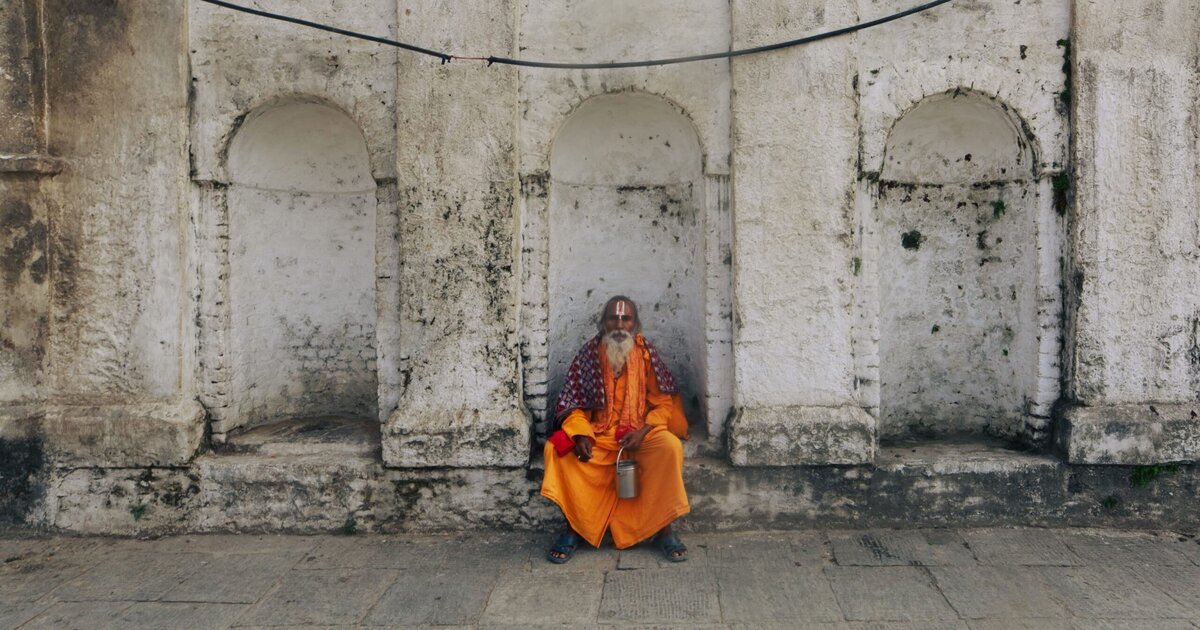
Ayodhya Worth Visiting During Summer? Honest guide on heat, Ram Mandir queues, best months & summer planning tips. Book your trip with Tripcosmos.
The question comes up constantly — usually from pilgrims who have a specific family situation: school holidays fall in May, parents can only travel in April, a Mundan ceremony is fixed for June. The dates are set. The question is whether Ayodhya in summer is worth the heat.
The honest answer, as with most nuanced travel questions, is: it depends — and the details matter. Summer in Ayodhya runs genuinely hot. But it also brings fewer crowds, shorter Ram Mandir queues, better accommodation availability, and lower prices across the board. Whether those advantages outweigh the physical demands of the heat depends entirely on your group, your timing within the season, and how well you plan the daily schedule.
This guide gives you the complete, unfiltered picture — what summer in Ayodhya actually feels like, what works and what does not, which weeks are most manageable, and exactly how to plan if summer is your only option.
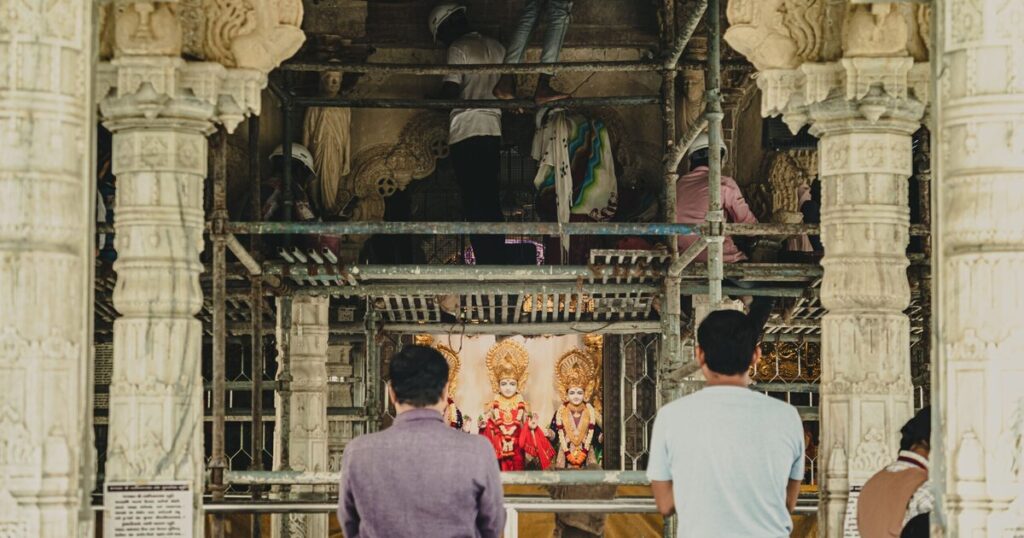
Ayodhya sits in the heart of Uttar Pradesh’s Gangetic plain — one of the hottest regions in India during the summer months. Between April and June, temperatures regularly climb to:
These are not numbers to take lightly. Outdoor temple visits — which involve queue standing, walking between shrines, and often waiting on exposed stone platforms — become physically demanding very quickly at these temperatures. For elderly pilgrims, young children, or anyone with cardiovascular or respiratory conditions, prolonged sun exposure in May and June requires genuine caution.
What moderates the picture: Ayodhya’s major temples, including the Ram Mandir complex, have covered waiting areas, shade structures, and misting facilities that have expanded significantly since 2024. The city’s pilgrimage infrastructure has been upgraded substantially and continues to improve. The experience today is not the same as visiting three or four years ago.
This is the single most compelling argument for a summer visit. During peak pilgrimage season — October through February — Ram Mandir darshan queues regularly extend to 3–5 hours of waiting. During Ram Navami and other major festivals, queues can stretch the entire day with no guaranteed darshan.
In May and June, the same darshan that takes 4 hours in December typically takes 45 minutes to 90 minutes. The temple complex is significantly less crowded. The security check lines move faster. And the overall darshan experience — with fewer bodies pressing in from all sides — is actually more composed and meaningful than a peak-season crush.
For devotees who are coming specifically for Ram Mandir darshan and want a genuinely immersive, unhurried experience at the sanctum, summer ironically delivers this better than winter. This is the insider’s argument for summer Ayodhya that most travel blogs miss entirely.
Peak season in Ayodhya sees hotels and guesthouses fill up weeks in advance at their highest annual rates. Summer drops occupancy by 40–60%, which produces two benefits: prices fall significantly and the best properties — those closest to the Ram Mandir complex and the Saryu Ghat — are available without advance booking weeks ahead.
A hotel room that costs ₹3,000–₹4,000 per night in November is frequently available for ₹1,500–₹2,000 per night in May. For families or groups on a careful budget, this pricing difference can fund a significantly more comfortable trip overall — better accommodation, better food, more private transport — at the same total spend as a peak-season budget visit.
Ayodhya during peak season is genuinely spectacular but intensely crowded. The Ram Mandir draws millions of pilgrims throughout the year, but the concentration during October–February means the city’s roads, ghats, and temple approaches are consistently at capacity.
Summer strips this back to a truer version of the city. The Saryu Ghat in the early morning has an intimate, unhurried quality. The smaller temples — Hanuman Garhi, Kanak Bhavan, Nageshwarnath Mandir — can be explored without navigating dense crowds. And the pilgrims who are present in summer are, on average, more committed devotees rather than casual tourists — which creates a different, more focused devotional atmosphere.
Not all of summer is equal. Early April — roughly the first two weeks — is when Ayodhya sits at its most comfortable summer edge. Temperatures in early April range between 28°C and 35°C, with mornings that are genuinely mild and pleasant. This window, before the heat escalates sharply, is arguably one of the best periods to visit Ayodhya all year — combining the crowd advantages of off-peak with temperatures that are perfectly manageable.
Ram Navami falls in April (date varies by year) and is a significant festival period — during Ram Navami week, the crowd dynamic shifts back toward peak season intensity. Check the Ram Navami dates before booking an April visit if your goal is avoiding crowds.
Between 11 AM and 4 PM in May and June, being outdoors in Ayodhya without shade or AC is not just uncomfortable — it is a genuine health risk for elderly pilgrims, young children, pregnant women, and anyone with heat sensitivity or pre-existing health conditions. Heatstroke, dehydration, and heat exhaustion are real risks during this window, not hypothetical ones.
This is not an argument against visiting in summer — it is an argument for planning the daily schedule with total honesty about this constraint.
The non-negotiable rule for summer Ayodhya: All outdoor temple visits must happen before 10 AM or after 5 PM. The hours between 11 AM and 4 PM are for indoor rest, hotel AC, and meals. A summer itinerary built around this rule is entirely manageable. A summer itinerary that ignores this rule can become a medical emergency.
The Saryu River — central to Ayodhya’s spiritual geography and the site of the Saryu Ghat Aarti — is at its lowest water level during summer. The ghat steps extend further into shallow water, and the river lacks the dramatic presence it carries during and after the monsoon. For pilgrims who want a Saryu snan (holy dip), the experience is possible but the river’s character is less compelling than in the post-monsoon months.
The weeks of May and June before the monsoon arrive are the dustiest of the year across Uttar Pradesh. Hot, dry winds — called loo — carry fine dust that makes outdoor movement genuinely uncomfortable, particularly for respiratory health. Anyone with asthma, allergies, or sinus conditions should plan outdoor exposure in very short windows and carry appropriate protective measures.
April (early — first two weeks): Best summer window by significant margin. Temperatures manageable, crowds at seasonal low, Ram Mandir queues short. Ideal for families with seniors, or anyone who needs to travel off-peak but wants reasonable weather. Verdict: Recommended with confidence.
April (late — Ram Navami week): Crowd levels spike significantly for Ram Navami celebrations. The atmosphere is extraordinary and spiritually vibrant, but the logistical experience resembles peak season. Verdict: Recommended only for those who specifically want the Ram Navami experience and can plan 3–4 months in advance.
May: Heat escalates sharply. The crowd advantage is strongest this month — Ram Mandir queues at their shortest of the year. Manageable only with strict early morning and evening scheduling. Not recommended for elderly-only groups or families with children under 8. Verdict: Conditionally recommended for healthy adult travelers with strict heat management planning.
June (before monsoon): The most demanding month — maximum heat, maximum dust, loo winds. The crowd advantage is real but the physical cost is highest. Verdict: Only for pilgrims with non-negotiable June dates. Requires very careful planning, maximum early morning scheduling, and reliable AC transport throughout.
If summer is your window, these planning decisions make the difference between a meaningful visit and a physically exhausting one:
Schedule all darshan before 9:30 AM. Ram Mandir for the 6:30 AM Mangala Aarti if possible, then Hanuman Garhi, then Kanak Bhavan — all completed before the heat peaks. An experienced driver from Tripcosmos cab services departing from your hotel at 5:30–6:00 AM handles this precisely.
Book AC accommodation close to the Ram Mandir. The midday rest period is genuine downtime in summer — you need AC that works reliably. Proximity to the Ram Mandir means morning departures are short and evening visits after 5 PM are walkable.
Use a dedicated vehicle for the entire trip. Summer is the season when reliable, pre-booked transport matters most. An AC Innova Crysta from Tripcosmos provides a cool sanctuary between temple visits, eliminates any exposure during the midday period, and handles early morning 5 AM departures without question.
Stay hydrated aggressively. Carry 2–3 litres of water per person for every outdoor session. Electrolyte sachets are worth packing. The prasad shops around the Ram Mandir sell coconut water and nimbu pani — use them.
Plan for exactly two days in Ayodhya — not one, not three. One day is too rushed in summer when morning window is limited. Three days overstays the manageable outdoor exposure window. Two days with early mornings well-planned covers all the essential darshans comfortably. Read the full How Many Days Are Enough for Ayodhya guide for detailed day-wise planning.
Many pilgrims combine Ayodhya with Varanasi or Prayagraj on the same trip. Summer actually works well for this combination because both cities share the crowd-reduction advantage — Varanasi’s Kashi Vishwanath queues are also shorter in summer — and reliable inter-city transport can be timed for early morning departures before the heat builds.
The Varanasi–Ayodhya distance is approximately 200 km — a comfortable 3.5 to 4-hour Innova drive that, if departed by 5 AM, arrives in Ayodhya by 9 AM with a full cool morning ahead. Tripcosmos plans exactly these kinds of early morning inter-city pilgrimage transfers as part of complete Varanasi–Ayodhya tour packages.
For families bringing elderly parents specifically, the Ayodhya with Senior Citizens guide covers the additional planning considerations that matter for summer visits with older family members. And if budget is the driving constraint, the Ayodhya Trip Under ₹5,000 guide remains valid in summer — costs drop further in peak heat months.
According to Ayodhya’s sacred geography and history, the city is one of the seven Sapta Puris — the most sacred cities in Hindu tradition — making it a non-negotiable pilgrimage destination regardless of season for devoted pilgrims.
Tripcosmos specializes in pilgrimage travel across Uttar Pradesh, including summer-specific planning for Ayodhya that accounts honestly for the heat constraints. The team can help with:
📍 Website: https://tripcosmos.co 📱 WhatsApp: +91 9336116210
Share your travel dates, group composition, and any health considerations — and the Tripcosmos team will build a summer Ayodhya plan that is genuinely achievable and spiritually meaningful.
Ayodhya temperatures in summer range from 35°C in early April to 45°C+ in May and June. Visiting is safe for healthy adults who strictly limit outdoor exposure to early morning (before 10 AM) and evening (after 5 PM) windows. It is not recommended for extended outdoor visits for elderly pilgrims, young children, or anyone with cardiovascular or respiratory conditions without very careful planning and reliable AC transport throughout the day.
Summer queues at Ram Mandir are dramatically shorter than peak season. During October–February, queue times routinely reach 3–5 hours. In May and June, the same darshan typically takes 45–90 minutes. This is one of the most significant practical advantages of a summer visit for pilgrims whose primary goal is Ram Mandir darshan with a composed, unhurried experience at the sanctum.
Both are off-peak with crowd advantages. Summer (particularly early April) offers shorter queues and lower prices but intense heat from May onwards. Monsoon (July–September) brings rain, better temperatures, and a lush landscape but can create waterlogging and logistical complications around the ghats. Early April is the most comfortable off-peak window. If summer is the choice between May–June, strict morning scheduling is essential. If monsoon is the choice, July–August rain management becomes the planning priority.
Yes, with the right planning. May has the shortest Ram Mandir queues of the year and the lowest accommodation prices. It is physically demanding due to the heat, but entirely manageable for healthy adult groups who restrict all outdoor visits to before 10 AM and after 5:30 PM. A dedicated AC vehicle for the full trip is non-optional in May — it serves as both transport and cool sanctuary between temple visits.
Absolutely. Early morning departures are standard for summer Ayodhya planning through Tripcosmos — a 5:00–5:30 AM start from the hotel for Ram Mandir Mangala Aarti darshan is the most common summer request. Tripcosmos’s dedicated drivers are confirmed in advance for whatever departure time the itinerary requires, with no last-minute uncertainty. This is one of the core advantages of pre-booking rather than arranging local transport on arrival.
Ayodhya in summer is not the easy choice — but it is a legitimate one, and for the right pilgrim, it may actually be the better one. Shorter queues, lower prices, better accommodation availability, and fewer crowds deliver a Ram Mandir darshan experience that peak season, for all its energy, rarely offers.
The trade is the heat. Accept it honestly. Plan around it completely. Restrict your outdoor windows to mornings and evenings. Book an AC vehicle you trust. And arrive with the understanding that Ayodhya — the birthplace of Lord Ram, one of the seven most sacred cities in Hindu tradition — is worth visiting in any season when your heart calls for it.
Plan right, and the heat becomes a detail. The darshan remains everything.


Comments are closed.