Your cart is currently empty!
You may check out all the available trips and book one that suits you.
Continue Browsing Trips
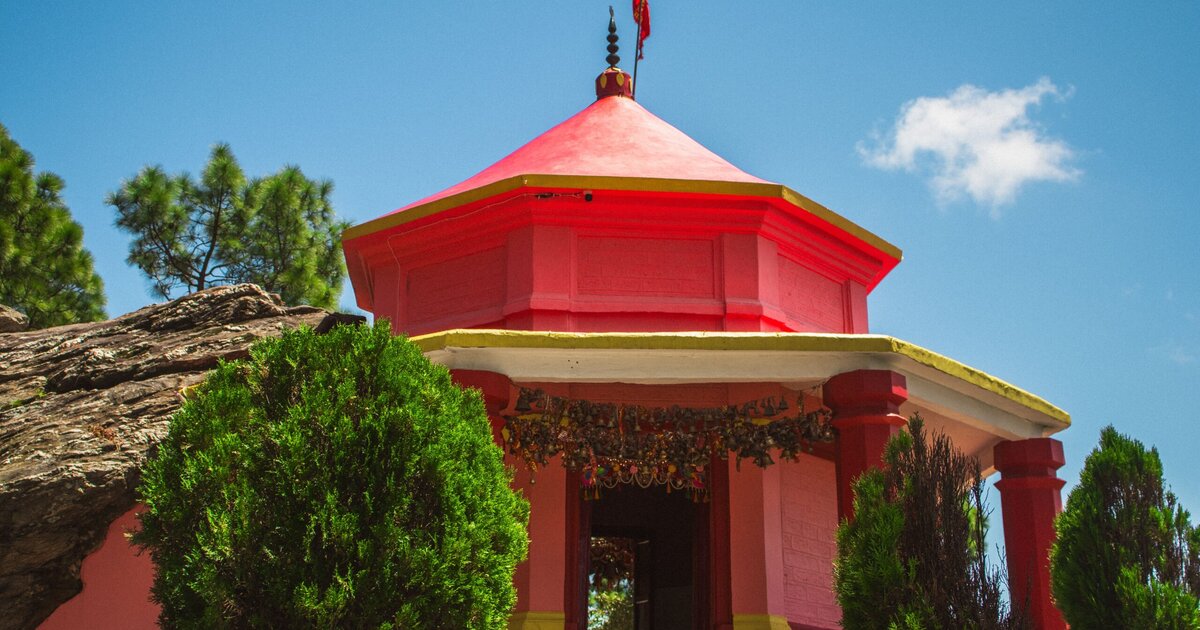
Naimisharanya Temple Circuit Guide, Naimisharanya is not a single temple destination — it is a complete sacred circuit of multiple deeply significant sites spread across the ancient forest, the banks of the Gomti river, and the surrounding kunds and ghats.
Most first-time visitors make the mistake of thinking Chakra Tirth is the only stop. It is the most important stop — but the complete Naimisharanya temple circuit has nine to twelve distinct sacred sites, each with its own mythological significance, ritual purpose, and spiritual character. This guide maps every one of them in the correct visiting sequence, with time estimates, accessibility notes, and the theological context that makes each site genuinely meaningful rather than just another checkbox.

The most sacred site in all of Naimisharanya — the circular kund where Lord Vishnu’s Sudarshana Chakra is believed to have fallen, creating the navel of the earth. The Chakra Tirth is a perfectly circular natural kund surrounded by ancient temple architecture and filled with sacred water that pilgrims believe carries purification equivalent to bathing at every major pilgrimage site in India simultaneously. Every story from the Puranas — every story of Rama, Krishna, the gods and goddesses — was told here for the first time in this forest.
VIP Sugam Darshan passes, verified outstation cabs, Ganga aarti boat allocations, and clean hotel stays — fully coordinated by our on-ground team.
The Chakra Tirth holy dip is the most important ritual act of the entire Naimisharanya visit. Carry a change of clothes and a small towel — most first-timers forget this and manage awkwardly with wet clothes for the remainder of the circuit. Best timing: 8:00–9:30 AM. Free entry. Allow 45–60 minutes including the dip, post-dip ritual, and temple darshan around the kund perimeter.
Immediately after Chakra Tirth, the Lalita Devi Temple is the second essential stop on the circuit. This is one of the 51 Shakti Peethas — temples marking the spots where parts of Goddess Sati’s body fell after Lord Vishnu’s Sudarshana Chakra cut her body to end Lord Shiva’s grief. At Naimisharanya, Sati’s heart is believed to have fallen. The temple’s devotional atmosphere is warm, accessible, and particularly meaningful for women pilgrims and families offering prayers for domestic wellbeing. Free entry. Allow 30–40 minutes
Vyasa Gaddi is the sacred seat where Sage Vyasa narrated the complete Puranas to Sage Suta — and where Sage Suta then narrated them to the 88,000 assembled rishis. This is the birthplace of Puranic narration — the origin point of the stories of Rama, Krishna, and the complete mythology of Hinduism as most people know it. The site is marked by a simple platform under a tree, but its importance is immense. Sut Gaddi — the specific spot where Sage Suta sat — is immediately adjacent. Allow 20–25 minutes. Free entry. The simplicity of the site is itself part of its power.
Named after Sage Dadhichi — who according to Hindu mythology sacrificed his bones to help the gods defeat demons — Dadhichi Kund is a deeply sacred bathing ghat within the Naimisharanya complex. Pilgrims perform ritual dips here as an act of spiritual purification and as homage to Dadhichi’s extraordinary sacrifice. The water of Dadhichi Kund is considered holy, and pilgrims often take a dip here to honour the sage’s selfless act. Allow 20–25 minutes. Free entry.
Different from the famous Hanuman Garhi in Ayodhya, the Naimisharanya Hanuman Garhi is a revered temple situated at the entrance of the town, dedicated to Lord Hanuman. The shrine is a prime location for devotees who seek blessings for strength and protection. The serene atmosphere offers a moment of peace and reflection. For most pilgrims visiting Naimisharanya from Lucknow, this is the first temple encountered on arrival — making it the natural opening darshan of the sacred circuit before proceeding to Chakra Tirth. Free entry. Allow 20–30 minutes.
Pandav Kila — the Pandava Fort — is believed to have been established by the Pandavas during their exile period. Its historical significance combined with its archaeological value makes it a fascinating stop for both history enthusiasts and spiritual seekers. The fort’s physical remains are modest — but the association with the Mahabharata period and its position within Naimisharanya’s sacred geography give it a genuine pilgrimage resonance. Allow 20–25 minutes. Free entry
Approximately 3 kilometres from the main Chakra Tirth complex, Misrikh Ghat sits at the confluence of the Gomti river and a sacred kund. This is one of the most important bathing ghats in the entire Naimisharanya region and is especially significant during Makar Sankranti and Kartik Purnima — two of the most important bathing festivals at Naimisharanya. Your Tripcosmos driver manages the 3-kilometre vehicle transition to Misrikh Ghat — it is not walkable from the main complex in a comfortable timeframe for most family groups. Allow 30–40 minutes including the ghat visit and ritual dip if performing. Free entry.
The circumambulatory walk through Naimisharanya’s sacred forest is not a temple in the conventional sense — it is the entire forest experienced as sacred space. The sacred forest of Naimisharanya is mentioned in almost every major Hindu scripture as one of the most sacred forests on earth. A 30-minute walk through the forest periphery near Chakra Tirth is achievable for day visitors. The complete Van Pradakshina takes 60–90 minutes and is best experienced at dawn before the main temple circuit begins — the forest at 5:30 AM in October or November is one of the most genuinely meditative environments in all of North India. This experience is available only to overnight visitors.
| Time | Site | Duration |
|---|---|---|
| 7:30 AM | Hanuman Garhi (arrival darshan) | 20–30 min |
| 8:00 AM | Chakra Tirth holy dip + temple | 45–60 min |
| 9:15 AM | Lalita Devi Shakti Peetha | 30–40 min |
| 10:00 AM | Vyasa Gaddi + Sut Gaddi | 20–25 min |
| 10:30 AM | Dadhichi Kund | 20–25 min |
| 11:00 AM | Pandav Kila | 20–25 min |
| 11:30 AM | Lunch at local dhaba | 45 min |
| 1:00 PM | Misrikh Ghat (3 km drive) | 30–40 min |
| 2:00 PM | Forest walk (partial) | 30 min |
| 2:30 PM | Return drive to Lucknow | — |
This sequence is exactly how the A Day in Naimisharanya itinerary from Tripcosmos is structured — every transition managed by a pre-confirmed private cab, every site briefed by an experienced local guide.
Tripcosmos designs the complete Naimisharanya temple circuit as a standalone package and as part of the complete UP sacred circuit. From the Naimisharanya Family Tour with Cost to the 7-Day UP Temple Tour covering all six sacred UP destinations — every format is managed with transparent pricing and 24/7 WhatsApp support.
Website: https://tripcosmos.co WhatsApp: +91 9336116210
The Naimisharanya temple circuit is not a single stop — it is eight distinct sacred sites, each with deep mythological significance, spread across the ancient forest and the Gomti riverbanks. Visited in the right sequence, with adequate time at each stop and a pre-arranged private vehicle managing transitions, the complete circuit takes 5–6 comfortable hours and delivers one of the most profound pilgrimage experiences available anywhere in North India. For historical and scriptural context on this extraordinary sacred forest, the Wikipedia article on Naimisharanya is essential reading before your visit.
Chakra Tirth kund, Lalita Devi Temple (one of 51 Shakti Peethas), Vyasa Gaddi, Dadhichi Kund, and Misrikh Ghat are the five most spiritually significant sites in the complete Naimisharanya circuit. Hanuman Garhi at the town entrance is the traditional first darshan. All sites are free to enter.
The complete circuit — Hanuman Garhi, Chakra Tirth, Lalita Devi, Vyasa Gaddi, Dadhichi Kund, Pandav Kila, Misrikh Ghat, and partial forest walk — takes 5–6 hours at a comfortable pace, including a lunch break and vehicle transitions between sites. A pre-arranged Tripcosmos private cab manages all transitions efficiently.
Strongly recommended — Naimisharanya has minimal English signage, no tourist information kiosks, and very limited multilingual guidance. A local guide transforms each site from an interesting location into a genuinely moving mythological encounter. Tripcosmos guides provide age-appropriate narration for children alongside theological depth for adult pilgrims.
Yes — the complete circuit is achievable in one day departing Lucknow by 7:00 AM. Misrikh Ghat is 3 kilometres from the main complex and requires a vehicle transition — only possible with a pre-arranged private cab. The Van Pradakshina (forest walk) in its full form requires an overnight stay for the dawn experience.
All major sites in the Naimisharanya temple circuit — Chakra Tirth, Lalita Devi Temple, Vyasa Gaddi, Dadhichi Kund, Hanuman Garhi, Pandav Kila, and Misrikh Ghat — are completely free to enter. Budget ₹200–₀500 per family for voluntary donations and prasad across the complete circuit.
VIP Sugam Darshan passes, verified outstation cabs, Ganga aarti boat allocations, and clean hotel stays — fully coordinated by our on-ground team.
TripCosmos guarantees verified Kashi Vishwanath Sugam Darshan passes (zero line waiting), private Dev Deepawali & Ganga Aarti Bajra boats, and verified Toyota Innova Crysta cabs with trusted local chauffeurs.

Comments are closed.