Your cart is currently empty!
You may check out all the available trips and book one that suits you.
Continue Browsing Trips
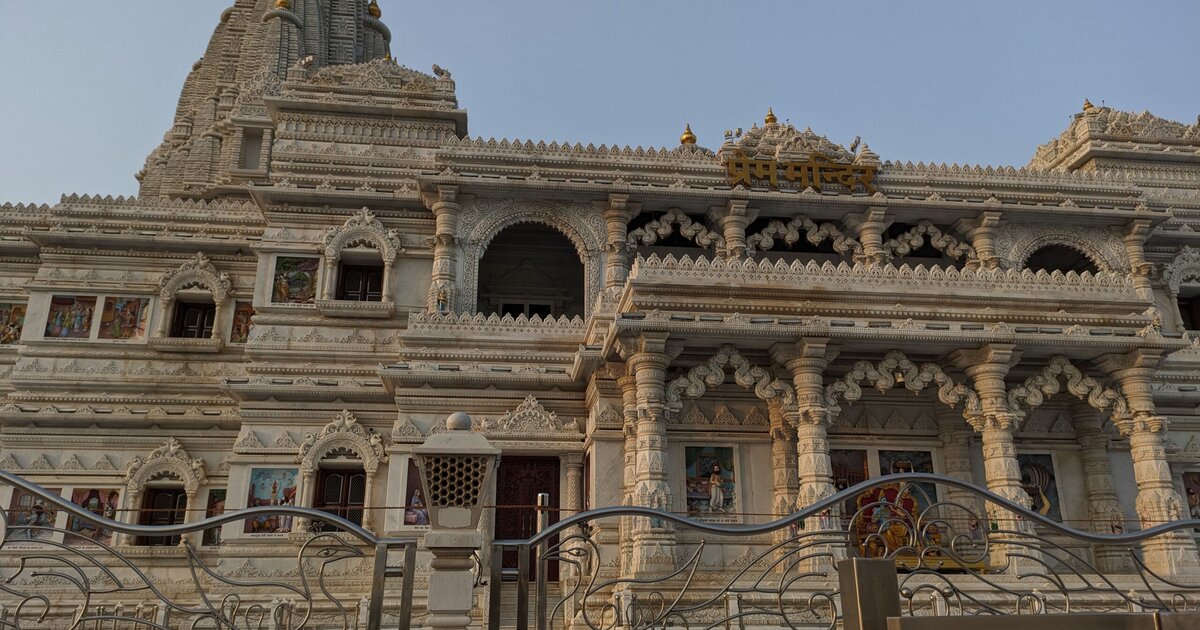
Best Time to Visit Vrindavan , The honest answer to “when is the best time to visit Vrindavan” depends entirely on what you want the visit to be.
A family seeking comfortable temple visits needs a different window than a devotee who specifically wants Holi. A couple wanting the quiet Yamuna sunrise has different requirements than a pilgrim who has waited their whole life to be in Vrindavan on Janmashtami. The standard answer — October to March — is correct as a weather guideline, but it flattens a much more specific decision.
This guide gives you the best timing by purpose — so you can plan around what you actually want from Vrindavan, not just the temperature calendar.
VIP Sugam Darshan passes, verified outstation cabs, Ganga aarti boat allocations, and clean hotel stays — fully coordinated by our on-ground team.
Vrindavan sits in the Braj region of western Uttar Pradesh, sharing its climate with Mathura and Agra. The seasonal pattern is straightforward:
October to March: Temperatures between 8°C and 28°C. Ideal for all outdoor temple activities — Govardhan parikrama, Yamuna boat rides, evening aarti at Keshi Ghat. December and January are the coldest months (minimum 8°C) — carry warm layers for early morning visits.
April to June: Temperatures rising from 32°C to 47°C. The Govardhan parikrama (21 km barefoot) becomes genuinely dangerous in May and June. Outdoor temple circuits are exhausting. Not recommended for elderly visitors or families with young children.
July to September: Monsoon season. Temperatures drop to 25–35°C. Vrindavan is lush and green — the Yamuna runs full, the forest around Nidhivan is extraordinary. Crowds are thin. But outdoor activities are limited by rain and humidity.
Now — by purpose:
If this is your first time and you want the complete Vrindavan experience — Yamuna sunrise boat, Kamadgiri-style morning atmosphere, Banke Bihari darshan, evening Prem Mandir light show, Keshi Ghat at dusk — October and November is the optimal window.
The post-monsoon forest is still green, the air is clean, temperatures are comfortable for full-day outdoor temple circuits, and the Kartik month (October 17 to November 15 in 2026) adds a specific sacred quality that no other period in the year replicates.
Kartik month significance: In Vaishnava tradition, Kartik is the most sacred month of the year — every act of devotion in Vrindavan during Kartik is considered multiply meritorious. Temples illuminate with oil lamps at dusk every evening of the month. The Yamuna at dawn during Kartik carries a specific atmosphere — diyas on the water, early morning parikrama, a quiet devotional intensity — that serious pilgrims describe as the finest Vrindavan experience available in any season.
2026 Kartik month: October 17 to November 15. Book accommodation 3–4 weeks in advance — guesthouses near Banke Bihari and Keshi Ghat fill during this period.
Vrindavan’s Holi is not a single day. It is a week-long festival sequence — and each day offers a different experience.
Lathmar Holi, Barsana (42 km from Vrindavan): Women from Radha’s village ritually chase men with wooden staffs while men sing and play colours. The most extraordinary and most photographed Holi event in India. Happens approximately 10–12 days before the main Holi date — in late February or early March depending on the calendar.
Phoolon Wali Holi, Banke Bihari Temple, Vrindavan: A day or two before main Holi — priests shower flower petals on devotees instead of colour. The most spiritually distinctive Holi event in Vrindavan. Intimate, beautiful, and far less chaotic than the colour celebrations.
Main Holi at Dwarkadhish, Mathura: The colour celebration at Mathura’s most active temple — loud, joyful, completely overwhelming in the best possible way.
Planning for Holi 2027: (Holi 2026 has passed for this year — book Holi 2027 dates 6–8 weeks in advance). Accommodation near Banke Bihari and Barsana fills completely for the Holi week. Wear clothes you’re willing to discard. Carry eye protection.
December and January deliver the best combination of comfortable weather and manageable crowd levels for families with children. Temperatures of 10–22°C during the day are ideal for full outdoor circuits including Govardhan parikrama.
The school winter holidays (late December) do bring some increase in family visitors, but weekday visits during January are among the quietest and most comfortable of the entire year. Hotel rates are at their most reasonable. The Prem Mandir light show in the cold evening air — children wrapped in shawls watching the marble complex illuminate in colours — is one of those family memories that last decades.
January is particularly recommended for families whose main purpose is devotional rather than festival-focused. The 6:00 AM Vishram Ghat aarti in January morning mist, followed by Krishna Janmabhoomi before the tour groups arrive, is the quietest and most intimate version of the Mathura Vrindavan experience available across the year.
For couples visiting for Radha-Krishna blessings and the Yamuna riverside atmosphere, two windows stand out:
November (Kartik month): The Yamuna at dawn lit by diyas, the most devotional atmosphere of the year, Nidhivan in autumn forest light. The most romantically charged sacred atmosphere Vrindavan offers.
February: Cooler than November, the Braj region is in the lead-up to Holi — Vasant Panchami decorations across the temples, the first spring flowers appearing, and the most comfortable temperatures of the year for slow, unhurried exploration of Vrindavan’s lanes.
Janmashtami 2026 falls on September 4, 2026 (with ISKCON observing September 5). The midnight celebration at Krishna Janmabhoomi — when 3 to 5 million pilgrims fill Mathura and Vrindavan — is the most extraordinary festival event in all of North India.
The experience is genuinely once-in-a-lifetime. The logistics require serious planning:
TripCosmos coordinates Janmashtami packages with accommodation, guide, and entry coordination — the Mathura Vrindavan Festival Tour covers this as a dedicated festival package.
January: Off-peak pricing with excellent weather. The best combination of low accommodation costs and comfortable conditions of any month in the year. Hotel rates near Banke Bihari Temple are at their annual minimum.
July (monsoon): The lowest rates of the year, thin crowds, and the extraordinary visual experience of the Braj region in full monsoon green. For budget devotees comfortable with rain, July delivers Vrindavan at its most affordable and most atmospheric in a different way — intimate, rain-drenched, profoundly quiet.
| Month | Weather | Crowd Level | Best For |
|---|---|---|---|
| Oct–Nov | Excellent | Moderate | First visits, Kartik month devotees |
| Dec–Jan | Cold mornings, pleasant days | Low–Moderate | Families, elderly parents |
| Feb–Mar | Pleasant–warming | High (Holi period) | Festival visitors, couples |
| Apr–Jun | Very hot | Low | Budget only; avoid for elderly/children |
| Jul–Sep | Monsoon | Very Low | Budget, introspective pilgrims |
TripCosmos offers Mathura Vrindavan packages across every season and every purpose. The Mathura Vrindavan 1-Day Tour Package starts from ₹2,800 for a private cab for up to 4 passengers and runs year-round. The 2N/3D Mathura Vrindavan Barsana Tour covers the complete Braj circuit from ₹3,500 per person. For the Mathura Varanasi combination, the Mathura Varanasi Combo Tour starts from ₹8,999 per person with guides and accommodation at both cities.
Contact TripCosmos with your travel dates and purpose — the team recommends the right window and builds the right package around it.
Website: https://tripcosmos.co WhatsApp: +91 9336116210
October and November — specifically the Kartik month window (October 17 to November 15 in 2026). The weather is ideal, the forest is post-monsoon green, temples illuminate with diyas every evening of the month, and the Yamuna at dawn carries the most devotional atmosphere of any season. December and January are excellent second choices for families prioritising comfort and lower crowds.
Janmashtami 2026 falls on September 4 (ISKCON observes September 5). The midnight nishita kaal puja from 11:46 PM to 12:27 AM is the spiritual peak. Book accommodation within 1 km of Krishna Janmabhoomi by May 2026 — rooms at this distance fill completely months before the festival.
Yes — for a specific kind of visitor. The Braj region in monsoon is extraordinarily green, crowds are thin, hotel rates are at their annual minimum, and the Yamuna flows full and beautiful. It is not ideal for elderly visitors or families with young children due to rain and humidity, but for budget pilgrims and solo devotees wanting an intimate, uncrowded experience, monsoon Vrindavan is genuinely compelling.
Kartik is the most sacred month in the Vaishnava calendar — every act of devotion performed in Vrindavan during this 30-day period is considered multiply meritorious. Temples light thousands of oil lamps every evening. The Yamuna during Kartik carries a specific devotional atmosphere that serious pilgrims describe as unlike any other time of year. In 2026, Kartik month runs from October 17 to November 15.
Both months may be relevant depending on the year’s calendar — Lathmar Holi in Barsana and Phoolon Wali Holi at Banke Bihari happen approximately 10–12 days before the main Holi date, which falls in February or March based on the lunar calendar. For 2027, book 6–8 weeks ahead of the Holi period. TripCosmos coordinates Holi packages covering Barsana, Vrindavan, and Mathura in a single 2–3 day circuit.
VIP Sugam Darshan passes, verified outstation cabs, Ganga aarti boat allocations, and clean hotel stays — fully coordinated by our on-ground team.
TripCosmos guarantees verified Kashi Vishwanath Sugam Darshan passes (zero line waiting), private Dev Deepawali & Ganga Aarti Bajra boats, and verified Toyota Innova Crysta cabs with trusted local chauffeurs.

Comments are closed.