
Varanasi vs Haridwar — which to visit first in 2026/2027? Honest comparison by traveller type, Ganga Aarti, logistics & sequence guide. TripCosmos — WhatsApp +91 9336116210.
Both cities sit on the Ganga. Both have a famous evening Aarti. Both draw millions of pilgrims every year. And yet Varanasi and Haridwar are so different in character, atmosphere, and what they ask of the visitor that choosing between them — or sequencing them correctly — is one of the most consequential decisions in North India pilgrimage planning.
This guide gives you the direct, specific answer: who should visit which city first, what each city actually delivers, and how to combine both in a way that creates the most complete sacred Ganga experience available anywhere in India.
Varanasi vs Haridwar
The Short Answer
Visit Varanasi first. Haridwar second.
For the majority of pilgrims — especially those coming from South India, East India, or from abroad — Varanasi is the correct opening city. The Kashi Vishwanath Jyotirlinga, the 84 ghats, the philosophical weight of the oldest continuously inhabited city on earth — this is the centre of the UP sacred circuit, and the experience of Varanasi first creates the framework through which Haridwar becomes profoundly more meaningful when you arrive.
Haridwar is where the Ganga descends fresh from the Himalayas. Varanasi is where the Ganga has been receiving the prayers, the bodies, and the devotion of humanity for three thousand years. Experiencing Varanasi’s ancient, sacred, intense Ganga first — then arriving at Haridwar’s rushing, cold, mountain-clean Ganga — creates one of the finest experiential arcs in any India pilgrimage. The journey moves from the weight of eternity to the freshness of origins. From the plains to the mountains. From the sacred fire of Manikarnika to the holy chains of Har Ki Pauri. Each illuminates the other.
What Each City Actually Is
Varanasi — The Eternal City
Varanasi does not perform for visitors. It continues, as it has for three thousand years, doing exactly what it does: pilgrims bathing at dawn, priests conducting the Ganga Aarti at dusk, the cremation fires burning at Manikarnika without interruption, the 84 ghats alive with prayer, music, ritual, and the ordinary sacred life of a city that has never stopped being sacred.
The Kashi Vishwanath Temple houses one of the twelve Jyotirlingas — the supreme Shiva shrines of Hinduism. The Ganga at Varanasi is the sacred river in its plains maturity — wide, brown, powerful, carrying the accumulated prayers of millennia. The Ganga Aarti at Dashashwamedh Ghat — seven priests, synchronized fire lamps, thousands of observers from both ghats and boats — is the most visually spectacular devotional ceremony in India.
What Varanasi asks of its visitors: presence, patience, and the willingness to be in a city that makes no concessions to comfort. Its lanes are narrow, its crowds can be intense, and its atmosphere — the burning ghats, the philosophical weight, the constant proximity to both birth and death — is genuinely overwhelming. This is precisely what makes it extraordinary.
Best for: All pilgrims doing the UP sacred circuit, elderly devotees seeking Kashi Vishwanath darshan, Shiva devotees completing Jyotirlinga yatra, Buddhist pilgrims visiting Sarnath, first-time India visitors who want the most genuine sacred India experience.
Haridwar — The Gateway to God
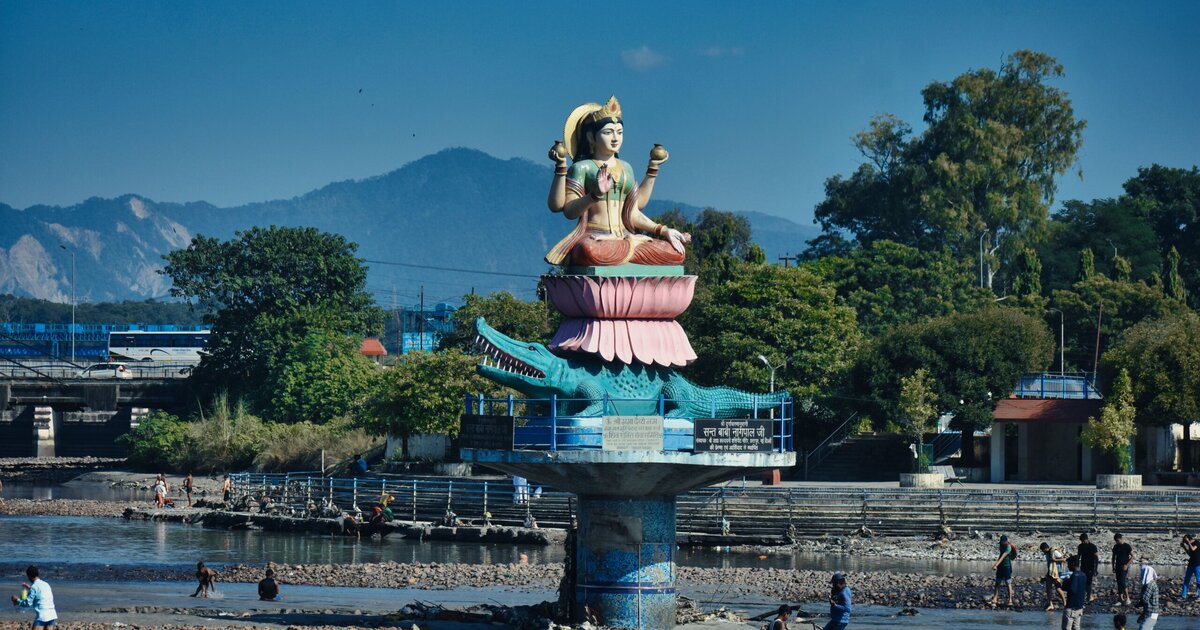
Haridwar is the place where the Ganga leaves the mountains. The sacred river arrives here fresh, cold, and rushing from the Himalayan glaciers — and this gives Haridwar a completely different Ganga energy from Varanasi’s ancient, plains-settled river.
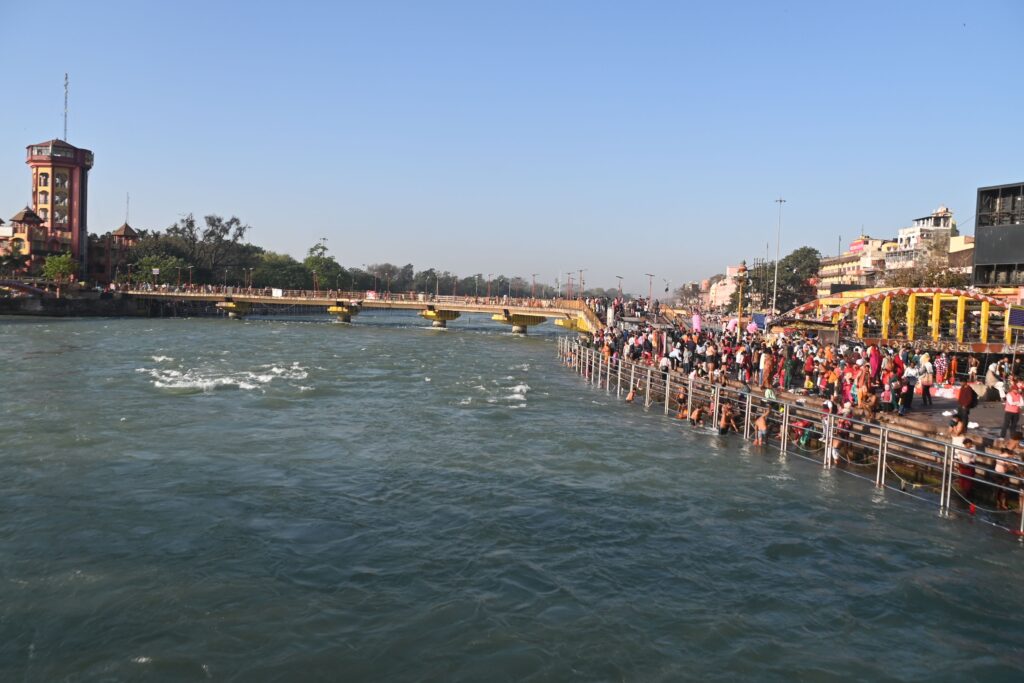
Har Ki Pauri — the most sacred ghat in Haridwar — is where Lord Vishnu’s footprint is embedded in the stone steps. The Ganga Aarti here is more intimate than Varanasi’s grand ceremony — you light a small diya boat yourself and release it on the current, watching hundreds of tiny flames drift downstream in the mountain dusk. The experience is personal, participatory, and quietly powerful in a way that Varanasi’s theatrical ceremony is not.
Haridwar is also the gateway to the Char Dham Yatra and the Himalayan pilgrimage circuit. Arriving in Haridwar feels like arriving at a beginning — the mountains behind the city, the cold Ganga ahead, the possibility of going further into the sacred landscape.
Best for: Families with elderly members who find Varanasi’s intensity difficult, Char Dham Yatra pilgrims beginning or ending the circuit, Ganga devotees wanting the purest river experience, first-time India visitors who want a gentler introduction to sacred India.
The Ganga Aarti Comparison
This is the question most visitors ask when choosing between the two cities.
Varanasi Ganga Aarti (Dashashwamedh Ghat): Seven priests. Synchronized fire lamps on multiple tiers. Hundreds of diyas. Thousands of observers from the ghats and from boats on the river. Theatrical, grand, overwhelming. The most spectacular single devotional ceremony in India. Best experienced from a private boat on the Ganga — the river view, with the lit ghats reflected in the water, is what makes the Varanasi Aarti the experience it is.
Haridwar Ganga Aarti (Har Ki Pauri): Smaller. More intimate. You are a participant rather than an observer — your own diya boat on the river, your own prayer released into the mountain Ganga. The Ganga here moves fast, cold, and clear. The devotional energy is less spectacular but more personal.
The comparison most pilgrims make after attending both: Varanasi’s Aarti is what you remember visually. Haridwar’s is what you carry in your heart.
If you can only attend one in your lifetime — Varanasi is the answer. If you’re doing the complete North India circuit — attend both. They are the same ceremony expressed in two completely different personalities of the same river.
Traveller Profile Guide — Which City for Which Visitor
| Traveller Type | Visit First | Why |
|---|---|---|
| First-time India pilgrim | Varanasi | Deepest, most complete sacred India experience |
| Elderly parents (Kashi Yatra intent) | Varanasi | Jyotirlinga darshan is primary spiritual objective |
| Char Dham Yatra pilgrims | Haridwar | Natural starting point for Uttarakhand circuit |
| Yoga / wellness seekers | Haridwar then Rishikesh | Haridwar → Rishikesh is the yoga circuit |
| Buddhist pilgrims | Varanasi | Sarnath is 10 km from Varanasi |
| NRI families reconnecting with roots | Varanasi | Kashi is where the deepest roots are |
| Adventure travellers | Haridwar | River rafting, Rishikesh, trekking gateway |
| South Indian pilgrims | Varanasi | Kedar Ghat, Kashi Yatra tradition |
| Gujarati pilgrims | Varanasi | Kashi Vishwanath Jyotirlinga priority |
| Foreign tourists first India visit | Haridwar | Gentler introduction; then Varanasi |
| Photography / documentary | Varanasi | The most photographed city in India |
| Solo spiritual seekers | Varanasi | Most philosophically rich city on earth |
Distance and Logistics
Varanasi to Haridwar: 750 km by road (12–14 hours), or an overnight train (12–13 hours). Most pilgrims doing both cities in one trip fly between them (Varanasi Airport to Dehradun, then road to Haridwar — 1.5 hours + 35 km).
The recommended multi-city sequence: Varanasi (2–3 nights) → Ayodhya (1 night) → Prayagraj (1 night) → Mathura–Vrindavan (1 day) → Delhi (transit) → Haridwar (1–2 nights) → Rishikesh (1 night). This 9-day circuit covers the complete North India sacred geography in the correct spiritual sequence — from the most ancient sacred city to the freshest mountain Ganga, the emotional arc moving naturally from depth to lightness, from the plains to the Himalayas.
For the Varanasi–Ayodhya–Prayagraj leg of this circuit, the 4N5D Varanasi Prayagraj Ayodhya Tour Package manages all three cities in a single confirmed booking. For private cab from Varanasi to any city, the TripCosmos cab service covers all routes with fixed fares.
Haridwar’s significance as a pilgrimage city — as the gateway to both the Himalayan sacred circuit and the Ganga plains tradition — makes it the natural counterpart and completion of the Varanasi experience. Together, they cover the full arc of the sacred Ganga from its mountain origin to its ancient plains city.
Website: https://tripcosmos.co WhatsApp: +91 9336116210
Frequently Asked Questions
Q1: Which is better — Varanasi or Haridwar?
They serve completely different devotional purposes and should not be compared as if one is superior. Varanasi is the most ancient, most philosophically intense sacred city in India — home to the Kashi Vishwanath Jyotirlinga and the most celebrated Ganga Aarti. Haridwar is where the Ganga descends fresh from the Himalayas — more intimate, more accessible, and the gateway to the Char Dham pilgrimage circuit. For most pilgrims, the complete answer is both — visited in the Varanasi first, Haridwar second sequence.
Q2: Which city is better for elderly pilgrims — Varanasi or Haridwar?
Both are manageable for elderly pilgrims with proper planning. Varanasi’s Kashi Vishwanath VIP darshan (₹300 per person) eliminates the queue, and the ghat approach has been significantly improved. Haridwar is generally considered slightly more physically accessible — the Har Ki Pauri ghat area is flat, well-maintained, and closer to most hotels than Varanasi’s dense ghat-lane network. For elderly pilgrims for whom the Kashi Vishwanath Jyotirlinga darshan is the primary spiritual objective — Varanasi first, regardless of accessibility considerations.
Q3: Is the Ganga cleaner in Haridwar or Varanasi?
Significantly cleaner in Haridwar — the Ganga arrives there directly from the Himalayan glaciers, cold and fast-flowing, before absorbing the pollution of the Gangetic plains cities. The Ganga at Varanasi is the plains river — wider, slower, and carrying the accumulated tributaries and urban inputs of a much longer stretch. For ritual holy dip, both are considered equally sacred — the physical cleanliness of the water does not affect the spiritual potency of the ritual.
Q4: Can I visit both Varanasi and Haridwar in one trip?
Yes — but they are 750 km apart. The most practical combination is flying between the cities (Varanasi Airport to Dehradun airport, then 35 km to Haridwar). Overnight train is also popular for budget travellers (12–13 hours). Most pilgrims doing both cities budget a minimum of 4 nights in Varanasi (including Ayodhya and Prayagraj) and 2 nights in Haridwar/Rishikesh for a complete 7-day circuit.
Q5: What is the best time to visit both Varanasi and Haridwar?
October to March is ideal for both. November — specifically Kartik month — is the finest single period for Varanasi (Dev Deepawali, Kartik Purnima, the most devotionally charged month). February is the most comfortable month for Haridwar — cool but not cold, before the summer pilgrimage rush begins. Maha Shivaratri (February–March) is spiritually significant in both cities simultaneously — the most ambitious Ganga pilgrims visit both cities in the same Maha Shivaratri week.




[…] to perform Pind Daan, one of the most important questions they face is which sacred city to choose. Varanasi, Haridwar, and Gaya are all considered highly auspicious for ancestral rites — but they are not […]